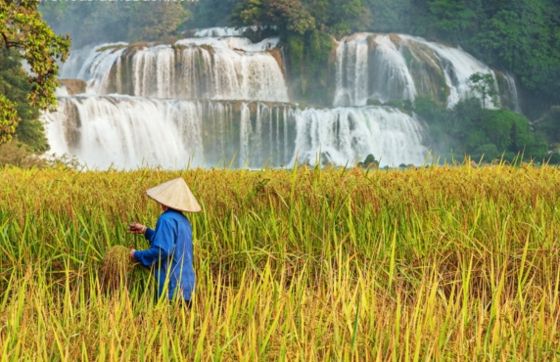
Are you planning to spend 2 weeks in Vietnam and want to make the most of its mountains, forests, rice fields, and other natural landscapes? From the rugged mountains of the North to the waterways and wetlands of the South, Vietnam offers an impressive variety of scenery, including terraced rice fields, lush valleys, limestone karsts, caves, tropical forests, islands, and river deltas. A 2-week nature Vietnam itinerary allows you to explore some of the country’s most beautiful natural areas while enjoying outdoor activities and more responsible travel experiences. In this guide, you’ll find the best places to visit, the best time to go, itinerary ideas, and tips for enjoying Vietnam’s nature while respecting the environment and local communities.


Vietnam offers remarkable variety in one journey, from Hanoi’s lively streets and dramatic limestone landscapes to imperial heritage and the waterways of the Mekong Delta. With so much to experience from north to south, two weeks gives you enough time to discover several sides of the country without trying to see everything at once. For solo female travelers in Vietnam for 15 days, a well-planned route can combine cities, mountains, heritage, and rural life at a comfortable pace. A solo trip to Vietnam still requires careful planning, especially when travelling between regions. If you’re ready to travel to Vietnam, this guide from Autour Asia provides a practical itinerary, along with useful advice on safety, transport, accommodation, food, and budget to help you plan your journey.
Vietnam is a great destination for solo travelers, whether it is your first time traveling alone or you already enjoy exploring new places on your own. With its friendly people, beautiful scenery, delicious food, and a wide range of travel options, the country is easy to explore at different budgets. Solo travel in Vietnam in 2 weeks gives you enough time to experience several sides of the country without having to rush from one place to another. But how should you plan your 14-day trip? In this guide, you’ll find practical tips on choosing where to go, planning your route, finding a comfortable pace, and enjoying your time in Vietnam on your own.
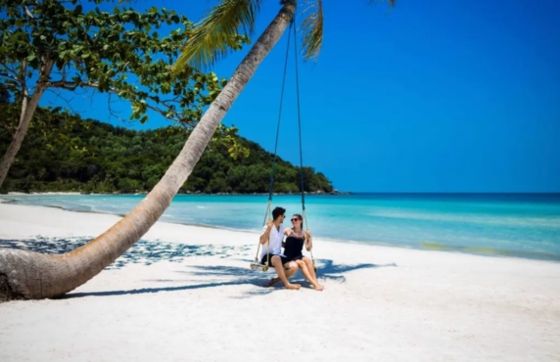

Traveling to Vietnam in January means experiencing different climates depending on where you go. While Hanoi has cool, sometimes grey and misty days, the South enjoys warmer and drier weather. In Central Vietnam, the weather can be less predictable, especially in Hoi An and Hue. This variety is precisely what can make 2 weeks in Vietnam in January an interesting experience. Rather than trying to travel across the entire country at all costs, it is better to build your itinerary around what you actually want to experience: discovering Vietnamese culture, enjoying natural landscapes, traveling at a relaxed pace, or ending your trip with a few sunny days by the sea.
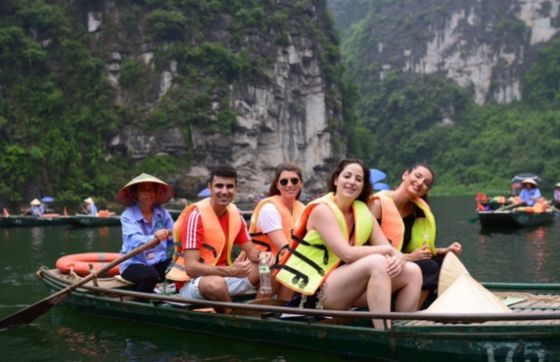

Are you looking for an affordable way to explore Vietnam with a French-speaking guide, private transportation, and a small group? A Vietnam 15-day group tour offers a good balance between comfort, authentic experiences, and cost. Traveling with 7 to 10 people creates a more relaxed and friendly atmosphere than a large group tour, while allowing you to share the cost of transportation, guides, and activities. It is also a practical option for those who want a well-organized itinerary without the higher price of a private tour. Below, discover a sample itinerary, the main benefits of traveling in a small group, and a few things to consider before your trip.

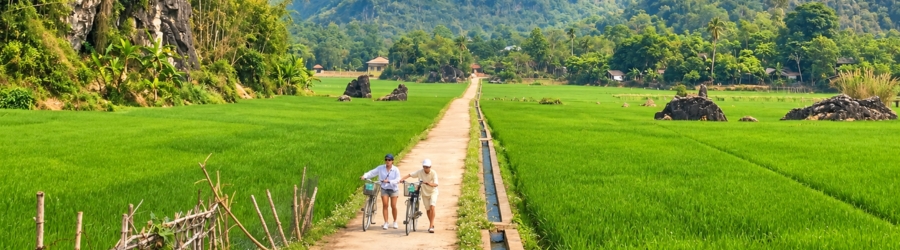
Spending 15 days in Vietnam in March allows you to discover very different landscapes and atmospheres, from the mild climate of the North to the tropical beaches of the South. But with only two weeks, the choice of stops and the organization of transportation play an essential role in making the most of the trip without having to travel continuously. Is March really a good time to travel across the country ? What weather can you expect depending on the region, which itinerary should you follow and how should you prepare your budget, transportation and luggage ? Autour Asia guides you in organizing a balanced trip to Vietnam in March, with a 15-day itinerary designed to combine cultural discoveries, nature, local experiences and relaxation.
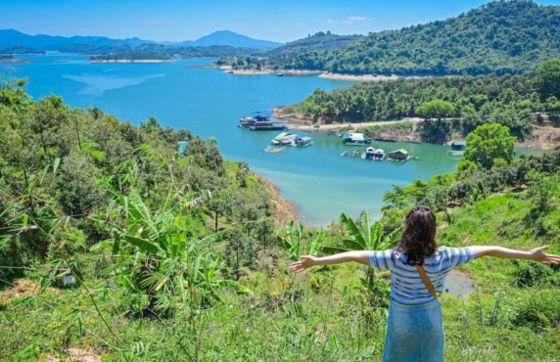

Do you already know Hanoi, Halong Bay or Hoi An, but want to discover another side of Vietnam, more rural, more authentic and far from the classic tourist routes? A 15 day Vietnam Central Highlands itinerary offers the chance to explore a region that remains less visited by international travellers. From Buon Ma Thuot to Kon Tum, this journey takes you through coffee plantations, waterfalls, lakes, volcanic landscapes and villages inhabited by different ethnic communities. This Central Highlands Vietnam 2 week itinerary combines nature, local encounters and traditional culture with a comfortable pace for a longer journey. This Vietnam Central Highlands 15 days itinerary covers each stop, the experiences worth prioritising and practical tips to help you prepare for your trip.


Planning a Vietnam trip with friends is a great way to discover the country while sharing memorable experiences along the way. A Vietnam in 15 days with friends itinerary can take you from the lively streets of Hanoi to the peaceful landscapes of Ninh Binh, the historic sites of Hue, the charming streets of Hoi An and the vibrant atmosphere of Ho Chi Minh City. This Vietnam 15-day itinerary also allows time to explore the Mekong Delta, taste local specialties and enjoy a few relaxing moments together. In this guide, discover a practical Vietnam travel itinerary, along with budget, transport and planning tips for a successful trip with friends.
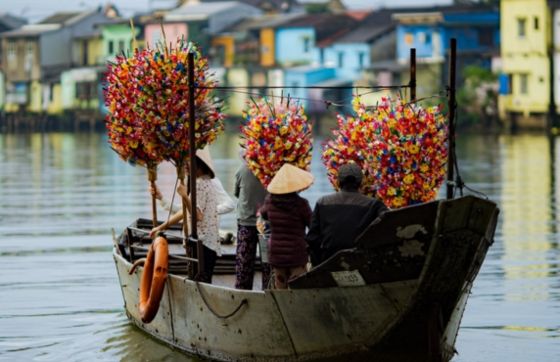
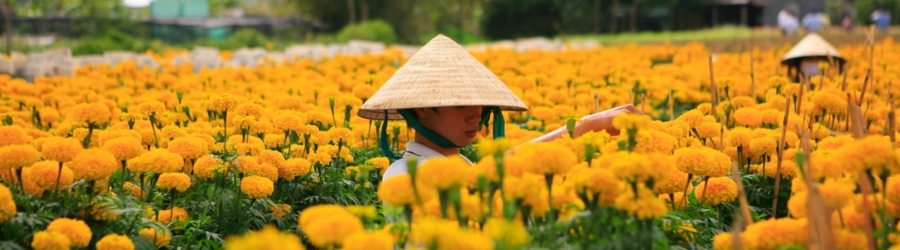
February is an interesting time to discover Vietnam, but the weather varies considerably between the North, Central and South. A trip to Vietnam in 2 weeks in February can therefore offer a mix of experiences, as long as you choose your destinations according to the weather and take the Tet holiday into account. So, how can you plan your itinerary to make the most of 2 weeks in Vietnam in February? In this guide, discover what to expect in each region, three itinerary ideas, and practical tips to help you prepare for your trip.
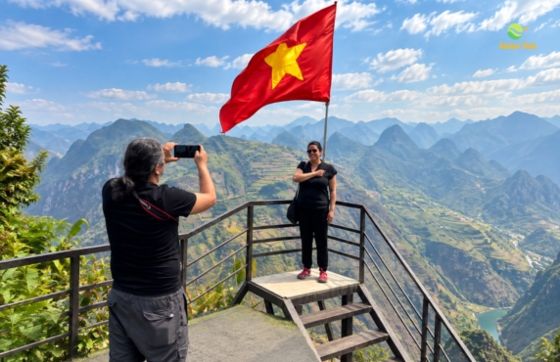
Planning 3 weeks to discover Vietnam already offers many possibilities, but it is still important to find the right balance between the number of stops, travel time and travel pace. With 21 days, it is possible to explore several regions, enjoy a variety of experiences and still have real moments of relaxation without trying to see everything. So, is 3 weeks enough to visit Vietnam, which itinerary should be prioritized depending on your travel profile, which period should be chosen and what budget should be planned ? Autour Asia provides the key information for organizing a coherent, enjoyable 3-week Vietnam trip adapted to your priorities.
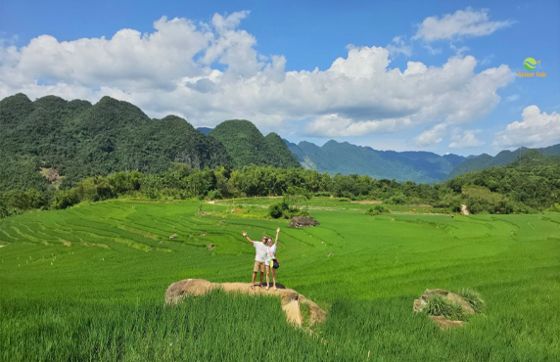
Planning 15 days in Vietnam in February gives you the opportunity to experience several very different sides of the country in one trip. You can begin in the atmospheric streets of Hanoi, explore the limestone landscapes of Ninh Binh, spend a night on a traditional-style cruise in Lan Ha Bay, discover the imperial heritage of Hue and the old town of Hoi An, then continue south to Ho Chi Minh City and the Mekong Delta.
However, February is not a uniform season across Vietnam. The North can be cool, cloudy and misty, Central Vietnam may experience changing conditions, while the South is generally warmer. February can also coincide with Tet, the Vietnamese Lunar New Year, which can significantly affect transportation, accommodation and opening hours.
Based on Vietnam's regional climate, practical travel considerations and the experience of organizing tailor-made journeys locally, this guide explains where to go, what weather to expect, how to plan your 15-day itinerary, how much to budget, what to pack and how to travel comfortably in February.


Planning a 2-week trip to Vietnam is not simply about making a list of cities to visit and filling every day with activities. With only 14 days in Vietnam, the real challenge is deciding what to prioritize, which destinations to combine, how much time to spend in each region, and, above all, which unnecessary journeys to avoid. A successful itinerary is not about seeing as many places as possible. Instead, it should create a coherent journey that matches your pace and the experiences you genuinely want to discover.
So, how can you organize 2 weeks in Vietnam without turning your trip into a constant race? The best approach is to start with your priorities, work out how much time you actually have, and then gradually build your itinerary around travel distances, pace, and the season. Here is a practical method for turning the idea of a Vietnam itinerary 2 weeks into an itinerary that is genuinely enjoyable to experience.

Planning a 2-week trip to Vietnam in June, July or August can be a great way to experience the country from north to south. With its lively cities, beautiful beaches, green rice fields and diverse cuisine, Vietnam in summer offers plenty of experiences within a relatively short trip. However, the weather varies considerably between regions, so choosing the right route is important. This guide presents a practical Vietnam 2-week itinerary, including the best places to visit, weather conditions and useful tips for planning your journey. Whether you are travelling for the first time or looking for a flexible Vietnam summer itinerary, here is what to know before you go.
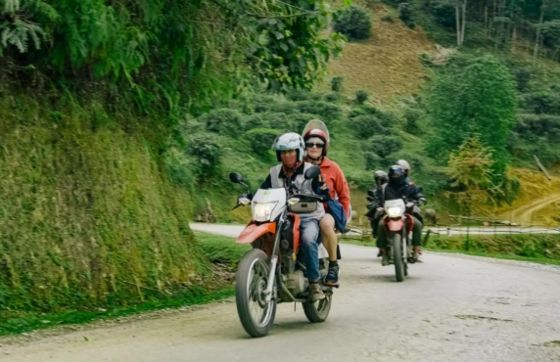
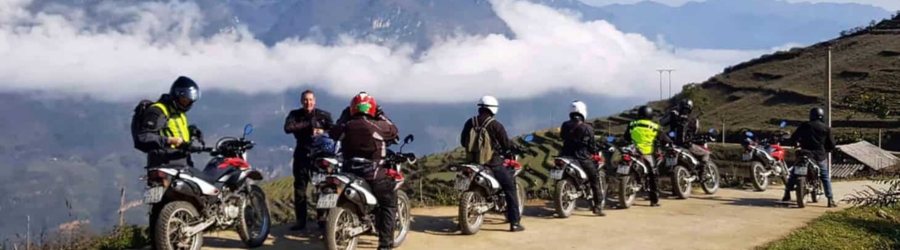
Vietnam is known for its mountain roads, winding passes, rice fields and small villages, with landscapes that change as you ride. With Vietnam by motorcycle in 2 weeks, you have enough time to visit some of the country’s must-see destinations while still leaving a few days to enjoy the journey itself. Which route should you choose? Where can you rent a motorbike? Which regions are best suited for riding, and what should you know before setting off? In this guide, you’ll find a Vietnam motorbike route map, several itinerary ideas for 2 weeks, the best regions to explore by motorbike, and essential information to help you plan your trip.
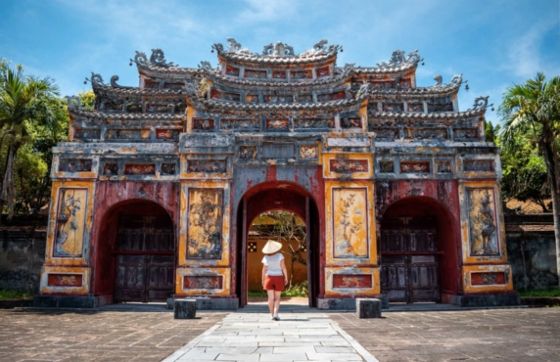
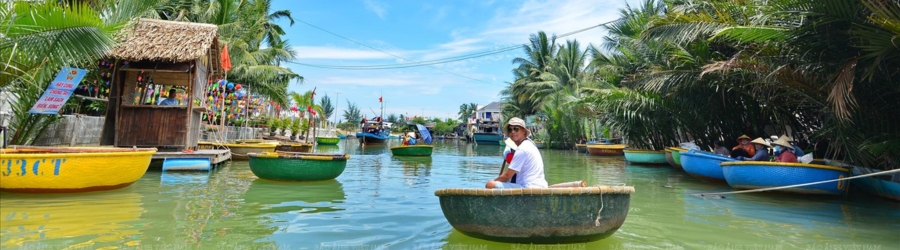
You have 15 days to discover Vietnam, but how can you make the most of Central Vietnam without spending your trip on the road? A well planned Central Vietnam 15 day itinerary helps create a balanced pace between heritage, nature, local food and quieter moments. From Hue to Hoi An, via Da Nang, each destination offers a different experience without making the trip feel repetitive. This Central Vietnam itinerary is particularly suitable for travelers who want to take time to understand the region instead of simply ticking off tourist sites. Whether you are planning 15 days in Central Vietnam for your first visit or looking for more freedom during your trip, the way you organize each stop makes all the difference.
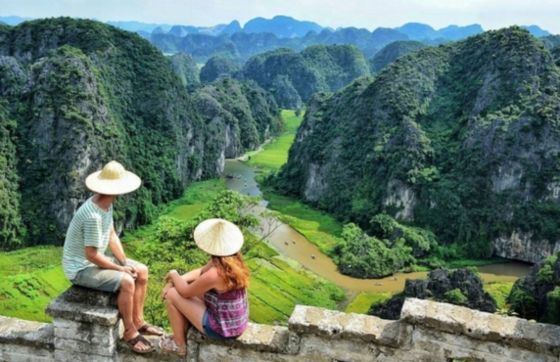
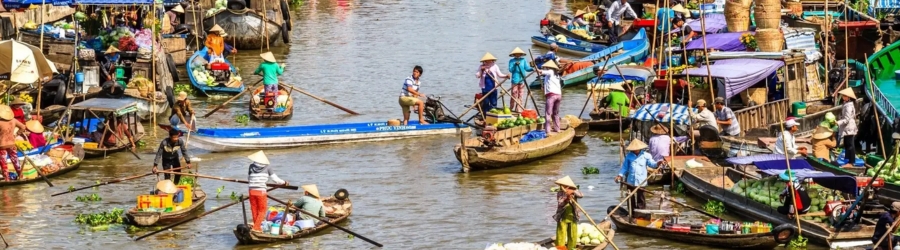
March is a transition month between seasons in Vietnam and one of the most pleasant times of year, especially for outdoor activities. This makes Vietnam in 2 weeks in March a popular choice, although some destinations can be more crowded during this period. So how can you plan your itinerary to make the most of the weather while avoiding overly busy places? In this article, discover what to expect in Northern, Central and Southern Vietnam in March, along with several two-week itinerary ideas and practical tips to help you prepare for your trip.
Vietnam, a peaceful and friendly country in Southeast Asia, is a member of ASEAN. It attracts tourists with its captivating natural beauty and hospitable locals. From beautiful sandy beaches to adventurous mountains, and dynamic cities to tranquil villages, Vietnam offers a variety of experiences for all types of travelers.


Vietnam has a long and brave history, marked by wars and struggles. For tourists, a visit to the country's historical sites is a must.
Halong Bay: A Dazzling Natural Landscape
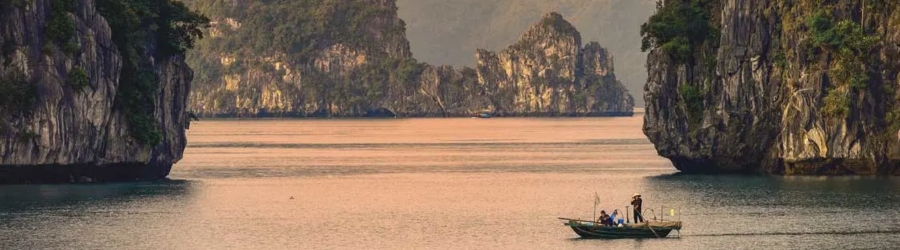
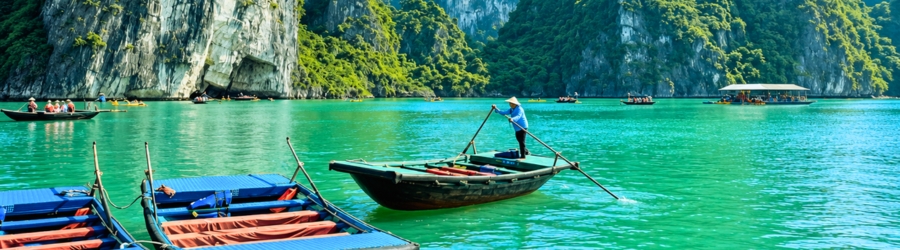
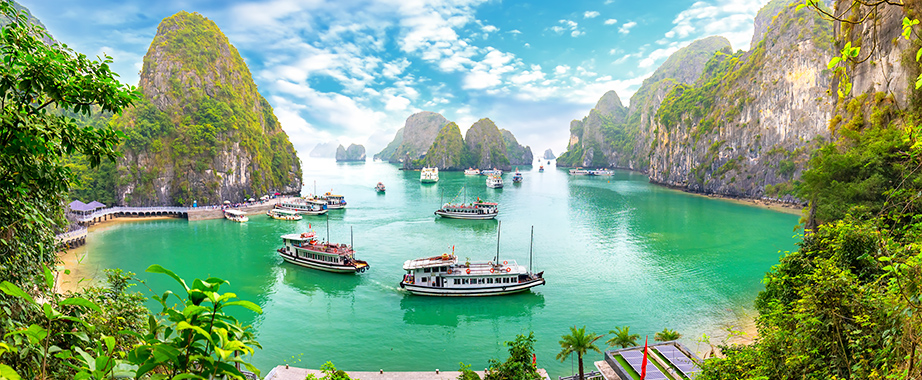
Halong Bay, a UNESCO World Heritage Site, is a stunning destination with over 2,000 sparkling limestone islands surrounded by crystal-clear waters in the South East Sea. To experience its breathtaking beauty, consider spending a night on a ship, exploring mysterious caves, swimming with marine life, and savoring fresh seafood. There are 4 cruise piers to choose from, each offering unique experiences. For a serene and authentic experience, opt for Ben Beo, where you can marvel at sites like the Surprise Cave, Tunnel Cave, Titop Island, and more.
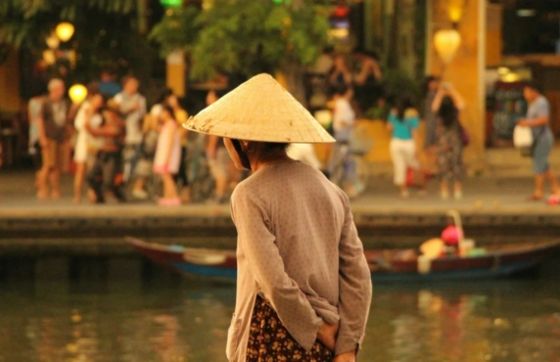
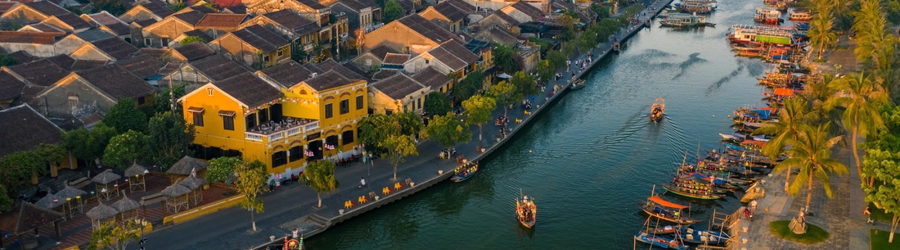
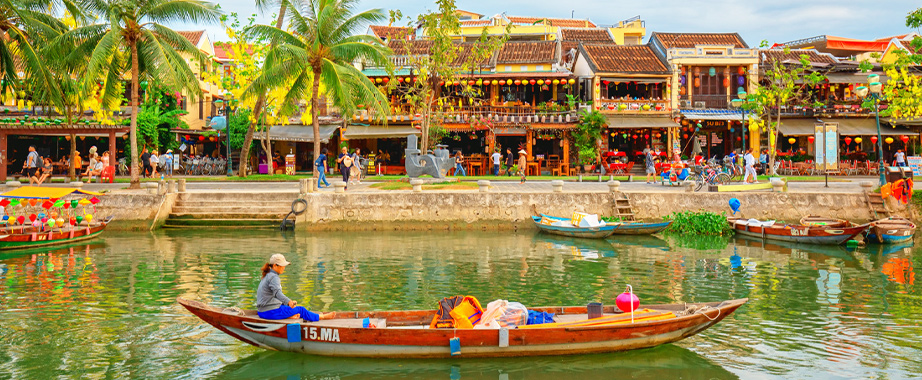
Hoi An, a mystical old town on Vietnam's central coast, is a true treasure trove of the nation's cultural legacy. Its winding cobblestone paths, vivid wooden houses, and ancient Japanese archways create a beguiling atmosphere. Immerse yourself in its rich history by exploring sacred shrines, artisanal boutiques, and local culinary delights. Don't miss the Quan Cong Temple, Phuc Kien Pagoda, Japanese Bridge, and Tan Ky Ancient House.
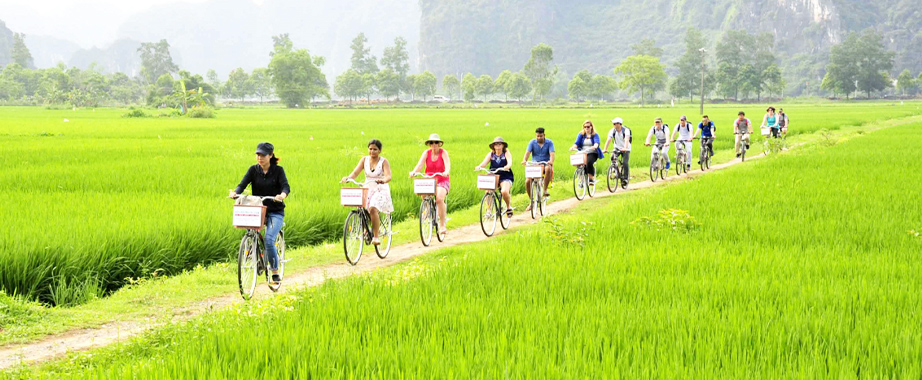
Vietnam has 54 official ethnic groups, with the majority being Kinh/Viet. Its diverse culture offers a mix of customs, beliefs, and religions for foreigners to experience. Marriages were historically influenced by family interests, not just love.
Vietnamese society embraces 37 religious organizations, including Buddhism, Catholicism, Protestantism, Muslim, Caodaism, and Hoa Hao Buddhism. Ancestor worship is also common.
Festivals in Vietnam showcase its rich history and art. Tet holiday features rituals, fireworks, and temple visits, while the Mid-Autumn Festival includes lanterns, lion dances, and moon cakes. Highland areas offer more adventurous festivals.
Vietnam experiences dramatic seasonal variations from North to South. The North has four seasons, with harsh cold in Winter and Spring and scorching heat in Summer. Tourists prefer visiting the North during Autumn for pleasant weather.
Conversely, the South has two main seasons: rainy and dry. For a sunny trip, plan your visit between April to September.
The middle area, known for its beautiful long beaches, faces storms during the rainy season. Travelers should be cautious and plan their trips accordingly.




 FR
FR EN
EN