Vietnam works especially well for a solo journey because one trip can bring together culture, nature, and distinctly different regional experiences. You can explore historic neighborhoods and local food in Hanoi, enjoy the mountain landscapes of the north, then discover imperial heritage and a different pace of life as you travel south. For solo female travelers in Vietnam for 15 days, this variety keeps the journey interesting without relying on just one type of experience.
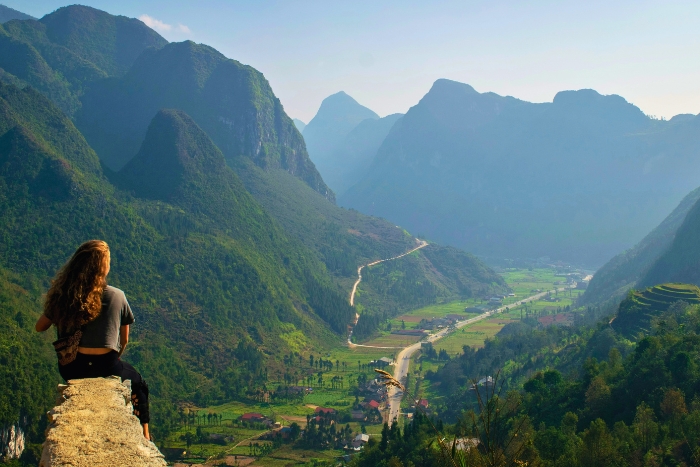
Just as importantly, traveling alone does not mean spending the entire journey on your own. You can explore major cities independently, then join a cruise, guided trek, cooking class, or local excursion when you want company or more local insight. With 15 days in Vietnam, you can balance independent sightseeing with shared experiences while choosing accommodation and activities that suit your budget, preferred comfort, and travel style.
Vietnam is generally a welcoming destination for solo female travelers in Vietnam for 15 days, especially in places accustomed to international visitors. Communication is usually manageable, as many younger people and those working in tourism speak some English, while others are often friendly and willing to help despite the language barrier. Still, normal precautions matter. In Hanoi, Ho Chi Minh City, and other major cities, stay alert in crowded areas where petty theft and phone or bag snatching can occur, and take extra care when navigating busy traffic.
Away from the big cities, the concerns can change. In Sapa, for example, trekking terrain, distance from town, and transport options on some routes require more preparation, so a local guide can be useful for longer or unfamiliar hikes. When you travel to Vietnam, keep valuables in a zipped crossbody bag, save your hotel address offline, and use reputable taxis or ride-hailing services after dark. Stick to well-lit, populated streets, check your driver details, and keep your phone, passport, and wallet secure.
A little preparation can make a multi-region trip much easier. For solo female travelers in Vietnam for 15 days, it is worth sorting out entry requirements, connectivity, money, packing, and a few local customs before departure.
Because Vietnam’s weather varies from north to south, there is no single best time to visit the entire country. However, February to April generally offers favorable conditions in many regions, making it a practical period for a 15-day Vietnam itinerary for solo female travelers.

For this north-to-south route, keep these differences in mind :
Rather than choosing your dates based on one nationwide "best season", consider the destinations that matter most and check regional forecasts shortly before departure.
Read more :
- Best time to visit Vietnam
- Traveling to Vietnam in October
Entry requirements depend on your passport, so check the rules before you travel to Vietnam. Vietnam offers e-visas for up to 90 days with single- or multiple-entry options, while some nationalities qualify for visa-free entry.
Before departure :
Visa policies can change, so always check the latest information on Vietnam’s official Immigration Department e-visa portal, evisa.gov.vn, before departure.
Reliable mobile data is useful when you are moving between several destinations alone. A local SIM or eSIM gives you access to maps, hotel messages, transport information, translation, and ride-hailing without relying entirely on public Wi-Fi.
Viettel, VinaPhone, and MobiFone are among Vietnam’s major mobile networks. A physical SIM can be arranged after arrival, while an eSIM may be more convenient if your phone supports one and you want connectivity ready before your trip.
Useful apps include :
Vietnam’s official currency is the Vietnamese dong (VND). International cards are accepted at many hotels, restaurants, tour operators, shops, and other established businesses, while cash remains useful for smaller purchases and street vendors.
For 15 days in Vietnam, a mix of cash and cards is usually the most practical approach :
ATMs accepting international cards are common in Vietnamese cities and many popular destinations. It is still sensible to carry enough cash before heading to more remote areas.
Packing light is particularly useful on this itinerary. With several accommodation changes and journeys by plane, train, road, and boat, a manageable suitcase or backpack makes transfers much easier.
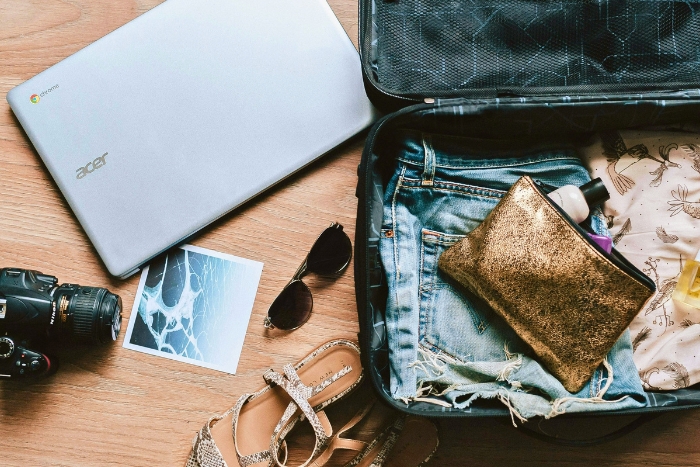
Useful items include :
You do not need enough clothing for every day of a solo trip to Vietnam. Laundry services are easy to find in many major tourist destinations, so packing fewer pieces and washing them along the way can make frequent transfers easier.
See more : What to pack for a trip to Vietnam
You can travel around Vietnam’s main destinations without speaking Vietnamese, but learning a few basic phrases can make everyday interactions easier. A few useful phrases include :
Respect local customs by dressing appropriately at temples and pagodas and following rules on footwear and photography. When visiting someone’s home, follow your host’s lead on removing shoes, and always ask before photographing people.
This north-to-south route for solo female travelers in Vietnam for 15 days combines major cities, mountain scenery, heritage sites, countryside, and the Mekong Delta. The itinerary is fairly active, so you can adjust some activities if you prefer a slower pace.
Route : Hanoi → Ha Long Bay → Ninh Binh → Sapa → Hanoi → Da Nang → Hoi An → Hue → Ho Chi Minh City → Ben Tre → Can Tho → Ho Chi Minh City
What should you book in advance ?
For a smoother trip, book your Ha Long Bay cruise, overnight train, domestic flights, Sapa trek, and Mekong Delta excursion in advance, especially around weekends, public holidays, and busy travel periods. Choose centrally located accommodation where possible to make walking and ride-hailing easier.
Day 1: Arrival in Hanoi
Arrive at Noi Bai International Airport and transfer to your hotel in Hanoi. Keep your first day light so you have time to rest after the flight and adjust before the itinerary begins properly.
If you feel up to it, book a Vietnamese massage, have dinner nearby, or take a short evening walk. It is an easy way to start your solo trip to Vietnam without rushing straight into sightseeing.
Day 2: Hanoi city tour
Begin around the Ho Chi Minh Mausoleum area before continuing to West Lake and Tran Quoc Pagoda. Then visit the Vietnam Museum of Ethnology for an introduction to the country's ethnic diversity.
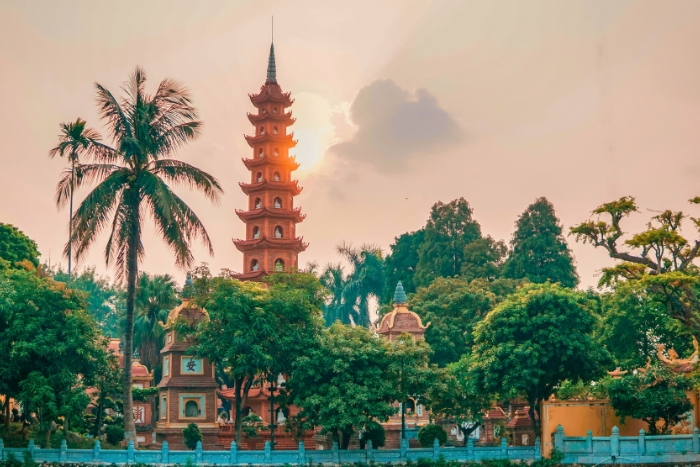
In the afternoon, explore Hanoi on foot, starting around Long Bien Bridge before continuing through Dong Xuan Market and the streets of the Old Quarter, including Hang Ma, Lan Ong, and Hang Buom. Stop at Bach Ma Temple, enjoy a Vietnamese coffee, and finish around Hoan Kiem Lake with a traditional water puppet show.
Day 3: Hanoi → Ha Long Bay → Sung Sot Cave
Leave Hanoi in the morning and travel to Tuan Chau Port for an overnight cruise in Ha Long Bay. As the boat moves through the bay, you can see limestone formations and well-known islets such as Incense Burner and Fighting Cock.

The main visit is Sung Sot Cave (Surprise Cave). Depending on your cruise, the evening may also include a cooking or fruit-carving demonstration and squid fishing before spending the night onboard.
When booking alone, check the cabin type, single supplement, transfers, meals, activities, and cancellation conditions rather than comparing cruises by price alone.
Day 4: Ha Long Bay → Ti Top Island → Ninh Binh
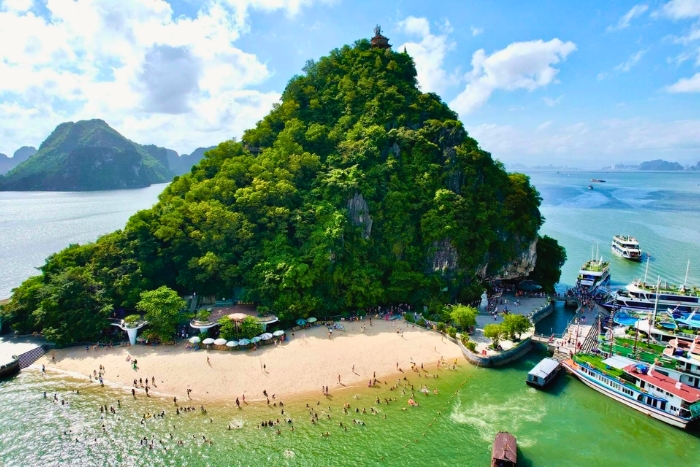
Start the morning with optional Tai Chi before visiting Ti Top Island, where you can climb to the viewpoint or relax near the beach. Return to the cruise for breakfast, then disembark at Tuan Chau Port and continue by road to Ninh Binh.
Check into your accommodation around Tam Coc and keep the evening free after the transfer. Cruise schedules can change because of weather, tides, or operational conditions, so avoid making tight onward plans.
Day 5: Tam Coc → Bai Dinh or Thung Nham → Hanoi
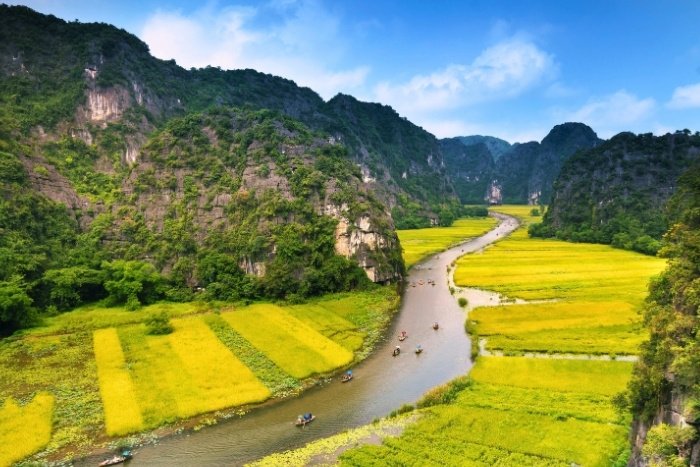
Take a morning sampan trip through Tam Coc, passing limestone cliffs, waterways, and rice fields. In the afternoon, continue to either the Bai Dinh Pagoda complex or Thung Nham before returning to Hanoi.
Leave enough time for dinner and the overnight train to Lao Cai. Arrive at the station early so you can find your carriage and board without rushing.
Day 6: Lao Cai → Sapa and Muong Hoa Valley
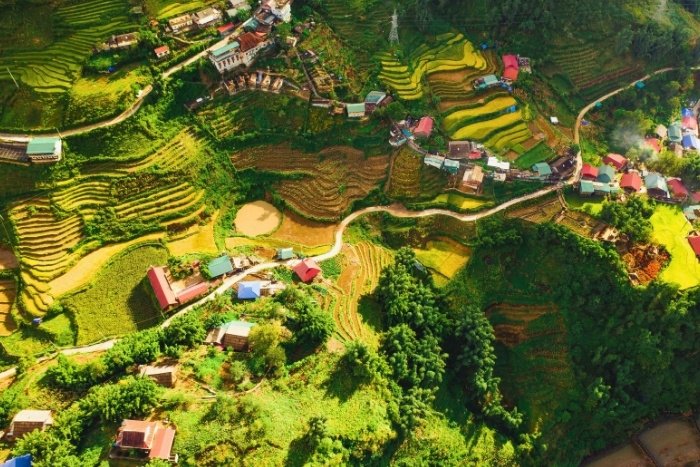
Arrive in Lao Cai early and take your pre-arranged transfer to Sapa. For the day, visit Cat Cat Village for a shorter walk or trek through Y Linh Ho, Lao Chai, and Ta Van for a longer route through the Muong Hoa Valley. The longer trek offers mountain scenery, rice terraces, rivers, and ethnic minority villages.
For solo female travelers in Vietnam for 15 days, joining a small-group trek can simplify the logistics and provide some company along the way. Choose the walking distance according to the weather, trail conditions, and your fitness level. Wear shoes with good grip, carry water, and ask before photographing local residents.
Day 7: Sapa → Hanoi
Keep the morning free in Sapa before taking a bus back to Hanoi. After checking into your hotel, leave the evening open for dinner and rest before flying to Central Vietnam the following morning.
Day 8: Hanoi → Da Nang → Non Nuoc → Hoi An
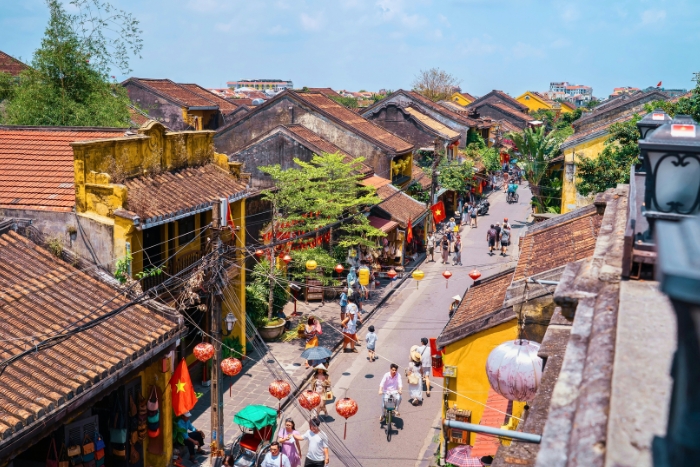
Fly from Hanoi to Da Nang and continue toward Hoi An, stopping at Non Nuoc stone-carving village on the way. After arriving in Hoi An, check into your hotel and spend the rest of the day exploring the Ancient Town at your own pace.
After the more active northern section, Hoi An brings a slower rhythm to this 15-day Vietnam itinerary for solo female travelers.
Day 9: Hoi An Ancient Town
Spend the morning exploring Quan Cong Temple, the Fujian Assembly Hall, Japanese Covered Bridge, Tan Ky Ancient House, and Hoi An's historic trading-port area.
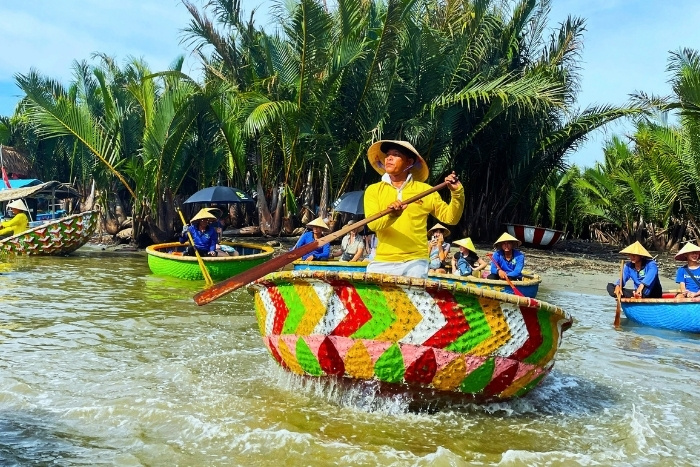
In the afternoon, cycle through the countryside toward Van Lang fishing village and the Bay Mau water coconut forest. Pass rice fields and local villages before taking a basket boat through the coconut waterways. Finish with a local cooking experience featuring dishes such as banh xeo.
Small-group cycling, basket-boat, or cooking activities are also an easy way to meet other travelers while keeping the rest of your itinerary independent.
Day 10: Hoi An → Da Nang → Hue
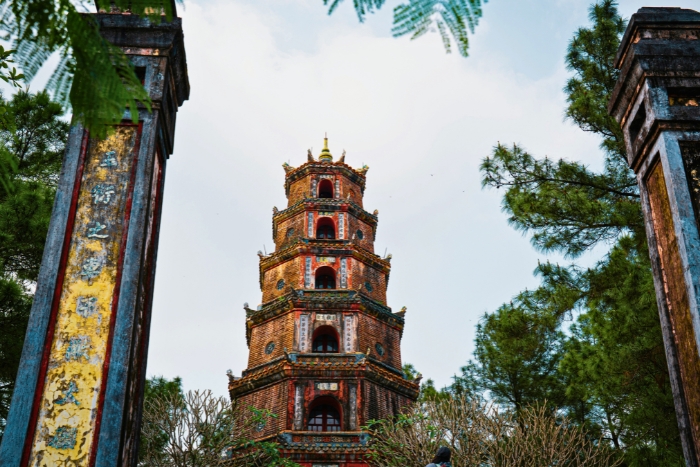
Leave Hoi An and stop at Da Nang's Museum of Cham Sculpture before continuing to Hue. After lunch, take a boat trip along the Perfume River, visit Thien Mu Pagoda, and continue to Minh Mang Tomb, known for its combination of architecture, gardens, ponds, and natural surroundings.
Day 11: Hue
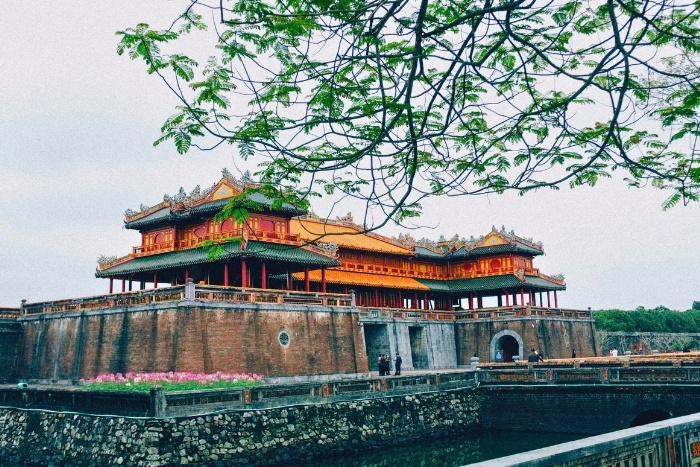
Begin at the Imperial Citadel, including major areas such as the Flag Tower, Ngo Mon Gate, Thai Hoa Palace, and the former Forbidden Purple City. Continue to Khai Dinh Tomb, whose elaborate architecture contrasts with Minh Mang's more spacious complex.
Later, explore Dong Ba Market and, if time allows, visit the Diem Phung Thi Art Center. If history is one of the reasons you want to travel to Vietnam, Hue offers a closer look at the Nguyen Dynasty and the country's imperial past.
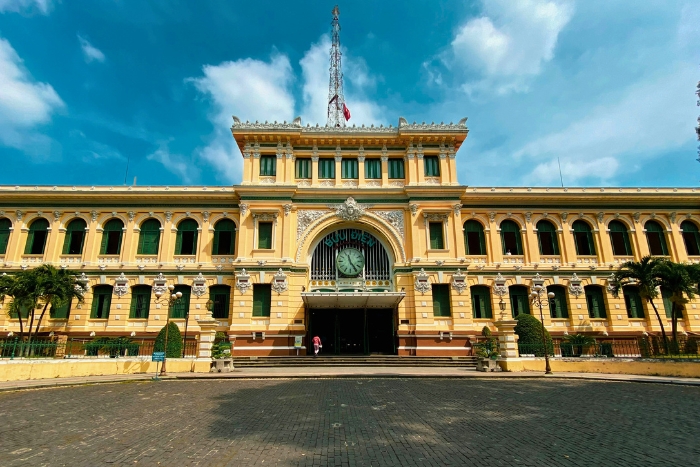
Fly from Hue to Ho Chi Minh City and begin around the center with the Saigon Opera House, Notre-Dame Cathedral area, and Saigon Central Post Office.
If your flight arrives early, continue to Cho Lon and Binh Tay Market or visit a traditional lacquerware workshop. Otherwise, keep the sightseeing around the city center and save the remaining time for dinner or café hopping.
Ho Chi Minh City has a much faster pace than Hue or Hoi An. Use ride-hailing for longer distances, allow extra time for traffic, and keep your phone and valuables secure near busy roads. Staying in a central area can also make sightseeing, dining, and transport easier when traveling alone.
Day 13: Ho Chi Minh City → Ben Tre → Can Tho
Leave Ho Chi Minh City for Ben Tre and board a boat from Ham Luong Pier to explore life along the Mekong waterways. Along the way, see traditional brick making and coconut processing, then visit a family workshop producing sleeping mats.
Continue by bicycle or xe loi through the countryside before having lunch with a local family. A rowing boat takes you through smaller waterways before you continue by road to Can Tho for the night.
For solo travelers, a small-group excursion can simplify the road and boat transfers while offering an easy way to meet other travelers.
Day 14: Cai Rang Floating Market → Ho Chi Minh City
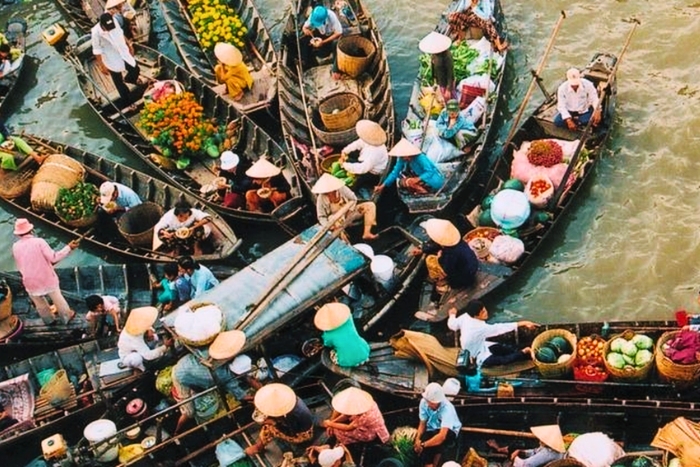
Start early with a sampan trip to Cai Rang Floating Market. Continue to a family-run rice-noodle workshop and Ba Cong orchard, with time to see more of the rural waterways and riverside scenery around Can Tho.
After lunch, return to Ho Chi Minh City and keep your final evening free. After almost 15 days in Vietnam, the Mekong Delta provides a final contrast to the mountains, historic cities, and heritage sites earlier in the journey.
Have breakfast and enjoy some free time near your hotel before transferring to the airport. Avoid scheduling a distant attraction or excursion before your flight, and leave enough time for traffic and check-in.
This 15-day Vietnam itinerary covers Vietnam from north to south while leaving room for flexibility. If the pace feels too fast, shorten a trek, skip an optional activity, or spend more time relaxing in the places you enjoy most.
When you travel to Vietnam, choose transport based on distance, time, and comfort. For a north-to-south route, combining flights, trains, and road transfers is usually the most practical approach.
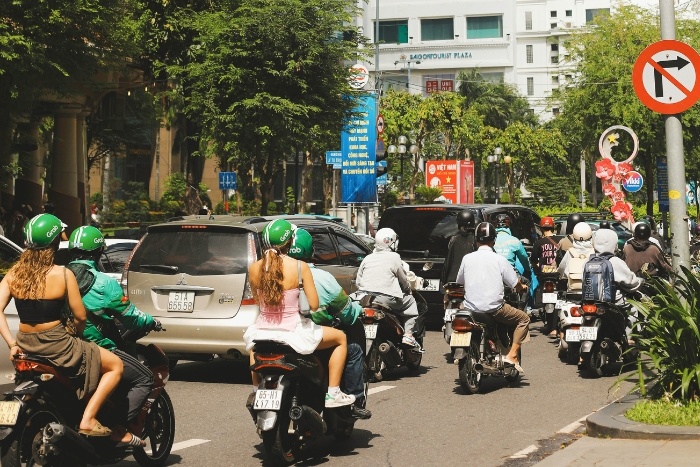
For the full details : How to get around in Vietnam
For solo female travelers in Vietnam for 15 days, location, comfort, recent reviews, and transport access matter more than star rating alone. Options range from hotels and hostels to homestays, ecolodges, and overnight cruises.
Choosing the right accommodation :
- Location should match your itinerary. Central Hanoi and Hoi An are convenient for walking and dining, Sapa town makes trekking pickups easier, and a central location in Ho Chi Minh City can reduce unnecessary transfers during a short stay.
- Before booking, check recent reviews, room security, reception hours, luggage storage, nearby restaurants, transport access, and cancellation terms. For homestays and hostels, also check whether rooms and bathrooms are private or shared. For Ha Long Bay cruises, compare cabin types, single supplements, meals, activities, and transfers.
- You do not need to use one accommodation style throughout a 15-day Vietnam itinerary for solo female travelers. Mixing hotels, homestays, hostels, ecolodges, and an overnight cruise can add variety while keeping the journey practical.
Food changes noticeably from north to south, so when you travel to Vietnam, trying regional specialties is part of experiencing each destination.
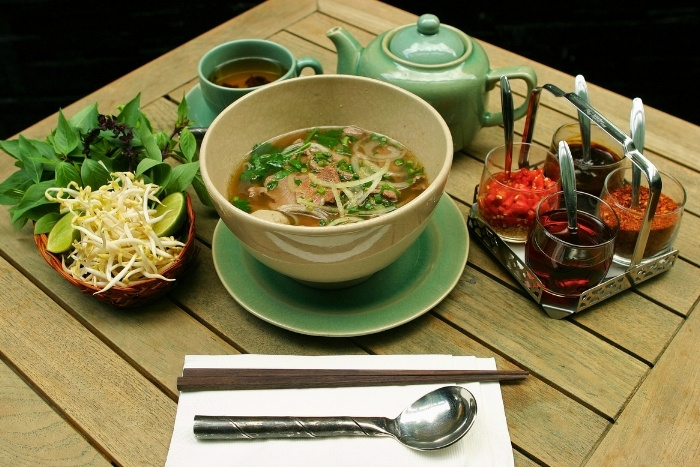
For a Vietnam itinerary for solo female travelers, food tours and cooking classes can also make meals more social. Choose busy places with good turnover, prefer freshly cooked food, and drink bottled or properly filtered water. Useful phrases include "không cay" (not spicy), "không hành" (no onion), and "tôi bị dị ứng…" (I’m allergic to…).
For additional information :
- Best Michelin restaurants in Vietnam
- What to drink in Vietnam
- Traditional Vietnamese breakfast
For solo female travelers in Vietnam for 15 days, the budget mainly depends on accommodation, transport, and activities. The estimates below exclude international flights and cover the main costs of this multi-stop route.
Estimated budget for 15 days in Vietnam :
Travel style | Per day | 15-day budget | Typical inclusions |
Budget | €35-55 | €525-825 | Hostels or basic homestays, local food, buses, standard sleeper train, group Ha Long cruise, and group tours |
Mid-range | €70-100 | €1,050-1,500 | 3-star hotels, domestic flights, sleeper train to Lao Cai, upgraded cruise, and small-group excursions |
Comfortable | €110-170 | €1,650-2,550 | Mainly 4-star hotels or ecolodges, upgraded cruise, flights, and mixed private/shared transfers |
Luxury | €260-420+ | €3,900-6,300+ | 5-star hotels, premium cruise, private transfers, guides, and tailor-made services |
This Vietnam itinerary for solo female travelers includes several higher-cost items, particularly domestic flights, the Ha Long Bay cruise, overnight train, and Mekong Delta excursion. Solo travelers may also pay the full room rate or a single supplement for some services.
Typical costs to consider :
These are planning ranges rather than fixed prices. Season, booking date, accommodation level, and private or shared services can all affect the final cost.
- For a more detailed breakdown, see our Vietnam travel budget for 15 days.
- For higher-end accommodation and private services, see our luxury 15-day Vietnam tour.
Even a well-planned 15-day Vietnam itinerary for solo female travelers can become tiring if you try to fit in too much. A little flexibility can make the journey much easier.
Vietnam offers a rewarding mix of culture, landscapes, food, and local experiences for solo female travelers in Vietnam for 15 days. From Hanoi and Sapa to Hoi An, Hue, Ho Chi Minh City, and the Mekong Delta, each stop offers something different. A successful solo trip to Vietnam comes down to practical planning: choose comfortable transport, stay in convenient accommodation, allow time to rest, and remain flexible. With 15 days in Vietnam, you can travel from north to south without trying to fit in every attraction. If you prefer extra support, Autour Asia can help customize the itinerary, accommodation, transport, and activities to suit your travel style and budget.
You might be interested in :
- Planning a journey for solo female travelers in Vietnam for 15 days ? Autour Asia, your trusted Vietnam travel agency, is here to help you create a personalized itinerary with suitable accommodation, transport, local experiences and practical support throughout your trip.
- Vietnam travel guide
- Vietnam day trips
- What to eat in Vietnam
- Vietnamese fried spring rolls
- 2 weeks in Vietnam in November


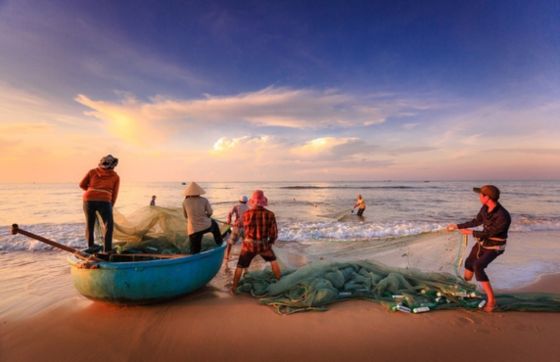
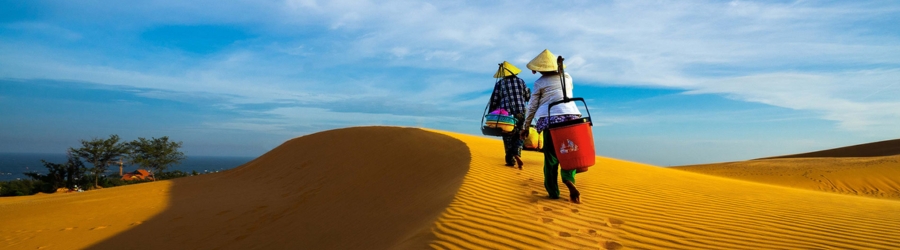
Phan Thiet, a coastal city in Binh Thuan Province, is best known for Mui Ne, an internationally renowned seaside destination. With its beaches, fishing villages, and desert-like sand dunes, the region offers a diverse range of landscapes rarely found elsewhere in Southeast Asia. In November, temperatures remain pleasant for exploring the coast, although occasional showers are still possible. Visiting Phan Thiet Mui Ne in November requires a little preparation to make the most of your stay. This complete guide covers the weather, must-see attractions, transportation options, and practical tips to help you plan your trip to Vietnam in November.
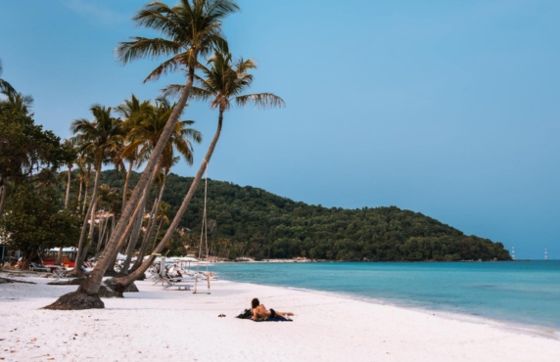
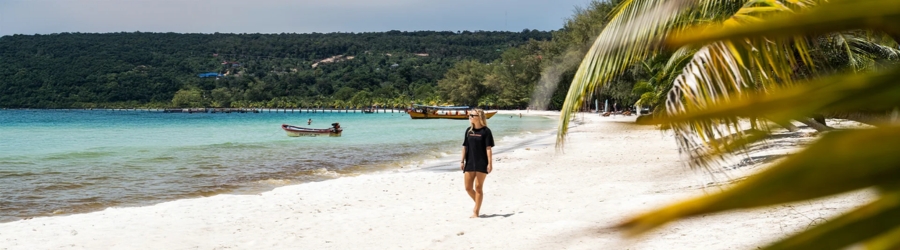
Vietnam’s beaches are best enjoyed at different times of the year, depending on the region. From the turquoise waters of the South to the long stretches of white sand in the Central region and tropical islands, each area has its own climate patterns. To better understand when to visit Vietnam, it is important to consider the weather conditions in each destination. The best time to visit beaches in Vietnam depends on region you choose as well as the activities you have planned. The best time to swim in Vietnam also varies according to rainfall, water temperature and sea conditions. Understanding the Vietnam beach season helps you choose destinations that match your travel dates and enjoy the coastline in good conditions.
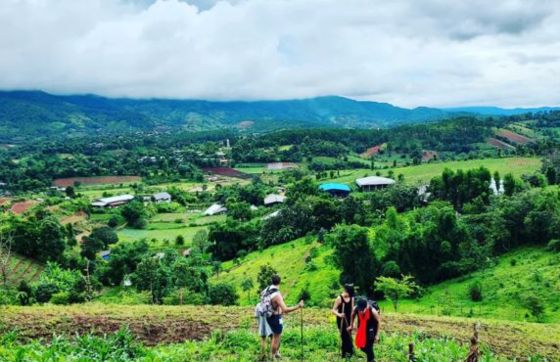
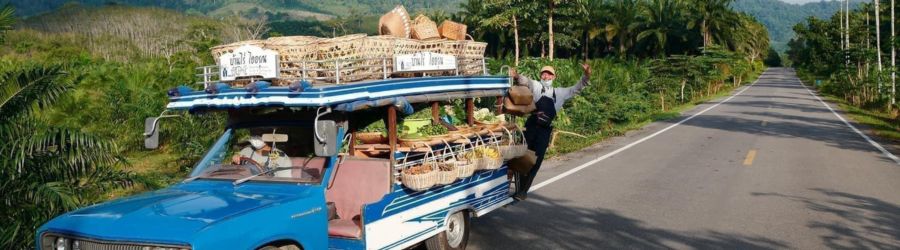
Discovering Thailand through its rice fields, plantations, and rural villages offers a different way to travel, far from traditional tourist circuits. But how can you choose the best agency for Thailand farm tours to enjoy authentic experiences with local communities? Several tour operators offer trips combining agriculture, gastronomy, and encounters with producers. Among them, Autour Asia is an option for travelers who want to personalize their itinerary. Known as Vietnam travel agency - Autour Asia, the company also offers tailor-made trips to several countries in Southeast Asia. With the local travel agency in Thailand - Autour Asia, travelers can explore a trip designed around their interests. Here are five organizations worth knowing, their distinctive features, and the essential criteria for planning a successful agricultural tour in Thailand.
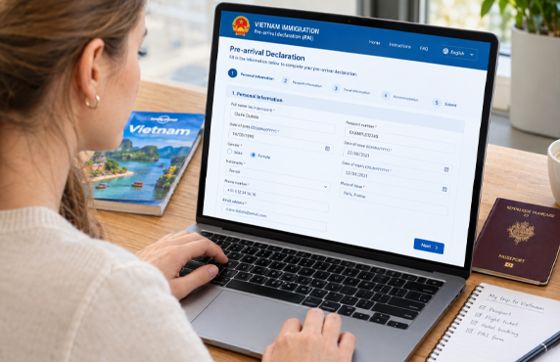
Planning a trip to Vietnam? Before packing your bags, take a few minutes to check the latest entry requirements and prepare the documents you may need at the airport.
Vietnam’s Pre-Arrival Information (PAI) system allows international travellers to submit selected personal, visa and travel details online before arriving in the country. After a successful submission, the system generates a QR code that travellers can save on their phones or print for use during immigration procedures. Although the online declaration is designed to help make arrival procedures smoother, travellers should understand when it applies, how to complete it correctly and which documents they still need to enter Vietnam.
In this practical guide, you will discover where to access the official PAI portal, what information to prepare, how to complete the declaration step by step, how to correct common mistakes and what to do when you arrive at the airport.
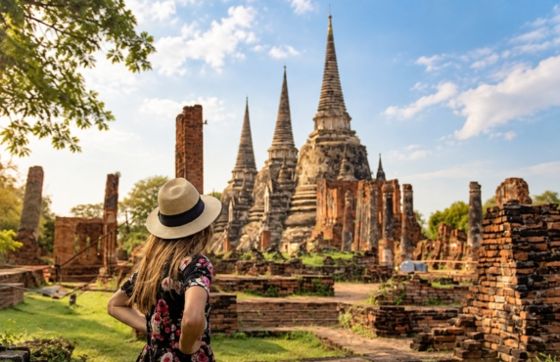
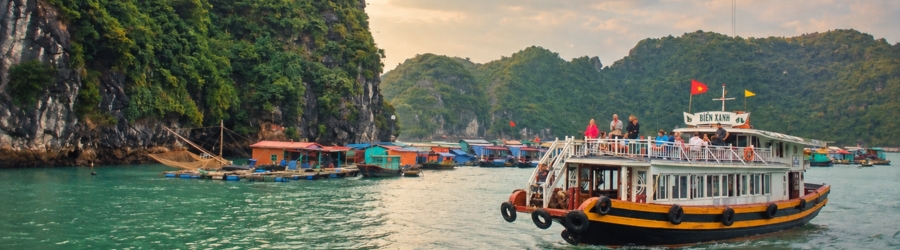
With its exotic landscapes, fascinating cultures and diverse experiences, Vietnam and Thailand are among the most popular destinations in Southeast Asia. However, safety remains an important criterion when planning your trip. So, how can you choose Vietnam or Thailand for a safe trip depending on the way you travel ? And is Vietnam safer than Thailand ? Each destination has its own characteristics and points to consider. In this article, Autour Asia helps you compare Vietnam and Thailand to better understand their differences and choose the destination that meets your expectations for your next trip to Asia.
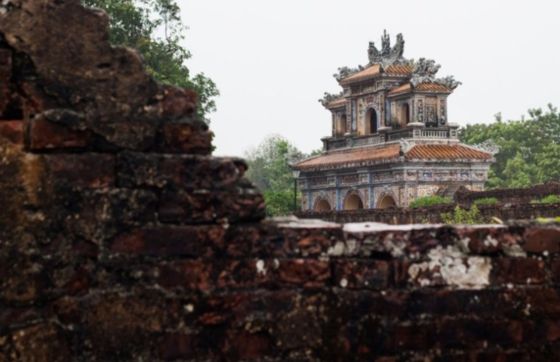
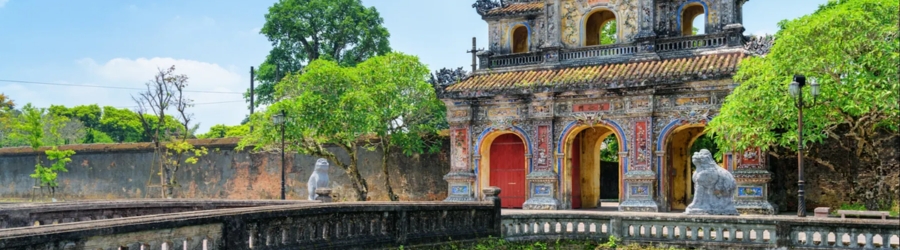
Planning a trip to Hue in November requires a little more flexibility than at other times of the year. Visiting Hue in November means experiencing the rainy season in central Vietnam, with prolonged showers and a risk of flooding. However, this period can also be an opportunity to explore the former imperial capital’s royal heritage, pagodas and renowned cuisine in a quieter atmosphere. The key is to choose your activities carefully, prepare alternative plans and check the weather conditions before setting out.
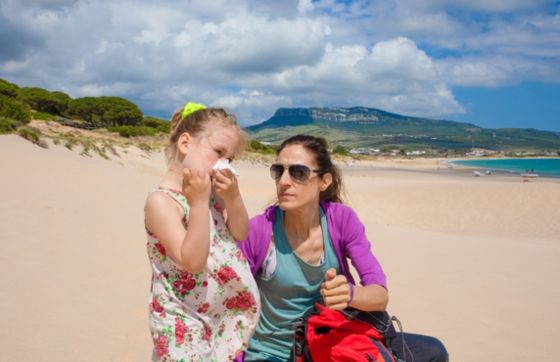
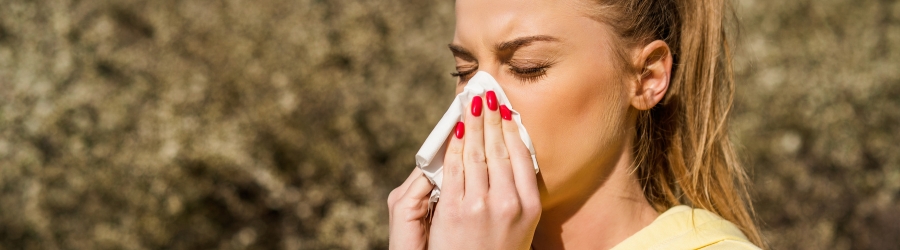
When travelling in Cambodia, some everyday habits may raise questions about local customs. Is blowing your nose in public considered polite? How should you behave in restaurants, on public transport or during a visit? These small details matter when you want to respect the local culture. Discover how to manage blowing your nose in Cambodia discreetly, along with practical tips on using tissues during your trip. Autour Asia, Cambodia travel agency, helps you discover local customs with advice tailored to travellers. From Cambodia travel etiquette to personal hygiene and everyday situations, a few simple guidelines can make your journey more comfortable. In Phnom Penh, Siem Reap or Kampot, understanding local customs helps you avoid awkward moments while making the most of your stay.
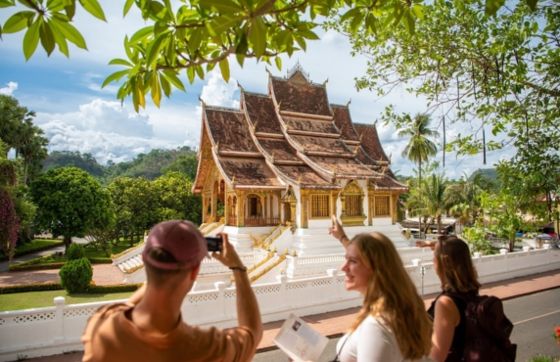
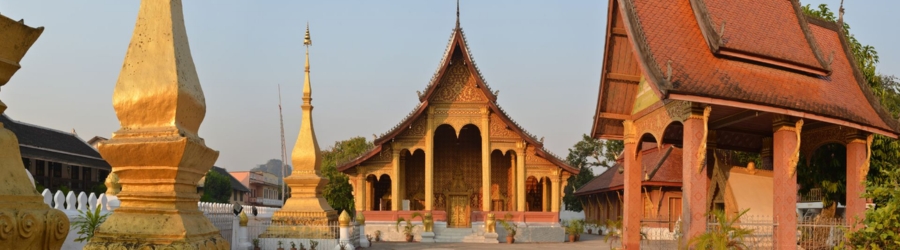
Blow your nose in Laos is not necessarily considered rude, but it is best to do so discreetly, especially in quiet places or during meals. If you have a cold, use a clean tissue and avoid blowing your nose loudly in public. In temples and other places of worship, respect the peaceful atmosphere and local customs. If you need to blow your nose frequently, step away from others for a moment whenever possible. Finally, dispose of used tissues in a rubbish bin. These simple habits will help you observe good manners during your trip to Laos.


 FR
FR EN
EN