Vietnam had been on my travel list for years, but I didn't want to rush through it. When I finally had two weeks to spare, I planned an itinerary that combined the country's biggest highlights with one experience I had always dreamed of, the Ha Giang Loop. Looking back, it was the perfect balance of lively cities, remote mountain roads, peaceful bays, and historic towns. Here's exactly how our 2-week Vietnam itinerary with Ha Giang Loop unfolded, day by day, along with the travel tips we picked up along the way.
Planning a peaceful escape to northern Vietnam ? A 3 days Ha Giang coolcation package is the perfect way to experience breathtaking mountain landscapes, authentic ethnic villages, and a slower pace of travel. Unlike a traditional 3 day Ha Giang tour, this itinerary focuses on relaxation, nature, and meaningful local experiences. Whether you're looking for a refreshing Ha Giang coolcation, exploring the highlights of 3 days in Ha Giang, or searching for the ideal Ha Giang travel package, this guide will show you what to do and what to see for an unforgettable getaway surrounded by the stunning scenery of Vietnam's northern highlands.
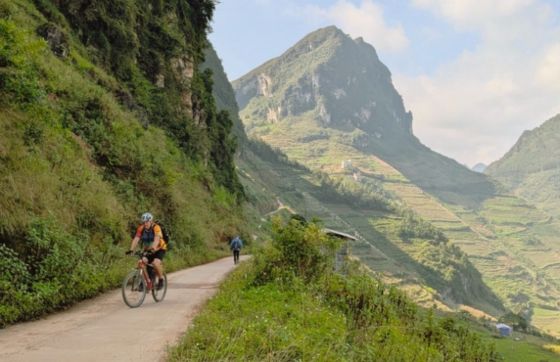
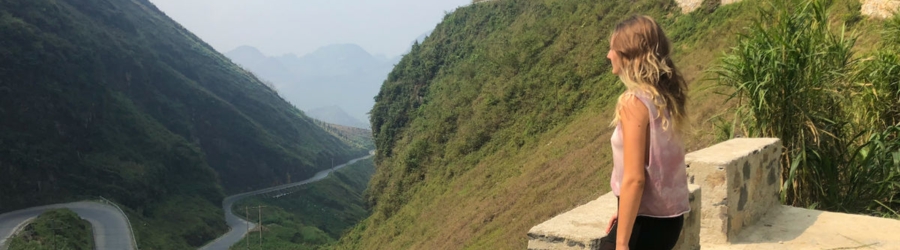
Doing the Ha Giang Loop by bike is not only possible, but also one of the most rewarding ways to experience this iconic route in northern Vietnam. Every year, more travelers choose the Ha Giang Loop by bike in search of authentic experiences, quiet mountain passes, and direct contact with the spectacular karst landscapes of Dong Van. This Ha Giang cycling tour is a real physical challenge, with significant elevation gains on winding roads connecting Meo Vac, Lung Cu, and Quan Ba. However, cyclists of different levels can find their own pace on the route with proper planning. This guide answers the most common questions before starting the journey.
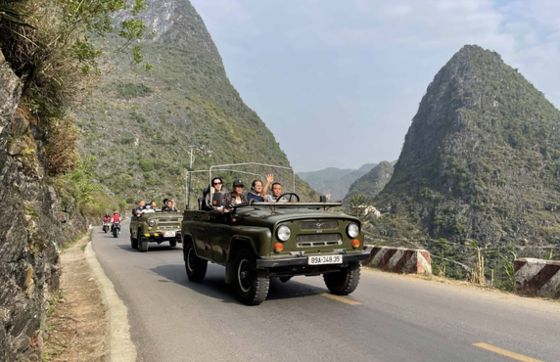
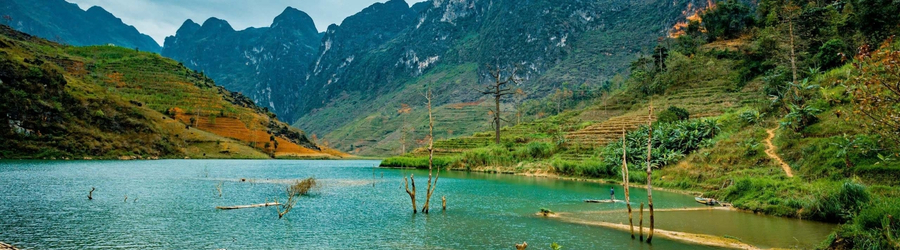
Planning an adventure to Northern Vietnam but unsure how many days to spend in Ha Giang ? You are not alone. Conquering the legendary Ha Giang Loop is a dream for many travelers, but choosing the right duration can make or break your experience. Whether you are short on time and wondering if a Ha Giang 3 days itinerary is enough, or looking for a Ha Giang 4 days itinerary to explore without rushing, this comprehensive Ha Giang travel guide has you covered. Let’s dive into the best time to visit Ha Giang and find your perfect route !
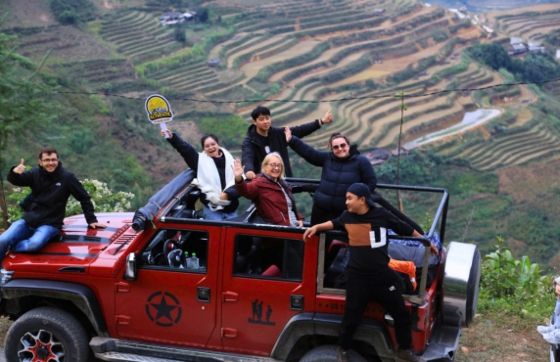

The Ha Giang Loop is often ranked among the most beautiful road trips in the world. Located in the extreme north of Vietnam, this legendary route reveals a succession of spectacular landscapes: karst mountains sculpted by time, vertiginous mountain passes, terraced rice fields, and ethnic villages where traditions are still very much alive. Before setting off, one essential question comes up for all travelers: Ha Giang Loop by motorbike or by car ? This guide offers a clear and comprehensive comparison of both options, covering safety, budget, comfort, and the type of adventure you are looking for, to help you experience the Ha Giang Loop with complete peace of mind.
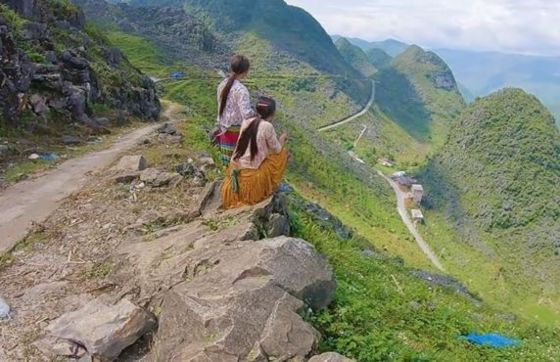
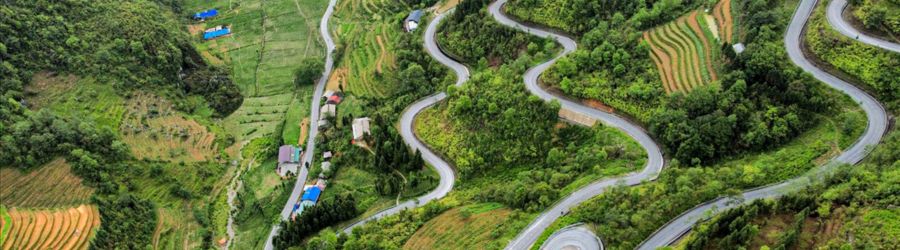
For those dreaming of adventure and breathtaking scenery, 2 nights Ha Giang Loop offers total immersion in the heart of authentic Vietnam. This is the unique experience Mr. Kebano had when he entrusted his trip to the Vietnam travel agency – Autour Asia. Thanks to a well-thought-out itinerary, he explored spectacular landscapes, rode winding roads, and shared genuine moments with local people. A short stay, yet rich in emotions and discoveries. This story retraces, with realism and emotion, the highlights of his adventure. An inspiring read for those also considering exploring Northern Vietnam differently.

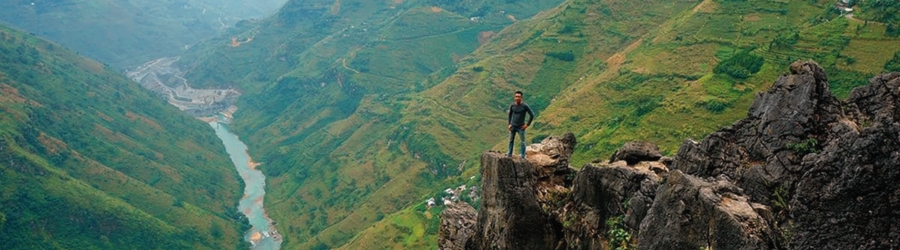
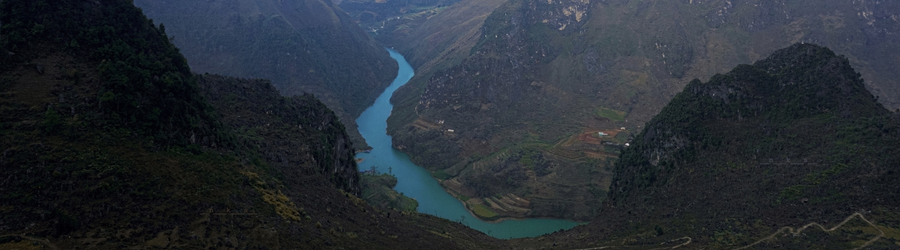
In the heart of Vietnam's Far North, the Ma Pi Leng Pass reveals a breathtaking natural spectacle, emblematic of the famous Ha Giang Loop. Between vertiginous cliffs and sweeping Ha Giang panoramas, this mythical road invites you to a timeless adventure, where each turn reveals the raw and wild beauty of Vietnam. To fully experience this unique immersion, there’s no better way than relying on a travel agency in Vietnam, such as Autour Asia, which will guide you through these breathtaking landscapes, blending thrills with cultural insights. An unforgettable experience awaits you, between adrenaline and wonder.
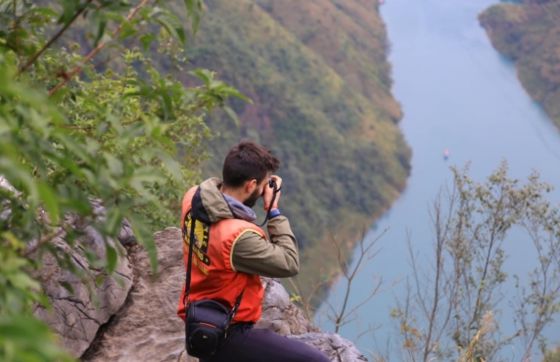
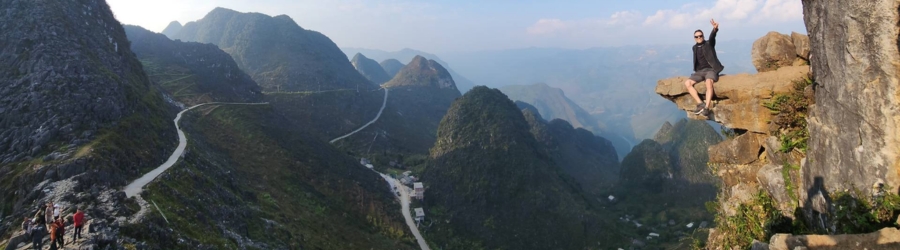
Looking for a truly unforgettable adventure in Northern Vietnam? The Ha Giang Loop motorbike tour is hands down one of the most scenic and soul-stirring road trips in Southeast Asia. This adventure taught me something profound—not just about the breathtaking landscapes of Northern Vietnam, but about the meaningful connections made with locals and fellow travelers along the way. It revealed that the true essence of travel isn’t simply about seeing the world; it’s about making sense of your own place within it. For anyone planning a trip to Northern Vietnam, partnering with Autour Asia - the best travel agency in Vietnam can help you dive deeper into these authentic experiences and create memories that truly transform.
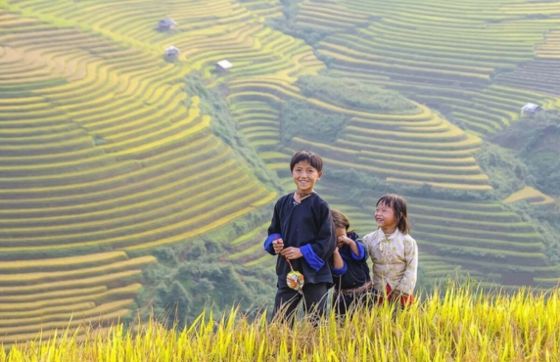
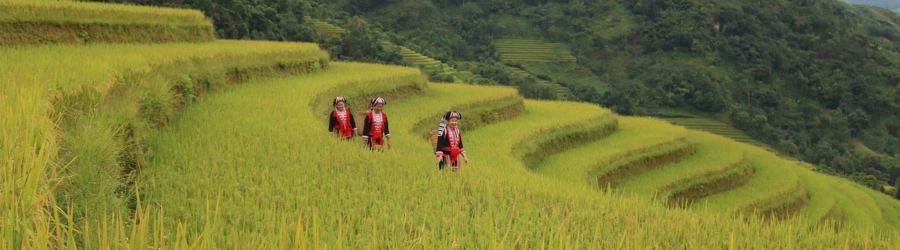
Before diving into the details of the destinations and activities, keep this in mind: Ha Giang, often dubbed "the unsung jewel of Vietnam", is home to Ha Giang rice terraces in Vietnam that have been shaped over more than seven centuries. These are among the most stunning Vietnamese rice fields, still remarkably preserved, offering a more authentic and less touristy experience than those in Sapa. Whether you’re into trekking, Ha Giang Loop, photography, or exploring ethnic festivals, Ha Giang brings together all the elements of a truly genuine travel experience—far beyond the clichés often linked to rice fields of Vietnam. Here are some essential tips from Autour Asia, a local travel agency in Vietnam, to give you a complete overview and all the practical information you need to make your Ha Giang trip a success.
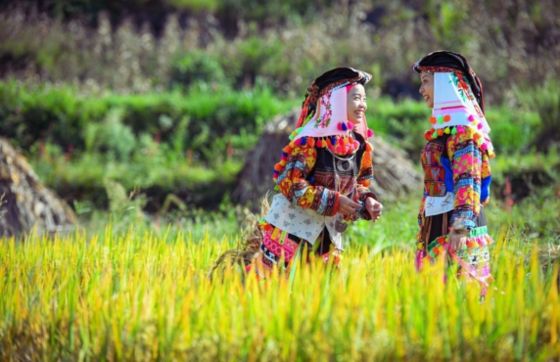

Travel isn’t just about seeing places—it’s about seeing yourself. The Ha Giang Loop isn’t simply a route; it’s a mirror that reflects courage, curiosity, and connection. As you carve through clouds on Happiness Road, you’ll pass more than jaw-dropping cliffs and rice terraces—you’ll pass stories waiting to unfold. Maybe it's the twinkle in a child’s eye receiving your worn book, or the way riders help each other fix a flat in the rain. This Ha Giang Travel Guide will help you plan, but no guide can prepare you for the raw wonder of living each moment fully. And if you’re seeking for a Ha Giang trip, let us, a travel agency in Vietnam – Autour Asia guide your path, and let your heart lead the way.
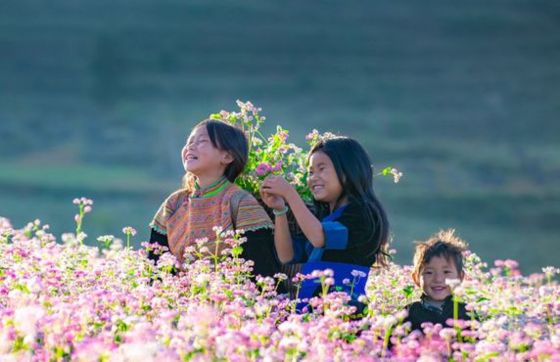
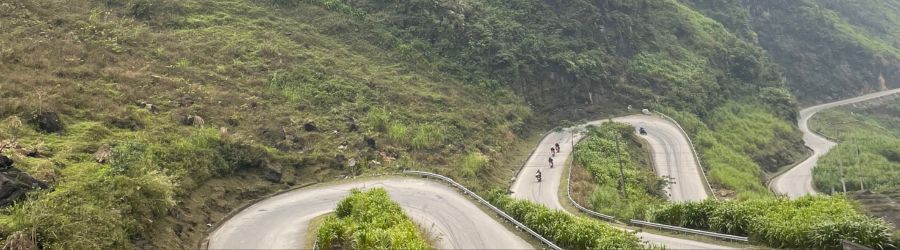
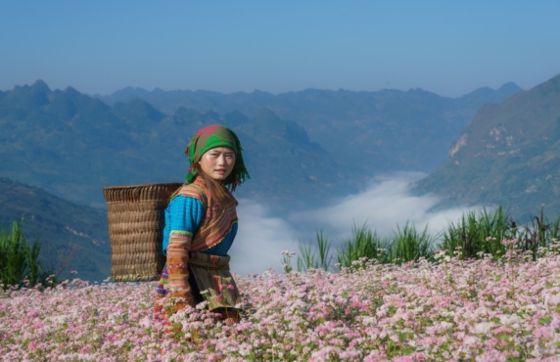
If you're wondering "What to do in Ha Giang in November?", you've come to the right place! This region is a captivating, yet still relatively unknown, province in the far north of Vietnam. Every November, Ha Giang transforms into a fairytale landscape: mountain peaks become a sea of buckwheat flowers, valleys are painted pink, and ethnic villages come alive to celebrate the Hmong New Year. Thanks to the expertise of the Vietnam travel agency – Autour Asia, I explored dizzying mountain passes, walked among the buckwheat fields, and witnessed traditional dances. This guide, inspired by my firsthand experiences, covers the weather, best sites, preparations, and anecdotes to help you fully experience the adventure. Join me on this authentic journey!
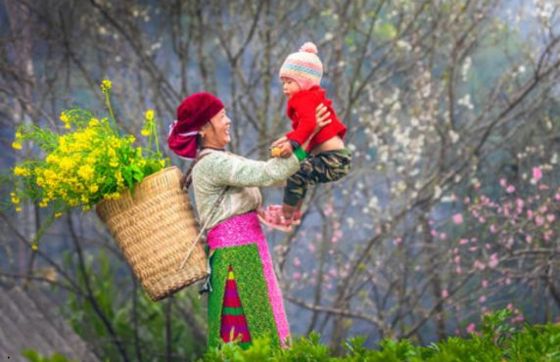
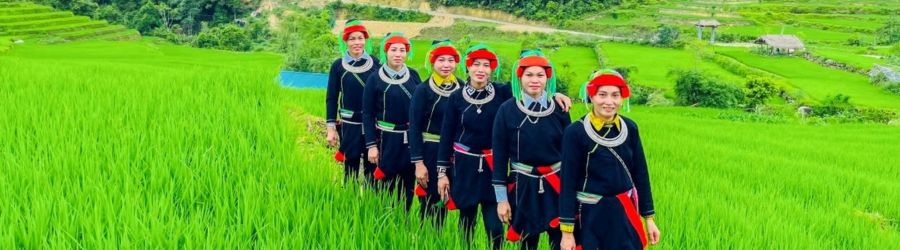
What to do in Ha Giang in 3 days? Nestled in the north of Vietnam, Ha Giang is a captivating region, known for its spectacular mountain landscapes, vast rice terraces, winding mountain passes, and encounters with colorful ethnic minorities. For adventure and cultural discovery lovers, it’s a must-visit in Vietnam. In this article, discover Mr. Faure's review of the 3-day itinerary in Ha Giang, crafted by a nature enthusiast and advocate of authentic travel in Vietnam.
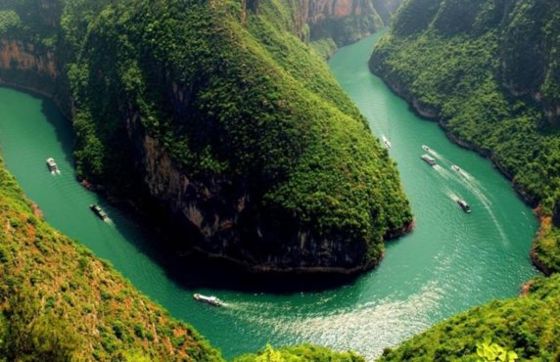
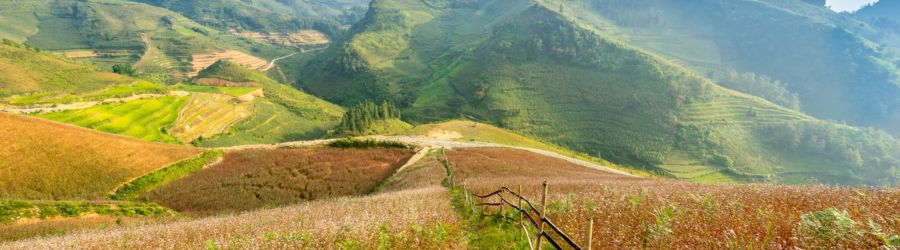
What to do in Ha Giang in 5 days? Located in the mountainous region of northern Vietnam, Ha Giang is renowned for its spectacular landscapes, featuring majestic mountains, vast rice terraces, and endless winding passes. But that's not all: a 5-day itinerary in Ha Giang will also allow you to meet the local ethnic groups who peacefully inhabit these picturesque villages. In this blog, discover a detailed Ha Giang 5-day itinerary, reviewed by Mr. Rieger during his trip with friends. Explore the stunning trekking trails in Hoang Su Phi and immerse yourself in the life of the ethnic villages in Ha Giang, a truly unique destination.
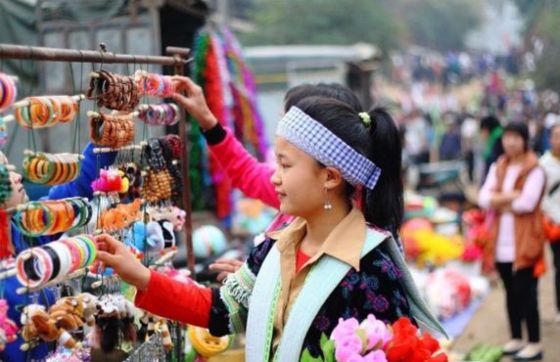
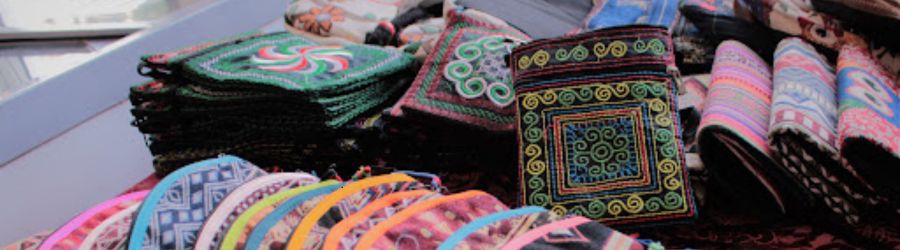
Buying Ha Giang souvenirs is the perfect way to take a little piece of this stunning journey home with you! Renowned for its breathtaking natural landscapes and traditional craft villages, Ha Giang is full of handmade treasures. You’ll find everything from simple yet charming magnets, t-shirts, and bookmarks to exquisite handcrafted goods, brocade textiles, and delicious local specialties. Moreover, purchasing local items as souvenirs from Ha Giang helps preserve the cultural heritage and support the ethnic minorities. So, are you ready to go treasure hunting?
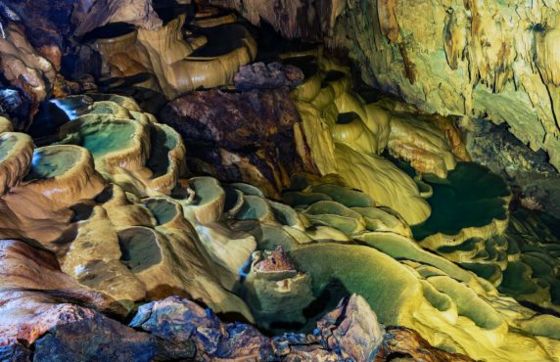
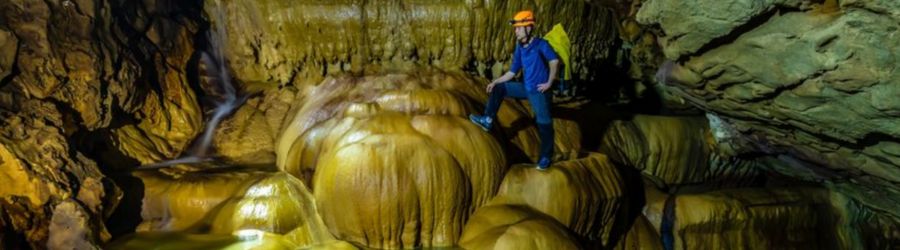
Located in the heart of Ha Giang's karst plateau, Nam Tan cave is a hidden treasure in Northern Vietnam. Since few tourists are aware of this site, Nam Tan cave still preserves its wild and mysterious beauty. Exploring this cave, you'll be amazed by the stalactite formations and underground streams that create a unique atmosphere, one that can only be fully appreciated in person. These streams, after years of erosion, have shaped the stalactites and have given birth to Nam Tan cave as it stands today in Ha Giang, making it the most beautiful cave in the region.
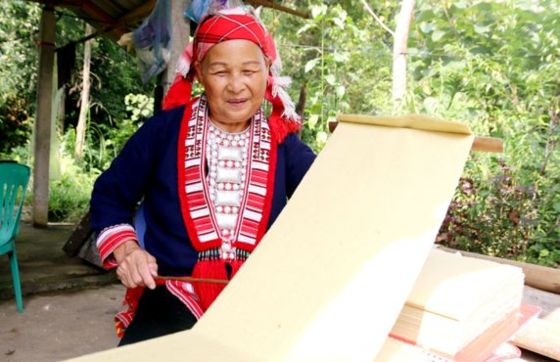
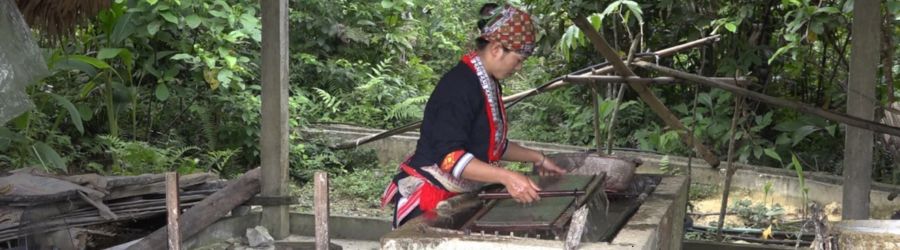
Located amidst the karst mountains of Ha Giang, Thanh Son village in Bac Quang district is renowned as a Thanh Son paper-making craft village, attracting numerous national and international visitors. By visiting this ethnic village, you'll not only have the chance to immerse yourself in the culture of the local ethnic minorities but also explore the paper production methods practiced by the village artisans. Discover in this article what makes the paper-making process at Thanh Son village so unique!
What to Do in Ha Giang? Ha Giang is emerging as a must-visit destination in Vietnam for adventure enthusiasts. Are you planning a successful trip to Ha Giang but wondering about its location, how to get there, and the best time to explore this northeastern province of Vietnam? Whether you’re considering using a local travel agency in Ha Giang, such as Autour Asia, or planning to experience the famous Ha Giang loop independently, this travel guide provides all the essential information. Discover the top things to do in Ha Giang to make the most of your journey!
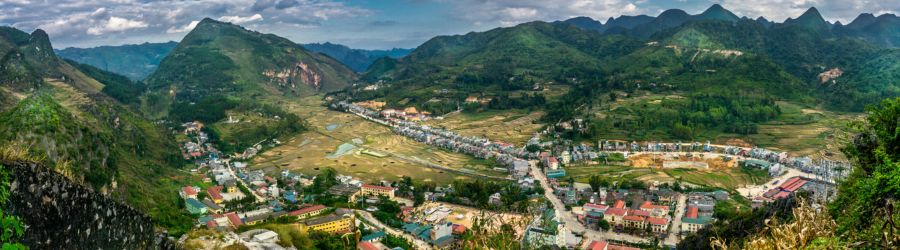
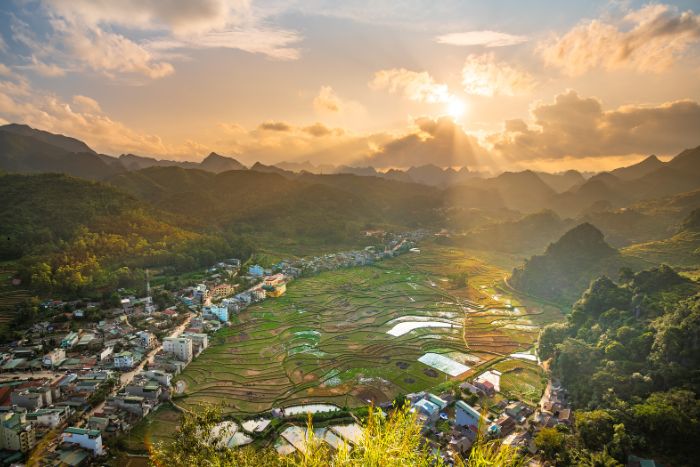
Ha Giang is a province in northeastern Vietnam, considered a Vietnam must-visit destination for nature lovers and adventurers seeking new experiences. The most popular tourist route in Ha Giang is the “Ha Giang loop” a 350 km circular route that passes through four high-altitude districts of the Dong Van Karst Plateau Global Geopark. This scenic loop begins in Quan Ba, travels through Yen Minh, Dong Van, Meo Vac, and then returns to the starting point. The Ha Giang loop is a dream come true for adventure travelers who crave the open road. Pack your gear, charge your batteries, and get ready for an unforgettable journey with options like a Ha Giang loop private tour through a local Vietnam travel agency such as Autour Asia.
When to visit Ha Giang? Ha Giang is beautiful year-round, but the natural landscapes and climate vary with each season. If you’re planning a trip to Ha Giang, March and April offer pleasant weather for exploring the region. However, it’s also ideal to visit from January to May, in July, and from September to December.
How is the annual weather in Ha Giang? On average, the hottest months in Ha Giang are from April to September, while January and December are the coldest. The rainiest months are July and August. So, plan your Ha Giang travel with these seasonal variations in mind to make the most of your adventure!
The distance between Hanoi and Ha Giang is 300 km. The only way to travel from Hanoi to Ha Giang is by bus or minibus—unless you have your own motorbike or book through a Ha Giang private travel agency like Autour Asia. Reliable bus companies offer tickets starting at $10, with sleeper buses available for added comfort.
Since Ha Giang has no railway or airport, the only access is by road. The nearest train station is in Lao Cai, about 200 km from Ha Giang city. Travel agencies in Hanoi can also help you arrange transport, either with a private car or by assisting you in booking bus tickets from Hanoi to Ha Giang.
For travelers in Sapa looking to continue their journey to Ha Giang, there are transport options to get from Sapa to Ha Giang. Both Sapa and Ha Giang are located in the mountainous northern provinces of Vietnam, and the distance between them is over 200 km. However, the road from Sapa to Ha Giang can be challenging due to steep passes, dangerous curves, and weather conditions that often include fog in the mornings and evenings. If you’re considering how to drive in Ha Giang, especially from Sapa, plan carefully to ensure a safe and enjoyable experience on this adventure.
Though demanding, the route from Sapa to Ha Giang is also stunning. The natural landscape is breathtaking and dramatic. There are three ways to cover the 235 km (146 miles) from Sapa to Ha Giang: by bus (5-5.5 hours), minivan (5-6 hours), or private transfer (6 hours). The journey takes between 5 and 6 hours, with the bus being the quickest option. Tickets for the minivan start at 380,000 VND (€14.40).
Ha Giang culinary culture is one of the must-explore aspects when visiting this northeastern region. Ha Giang’s specialties are dishes made with a variety of natural ingredients found abundantly in the area. This mountainous province is rich in unique natural products unavailable elsewhere. Many traditional foods are made by the ethnic mountain communities of Ha Giang, and these have become essential parts of local life, providing a distinctive experience for visitors.
Some popular foods to try when visiting Ha Giang include banh tam giac mach (a buckwheat cake), thang co (a hearty stew made from horse, beef, or goat offal), banh cuon trung (a delicate egg-filled crepe), chao au tau (a nutritious soup made from macre root), lon cap nach (a unique small-sized pig often roasted whole), and xoi ngu sac (a beautiful five-colored sticky rice steamed to perfection). Each dish reflects the cultural heritage and natural resources of the area, and the preparation methods used by local people highlight their deep knowledge of the environment.
For travelers wondering what to eat in Ha Giang or seeking recommendations for authentic local food in Ha Giang, the province offers a truly unique food experience. Many dishes can be found at local markets or small eateries, and an Autour Asia-led tour is a great way to uncover hidden gems in local restaurants in Ha Giang. The Ha Giang specialty dishes represent the variety of flavors in the highlands, from mild to spicy, showcasing the tastes and preferences of the different ethnic groups living there. For those taking the Ha Giang loop, stopping along the way to sample these dishes offers an immersive way to connect with local culture.
Consider arranging your food itinerary through a reliable Vietnam tour operator, who can guide you to the best spots to enjoy these regional specialties while also ensuring that each meal captures the rich flavors of this remarkable region.
Ha Giang is famous for its winding roads that appeal to adventure lovers and its stunning spots perfect for capturing unique photos. If you’re looking for a place to stay in Ha Giang, you’ll find a variety of accommodation options, ranging from luxury hotels to traditional homestays. Among these, homestays are especially popular with travelers seeking an authentic experience and a closer connection to the local culture. So, where to stay in Ha Giang? Check out the top accommodation choices (including hotels, resorts, and homestays) in this section of the Ha Giang travel guide.
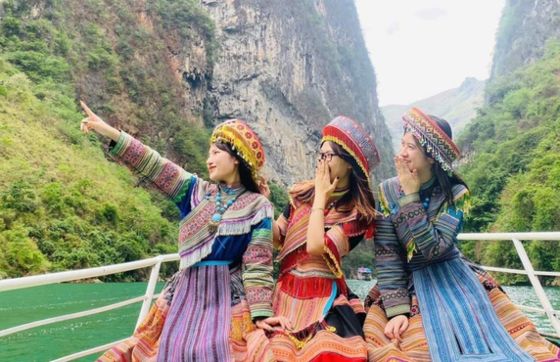
Ha Giang is a province of breathtaking karst mountains, steep passes, winding roads, and misty villages that provide a unique and unforgettable experience. Known as a remote and authentic area, Ha Giang offers a remarkable variety of landscapes and cultural experiences. The province is home to numerous ethnic minority communities, such as the Hmong, Tay, and Yao, who still preserve their traditional culture and way of life. For travelers in search of an immersive journey, Ha Giang promises an unspoiled cultural experience combined with some of Vietnam’s most scenic views. Autour Asia and other Ha Giang travel agencies provide guided options, ensuring that visitors not only explore the famous sights but also gain insight into the local culture. Those planning a Ha Giang tour can look forward to both adventure and the opportunity to connect with the rich heritage of the region.
Among the things to see in Ha Giang, there are several must-visit destinations that showcase the diversity and beauty of the area. The Quan Ba Yao village provides a glimpse into the everyday life of the Yao people, while the iconic Fairy Twin Mountains offer a natural marvel with cultural significance. The renowned Ha Giang loop—a thrilling route popular among motorcyclists—winds through stunning landscapes and authentic villages. Other essential stops include the picturesque Lo Lo Chai Village, the magnificent Dong Van Karst Plateau, and the terraced rice fields that add vibrant color to the scenery. For a cultural highlight, the Vuong Family Palace (also known as the Hmong King’s Palace) offers historical insight into the Hmong royalty. A boat trip on the Nho Que River, visits to the traditional Phung Village in Hoang Su Phi, and exploring the charming Tha Village are all highly recommended. Ha Giang travel offers an array of adventures, and with a thoughtful itinerary from a reliable agency, visitors can fully appreciate the magic of this remarkable region.
A memorable experience in this region often raises a question: are there unique souvenirs to bring back from Ha Giang? Unlike more commercialized destinations, Ha Giang doesn’t yet have magnets, keychains, or typical tourist trinkets. This allows visitors to get more creative in choosing meaningful gifts for loved ones, friends, or even themselves. Several distinctive items capture the essence of Ha Giang’s culture and natural beauty, making for truly unique mementos of your journey.
Among the top gift ideas to consider are traditional woven fabrics, which represent the artistry and cultural heritage of local ethnic communities. Jewelry handcrafted by local artisans also makes for a stunning keepsake. For a taste of Ha Giang’s natural offerings, a jar of mint honey or a bottle of “happy water” (local corn liquor) can be ideal souvenirs that reflect the flavors of the region. Lastly, a meaningful tattoo, often inspired by the ethnic designs or nature of Ha Giang, is an option for those looking for a deeply personal memento. Each of these gifts tells a story of Ha Giang, offering a lasting memory of this unique and vibrant province.
Ha Giang is an authentic and relatively untouched destination in Vietnam, offering a unique charm due to its limited but meaningful attractions, accommodations, and transportation options. Unlike more touristic areas, Ha Giang remains a quiet, scenic retreat where visitors can experience unspoiled landscapes and cultural traditions. For a successful journey to Ha Giang, it’s essential to review Ha Giang information, as well as the experiences of previous travelers to get a feel for the area and its practical aspects. Doing so provides valuable insights into what to expect and how best to prepare for an enjoyable trip.
The Ha Giang travel tips and recommendations from past visitors are excellent resources that offer useful advice on navigating the region, finding comfortable accommodations, and choosing reliable transportation. Due to the remote nature of Ha Giang, knowing about the local transport options and unique homestays or guesthouses ahead of time can make the trip far smoother and more rewarding. These resources can guide you to some of the must-see spots and give you tips for respecting the local customs and way of life, which enriches the experience. Ha Giang may be less developed as a tourist destination, but this is precisely what makes it a rare gem—a place where thoughtful preparation allows for deep, authentic exploration of the culture and landscape.



 FR
FR EN
EN