For a 2-week nature Vietnam itinerary, choosing the right region mainly depends on the landscapes and activities you want to enjoy. Northern Vietnam is particularly suitable for travelers interested in hiking, mountains, and the Sapa, Pu Luong or Ha Giang rice fields. Central Vietnam is better suited to travelers looking for caves, tropical forests, and karst landscapes, particularly around Phong Nha. In the South, forests, wetlands, mangroves, and islands offer a different way to experience Vietnam’s natural environment.
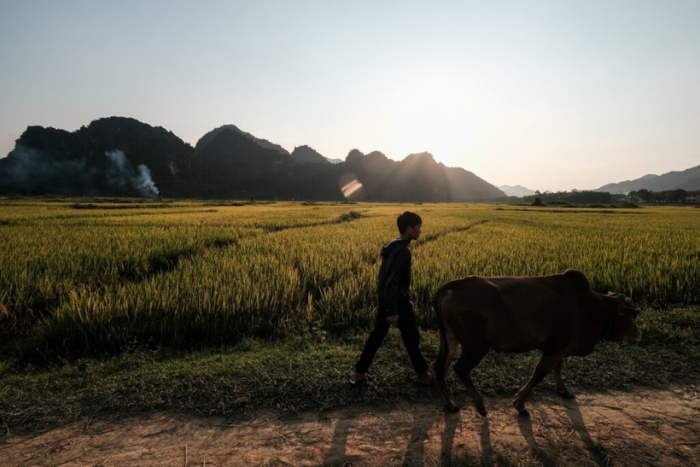
What kind of nature experience are you looking for in Vietnam? If you enjoy trekking and hiking, head to the mountains of the North. For rice fields and rural villages, Ha Giang, Pu Luong, and Ninh Binh are great choices. If you prefer caves, forests, and adventure, explore Central Vietnam, while the South is ideal for forests, wetlands, and biodiversity. To combine nature with local culture, consider staying in a homestay, cycling in Mai Chau Pu Luong, or joining a guided hike. while meeting local communities.
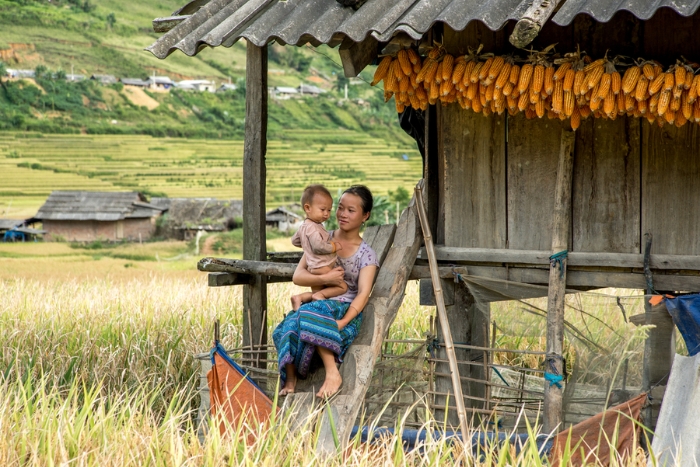
When to visit Vietnam for 2 weeks? The best time for a 2-week nature Vietnam itinerary mainly depends on the route you choose. Since the climate varies considerably between Northern, Central, and Southern Vietnam, it is better to choose your travel season according to the regions you want to combine.
North + Central Vietnam: March to May or September to November generally offers favorable conditions for enjoying mountains, rice fields, hiking, and coastal landscapes while avoiding the hottest summer temperatures.
Northern Vietnam only: If trekking and rice terraces are your priorities, spring and autumn are generally the most comfortable seasons for hiking in the mountains.
Central + Southern Vietnam: You need to pay closer attention to differences in rainfall. The time of year can affect outdoor activities, particularly boat trips, hikes, and beach days.
During the rainy season: A few showers do not necessarily mean that you should avoid a nature trip, but conditions can make some trails slippery, affect boat excursions, or reduce visibility in mountainous areas. For caves, beaches, and outdoor activities, it is therefore better to keep your itinerary flexible.
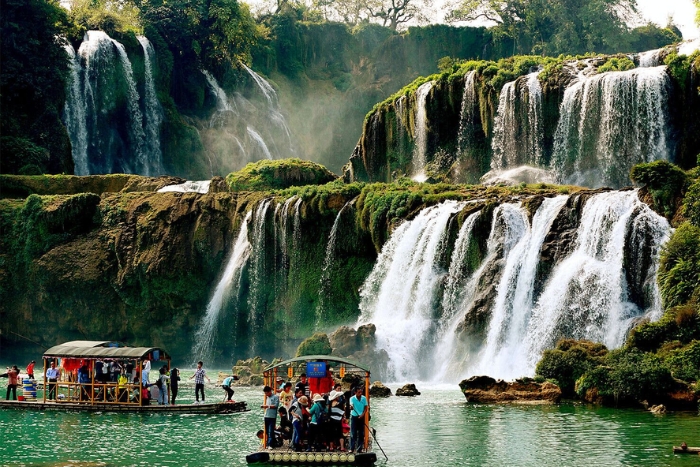
Northern Vietnam is often the first choice for travelers looking for a nature trip in Vietnam. Mountains, agricultural valleys, and rural villages give this region a strong focus on countryside landscapes and outdoor activities.
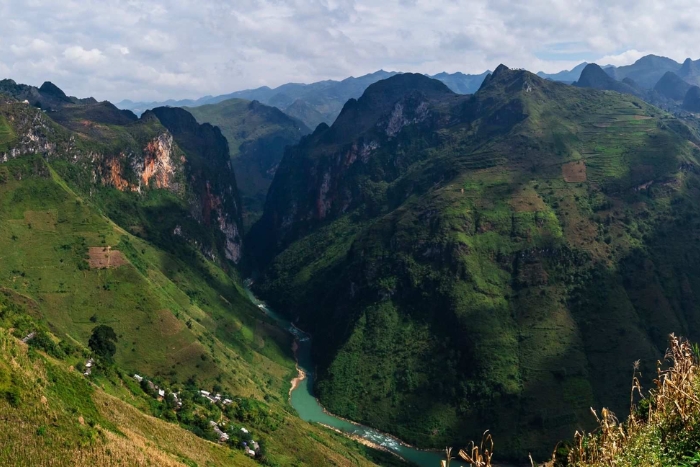
Ha Giang: Ha Giang is the best destination in Northern Vietnam for mountain lovers, with its impressive limestone formations, winding mountain passes, and deep valleys. The famous Ha Giang Loop, particularly around Dong Van and Meo Vac, offers spectacular views while providing opportunities to discover local villages and the traditions of ethnic communities. If you are planning a trip to Vietnam by motorcycle in 2 weeks, allow several days in the region so that you can enjoy the scenery without rushing through the loop.
Pu Luong: Pu Luong is ideal for travelers looking for a slower pace and a closer connection with nature. The reserve is known for its terraced rice fields, green valleys, mountains, Thai villages, and wooden water wheels. You can explore the countryside on short hikes or by bicycle, then stay with a local Thai family to experience their daily life and hospitality.
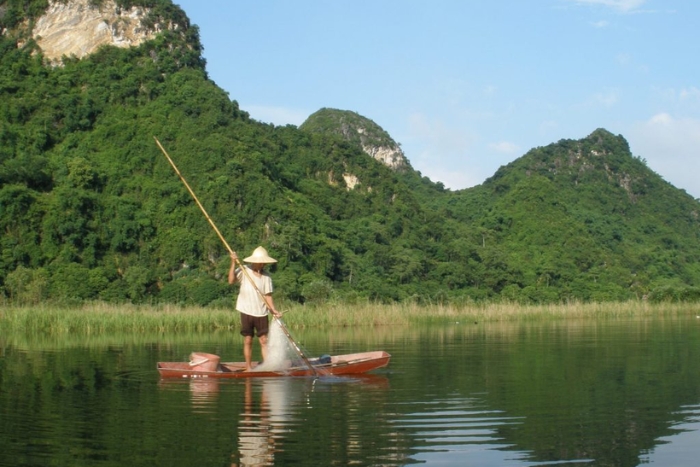
Ninh Binh: Ninh Binh is known for its karst landscapes, rice fields, and rivers. A boat trip through Trang An or Tam Coc, combined with a cycling excursion through the surrounding villages, allows you to explore the region at a relaxed pace. This gentle approach is particularly suitable for travelers who want to enjoy nature while discovering local life.
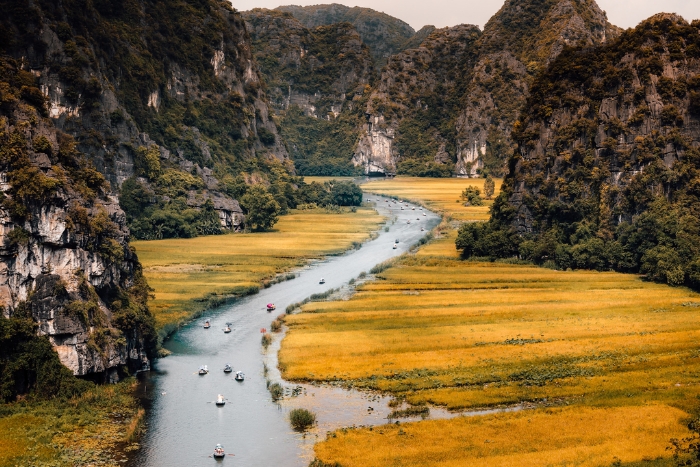
Cat Ba and Lan Ha Bay: To end your exploration of Northern Vietnam by the sea, Cat Ba and Lan Ha Bay offer an interesting contrast to the inland mountains. The landscape is made up of islands, limestone cliffs, small beaches, and floating villages. Depending on the season and weather conditions, you can go kayaking, take a cruise, or hike in Cat Ba National Park.
This stop is particularly interesting for a 2-week nature Vietnam itinerary, as it allows you to move from rice fields and mountains to a marine environment without traveling to a completely different part of the country.
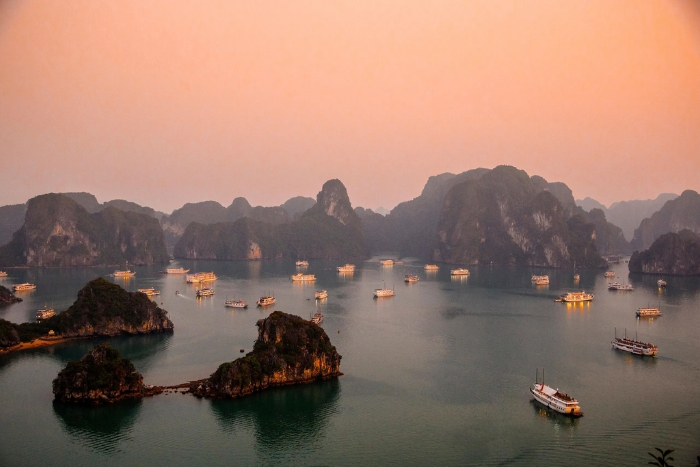
Central Vietnam offers a different side of the country. There are fewer extensive terraced rice fields than in the North, but more caves, tropical forests, mountains, and coastal landscapes.
Phong Nha: Phong Nha is known for its caves, karst landscapes, rivers, and forests. Depending on your time and fitness level, you can choose between accessible cave visits and more physically demanding activities. For a 2-week nature Vietnam itinerary, allow 2 to 3 days to make the most of the region.
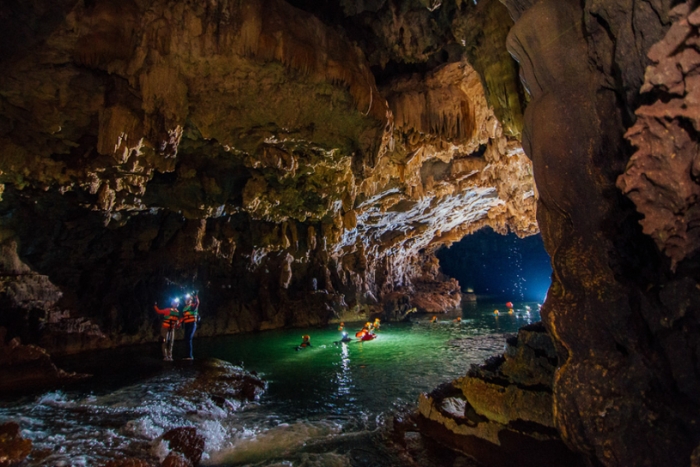
Hoi An and its countryside: The countryside around Hoi An offers a beautiful alternative to the historic center. By bicycle, you can explore rice fields, villages, and coconut groves while discovering local life. Small-group cycling tours also provide opportunities to meet local residents and learn about traditional agricultural activities.
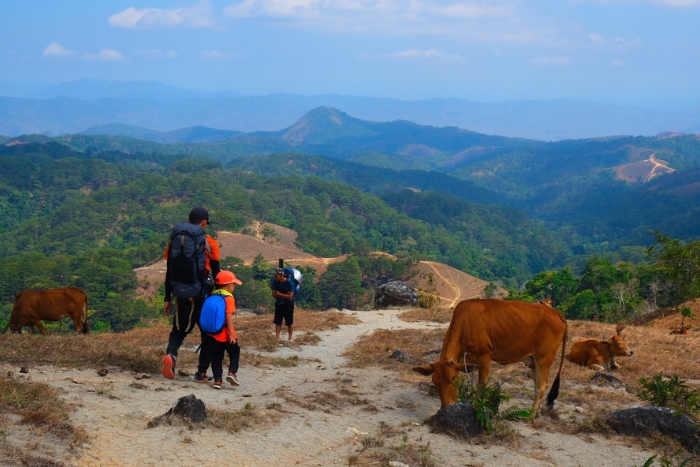
The Central Highlands: Mountains, pine forests, waterfalls, lakes, and coffee plantations shape the landscapes of this region, particularly around Da Lat, Dak Lak, and Kon Tum. You can discover more remote scenery, visit coffee plantations, explore local villages, or hike through forests and hills.
Southern Vietnam offers a very different natural environment. Here, landscapes are more closely connected to waterways, tropical forests, mangroves, and islands.
Mekong Delta: The Mekong Delta is best explored by bicycle, boat, or homestay. These experiences allow you to discover canals, orchards, and small villages while staying close to local life and the communities of the delta.
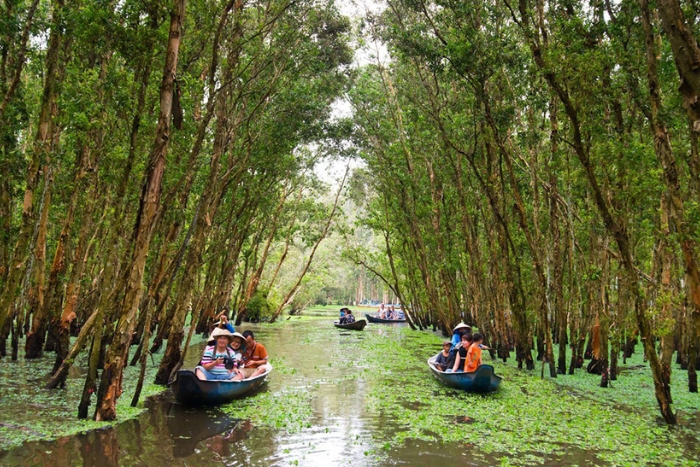
Tra Su: Tra Su Cajuput Forest, in An Giang Province, offers a different experience from the mountainous landscapes of Northern Vietnam. Canals wind through dense vegetation, where you can observe different bird species and explore the wetlands by boat.
Con Dao: Con Dao combines beaches, forests, and marine landscapes. The archipelago is ideal for ending a nature-focused trip with a few days by the sea, combined with hiking and activities focused on discovering marine life.
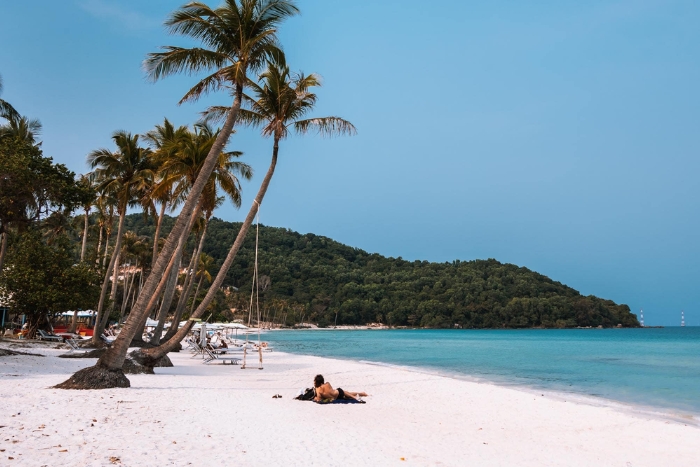
Phu Quoc: Phu Quoc attracts visitors with its beaches, forests, and small surrounding islands. For a nature-focused stay, you can alternate beach days with boat trips and walks to discover the island’s landscapes.
To choose your 2-week nature Vietnam itinerary, start by deciding which landscapes and activities you want to prioritize. Vietnam offers very different experiences depending on the region: mountains and trekking in the North, tropical forests and biodiversity in the South, as well as caves, highlands, and coastal scenery in Central Vietnam. Here are some ideas to help you choose:
| If you are looking for… | Region to prioritize | What to discover |
| Trekking and mountains | North | Ha Giang, Pu Luong, Sapa, Ba Be |
| Rice fields and local villages | North | Ha Giang, Pu Luong, Ninh Binh |
| Caves and adventure | Central | Phong Nha, Bach Ma |
| Forests and biodiversity | South | Cat Tien, Tra Su, Mekong Delta |
| Islands and coastal landscapes | South / Central | Phu Quoc, Con Dao, Lang Co |
| Nature and ecotourism | North / South | Pu Luong, Ba Be, Mekong Delta, Cat Tien |
| A wide variety of natural landscapes | North + Central | Mountains, rice fields, karst formations, caves, and coastline |
| Nature and beaches | Central + South | Phong Nha, Hoi An, Con Dao, or Phu Quoc |
For a first trip, combining Northern and Central Vietnam is an interesting option if you want to experience different landscapes without spending too much time traveling between destinations. On the other hand, travelers who particularly enjoy hiking can focus on the North, while those interested in tropical forests, wildlife, and river landscapes may find more opportunities in the South.
Example of a 2-week nature Vietnam itinerary
| Day | Destination | Nature experience |
| Day 1 | Hanoi | Arrival and rest |
| Day 2 | Hanoi | Lakes and green spaces |
| Day 3 | Pu Luong | Journey to the mountains |
| Day 4 | Pu Luong | Hiking, rice terraces, and villages |
| Day 5 | Ninh Binh | Rural landscapes and cycling |
| Day 6 | Ninh Binh | Cycling and boat trip in Trang An or Tam Coc |
| Day 7 | Cat Ba | Transfer to the island |
| Day 8 | Lan Ha Bay | Kayaking and cruise |
| Day 9 | Phong Nha | Transfer to Central Vietnam |
| Day 10 | Phong Nha | Cave exploration |
| Day 11 | Phong Nha | Hiking or countryside exploration |
| Day 12 | Hue | Mountains and lagoons |
| Day 13 | Hoi An | Cycling through the countryside |
| Day 14 | Hoi An / Da Nang | Departure |
This itinerary is intentionally kept relatively flexible. For a nature-focused trip, it is better to spend atleast two days in each destination and take the time to enjoy the landscapes rather than add too many stops. Staying longer in one place also means fewer transfers, which can help reduce carbon emissions and limit the impact on local ecosystems. This slower pace is also suitable for a 2-week Vietnam itinerary for seniors, giving you more time to rest and enjoy each destination.
Keep a reasonable pace: For a 2-week nature Vietnam itinerary, it is better to focus on two or three regions to limit long transfers and spend more time enjoying each destination.
Prioritize local experiences: Staying with a local family, sharing a meal with them, cycling through villages, or traveling with a local guide allows you to discover both nature and the daily life of local communities.
Choose small groups: For hikes, boat excursions, or wildlife-watching activities, small groups generally provide a quieter experience and make it easier to interact with guides and local residents.
Respect nature and local communities: Reduce single-use plastics, never leave waste behind, stay on marked trails, avoid touching wild animals, and respect local customs.
Choose responsible travel: Ecotourism is not simply about staying in an “eco-lodge.” It is mainly about choosing activities and local providers that respect the environment and contribute to the local economy.
Pack suitable equipment: Bring appropriate walking shoes, lightweight clothing, sun protection, and a rain jacket. In the mountains of Northern Vietnam, a warm jacket can be useful during the cooler months.
Check the weather: Before going on a hike, cruise, or outdoor activity, check the weather conditions, which can vary considerably from one region to another.
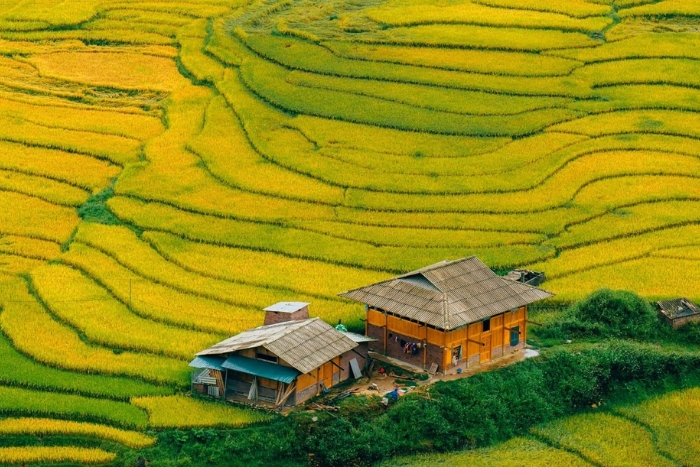
A 2-week nature Vietnam itinerary offers a good balance between exploration, outdoor activities, and local encounters. By choosing two or three regions, you can take the time to explore mountains, rice fields, forests, caves, rivers, or islands without spending too much time on long transfers. Depending on your interests, focus on the North for its mountain landscapes, Central Vietnam for its caves and highlands, or the South for its river landscapes and natural areas. To plan a trip adapted to your pace, Autour Asia, a Vietnam travel agency, can help you create a nature-focused itinerary centered on authentic experiences while respecting the environment and local communities.


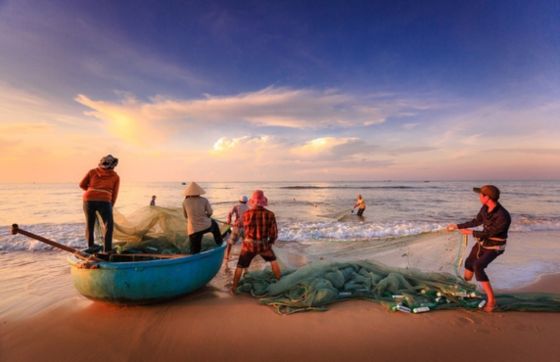
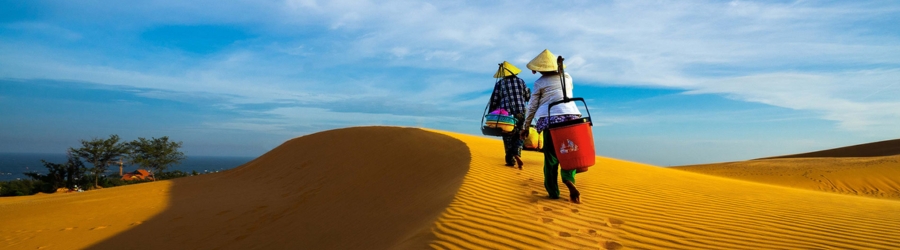
Phan Thiet, a coastal city in Binh Thuan Province, is best known for Mui Ne, an internationally renowned seaside destination. With its beaches, fishing villages, and desert-like sand dunes, the region offers a diverse range of landscapes rarely found elsewhere in Southeast Asia. In November, temperatures remain pleasant for exploring the coast, although occasional showers are still possible. Visiting Phan Thiet Mui Ne in November requires a little preparation to make the most of your stay. This complete guide covers the weather, must-see attractions, transportation options, and practical tips to help you plan your trip to Vietnam in November.
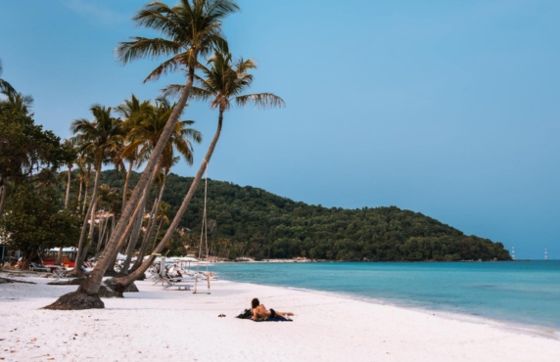
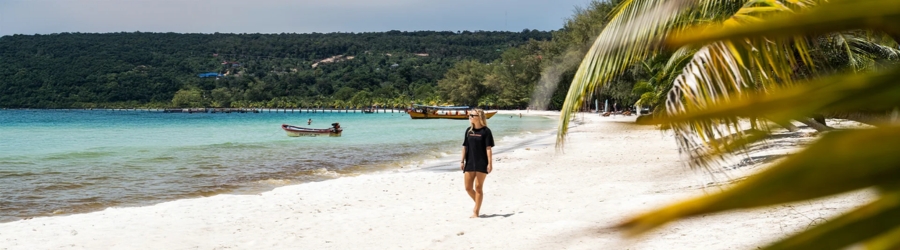
Vietnam’s beaches are best enjoyed at different times of the year, depending on the region. From the turquoise waters of the South to the long stretches of white sand in the Central region and tropical islands, each area has its own climate patterns. To better understand when to visit Vietnam, it is important to consider the weather conditions in each destination. The best time to visit beaches in Vietnam depends on region you choose as well as the activities you have planned. The best time to swim in Vietnam also varies according to rainfall, water temperature and sea conditions. Understanding the Vietnam beach season helps you choose destinations that match your travel dates and enjoy the coastline in good conditions.
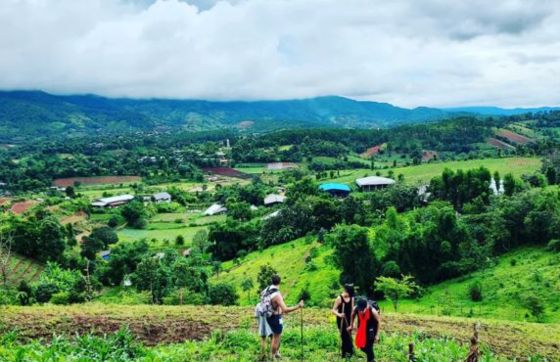
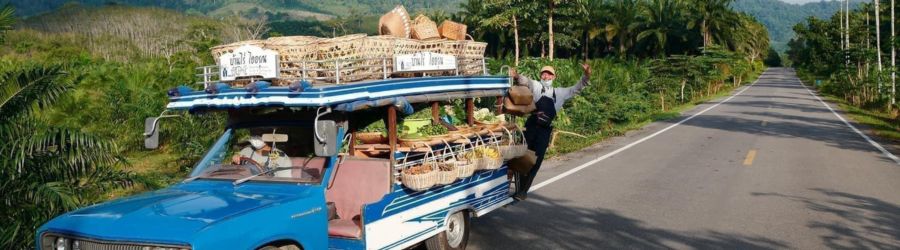
Discovering Thailand through its rice fields, plantations, and rural villages offers a different way to travel, far from traditional tourist circuits. But how can you choose the best agency for Thailand farm tours to enjoy authentic experiences with local communities? Several tour operators offer trips combining agriculture, gastronomy, and encounters with producers. Among them, Autour Asia is an option for travelers who want to personalize their itinerary. Known as Vietnam travel agency - Autour Asia, the company also offers tailor-made trips to several countries in Southeast Asia. With the local travel agency in Thailand - Autour Asia, travelers can explore a trip designed around their interests. Here are five organizations worth knowing, their distinctive features, and the essential criteria for planning a successful agricultural tour in Thailand.


Planning a trip to Vietnam? Before packing your bags, take a few minutes to check the latest entry requirements and prepare the documents you may need at the airport.
Vietnam’s Pre-Arrival Information (PAI) system allows international travellers to submit selected personal, visa and travel details online before arriving in the country. After a successful submission, the system generates a QR code that travellers can save on their phones or print for use during immigration procedures. Although the online declaration is designed to help make arrival procedures smoother, travellers should understand when it applies, how to complete it correctly and which documents they still need to enter Vietnam.
In this practical guide, you will discover where to access the official PAI portal, what information to prepare, how to complete the declaration step by step, how to correct common mistakes and what to do when you arrive at the airport.
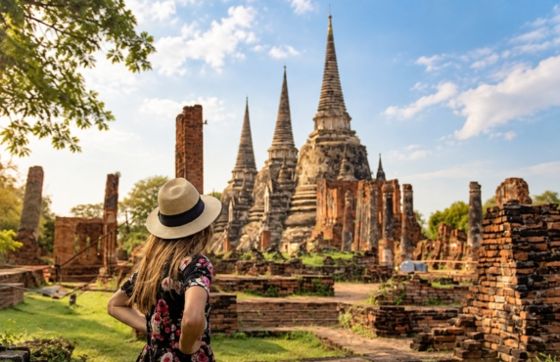
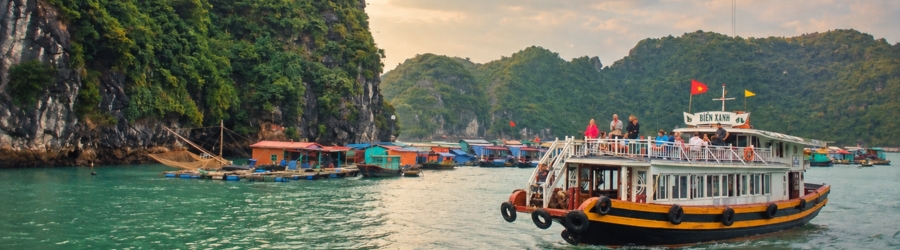
With its exotic landscapes, fascinating cultures and diverse experiences, Vietnam and Thailand are among the most popular destinations in Southeast Asia. However, safety remains an important criterion when planning your trip. So, how can you choose Vietnam or Thailand for a safe trip depending on the way you travel ? And is Vietnam safer than Thailand ? Each destination has its own characteristics and points to consider. In this article, Autour Asia helps you compare Vietnam and Thailand to better understand their differences and choose the destination that meets your expectations for your next trip to Asia.
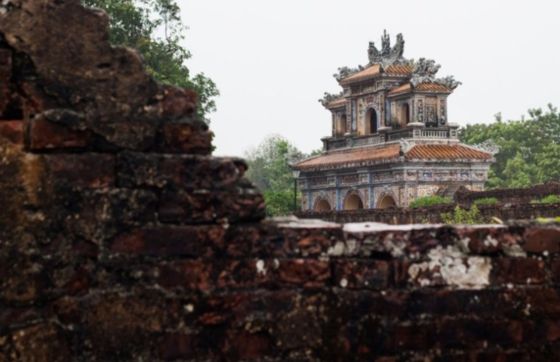
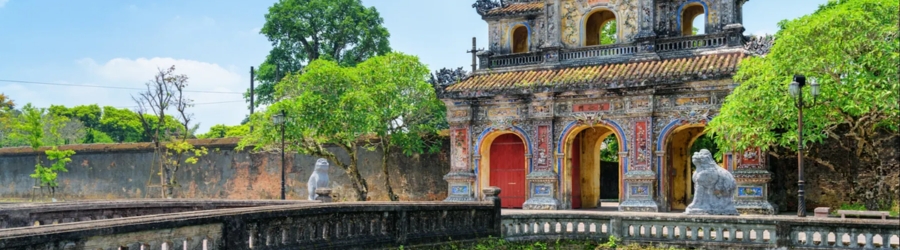
Planning a trip to Hue in November requires a little more flexibility than at other times of the year. Visiting Hue in November means experiencing the rainy season in central Vietnam, with prolonged showers and a risk of flooding. However, this period can also be an opportunity to explore the former imperial capital’s royal heritage, pagodas and renowned cuisine in a quieter atmosphere. The key is to choose your activities carefully, prepare alternative plans and check the weather conditions before setting out.
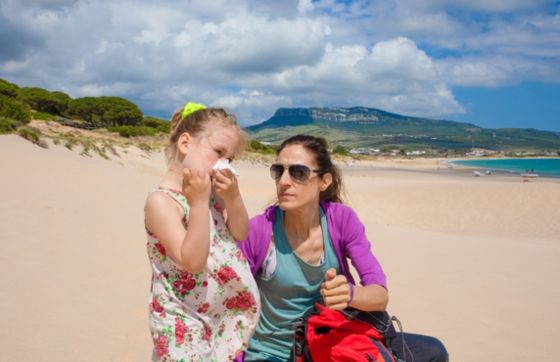

When travelling in Cambodia, some everyday habits may raise questions about local customs. Is blowing your nose in public considered polite? How should you behave in restaurants, on public transport or during a visit? These small details matter when you want to respect the local culture. Discover how to manage blowing your nose in Cambodia discreetly, along with practical tips on using tissues during your trip. Autour Asia, Cambodia travel agency, helps you discover local customs with advice tailored to travellers. From Cambodia travel etiquette to personal hygiene and everyday situations, a few simple guidelines can make your journey more comfortable. In Phnom Penh, Siem Reap or Kampot, understanding local customs helps you avoid awkward moments while making the most of your stay.
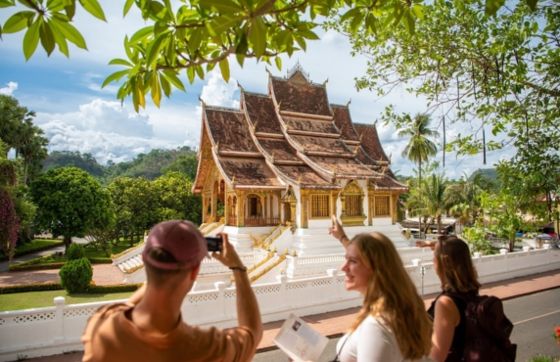
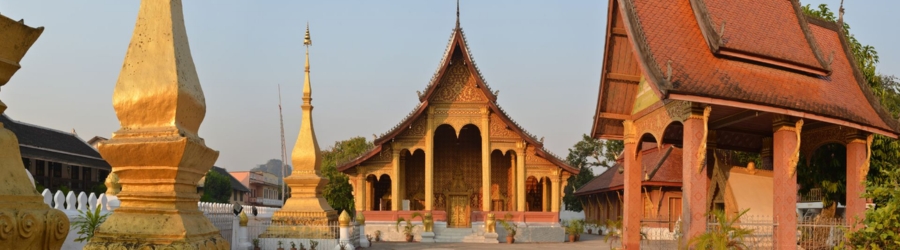
Blow your nose in Laos is not necessarily considered rude, but it is best to do so discreetly, especially in quiet places or during meals. If you have a cold, use a clean tissue and avoid blowing your nose loudly in public. In temples and other places of worship, respect the peaceful atmosphere and local customs. If you need to blow your nose frequently, step away from others for a moment whenever possible. Finally, dispose of used tissues in a rubbish bin. These simple habits will help you observe good manners during your trip to Laos.



 FR
FR EN
EN