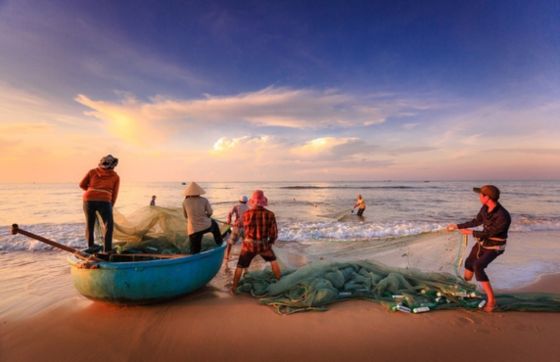
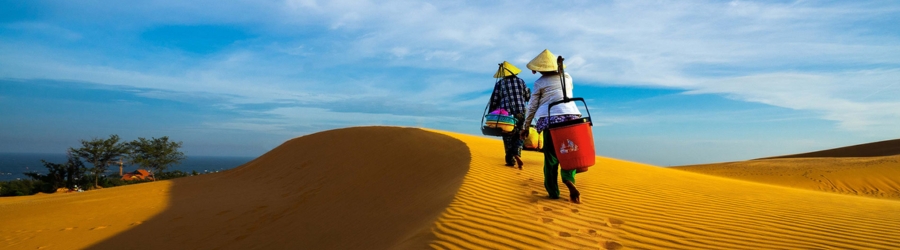
Phan Thiet, a coastal city in Binh Thuan Province, is best known for Mui Ne, an internationally renowned seaside destination. With its beaches, fishing villages, and desert-like sand dunes, the region offers a diverse range of landscapes rarely found elsewhere in Southeast Asia. In November, temperatures remain pleasant for exploring the coast, although occasional showers are still possible. Visiting Phan Thiet Mui Ne in November requires a little preparation to make the most of your stay. This complete guide covers the weather, must-see attractions, transportation options, and practical tips to help you plan your trip to Vietnam in November.
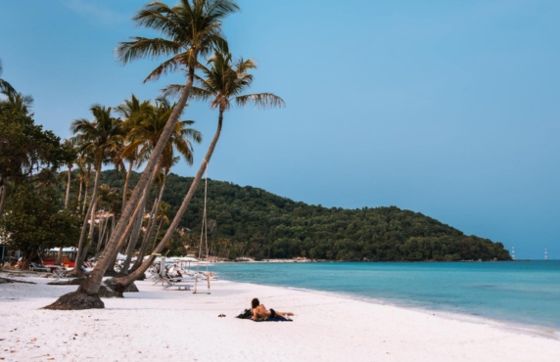
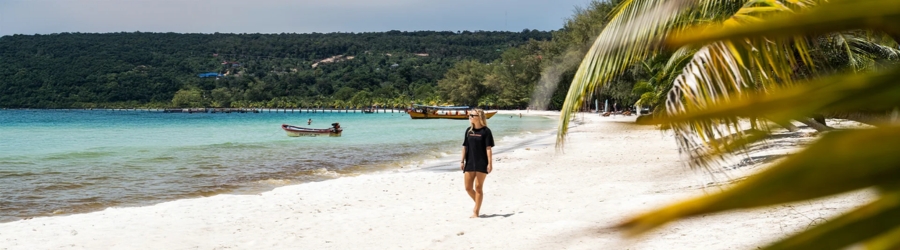
Vietnam’s beaches are best enjoyed at different times of the year, depending on the region. From the turquoise waters of the South to the long stretches of white sand in the Central region and tropical islands, each area has its own climate patterns. To better understand when to visit Vietnam, it is important to consider the weather conditions in each destination. The best time to visit beaches in Vietnam depends on region you choose as well as the activities you have planned. The best time to swim in Vietnam also varies according to rainfall, water temperature and sea conditions. Understanding the Vietnam beach season helps you choose destinations that match your travel dates and enjoy the coastline in good conditions.
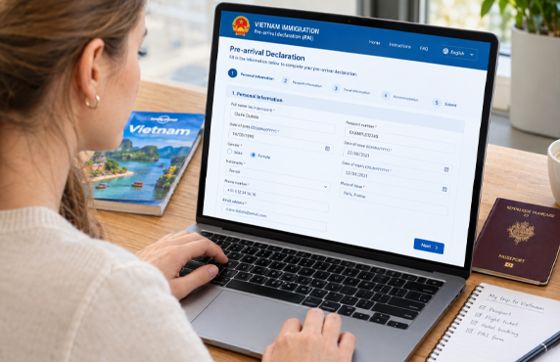
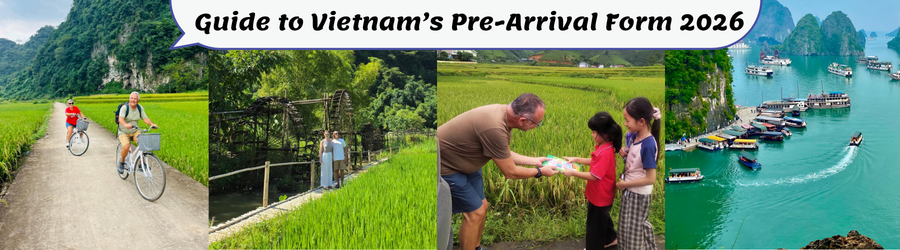
Planning a trip to Vietnam? Before packing your bags, take a few minutes to check the latest entry requirements and prepare the documents you may need at the airport.
Vietnam’s Pre-Arrival Information (PAI) system allows international travellers to submit selected personal, visa and travel details online before arriving in the country. After a successful submission, the system generates a QR code that travellers can save on their phones or print for use during immigration procedures. Although the online declaration is designed to help make arrival procedures smoother, travellers should understand when it applies, how to complete it correctly and which documents they still need to enter Vietnam.
In this practical guide, you will discover where to access the official PAI portal, what information to prepare, how to complete the declaration step by step, how to correct common mistakes and what to do when you arrive at the airport.
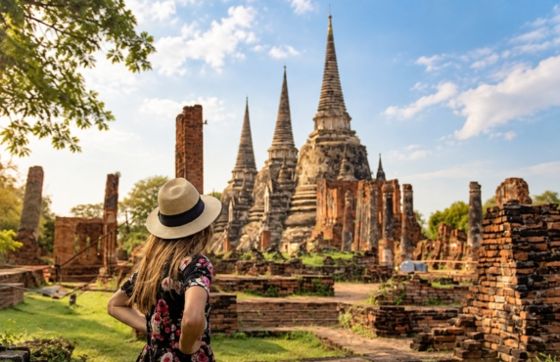
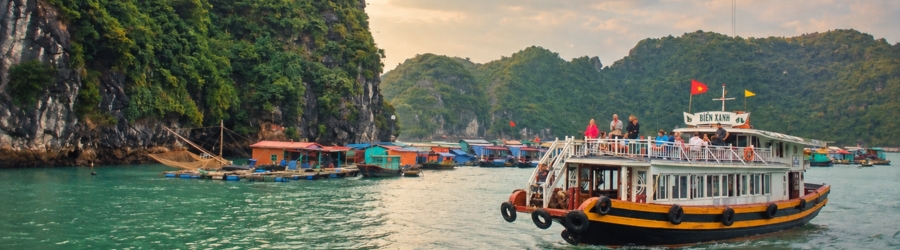
With its exotic landscapes, fascinating cultures and diverse experiences, Vietnam and Thailand are among the most popular destinations in Southeast Asia. However, safety remains an important criterion when planning your trip. So, how can you choose Vietnam or Thailand for a safe trip depending on the way you travel ? And is Vietnam safer than Thailand ? Each destination has its own characteristics and points to consider. In this article, Autour Asia helps you compare Vietnam and Thailand to better understand their differences and choose the destination that meets your expectations for your next trip to Asia.
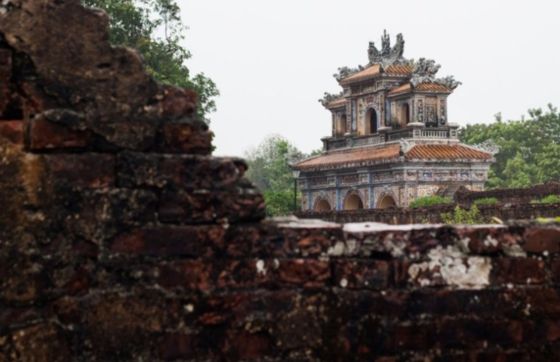
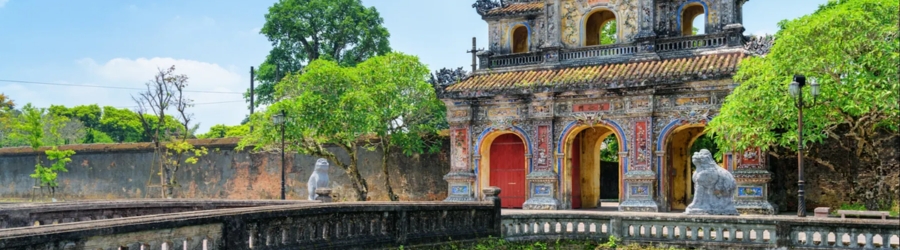
Planning a trip to Hue in November requires a little more flexibility than at other times of the year. Visiting Hue in November means experiencing the rainy season in central Vietnam, with prolonged showers and a risk of flooding. However, this period can also be an opportunity to explore the former imperial capital’s royal heritage, pagodas and renowned cuisine in a quieter atmosphere. The key is to choose your activities carefully, prepare alternative plans and check the weather conditions before setting out.
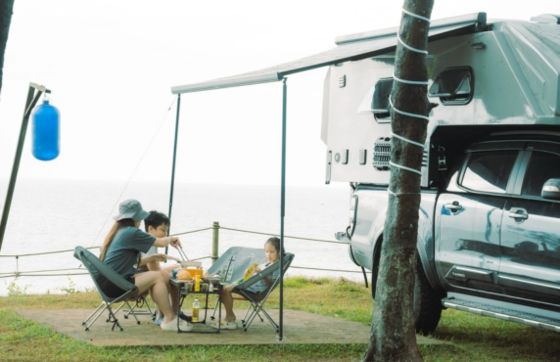
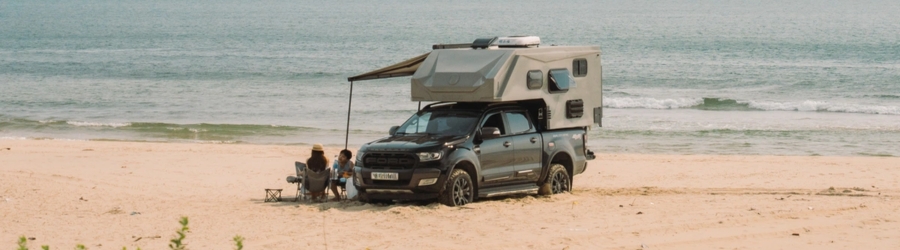
A 3-week Vietnam itinerary by campervan allows you to travel from North to South and discover the country's diverse landscapes, from rice fields and mountains to the beaches of Central Vietnam. However, renting and driving a campervan in Vietnam is not as straightforward as it is in Europe. Rental options remain limited, and overnight parking locations need to be checked in advance. Which route should you follow over three weeks? Which stops are worth including, and what should you check before setting off? Here is everything you need to know to plan your trip.
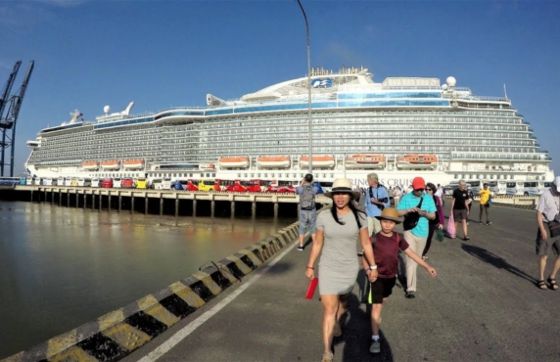
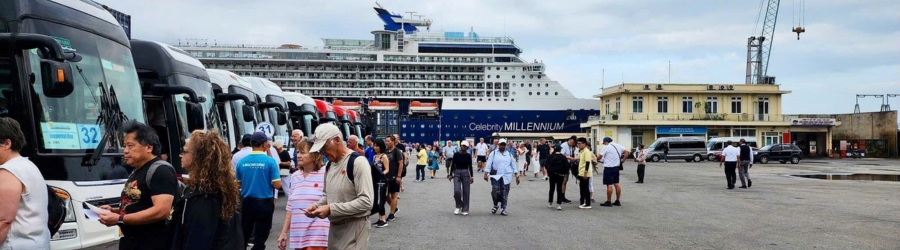
Do you only have a few hours ashore after your cruise ship arrives at Phu My? Visiting Saigon from Phu My Port is still possible if your day is well planned. A Ho Chi Minh City shore excursion from Phu My Port allows you to discover the city’s main historical sites, lively neighborhoods and local specialties without spending too much time on secondary stops. For a Ho Chi Minh City tour from Phu My Port, the travel time to the city center needs to be considered from the start. This type of trip has a different pace from a regular stay in Vietnam. Here are the essential stops for making the most of your excursion from Phu My Port.
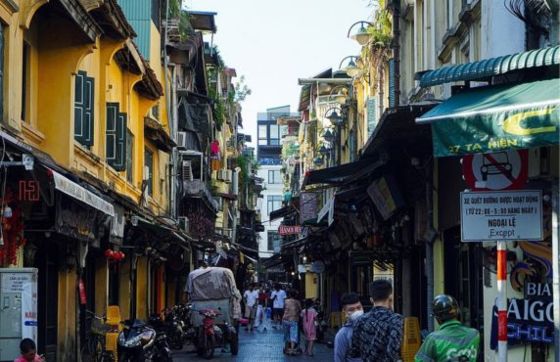
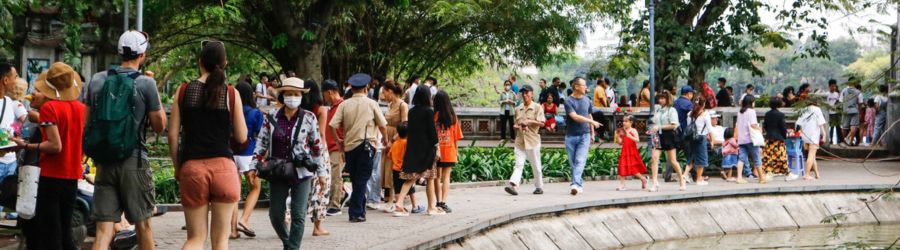
In Hanoi, walking is not just a way of getting around: it is one of the best ways to experience the rhythm of the capital. Between the bustling shopping streets of the Old Quarter, colonial-era façades, shady lakes and street food stalls, each area has its own atmosphere. But which Hanoi walking tour should you choose if you have half a day, a full day or just a few hours? This guide presents five ways to explore the city, from Hoan Kiem Lake to Long Bien Bridge, via Truc Bach and Hanoi’s food districts. Heritage, photography, gastronomy or local life: everyone can find a route that suits them. To plan a more comprehensive trip, the Local travel agency in Hanoi - Autour Asia can also help you incorporate Hanoi into the other stages of your itinerary.
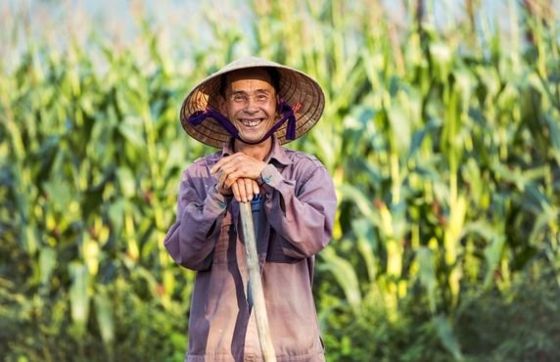
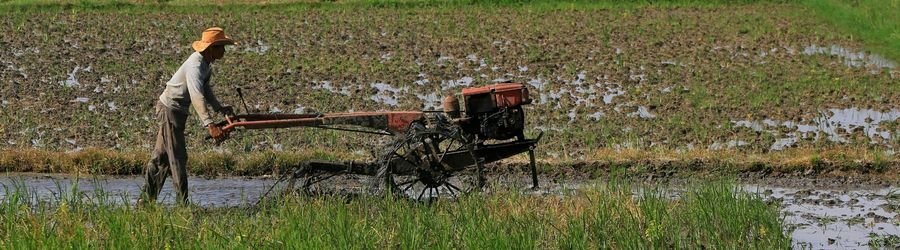
The Vietnam farm tour cost mainly depends on the duration, the region visited, transportation and the level of immersion you choose. A day trip to a farm near Hanoi will obviously require a different budget from a multi-night stay with a local family. When comparing offers, it is therefore important to look beyond the advertised price and check what is included: meals, accommodation, transfers, activities and local assistance. With a local travel agency in Hanoi, you can easily tailor your farm tour to your budget while focusing on experiences closely connected to rural life and the daily work of Vietnamese families.

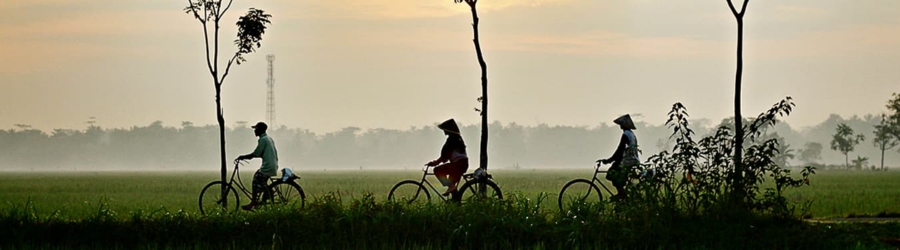
Vietnam Mekong Delta bike tours are the great way to discover southern Vietnam at a relaxed pace, away from the main tourist routes. Small roads wind through fruit orchards, rice fields, coconut groves and villages along the canals, offering a closer look at everyday life in the region. The terrain is mostly flat, making Southern Vietnam cycling tour accessible to many travelers. Ben Tre, Tra Vinh and Can Tho are particularly well suited to cycling itineraries, with routes that combine bike rides, boat trips and local experiences. Depending on your fitness level and the time available, you can opt for a short two-day Vietnam bike tour or a more immersive four- to six-day journey.
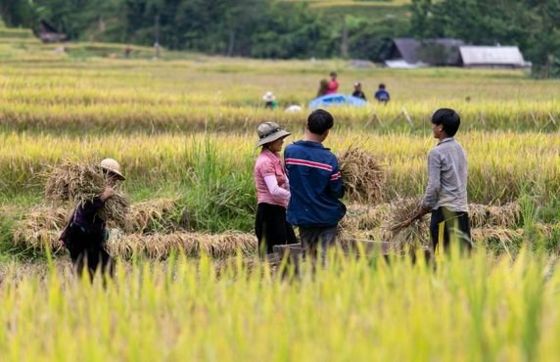
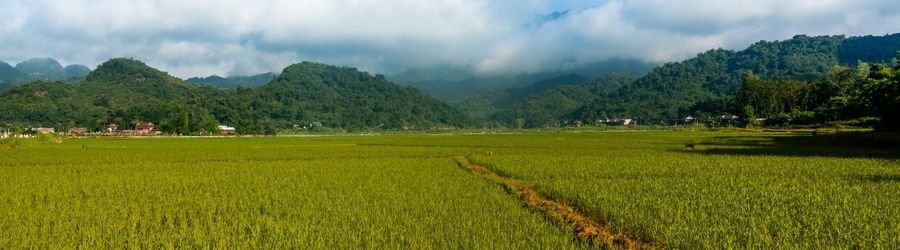
To discover Vietnam from a different perspective, I chose a 2-day Vietnam farm tour, far from the usual tourist routes. My goal was simple: to leave the big cities behind, understand the daily life of local farmers, and take part in activities I had never experienced before. Rather than moving from one monument or guided tour to another, I wanted to slow down, observe, learn, and connect with local people. With the help of a local travel agency in Hanoi, I was able to plan an experience centered around rural life, traditional farming practices, and shared meals with local families. Here is what I took away from these two days.
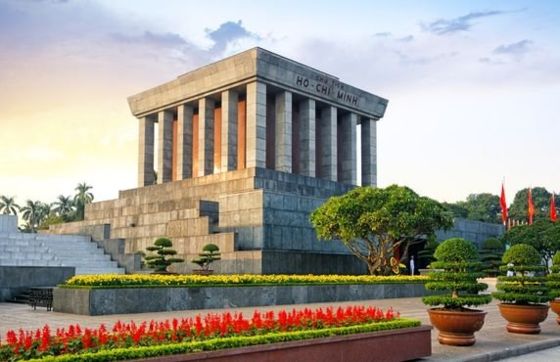
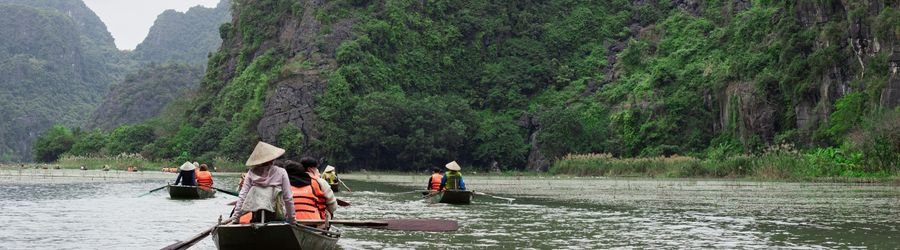
I’ve just returned from 2 weeks in Central and North Vietnam, and I’m left with the feeling that I discovered several different sides of the country without spending most of my time on the road. Before leaving, I was mainly looking for a varied itinerary combining major cultural sites, beautiful scenery, and enough free time to enjoy each destination at my own pace. From Hanoi to Hoi An, with stops in Ninh Binh, Lan Ha Bay, and Hue, each place had its own atmosphere and experiences to offer. Here is my personal feedback on this 2 weeks in Central and North Vietnam trip, including the moments that stayed with me and a few tips I would give another traveler today. Organizing the trip with a local travel agency in Hanoi also gave me greater peace of mind throughout the journey.
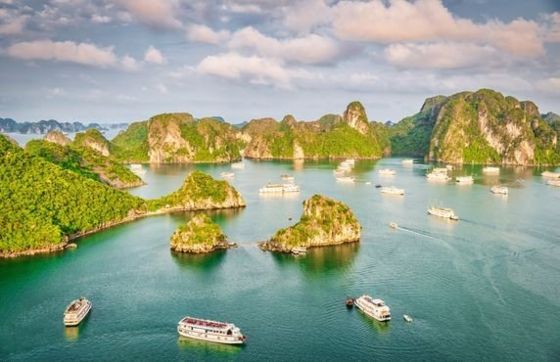
Northern Vietnam is rarely a destination to explore in just one stop. Between the lively streets of Hanoi, the boat rides in Ninh Binh, the spectacular roads of Ha Giang and overnight stays aboard a traditional cruise boat, each day brings a different atmosphere. To avoid spending half your trip travelling, it is best to plan a well-balanced route. Discover our Northern Vietnam in 15 days itinerary, combining the region’s main highlights with a few moments to relax. Whether you are planning your trip independently or with a local travel agency in Hanoi, here is a practical guide to making the most of two weeks without rushing from one destination to another.
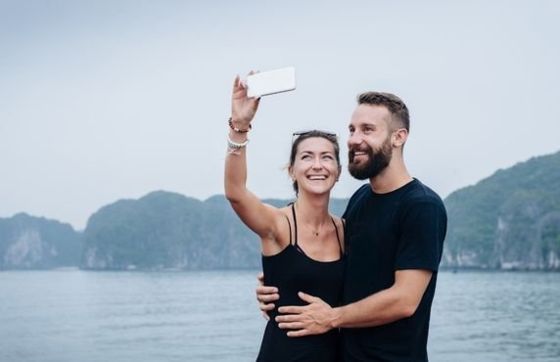

What if you set off together to discover Vietnam, with its lively streets, green rice fields, peaceful villages and evenings lit by lanterns? 2 weeks in Vietnam for couple offer the chance to share a variety of experiences, from nature escapes to dinners by the water, while enjoying cultural discoveries. To make the most of each stop without spending your trip travelling, choosing the right itinerary and pace is essential. With advice from a local travel agency in Hanoi, you can plan a trip that matches your interests, combining adventure, comfort and special moments together.

Vietnam in April brings warm days, changing landscapes, and plenty of reasons to explore beyond the usual highlights. If you are planning 15 days in Vietnam in April, you can experience several regions, from northern culture and dramatic scenery to central heritage towns and southern city life. Weather varies across the country, so choosing the right route is important. Allow enough time for long-distance journeys and avoid filling every day with activities. Autour Asia can help shape your trip around your interests, whether you prefer beaches, local food, history, nature, or a slower pace. In this guide, you will find practical advice on weather, destinations, transport, budgeting, and building a flexible 15-day Vietnam itinerary without making your journey feel rushed.

Spending 2 weeks in Vietnam in April allows you to discover several sides of the country at a time when weather conditions are generally favorable across much of the country. In the North, days become warmer and brighter; Central Vietnam enters a particularly pleasant period for sightseeing and outdoor activities, while the South remains hot and generally dry before the rainy season gradually sets in.
However, having 14 days in Vietnam in April does not mean trying to travel across the entire country. With long distances, domestic flights, hotel changes, and sightseeing time to factor in, an overly ambitious itinerary can quickly turn part of your trip into days spent on the road. When planning a 2-week Vietnam trip in April, the real question is therefore less about how many destinations you can visit and more about which regions to combine in April and at what pace. To help you create a well-balanced Vietnam itinerary 2 weeks April, this guide looks at what weather conditions to expect in each region, three ways to organize your two weeks, the experiences worth prioritizing, the budget to plan for, what to pack, and the main mistakes to avoid.
Vietnam, a peaceful and friendly country in Southeast Asia, is a member of ASEAN. It attracts tourists with its captivating natural beauty and hospitable locals. From beautiful sandy beaches to adventurous mountains, and dynamic cities to tranquil villages, Vietnam offers a variety of experiences for all types of travelers.

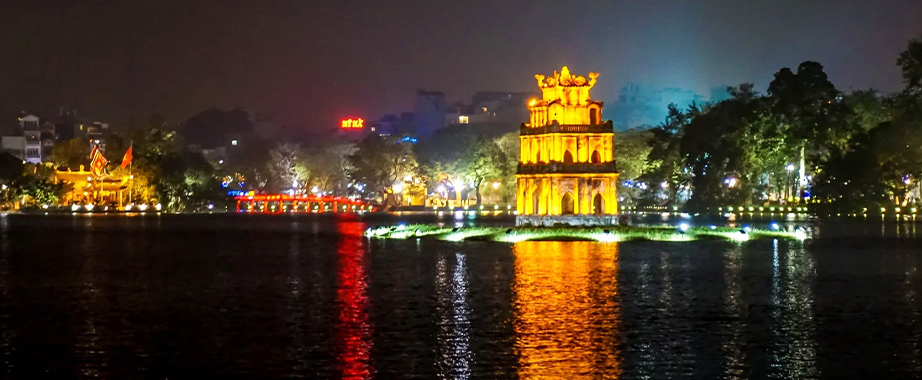
Vietnam has a long and brave history, marked by wars and struggles. For tourists, a visit to the country's historical sites is a must.
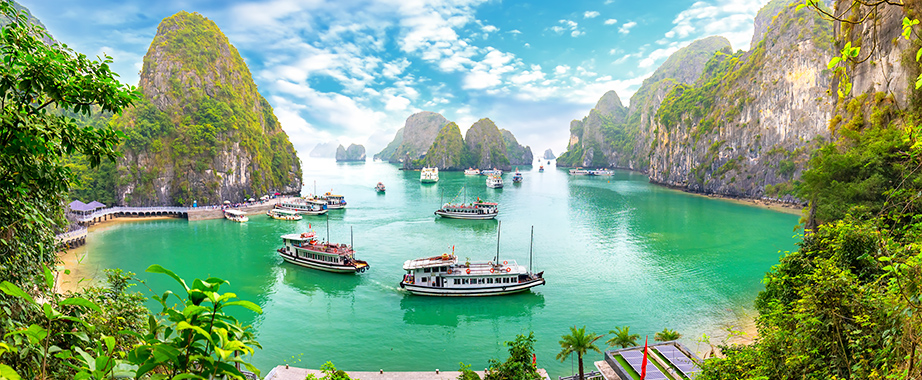
Halong Bay: A Dazzling Natural Landscape
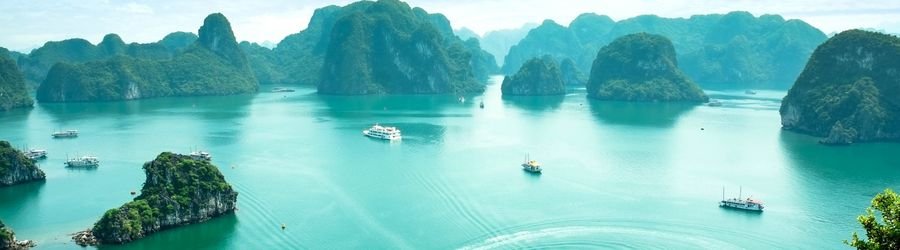
Halong Bay, a UNESCO World Heritage Site, is a stunning destination with over 2,000 sparkling limestone islands surrounded by crystal-clear waters in the South East Sea. To experience its breathtaking beauty, consider spending a night on a ship, exploring mysterious caves, swimming with marine life, and savoring fresh seafood. There are 4 cruise piers to choose from, each offering unique experiences. For a serene and authentic experience, opt for Ben Beo, where you can marvel at sites like the Surprise Cave, Tunnel Cave, Titop Island, and more.
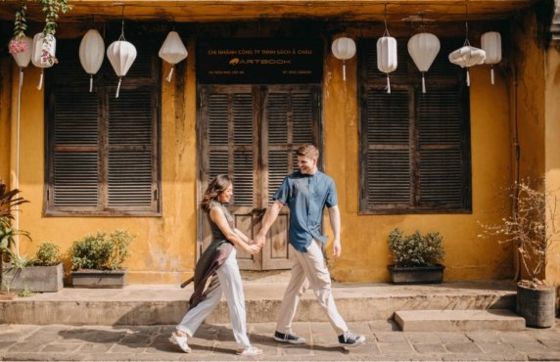
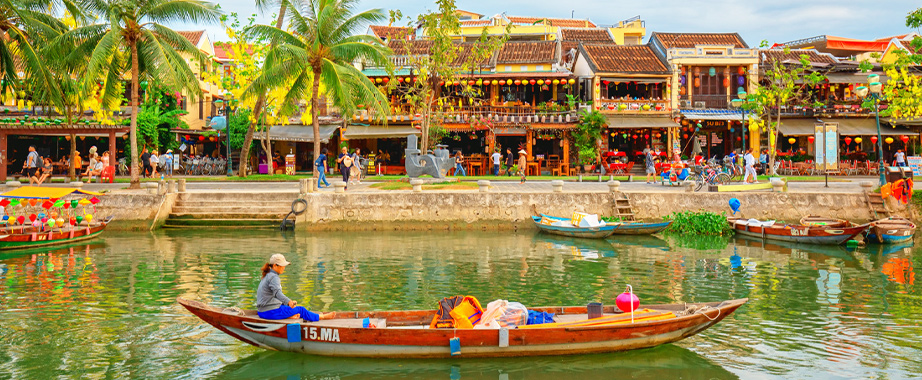
Hoi An, a mystical old town on Vietnam's central coast, is a true treasure trove of the nation's cultural legacy. Its winding cobblestone paths, vivid wooden houses, and ancient Japanese archways create a beguiling atmosphere. Immerse yourself in its rich history by exploring sacred shrines, artisanal boutiques, and local culinary delights. Don't miss the Quan Cong Temple, Phuc Kien Pagoda, Japanese Bridge, and Tan Ky Ancient House.
Vietnam has 54 official ethnic groups, with the majority being Kinh/Viet. Its diverse culture offers a mix of customs, beliefs, and religions for foreigners to experience. Marriages were historically influenced by family interests, not just love.
Vietnamese society embraces 37 religious organizations, including Buddhism, Catholicism, Protestantism, Muslim, Caodaism, and Hoa Hao Buddhism. Ancestor worship is also common.
Festivals in Vietnam showcase its rich history and art. Tet holiday features rituals, fireworks, and temple visits, while the Mid-Autumn Festival includes lanterns, lion dances, and moon cakes. Highland areas offer more adventurous festivals.
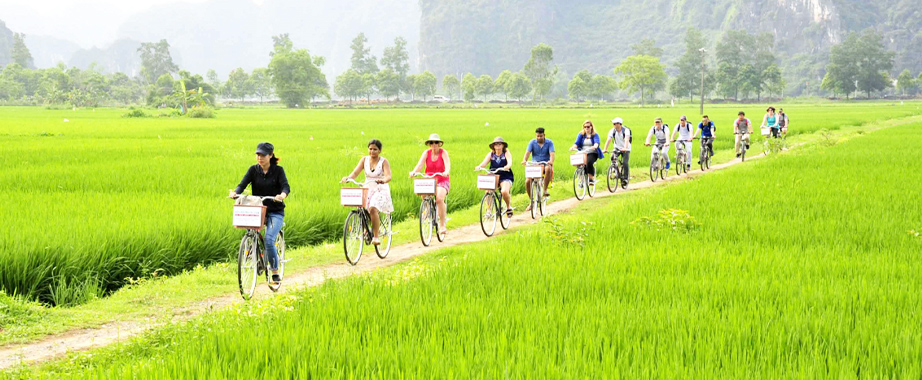
Vietnam experiences dramatic seasonal variations from North to South. The North has four seasons, with harsh cold in Winter and Spring and scorching heat in Summer. Tourists prefer visiting the North during Autumn for pleasant weather.
Conversely, the South has two main seasons: rainy and dry. For a sunny trip, plan your visit between April to September.
The middle area, known for its beautiful long beaches, faces storms during the rainy season. Travelers should be cautious and plan their trips accordingly.



 FR
FR EN
EN