
When Is The Best Time To Visit Beaches In Vietnam?
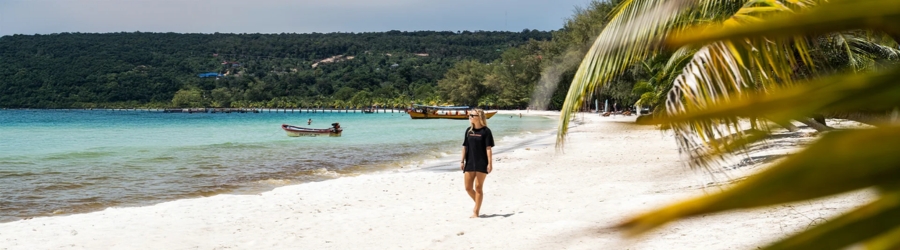
Vietnam’s beaches are best enjoyed at different times of the year, depending on the region. From the turquoise waters of the South to the long stretches of white sand in the Central region and tropical islands, each area has its own climate patterns. To better understand when to visit Vietnam, it is important to consider the weather conditions in each destination. The best time to visit beaches in Vietnam depends on region you choose as well as the activities you have planned. The best time to swim in Vietnam also varies according to rainfall, water temperature and sea conditions. Understanding the Vietnam beach season helps you choose destinations that match your travel dates and enjoy the coastline in good conditions.
👤 Author: Ngan Ha
English travel marketing expert at Autour Asia.
✔️ Find the author on: Facebook, Linkedin, Twitter
✅ Content verified by: Tran Ba Duy
Founder of Autour Asia, with over 20 years of experience in inbound tourism for English-speaking, European, and North American travelers.
🌏 Why trust this travel guide?
✔️ Based on real tours organized by our local team across Vietnam, Cambodia, Thailand, Laos, Bali, and Myanmar.
✔️ Regularly updated to reflect the latest travel conditions, seasonal changes, prices, and local regulations.
✔️ More than 25,000 travelers served, 8,000 tailor-made tours successfully organized, and 1,500 five-star reviews from international travelers.
✔️ Written by a team of travel experts based in Vietnam, with in-depth local knowledge and first-hand expertise across Indochina's top destinations.
Best Time To Visit Beaches In Vietnam
I. When to visit beaches in Northern Vietnam?
From May to September, Northern Vietnam enters a period that is generally suitable for beach holidays, with high temperatures and warm seawater for swimming. However, summer rainfall and the risk of tropical storms can disrupt boat trips. The best time for a beach holiday in Vietnam therefore depends on your destination, as some periods are better for cruises while others are more suitable for beach days.
1. Ha Long Bay and Cat Ba Island
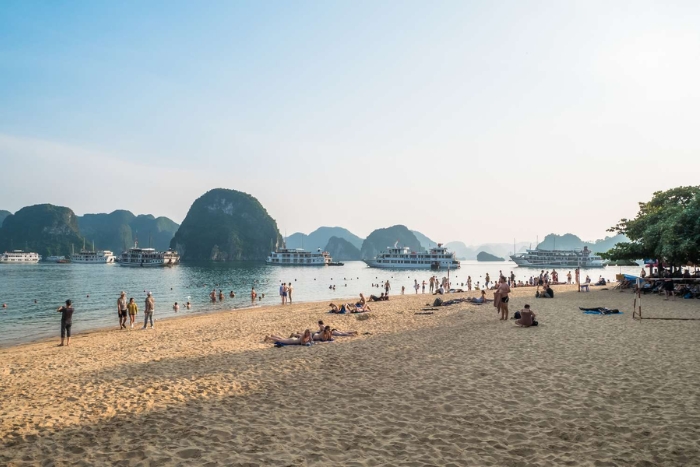
For a cruise around Ha Long Bay, the periods from April to June and from September to November are generally good options. Temperatures are more moderate than in the middle of summer, making it easier to enjoy the limestone karsts, caves and boat excursions. In June, July and August, the warm weather is the best time to swim in Vietnam, but showers and storms may lead to itinerary changes or even cruise cancellations.
On Cat Ba Island, the period from May to September is more suitable for travellers who want to swim at Cat Co beaches, go kayaking in Lan Ha Bay or combine beach time with hiking. The water is warm in summer, but humidity increases along with rainfall. July and August require more flexibility because of the risk of bad weather.
2. Tra Co Beach and Quan Lan Island
Tra Co Beach, near Mong Cai, and Quan Lan Island are suitable for beach holidays during Vietnam beach season. For Quan Lan, the period from April to June generally offers a good balance of pleasant temperatures, fewer visitors and favourable conditions for beach activities. In July and August, swimming is still possible when the sea is calm, but thunderstorms and storms may disrupt ferry services.
At Tra Co, the months from June to August are suitable for travellers who want to enjoy the sand, swim in the sea and experience local coastal life. However, summer weather can change quickly. For both destinations, checking the forecast before travelling is particularly important, as ferry disruptions may affect your itinerary.

II. What is the best time to visit beaches in Central Vietnam?
The period from February to August is generally favourable for enjoying the beaches of Central Vietnam. The weather is often sunny, with limited rainfall during much of this period, making it easier to swim, take coastal trips and enjoy water sports. From September to December, rainfall becomes more frequent, with a higher risk of storms and rough seas. When planning 3 weeks in Vietnam with beaches, it is therefore best to consider the weather conditions and the best time to swim in Vietnam in each destination to choose the most suitable beach stops.
1. Da Nang and Hoi An beaches
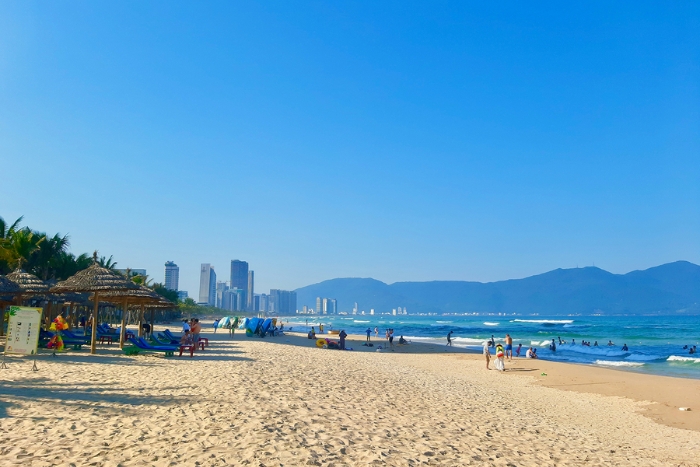
From March to August, My Khe Beach in Da Nang and An Bang Beach in Hoi An generally offer favourable conditions for swimming. April to June is particularly suitable for travellers looking for sunny weather without the intense heat of midsummer. In July and August, temperatures rise, but the days are still suitable for beach activities. This period also makes it possible to combine beach time with a visit to Hoi An’s historic centre. From September, rainfall gradually increases, followed by a wetter period in October and November.
2. Quy Nhon beaches
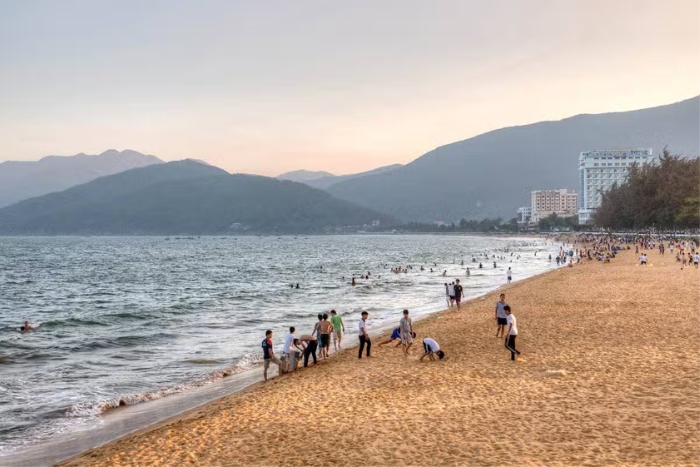
In Quy Nhon, the period from March to August is generally suitable for a beach holiday. Travellers can enjoy sandy beaches, explore small coves and visit coastal spots such as Ky Co. From March to May, temperatures are pleasant for excursions. From June to August, the warmer weather is ideal for swimming, although some days can be hotter. Between September and December, rainfall increases, which may limit some boat trips.
3. Nha Trang beaches
In Nha Trang, the sunny season generally lasts from January to August. From February to April, conditions are often pleasant for swimming, snorkelling or exploring nearby islands. From May to August, the sea generally remains suitable for water activities, despite higher temperatures. Rainfall becomes more frequent from September to December, with a greater risk of rough seas in October and November.
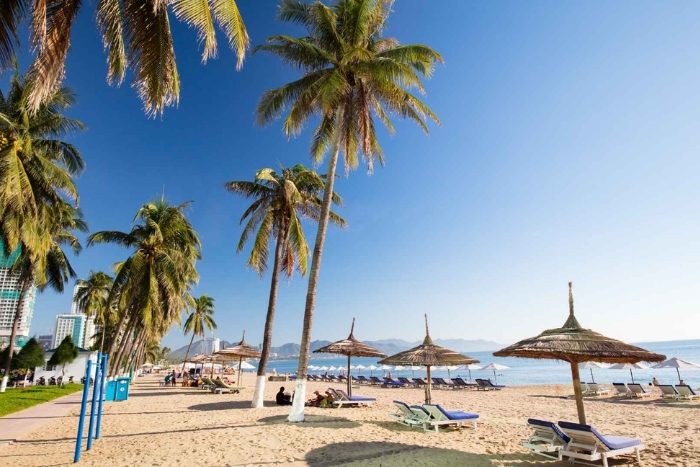
For travellers wondering about the best time to visit beaches in Vietnam, the Central Coast is generally a good choice for trips between February and August. However, the best time to swim in Vietnam still depends on the destination and the weather conditions during your visit.
III. When is the best time to enjoy Southern Vietnam’s beaches?
Southern Vietnam stays warm throughout the year, with two main seasons. From November to April, the dry season usually brings sunny weather, limited rainfall and favourable conditions for beach activities. From May to October, the rainy season brings more frequent showers, which are often brief, although some days may be affected by rough seas. The best time for a beach holiday in Vietnam therefore depends on your planned activities, including swimming, diving or boat trips.
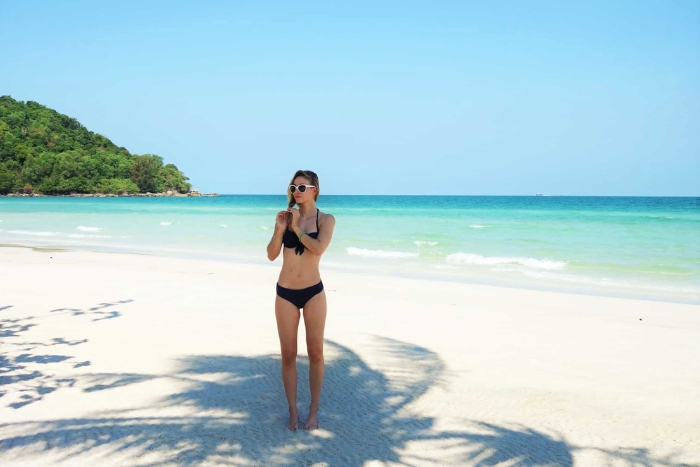
1. Phu Quoc beaches
From November to April, Phu Quoc is a good destination for travellers looking for sunny beaches, generally calm seas and days suited to relaxation. From December to March, conditions are often favourable for swimming, boat trips and snorkelling around nearby islands. This period is also suitable for stays at beach resorts, with more opportunities to enjoy outdoor activities.
From May to October, rainfall becomes more frequent. Showers can reduce underwater visibility and make some boat trips more difficult. For travellers wondering about the best time to visit beaches in Vietnam, Phu Quoc is therefore an appealing option during the dry season.
2. Con Dao beaches
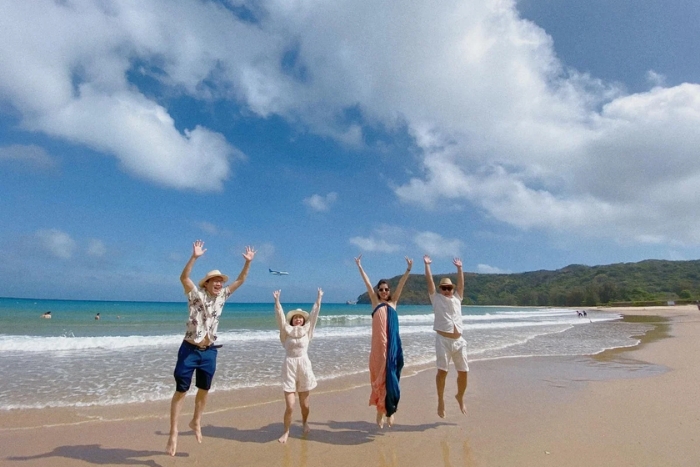
In Con Dao, the period from March to September is generally suitable for travellers who want to discover the beaches, explore marine life and enjoy nature. However, conditions vary by month and depending on how exposed each coastline is to the wind. From March to May, the weather can be favourable for water activities. Between June and September, some areas offer good conditions for diving, although rainfall is still possible.
From October to February, winds and sea conditions can limit boat trips. The best time to swim in Vietnam also depends on local conditions, particularly in this archipelago.
3. Mui Ne beaches
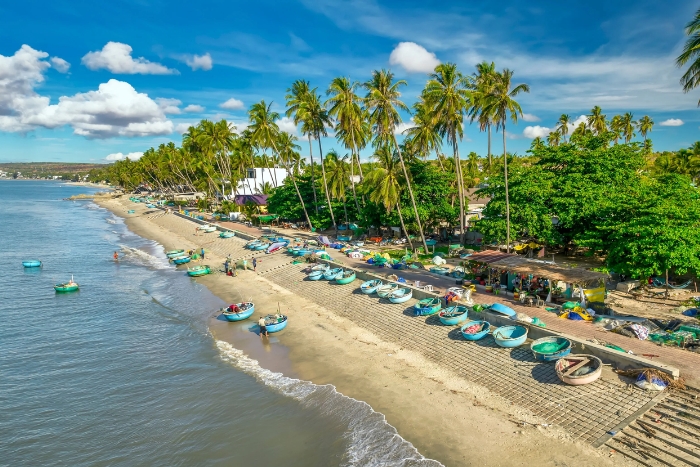
Mui Ne stands out for its relatively dry climate, with a period generally suitable for beach holidays from November to April. Sunny days make it possible to enjoy the beach, explore the sand dunes and try kitesurfing. From December to March, winds are often stronger, attracting water sports enthusiasts. Travellers looking for calmer seas should consider the conditions at each beach.
From May to October, showers are generally more frequent, although they do not necessarily prevent visitors from exploring the area. The Vietnam beach season in the south therefore offers several options depending on the destination, travel dates and activities you have in mind.
Choosing the best time to visit beaches in Vietnam helps you make the most of the coastline. From north to south, each region follows its own seasonal pattern, offering different opportunities for swimming, boat trips and water sports. The best time for a beach holiday in Vietnam depends on your destination, the weather and your planned activities. The Vietnam beach season offers a range of options, whether you prefer tropical islands, quiet beaches or water sports spots. If you are planning a longer trip, you can also explore our advice on the budget for 3 weeks in Vietnam. Autour Asia, Vietnam travel agency, can help you plan an itinerary that suits your travel dates and interests.
A Southern Vietnam 10 days itinerary is a great way to combine coastal scenery, island excursions and beach relaxation. The best time to swim in Vietnam in the south is generally during the dry season, from November to April, when many destinations enjoy less rainfall and calmer conditions. This period is particularly suitable for exploring Phu Quoc and other southern coastal areas. The Vietnam beach season varies locally, however, so check sea conditions before swimming or booking boat excursions to ensure a more enjoyable trip.
Explore the beaches to visit in Vietnam at the right time for each destination. Da Nang and Hoi An are generally ideal from March to August, while Phu Quoc offers favorable beach weather from November to April. The best time for a beach holiday in Vietnam depends on your preferred activities, from sunbathing and snorkeling to boat trips. Northern coastal destinations are often more suitable between late spring and early autumn. Always check local weather forecasts, as tropical storms and heavy rainfall can affect boat services and outdoor plans.
The best time to visit beaches in Vietnam depends on the region. In northern Vietnam, April to June and September to October are generally suitable for coastal trips. Central Vietnam, including Da Nang and Hoi An, is best visited from March to August, when sunny weather favors beach activities. In the south, Phu Quoc typically enjoys favorable beach conditions from November to April. The Vietnam beach season varies by destination, so check local forecasts before traveling. For swimming, choose periods with calmer seas and lower rainfall to enjoy a safer, more comfortable beach holiday.
Related travel guide
Other similar articles


CUSTOMIZABLE BY LOCAL EXPERTS
Personalized trip at the original price!

REFUND GUARANTEE
We believe in our work and promise to give you money back.

GOOD PRICE / QUALITY
95% satisfied more than expected!

24/7 LOCAL SUPPORT
We are always available online to provide assistance at any time.

Most read articles


Autour Asia is highly recommended on
Embracing the mission of "Satisfied more than expected" and providing authentic experiences, we have received numerous recommendations on reputable travel forums: