This might captivate you: Vietnam best time to visit
According to the new law of the Vietnamese government, citizens from France, Germany, Italy, Spain, the UK, Russia, Japan, South Korea, Denmark, Sweden, Norway, Finland, and Belarus will be exempt from a Vietnam entry visa provided that the duration of their stay does not exceed 45 days, and the passport is valid for at least 6 months after the end of the stay. If a trip to Vietnam is less than 45 days, you will be exempt from a visa. To obtain this exemption, present your passports, entry, and exit flight tickets to the Vietnamese customs.
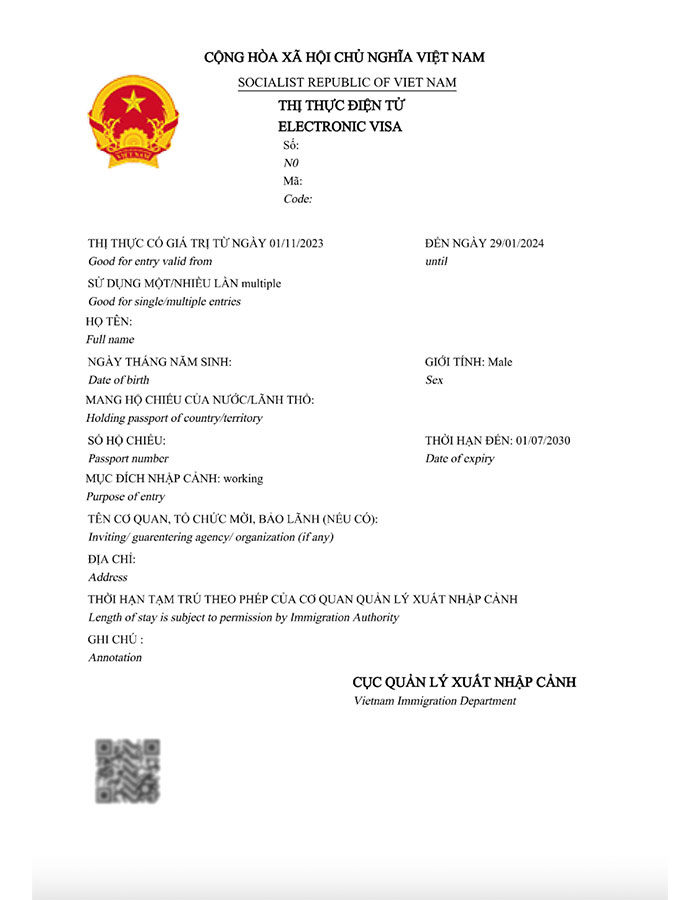
For your entry visa, I recommend applying for an E-visa online by following the link provided by the government ( click here ). If you don't have time, we can assist you for a fee of 40 USD per person.
Please print this E-visa and take it with you to the airport, as some airlines may refuse boarding without this document.
Travel Tips in Vietnam: After you exit the international zone of the airport or border checkpoint, look for your guide who will be holding a welcome sign with your name on it. Rest assured, we will provide you with a detailed description of your guide beforehand to ensure a smooth and stress-free meeting. This allows you to quickly identify your guide among the crowd and begin your journey with ease. Make sure to check your email or contact us directly by WhatsApp if you need any additional information or assistance regarding your guide's appearance or other relevant details.
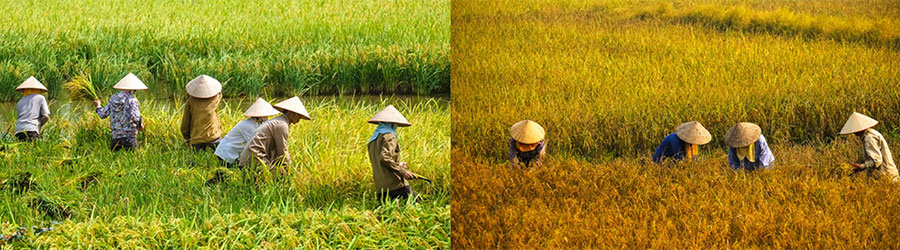
Northern Vietnam experiences a diverse climate throughout the year, characterized by distinct seasonal changes. From February to April, spring graces the region with mild temperatures ranging from 9 to 19°C, making it an ideal time for outdoor activities and exploring the natural beauty of the landscape. As summer arrives from May to July, the weather shifts dramatically to hot and humid conditions, accompanied by heavy rainfall. During this rainy season, temperatures average around 29°C but can soar up to a scorching 42°C on particularly hot days. Despite the heat, the rains bring a refreshing vibrancy to the lush green scenery.
Autumn, spanning from August to October, brings a welcome respite from the summer heat. The weather turns cool and pleasant, offering a perfect balance for travelers looking to enjoy the outdoors without the extremes of temperature. This season is often considered one of the best times to visit Northern Vietnam due to its comfortable climate and beautiful autumnal landscapes.
Climate in the north Vietnam in winter is different from the other seasons. Winter sets in from November to January, marking the dry season with cooler temperatures averaging 17°C. However, it's not uncommon for temperatures to drop further, reaching between 5 to 10°C, especially in the highlands. The crisp, dry air during this period provides a different charm, making winter an intriguing time to experience the cultural and natural offerings of Northern Vietnam.
The climate in the center Vietnam is uniquely characterized by its susceptibility to storms, particularly from September to December. This central region, known for its historical sites and beautiful coastlines, experiences significant weather variations throughout the year. During the storm season, the area can be affected by typhoons and heavy rainfall, leading to potential flooding and disruptions. Travelers should be mindful of these conditions when planning their trips during these months. It is advisable to stay updated with weather forecasts and be prepared for possible itinerary changes.
Despite the stormy period, the central region of Vietnam offers much to explore. Cities like Hue, Hoi An, and Da Nang are rich in cultural heritage and provide numerous attractions. For those visiting outside the storm season, the weather tends to be more stable, offering warm temperatures and clear skies, perfect for sightseeing and enjoying the beaches.
Autour Asia recommends that travelers consider these seasonal weather patterns to make the most of their visit. Packing appropriate rain gear, staying informed about weather conditions, and having flexible travel plans are crucial travel tips in Vietnam. Whether you’re exploring ancient citadels, lounging on pristine beaches, or experiencing local festivals, understanding the climate in central Vietnam will help ensure a safe and enjoyable journey.
The climate in the south Vietnam is characterized by a tropical monsoon climate, with distinct wet and dry seasons that significantly influence travel plans. The average temperature throughout the year hovers around a warm 30°C, making it a popular destination for those seeking sunshine and warmth. From May to November, the region experiences its rainy season, marked by heavy downpours and occasional thunderstorms. Despite the frequent rain, this period brings a lush, vibrant landscape, perfect for nature enthusiasts looking to explore the verdant beauty of the Mekong Delta and other natural attractions. However, travelers should be prepared for sudden showers and plan their outdoor activities accordingly.
From mid-November to April, the dry season sets in, offering a stark contrast with its clear skies and minimal rainfall. This period is ideal for beachgoers and those looking to enjoy the bustling cities like Ho Chi Minh City without the interruption of rain. The consistently warm and dry weather during these months provides perfect conditions for exploring the region's historical sites, enjoying coastal activities, and experiencing the local culture.
For optimal travel experiences, it's essential to consider these seasonal variations when planning your trip. Whether you're navigating the rainy season or basking in the dry, sunny days, these Vietnam travel tips will help you make the most of your southern Vietnam adventure.
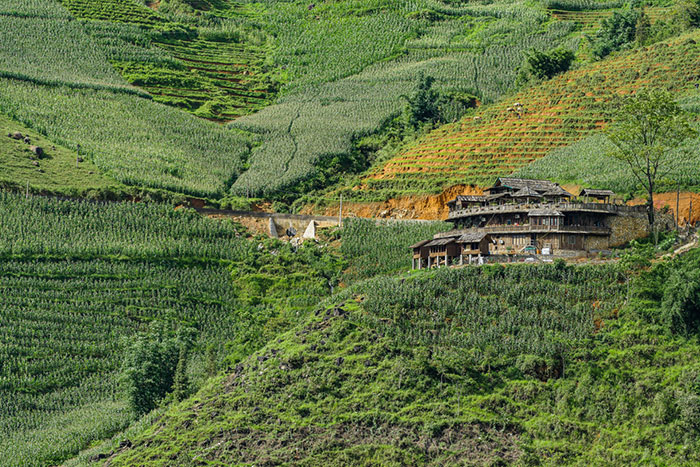
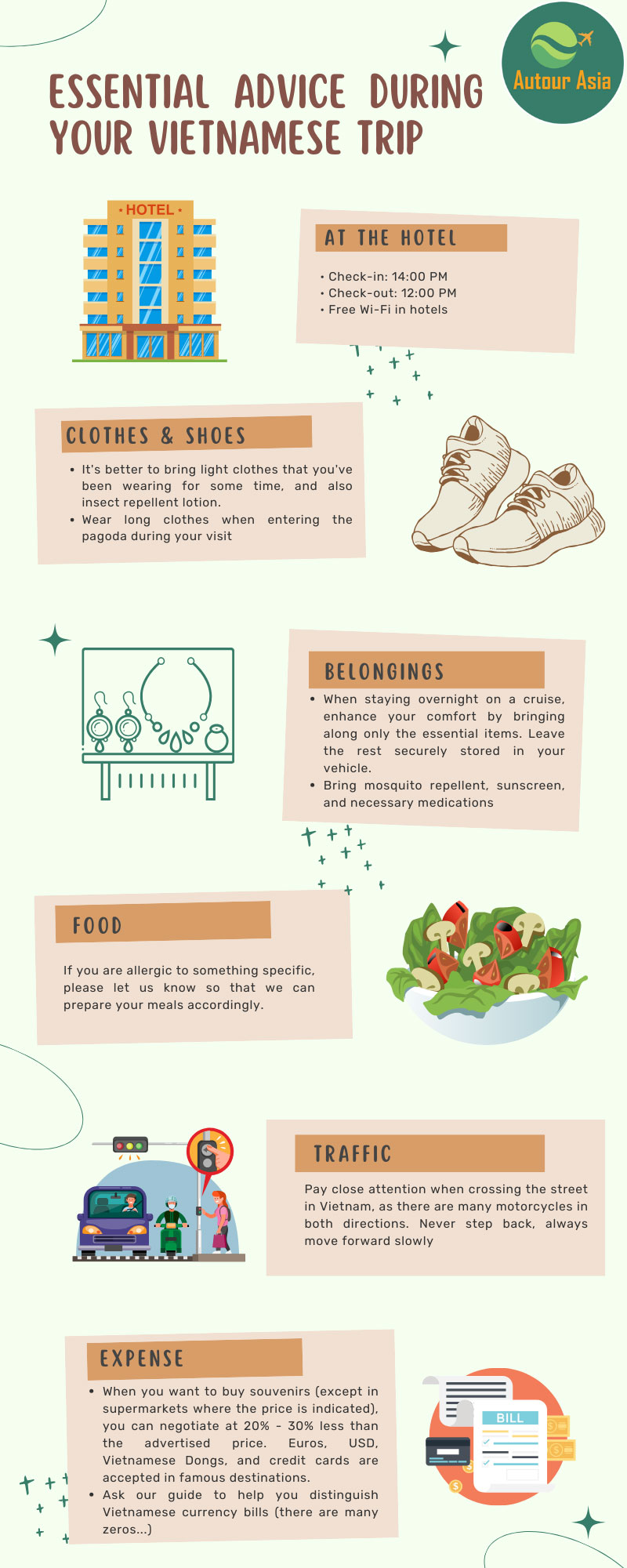
In your itinerary, you will have one or more nights in homestays Vietnam. It is a family, rural, rustic habitat in a traditional house, typically on stilts, in a communal area. Houses hosting tourists are generally well-equipped (we ensure quality reception for our clients): a mattress, a blanket, a sheet, and a mosquito net for each guest. Travel tips in Vietnam, in any case, we recommend bringing your hygiene and essential products: toothbrush, toothpaste, soap, shampoo, face towels, etc. If your suitcase is already quite full, you can easily purchase these items in Vietnam.
Travel tips in Vietnam, regarding your luggage, our entire team is well-trained to take the utmost care. During your visits, you can leave your belongings in the car. In homestays, you can inform the guide that you are leaving items in the house; he will be responsible for finding a safe place for them. In principle, no one will touch them. However, we cannot guarantee your valuable items (such as money, jewelry, camera...). We cannot know every situation during your trip. Always be careful with your bags, especially if you have important things inside.
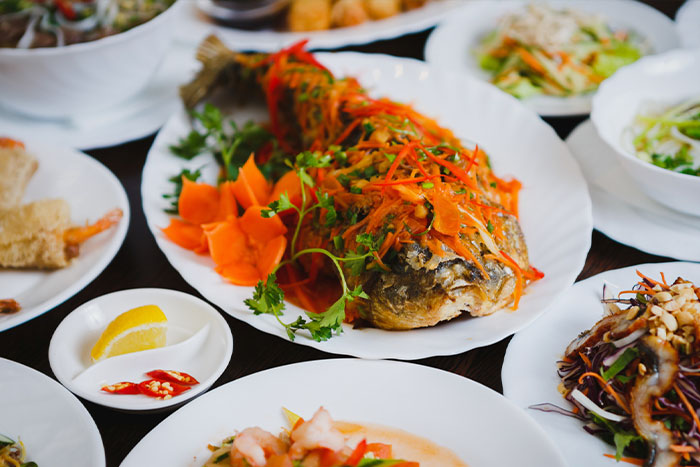
In Vietnam, there are all types of restaurants, ranging from popular to upscale. The prices of meals also vary significantly, corresponding to each type of restaurant. Travel tips in Vietnam, for popular eateries, the prices are always very affordable (around 3 to 5 euros, or even less) and are highly popular in the daily life of the Vietnamese people. If you wish to dine at popular restaurants, always seek advice from your guide or hotel staff for good recommendations.
Understanding the tipping culture in Vietnam is essential for travelers seeking to show appreciation for excellent service while ensuring a pleasant journey. In Vietnam, tipping is seen as a civilized custom, providing a heartfelt thank you to those who offer helpful, attentive, and dedicated service. As per travel tips in Vietnam recommended by Autour Asia, there are customary rates to follow during your travels.
For travel guides, it is customary to tip around 5 USD per person per day. This gesture acknowledges their efforts in providing valuable insights, ensuring smooth travel experiences, and enhancing your understanding of Vietnamese culture and history. Drivers, who play a crucial role in navigating the often bustling and hectic roads, typically receive a tip of 2 USD per person per day, reflecting your appreciation for their safe and reliable service.
For individuals providing minor services such as porters, cyclo riders, rowboat operators, boat crew members, and waiters, a tip of 1 USD per person is customary. This small amount can significantly impact their income and is a token of gratitude for their contributions to your enjoyable experience.
Following these tipping guidelines not only shows respect for the local customs but also enhances your travel experience by fostering goodwill and positive interactions with the service providers you encounter.
This might interest you: How to tip in Vietnam?
Travel tips in Vietnam: It is advisable to exchange money at the local bank to get the best exchange rate. Here is the updated exchange rate in 2024:
Our junk boat cruise selection criteria for you:
Our homestay selection criteria for you:
Our vehicle selection criteria for you:
Our restaurant selection criteria for you:
Our guide selection criteria for you:
We suggest you refer to the following circuits:
- Vietnam itinerary 3 weeks
- 13 days in Vietnam
- Vietnam 12-day itinerary
- Vietnam Packages Tours


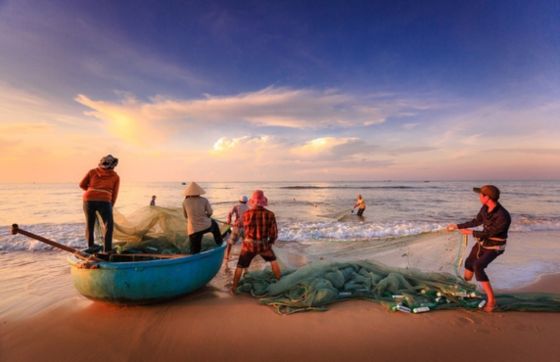
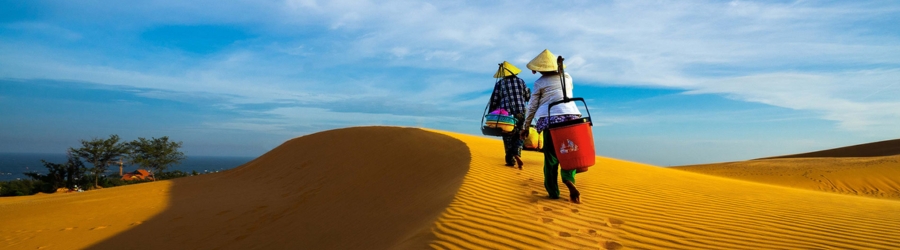
Phan Thiet, a coastal city in Binh Thuan Province, is best known for Mui Ne, an internationally renowned seaside destination. With its beaches, fishing villages, and desert-like sand dunes, the region offers a diverse range of landscapes rarely found elsewhere in Southeast Asia. In November, temperatures remain pleasant for exploring the coast, although occasional showers are still possible. Visiting Phan Thiet Mui Ne in November requires a little preparation to make the most of your stay. This complete guide covers the weather, must-see attractions, transportation options, and practical tips to help you plan your trip to Vietnam in November.
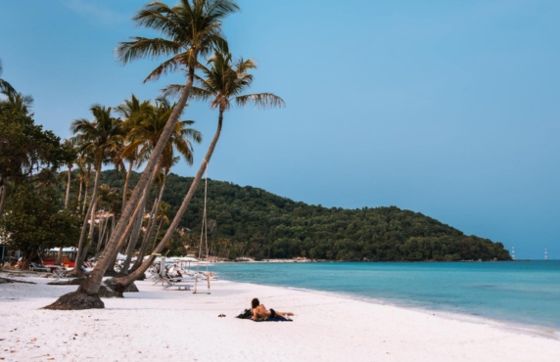
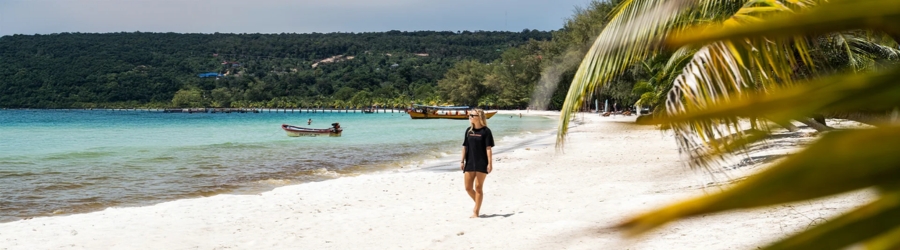
Vietnam’s beaches are best enjoyed at different times of the year, depending on the region. From the turquoise waters of the South to the long stretches of white sand in the Central region and tropical islands, each area has its own climate patterns. To better understand when to visit Vietnam, it is important to consider the weather conditions in each destination. The best time to visit beaches in Vietnam depends on region you choose as well as the activities you have planned. The best time to swim in Vietnam also varies according to rainfall, water temperature and sea conditions. Understanding the Vietnam beach season helps you choose destinations that match your travel dates and enjoy the coastline in good conditions.
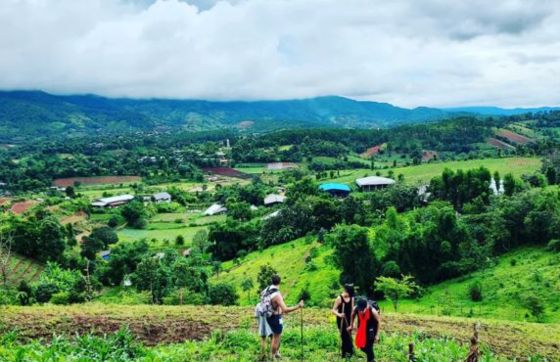
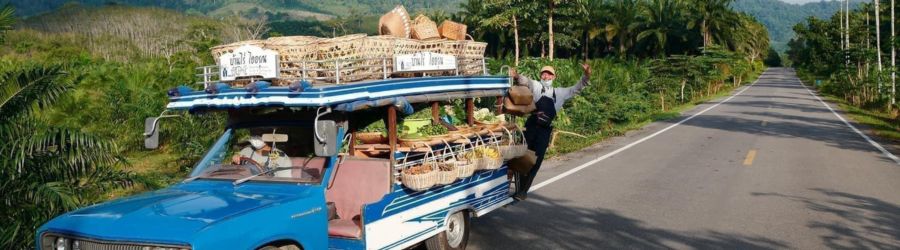
Discovering Thailand through its rice fields, plantations, and rural villages offers a different way to travel, far from traditional tourist circuits. But how can you choose the best agency for Thailand farm tours to enjoy authentic experiences with local communities? Several tour operators offer trips combining agriculture, gastronomy, and encounters with producers. Among them, Autour Asia is an option for travelers who want to personalize their itinerary. Known as Vietnam travel agency - Autour Asia, the company also offers tailor-made trips to several countries in Southeast Asia. With the local travel agency in Thailand - Autour Asia, travelers can explore a trip designed around their interests. Here are five organizations worth knowing, their distinctive features, and the essential criteria for planning a successful agricultural tour in Thailand.
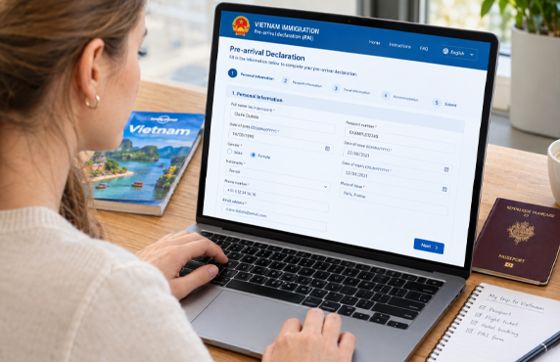
Planning a trip to Vietnam? Before packing your bags, take a few minutes to check the latest entry requirements and prepare the documents you may need at the airport.
Vietnam’s Pre-Arrival Information (PAI) system allows international travellers to submit selected personal, visa and travel details online before arriving in the country. After a successful submission, the system generates a QR code that travellers can save on their phones or print for use during immigration procedures. Although the online declaration is designed to help make arrival procedures smoother, travellers should understand when it applies, how to complete it correctly and which documents they still need to enter Vietnam.
In this practical guide, you will discover where to access the official PAI portal, what information to prepare, how to complete the declaration step by step, how to correct common mistakes and what to do when you arrive at the airport.
With its exotic landscapes, fascinating cultures and diverse experiences, Vietnam and Thailand are among the most popular destinations in Southeast Asia. However, safety remains an important criterion when planning your trip. So, how can you choose Vietnam or Thailand for a safe trip depending on the way you travel ? And is Vietnam safer than Thailand ? Each destination has its own characteristics and points to consider. In this article, Autour Asia helps you compare Vietnam and Thailand to better understand their differences and choose the destination that meets your expectations for your next trip to Asia.
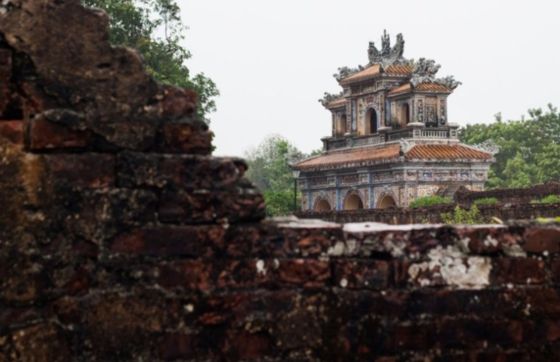
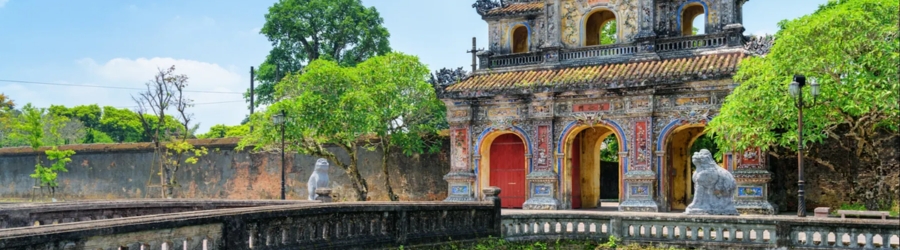
Planning a trip to Hue in November requires a little more flexibility than at other times of the year. Visiting Hue in November means experiencing the rainy season in central Vietnam, with prolonged showers and a risk of flooding. However, this period can also be an opportunity to explore the former imperial capital’s royal heritage, pagodas and renowned cuisine in a quieter atmosphere. The key is to choose your activities carefully, prepare alternative plans and check the weather conditions before setting out.
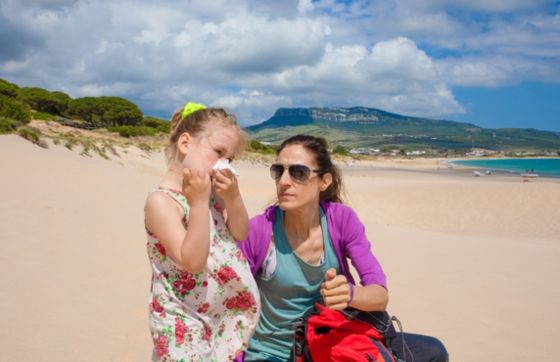
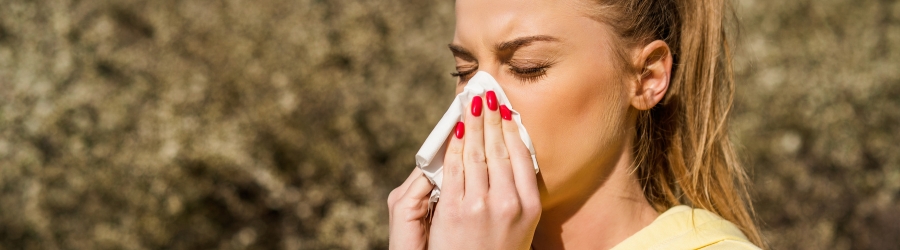
When travelling in Cambodia, some everyday habits may raise questions about local customs. Is blowing your nose in public considered polite? How should you behave in restaurants, on public transport or during a visit? These small details matter when you want to respect the local culture. Discover how to manage blowing your nose in Cambodia discreetly, along with practical tips on using tissues during your trip. Autour Asia, Cambodia travel agency, helps you discover local customs with advice tailored to travellers. From Cambodia travel etiquette to personal hygiene and everyday situations, a few simple guidelines can make your journey more comfortable. In Phnom Penh, Siem Reap or Kampot, understanding local customs helps you avoid awkward moments while making the most of your stay.
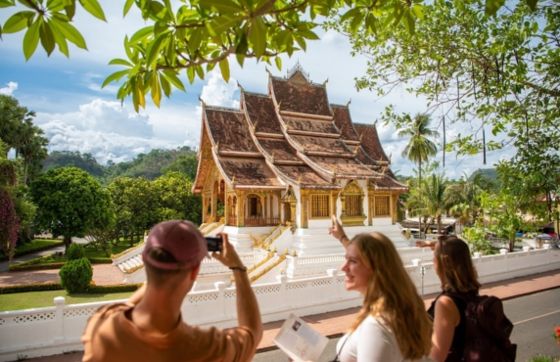
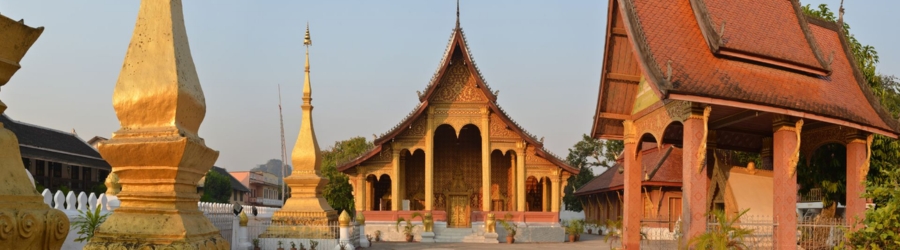
Blow your nose in Laos is not necessarily considered rude, but it is best to do so discreetly, especially in quiet places or during meals. If you have a cold, use a clean tissue and avoid blowing your nose loudly in public. In temples and other places of worship, respect the peaceful atmosphere and local customs. If you need to blow your nose frequently, step away from others for a moment whenever possible. Finally, dispose of used tissues in a rubbish bin. These simple habits will help you observe good manners during your trip to Laos.



 FR
FR EN
EN