Spending 3 weeks in South Vietnam gives you enough time to discover the region at a comfortable pace without rushing between destinations. From the lively atmosphere of Ho Chi Minh City to the peaceful waterways of the Mekong Delta and the beaches of the southern coast, a longer stay allows you to experience several sides of the region. A South Vietnam 21 days itinerary is particularly suitable for travelers who want to combine culture, nature and relaxation. You can explore historic sites and local markets in Ho Chi Minh City, discover traditional life along the Mekong River, then continue towards the coast for a few quieter days. Rather than simply visiting the main attractions, three weeks in South Vietnam also leave time to explore surrounding areas and enjoy everyday local life.
Another advantage of a South Vietnam trip 3 weeks long is the flexibility it offers. You can spend several nights in the same destination instead of changing hotels constantly, making the journey more comfortable. It is also easier to adapt your route to your interests, whether you prefer nature, less crowded destinations, cultural experiences or beaches. For these reasons, a 3 week itinerary in South Vietnam can offer a good balance between discovery and relaxation, while giving you the freedom to experience the region beyond its most famous attractions.
To fully appreciate the rich tapestry of southern Vietnam without rushing, spending three weeks allows you to balance vibrant urban centers, pastoral riverfront life, and idyllic beach escapes. This carefully curated 21-day route offers the ultimate mix of culture, history, and tropical relaxation for anyone planning a comprehensive Vietnam 3 semaines journey.
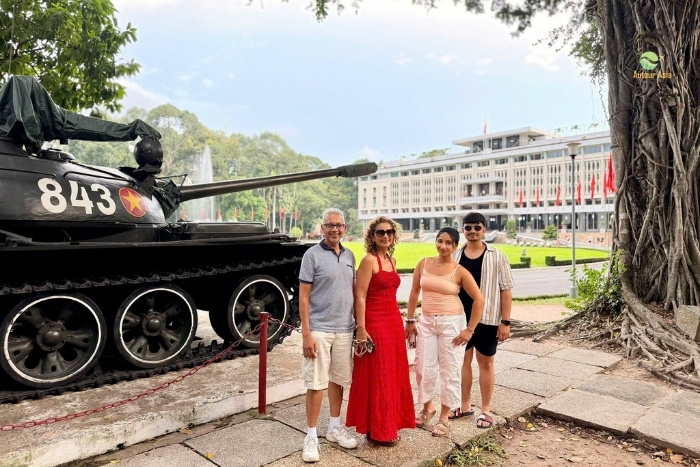
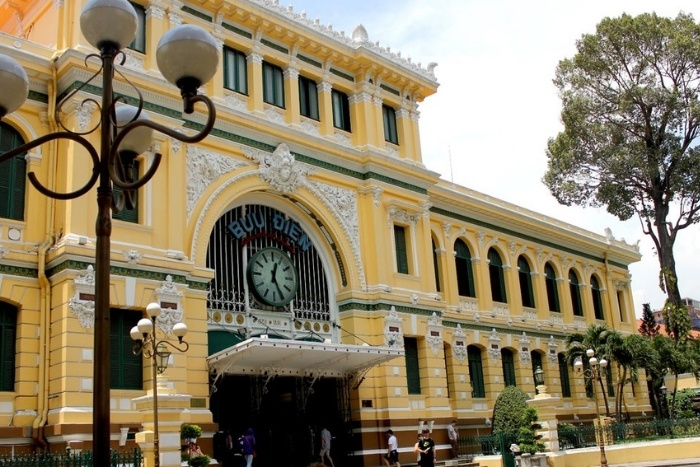
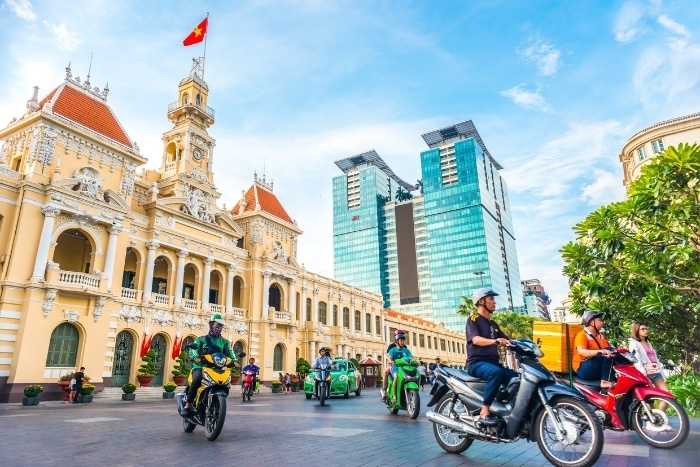
Begin your 21 day South Vietnam itinerary in Ho Chi Minh City. Give yourself a few days to get used to the pace of the city rather than trying to see everything in one go. You can start with some of the city's best known landmarks, including the War Remnants Museum, Independence Palace and the Central Post Office, then simply spend some time walking around the older streets and discovering the different neighborhoods. Ben Thanh Market is worth a visit, but do not limit yourself to the most famous tourist spots. Some of the best moments in Ho Chi Minh City can come from stopping at a small coffee shop, trying local dishes or wandering through a busy market in the evening.
Once you have had your fill of the city, head towards Ben Tre in the Mekong Delta. The change is quite striking: the traffic and high-rise buildings gradually give way to coconut palms, small waterways and green countryside. Ben Tre is a good place to slow down and see another side of southern Vietnam. You can take a boat through the canals, cycle through villages, visit local workshops or simply enjoy the quieter atmosphere. Staying overnight is worthwhile if you want more than a quick introduction to the Mekong Delta.
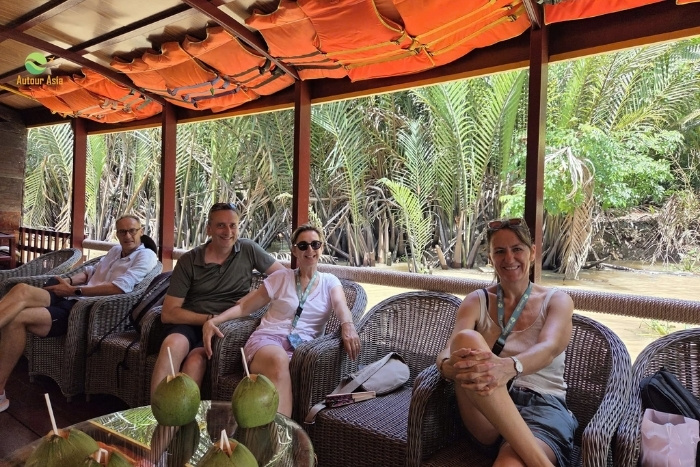
From Ben Tre, continue to Can Tho, one of the main cities in the region. The highlight for many visitors is Cai Rang Floating Market, which is best visited early in the morning when boats are already moving along the river. Beyond the market, you can take a smaller boat through the canals, visit fruit orchards or explore the surrounding countryside. By the end of the first week, the contrast between Ho Chi Minh City's urban atmosphere and the slower rhythm of the Mekong Delta gives your South Vietnam travel itinerary a good start.
For the second week, continue deeper into the Mekong Delta and make your way towards Chau Doc in An Giang Province. Compared with the more popular stops around Can Tho and Ben Tre, Chau Doc tends to feel quieter and gives you a different perspective on life in the southern region. The town itself is easy to explore, but the surrounding area is where the experience becomes more interesting.
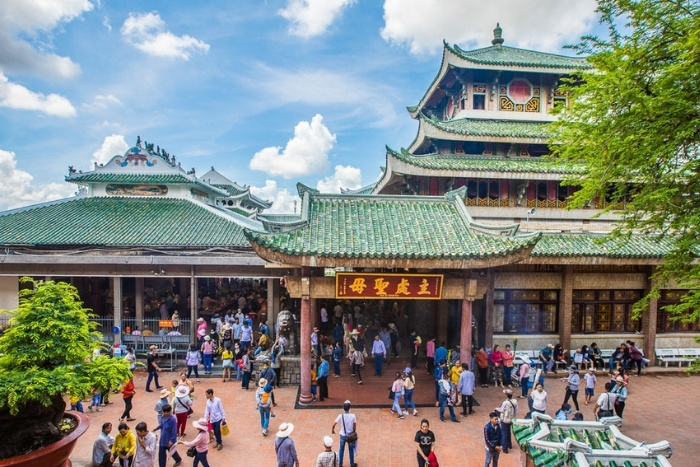
You can spend time along the waterways, visit local markets and discover the cultural diversity of the region. Sam Mountain is one of the main places to visit around Chau Doc and offers views over the surrounding countryside. Depending on the season, the landscape around An Giang can be particularly beautiful, with rice fields stretching across the plains. If you enjoy taking your time and discovering places that are not always included in classic tourist itineraries, this part of the trip is worth keeping. After the Mekong Delta, it is time for a completely different landscape. Continue towards Mui Ne, a coastal destination known for its beaches, fishing villages and striking sand dunes. The journey itself takes you away from the waterways and agricultural landscapes of the delta and towards the drier coastal scenery of southeastern Vietnam.
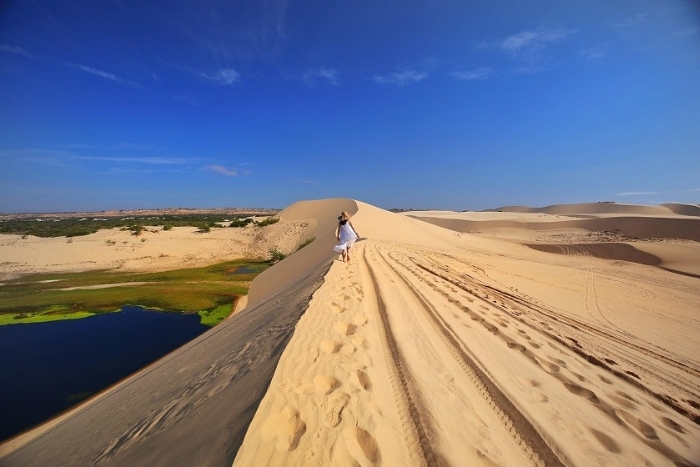
Rather than spending all your time sightseeing, allow a few days to enjoy Mui Ne at a slower pace. You can visit the White Sand Dunes early in the morning, explore the Red Sand Dunes later in the day and walk along the Fairy Stream. The beach is also there when you simply want to do nothing for a few hours. Mui Ne is particularly useful in a 3 week itinerary because it gives you a chance to take a break after several days of exploring before continuing to the final destination.
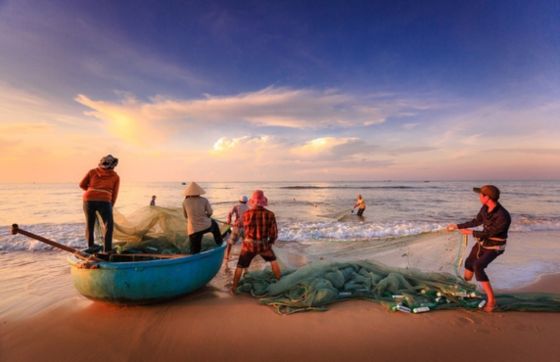
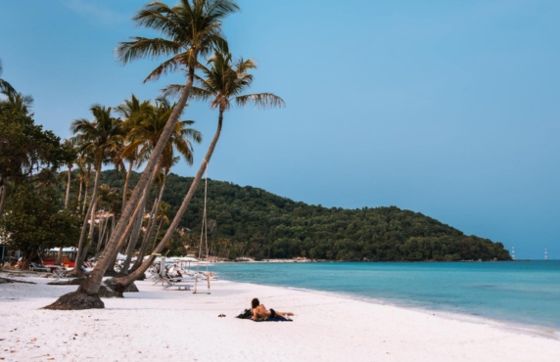
For the final week of your South Vietnam 3 week itinerary, head to Phu Quoc. After moving through cities, rivers and countryside during the first two weeks, ending the trip on an island gives the journey a completely different rhythm. You can slow down, spend more time outdoors and leave some space in your schedule rather than planning every hour. Phu Quoc is famous for its beaches, but seven days gives you enough time to see more than just one stretch of sand. You can explore different parts of the island, spend a day taking a boat trip around the smaller islands in the south or go snorkeling when the sea conditions are suitable. If you prefer staying on land, there are also fishing villages, local markets and other places to explore at your own pace.

It is worth keeping some days completely free. You might want to spend one morning by the beach, have lunch somewhere local and watch the sunset without worrying about the next activity. This is also useful because weather conditions can affect boat trips and water activities, so having a flexible schedule means you can move activities around instead of missing them altogether. If seven days feels too long for you, part of this time can be used to extend your stay elsewhere in southern Vietnam. On the other hand, travelers who mainly want beaches and relaxation may prefer to keep the full week on Phu Quoc. In this way, the final part of the itinerary can be adjusted easily without changing the overall structure of your 21 day South Vietnam trip.
A classic 21-day southern itinerary usually covers iconic highlights such as Ho Chi Minh City, the bustling Mekong Delta, and the paradise island of Phu Quoc. However, three weeks give you enough flexibility to tailor the journey to your personal preferences. Whether you are seeking wilderness, off-the-beaten-path adventures, or total relaxation, here is how you can customize your route.
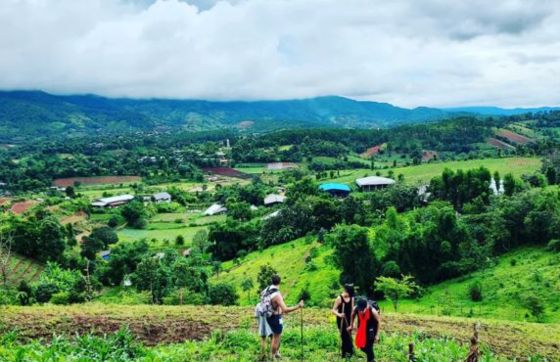
If vibrant urban life or endless waterways are not your primary focus, swap a few days in the lowland cities for the lush highlands or primary rainforests.
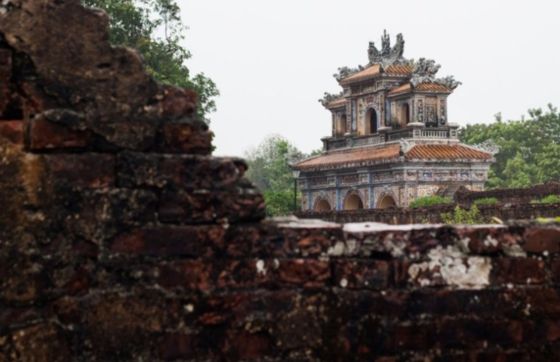
Travelers who prefer authentic cultural interactions over tourist hotspots can alter the standard Mekong loop to explore deeper, quieter provinces.
If your ideal holiday revolves around turquoise waters, fine sand, and coastal sunsets, you can easily trim urban sightseeing in favor of extended beach time.
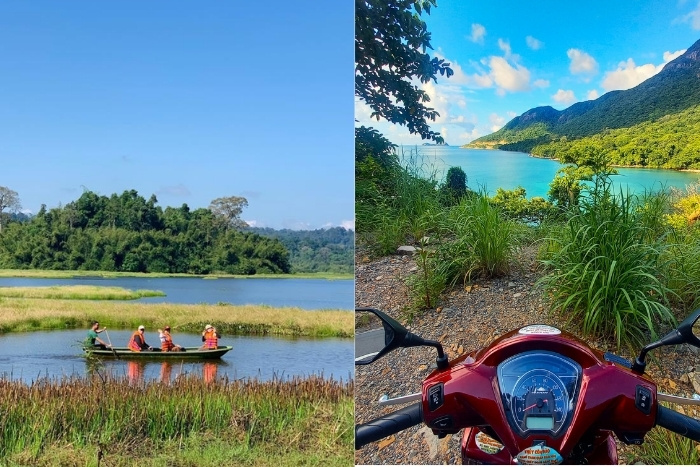
Getting around South Vietnam is fairly easy, and you will probably use a mix of transport during your trip. The best option depends on the distance, your budget and how much flexibility you want. Bus and minivan are convenient for shorter journeys such as Ho Chi Minh City to Ben Tre, Can Tho or Mui Ne. They are generally affordable, although traffic can make journeys longer than expected, especially when leaving Ho Chi Minh City.
In the Mekong Delta, boats are part of the experience as much as a means of transport. You can take a boat through the smaller canals around Ben Tre or Can Tho, visit floating markets and reach areas that are difficult to access by road. For some routes, a private boat also gives you more freedom to choose where to stop. A private car with a driver is another comfortable option, particularly for families or small groups. It costs more than taking a bus but can make it easier to connect several places in the Mekong Delta without changing transport. Finally, consider a domestic flight for longer journeys, especially when adding Phu Quoc to your South Vietnam itinerary. Flying can save several hours compared with combining road transport and a ferry. For a 21 day South Vietnam itinerary, combining these options is usually the most practical approach rather than relying on one type of transport throughout the trip.
The cost of 3 weeks in Vietnam can vary considerably depending on your accommodation, transport and activities. Compared with many destinations in Europe or North America, Vietnam can be relatively affordable, and traveling for 21 days gives you plenty of options for different budgets.
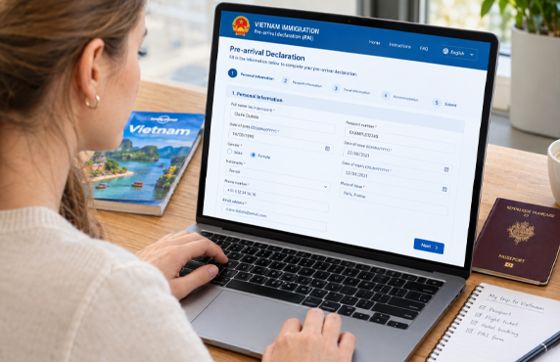
A little preparation can make a 3 week trip to South Vietnam much easier and more enjoyable. You do not need to plan every detail in advance, but a few practical points are worth keeping in mind.
A 3 week trip to South Vietnam is a great way to experience the region without rushing from one destination to another. From the lively streets of Ho Chi Minh City and the waterways of the Mekong Delta to the beaches of Mui Ne and Phu Quoc, each stop offers a different side of southern Vietnam. This 21 day itinerary can also be adapted according to your interests, whether you prefer nature, culture, local experiences or beach time. With a little flexibility and careful planning, you can enjoy a varied and comfortable journey at your own pace. Autour Asia - Vietnam travel agent can also help you plan a tailor made trip to Vietnam according to your travel style and preferences.







 FR
FR ITA
ITA