Planning a 4-week car caravan trip to Vietnam does not necessarily mean spending all 28 days travelling in the same vehicle. In Vietnam, motorhomes are still uncommon, and suitable facilities remain limited. A more realistic approach is to include a few days in a converted vehicle as part of a traditional tour, choosing a short-term rental in the North, Central Vietnam or the South. The remaining stages can be completed by train, plane or car, with overnight stays in hotels or local homestays. This option allows you to enjoy a different travel experience without relying entirely on a motorhome. Local travel agency in Hanoi - Autour Asia can also help you plan a trip suited to local conditions. Here are the available options, limitations and essential precautions to know before departure.
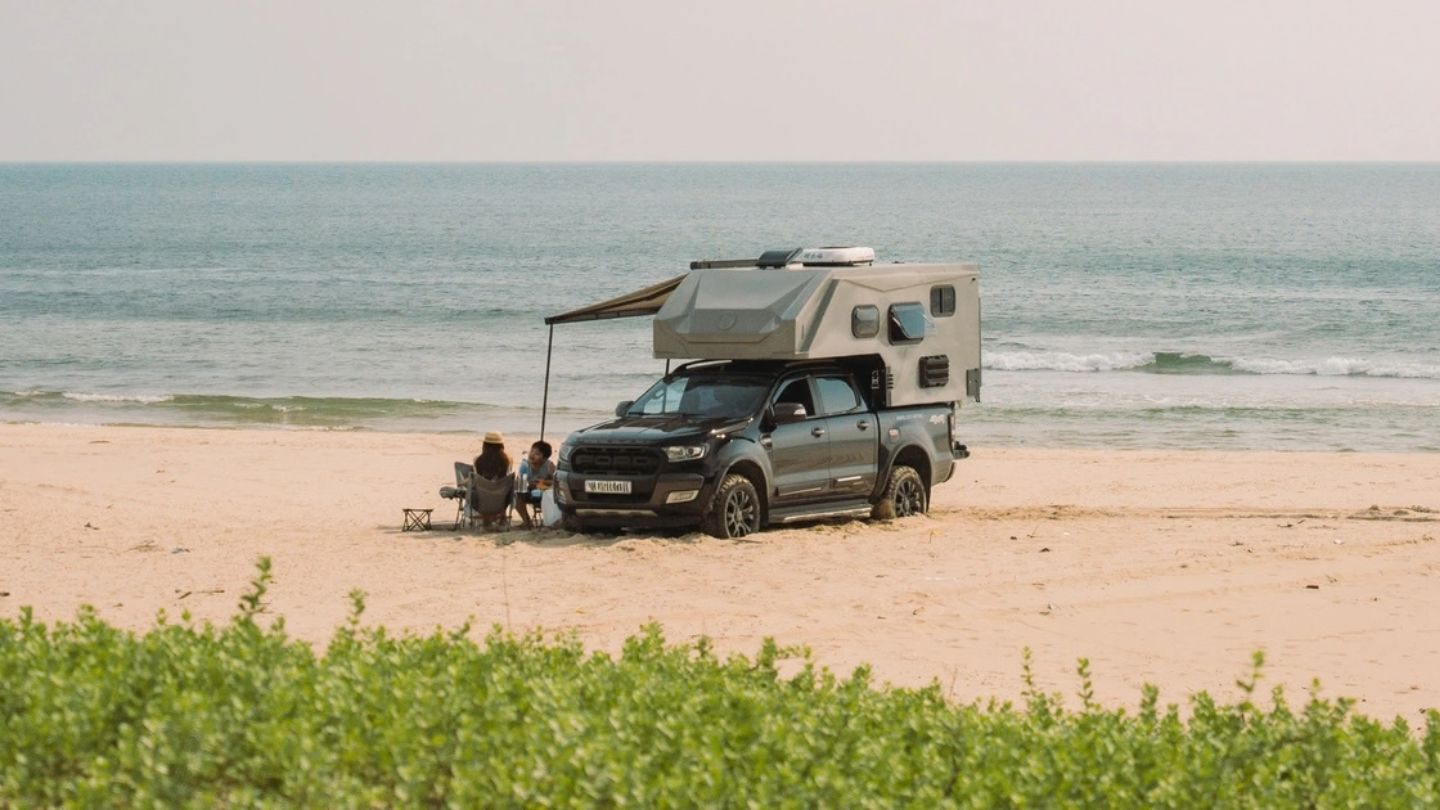
Planning a 4-week car caravan trip to Vietnam requires an understanding of the specific characteristics of this type of travel in the country. Unlike Europe, where motorhomes benefit from numerous specialised services, Vietnam does not have an extensive network of designated motorhome sites.
A few converted vans, equipped pick-up trucks and vehicles with sleeping facilities are available, but their availability remains limited. Their facilities also vary: some have a kitchen and water supply, while others offer only a sleeping area.
A continuous 28-day rental from the North to the South is therefore not a common option. In particular, returning the vehicle in a different city may present difficulties.
For a four-week trip, it is more reasonable to arrange one or two short-term rentals, depending on available offers, and then continue the journey using regular transport. To better assess the options available locally, travellers can also seek advice from Local travel agency in Hanoi - Autour Asia and adapt their itinerary to on-the-ground conditions.

A 4-week car caravan trip to Vietnam can be organised around three major regions without requiring you to use a converted vehicle at every stop.
One possible itinerary is to spend approximately ten days in the North, eight days in Central Vietnam and ten days in the South. The motorhome experience can then be included occasionally, only in areas where suitable rentals are available.
Northern Vietnam is the first region to consider for a motorhome experience. One possible route connects Hanoi, Ninh Binh and Ha Long Bay.
Hanoi is easier to explore on foot, by taxi or using local public transport. The converted vehicle could then be used to discover certain rural destinations, subject to rental conditions.
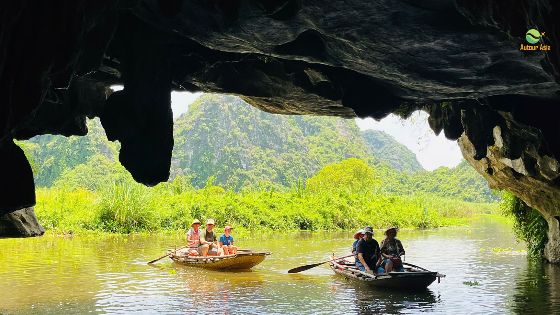
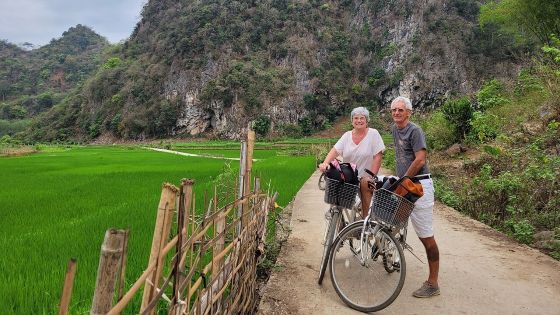
In Ninh Binh, rice fields and limestone formations create an interesting setting. Ha Long Bay can complete the route, although it is mainly explored by boat.
Before committing to five to seven days in a motorhome, you should confirm the permitted routes, parking locations and vehicle return point. This route is a geographical suggestion rather than a guaranteed rental offer.
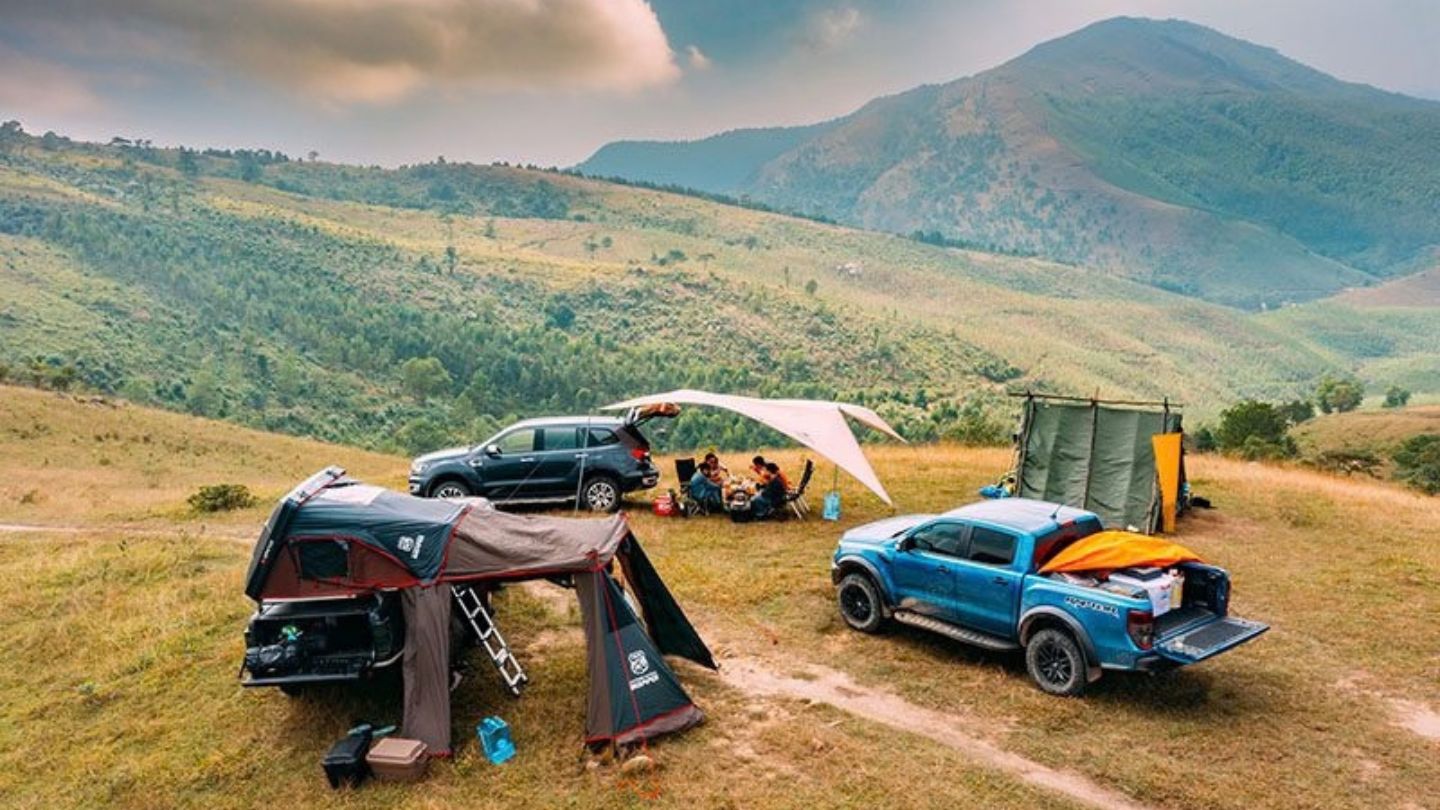
After exploring the North, the journey can continue to Hue, Da Nang and Hoi An by train or plane.
This region combines historical heritage, coastal scenery and traditional villages. Hue offers the opportunity to discover the former imperial city, while Hoi An is particularly well suited to leisurely walks through its historic centre.
A short motorhome experience can be considered in the surrounding areas if a local rental company offers a suitable vehicle and authorises the intended routes.
Otherwise, traditional accommodation and regular transport remain more practical options. There is no need to insist on finding a motorhome at all costs to explore this part of the country.
The final part of the trip can be dedicated to Ho Chi Minh City and the Mekong Delta.
In the metropolis, heavy traffic and parking difficulties make travelling in a large vehicle impractical. Sightseeing can therefore be done using urban transport.
The Mekong Delta offers a different environment, with canals, orchards and villages. A short rental could be considered for certain accessible roads, provided that you have a suitable vehicle and authorised places to spend the night.
For this 4-week car caravan trip to Vietnam, a single regional motorhome experience may be perfectly sufficient. You do not need to rent a vehicle in all three regions.
The weather is an important factor when planning a 4-week car caravan trip to Vietnam, as climatic conditions vary considerably from one region to another.
In the North, winters can be cold, particularly in mountainous areas. Summers are generally hot, humid and rainy. The periods from April to June and September to November often offer favourable conditions around Hanoi and Ha Long Bay.
In Central Vietnam, conditions are more favourable for certain visits between February and August. Heavy rainfall and the risk of flooding particularly affect Hue and Hoi An during part of the autumn.
In the South, temperatures remain high throughout the year. The rainy season generally lasts from May to November, with occasional heavy showers.
It is therefore preferable to choose the region in which to rent a motorhome according to the actual weather conditions. In the event of heavy rain or a storm, conventional accommodation may be more suitable.
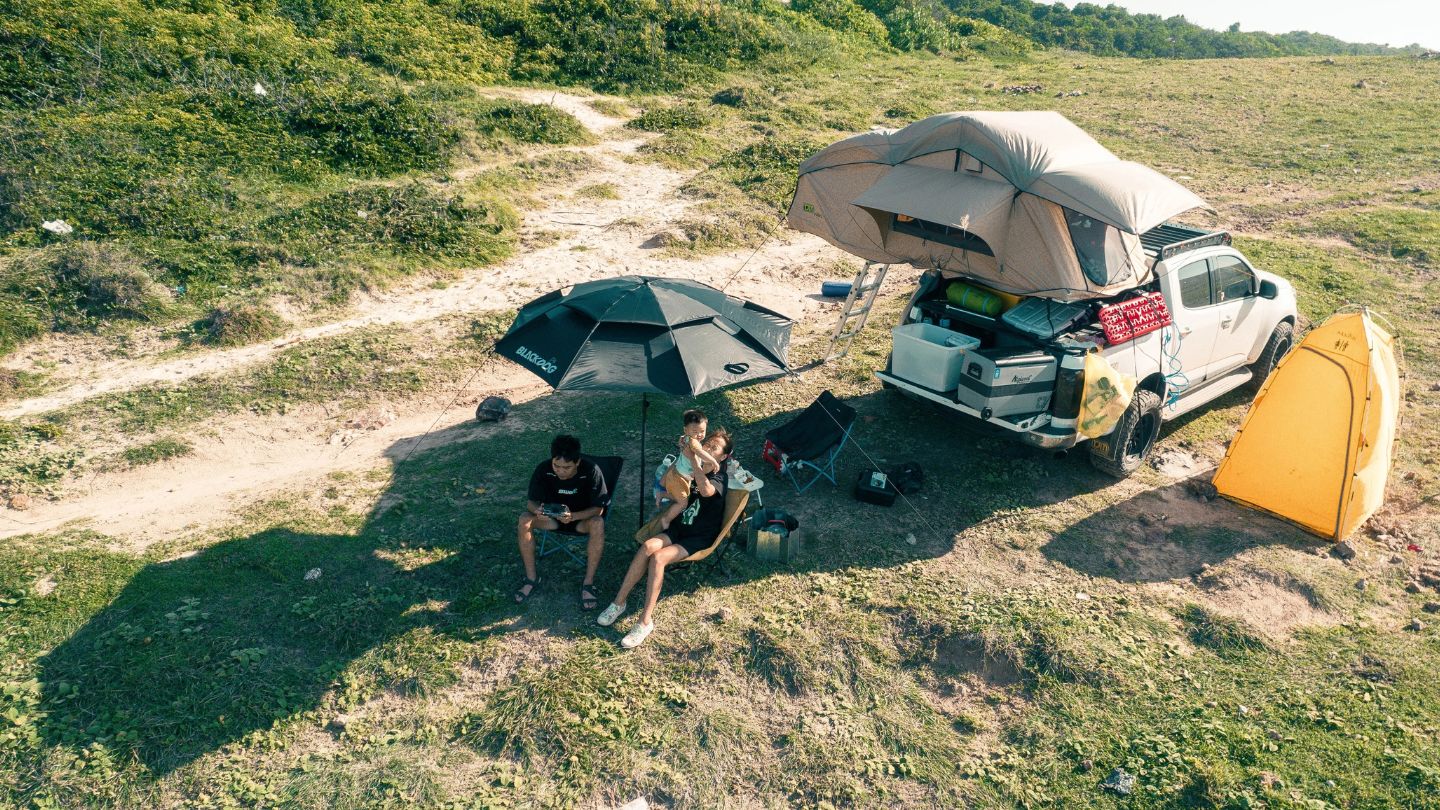
Before booking a rental for a 4-week car caravan trip to Vietnam, two aspects need to be examined: the vehicle's specifications and the documents required to drive it.
Not all converted vehicles have the same facilities. It is essential to request a technical specification sheet and recent photographs.
The main points to check are:
A vehicle equipped with a bed does not necessarily provide enough independence to spend several nights without access to external facilities.
A foreign national driving licence does not automatically authorise you to drive in Vietnam.
Accepted documents depend in particular on the issuing country, applicable international agreements and the vehicle category. An International Driving Permit, where recognised, must meet the current legal requirements.
Before making any payment, the rental company must confirm the required documents, insurance coverage, excess, security deposit and authorised driving areas.
Bringing a foreign-registered vehicle into Vietnam is subject to a separate procedure with specific administrative requirements.

Overnight parking is one of the main challenges of a 4-week car caravan trip to Vietnam.
The country does not have an extensive network of sites specifically designed for motorhomes. You should therefore look for available parking locations before each journey.
Depending on the destination, several options may be considered: campsites that accept converted vehicles, private land with the owner's permission, or establishments with suitable parking facilities.
Before booking an overnight stay, check whether parking is authorised, as well as the security, access dimensions, sanitary facilities and availability of electrical charging.
Wastewater and rubbish disposal must also be planned in advance. An empty plot of land or a public car park does not necessarily mean that overnight camping is permitted there.
In major cities, choosing conventional accommodation is generally the better option.

Even if it lasts only a few days, a four-week trip to Vietnam that includes a regional motorhome rental requires specific preparation.
Converted vehicle models are still relatively scarce. Travellers should check their availability and specifications before organising their route.
Mountain roads, narrow routes and urban traffic can make travelling in a large vehicle more difficult.
Some vans do not have toilets, showers or sufficient electrical power for several nights of independent travel.
A breakdown may require specialised assistance. It is important to understand the support arrangements and have the rental company's contact details.
Bad weather, difficult roads or a lack of suitable overnight parking may force you to change a planned stop.
These limitations should be taken into account before renting, even when the experience lasts only a few days.
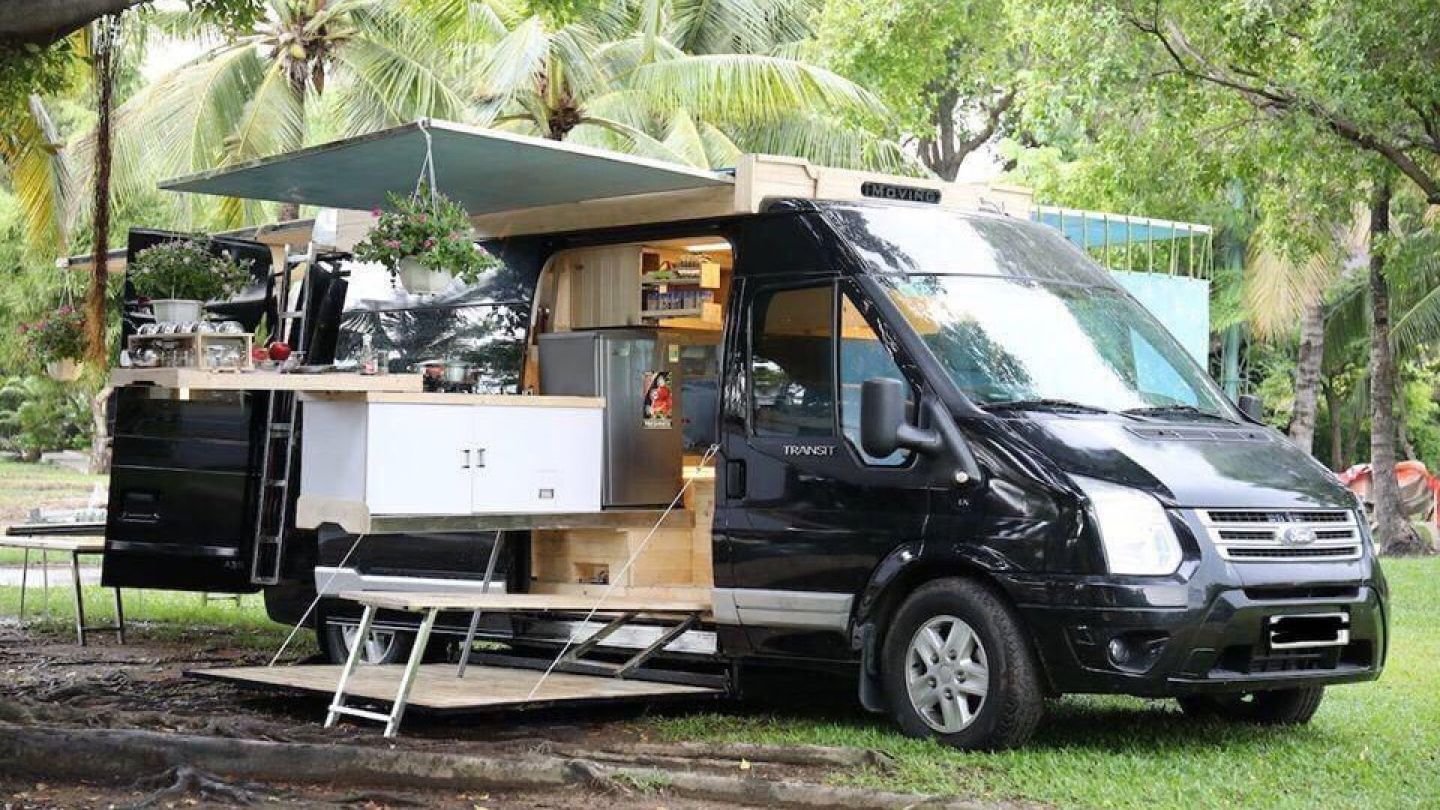
For travelling from Northern to Southern Vietnam, a traditional trip is generally easier to organise.
Trains and domestic flights connect the main regions, while chauffeur-driven cars and local transport make it possible to explore less accessible destinations.
A motorhome becomes an occasional option when the vehicle, driving licence, insurance and parking arrangements have all been confirmed.
For a 4-week car caravan trip to Vietnam, there is therefore no need to spend the entire journey using this mode of transport.
A combined approach may be more suitable: spend a few days in a converted vehicle in one region, then follow a traditional itinerary for the remaining stages.
The key is to choose transport according to local conditions rather than adapting every destination to the limitations of a motorhome.

The budget for a 4-week car caravan trip to Vietnam should distinguish between the cost of the entire journey and the cost of the few days you may spend in a converted vehicle.
The price depends on the model, rental duration, equipment and contract conditions. Insurance, the security deposit and the excess should be checked separately. As there are not enough publicly available rates for a meaningful comparison, obtaining a detailed quotation is essential.
In addition to the rental fee, you should budget for fuel, possible tolls, car parks, overnight parking sites and expenses related to routine maintenance or cleaning.
A traditional tour distributes expenses across transport, hotels and activities. A short motorhome rental adds a specific cost without necessarily replacing all accommodation nights. It is therefore not automatically a more economical option.
To plan the other expenses of your stay, you can also find out more about the Vietnam travel budget.
Planning a four-week trip to Vietnam by motorhome requires a different approach from a European road trip. In Vietnam, converted vehicles remain scarce and suitable facilities are limited. Rather than renting a motorhome for all 28 days to travel across the country, it is more realistic to consider a short experience in one region and then continue the journey by train, plane or local transport. This arrangement allows you to discover the North, Central Vietnam and the South without relying entirely on a converted vehicle. Before making any reservation, travellers should check driving licences, insurance, equipment and parking options. To create an itinerary suited to local conditions, Local travel agency in Hanoi - Autour Asia can help you plan your trip.
You can refer to:


A three-week trip to Vietnam as a couple allows you to combine several regions without changing accommodation too frequently. You can start in Hanoi and Ninh Binh, continue to Central Vietnam to visit Hue and Hoi An, and finish in Ho Chi Minh City and the Mekong Delta. When travelling as a couple, plan a few more relaxed days to enjoy the scenery, local restaurants and accommodation. The itinerary can then be adapted to your interests, whether they include culture, nature, beaches or culinary discoveries.
A tour of Vietnam's Central Highlands can last from a few days to more than a week, depending on the regions you choose and your preferred pace. For a first visit, four to five days are enough to explore several iconic landscapes, including coffee plantations, hills, waterfalls and local villages. You can combine Da Lat with other stops in the Central Highlands to enjoy a variety of experiences. The ideal duration also depends on your mode of transport and the time you want to spend on activities at each destination.
For a 4-week trip to Vietnam by motorhome, it is preferable to book the vehicle several weeks in advance, especially if you are travelling during a peak-demand period. This gives you more options when choosing the model, number of sleeping spaces and available equipment. Before confirming your booking, carefully check the rental conditions, security deposit, insurance, included mileage and return arrangements. It is also useful to ask the rental company about any restrictions on particular roads or regions.









 FR
 ITA
