Finding accessible hotels in Vietnam takes a little preparation, especially for travellers with reduced mobility. While major cities such as Hanoi, Da Nang and Ho Chi Minh City offer a range of modern hotels, accessibility standards can differ considerably between properties. Some rooms are labelled as accessible but may lack essential features, such as step-free showers, grab bars or sufficient space for wheelchair users to move around comfortably. To help you choose the right accommodation, this guide presents a selection of hotels by region, along with practical tips for checking facilities, confirming your specific needs and enjoying a more comfortable stay in Vietnam.
Before choosing a hotel, consider the needs of each traveller. Someone who has difficulty walking may have different requirements from someone who uses a manual or electric wheelchair.
When selecting accommodation suitable for people with reduced mobility, check the following:
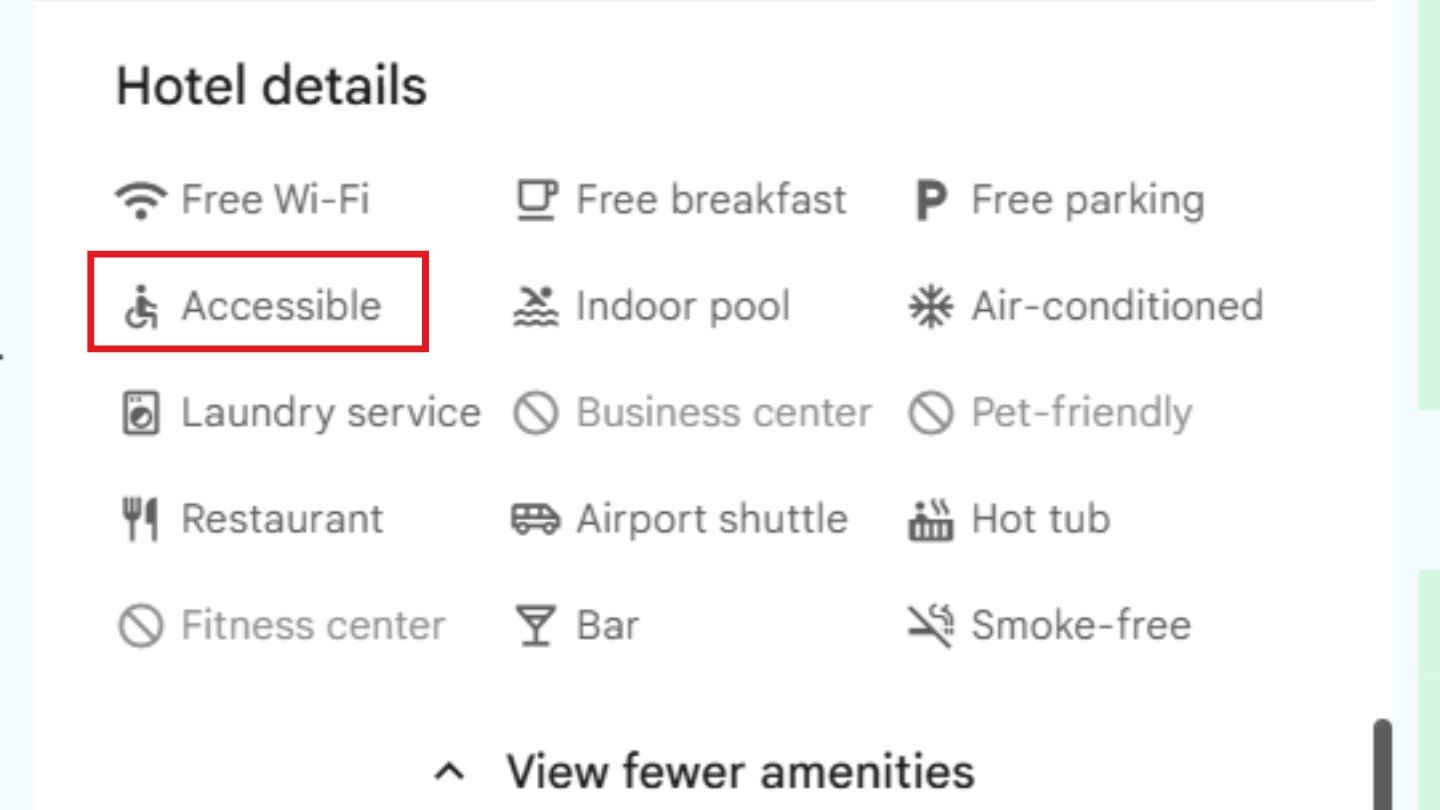
Check accessibility on Google Maps: Search for the hotel and review its profile for the ♿ “Accessible” symbol.
Hotel entrance: Look for step-free access or a suitable ramp.
Bedroom: Check door widths and the space around the bed for manoeuvring and transfers.
Bathroom: Look for a level-access shower, grab bars and, if necessary, a shower seat.
Lifts: Make sure they provide access to guest rooms and communal areas.
Shared facilities: Check access to the restaurant, breakfast area and toilets.
Assistance: Ask about services for luggage and getting around the property.
An accessible hotel room in Vietnam must meet specific needs. Request recent photos of the bedroom and bathroom, as well as measurements of doorways and passageways if you use a wheelchair. It is also best to obtain written confirmation of the available facilities and the adapted room's availability. Information on booking websites is not always detailed enough.
Northern Vietnam is an interesting region for discovering the capital, mountain scenery and Ha Long Bay. For travellers with reduced mobility, Hanoi is generally the most practical base for finding accessible hotels in Vietnam with suitable facilities.
Fairmont Hanoi offers accessible rooms upon request. According to its official website, the hotel provides wheelchair-accessible rooms, accessible bathrooms and suitable access routes. The property also states that it has seven rooms dedicated to guests with reduced mobility. This makes it an option worth considering for a comfortable stay in Hanoi. Before booking, check whether the bathroom meets your needs. A step-free shower, grab bars or sufficient transfer space may be essential, depending on your situation.
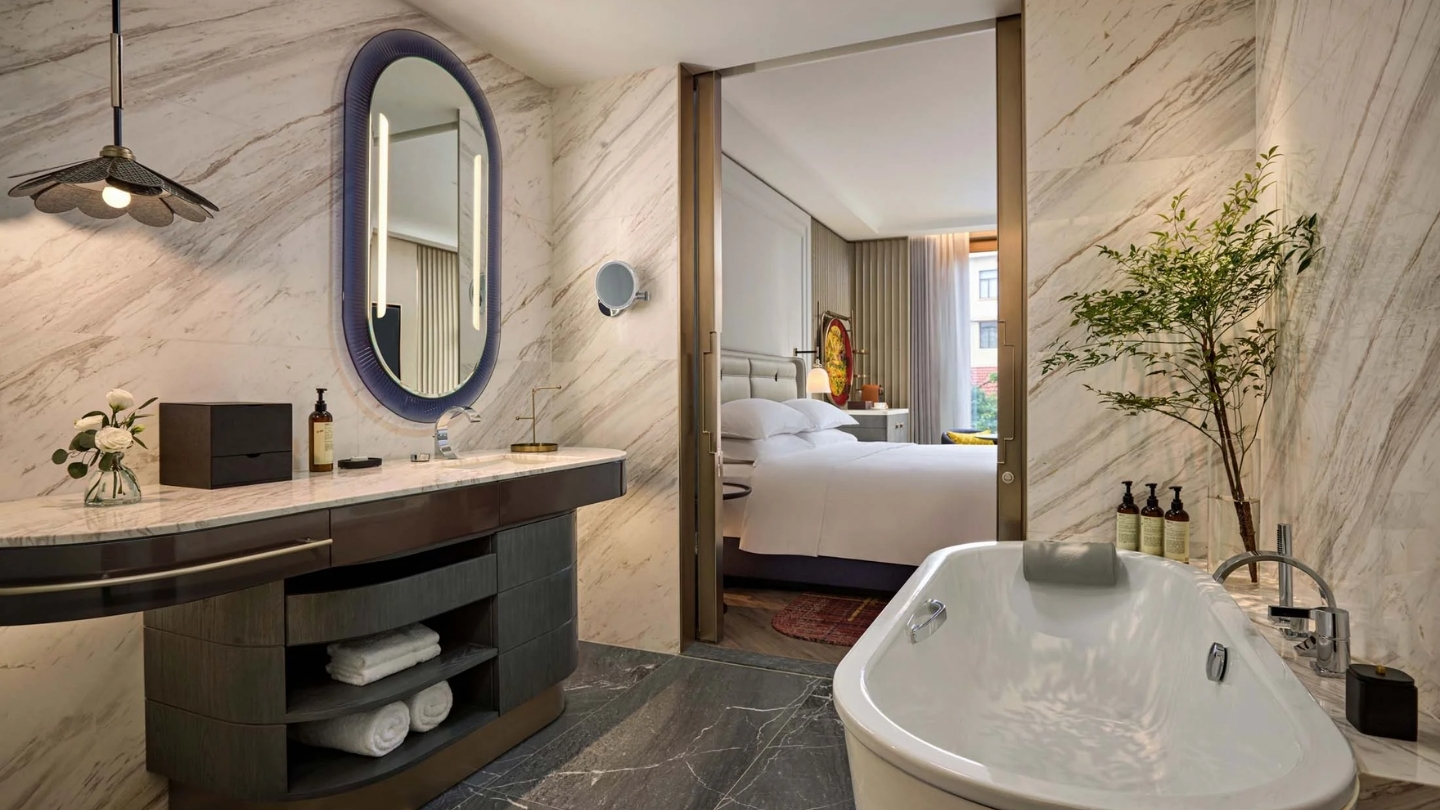
According to the hotel’s published information, Grand Mercure Hanoi offers accessible rooms on the fourth floor, making it one of the wheelchair accessible hotels in Vietnam to consider when visiting the capital. This five-star property may suit travellers looking for modern accommodation close to Hanoi’s main cultural attractions. Before booking, contact the reception directly to confirm the availability of adapted rooms and check whether the bathroom meets your mobility needs. It is also important to ask whether the entire route from the hotel entrance to the lift and your room is step-free and accessible.
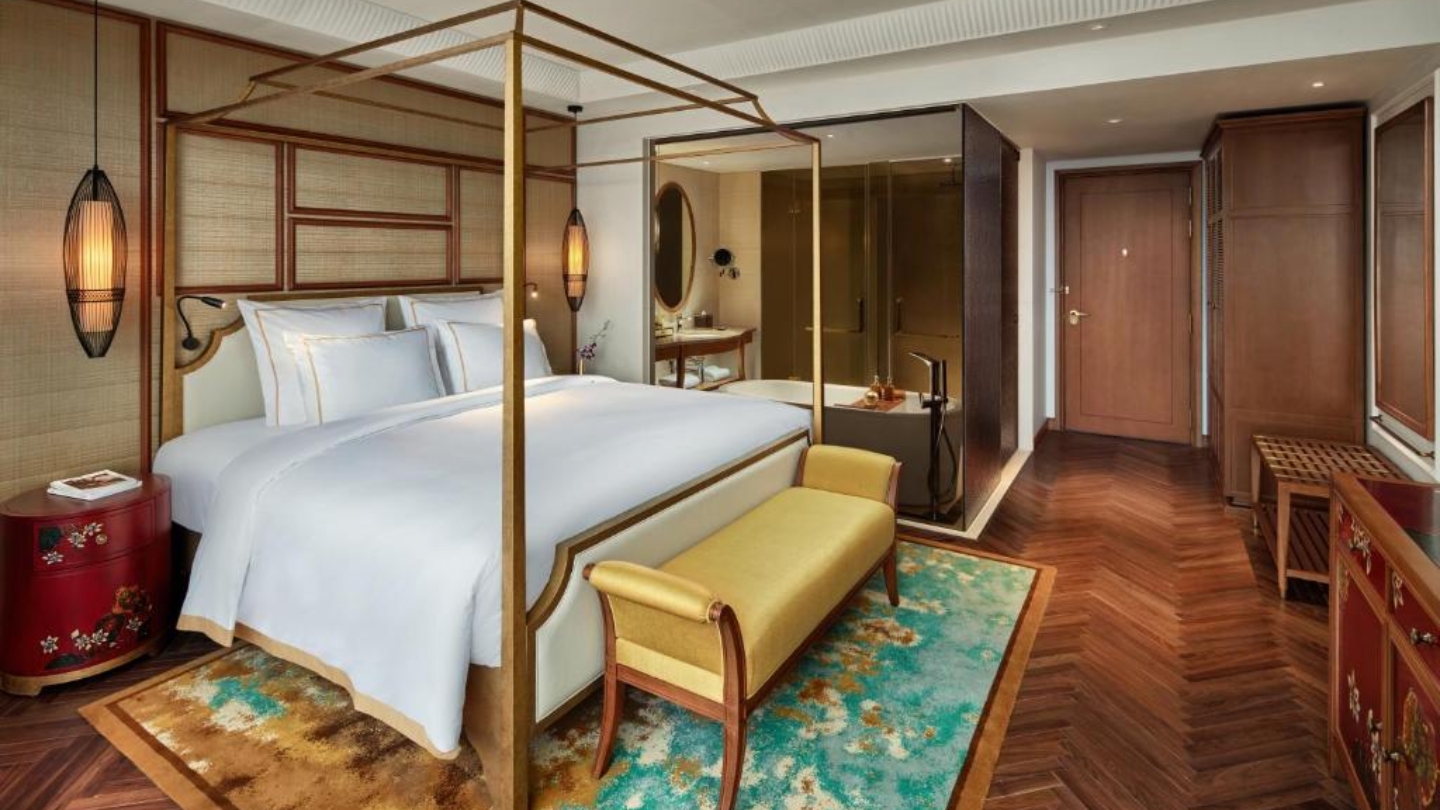
What are the best accessible hotels in Hanoi ? Mövenpick Hotel Hanoi Centre offers facilities for guests with reduced mobility and has one specially adapted room. The lift serves the different floors. Before booking, check the bathroom layout and confirm that the adapted room is available.
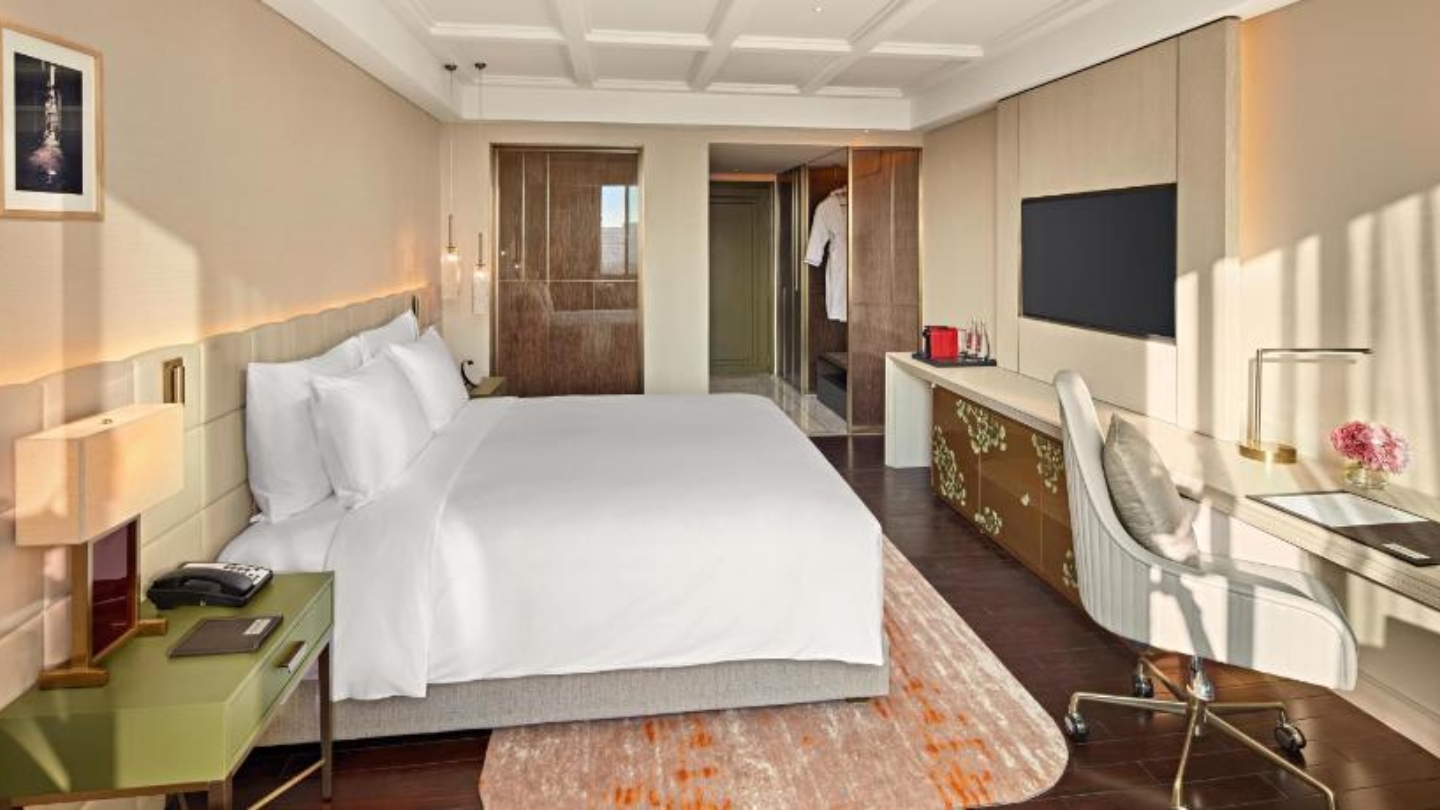
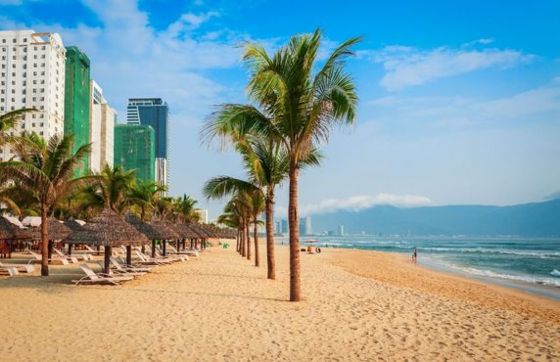
Central Vietnam offers a combination of beaches, cultural attractions and historic cities. Da Nang is a convenient base thanks to its modern hotels and relatively recent infrastructure. Hoi An and Hue are also options, although some historic areas present additional accessibility challenges.
Crowne Plaza Danang offers wheelchair-accessible rooms with grab bars, adapted toilets, showers equipped with transfer seats and lifts accessible on all floors. It is one of the accessible hotels in Vietnam worth considering, provided you check the availability of adapted rooms and confirm the exact address before booking.
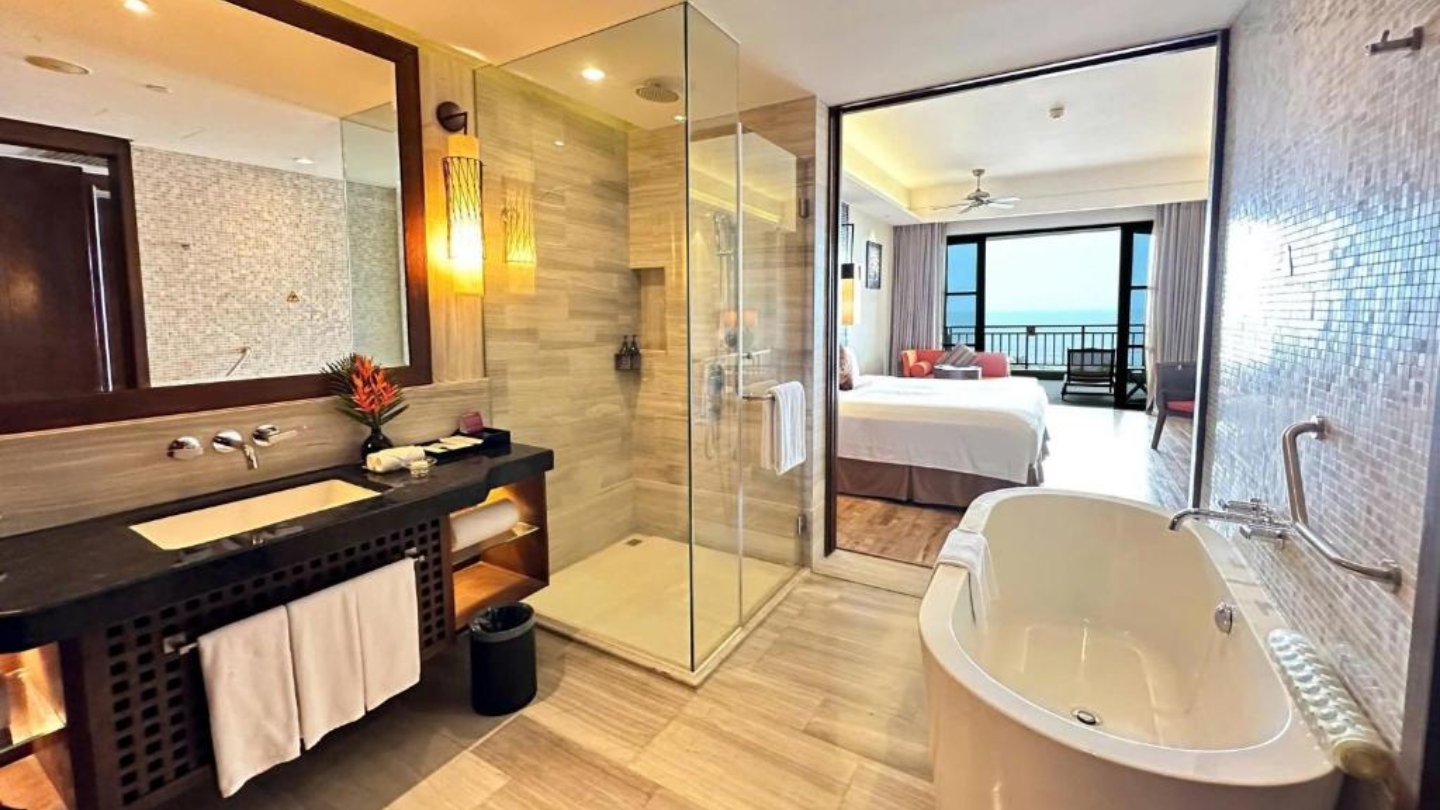
In Hoi An, historic houses and narrow streets with uneven surfaces can make getting around difficult. For greater comfort, choose a modern hotel near the historic centre. In Hue, look for accommodation with a lift and an adapted bathroom. Visits to the Imperial Citadel and royal tombs may also involve stairs and long walking distances. When choosing accessible hotels in Vietnam, check access to tourist attractions and consider staying near a convenient car pick-up point, even if the hotel is slightly farther from the centre.
Southern Vietnam offers opportunities to explore a major city, enjoy the coast or discover the landscapes of the Mekong Delta. Ho Chi Minh City is particularly suitable for travellers looking for modern hotels and planning to arrange private transport.
Novotel Saigon Centre is one of the wheelchair accessible hotels in Vietnam worth considering, with two rooms designed for guests with reduced mobility. According to the hotel’s official information, its facilities also include lifts, accessible parking spaces and adapted bathrooms with sufficiently wide doors. Its central location makes it convenient to reach different districts by car. However, crowded pavements, kerbs and street crossings can make getting around on foot more challenging. Before booking, confirm that an accessible room is available for your entire stay and that its facilities meet your specific requirements.
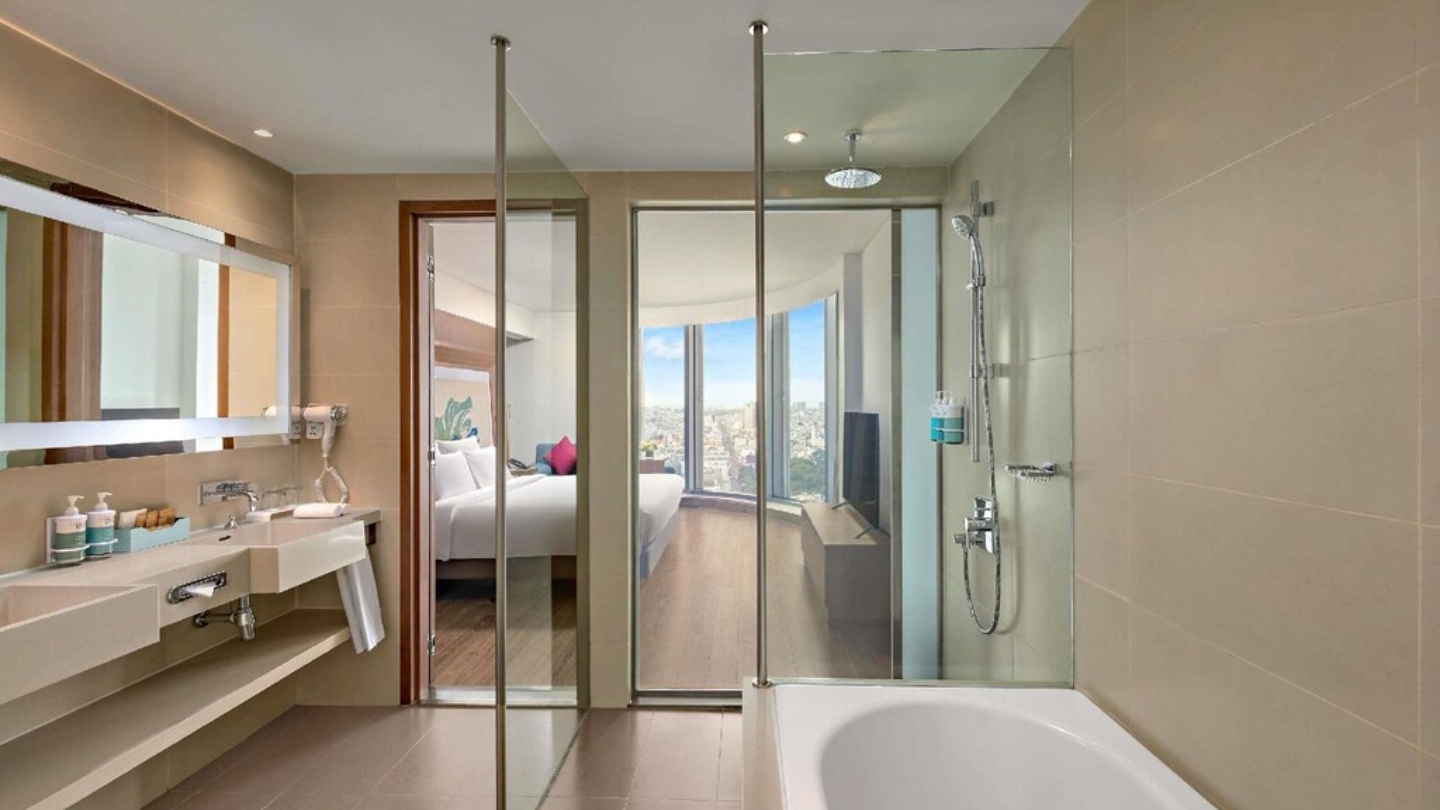
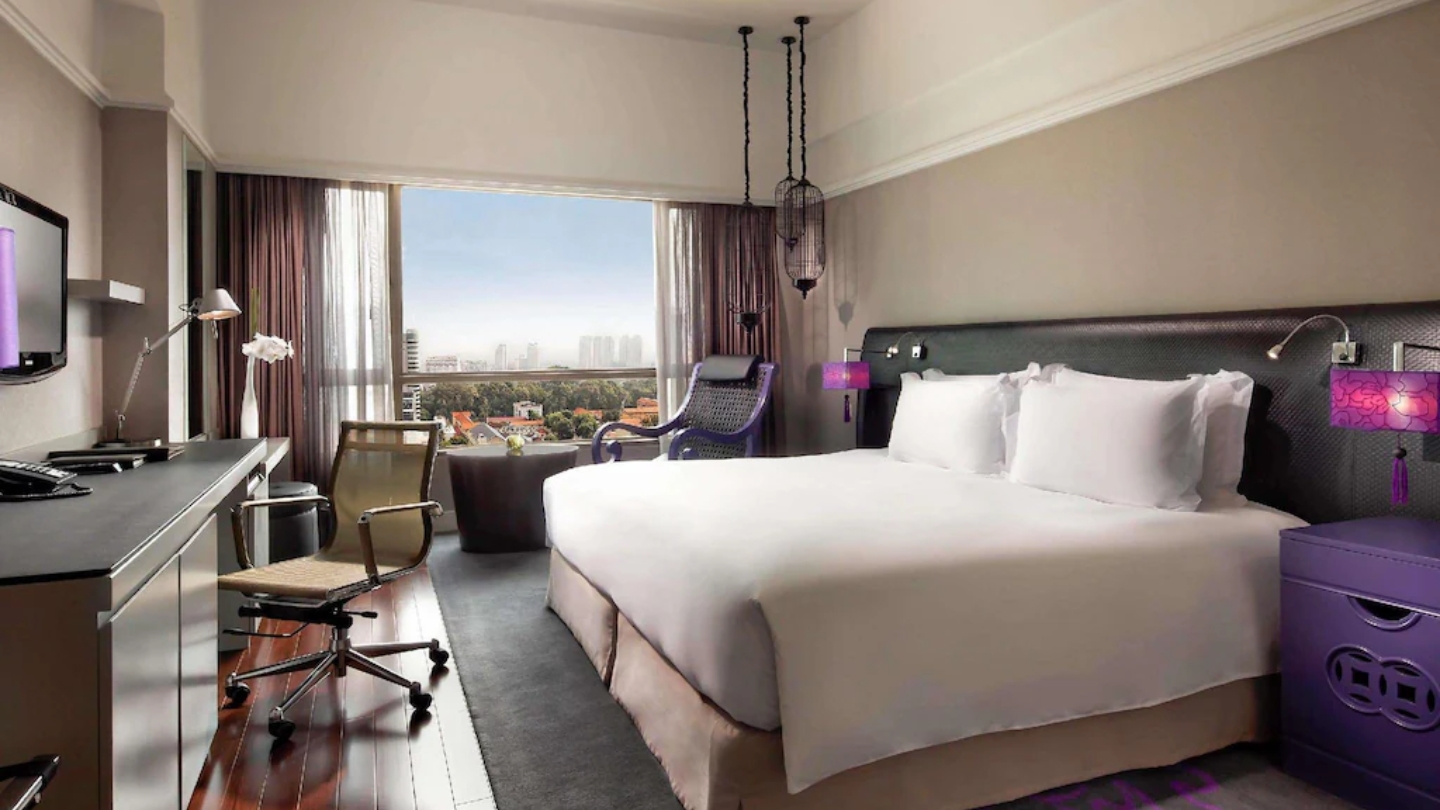
Sofitel Saigon Plaza is another option to consider in Ho Chi Minh City. The hotel states that it offers a room specially designed for guests with reduced mobility. Its restaurants also provide accessible services, making it an option among accessible hotels in Vietnam. The property may suit travellers looking for a high-end hotel with on-site dining. However, the limited number of adapted rooms makes booking in advance particularly important. Ask for photos of the bathroom and check access between the room, restaurants and other facilities you plan to use.
For a beach holiday, Dhawa Ho Tram offers six rooms designed for guests with reduced mobility. Before booking, ask about the routes between the guest room, restaurants, swimming pool and beach, as accessibility may vary across these areas.
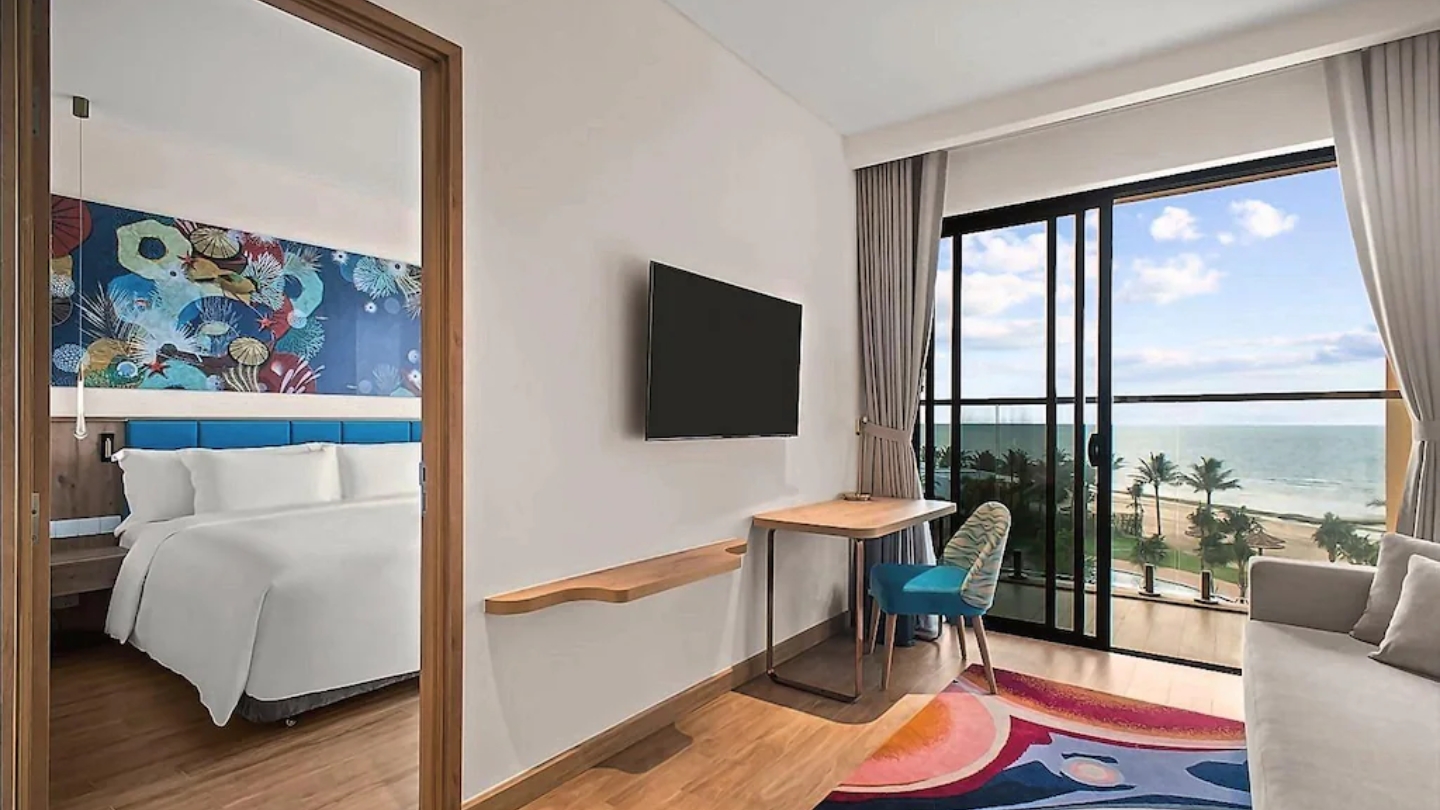
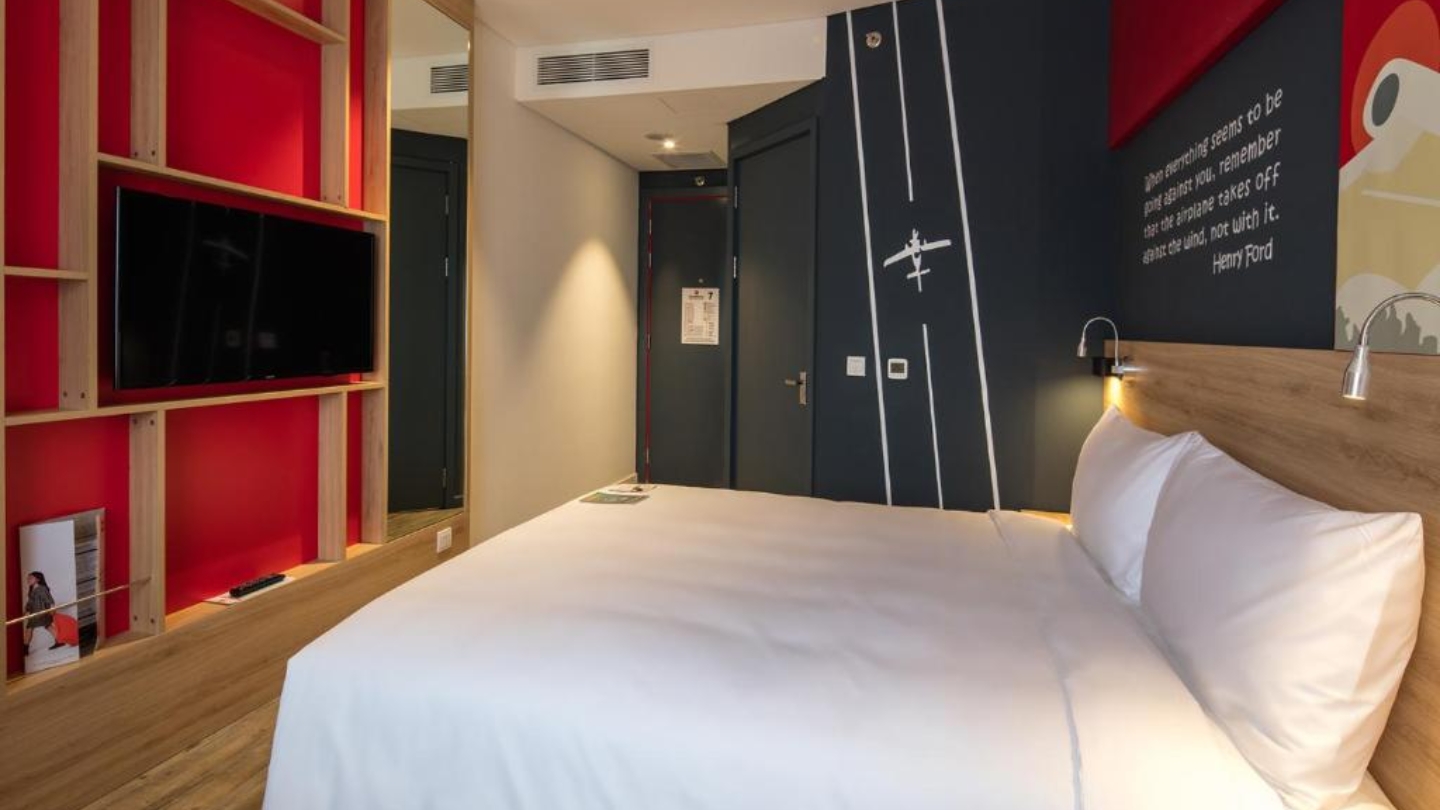
ibis Saigon Airport offers two rooms designed for guests with reduced mobility and has lifts serving the different floors. Its proximity to Tan Son Nhat International Airport makes it convenient for an overnight stay before or after a flight. Remember to confirm the bathroom facilities before booking.
In Phu Quoc and the Mekong Delta, hotels suitable for guests with disabilities should be chosen based on the accessibility of guest rooms, restaurants, swimming pools and beaches. In Phu Quoc, sandy paths and changes in elevation can make getting around difficult. Meanwhile, some riverside accommodation in the Mekong Delta has narrow walkways or stairs. Before booking, check access routes and consider arranging private excursions suited to your needs.
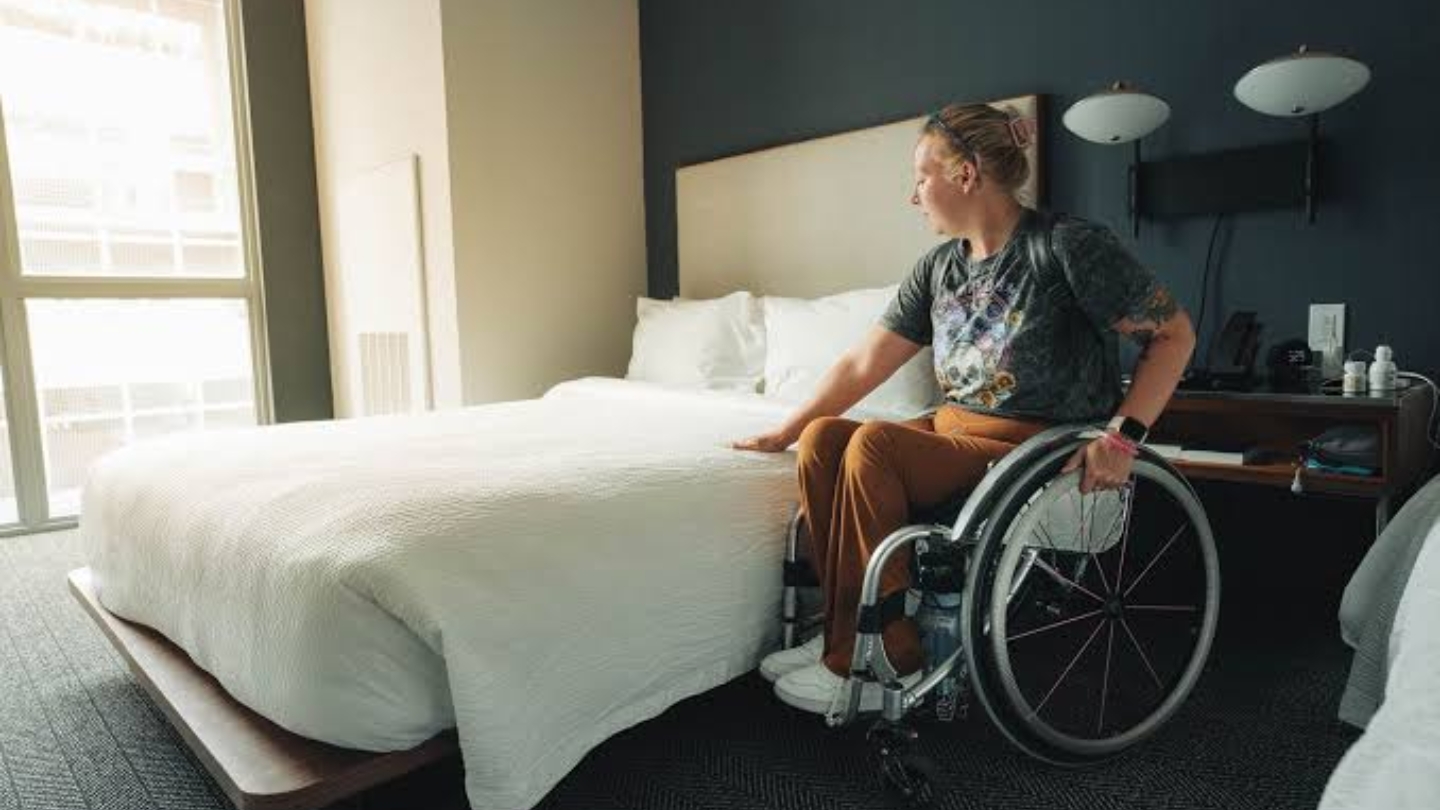
Choosing accessible hotels in Vietnam requires checking the actual facilities rather than relying solely on promotional descriptions. Hanoi, Da Nang and Ho Chi Minh City are good starting points for finding adapted rooms, while historic, island and rural destinations require more planning. Before booking, confirm access routes, bathroom facilities and transport arrangements. Autour Asia, a travel agency in Vietnam, can also help plan a suitable itinerary by checking the accessible services required at each stop.
Learn more:
>>> 3 weeks in Vietnam for seniors
>>> 3-week luxury Vietnam trip
>>> Vietnam holiday tour packages
>>> Vietnam Tours


Accessible hotels in Vietnam make it easier to plan a more comfortable stay, particularly in major cities such as Da Nang, Hanoi and Ho Chi Minh City. However, travelling in a wheelchair requires careful preparation, as uneven pavements, high kerbs and some historic monuments can make getting around more challenging. Da Nang is a good starting point for finding suitable accommodation and enjoying the coastline. Before departure, check the accessibility of hotels and tourist attractions, arrange any necessary transfers in advance, and limit changes of accommodation to enjoy a more comfortable and hassle-free trip.
Spending 2 weeks in Vietnam allows you to explore the country’s top attractions and experience its diverse culture. Start in Hanoi to discover historical landmarks and enjoy local street food, then cruise through the breathtaking landscapes of Ha Long Bay. Continue to Sapa to explore ethnic villages and mountain scenery, before visiting Hue’s imperial sites and Hoi An’s charming ancient town. Finally, head to the Mekong Delta to discover local traditions, peaceful waterways, and rural life with an overnight stay in a community-owned lodge. This itinerary combines cultural discoveries, natural beauty, and authentic local experiences.






 FR
 ITA
