When you travel to Vietnam, looking beyond the main attractions can reveal a different side of the country. Agricultural tourism in Northern Vietnam brings you closer to the fields, farms and communities behind its food and rural traditions. You might explore rice terraces, visit a tea garden or discover seasonal fruit at a farm that welcomes visitors. The appeal lies in understanding how people work with the land, not simply admiring the view. This guide from Autour Asia introduces agritourism in Northern Vietnam, with practical advice to help you choose suitable places and experiences. As farming activities vary by season and destination, checking what is available before your visit can help you plan a more rewarding countryside experience.
Agricultural tourism in Northern Vietnam offers a chance to discover rural life beyond the usual sightseeing routes. You can explore rice-growing valleys, walk through tea plantations or visit fruit farms while learning how local people cultivate the land. These experiences reveal the relationship between farming, regional food and cultural traditions. Among the many things to do in Northern Vietnam, a visit organised with local hosts can offer a slower pace and a closer understanding of the knowledge behind the scenery.
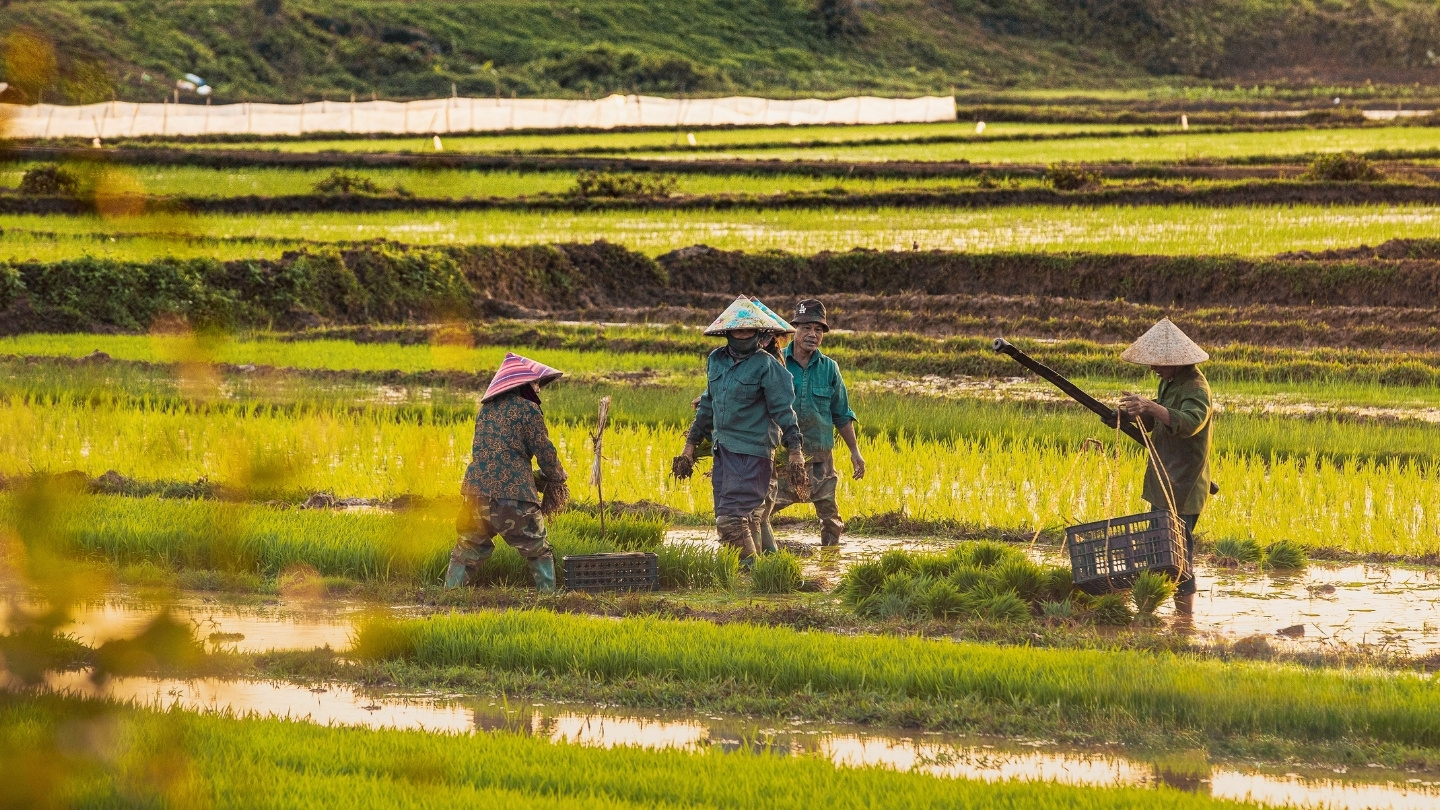
Choosing agricultural tours in Northern Vietnam can also support rural livelihoods when local households host or provide these experiences. Paying for guided visits, enjoying meals prepared by local hosts and buying produce directly from farmers can create income opportunities for rural communities. Depending on the destination, season and host’s arrangements, you may also have the chance to take part in farming activities. Before your trip, check which activities are available and respect local customs and farmers’ daily routines.
Northern Vietnam offers diverse rural experiences, from exploring rice terraces and tea plantations to picking seasonal fruit and visiting traditional villages. When planning agricultural tourism in Northern Vietnam, choose activities based on your interests, the season and what local hosts offer.
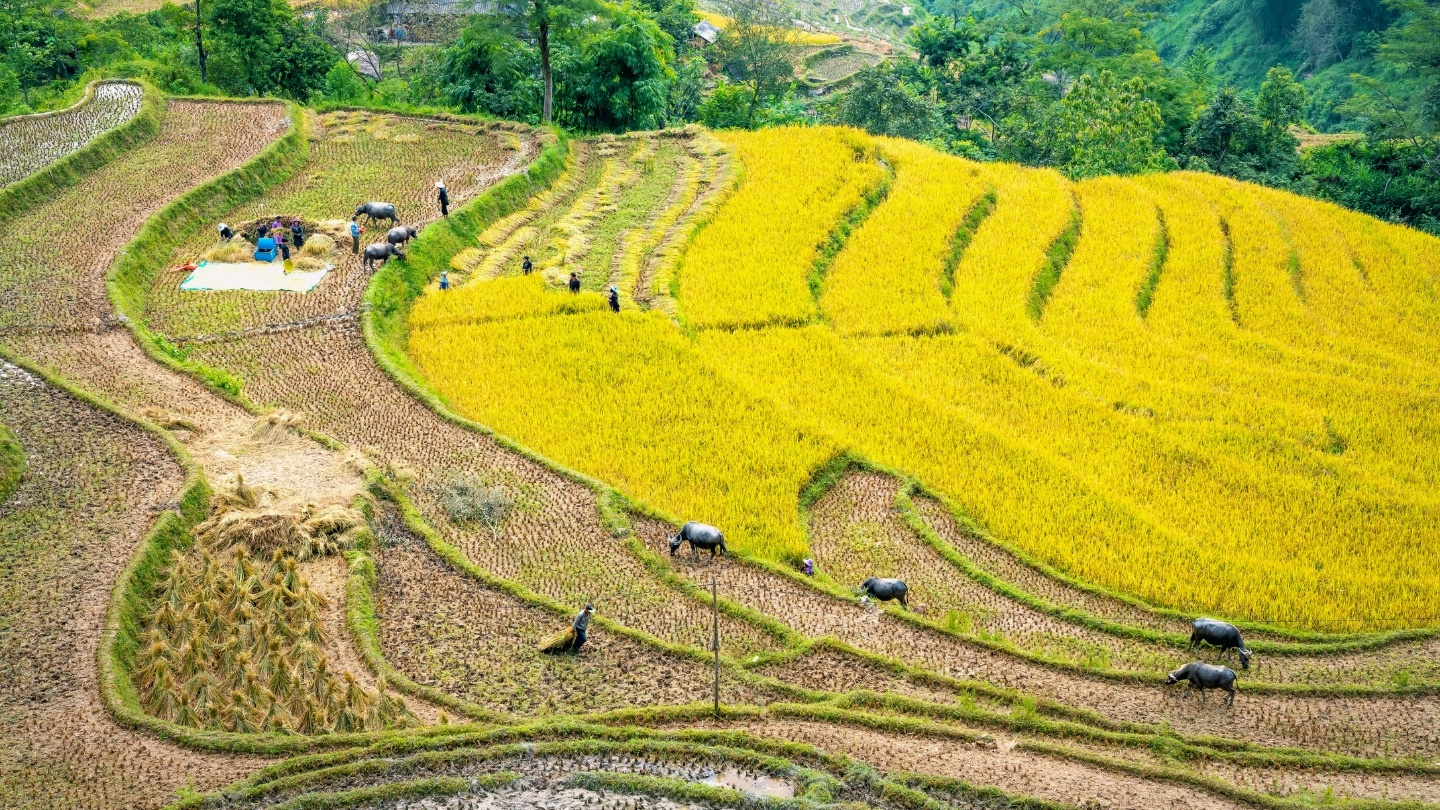
Rice terraces show how farmers adapt cultivation to steep slopes and available water. Sa Pa offers village walks through terraced valleys. Y Tý, Mù Cang Chải and Hoàng Su Phì are also worth visiting for their mountain farming landscapes. A local guide can explain irrigation methods and how farmers maintain these terraces. For a more hands-on experience, look for agricultural tours in Northern Vietnam that offer opportunities to join seasonal farming activities. Planting and harvesting usually need to be arranged in advance with local hosts.
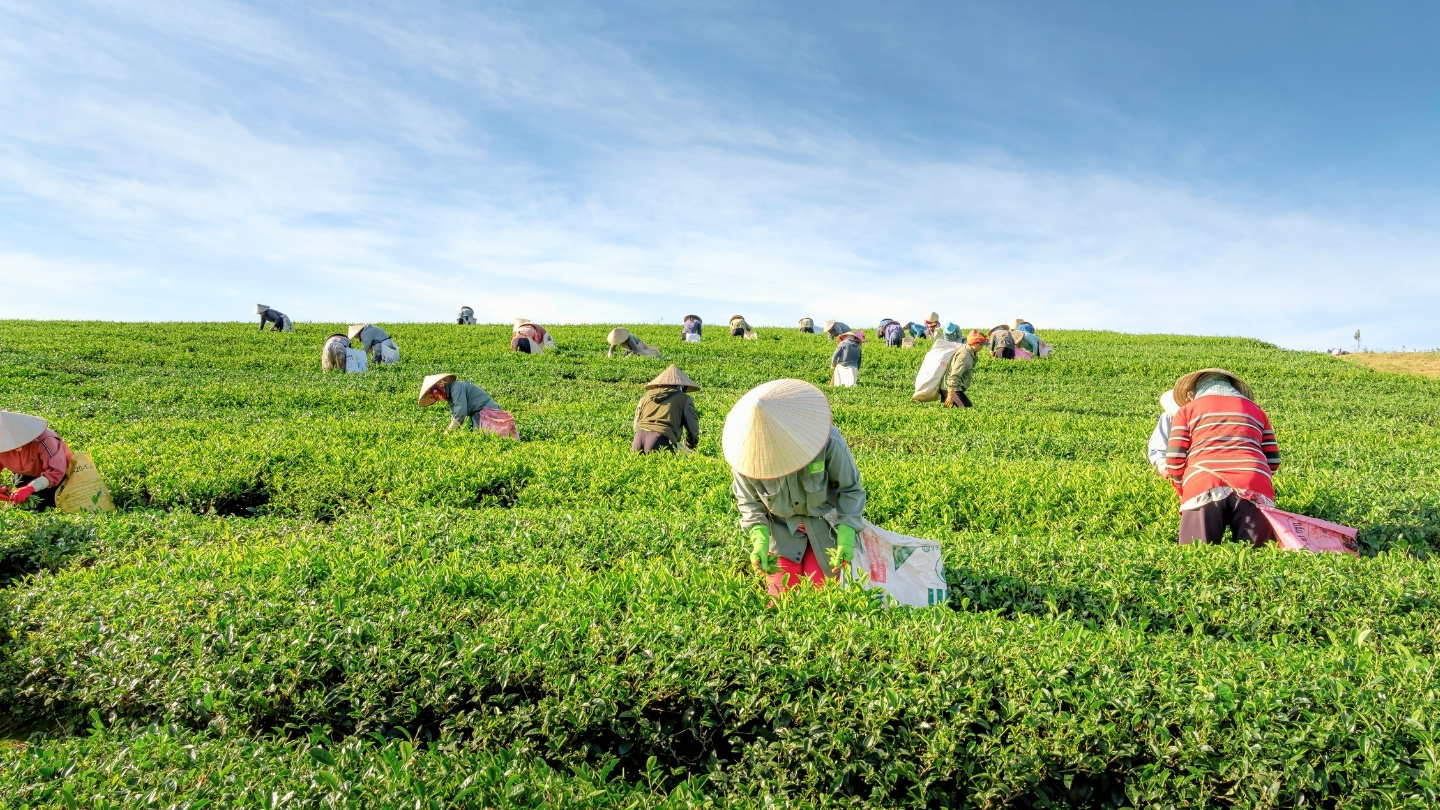
Tea offers a different perspective on agritourism in Northern Vietnam. In Moc Chau, you can explore tea-growing landscapes and look for tours that cover cultivation, processing and tasting. Tan Cuong (Thai Nguyen) is another option for learning about the connection between tea production and local culture. Rather than stopping only for photographs, choose a visit that explains the process from fresh leaves to finished tea. Opportunities to pick leaves or observe processing depend on the producer’s visitor arrangements and production schedule.
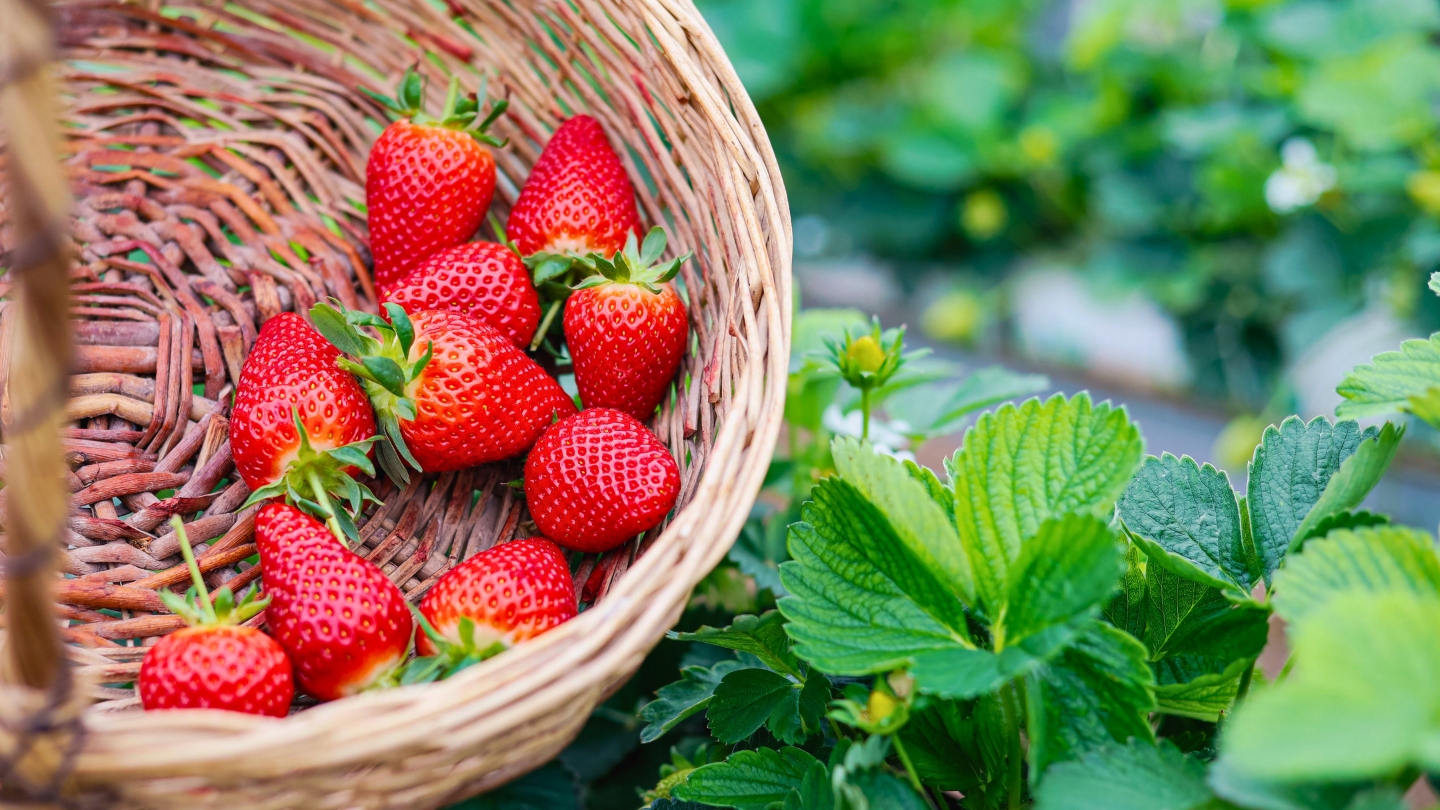
If you enjoy fresh fruit, Moc Chau has plum orchards around Nà Ka and strawberry-growing facilities near Bản Áng. Some welcome visitors for fruit picking when produce is available. When choosing agricultural tours in Northern Vietnam that include an orchard visit, check whether the experience involves picking, tasting or simply exploring the growing area. Blossoms and ripe fruit appear at different times, so confirm what you can see or pick during your visit and whether picked fruit is charged separately.
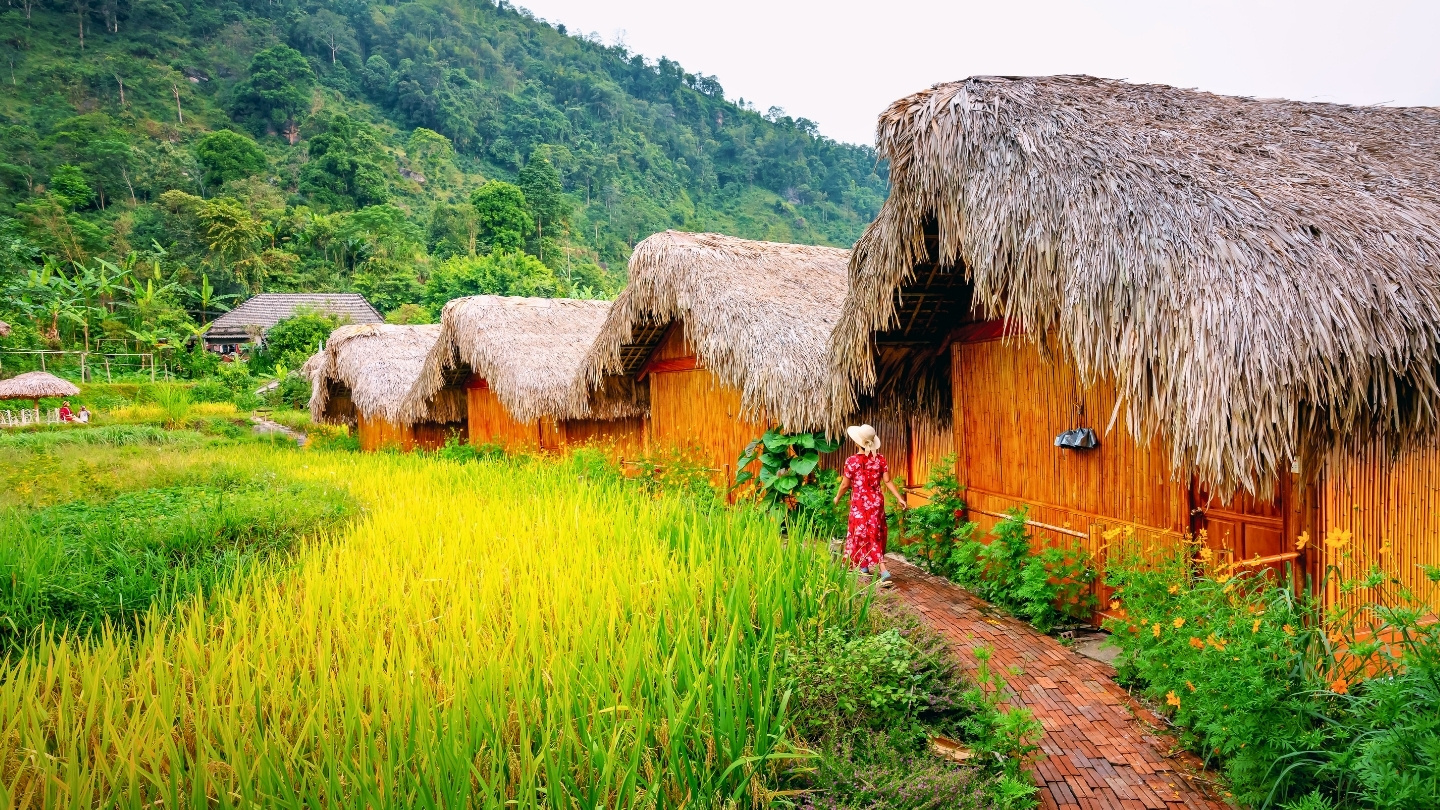
Mai Chau and Hoàng Su Phì offer different ways to combine a rural stay with agricultural experiences. In Mai Chau, Lác and Pom Coọng villages offer homestays, home-cooked meals and valley paths for walking or cycling. For a mountain retreat, Hoàng Su Phì Lodge lists guided walks, seasonal farming activities and opportunities to help prepare local dishes. These experiences can complement other things to do in Northern Vietnam. Before booking, check which activities are available during your stay, how physically demanding they are, and whether they require separate reservations or fees.
If you travel to Vietnam with limited time outside Hanoi, Duong Lam Ancient Village offers an introduction to rural heritage through traditional houses, village lanes and local food. Specialities include chè lam, a sweet made with glutinous rice flour and ginger, and tương, a fermented soybean condiment. The village is also associated with Mía chicken, a local breed used in traditional dishes. These foods connect agricultural ingredients with local culinary traditions, but a cultural visit does not necessarily include farming activities. If you want to try planting or harvesting, confirm arrangements with a local host in advance.
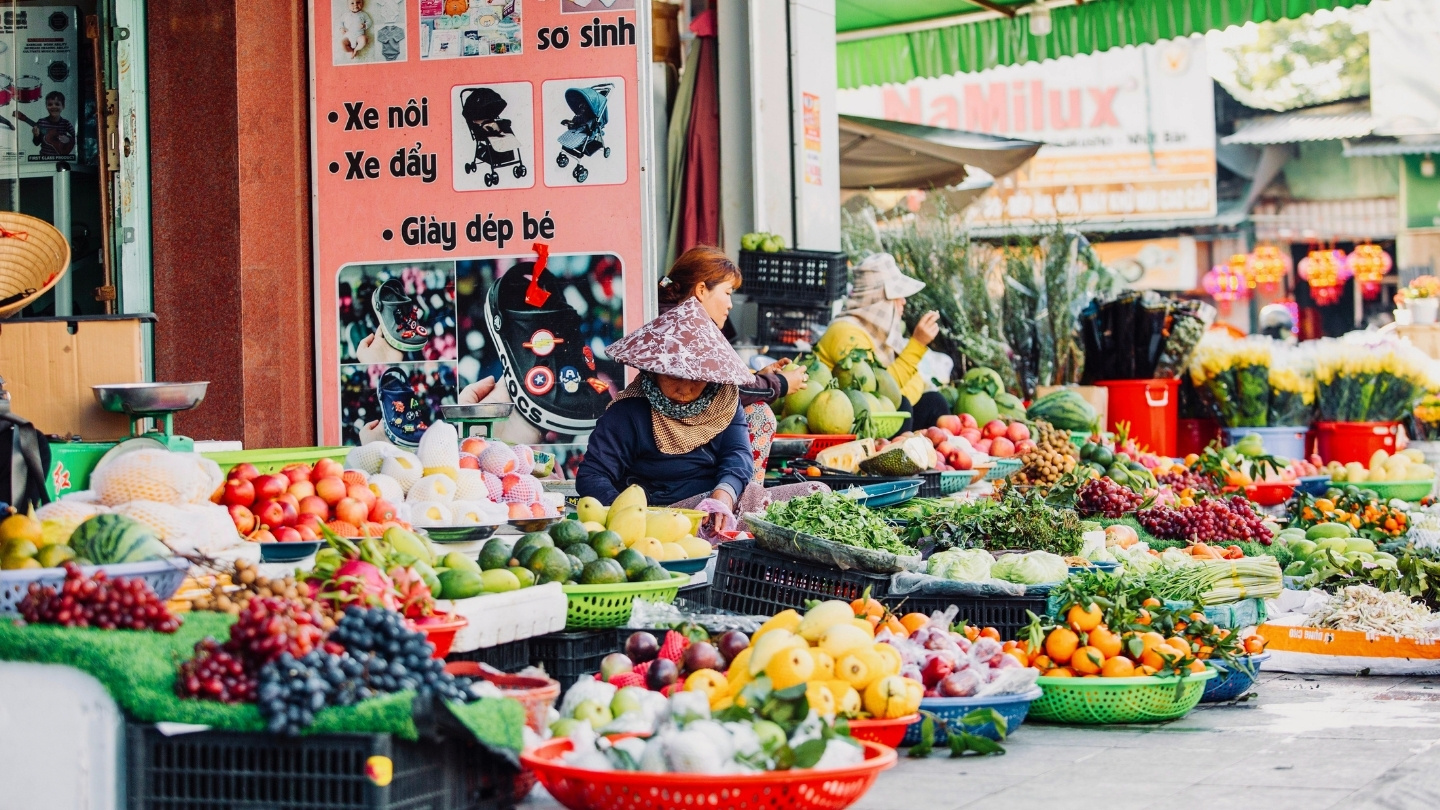
A market visit adds a food-focused dimension to agritourism in Northern Vietnam. Look for seasonal vegetables, fruit, rice and tea, and ask about their origins when possible. Not everything on sale is grown nearby, so a local guide can help you identify regional products. Check operating days before setting out, as some highland markets follow a weekly schedule. If you plan to visit Y Tý’s market, confirm the current schedule and location with your accommodation or a local guide before travelling.
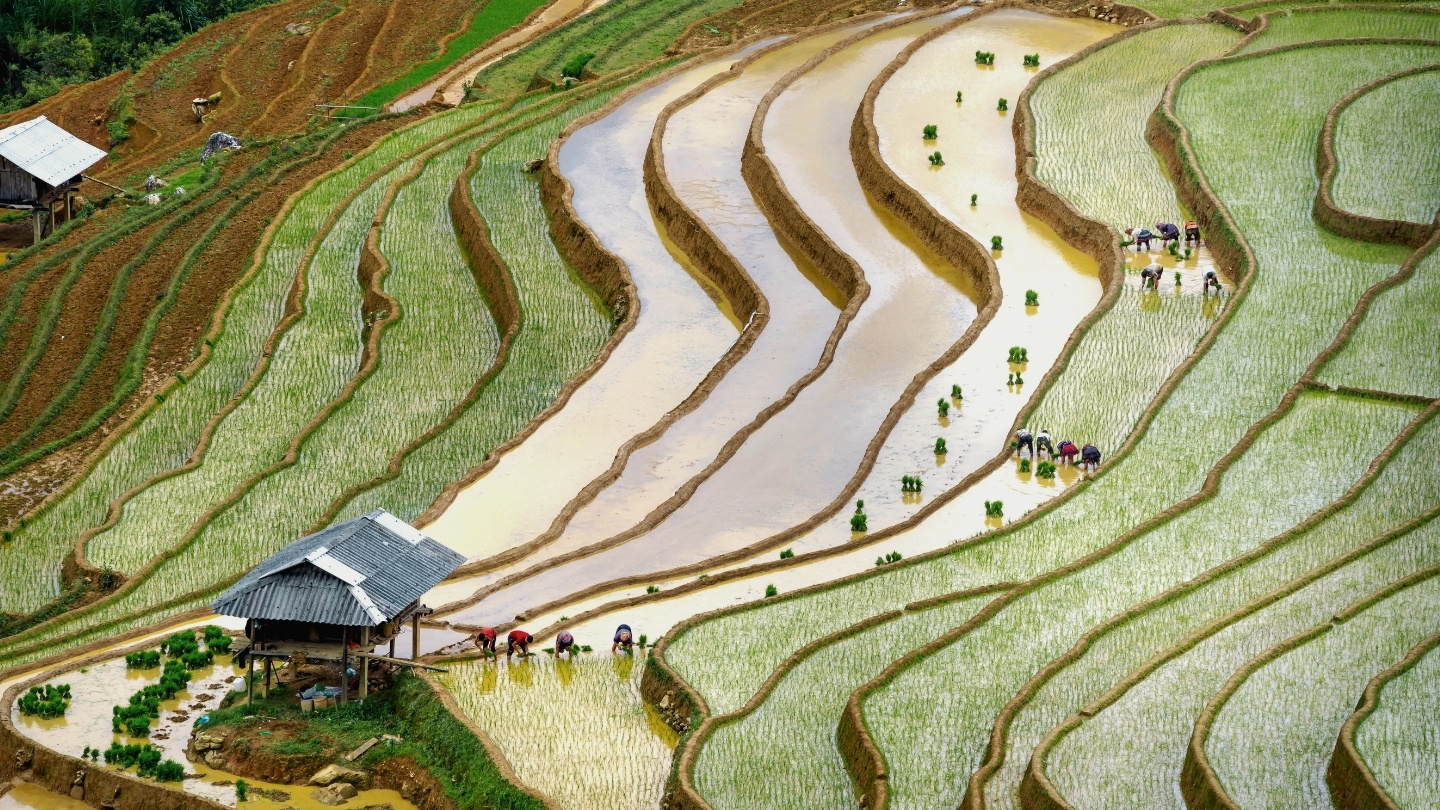
For agricultural tourism in Northern Vietnam, you can see flooded terraces during field preparation, green fields as rice grows, or golden terraces before harvest. Sa Pa’s pre-harvest scenery typically appears from mid-August to early September, while Mù Cang Chải’s golden season generally falls in September and October. Dates vary by village and year, so check local crop conditions before your trip
Plan agritourism in Northern Vietnam around your preferred activity. Moc Chau’s plum blossoms usually appear in January and February, before the fruit harvest. Chimi Farm lists strawberries from late November to May, with the peak season in late January to March. Confirm fruit-picking and tea-processing opportunities directly with your chosen farm, as seasonal availability does not guarantee that visitor activities will be offered.
When you travel to Vietnam for rural experiences, prepare for heat, heavy rain, or cold and fog in the mountains. Check weather forecasts and local road updates before departure, allow extra time for mountain journeys, and have a backup plan in case outdoor activities are disrupted. Seasonal patterns cannot guarantee clear views or access to farms.
Start by deciding what you want from agricultural tourism in Northern Vietnam. Tea lovers can explore plantations in Thai Nguyen or Moc Chau, while Sa Pa and Mù Cang Chải are known for their rice terraces. Mộc Châu also offers seasonal fruit experiences, and farms near Hanoi can suit shorter trips. Before booking agricultural tours in Northern Vietnam, check whether activities are hands-on or observational, along with physical requirements and language support.
Independent travel offers flexibility, but a local guide can help overcome language barriers, explain local customs and arrange farm visits. For agritourism in Northern Vietnam, guided tours can make it easier to communicate with farmers and organize experiences that require advance permission. Compare group size, transport, included activities and cancellation terms before booking. Arrange essential farm visits before you travel to Vietnam.
Plan one main agricultural experience per day, adding nearby village walks or cultural stops if time allows. Mountain roads can make journeys slower than expected, and heavy rain may disrupt access. Check local conditions, allow extra travel time and avoid combining distant destinations in a single day. Farm visits can complement other things to do in Northern Vietnam within a wider two-week Vietnam itinerary.
For agricultural tourism in Northern Vietnam, budget for transport, accommodation, meals, guides and activity fees, plus extra money for unexpected costs. Expenses depend on distance, group size and included services. Ask whether tastings, equipment and produce taken home cost extra, then compare the total cost of independent travel with a guided package. For a broader estimate, consult this guide to the Vietnam travel budget for 15 days. If you are travelling with children, this guide to a two-week family trip to Vietnam on a budget can also help you compare accommodation and transport costs.
For more information :
Agricultural tourism in Northern Vietnam offers a closer look at rural life through terraced rice fields, tea gardens, seasonal farms and traditional villages. Whether you choose a guided farm visit, a village stay or a taste of local produce, each experience can help you understand how farming shapes the region’s landscapes and traditions. To make the most of agritourism in Northern Vietnam, choose activities that match your interests, check seasonal availability and respect local customs. As you explore other things to do in Northern Vietnam, leave time for these countryside experiences instead of rushing between destinations. For help choosing rural destinations and planning your trip, Autour Asia can help you build a Vietnam itinerary that suits your interests and travel style.
You might be interested in :
- Planning a trip for agricultural tourism in Northern Vietnam ? Autour Asia, your trusted Vietnam travel agency, can help you explore rural landscapes and plan memorable agricultural experiences in Northern Vietnam.


Yes, agricultural tourism in Northern Vietnam can be a great experience for families. Children can explore rice fields, visit fruit farms, learn about tea production and discover how local people live and work in the countryside. Some farms also offer seasonal activities, such as fruit picking, depending on availability. For a comfortable trip, choose activities suitable for your children's ages and physical abilities. Bring comfortable shoes, sunscreen, insect repellent and water. It is also best to check the weather, travel time and available facilities before visiting. With a little planning, the experience can be both enjoyable and educational for the whole family.
An agricultural tour in Vietnam offers hands-on experiences such as planting rice, picking herbs, watering vegetables, feeding animals, and visiting dairy farms and fruit orchards. A 2-week agricultural and cultural itinerary also allows you to explore traditional farming methods in Mai Chau and Pu Luong, discover vegetable gardens in Tra Que village, and learn local crafts in Hue and Hoi An. In the Mekong Delta, you can visit coconut candy workshops, pick tropical fruits, explore floating markets, and learn how to make rice paper. These activities provide an authentic insight into Vietnamese agriculture, rural traditions, local cuisine, and everyday life.
Spending 2 weeks in Vietnam allows you to explore the country’s top attractions and experience its diverse culture. Start in Hanoi to discover historical landmarks and enjoy local street food, then cruise through the breathtaking landscapes of Ha Long Bay. Continue to Sapa to explore ethnic villages and mountain scenery, before visiting Hue’s imperial sites and Hoi An’s charming ancient town. Finally, head to the Mekong Delta to discover local traditions, peaceful waterways, and rural life with an overnight stay in a community-owned lodge. This itinerary combines cultural discoveries, natural beauty, and authentic local experiences.







 FR
 ITA
