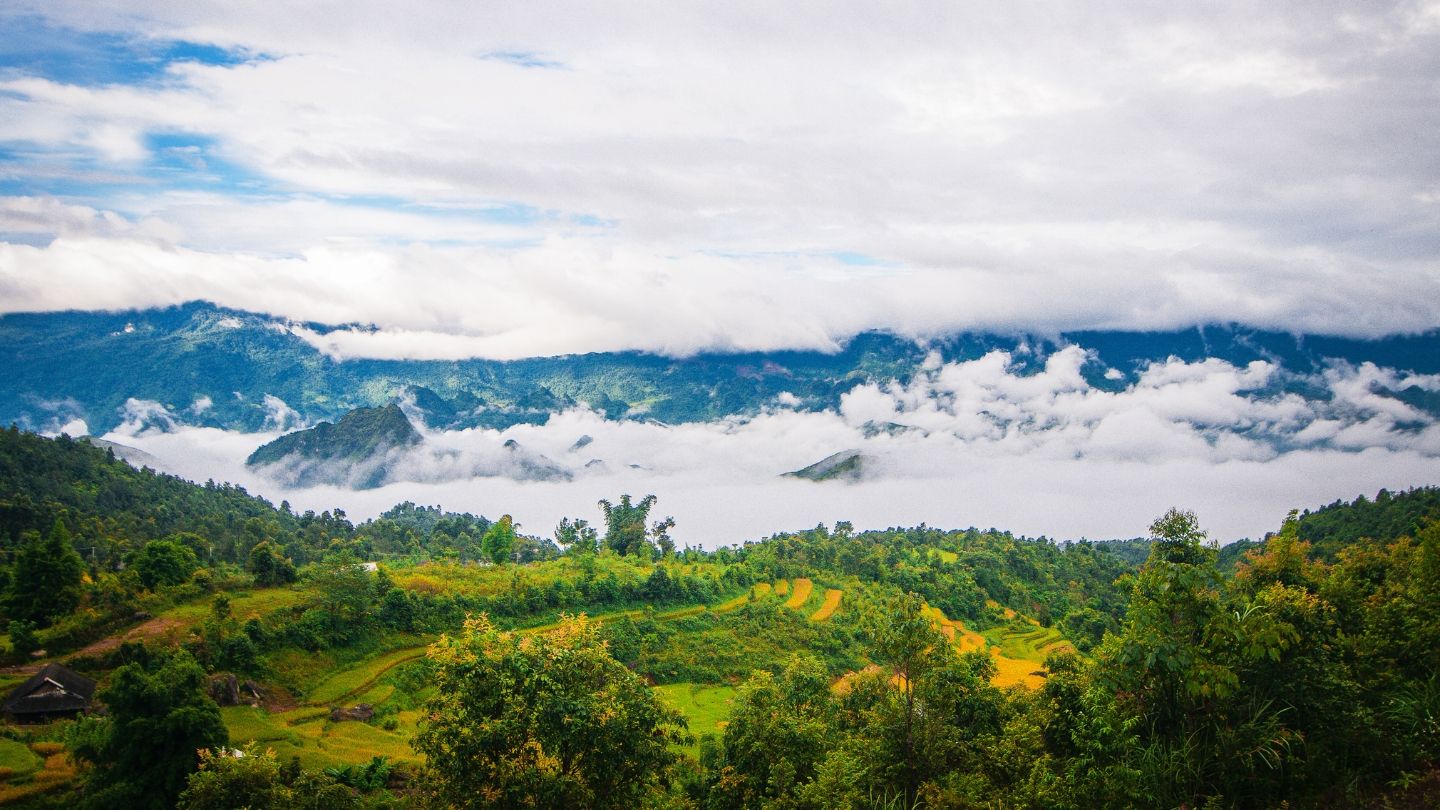
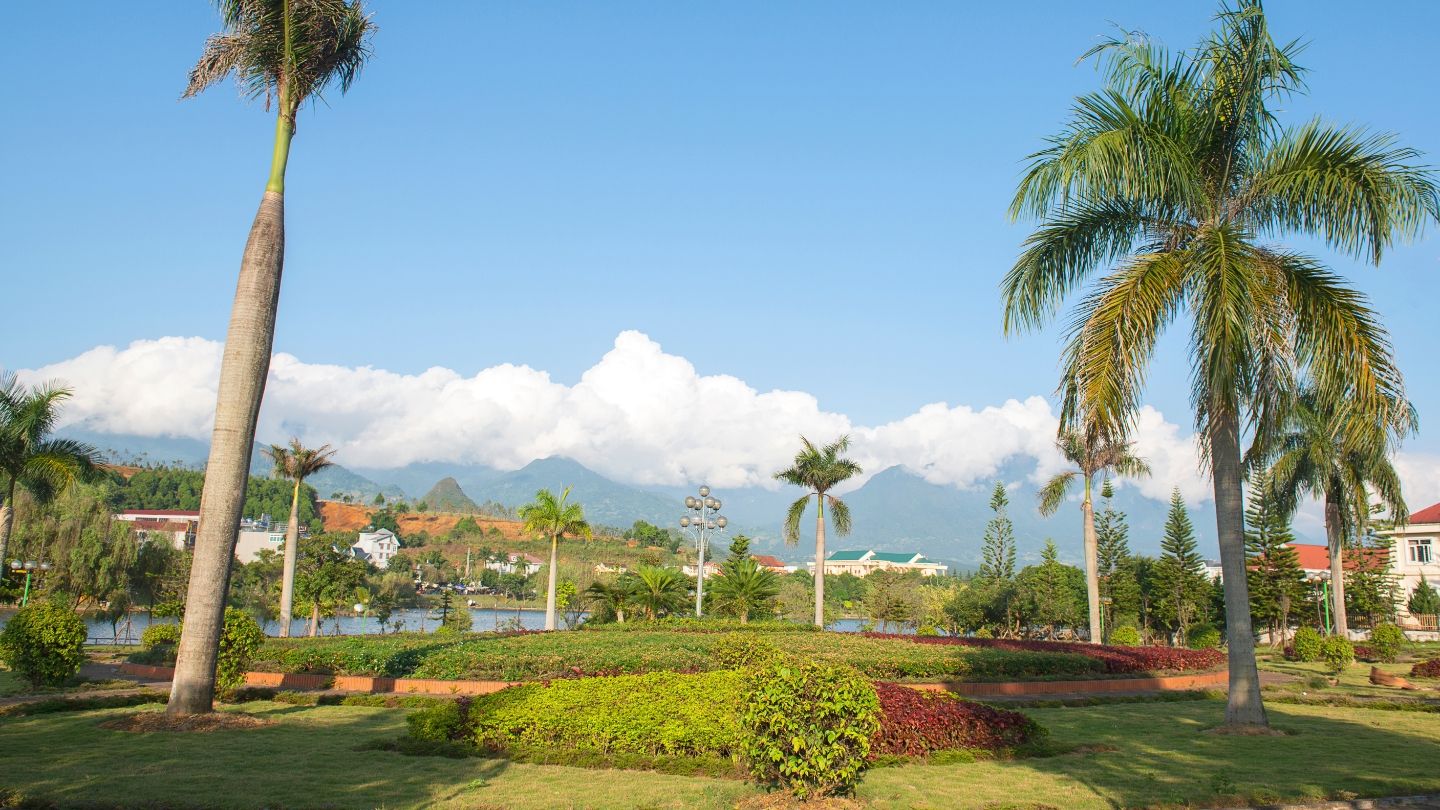
During my trip to northern Vietnam, I wanted to explore a destination less crowded than Sapa while enjoying beautiful mountain scenery and meeting local people. I eventually chose Lai Chau, a northwestern province known for its valleys, ethnic villages and winding mountain roads. I spent two days exploring this region. Although my stay was relatively short, it gave me a first glimpse of its natural and cultural heritage. Here is my travel experience and some practical advice on how to plan 2 days in Lai Chau, either independently or with the help of a local travel agency in Hanoi.
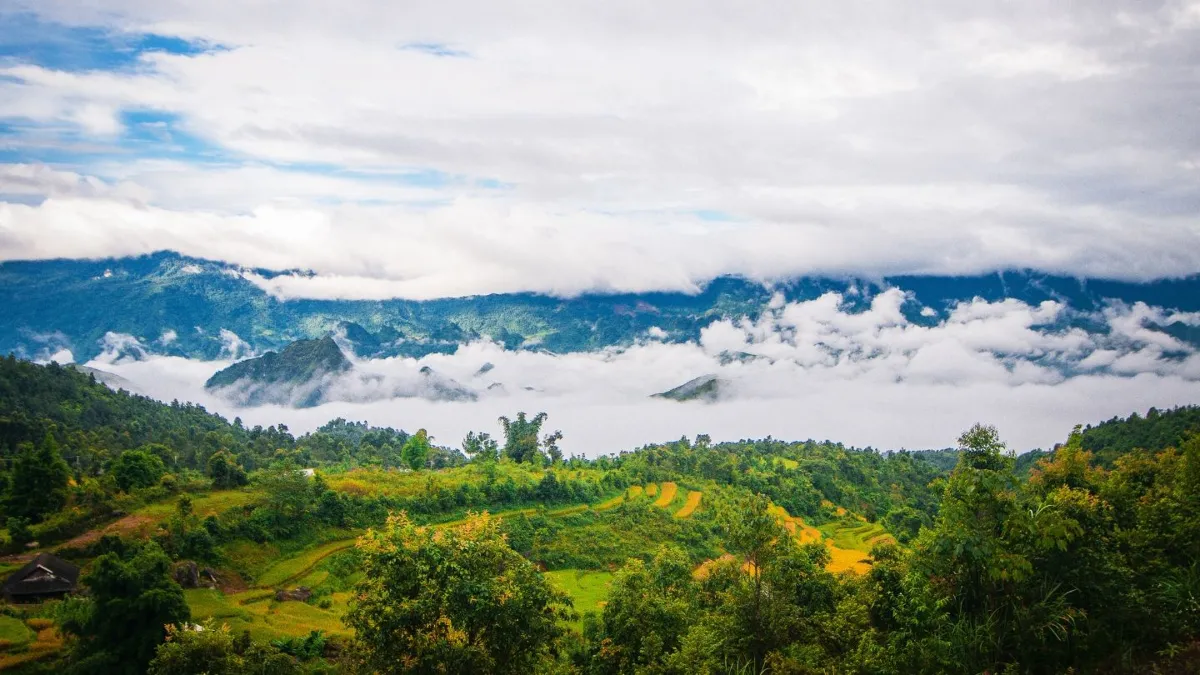
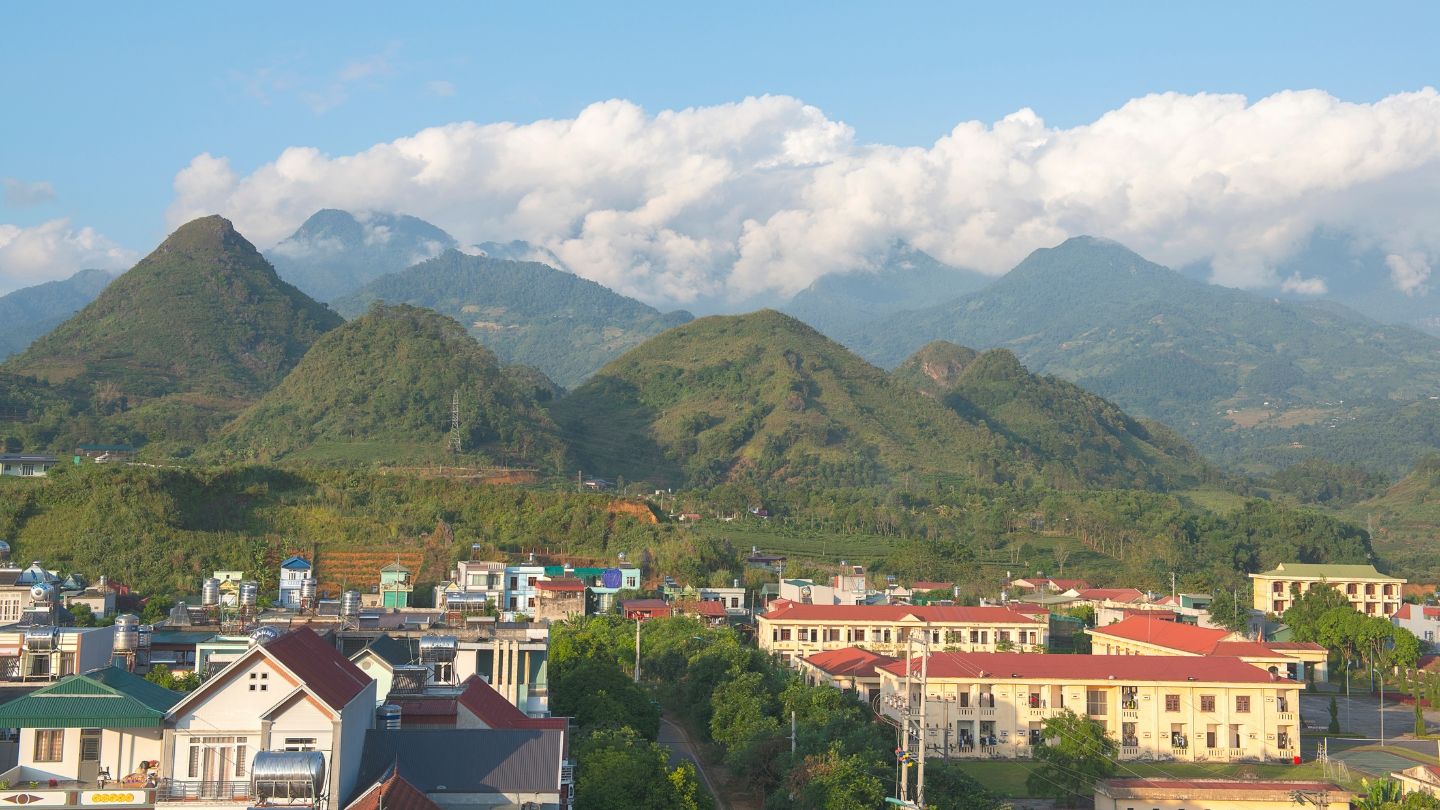
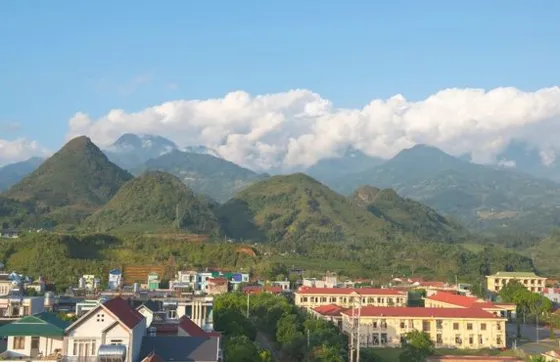
To begin my 2 days in Lai Chau, I decided to take my time exploring the city centre before heading out to discover the surrounding area. Surrounded by mountains, Lai Chau city made a pleasant first impression with its wide avenues, small shops and local markets. I stopped at the central market to browse stalls selling fresh agricultural produce, regional specialities and handmade crafts. It was a great opportunity to observe local daily life and sample a few traditional dishes from northwestern Vietnam.
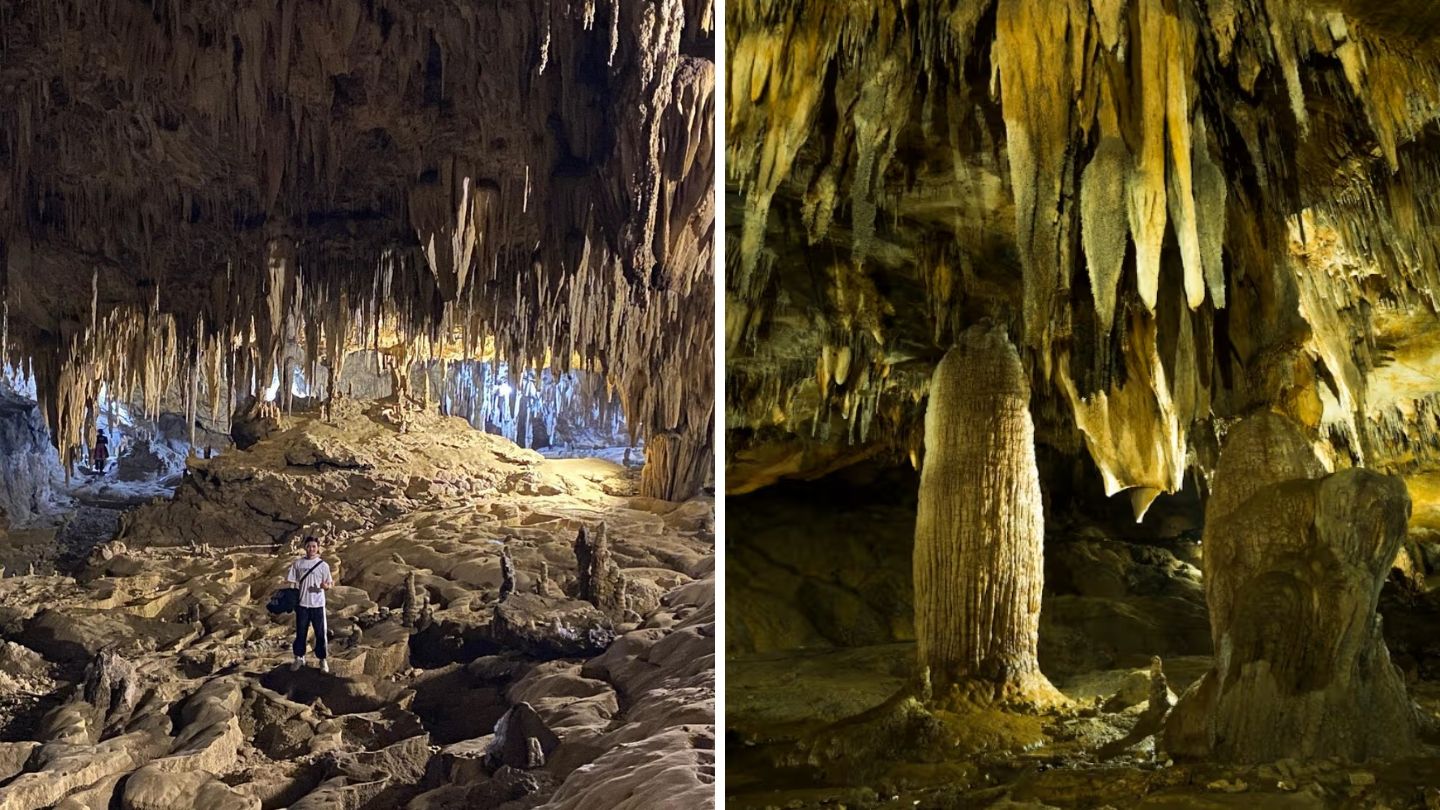
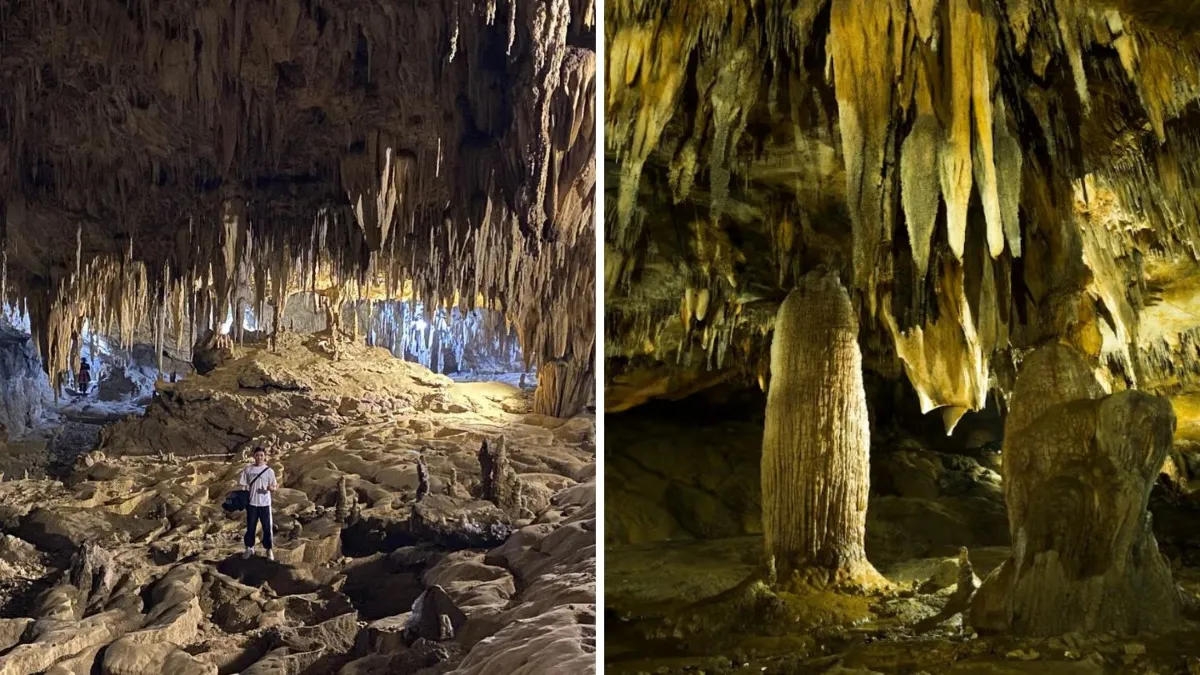
In the afternoon, I headed to the Pu Sam Cap Caves, located approximately 6 km from the city centre. This natural complex features several caves formed within a limestone mountain range. I particularly enjoyed exploring Thien Mon and Thien Duong Caves, where stalactites and unusual rock formations created fascinating shapes. Unlike longer mountain excursions, this visit did not require spending an entire day travelling. After exploring the caves, I returned to the city for dinner at a local restaurant and some rest before the following day's adventure.
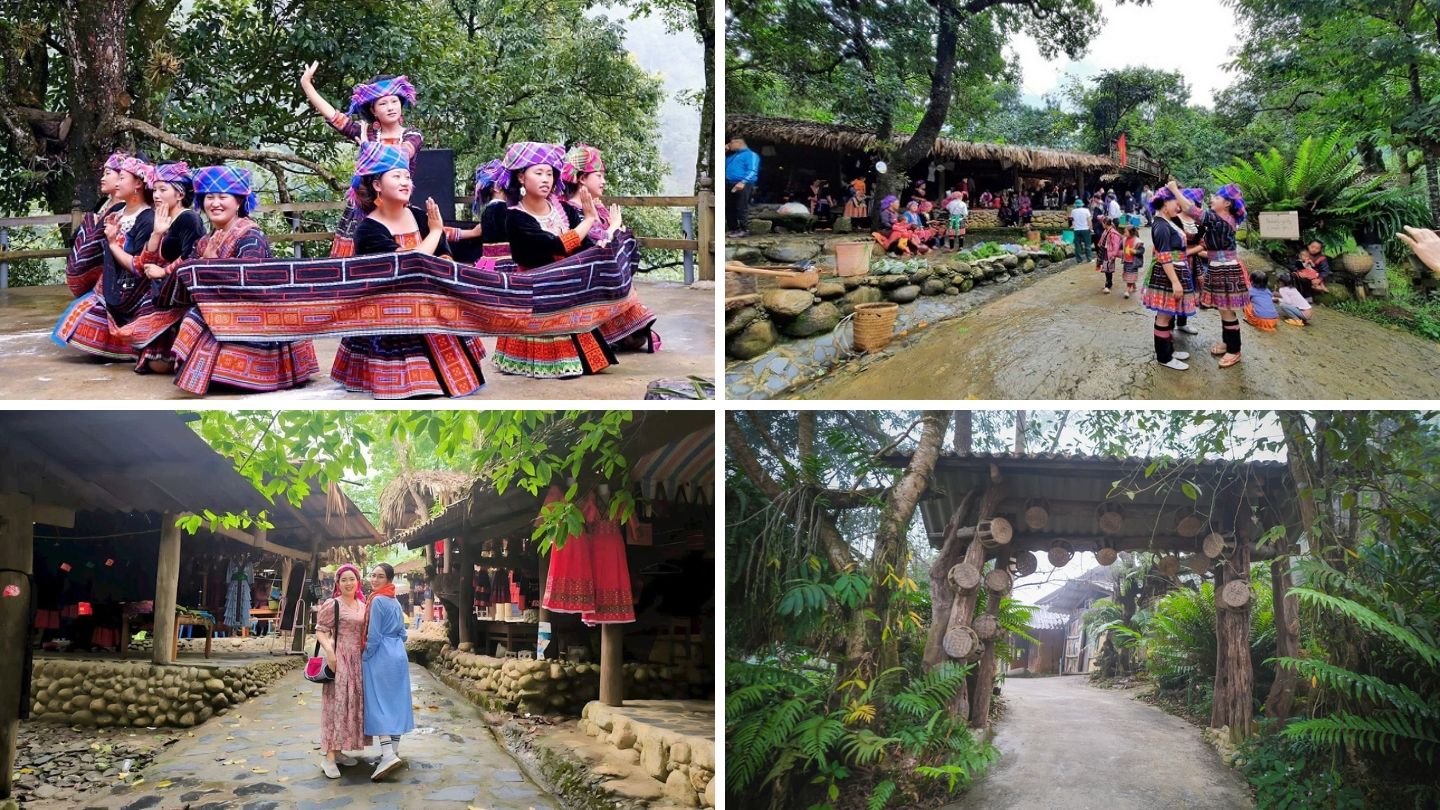
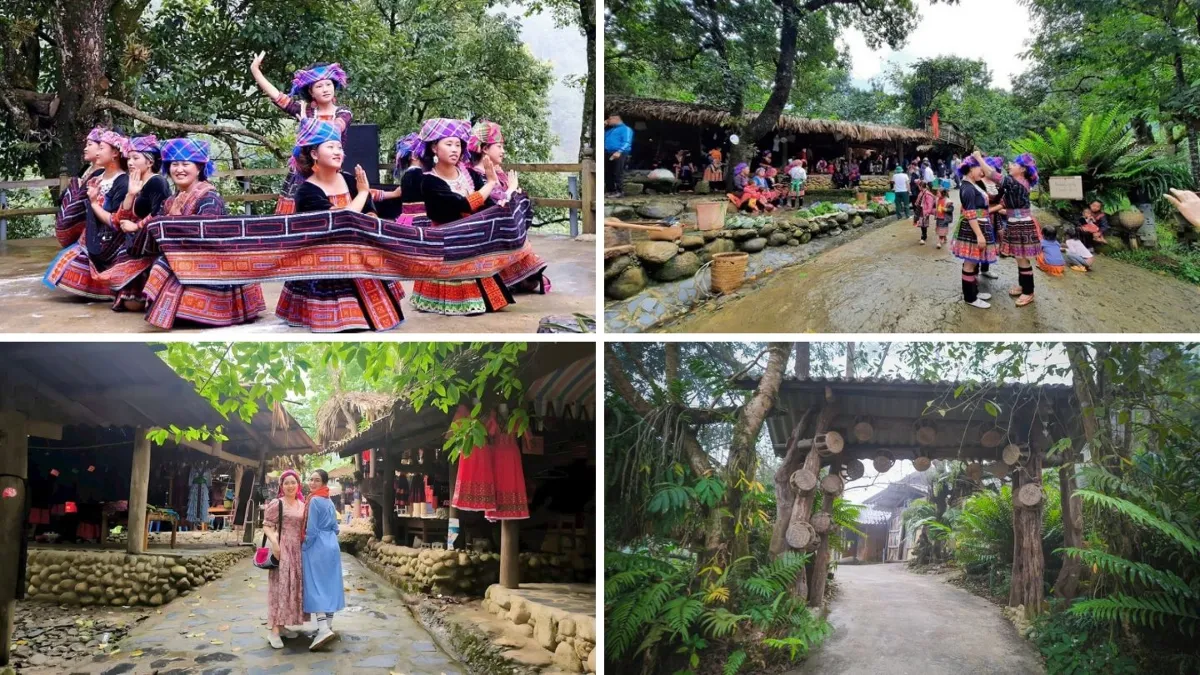
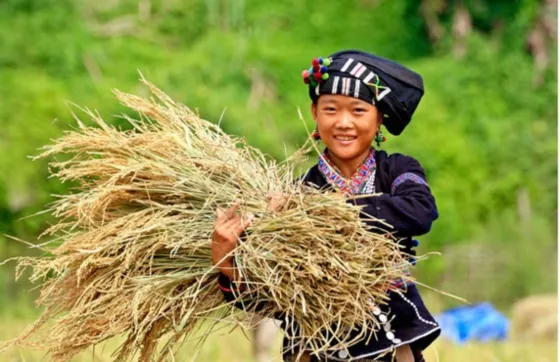
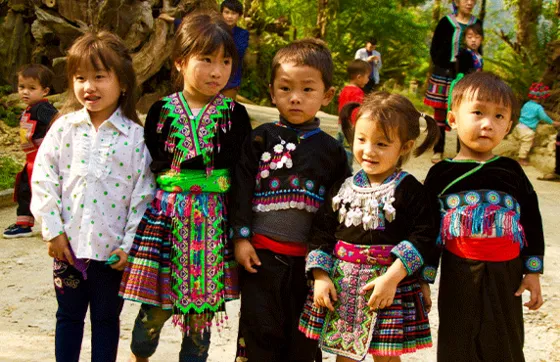
The following day, I dedicated my time to Sin Suoi Ho, a Hmong village located approximately 30 km from Lai Chau city centre, at an altitude of nearly 1,500 metres. This stop was one of the highlights of my 2 days in Lai Chau. The road leading to the village passed through beautiful mountain scenery and terraced farmland. As soon as I arrived, I was charmed by the peaceful atmosphere, traditional houses, paved paths and flower-filled gardens. Sin Suoi Ho was also known for its many orchids, which local residents carefully cultivated.
I took my time wandering through the narrow lanes, browsing small craft shops and observing the daily activities of local families. I then had lunch at a local eatery, where I sampled several dishes prepared according to Hmong culinary traditions. Rather than rushing from one attraction to another, I preferred to make the most of this stop by chatting with residents and enjoying the natural surroundings. Before heading back to Lai Chau, I made a few stops along the way to admire the mountains and photograph the surrounding scenery. This day gave me a deeper insight into the province's rural life and cultural heritage.
After my trip, I put together a few practical tips to help make the most of 2 days in Lai Chau without turning this getaway into a race against the clock:
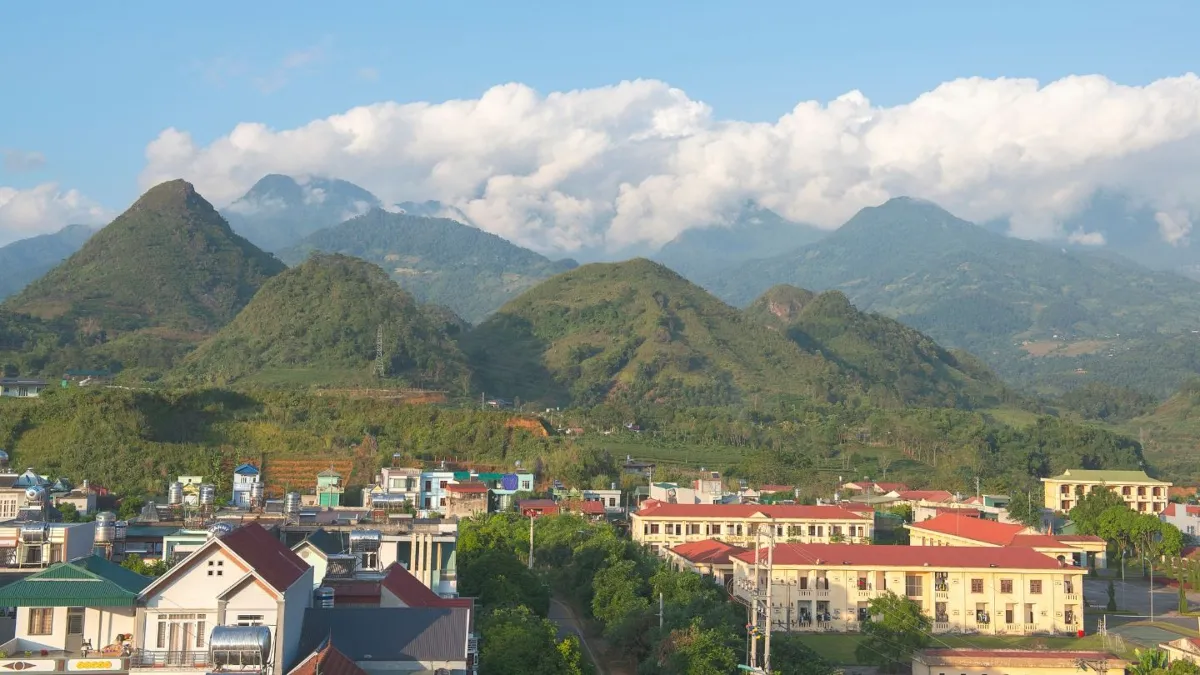
After this getaway, I particularly appreciated the peaceful atmosphere of Lai Chau, far from the tourist crowds of Sapa. Exploring the Pu Sam Cap Caves impressed me with their limestone formations, while my day in Sin Suoi Ho allowed me to discover Hmong culture and everyday life in a mountain village. I also enjoyed the variety of landscapes I encountered in just two days.
However, I was left wanting more. Two days were enough to visit a few of the province's main attractions, but not to explore the entire region, including the Sin Ho Plateau and more remote villages. In my opinion, 2 days in Lai Chau offer a wonderful introduction to the area, but spending three to four days allows you to discover more at a relaxed pace.
I would therefore recommend 2 days in Lai Chau to travellers looking to venture beyond the usual tourist routes and explore a relatively undiscovered region. To make the most of your journey, plan efficient transfers, choose the right stops and make communication with local residents easier, booking through a local travel agency in Hanoi specialising in local tours can also be a good option.
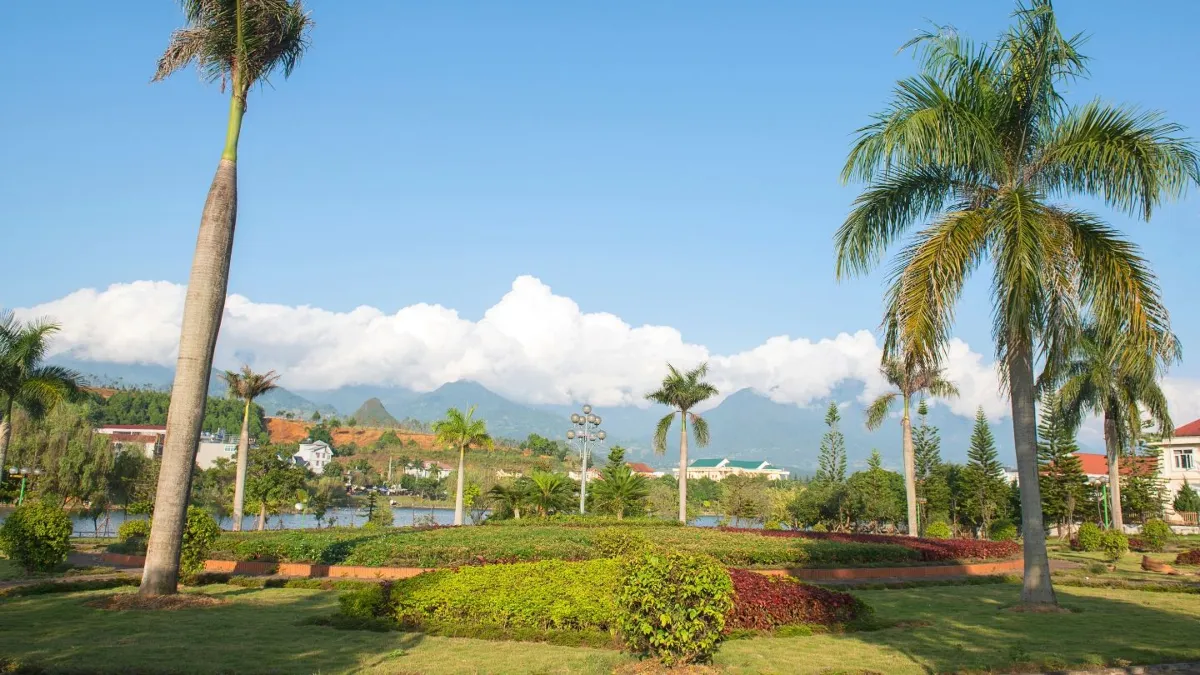
In conclusion, my stay in Lai Chau left me with wonderful memories. Between the mountain panoramas, traditional villages and discovery of Sin Suoi Ho, these two days gave me an interesting glimpse into northwestern Vietnam. Although I did not have enough time to explore the entire province, this first getaway made me want to return and discover more local communities and landscapes. If you are looking for a destination different from Sapa, 2 days in Lai Chau are definitely worth including in your itinerary. Finally, a local travel agency in Hanoi can help tailor your journey to your own pace and interests.
Read more:


During a 3 days trip to Lai Chau, several spots offer remarkable views of the mountains in northwestern Vietnam. O Quy Ho Pass is among the most impressive, with its winding roads overlooking the Hoang Lien Son mountain range and peaks often shrouded in clouds. For views of valleys and terraced rice fields, the area around Sin Suoi Ho village also offers beautiful vantage points, particularly along the paths overlooking the houses. Finally, the Sin Ho Plateau appeals to visitors with its high-altitude scenery, green hills and deep valleys.
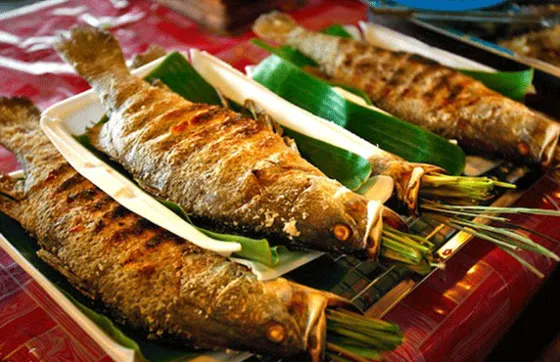
During a trip to northwestern Vietnam, discovering the specialties of Lai Chau is a great way to gain a deeper appreciation of the culinary traditions of the region's mountain communities. Among the must-try dishes, thịt trâu gác bếp (smoked buffalo or beef) stands out for its strong flavour and spicy notes. Pa pỉnh tộp, a grilled fish stuffed with aromatic herbs and mắc khén (a local variety of Sichuan pepper), is also worth tasting. Travellers can also try colourful sticky rice (xôi ngũ sắc), cooked bamboo shoots and sticky rice steamed in bamboo tubes (cơm lam). These dishes reflect the culinary diversity of Lai Chau's ethnic communities.
The choice between Lai Chau and Sapa depends on the type of experience sought. Trekking in Sapa 5 days offers an opportunity to discover famous terraced rice fields, pass through ethnic villages such as Lao Chai and Ta Van, and enjoy numerous hiking trails. Sapa also has better-developed tourist infrastructure, making it easier to organise a trip. By contrast, Lai Chau appeals to travellers with its less crowded mountain scenery, traditional villages such as Sin Suoi Ho and a more peaceful atmosphere. For a first trekking experience in northern Vietnam, Sapa is a convenient choice, while Lai Chau is better suited to those seeking tranquillity.




 FR
 ITA
