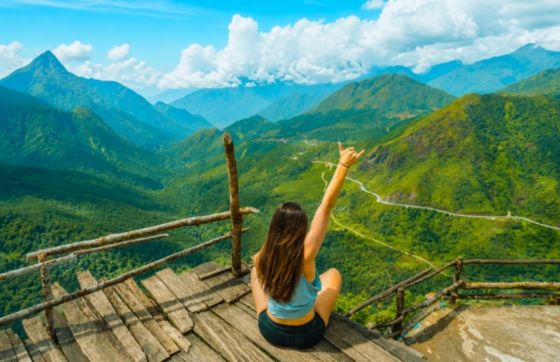
From the lush mountains of the North and terraced rice fields to traditional villages and peaceful beaches, Vietnam has plenty to offer nature lovers. A 14-day budget nature trip to Vietnam is a great opportunity to discover this diversity, meet local people and escape the busiest tourist destinations at a relaxed pace. During my trip, I particularly enjoyed the changing landscapes and simple moments away from the usual daily routine. But how can you make the most of two weeks without spending too much, while avoiding unpleasant surprises related to transport, weather or accommodation? Here are my tips to help you plan your trip and enjoy the experience to the fullest.
Personally, I would say yes, especially when i was looking for a trip that helps me truly disconnect from everyday life. And I mean really disconnect! During my trip to northern Vietnam, the internet was sometimes difficult to access, particularly in remote villages. As a result, I barely used my phone throughout those 14 days. Instead, I spent more time admiring the scenery, walking through rice fields and sharing moments with local people.
That was also what I loved most about this 14-day budget nature trip to Vietnam: having time to enjoy the present moment, away from notifications and the usual fast-paced routine.
Another advantage is that the trip can remain affordable if you choose guesthouses or homestays, eat at small local restaurants and focus on free or low-cost activities. However, this type of journey requires some flexibility. Travel times in mountainous areas can be long, winding roads can make journeys tiring, and accommodation standards vary from one place to another.
Read also: 2-week nature Vietnam itinerary
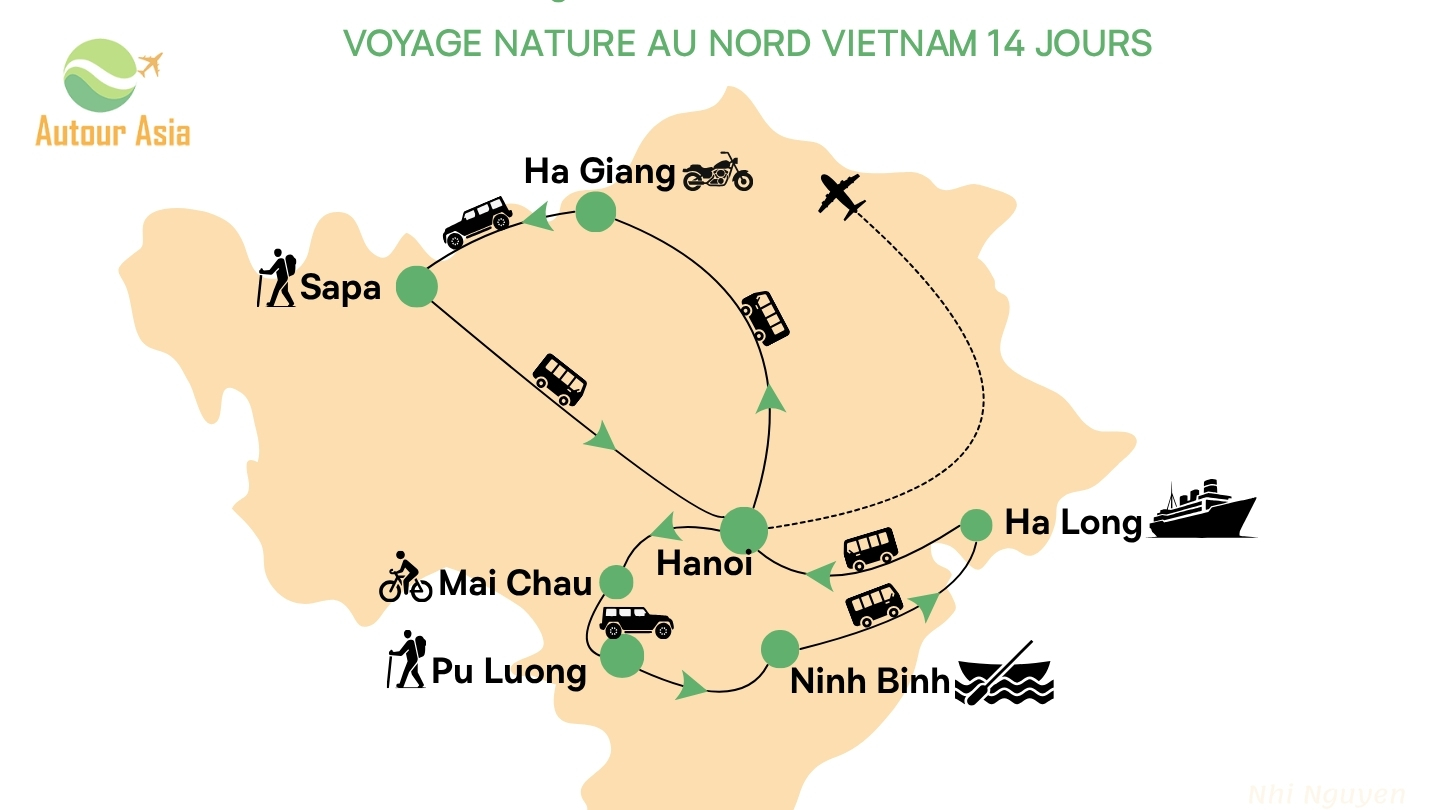
For a two-week trip, I recommend focusing on northern Vietnam. This region combines mountains, rice terraces, traditional villages and spectacular karst landscapes. It also helps you reduce the number of domestic flights, which can be expensive.
Here is a suggested 14-day Vietnam itinerary for travellers who want to enjoy nature while keeping their budget under control.
| Days | Destination | Main activities |
|---|---|---|
| Days 1-2 | Hanoi | Explore the capital, visit local markets and walk around Hoan Kiem Lake |
| Days 3-5 | Ha Giang | Drive along mountain roads, admire karst landscapes and visit local villages |
| Days 6-7 | Sapa and return to Hanoi | Hike through valleys and discover terraced rice fields |
| Days 8-9 | Hanoi - Mai Chau | Walk or cycle through villages and rice fields |
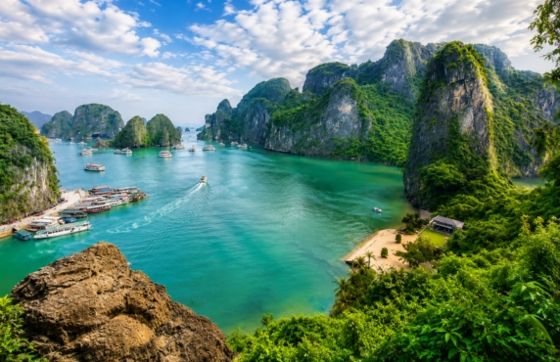
| Days 10-11 | Ninh Binh | Take a boat trip, cycle through the countryside and admire limestone landscapes |
| Days 12-13 | Lan Ha Bay | Cruise among the islands and enjoy outdoor activities |
| Day 14 | Return to Hanoi and departure | Enjoy some final sightseeing before leaving |
This itinerary is only a suggestion. You should allow enough time for transfers, especially between Ha Giang, Sapa and Mai Chau. Journeys can take several hours and may require connections. To avoid unnecessary fatigue, it is better to leave some extra time in your schedule rather than squeeze in too many destinations.
If you are travelling on a particularly tight budget, you can also remove one destination. I would recommend exploring three or four well-chosen regions rather than rushing through an overloaded itinerary. Slower travel allows you to enjoy the scenery more fully while reducing transport costs.
The total cost mainly depends on your preferred level of comfort, transport arrangements and chosen activities. For an affordable trip to Vietnam, locally run accommodation and simple meals are good ways to keep spending under control.
The following table provides an approximate budget per person for a 14-day trip to Vietnam, excluding international flights.
| Expense | Estimated Budget |
|---|---|
| Basic accommodation | €10-25 per night |
| Local meals | €5-12 per day |
| Domestic transport | €80-180 in total |
| Activities and sightseeing | €50-150 in total |
| Estimated daily budget | €25-55 |
| Total budget for 14 days | Approximately €400-850 |
These figures are estimates, not guaranteed prices. Actual costs may vary depending on the season, accommodation availability and included services. An overnight boat cruise or a private car rental can increase your overall budget considerably.
To save money, I recommend eating at small restaurants popular with local residents, booking bus tickets in advance when necessary and choosing activities that suit your interests. Walking around villages, cycling through the countryside and going on certain hikes are all enjoyable ways to explore without spending much.
However, it is important to keep some money aside for unexpected expenses. An additional transfer, an overnight stay near a railway station or a day of bad weather can all affect your original budget.
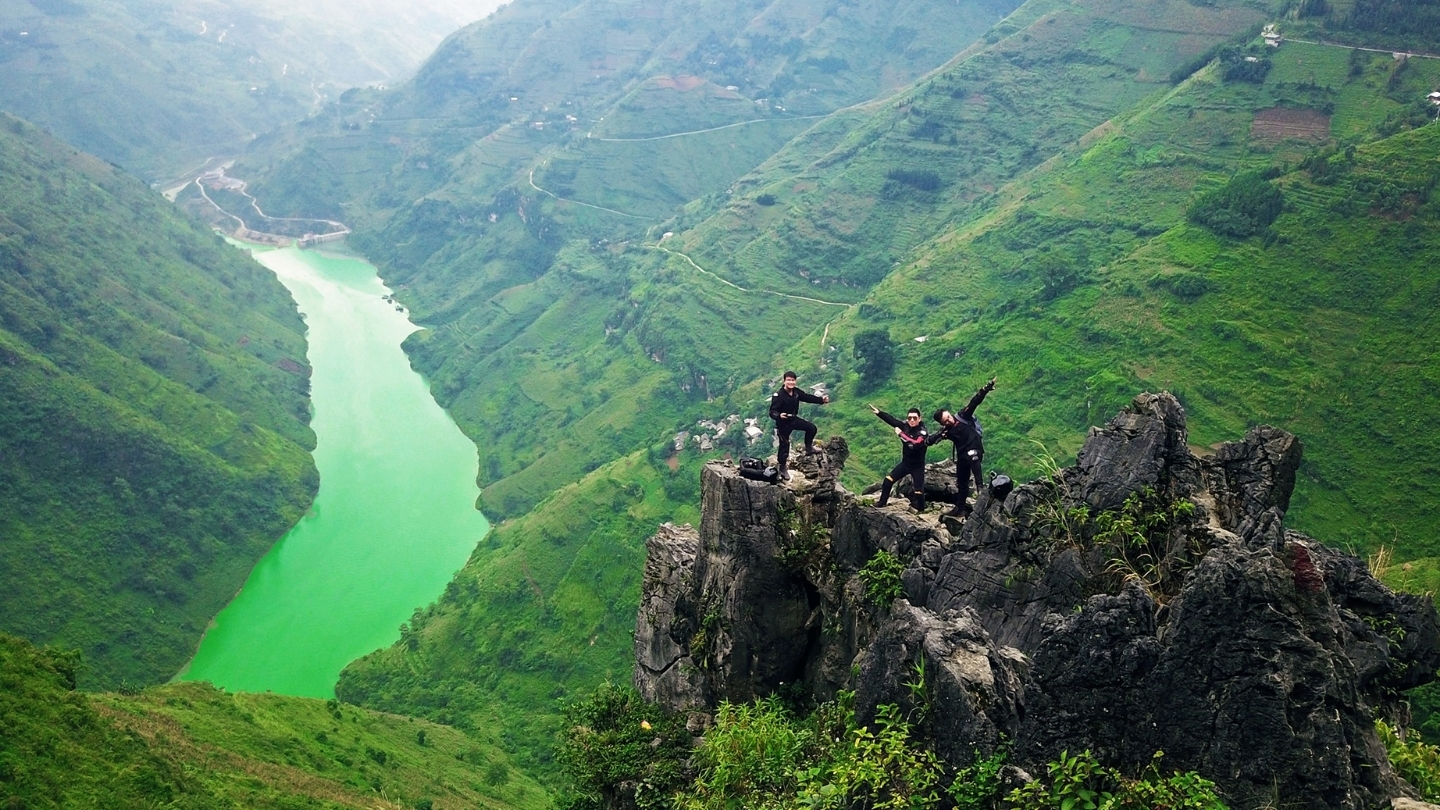
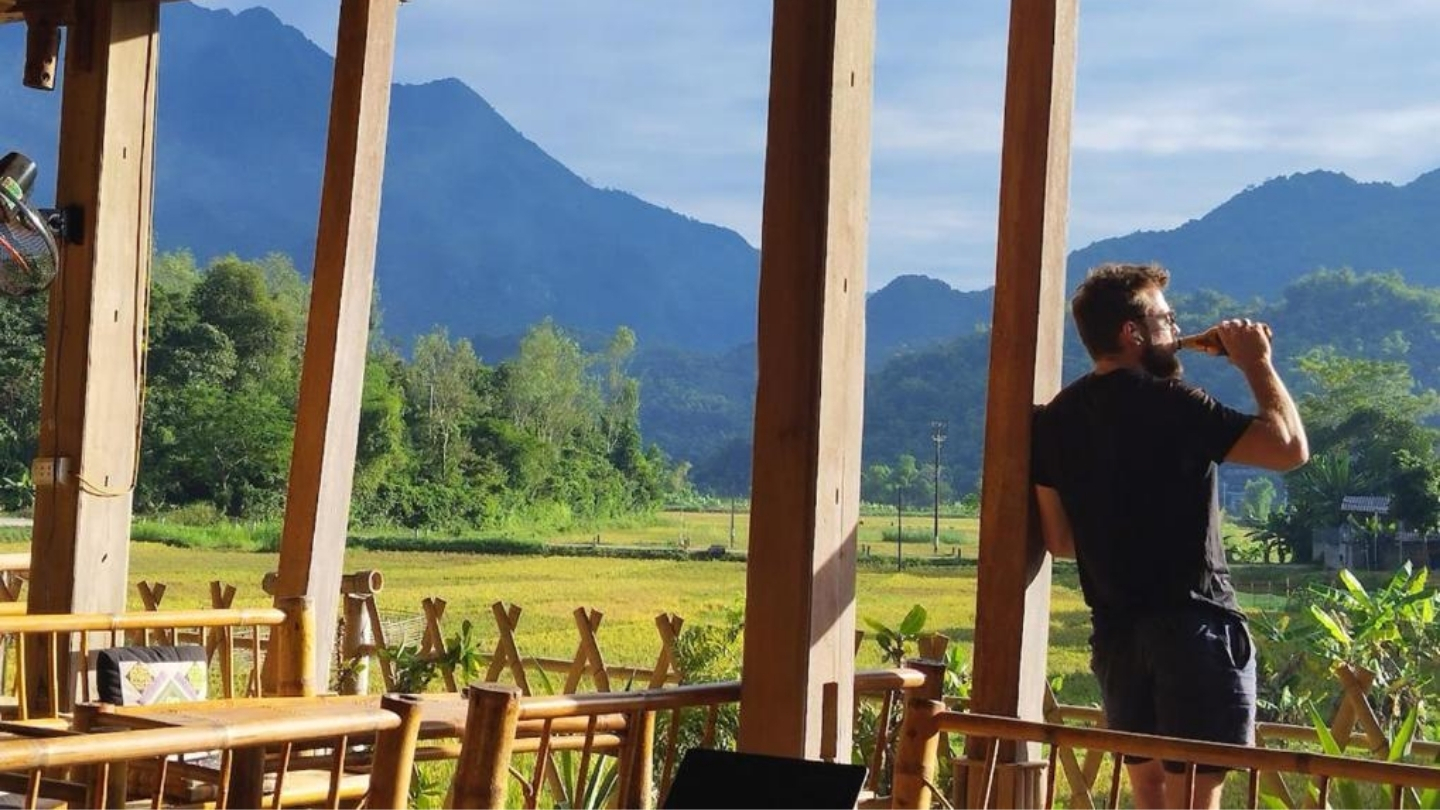
In the mountainous regions of northern Vietnam, hotels can be limited, so I often stayed with local families. I also chose homestays because they allowed me to get closer to local communities, discover everyday life and enjoy a more authentic travel experience. Beyond these meaningful encounters, homestays are generally more affordable than hotels, making them an excellent choice for a 14-day budget nature trip to Vietnam.
For longer distances, I mainly travelled by bus, particularly on routes such as Hanoi-Ha Giang, Sapa-Hanoi, Hanoi-Ha Long and Ninh Binh-Ha Long. Depending on the route, each journey took between three and six hours. Buses are an economical option, with fares of around €20 per journey, although prices vary according to the route and operator.
The main drawback is fatigue, especially after spending several hours on the road.
For shorter distances, such as between Mai Chau and Pu Luong or between Ha Giang and Sapa, I opted for shared transfers with other travellers, booked through a travel agency.
One practical tip from my experience: eat enough before setting off, ideally about an hour beforehand, but avoid having a meal that is too heavy. If you are prone to motion sickness, remember to bring suitable medication.
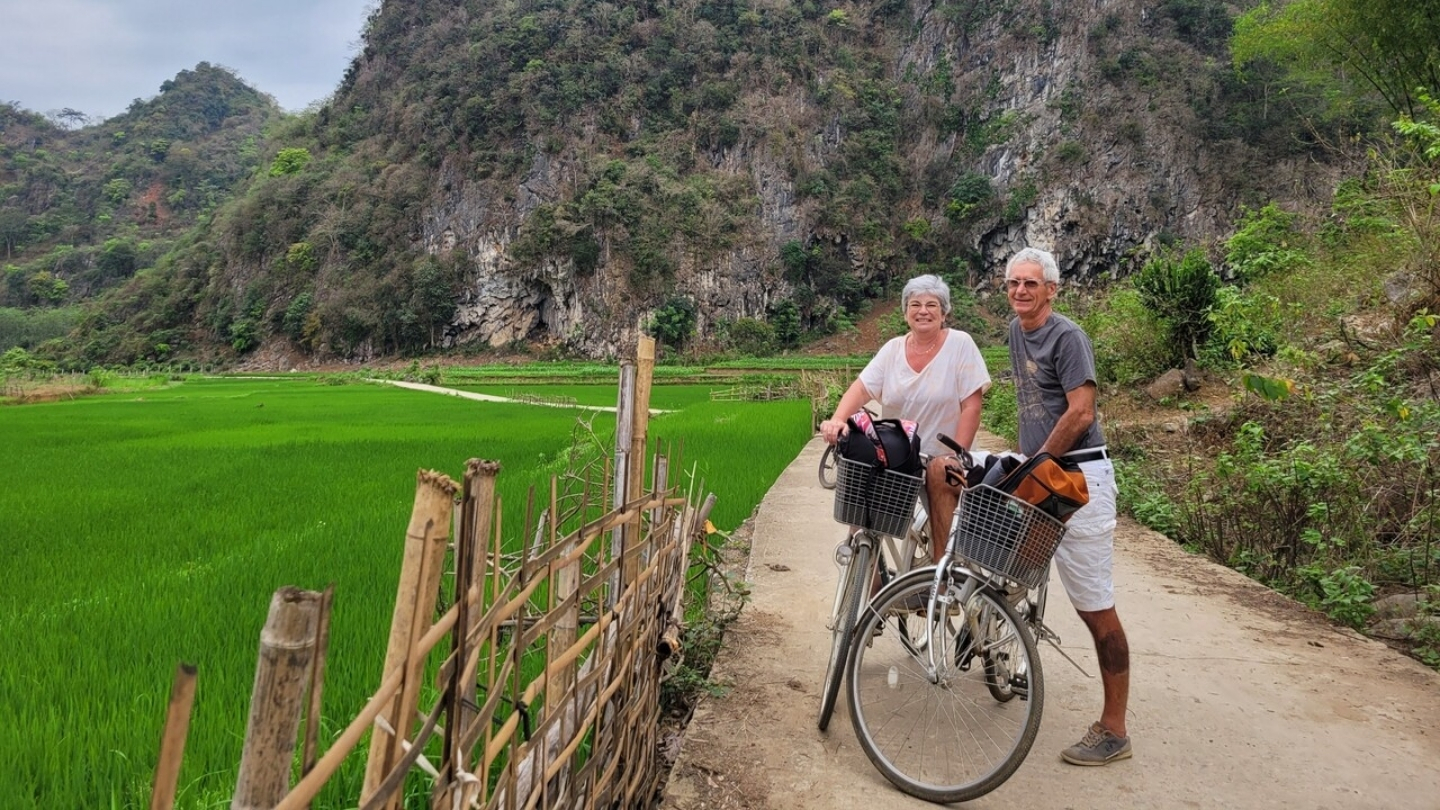
Once at your destination, I preferred walking, cycling or travelling by motorbike, depending on the distance and traffic conditions. These options allowed me to explore at my own pace and enjoy the surrounding landscapes more fully.
Although Vietnam is an appealing destination for budget-conscious travellers, a few challenges may affect your experience.
The first is the weather. In northern Vietnam, conditions vary depending on the season and altitude. Trails can become slippery after rain, while fog sometimes reduces visibility in the mountains. It is therefore best to keep your itinerary flexible.
The second challenge is getting around. Mountain roads are often long and winding. To make the most of your hikes, I recommend staying several nights in each destination rather than changing accommodation every day.
Finally, comfort levels vary considerably between regions. Budget accommodation can be basic, and some villages offer only a limited range of services. It is useful to pack suitable walking shoes, a rain jacket, a lightweight jacket and a few essential personal items.
These challenges are not necessarily disadvantages. They simply remind you to plan realistically and accept that not everything will go exactly as expected.
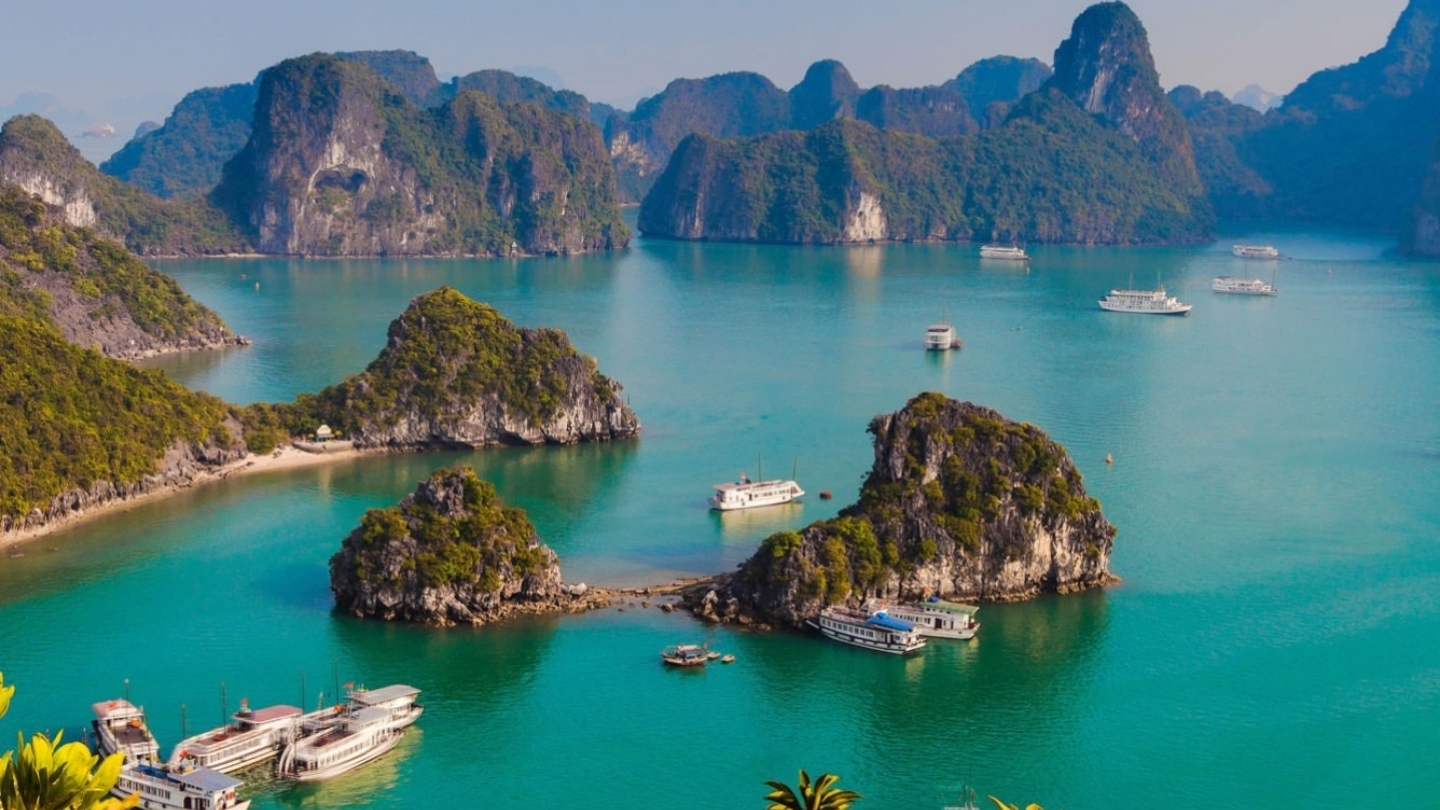
To make the most of a 14-day budget nature trip to Vietnam, a few smart choices can help you control your spending while enjoying the landscapes and meeting local people.
Choose the right time to travel: Spring and autumn are often pleasant seasons for exploring northern Vietnam, although conditions vary from one region to another. Check the weather forecast before departure.
Limit the number of destinations: Staying two or three nights in the same place reduces transport costs and gives you more time to explore the surrounding area.
Focus on outdoor activities: Walking, cycling and certain hiking routes are excellent ways to discover nature without spending too much.
Book important transfers in advance: For remote destinations or travel during busy periods, check schedules and availability ahead of time.
Pack suitable clothing: Temperatures can vary considerably between Hanoi, the valleys and the mountains.
Respect local customs: Ask permission before photographing local residents and respect private spaces in villages.
Set aside an emergency budget: Keep some extra money available in case your plans change or unexpected expenses arise.
I would also recommend avoiding an overly packed schedule. During a nature trip in Vietnam, some of the most enjoyable moments are often the simplest ones: walking among rice fields, stopping at a small café or sharing a meal with a local family. By taking the time to discover each region, you can get more out of your trip without unnecessarily increasing your budget.
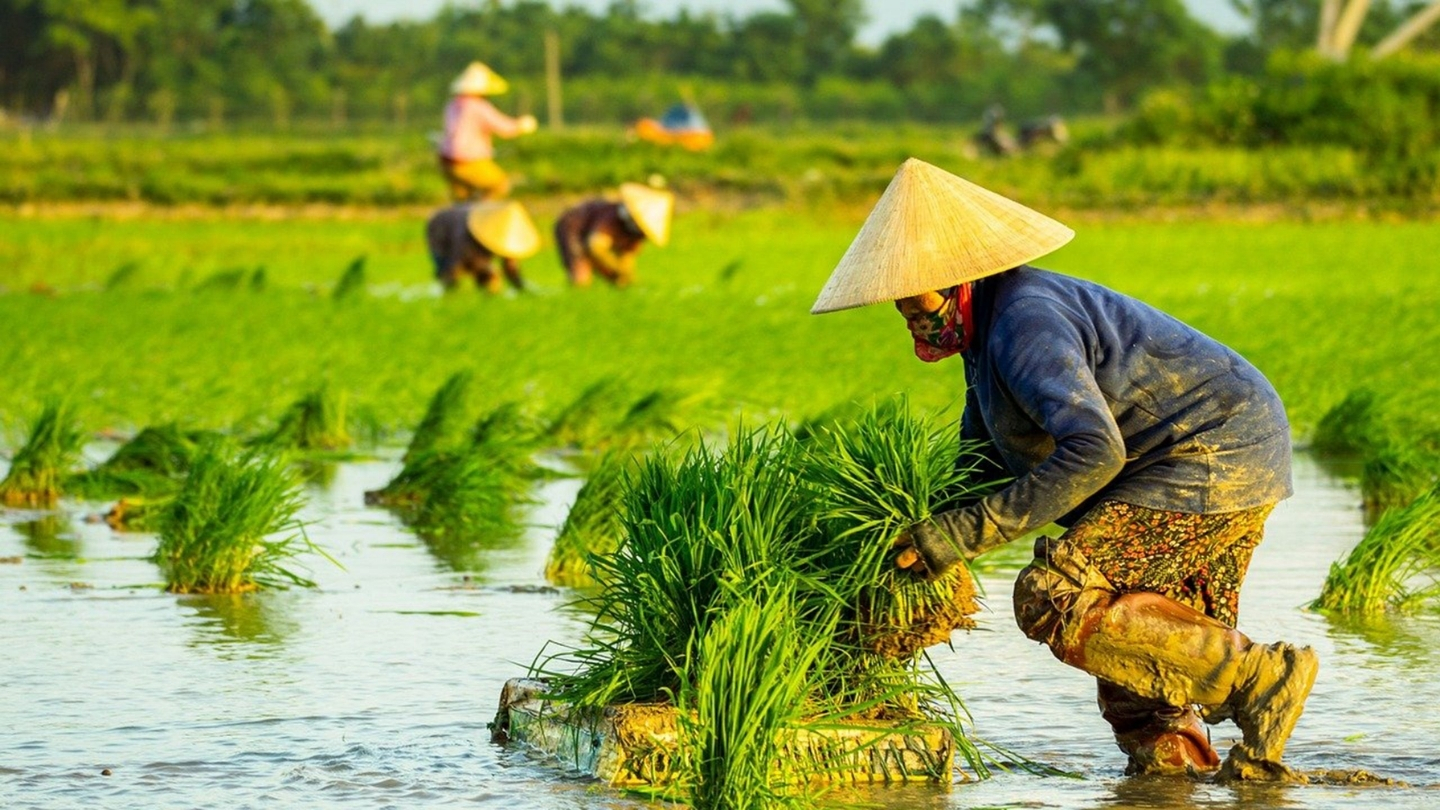
A 14-day budget nature trip to Vietnam offers the opportunity to discover diverse landscapes, meet local people and enjoy outdoor activities while keeping expenses under control. To make the most of your journey, I recommend limiting the number of stops, choosing accommodation that suits your needs and allowing enough time for travel between destinations. Weather conditions and comfort levels may vary from one region to another, but realistic planning will help you enjoy a smoother experience.
With Autour Asia, a travel agency in Vietnam, travellers can also explore itinerary options tailored to their budget and interests.
Related travel guides
>>> Sapa vs Ha Giang
>>> Nature travel in Vietnam in March


The cost of a Vietnam tour 15 days depends on your preferred level of comfort, transport options and planned activities. For a budget-friendly trip, expect to spend around €700–1,000 per person, excluding international flights. This typically covers basic accommodation, local meals and travel by bus or train. For a more comfortable experience with mid-range hotels and organised excursions, plan for approximately €1,000–1,700 per person. To keep expenses under control, eat at local restaurants, book transport in advance and avoid changing destinations too frequently. It is also wise to set aside some extra money for unexpected expenses and optional activities.
For a 14-day budget nature trip to Vietnam, plan to spend around €400–850 per person, excluding international flights. This budget generally covers basic accommodation, local meals, transport and some activities. To keep costs down, choose homestays, travel by local bus and enjoy outdoor activities such as hiking and cycling. Limiting the number of destinations can also reduce transport expenses while giving you more time to appreciate the scenery and connect with local communities. Finally, set aside some extra money for unexpected expenses and adjust your budget according to the season and your preferred level of comfort.
Spring, from March to April, and autumn, from September to November, are generally good times to explore northern Vietnam. These seasons often offer pleasant temperatures for hiking, making them suitable for a 14-day budget nature trip to Vietnam, although weather conditions vary by region and altitude. In summer, heavy rain can make some trails difficult to navigate, while winter temperatures can drop significantly in mountainous areas. Rice fields also look different throughout the year, depending on the growing season. Before choosing your travel dates, check the weather forecast for your planned destinations and consider the outdoor activities you would like to enjoy.






 FR
 ITA
