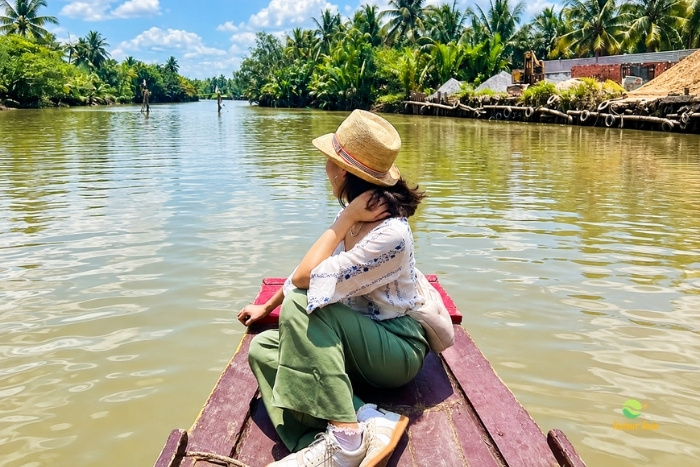
Yes, 3 weeks in Vietnam gives you enough time to discover the country while truly enjoying the journey. In 21 days, you can go from the lively atmosphere of Hanoi to the rice fields and mountains of the North, cruise through karst landscapes, stroll through the ancient cities of Central Vietnam, then end your trip between Ho Chi Minh City and the Mekong Delta. Hiking, cycling, cruises, culinary discoveries and local encounters fit naturally into the journey, with a few breaks to simply enjoy the atmosphere. Of course, you will not be able to see everything, as Vietnam is so rich and extensive. But with 6 to 8 well-chosen major stops, 3 weeks allows you to combine discoveries, experiences and moments of relaxation without constantly traveling in a rush.

One of the pleasures of a 3-week Vietnam trip is feeling the atmosphere change from one city to another. In Hanoi, start at Hoan Kiem Lake, wander through the narrow streets of the Old Quarter, stop for a coffee and watch the city come to life. In Hue, the pace becomes more peaceful: the Imperial City, the Nguyen tombs and a few moments along the Perfume River immerse you in the country’s royal past.
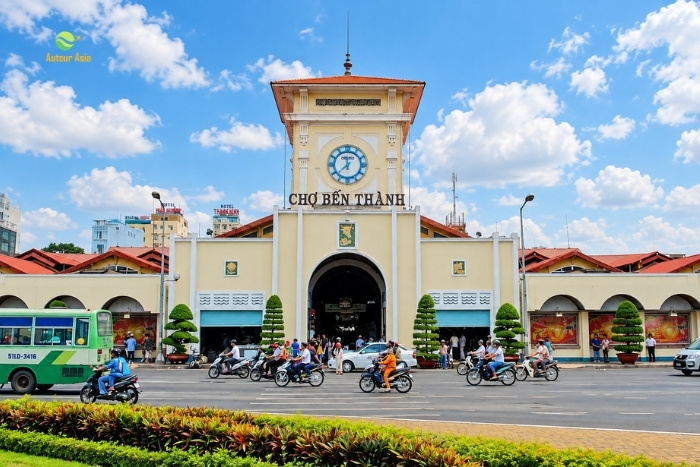
Hoi An invites you to stroll among ancient houses, assembly halls and lanterns, especially when the Old Town lights up in the evening. Ho Chi Minh City then contrasts with its energy, markets, cafés and historic neighborhoods. For those wondering is 3 weeks enough to visit Vietnam, this diversity already provides part of the answer: you experience several eras and different sides of the country.

When it comes to nature, each stop offers a different experience. In the North, you can walk among terraced rice fields, valleys and mountain villages. In Ninh Binh, the pace slows down: let yourself drift along by boat between limestone cliffs and caves, then hop on a bicycle to explore the surrounding countryside.

On Halong Bay or Lan Ha Bay, an overnight cruise allows you to kayak, swim and wake up facing the karst peaks. Depending on your itinerary, the adventure can continue in the caves of Phong Nha, on the beaches of Central Vietnam or along the canals of the Mekong. In 3 weeks in Vietnam, you can thus enjoy nature on foot, by bicycle or on the water, rather than simply watching it pass by.
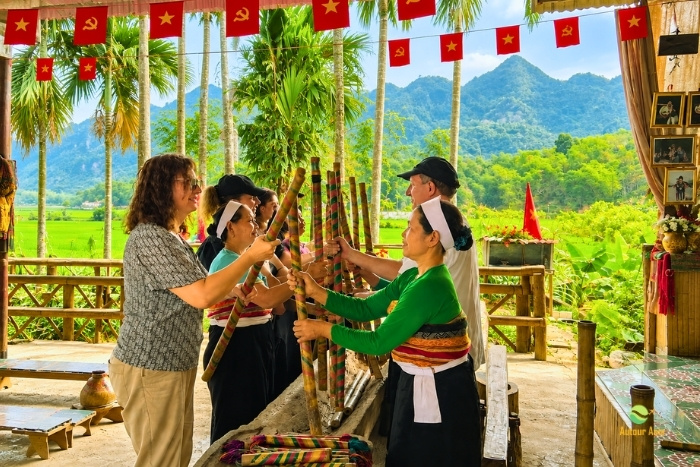
The most beautiful memories sometimes come from places far from the must-see attractions. A homestay can begin with a shared meal, continue over tea, then with a visit to a market or a bike ride. These experiences remind us that the question is 3 weeks enough to visit Vietnam as a whole is not simply about the number of stops: you interact with local people, observe daily life and discover traditional skills such as weaving or indigo dyeing.
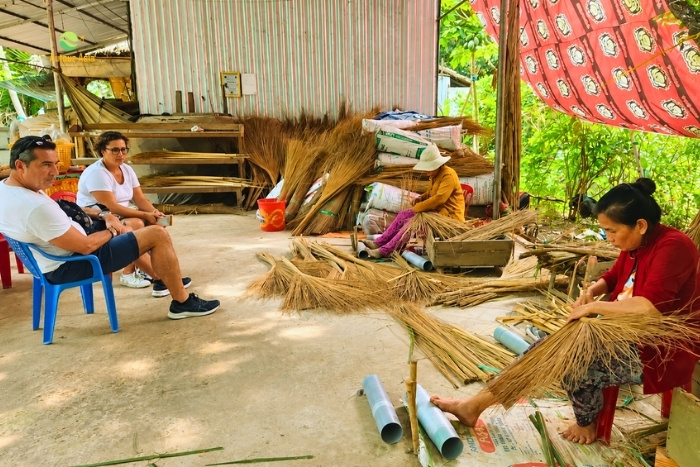
Further south, the Mekong immerses you in another side of local life: a small boat ride through the canals, tropical orchards and a stop at a family-run workshop. During the Vietnam 3-week tour, these moments fit naturally into the journey without rushing from one visit to another and, above all, give you the feeling of experiencing a little of Vietnam rather than simply passing through it.
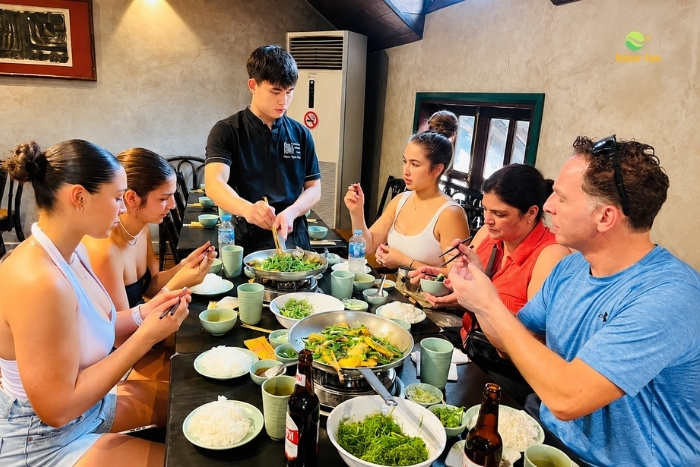
From Hanoi to the Mekong Delta, your meals become an experience in their own right. You can start with a steaming bowl of phở or bún chả at a small local eatery in the North, then discover the more intense flavors of Hue and Hoi An before enjoying Southern cuisine rich in fresh herbs, tropical fruits and products from the Mekong.
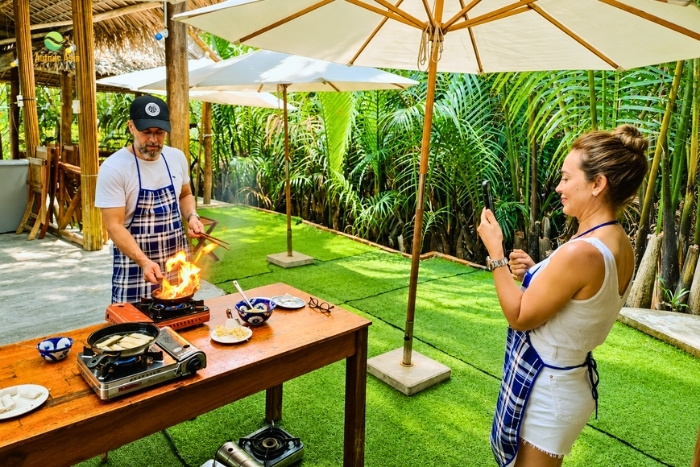
The experience goes far beyond tasting the food. Stroll through a market, choose your ingredients before a cooking class, share a meal with a local family or simply sit on a small stool to enjoy a Vietnamese coffee. Traveling to Vietnam in 3 weeks gives you time to taste, compare and, above all, experience how the cuisine changes from one region to another.

One of the pleasures of a 3-week Vietnam trip is also being able to slow down without feeling like you are wasting time. A morning with no plans can become an opportunity to linger over a coffee, stroll through a neighborhood you enjoy or simply rest after several busy days.
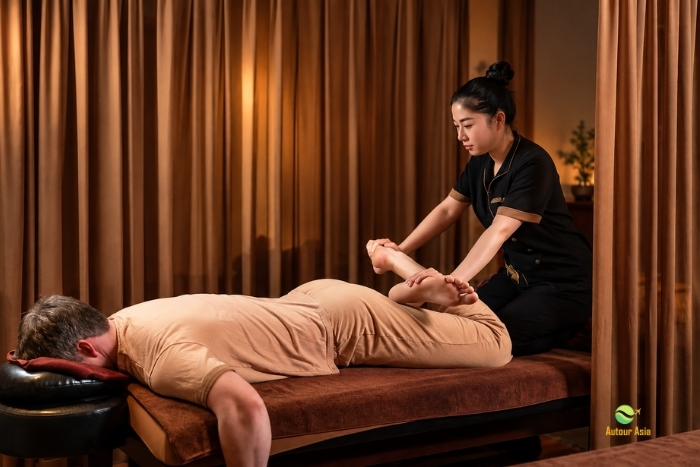
You can treat yourself to a massage, go for a spontaneous walk or spend a few hours at the beach or by the pool. This pace is well suited to a 3-week Central Vietnam trip, where spending several nights at each stop means packing your bags less often and enjoying each place more. You see more while traveling at a slower pace and making the most of every stop.
For a first-time visit, if you are wondering is 3 weeks enough to visit Vietnam, this duration allows you to travel from North to South at a pleasant pace. You alternate between lively cities, karst landscapes, heritage, local life and moments of relaxation while discovering the different sides of Vietnam without adding too many stops.

This way, you get a great overview of the culture, nature, cuisine and local life while still spending several nights at the main stops.
Suggested itinerary for 3 weeks:
- Days 1 - 3: Hanoi - Old Quarter, heritage, street food and first impressions of local life.
- Days 4 - 5: Ninh Binh - Boat ride, karst landscapes and cycling through the countryside.
- Days 6 - 7: Halong Bay or Lan Ha Bay - Overnight cruise, kayaking and relaxation on the water.
- Days 8 - 10: Hue - Imperial heritage, royal tombs and a peaceful atmosphere along the Perfume River.
- Days 11 - 13: Hoi An - Old Town, countryside, cuisine and free time.
- Days 14 - 15: Ho Chi Minh City - Historic neighborhoods, markets, street food and urban atmosphere.
- Days 16 - 17: Mekong Delta - Cruising through canals and orchards, villages and local life.
- Days 18 - 20: Phu Quoc - Beach, swimming, sunset and more relaxing days to end the trip.
- Day 21: Return to Ho Chi Minh City and departure.

If you enjoy hiking, kayaking and spending time in nature, it is better to focus your 3-week Vietnam trip on a few key regions rather than trying to travel across the entire country. The North and Central Vietnam offer a great balance of mountains, rice fields, karst landscapes, bays and caves, with active days interspersed with more relaxing stops.
Here is a possible itinerary to enjoy this diversity while maintaining a pleasant pace:
- Days 1 - 2: Hanoi - Discover the capital and prepare for the journey through the North.
- Days 3 - 6: Ha Giang - Mountain loop, hiking, villages, Ma Pi Leng Pass and the Nho Que River.
- Days 7 - 8: Cao Bang - Ban Gioc Waterfall, rural landscapes and Nguom Ngao Cave.
- Days 9 - 10: Ba Be - Lake, forest, boat ride or kayaking and an overnight stay in a Tay village.
- Days 11 - 12: Ninh Binh - Cycling, rice fields and cruising through karst landscapes.
- Days 13 - 14: Lan Ha Bay - Cruise, kayaking, swimming and an overnight stay on board.
- Days 15 - 17: Phong Nha - Caves, hiking and outdoor adventure.
- Days 18 - 20: Hoi An - Cycling through the countryside, beach and more relaxing days.
- Day 21: Da Nang - Departure.
This itinerary is also perfectly suited to a Vietnam backpacking 21 days, with a good balance between adventure, nature and more relaxing stops.
Here, the idea is to slow down to better enjoy each place. With 3 weeks, you stay several nights at each stop, with time to discover local life, cycle through villages, admire the landscapes or simply enjoy the atmosphere. You visit fewer destinations, but you have more time to experience and appreciate them.

For a slower travel pace, this itinerary focuses on a few stops where you stay for several nights, with more time for local life, encounters and spontaneous discoveries:
- Days 1 - 3: Hanoi - Streets of the Old Quarter, markets, cafés, cuisine and walks without an overly packed schedule.
- Days 4 - 7: Pu Luong - Stilt house or ecolodge, walks through rice fields and villages, cycling and encounters with rural life.
- Days 8 - 10: Ninh Binh - Countryside stay, boat rides among karst landscapes, cycling and peaceful evenings away from the bustle.
- Days 11 - 13: Hue - Imperial City, garden houses, local cuisine and walks through the surrounding villages.
- Days 14 - 17: Hoi An - Old Town, cycling through rice fields, Tra Que Village, craft workshop or cooking class.
- Days 18 - 20: Cham Islands/coast around Hoi An - Beach, small coastal villages and real days of relaxation at the end of the trip.
- Day 21: Da Nang - Departure.
This way of traveling is particularly well suited to 3 weeks in Vietnam in a small group, where you take the time to discover each stop without rushing.
For a family trip, 3 weeks in Vietnam mainly allows you to slow down the pace without sacrificing the diversity of the journey. You can alternate between cultural visits, walks in nature and fun activities while allowing for breaks so that both children and adults can truly enjoy the trip. Ideally, limit hotel changes and keep some days lighter between the main discoveries.
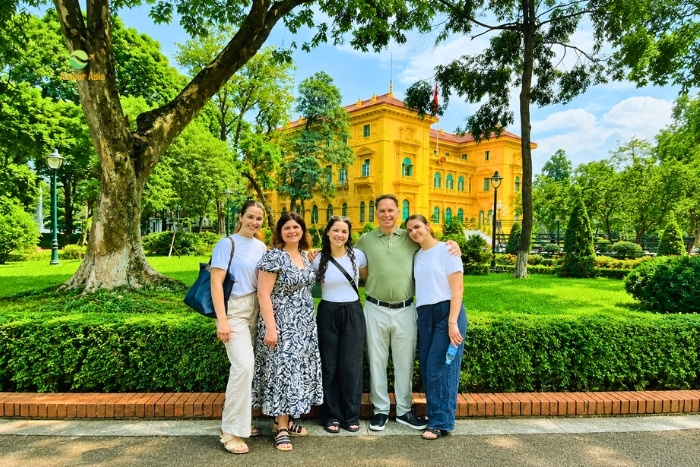
Here is a possible itinerary for discovering Vietnam 3 weeks family trip at a more comfortable pace:
- Days 1 - 3: Hanoi - Old Quarter, Hoan Kiem Lake, local specialties and a water puppet show.
- Days 4 - 5: Ninh Binh - Boat ride in Tam Coc or Trang An, karst landscapes and cycling through the countryside.
- Days 6 - 7: Halong Bay or Lan Ha Bay - Overnight cruise, kayaking, swimming and moments of relaxation.
- Days 8 - 9: Hue - Imperial City, royal tombs, Thien Mu Pagoda and a walk along the Perfume River.
- Days 10 - 12: Hoi An - Old Town, lantern workshop, cooking class, cycling through the countryside and beach.
- Days 13 - 18: Ho Chi Minh City and Mekong Delta - Discovering the city, cruising along the canals, orchards, villages and local life.
- Days 19 - 21: Phu Quoc - Beach, swimming and more relaxing days to end the trip at a gentle pace.

3 weeks in Vietnam as a couple mainly gives you the freedom to combine discoveries with moments just for the two of you. You can explore a city, cycle through rice fields or cruise around the bay, then slow down over dinner, a massage or an evening by the water. A few nights in charming hotels and a beach stay also add a more intimate touch to the trip without turning it into a honeymoon.
To find this balance as a couple, here is a possible itinerary:
- Days 1 - 3: Hanoi - Old Quarter, cafés, street food, galleries and dinner at a charming restaurant.
- Days 4 - 5: Ninh Binh - Boat ride, cycling among rice fields and karst landscapes, sunset in the countryside.
- Days 6 - 7: Lan Ha Bay - Overnight cruise, kayaking, dinner on the boat and relaxation overlooking the bay.
- Days 8 - 10: Hue - Imperial heritage, Perfume River, cuisine and a stay in a charming hotel.
- Days 11 - 14: Hoi An - Old Town under the lanterns, cycling through the countryside, dinner for two, massage and beach.
- Days 15 - 18: Quy Nhon - Coves, beaches, seaside resort and free days to slow down.
- Days 19 - 20: Ho Chi Minh City - Historic neighborhoods, cafés, cuisine and a final evening in the city.
- Day 21: Departure.
Option | Possible destinations | Experiences | What type of traveler ? | Recommended distribution |
3 weeks in Vietnam only | Hanoi, Ninh Binh, Halong Bay/Lan Ha Bay, Hue, Hoi An, Ho Chi Minh City, Mekong, possibly Phu Quoc | Discover the 3 regions between heritage, landscapes, cuisine and local life, with a cruise, countryside and days of relaxation. | Travelers wishing to discover Vietnam in depth, with more time in each place and fewer compromises. | 21 days in Vietnam |
Vietnam Cambodia in 3 weeks | Hanoi, Ninh Binh, Halong/Lan Ha Bay, Hoi An, Ho Chi Minh City + Phnom Penh and Siem Reap | Combine Vietnamese landscapes and culture with Khmer heritage, the temples of Angkor, history and different urban atmospheres. | Travelers attracted by culture, history and heritage, ready to reduce the number of stops in Vietnam. | Around 14 days Vietnam + 7 days Cambodia |
Vietnam Laos in 3 weeks | North/Central Vietnam + Luang Prabang, possibly Vang Vieng | Enjoy mountains and karst landscapes, cruise on the Mekong, discover temples, waterfalls, small towns and a peaceful atmosphere. | Travelers who prioritize nature, cultural immersion and a slower pace rather than large cities and numerous stops. | Around 13 - 15 days Vietnam + 6 - 8 days Laos |
Vietnam Thailand in 3 weeks | Selection of stops in Vietnam + Bangkok, Chiang Mai or a beach destination in Thailand | Move from Vietnamese landscapes and cities to Thai temples, discover two cuisines and possibly end the trip at the beach. | Travelers looking for more diversity and wishing to discover two countries during the same trip. | Around 10 - 12 days Vietnam + 8 - 10 days Thailand |
Over 3 weeks, the goal is not to fill every day, but to limit the time lost on transfers and make the most of each stop. To determine is 3 weeks enough to visit Vietnam, organizing these 21 days is essential. According to the experience of Autour Asia’s local travel advisors, a few simple choices can help optimize the itinerary without speeding up the pace.
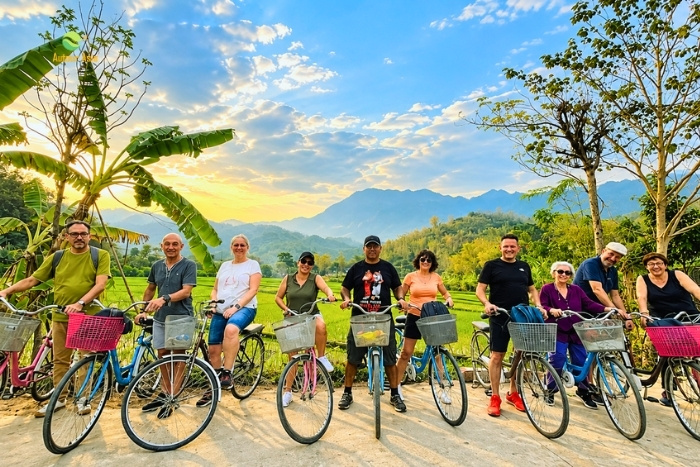
Limit the number of stops
For 3 weeks, 6 to 8 major stops are a good guideline, depending on the distances and your pace. Each change takes time: sometimes it is better to extend a stay than to add more stops and spend too many hours in transit.
Build a geographically coherent itinerary
To build a coherent 3-week Vietnam itinerary, choose a North → Central → South or South → Central → North route to avoid going back and forth. This approach helps optimize your 21 days, especially if you add remote regions such as Ha Giang, Phong Nha or Phu Quoc.
Adapt transportation to the distances
For long distances such as Hanoi - Central Vietnam or Da Nang - Ho Chi Minh City, flying saves time. For other journeys, overnight trains, buses, minivans or cars with drivers can be chosen depending on the distance and accessibility.
Allow enough time at each stop
Avoid the arrival → visit → departure pace. Spending 2 or 3 nights at the main stops allows you to enjoy a full day there without constantly moving from sightseeing to packing and transportation.
Alternate active days with quieter moments
After a trek, a long transfer or a day of sightseeing, plan a lighter pace. Alternating between cities, nature, heritage, countryside and beaches helps limit fatigue and better appreciate each stop.
Keep some flexibility for unexpected events
Keep one free day or two flexible half-days for weather, delays or fatigue. This flexibility also allows you to extend an experience you enjoyed without disrupting the rest of the trip.
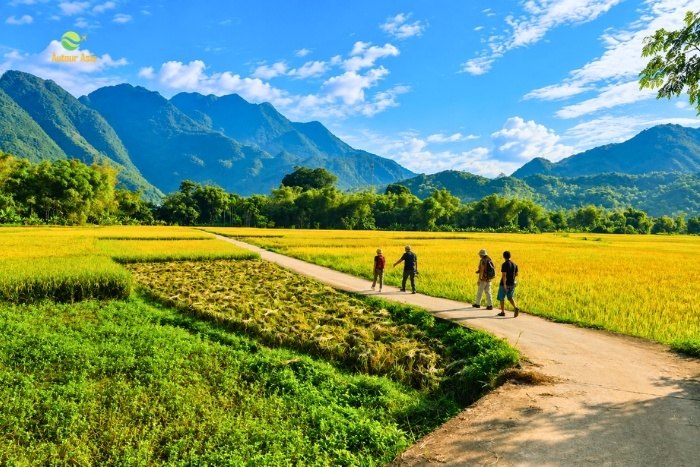
For 3 weeks in Vietnam, focus mainly on finding the best climatic balance between the regions rather than perfect weather everywhere. The North has cooler winters and humid summers, Central Vietnam has a later rainy season, while the South remains warm all year round.
From February to April, conditions are favorable for a North - Central - South itinerary. From September to November, the North offers beautiful landscapes, but allow for more flexibility in Central Vietnam due to the rain. From May to August, heat and humidity dominate, while the central coast remains an interesting option for the beach. For Vietnam 3 weeks in December, the North is cooler and the South is generally drier.
Over 21 days, adapt your stops, activities and their order to your month of departure rather than following the same itinerary all year round.
The budget mainly depends on your level of comfort, transportation and chosen activities. As a guideline, here is an estimated budget per person for 21 days in Vietnam, excluding international flights, based on the price levels commonly seen in 2026.
Profile | Accommodation | Meals | Transportation | Activities and services | Budget/day | Budget for 21 days |
Budget | Hostels, guesthouses, homestays or simple hotels | Street food, markets and local restaurants | Buses, trains and local transportation | Independent visits, entrance fees and simple activities | Around $50 - $60 | Around $1,000 - $1,250/person |
Comfort | 3 or 4-star hotels, boutique hotels, ecolodges | Local cuisine and varied restaurants | Domestic flights, transfers and occasional private car | Guided excursions, overnight cruise and varied activities | Around $95 - $150 | Around $2,000 - $3,200/person |
High-end | 5-star hotels, resorts and charming establishments | Selected restaurants and fine dining | Domestic flights, private driver and private transfers | Private guide, high-end cruise and personalized experiences | More than $235/person | More than $4,950/person |
These estimates cover accommodation, meals, domestic transportation and activities. For your 3-week Vietnam travel budget, add international flights, travel insurance, personal expenses and a margin for unexpected costs. Expenses also vary depending on the season, room type and private services chosen.
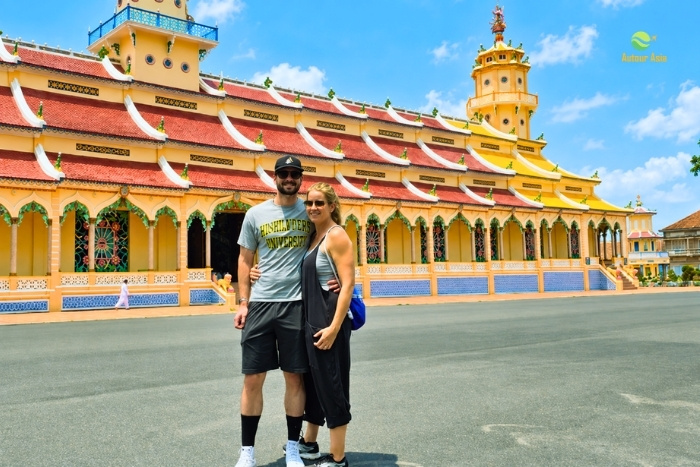
To fully enjoy your 3-week Vietnam trip, certain mistakes can easily turn a balanced itinerary into an overly packed trip:
Trying to see everything: 21 days are not enough to explore every region of Vietnam in depth.
Having too many one-night stops: Check-ins, check-outs, luggage and transfers quickly reduce your time for exploring.
Underestimating distances: Some journeys take several hours, especially in mountainous regions or between the North, Central Vietnam and the South.
Keeping the same pace for 21 days: A succession of sightseeing, hiking and travel eventually leads to accumulated fatigue.
Having too many overnight journeys: They save time, but several nights on buses or trains can make the trip more tiring.
Overlooking climate differences: Conditions can be very different between Hanoi, Hue and Ho Chi Minh City during the same period.
Leaving no flexibility: An overly tight schedule becomes difficult to adjust in case of rain, delays or simply fatigue.
Autour Asia’s advice: Build your itinerary around your priorities rather than the number of places to visit. Spend several nights at the stops that truly interest you, choose your transportation according to the distances and keep some free time. This way, you can enjoy each region more without turning your 21 days into a succession of transfers.
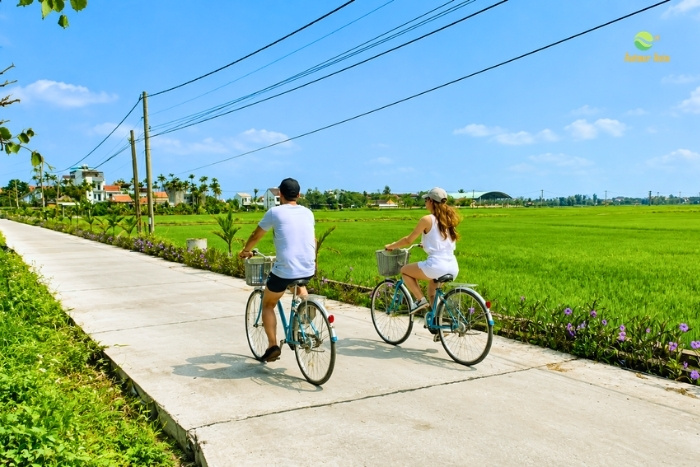
Preparing well for 3 weeks in Vietnam means, above all, choosing what you really want to experience rather than trying to accumulate destinations. In 21 days, you can travel from the mountainous landscapes of the North to the heritage of Central Vietnam, then discover the atmosphere of the South while still having time for cuisine, local encounters and a few breaks. But is 3 weeks enough to visit Vietnam without traveling in a rush ? The choice of stops, transportation and pace will make all the difference. To turn your ideas into a suitable itinerary, Autour Asia, a local travel agency in Vietnam, can help you design a personalized trip according to your travel profile and budget.
If you are looking for an itinerary suited to a 3-week Vietnam tour, do not hesitate to contact AUTOUR ASIA, a tailor-made travel agency in Vietnam, to design a personalized tour according to your preferences, pace and budget.
Learn more:
- How to organize a 2-week trip to Vietnam
- Vietnam by motorcycle in 2 weeks
- Central Vietnam 15 day itinerary
- 15 days in Vietnam with kids
- Vietnam Travel Guide
- 2 weeks in Vietnam
- Vietnam Packages Tours


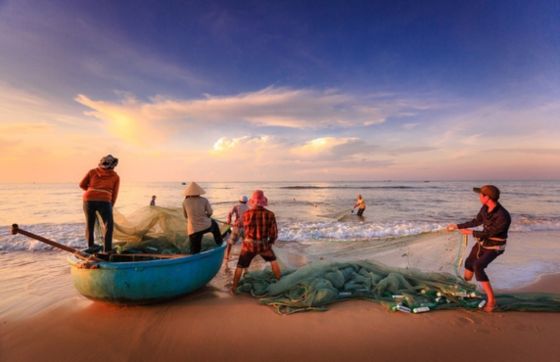

Phan Thiet, a coastal city in Binh Thuan Province, is best known for Mui Ne, an internationally renowned seaside destination. With its beaches, fishing villages, and desert-like sand dunes, the region offers a diverse range of landscapes rarely found elsewhere in Southeast Asia. In November, temperatures remain pleasant for exploring the coast, although occasional showers are still possible. Visiting Phan Thiet Mui Ne in November requires a little preparation to make the most of your stay. This complete guide covers the weather, must-see attractions, transportation options, and practical tips to help you plan your trip to Vietnam in November.
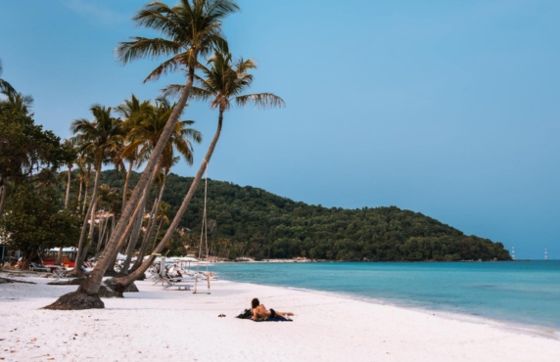
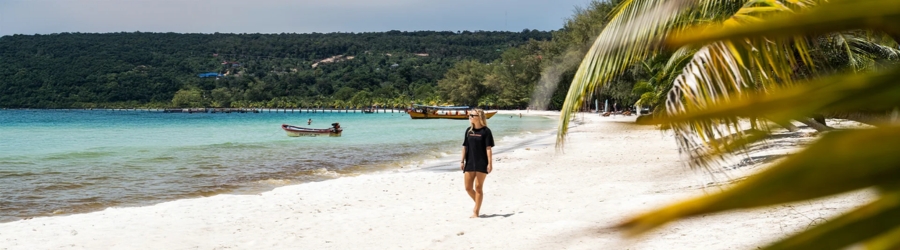
Vietnam’s beaches are best enjoyed at different times of the year, depending on the region. From the turquoise waters of the South to the long stretches of white sand in the Central region and tropical islands, each area has its own climate patterns. To better understand when to visit Vietnam, it is important to consider the weather conditions in each destination. The best time to visit beaches in Vietnam depends on region you choose as well as the activities you have planned. The best time to swim in Vietnam also varies according to rainfall, water temperature and sea conditions. Understanding the Vietnam beach season helps you choose destinations that match your travel dates and enjoy the coastline in good conditions.
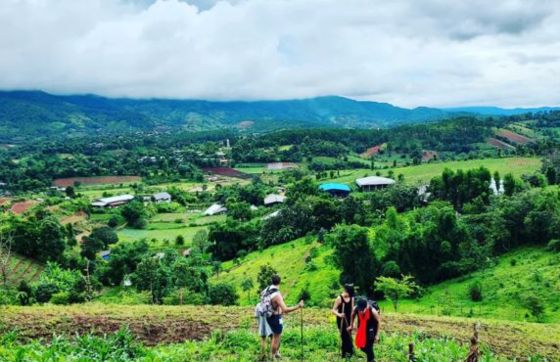
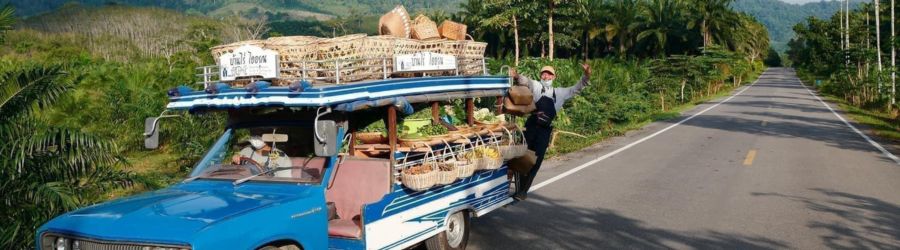
Discovering Thailand through its rice fields, plantations, and rural villages offers a different way to travel, far from traditional tourist circuits. But how can you choose the best agency for Thailand farm tours to enjoy authentic experiences with local communities? Several tour operators offer trips combining agriculture, gastronomy, and encounters with producers. Among them, Autour Asia is an option for travelers who want to personalize their itinerary. Known as Vietnam travel agency - Autour Asia, the company also offers tailor-made trips to several countries in Southeast Asia. With the local travel agency in Thailand - Autour Asia, travelers can explore a trip designed around their interests. Here are five organizations worth knowing, their distinctive features, and the essential criteria for planning a successful agricultural tour in Thailand.
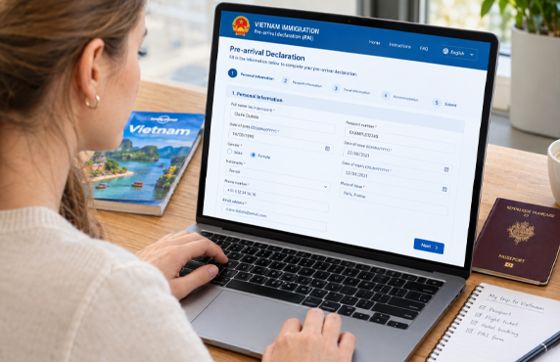

Planning a trip to Vietnam? Before packing your bags, take a few minutes to check the latest entry requirements and prepare the documents you may need at the airport.
Vietnam’s Pre-Arrival Information (PAI) system allows international travellers to submit selected personal, visa and travel details online before arriving in the country. After a successful submission, the system generates a QR code that travellers can save on their phones or print for use during immigration procedures. Although the online declaration is designed to help make arrival procedures smoother, travellers should understand when it applies, how to complete it correctly and which documents they still need to enter Vietnam.
In this practical guide, you will discover where to access the official PAI portal, what information to prepare, how to complete the declaration step by step, how to correct common mistakes and what to do when you arrive at the airport.

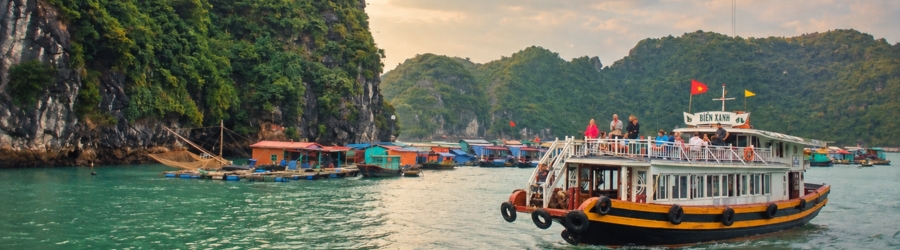
With its exotic landscapes, fascinating cultures and diverse experiences, Vietnam and Thailand are among the most popular destinations in Southeast Asia. However, safety remains an important criterion when planning your trip. So, how can you choose Vietnam or Thailand for a safe trip depending on the way you travel ? And is Vietnam safer than Thailand ? Each destination has its own characteristics and points to consider. In this article, Autour Asia helps you compare Vietnam and Thailand to better understand their differences and choose the destination that meets your expectations for your next trip to Asia.


Planning a trip to Hue in November requires a little more flexibility than at other times of the year. Visiting Hue in November means experiencing the rainy season in central Vietnam, with prolonged showers and a risk of flooding. However, this period can also be an opportunity to explore the former imperial capital’s royal heritage, pagodas and renowned cuisine in a quieter atmosphere. The key is to choose your activities carefully, prepare alternative plans and check the weather conditions before setting out.


When travelling in Cambodia, some everyday habits may raise questions about local customs. Is blowing your nose in public considered polite? How should you behave in restaurants, on public transport or during a visit? These small details matter when you want to respect the local culture. Discover how to manage blowing your nose in Cambodia discreetly, along with practical tips on using tissues during your trip. Autour Asia, Cambodia travel agency, helps you discover local customs with advice tailored to travellers. From Cambodia travel etiquette to personal hygiene and everyday situations, a few simple guidelines can make your journey more comfortable. In Phnom Penh, Siem Reap or Kampot, understanding local customs helps you avoid awkward moments while making the most of your stay.
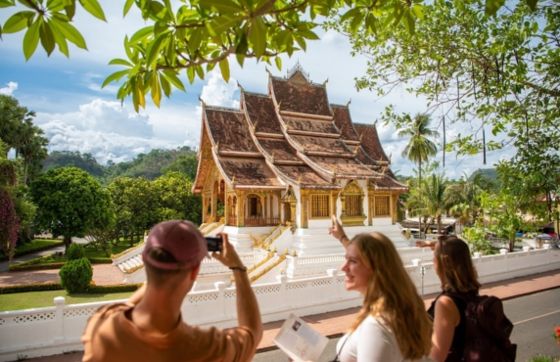
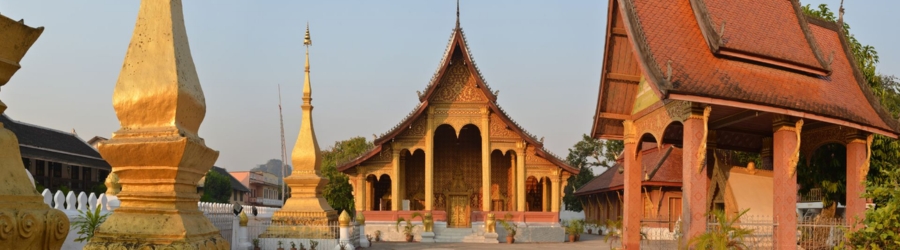
Blow your nose in Laos is not necessarily considered rude, but it is best to do so discreetly, especially in quiet places or during meals. If you have a cold, use a clean tissue and avoid blowing your nose loudly in public. In temples and other places of worship, respect the peaceful atmosphere and local customs. If you need to blow your nose frequently, step away from others for a moment whenever possible. Finally, dispose of used tissues in a rubbish bin. These simple habits will help you observe good manners during your trip to Laos.



 FR
FR EN
EN