Choosing a 3-week Central Vietnam trip allows you to discover the full diversity of this region without limiting your stay to the must-see destinations of Hue - Da Nang - Hoi An. In 21 days, you can extend your journey to less-visited destinations, from the coast to the Central Highlands, and gradually observe the changes in landscapes, cultures and atmospheres.
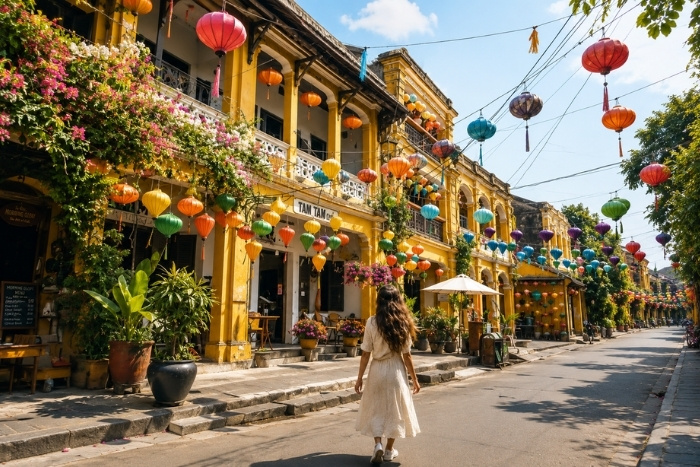
This duration mainly offers a more balanced pace. You can stay two or three nights at the important stops, alternating between heritage, nature, mountains and beaches, while still keeping time for gastronomy, local encounters or simply a few moments of relaxation.
This format can therefore make up a Vietnam itinerary 21 days entirely dedicated to Central Vietnam, with better-distributed transfers and greater flexibility in response to weather conditions. Three weeks are particularly suitable if you want to go beyond the classic routes and discover the region in greater depth.
For 3 weeks in Vietnam, dedicated to discovering Central Vietnam, here is a suggested itinerary from Hue to the Central Highlands, to be adapted according to your preferences and pace. This 21-day journey combines heritage, nature, coastline and mountains while leaving enough time to enjoy each stop.
Hue offers a great introduction to your 3-week Central Vietnam trip. Its imperial heritage remains very present, but the atmosphere is peaceful enough to get your bearings and begin the journey without immediately following one long day of sightseeing after another.
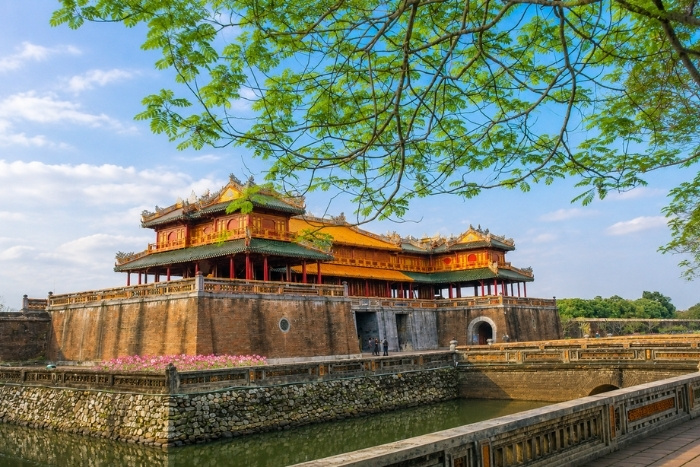
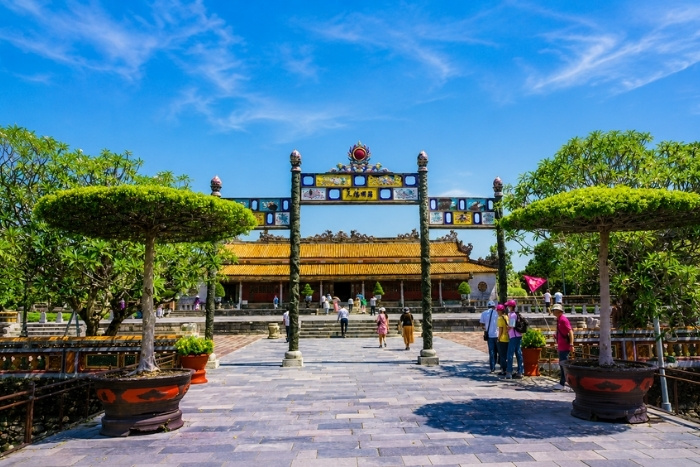
The Imperial Citadel deserves a central place in your stay, before continuing to Thien Mu Pagoda and the Perfume River. To deepen this historical discovery, choose a few royal tombs such as Minh Mang or Khai Dinh: their contrasting architecture provides an interesting glimpse into the different periods of the Nguyen Dynasty.
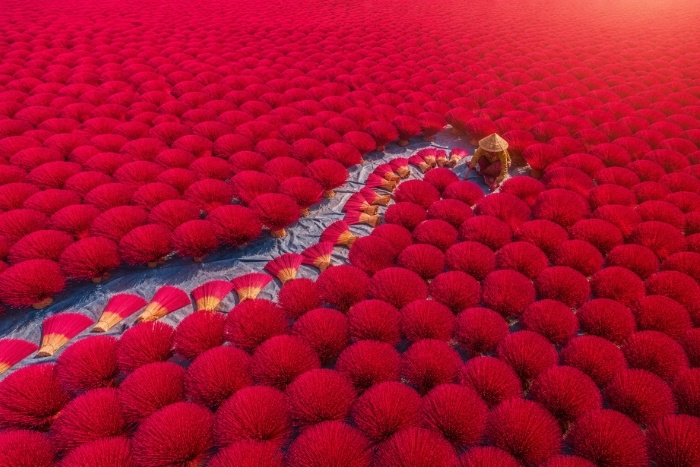
Also set aside time away from the monuments. The gardens of Thuy Bieu, Thuy Xuan Incense Village or the lively atmosphere of Dong Ba Market reveal a more local side of Hue. Between discoveries, taste bun bo Hue or traditional small banh, then simply enjoy the riverbanks at the end of the day. These three days thus maintain a pleasant balance between culture, local life and free time.

Between Hue and Da Nang, the journey is already part of the experience. Traveling along Lap An Lagoon and Lang Co Bay before crossing Hai Van Pass, you gradually discover beautiful contrasts between mountains, lagoons and coastline. The panoramic views from the road make this transition particularly pleasant.

In Da Nang, the atmosphere becomes more dynamic while remaining close to nature. You can discover the Son Tra Peninsula and Linh Ung Pagoda, then explore the caves and sanctuaries of the Marble Mountains. Between visits, My Khe Beach offers a pleasant break by the sea.
The city also reveals a cultural side through the Museum of Cham Sculpture, its markets and local cuisine. During Central Vietnam 3 weeks, this stop also allows you to enjoy the atmosphere along the Han River in the evening before continuing leisurely to Hoi An.
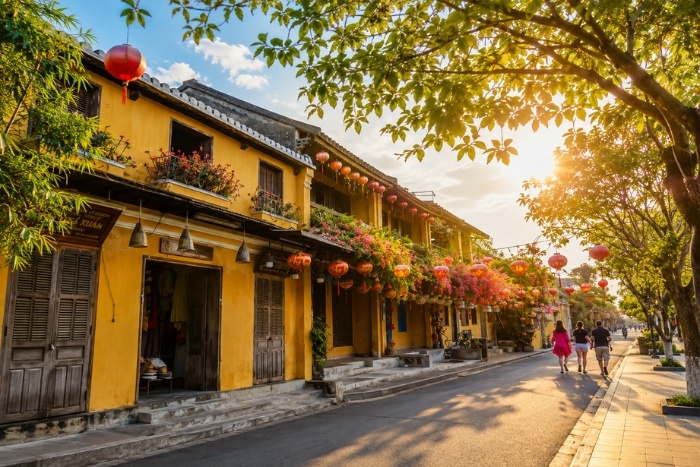
With three days in Hoi An, you have enough time to discover the city from several perspectives. In the historic center, the ancient houses, assembly halls, temples and Japanese Bridge tell the story of this former trading port. The atmosphere changes at nightfall, when lanterns illuminate the alleys and riverbanks.

A few kilometers from the center, the rice fields and villages offer a more peaceful setting. During your 3 weeks in Central Vietnam, you can cycle through the countryside, reach Tra Que Village, discover local crafts or take part in a cooking class to get closer to local life.
This stay also leaves room for whatever you feel like doing at the moment. An Bang Beach is ideal for a few hours of relaxation, while a café, spa or craft workshop allows you to slow down between discoveries. Hoi An thus becomes a true stop on the journey rather than simply an excursion from Da Nang.
As you continue your itinerary south, My Son fits naturally as a cultural stop before reaching Quang Ngai. In the heart of a lush green valley, you discover the remains of Hindu temples and brick architecture that bear witness to several centuries of history of the Champa Kingdom. This arrangement also avoids a round trip from Hoi An and makes the journey smoother.

From Quang Ngai, Sa Ky Port then opens the way to Ly Son. This volcanic island offers a striking change of scenery with its basalt cliffs, rock formations, garlic fields and coastline. You can notably discover Chua Hang Pagoda, Thoi Loi Mountain or simply explore the villages and coastal landscapes of the island.
This stop brings a wilder dimension to the 3-week Central Vietnam trip. However, as crossings to Ly Son remain dependent on sea conditions, some flexibility in the itinerary is preferable.
The trip returns to the mainland coast with a more relaxed stop in Quy Nhon. After the crossing from Ly Son, you head south to the city, with a possible stop in Sa Huynh. These coastal landscapes offer a pleasant transition during your Central Vietnam 21 days before a more urban atmosphere.
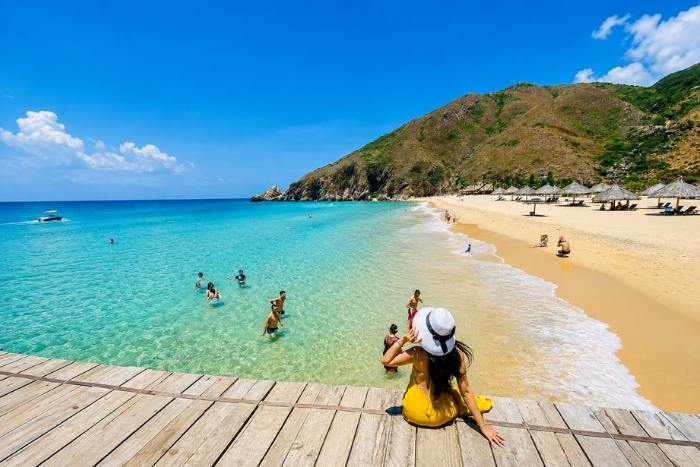
Quy Nhon naturally invites you to slow down. You can enjoy its long beach, walk along the seafront promenade, observe local life and, above all, discover a cuisine renowned for its seafood. This break feels good in the middle of a three-week itinerary, without missing out on discoveries.
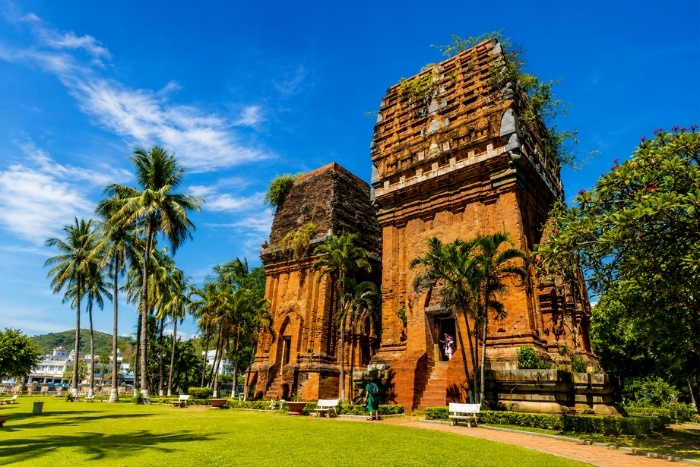
Binh Dinh also offers a beautiful cultural extension. The Cham towers of Thap Doi or Banh It immerse you in another chapter of Champa history, amid urban or countryside landscapes. This combination of heritage, gastronomy and seaside gives Quy Nhon all its appeal before the change of scenery toward the Central Highlands.
The journey from Quy Nhon to Kon Tum marks the transition from the coast to the Central Highlands. You travel through a more mountainous region before arriving in Kon Tum, where a quiet first evening is enough to settle in and recover after several hours on the road.
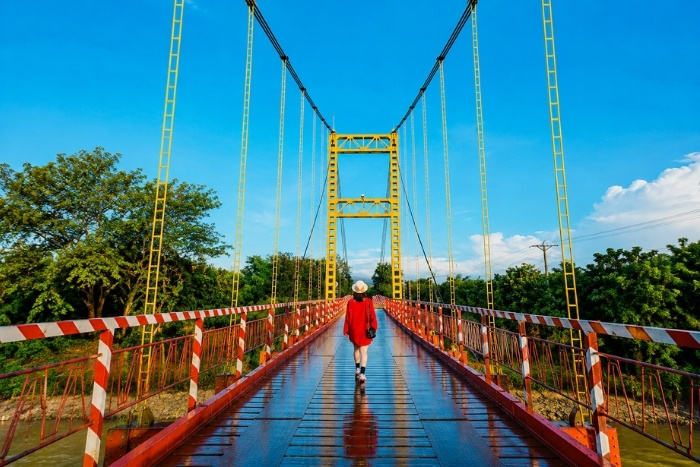
You then have enough time to discover the wooden cathedral, Kon Klor Suspension Bridge and the landscapes around the Dak Bla River. During your Central Vietnam tour, the city also serves as a good starting point for reaching the surrounding villages and better understanding local history and cultures.
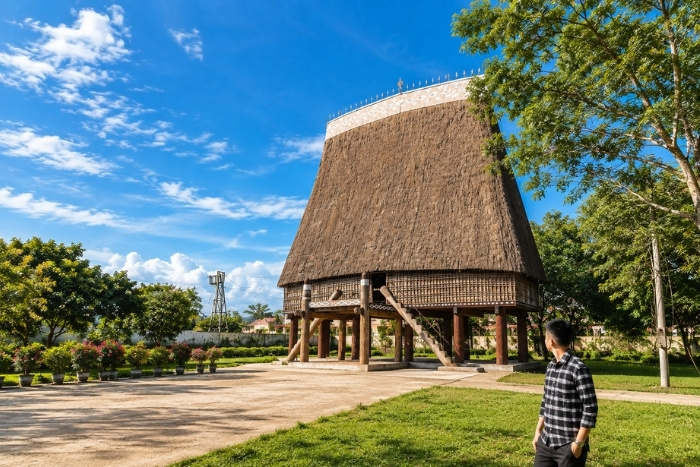
With a local guide, you can discover the rong communal houses, meet local residents, learn about handicrafts or explore the rural areas around Kon Tum. This stop thus offers a different experience from the historic cities and seaside destinations visited previously.
In Pleiku, the final days of your 3-week Central Vietnam trip immerse you further in the typical landscapes of the Central Highlands. As the distance from Kon Tum remains reasonable, you still have time after your arrival to discover the city center, visit the market or settle into a local café.
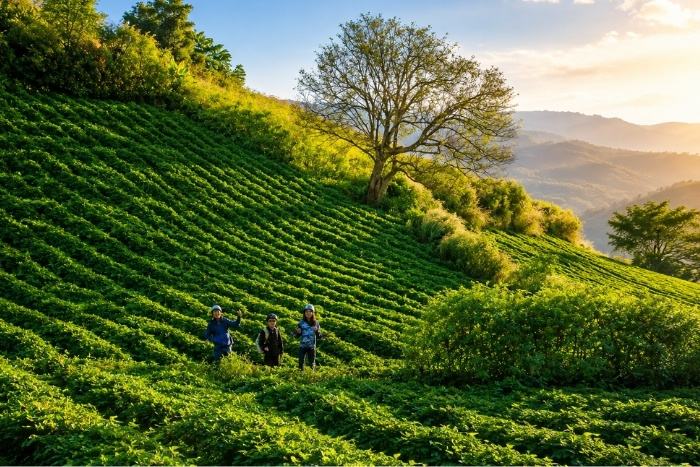
The surrounding area deserves an important place during this stop. You can reach Bien Ho, surrounded by hills and pine forests, then explore the countryside among coffee plantations and volcanic lands. Depending on your preferences, the landscapes of Bien Ho Che or Chu Dang Ya pleasantly complement this discovery. Coffee plays an important role here in agriculture and daily life, making a local tasting particularly interesting.
Pleiku remains an optional stop. You can dedicate these three days to other stops on the itinerary if you want to travel more slowly or extend your stay on the coast.
The 3-week duration offers great flexibility, but the pace of the trip depends mainly on your priorities. Some travelers want to experience as many discoveries as possible, while others prefer to stay several nights in the same place. For Central Vietnam 21 days, three travel paces are particularly suitable.
This pace is suitable for active travelers who want to make the most of their discoveries during their 3 weeks in Central Vietnam. Some stops are limited to one or two nights, with early departures, more excursions and less free time.

You can thus add Ba Na Hills in Da Nang, explore more of the surroundings of Hue, take part in several activities in Hoi An or discover Eo Gio and Ky Co from Quy Nhon. Some transfers can also be combined with visits to optimize the available time.
This option allows you to see more sides of the region, but involves more frequent changes of accommodation and sometimes busy days. It is therefore especially suitable if you are comfortable with a dynamic trip and few completely free days.
For a first discovery, a balanced pace is our main recommendation. It corresponds to the itinerary presented above, with generally two to three nights in each major destination and intentionally lighter transfer days.

You can thus alternate cultural visits in Hue or My Son with the beach in Da Nang and Hoi An, then enjoy the landscapes of Ly Son before continuing to Quy Nhon and the Central Highlands. A few free half-days also allow you to slow down, discover a market, cycle through the countryside or simply enjoy your accommodation.
This organization offers a good balance between discoveries and relaxation, while limiting hotel changes. It is particularly suitable for couples, friends and independent travelers who want to enjoy an in-depth 3-week Central Vietnam trip without following an overly busy schedule.
If you like taking your time, three weeks allow you to reduce the number of stops and stay three to five nights in the regions that attract you most. The idea is to remove certain destinations, such as Ly Son or Quy Nhon, rather than keeping the entire itinerary with stays that are too short.
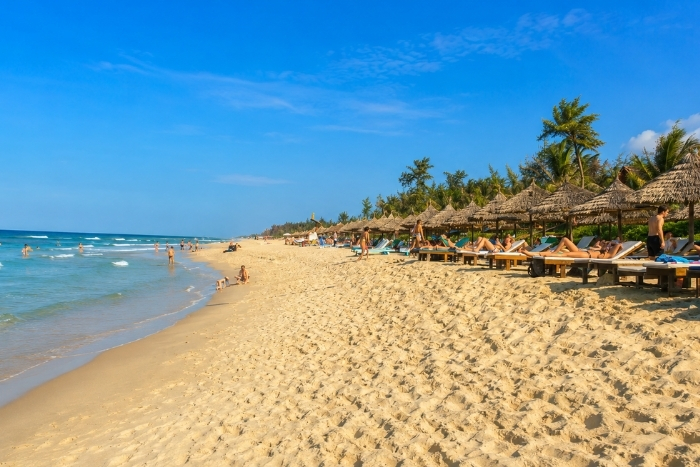
For example, you can extend your stay in Hue to explore its villages and surroundings, stay longer in Hoi An to alternate between cycling through the rice fields, handicrafts, cuisine and An Bang Beach, or spend several days in Kon Tum and Pleiku to enrich your 3-week Central Vietnam itinerary with a leisurely discovery of the Central Highlands.
With fewer transfers and greater freedom, this pace also leaves room for markets, cafés, walks and days without a busy schedule. It is particularly suitable for families, couples, seniors and slow travel enthusiasts.
The suggested itinerary can easily be adapted according to your interests. Over three weeks, you can extend certain stops and shorten others without losing the overall coherence of the itinerary.
Heritage enthusiasts can give a more cultural focus to their 3 weeks in Central Vietnam by extending their stays in Hue, Hoi An, My Son and Kon Tum, while reducing a few beach days or the stop in Ly Son.
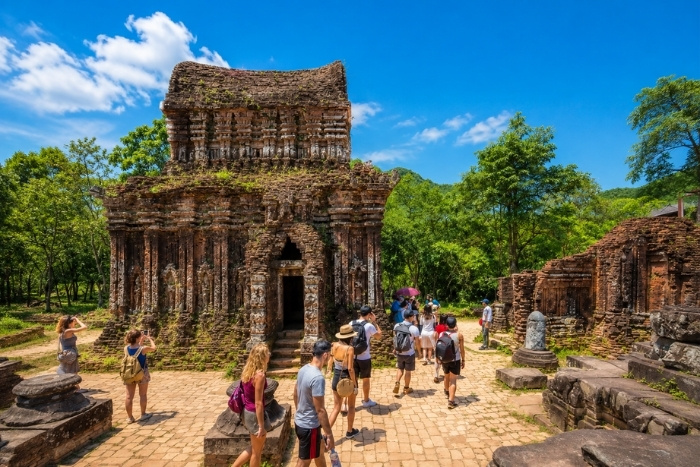
In Hue, you thus have more time to discover the Hue Imperial Citadel, several royal tombs, pagodas and garden houses. The journey continues in Hoi An with its ancient houses and craft villages, then in My Son and the Binh Dinh region to explore Cham heritage in greater depth through the museum in Da Nang and the Banh It or Thap Doi towers.
Kon Tum completes this approach with its nha rong, villages and local traditions. On a 3-week Vietnam small group tour, this part of the itinerary through Central Vietnam is particularly suited to exchanges with a local guide and a more in-depth discovery of the region’s history and culture.
A more nature-focused version of the itinerary leaves less room for urban days and more for the landscapes along the route. The Son Tra Peninsula can be explored at a more leisurely pace, while in Hoi An, cycling through the rice fields and villages offers a great alternative to visits in the town center.
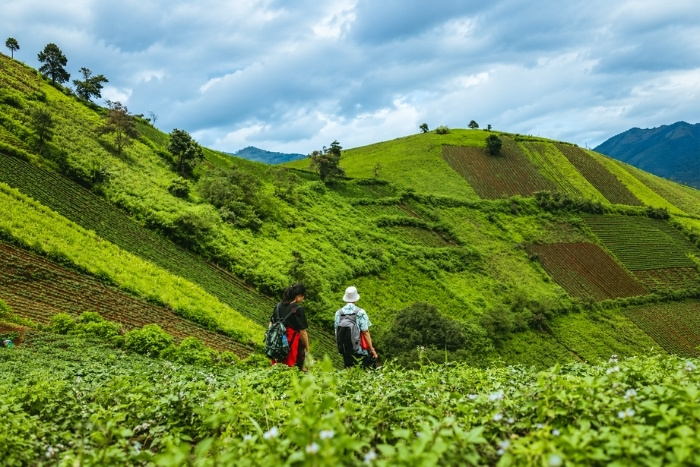
Ly Son also deserves more time for its volcanic landscapes, coastline and Thoi Loi Mountain. Further on, Kon Tum and Gia Lai become the highlights of the journey, with the landscapes of Mang Den, the surroundings of the Dak Bla River, Bien Ho and Chu Dang Ya Volcano. Hiking, walks through the countryside and discovering coffee plantations then allow you to fully enjoy the Central Highlands.
To maintain 21 days in Central Vietnam, urban visits, shopping and certain museums can simply be reduced in favor of these outdoor experiences.
To give the sea a real place in your trip, you can extend your stays in Da Nang, An Bang, Ly Son and Quy Nhon rather than moving from one beach to another. This adaptation is suitable for a 3-week Vietnam trip with beach time focused on the Central Coast, with a few extra nights to alternate between swimming, relaxation and activities without constantly repacking your bags.
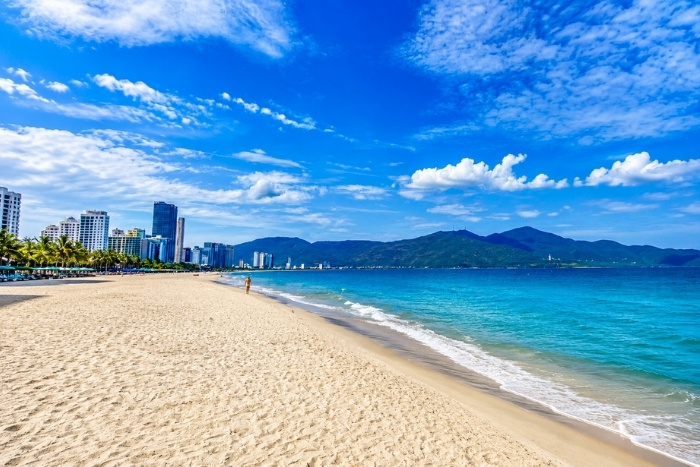
My Khe and An Bang are well suited to quiet days between visits, while Ly Son offers an island atmosphere with its volcanic coastline and snorkeling opportunities depending on sea conditions. Around Quy Nhon, Ky Co, Eo Gio or Bai Xep allow you to alternate between coves, coastal walks and seafood.
In this version, Kon Tum and Pleiku can be shortened or removed. You can then end the itinerary in Quy Nhon or continue to Phu Yen to maintain a natural progression along the coast.
When traveling as a family, the comfort of the itinerary matters as much as the number of discoveries. If your Vietnam 3 weeks family trip focuses on Central Vietnam, stays of at least three nights in Hue, Da Nang or Hoi An limit hotel changes and allow you to alternate between sightseeing, pool time and the beach without requiring overly early departures.
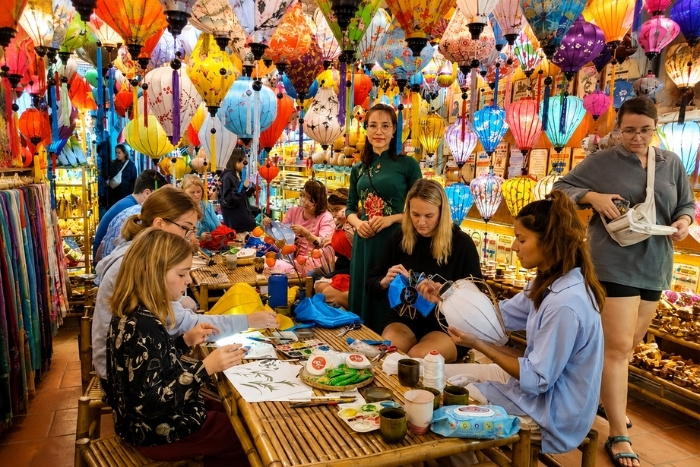
To keep children interested, you can vary the experiences with a bike ride through the rice fields, a lantern-making or pottery workshop in Hoi An, followed by a few more relaxed days in An Bang or Quy Nhon. Ly Son remains optional: the children’s age, the weather and their comfort on boats should be taken into account before keeping this stop.
If you continue to the Central Highlands, a private transfer can make traveling with luggage easier. A few free half-days also remain useful for adapting the itinerary to the energy levels of the whole family.
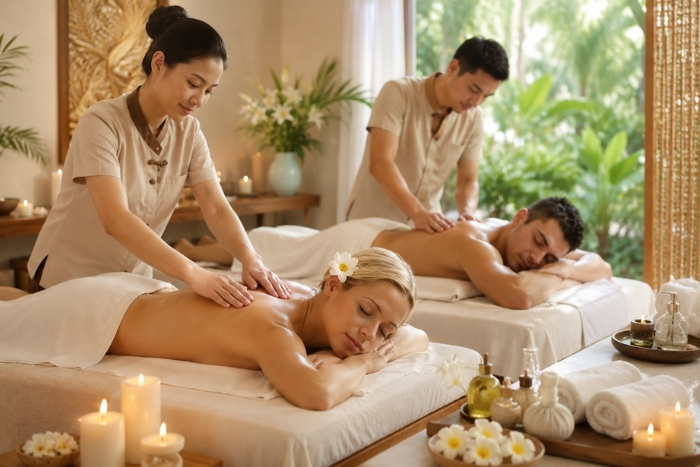
A 3-week trip as a couple benefits from preserving real moments of freedom. As part of a 3-week Vietnam couple trip, traveling through Central Vietnam allows you to combine moments together with a variety of experiences. Charming accommodations in Hue or Hoi An, a good dinner, a spa treatment or a sunset walk easily fit between cultural visits.
The coastline then lends itself to a few more peaceful breaks. Ly Son offers an original island setting, while Quy Nhon allows you to combine beaches, coves and Cham heritage without multiplying transfers.
To bring more contrast to the itinerary, a few days in Kon Tum and Pleiku pleasantly complete the stay with Central Highlands landscapes, villages and coffee culture. The overall journey remains varied, with days flexible enough to share the experiences at your own pace.
To travel through Central Vietnam 3-week trip, several means of transportation can be combined depending on each stage:
Car with driver: Practical between Hue, Da Nang, Hoi An, My Son and the Central Highlands, with greater freedom for stops along the way.
Train: Interesting for certain coastal routes, particularly between Hue and Da Nang to enjoy the landscapes of Hai Van Pass.
Bus or minivan: An economical alternative between the main cities, but less flexible in terms of schedules and stops.
Boat: Essential for reaching Ly Son from Sa Ky Port. Some flexibility in the itinerary remains useful in case of unfavorable weather.
Bicycle or scooter: Suitable for local travel in Hoi An, Ly Son and certain rural areas, depending on distances and your experience.
Plane: A departure from Pleiku allows you to end the itinerary in the Central Highlands without returning to Da Nang.
A linear itinerary remains preferable to limit long transfers and devote more time to sightseeing.
The climate varies between the coast and the Central Highlands, but two main periods make it easier to organize your 3-week Central Vietnam tour:
The dry season, from February to August: This is generally the most favorable period for this itinerary. The weather is well suited to visits to Hue, Hoi An and My Son, as well as the beaches of Da Nang, Ly Son and Quy Nhon. March and April in particular offer a good balance between cultural discoveries and outdoor activities.
The rainy season, from September to January: Rainfall becomes heavier on the central coast, with a risk of tropical storms especially in autumn. Crossings to Ly Son can also be disrupted by sea conditions. If you travel during this period, a flexible itinerary remains preferable.
The budget for a 3-week Central Vietnam trip varies mainly depending on the level of accommodation, transportation and activities chosen. Here is an indicative estimate per person, excluding international flights:
Expense category | Budget option | Comfort option | High-end option |
Accommodation | $290 - $465 | $580 - $925 | More than $1,390 |
Meals | $210 - $350 | $405 - $580 | More than $810 |
Transportation | $175 - $290 | $350 - $580 | More than $810 |
Visits and activities | $115 - $230 | $230 - $405 | More than $580 |
Total budget for 21 days | $790 - $1,330 | $1,565 - $2,490 | More than $3,590 |
These amounts remain indicative for estimating a 3-week Vietnam travel budget focused on Central Vietnam. A car with a driver, charming hotels, private excursions or more activities can significantly increase expenses, while public transportation and local accommodation can help reduce them.
To fully enjoy your Central Vietnam 21 days, a few simple principles help keep the itinerary pleasant and coherent:
Limit the number of stops: Stay two to three nights in the main destinations rather than constantly changing accommodation. Three weeks allow you to spend more time in each region.
Build a linear route: A progression from Hue to Hoi An, Quy Nhon and then the Central Highlands reduces backtracking and long days of transportation.
Keep some flexibility for Ly Son: Crossings depend on sea conditions. A little flexibility in the schedule prevents a change in boat service from disrupting the rest of the itinerary.
Alternate discoveries and free time: After several visits or a long transfer, a lighter half-day allows you to recover without feeling like you are wasting time.
Adapt the itinerary to the weather: The coast and the Central Highlands do not always experience the same conditions. A slightly flexible itinerary makes it easier to replace an activity in case of rain, intense heat or rough seas.
Travel feedback can also help you better prepare for your stay: Discover this 3-week Vietnam tour review and take inspiration from the journey of travelers who have already explored the country.

At the end of these 3 weeks in Central Vietnam, the journey reveals a region far more diverse than its historic cities and famous beaches. The landscapes change, cultural heritages intersect and local encounters enrich the journey. With 21 days, you can take the time to understand these contrasts rather than moving from one must-see attraction to another. The suggested itinerary remains flexible according to your interests, budget and pace. To organize your own 3-week Central Vietnam trip, the Vietnam travel agency - Autour Asia can design a tailor-made itinerary with you, selecting the stops and experiences that truly match your expectations.
You might be interested in:
- 2-week Vietnam itinerary for seniors
- Vietnam in 15 days for couple
- 2 weeks in Vietnam with friends
- Vietnam Travel Guide
- 15 days Vietnam itinerary
- Vietnam Packages Tours


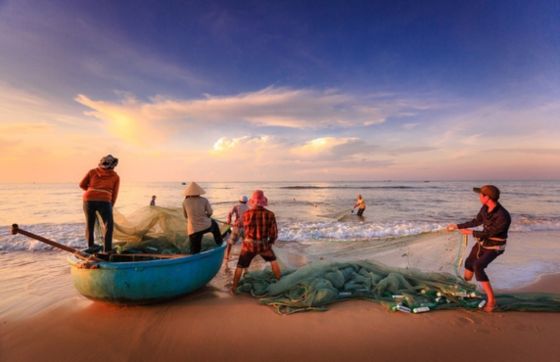
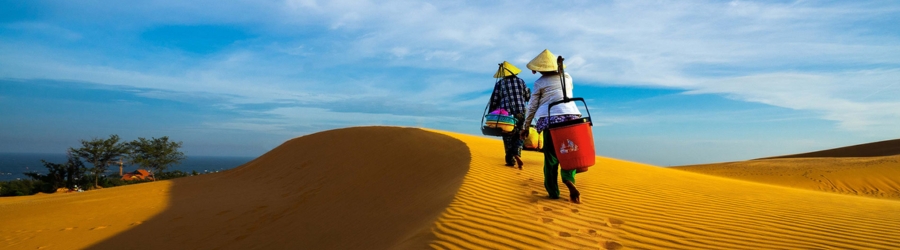
Phan Thiet, a coastal city in Binh Thuan Province, is best known for Mui Ne, an internationally renowned seaside destination. With its beaches, fishing villages, and desert-like sand dunes, the region offers a diverse range of landscapes rarely found elsewhere in Southeast Asia. In November, temperatures remain pleasant for exploring the coast, although occasional showers are still possible. Visiting Phan Thiet Mui Ne in November requires a little preparation to make the most of your stay. This complete guide covers the weather, must-see attractions, transportation options, and practical tips to help you plan your trip to Vietnam in November.
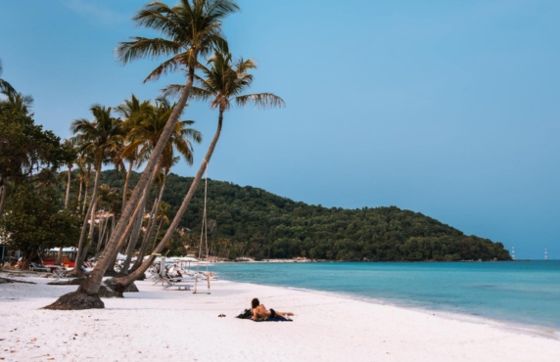
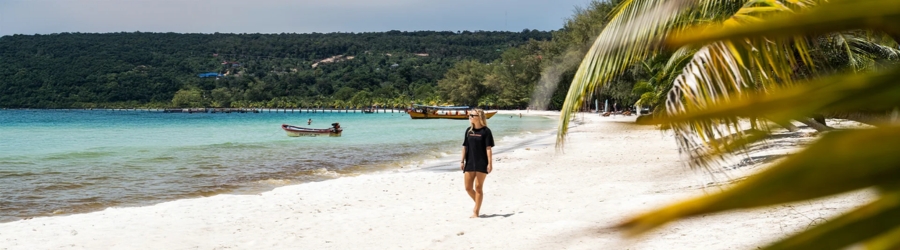
Vietnam’s beaches are best enjoyed at different times of the year, depending on the region. From the turquoise waters of the South to the long stretches of white sand in the Central region and tropical islands, each area has its own climate patterns. To better understand when to visit Vietnam, it is important to consider the weather conditions in each destination. The best time to visit beaches in Vietnam depends on region you choose as well as the activities you have planned. The best time to swim in Vietnam also varies according to rainfall, water temperature and sea conditions. Understanding the Vietnam beach season helps you choose destinations that match your travel dates and enjoy the coastline in good conditions.
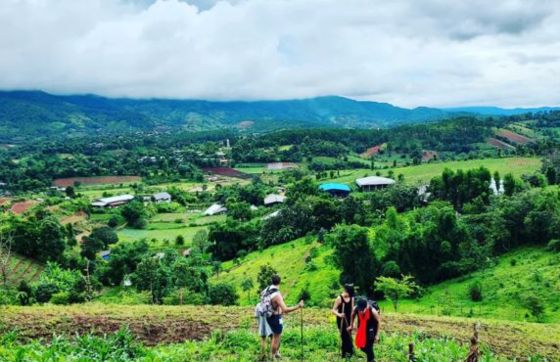
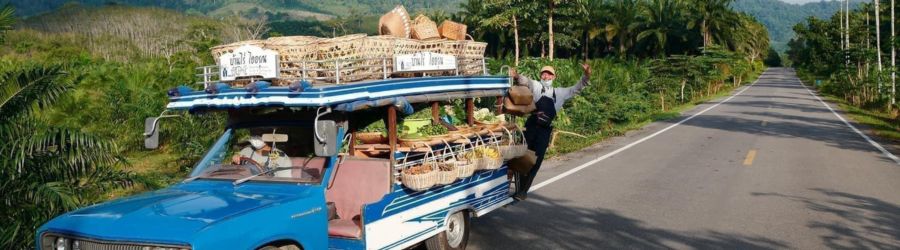
Discovering Thailand through its rice fields, plantations, and rural villages offers a different way to travel, far from traditional tourist circuits. But how can you choose the best agency for Thailand farm tours to enjoy authentic experiences with local communities? Several tour operators offer trips combining agriculture, gastronomy, and encounters with producers. Among them, Autour Asia is an option for travelers who want to personalize their itinerary. Known as Vietnam travel agency - Autour Asia, the company also offers tailor-made trips to several countries in Southeast Asia. With the local travel agency in Thailand - Autour Asia, travelers can explore a trip designed around their interests. Here are five organizations worth knowing, their distinctive features, and the essential criteria for planning a successful agricultural tour in Thailand.
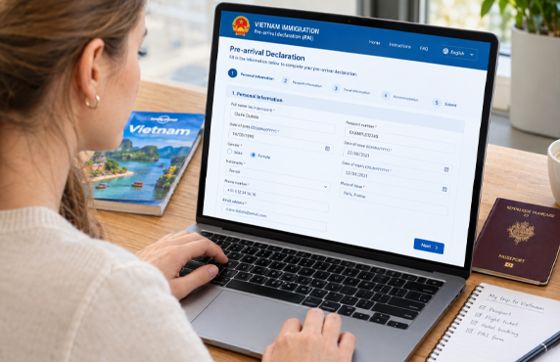

Planning a trip to Vietnam? Before packing your bags, take a few minutes to check the latest entry requirements and prepare the documents you may need at the airport.
Vietnam’s Pre-Arrival Information (PAI) system allows international travellers to submit selected personal, visa and travel details online before arriving in the country. After a successful submission, the system generates a QR code that travellers can save on their phones or print for use during immigration procedures. Although the online declaration is designed to help make arrival procedures smoother, travellers should understand when it applies, how to complete it correctly and which documents they still need to enter Vietnam.
In this practical guide, you will discover where to access the official PAI portal, what information to prepare, how to complete the declaration step by step, how to correct common mistakes and what to do when you arrive at the airport.
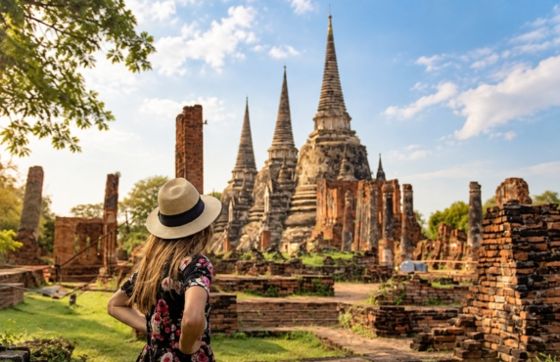
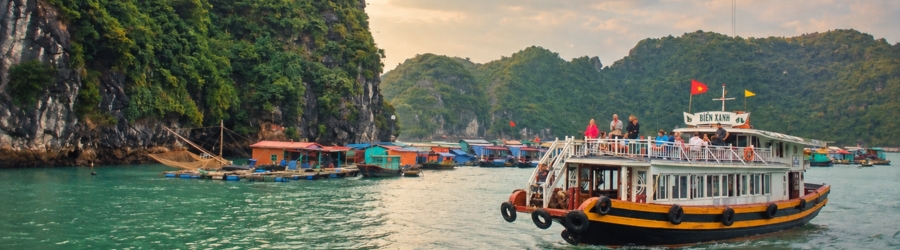
With its exotic landscapes, fascinating cultures and diverse experiences, Vietnam and Thailand are among the most popular destinations in Southeast Asia. However, safety remains an important criterion when planning your trip. So, how can you choose Vietnam or Thailand for a safe trip depending on the way you travel ? And is Vietnam safer than Thailand ? Each destination has its own characteristics and points to consider. In this article, Autour Asia helps you compare Vietnam and Thailand to better understand their differences and choose the destination that meets your expectations for your next trip to Asia.
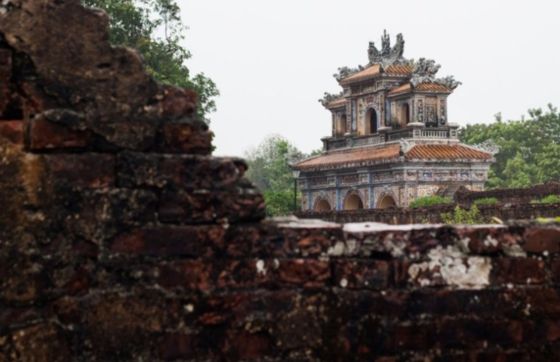
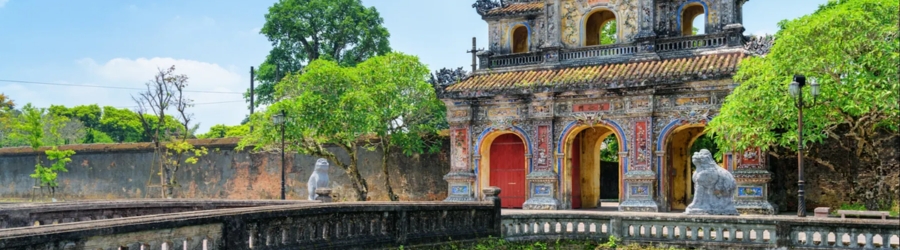
Planning a trip to Hue in November requires a little more flexibility than at other times of the year. Visiting Hue in November means experiencing the rainy season in central Vietnam, with prolonged showers and a risk of flooding. However, this period can also be an opportunity to explore the former imperial capital’s royal heritage, pagodas and renowned cuisine in a quieter atmosphere. The key is to choose your activities carefully, prepare alternative plans and check the weather conditions before setting out.


When travelling in Cambodia, some everyday habits may raise questions about local customs. Is blowing your nose in public considered polite? How should you behave in restaurants, on public transport or during a visit? These small details matter when you want to respect the local culture. Discover how to manage blowing your nose in Cambodia discreetly, along with practical tips on using tissues during your trip. Autour Asia, Cambodia travel agency, helps you discover local customs with advice tailored to travellers. From Cambodia travel etiquette to personal hygiene and everyday situations, a few simple guidelines can make your journey more comfortable. In Phnom Penh, Siem Reap or Kampot, understanding local customs helps you avoid awkward moments while making the most of your stay.
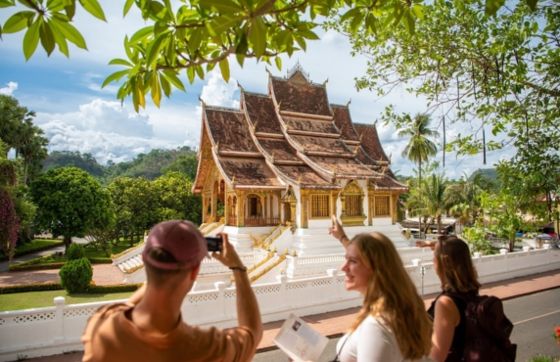
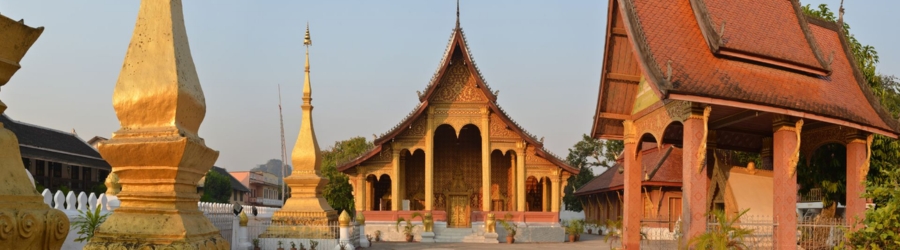
Blow your nose in Laos is not necessarily considered rude, but it is best to do so discreetly, especially in quiet places or during meals. If you have a cold, use a clean tissue and avoid blowing your nose loudly in public. In temples and other places of worship, respect the peaceful atmosphere and local customs. If you need to blow your nose frequently, step away from others for a moment whenever possible. Finally, dispose of used tissues in a rubbish bin. These simple habits will help you observe good manners during your trip to Laos.



 FR
FR EN
EN