A motorbike gives you more freedom to travel at your own pace. With Vietnam by motorcycle in 2 weeks, you can adjust your route, stop in a village or pull over whenever you come across a beautiful view. It’s also a great way to explore the countryside, rice fields and small roads that are often left out of classic tours.
Vietnam is particularly well suited to this type of trip in the mountainous North. The roads wind through valleys, mountain passes and villages home to different ethnic communities.
However, a Vietnam motorbike tour also requires caution. Traffic can be heavy in major cities, while some mountain roads are narrow, winding or in poor condition. If you have little riding experience, it’s better to choose an easier route or travel with a local guide.
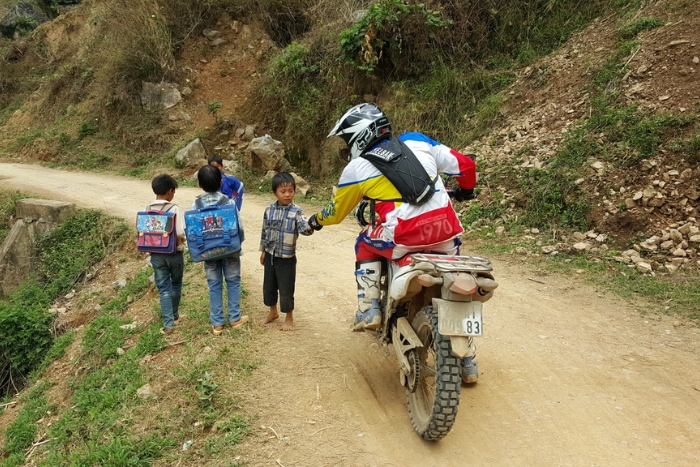
Is 2 weeks enough to ride across Vietnam ?
Yes, but you will have limited time to explore the places along the way.
Vietnam stretches more than 1,600 km from north to south, so crossing the country by motorbike means spending long hours on the road, especially if you want to take smaller, scenic roads.
With only two weeks, a large part of your trip could be spent riding. Traffic, weather and unexpected delays can also affect your schedule.
For a more enjoyable 14-day Vietnam itinerary, it is better to focus on one region and explore it at a comfortable pace.
If you want to travel from north to south, it is better to allow around three weeks or more. With 14 days, staying within one region gives you more time to enjoy the scenery, visit local sites and meet people along the way.
Vietnam has plenty of routes to explore by motorbike. In the North, the mountain passes and valleys of Ha Giang offer some of the most spectacular scenery. In Central Vietnam, the coastal roads around Hai Van Pass have a completely different atmosphere. Further south, the routes take you through the countryside, plantations and villages of the Mekong Delta.
For Vietnam by motorcycle in 2 weeks, there’s no need to try to cover all of these routes. It’s better to choose an itinerary based on the type of trip you want, your riding experience and the time you have available.
The Ha Giang Loop motorbike tour is one of the most well-known motorbike routes in Vietnam. Covering around 300 to 400 km depending on the route, it passes through Quan Ba, Yen Minh, Dong Van, Ma Pi Leng Pass, Meo Vac and Du Gia. For a 2-week trip in Vietnam by motorbike, it’s a great option if you want to spend several days exploring the mountainous landscapes of the North.
This route is ideal if you’re looking for limestone mountains, deep valleys, ethnic villages and winding roads. Plan at least 3 to 4 days to properly enjoy the loop rather than simply focusing on covering the distance.
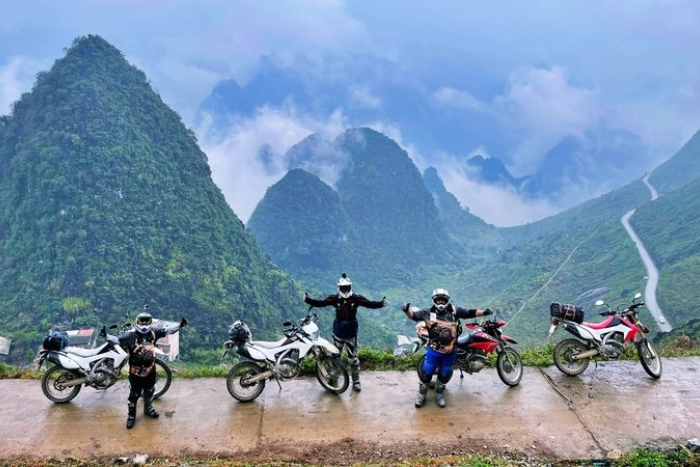
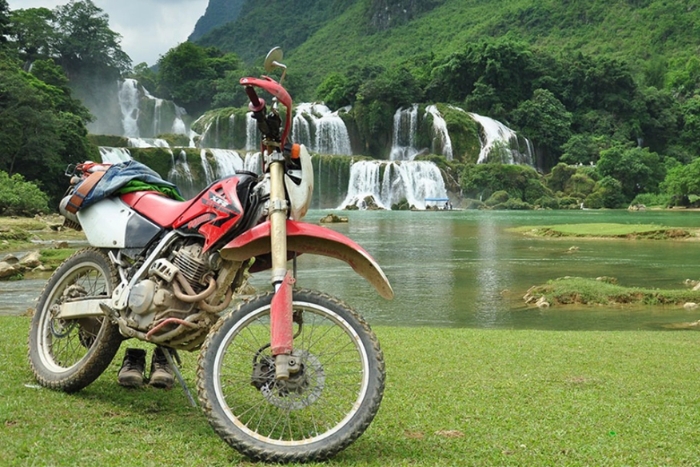
East of Ha Giang, Cao Bang offers a different experience for a 2-week north Vietnam itinerary. The route takes you through Quang Uyen, Trung Khanh, Ban Gioc Waterfall and the Phong Nam Valley.
The scenery is still very mountainous, but the atmosphere is generally more peaceful. It’s a good alternative if you want to explore Northern Vietnam by motorbike without limiting your trip to Ha Giang.
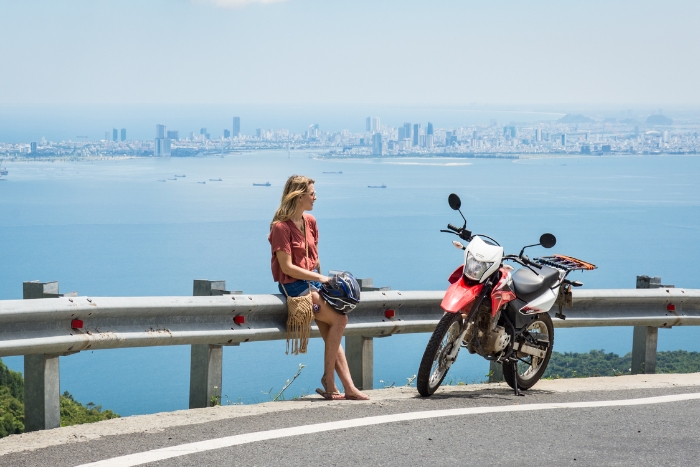
Between Hue and Hoi An, Hai Van Pass is one of the easiest motorbike routes to include in a classic Vietnam itinerary. The road follows the coast, crosses the pass and offers beautiful views over the sea.
At around 120 km including stops, this route can be completed in one day. It’s therefore a good option for travelers who want to try riding a motorbike without spending several days on a road trip.
The Ho Chi Minh Road runs through the interior of Vietnam and offers an alternative to the main coastal routes. Some sections, particularly between Khe Sanh and Phong Nha, are more remote and pass through mountain and forest landscapes.
The full route is far too long to cover comfortably in Vietnam by motorcycle in 2 weeks. For a shorter trip, it’s better to choose one section rather than trying to follow the road from South to North.
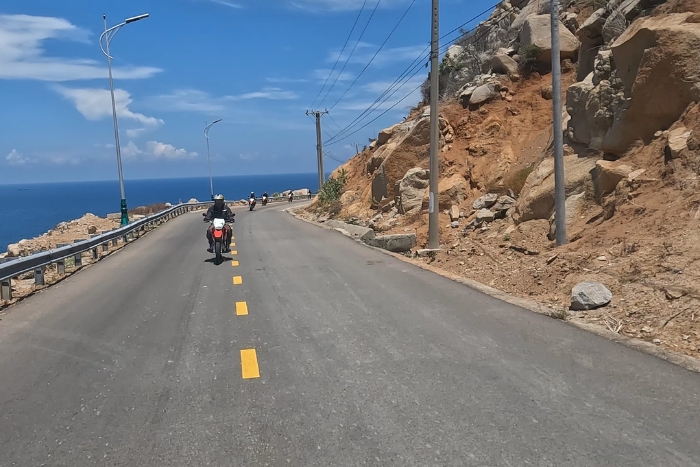
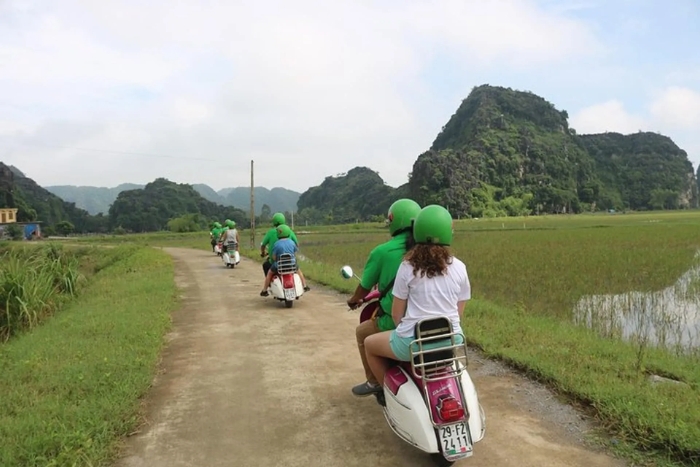
For a more relaxed 2 weeks in Vietnam itinerary starting from Hanoi, the Mai Chau – Pu Luong – Ninh Binh route combines green valleys, rice fields, local villages and peaceful countryside roads.
The scenery is less dramatic than in Ha Giang, but the pace is more relaxed. Allow around 3 to 5 days, depending on the stops and detours you choose.
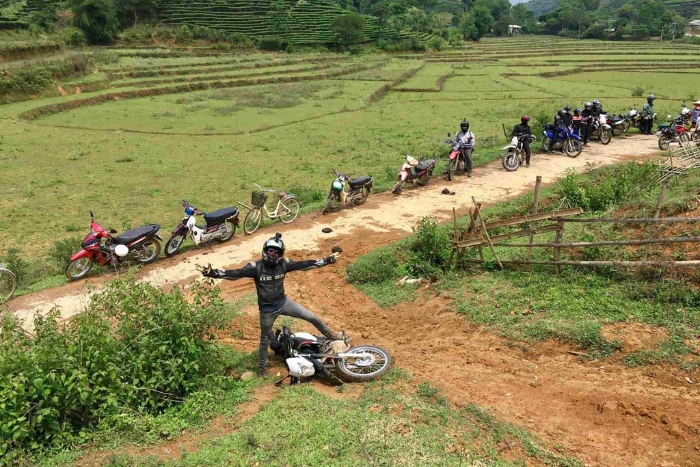
In the South, motorbike travel offers a different experience. The roads through the Mekong Delta pass orchards, rice fields, villages and numerous small waterways.
A route connecting Ho Chi Minh City, Ben Tre, Can Tho, Chau Doc and Ha Tien takes several days, but the roads are generally less challenging than those in the mountainous regions. Here, the main attraction is the rural scenery and local life rather than the riding itself.
Which regions of Vietnam are best for a motorbike trip?
Not all regions offer the same riding conditions. For Vietnam by motorcycle in 2 weeks, your choice will mainly depend on the type of scenery and roads you want to experience.
| Region | Recommended duration | What you can discover |
| Northern mountains | 4 to 7 days | Mountains, rice fields, villages, mountain passes |
| North + Northeast | 10 to 14 days | Ha Giang, Cao Bang, Ba Be |
| Central Vietnam | 5 to 7 days | Hue, Hai Van Pass, Da Nang, Hoi An |
| Central Highlands | 4 to 6 days | Plantations, mountains, villages |
| Southern Vietnam | 3 to 5 days | Countryside, Mekong Delta, rural roads |
For Vietnam by motorcycle in 2 weeks, the route you choose will mainly depend on your interests and the type of trip you’re looking for.
This itinerary is ideal for travelers looking for mountains, villages and rural landscapes.
| Day | Destination |
| 1-2 | Hanoi |
| 3 | Hanoi - Ha Giang |
| 4-6 | Ha Giang Loop |
| 7 | Ha Giang - Cao Bang |
| 8-9 | Cao Bang and Ban Gioc |
| 10 | Cao Bang - Ba Be |
| 11 | Ba Be - Hanoi |
| 12-14 | Hanoi ou Mai Chau, Pu Luong and Ninh Binh |
Learn more:
>>> 7 days Ba Be Cao Bang Ha Giang
>>> 1-week Cao Bang Ha Giang itinerary
This itinerary offers a variety of experiences without requiring you to travel across the whole country.
| Jour | Destination |
| 1-2 | Hué |
| 3 | Hué - Lang Co - col de Hai Van - Da Nang |
| 4-5 | Da Nang et Hoi An |
| 6 | Hoi An - My Son |
| 7-8 | Hoi An - Kon Tum |
| 9-10 | Kon Tum |
| 11-12 | Kon Tum - Pleiku - Buon Ma Thuot |
| 13-14 | Buon Ma Thuot |
For travelers who prefer to avoid mountain roads, the South offers another option.
| Day | Destination |
| 1 | Da Nang and Hoi An |
| 2-3 | Ho Chi Minh City |
| 4-5 | Ben Tre |
| 6-7 | Can Tho |
| 8-9 | Chau Doc |
| 10-11 | Ha Tien |
| 12-14 | Return to Ho Chi Minh City or extend your trip to Phu Quoc |
You’ll find motorbike rental shops in most major tourist destinations, including Hanoi, Ha Giang, Hue, Da Nang, Hoi An, Da Lat and Ho Chi Minh City.
Before setting off, always check the condition of the motorbike. Test the brakes, tires, lights, turn signals, horn and mirrors. It’s also a good idea to take a few photos of the bike before renting it.
For city roads and easy routes, an automatic scooter is usually enough.
For rural and mountain roads, a semi-automatic motorbike is often more versatile. Manual bikes are better suited to riders who are already comfortable with this type of vehicle.
Your choice should mainly depend on your riding experience. It’s better to choose a simple motorbike that you know how to handle than a more powerful model you’re not familiar with.
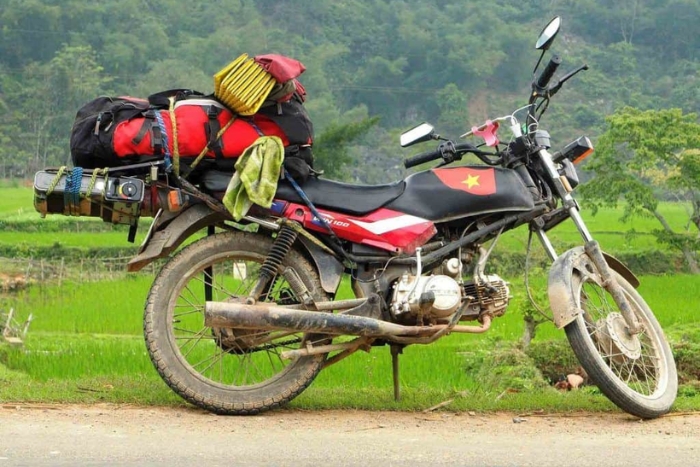
Be sure to ask about :
Also, take some time to test the motorbike before leaving the city.
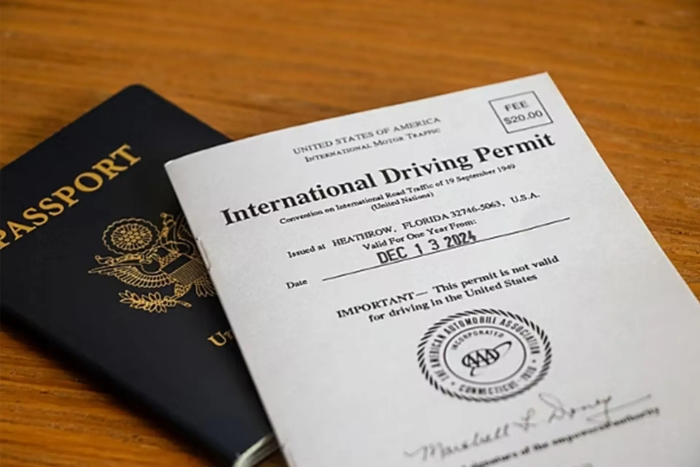
To legally ride a motorbike in Vietnam, you need a valid license for the type of motorbike you are riding. A standard car license is not enough.
Vietnam recognizes International Driving Permits (IDPs) issued under the 1968 Vienna Convention. This is important to check before your trip, as some countries, including the United States, Canada and Australia, commonly issue IDPs under the 1949 Convention, which are not recognized in Vietnam.
In practice, some travelers still rent motorbikes without the required license. Rental shops do not always check the documents, and police checks may be less frequent in some tourist areas.
The main concern, however, is insurance. If you have an accident without the required license and IDP, your travel insurance may refuse to cover the costs. In the event of a serious accident, these expenses can be very high.
The best time to travel depends on the region you choose. Vietnam’s climate varies considerably between the North, Central and South.
North (Ha Giang, Sapa, Cao Bang): March to May and September to November are generally the best months. Winter can be cold and foggy, while summer brings more frequent heavy rain.
Central Vietnam (Hue, Da Nang, Central Coast): February to August is generally the most pleasant period. Rainfall increases in October and November.
South (Ho Chi Minh City, Mekong Delta): The dry season, from December to April, is ideal for motorbike trips. From May to October, rain is more frequent, but showers are often short and heavy.
If your route includes Hanoi, the northern mountains, Hue, Hoi An and the South, March to mid-April is a good overall period to consider. However, weather conditions can vary from year to year, especially in mountainous areas.
Travel light, especially for a backpacking trip to Vietnam. A large suitcase can be difficult to carry on a motorbike.
Make sure to bring:
The key is to pack light. The less luggage you carry, the easier and more comfortable riding will be.
It mainly depends on your riding experience.
If you’re used to long motorbike trips, you can plan an independent journey on carefully chosen routes.
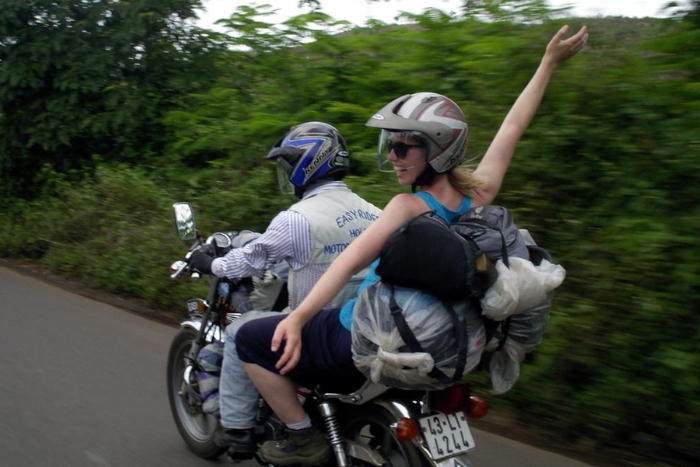
If you prefer not to ride yourself, you can hire an Easy Rider. This is a local rider who takes you on the back of their motorbike and knows the roads, traffic conditions and good places to stop.
It’s a good option if you have little riding experience, feel uncomfortable with traffic, or simply want to enjoy the scenery without worrying about navigation. This option is particularly common in Ha Giang and the Central Highlands.
A trip to Vietnam by motorcycle in 2 weeks gives you several options, depending on the regions you want to explore and the amount of time you want to spend on the road. You can focus on the mountains and rural landscapes of the North, explore the historic sites and coastal areas of Central Vietnam, or combine several destinations at a faster pace. Traveling across the whole country is also possible, but it means covering longer distances and allowing less time at each stop. Before setting off, check your driving licence, insurance, motorbike condition and the weather conditions along your route.
To plan a custom 2-week Vietnam itinerary, Autour Asia, a travel agency in Vietnam, can also help you organize your trip.


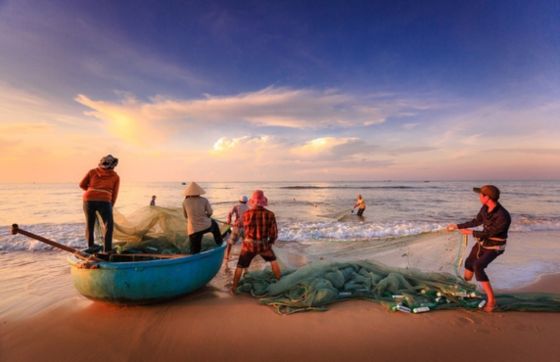

Phan Thiet, a coastal city in Binh Thuan Province, is best known for Mui Ne, an internationally renowned seaside destination. With its beaches, fishing villages, and desert-like sand dunes, the region offers a diverse range of landscapes rarely found elsewhere in Southeast Asia. In November, temperatures remain pleasant for exploring the coast, although occasional showers are still possible. Visiting Phan Thiet Mui Ne in November requires a little preparation to make the most of your stay. This complete guide covers the weather, must-see attractions, transportation options, and practical tips to help you plan your trip to Vietnam in November.
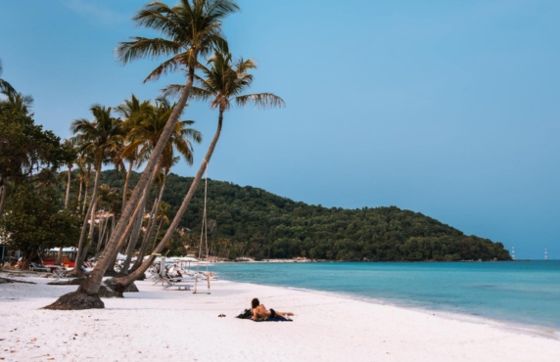
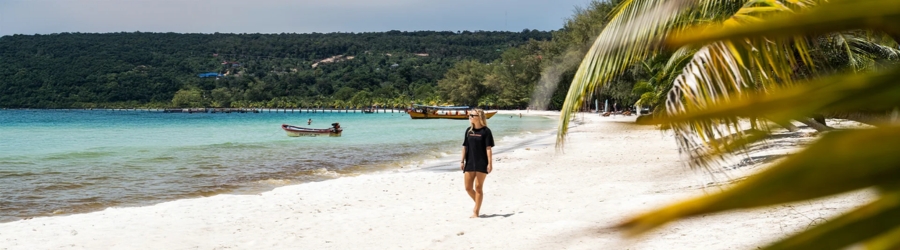
Vietnam’s beaches are best enjoyed at different times of the year, depending on the region. From the turquoise waters of the South to the long stretches of white sand in the Central region and tropical islands, each area has its own climate patterns. To better understand when to visit Vietnam, it is important to consider the weather conditions in each destination. The best time to visit beaches in Vietnam depends on region you choose as well as the activities you have planned. The best time to swim in Vietnam also varies according to rainfall, water temperature and sea conditions. Understanding the Vietnam beach season helps you choose destinations that match your travel dates and enjoy the coastline in good conditions.
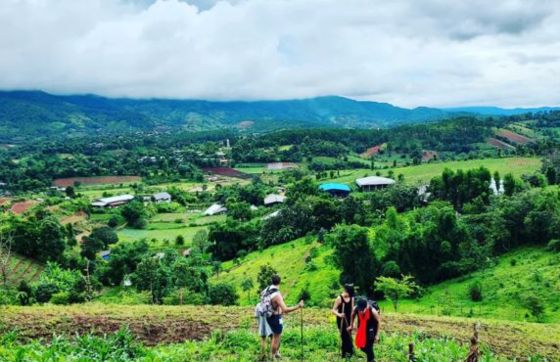
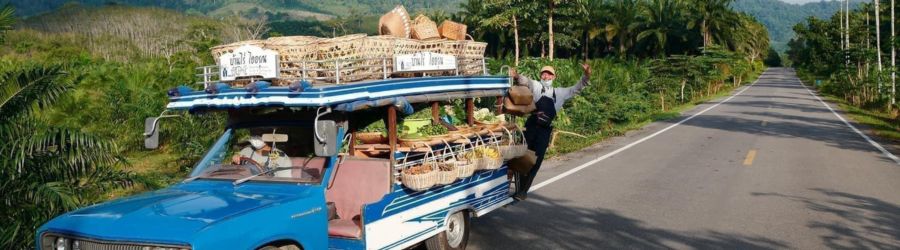
Discovering Thailand through its rice fields, plantations, and rural villages offers a different way to travel, far from traditional tourist circuits. But how can you choose the best agency for Thailand farm tours to enjoy authentic experiences with local communities? Several tour operators offer trips combining agriculture, gastronomy, and encounters with producers. Among them, Autour Asia is an option for travelers who want to personalize their itinerary. Known as Vietnam travel agency - Autour Asia, the company also offers tailor-made trips to several countries in Southeast Asia. With the local travel agency in Thailand - Autour Asia, travelers can explore a trip designed around their interests. Here are five organizations worth knowing, their distinctive features, and the essential criteria for planning a successful agricultural tour in Thailand.
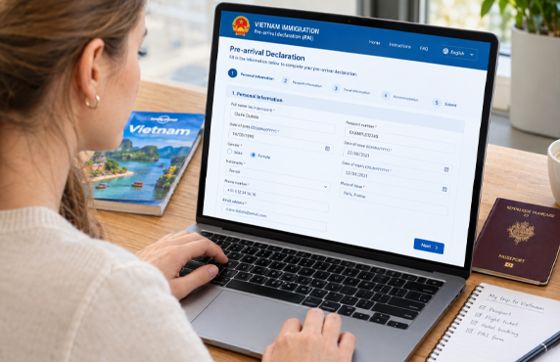

Planning a trip to Vietnam? Before packing your bags, take a few minutes to check the latest entry requirements and prepare the documents you may need at the airport.
Vietnam’s Pre-Arrival Information (PAI) system allows international travellers to submit selected personal, visa and travel details online before arriving in the country. After a successful submission, the system generates a QR code that travellers can save on their phones or print for use during immigration procedures. Although the online declaration is designed to help make arrival procedures smoother, travellers should understand when it applies, how to complete it correctly and which documents they still need to enter Vietnam.
In this practical guide, you will discover where to access the official PAI portal, what information to prepare, how to complete the declaration step by step, how to correct common mistakes and what to do when you arrive at the airport.

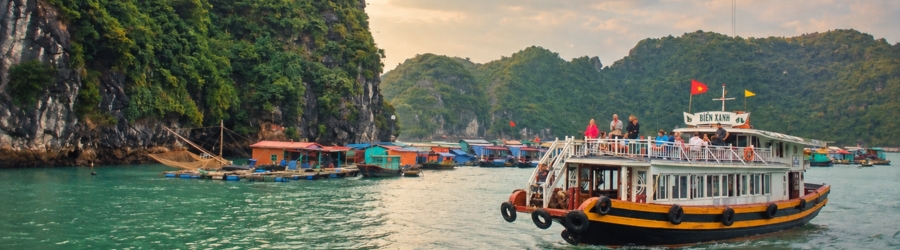
With its exotic landscapes, fascinating cultures and diverse experiences, Vietnam and Thailand are among the most popular destinations in Southeast Asia. However, safety remains an important criterion when planning your trip. So, how can you choose Vietnam or Thailand for a safe trip depending on the way you travel ? And is Vietnam safer than Thailand ? Each destination has its own characteristics and points to consider. In this article, Autour Asia helps you compare Vietnam and Thailand to better understand their differences and choose the destination that meets your expectations for your next trip to Asia.
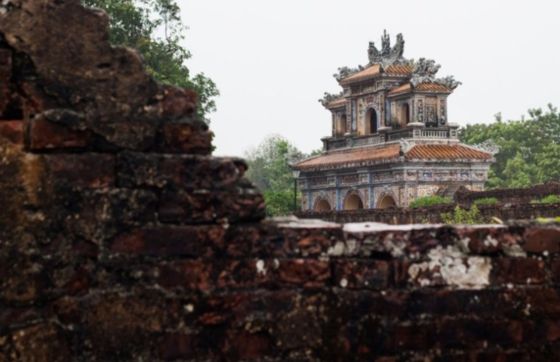
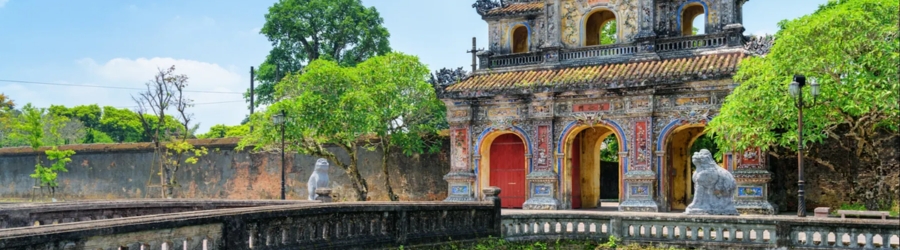
Planning a trip to Hue in November requires a little more flexibility than at other times of the year. Visiting Hue in November means experiencing the rainy season in central Vietnam, with prolonged showers and a risk of flooding. However, this period can also be an opportunity to explore the former imperial capital’s royal heritage, pagodas and renowned cuisine in a quieter atmosphere. The key is to choose your activities carefully, prepare alternative plans and check the weather conditions before setting out.
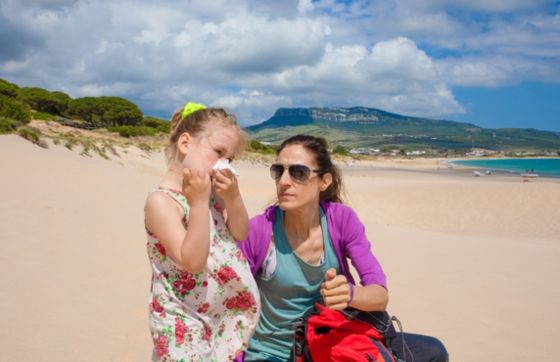

When travelling in Cambodia, some everyday habits may raise questions about local customs. Is blowing your nose in public considered polite? How should you behave in restaurants, on public transport or during a visit? These small details matter when you want to respect the local culture. Discover how to manage blowing your nose in Cambodia discreetly, along with practical tips on using tissues during your trip. Autour Asia, Cambodia travel agency, helps you discover local customs with advice tailored to travellers. From Cambodia travel etiquette to personal hygiene and everyday situations, a few simple guidelines can make your journey more comfortable. In Phnom Penh, Siem Reap or Kampot, understanding local customs helps you avoid awkward moments while making the most of your stay.
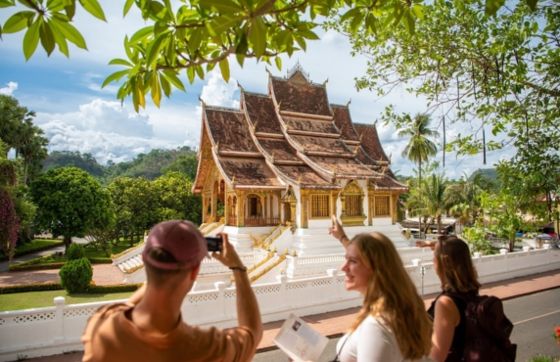
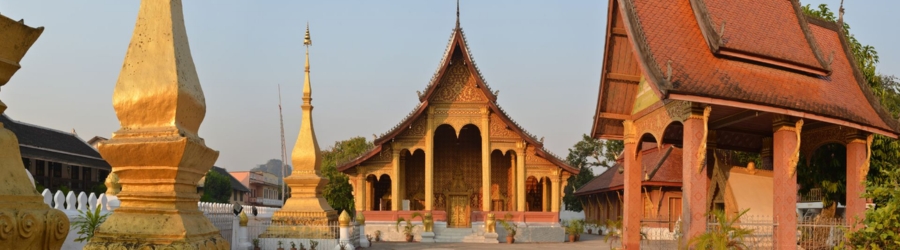
Blow your nose in Laos is not necessarily considered rude, but it is best to do so discreetly, especially in quiet places or during meals. If you have a cold, use a clean tissue and avoid blowing your nose loudly in public. In temples and other places of worship, respect the peaceful atmosphere and local customs. If you need to blow your nose frequently, step away from others for a moment whenever possible. Finally, dispose of used tissues in a rubbish bin. These simple habits will help you observe good manners during your trip to Laos.



 FR
FR EN
EN