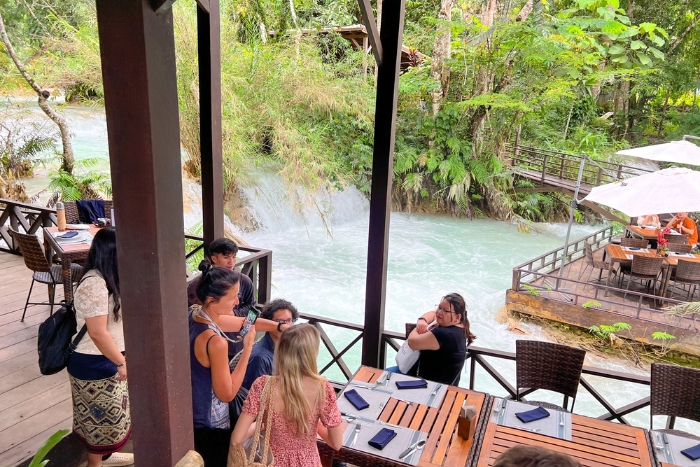
Blow your nose in Laos is not necessarily considered rude, but it is best to do so discreetly, especially in quiet places or during meals. If you have a cold, use a clean tissue and avoid blowing your nose loudly in public. In temples and other places of worship, respect the peaceful atmosphere and local customs. If you need to blow your nose frequently, step away from others for a moment whenever possible. Finally, dispose of used tissues in a rubbish bin. These simple habits will help you observe good manners during your trip to Laos.
Is it polite to blow your nose in public in Laos? There is no general rule stating that blowing your nose in public is always frowned upon in Laos. It is therefore important to distinguish between the act itself and the way you do it.
Blowing your nose discreetly with a clean tissue when necessary is not necessarily a problem. However, blowing your nose loudly, drawing unnecessary attention to yourself or neglecting hygiene may make others uncomfortable, particularly in shared spaces.
The setting also matters. Social expectations may differ between a busy market or a street and a quiet restaurant, someone's home or a religious ceremony. In these situations, observing the behaviour of those around you and acting with restraint is a sensible approach.
The key is not to treat blowing your nose as a cultural taboo in Laos, but rather to behave respectfully and adapt to each situation.
A few simple habits can help you avoid awkward situations during your stay in Laos.
Carry paper tissues. Keep a few in your bag, especially if you are travelling during the dry season or are sensitive to dust.
Avoid blowing your nose loudly. In quiet places, try to be discreet so you do not disturb the people around you.
Step away when necessary. If you need to blow your nose several times, move away from others briefly whenever the situation allows.
Be considerate during meals. If you need to blow your nose at the table, do so discreetly. If you have a cold and need to do it frequently, politely excuse yourself and step away for a moment.
Respect places of worship. In a temple or during a religious ceremony, avoid gestures and noises that could disturb worshippers.
Maintain good hygiene. Dispose of used tissues in a rubbish bin and wash your hands whenever possible, especially before eating.
These precautions are not specific cultural prohibitions in Laos. They are mainly a matter of consideration for others and basic hygiene while travelling.
Beyond knowing whether it is rude to blow your nose in Laos, learning a few local customs and Laos travel tips will help you better understand everyday interactions and explore the country respectfully.
A calm and restrained attitude is appreciated in many social situations in Laos. Avoid speaking too loudly in quiet places, expressing frustration aggressively or losing your temper in public. If a problem arises, try to explain the situation calmly and patiently.
This approach is particularly helpful when interacting with local residents, asking for directions or dealing with unexpected difficulties during your trip.
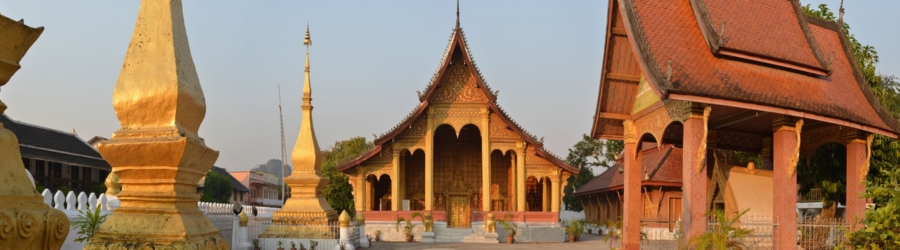
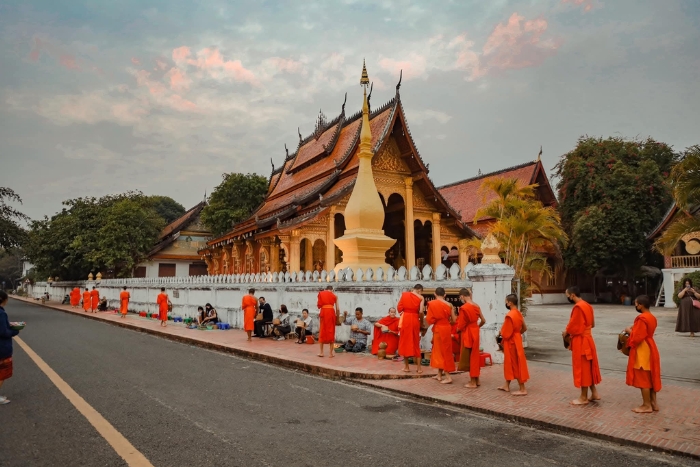
Theravada Buddhism plays an important role in the cultural and religious life of Laos. Temples, known locally as wats, are active places of worship rather than simply tourist attractions.
When visiting a temple, wear clothing that covers your shoulders and knees, remove your shoes before entering religious buildings when required, and keep your voice down. Avoid touching Buddha statues or interrupting prayers to take photographs.
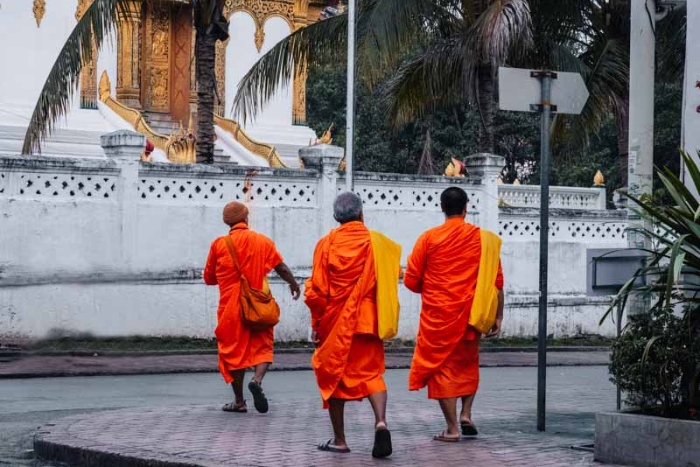
If you wish to photograph a monk or a religious ceremony, check whether photography is permitted first and ask for permission when appropriate.
Before photographing a local resident, ask for their permission, particularly if you want to take a close-up portrait. In villages, respect families' privacy and avoid entering private property without an invitation.
You can also learn a few simple Lao expressions. Sabaidee means “hello”, while khop chai means “thank you”. Learning these words can make interactions easier and show your interest in the local culture.
In restaurants, on public transport and in accommodation, avoid leaving rubbish behind, keep noise to a reasonable level when necessary, and be considerate of both fellow travellers and local residents.
These small gestures are particularly important in small communities and places frequented by families. They help create a more pleasant travel experience without imposing your own habits on the people you meet.
Blow your nose in Laos is not necessarily considered impolite. What matters most is the context and how you do it. In restaurants, quiet settings and temples, try to be discreet so you do not disturb those around you.
When travelling in Laos, respecting local customs often comes down to small, thoughtful gestures. If you need to blow your nose in Laos, use a clean tissue, do so discreetly, and dispose of it properly. Paying attention to the people around you and adapting your behaviour to the situation will help you avoid unnecessary misunderstandings. Before setting off, take time to learn about everyday etiquette and cultural expectations to feel more comfortable during your stay. Autour Asia, a travel agency in Asia can help you prepare your trip with practical advice and a deeper understanding of local life, making your encounters with Lao people more natural and enriching.









 FR
 ITA
