
3 Weeks In Vietnam - Everything You Need To Know To Plan Your Trip

Are you planning to spend 3 weeks in Vietnam? This is an ideal amount of time to discover the country’s diverse regions, from the spectacular mountains of the North to the beautiful beaches of Central Vietnam and the peaceful villages of the Mekong Delta. With 21 days in Vietnam, you can create a well-balanced itinerary combining culture, nature, gastronomy, authentic local experiences and relaxation, without having to choose between North and South Vietnam. In this guide, our team specializing in private trips to Vietnam will present the different options for a 3-week trip to Vietnam, including suggested itineraries, an estimated budget, the best time to visit, transportation options and practical tips to help you make the most of your stay while avoiding spending too much time traveling between destinations.
Table of Contents
- I. Why spend 3 weeks in Vietnam?
- II. Is 3 weeks enough to visit Vietnam?
- III. What to do and what to see in Vietnam in 3 weeks?
- IV. Which itinerary should you choose for 3 Weeks in Vietnam?
- 1. 3 weeks in Vietnam with family
- 2. 3 weeks in Vietnam with friends
- 3. 3 weeks in Vietnam as a couple
- 4. 3 weeks in Vietnam as a solo female traveler
- 5. 3 weeks in Vietnam for nature and adventure lovers
- 6. 3 weeks in Vietnam for beach and relaxation lovers
- 7. 3 weeks in Vietnam for culture and history enthusiasts
- V. What budget should you plan for 3 weeks in Vietnam?
- VI. When is the best time to visit Vietnam for 3 weeks?
- 1. What is the best time to visit Vietnam for 3 weeks?
- 2. Traveling to Vietnam in January
- 3. Traveling to Vietnam in February
- 4. Traveling to Vietnam in March
- 5. Traveling to Vietnam in April
- 6. Traveling to Vietnam in May
- 7. Traveling to Vietnam in June, July and August: Is it a bad idea?
- 8. Traveling to Vietnam in September
- 9. Traveling to Vietnam in October
- 10. Traveling to Vietnam in November: Focus on the North and South
- 11. Traveling to Vietnam in December
- VII. Practical tips for planning 3 weeks in Vietnam
👤 Author: Nguyen Phuong
English travel marketing expert at Autour Asia.
✔️ Find the author on: Facebook Nguyen Phuong ; LinkedIn Nguyen Phuong
✅ Content verified by: Tran Ba Duy
Founder of Autour Asia, with over 20 years of experience in inbound tourism for English-speaking, European, and North American travelers.
🌏 Why trust this travel guide?
✔️ Based on real tours organized by our local team across Vietnam, Cambodia, Thailand, Laos, Bali, and Myanmar.
✔️ Regularly updated to reflect the latest travel conditions, seasonal changes, prices, and local regulations.
✔️ More than 25,000 travelers served, 8,000 tailor-made tours successfully organized, and 1,500 five-star reviews from international travelers.
✔️ Written by a team of travel experts based in Vietnam, with in-depth local knowledge and first-hand expertise across Indochina's top destinations.
I. Why spend 3 weeks in Vietnam?
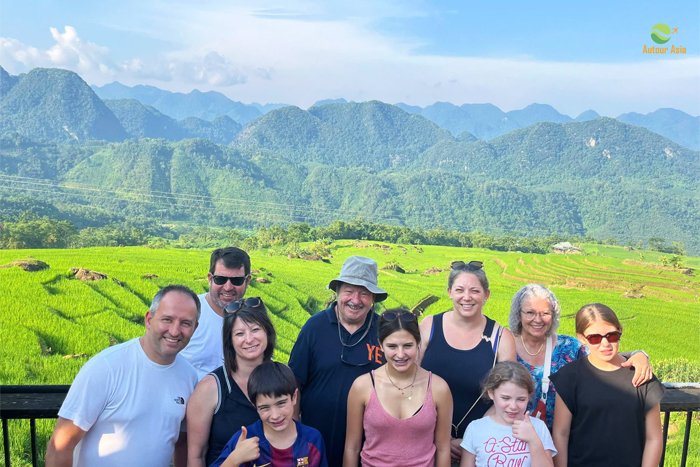
If you are wondering whether 3 weeks in Vietnam is enough to discover the country, the answer is yes. 21 days in Vietnam gives you enough time to experience the highlights of the North, Central and South without having to rush from one destination to another.
A 3-week trip to Vietnam allows you to experience the vibrant atmosphere of Hanoi, explore the spectacular limestone landscapes of Ninh Binh, spend a night aboard a traditional junk in Ha Long Bay or Lan Ha Bay, and discover the mountains and ethnic villages of Northern Vietnam. You can then continue south to explore the imperial heritage of Hue and the charming streets of Hoi An before ending your 3 weeks in Vietnam in Ho Chi Minh City and the Mekong Delta.
However, a 3-week Vietnam itinerary should not be about visiting as many destinations as possible. The real advantage of spending 3 weeks in Vietnam is having enough time to create a balanced journey combining culture, nature, gastronomy, local experiences and relaxation, while avoiding overly long travel days.
Region | Suggested Duration | Main Experiences |
Northern Vietnam | 7-9 days | Hanoi, Ninh Binh, Ha Long Bay, mountains and ethnic villages |
Central Vietnam | 5-6 days | Hue, Hoi An, gastronomy and cultural heritage |
Southern Vietnam | 4-5 days | Ho Chi Minh City and the Mekong Delta |
Relaxation | 1-2 days | Beach, free time or authentic local experiences |
This breakdown is only a guideline. The best 3 weeks in Vietnam itinerary will depend on the season you travel, your preferred pace, budget and interests. Whether you are looking for culture, nature, beaches, food or authentic local experiences, 21 days in Vietnam offers enough flexibility to create a memorable journey from North to South.
II. Is 3 weeks enough to visit Vietnam?

Yes, 3 weeks in Vietnam is enough for an amazing first trip, but not enough to discover every corner of the country.
Vietnam stretches for more than 1,600 km from north to south, with very different landscapes, traditions and weather conditions across its regions. With 21 days in Vietnam, it is therefore better to select a few complementary destinations rather than trying to see as much as possible.
Here is a general idea of what different trip lengths can offer:
Trip duration | Recommended itinerary |
7 days | Focus on one region |
10–14 days | North + Central Vietnam or Central + South Vietnam |
21 days | North + Central + South Vietnam |
4 weeks or more | A more in-depth Vietnam trip with additional regions and more free time |
Not every trip length allows you to experience Vietnam in the same way. 2 weeks in Vietnam are already enough to discover several of the country's highlights, but 3 weeks in Vietnam offer much more flexibility to travel between the North, Central and South while still allowing time for local experiences, Vietnamese cuisine and moments of relaxation.
If your priority Is… | A 3-week Vietnam trip can allow you to… |
Discover the highlights | Travel through North, Central and South Vietnam, including Hanoi, Ninh Binh, Ha Long Bay, Hue, Hoi An, Ho Chi Minh City and the Mekong Delta. |
Travel at a relaxed pace | Spend 2-3 nights in several destinations instead of changing hotels every day. |
Explore the mountains | Add Sapa, Pu Luong or Ha Giang without completely sacrificing the other regions. |
Meet local communities | Spend more time in villages, homestays and rural areas and experience everyday life. |
Combine culture, nature and relaxation | Alternate cultural heritage, spectacular landscapes, gastronomy, local activities and free days. |
End your trip at the beach | Spend a few days in Hoi An, Da Nang or potentially Phu Quoc, depending on the season and the rest of your itinerary. |
Travel with children | Reduce long transfers and choose destinations where several activities can be enjoyed without constantly changing hotels. |
In short, 3 weeks in Vietnam offer an excellent balance between discovery and relaxation. You can experience the country's major highlights while leaving enough flexibility to explore beyond the classic tourist route and enjoy more authentic local experiences.
III. What to do and what to see in Vietnam in 3 weeks?
A 3-week trip to Vietnam gives you enough time to explore the country's three main regions while experiencing very different landscapes, cultures and ways of life. From the historic capital and spectacular mountains of the North to the cultural heritage of Central Vietnam and the waterways of the Mekong Delta, 21 days in Vietnam can offer a rich and well-balanced journey.
1. Northern Vietnam

Hanoi is often an excellent introduction to Vietnam.
Spending a few days in the capital gives you time to explore the Old Quarter, local markets, temples, traditional specialties and the different neighborhoods that make Hanoi so unique.
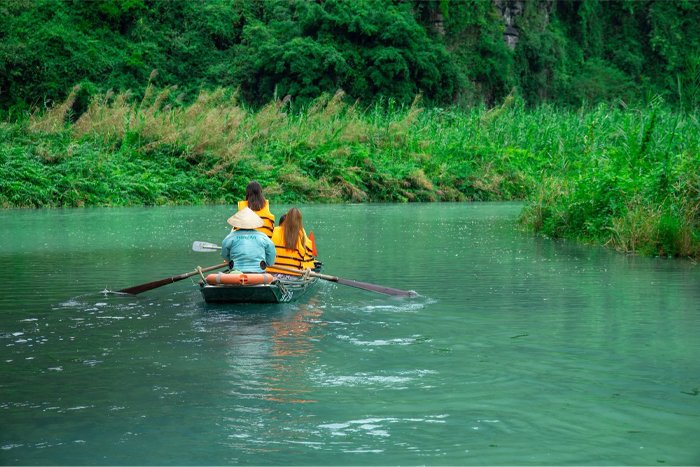
After Hanoi, Ninh Binh offers a complete change of scenery. The landscapes of Trang An, Tam Coc and the surrounding limestone mountains provide an opportunity to discover a more rural side of Northern Vietnam.
A cruise in Ha Long Bay or Lan Ha Bay can then add a completely different experience to your 3-week Vietnam itinerary, with limestone islands rising from the emerald waters of the Gulf of Tonkin.
If you have enough time, the mountains of Northern Vietnam can complete this first part of your journey.
The choice between Sapa, Ha Giang and Pu Luong, however, depends largely on the type of experience you are looking for: hiking, spectacular landscapes, ethnic villages, travel comfort or a more peaceful countryside experience.
2. Central Vietnam
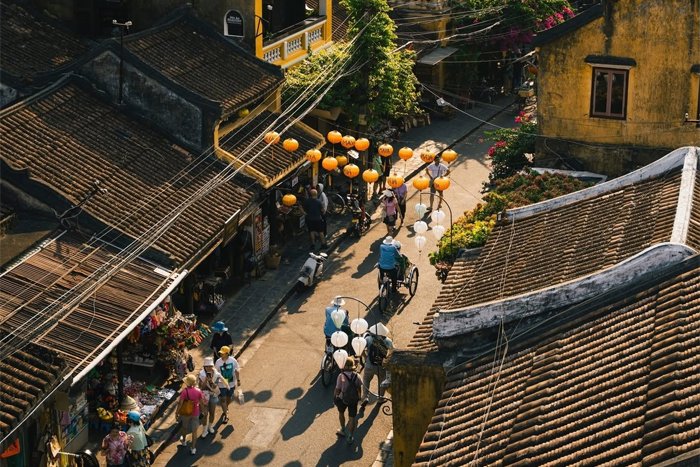
Central Vietnam is often the perfect place to slow down the pace of your Vietnam trip.
In Hue, Vietnam's imperial history takes center stage, with the Imperial City, royal tombs and distinctive local cuisine.
Then, Hoi An offers a completely different atmosphere, with its UNESCO-listed Ancient Town, historic houses, colorful lanterns, local markets, surrounding villages and nearby beaches.
Based on the experience of our travel advisors, who have been working with French-speaking travelers for many years, Hoi An is often appreciated as a transition between several days of sightseeing and traveling.
What makes this destination special is not simply the number of things to see. Its slower pace also gives you more opportunities for spontaneous experiences.
A Vietnamese cooking class, a bicycle ride through the countryside, a morning at the beach or simply an evening walk through the lantern-lit streets can be just as memorable as a planned sightseeing tour.
3. Southern Vietnam
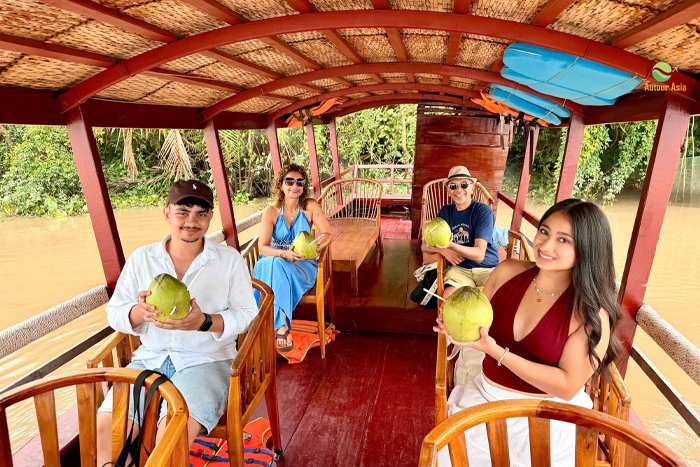
The Southern part of your 3 weeks in Vietnam often begins in Ho Chi Minh City, whose dynamic atmosphere contrasts with the more traditional character of Hanoi.
The city can be explored through its history, neighborhoods, markets, street food and everyday life.
Then, as you travel towards the Mekong Delta, the pace changes once again.
Canals, fruit orchards, villages, floating markets and river-based activities offer a fascinating insight into the relationship between local communities and their natural environment.
For travelers who have already spent two weeks exploring cities and cultural sites, this more rural part of Southern Vietnam can provide a refreshing way to end the journey.
💡 Our Travel Advisors' Perspective
“For a first 3-week trip to Vietnam, we look at the pace travelers want before deciding how many destinations to include.”
This approach is particularly important for French-speaking travelers, as expectations can vary considerably. Some want to maximize cultural discoveries, while others prefer hiking, gastronomy, authentic local encounters or simply a few relaxing days.
The experience accumulated by our travel advisors helps identify the right compromises: which destination to keep, which one to remove, where to add an extra night and which long journey can be avoided.
Ultimately, the best 3-week Vietnam itinerary is not necessarily the one that includes the most destinations. It is the one that gives you enough time to experience each place without turning your journey into a race against the clock.
IV. Which itinerary should you choose for 3 Weeks in Vietnam?
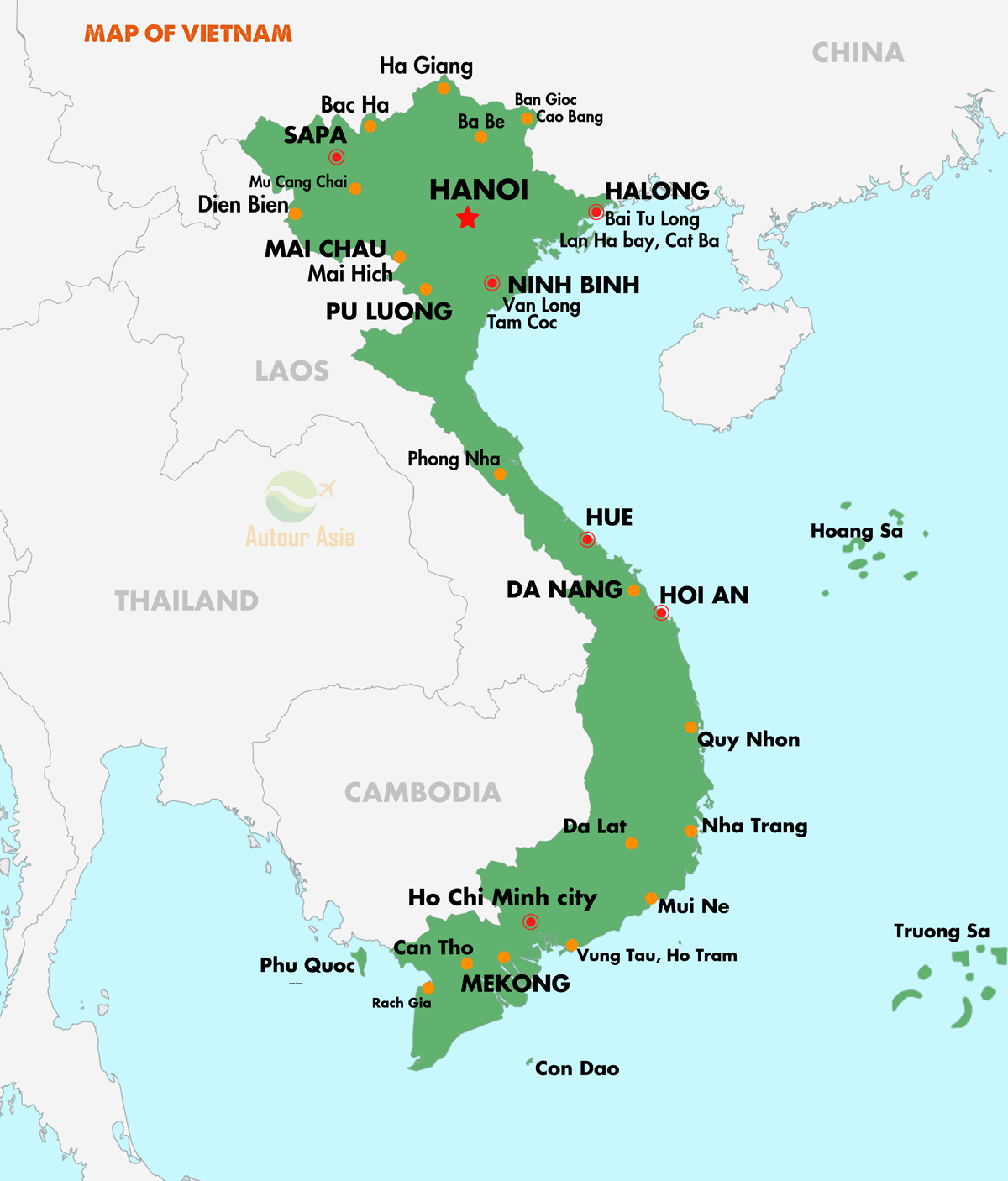
After exploring what you can discover during 3 weeks in Vietnam, an essential question remains: how should you divide your 21 days between the different regions of the country?
A 3-week trip to Vietnam gives you enough time to explore several parts of the country, but the ideal itinerary depends above all on who you are traveling with, your preferred pace and what you actually want to experience during your stay.
A family with young children will have different needs from a group of friends looking for adventure. Likewise, a trip with friends, a romantic getaway or a first solo trip may each require a different approach to planning.
Based on the experience of our travel advisors, who regularly help French-speaking travelers plan trips to Vietnam, we have found that the best 21-day itinerary is not necessarily the one that allows you to visit the most destinations. Instead, it is about finding the right balance between sightseeing, travel time, authentic local experiences and moments of relaxation.
This is why, when we design a tailor-made Vietnam trip, we generally start by asking our travelers who they are traveling with, what they enjoy doing and what pace they prefer, before building their itinerary.
1. 3 weeks in Vietnam with family
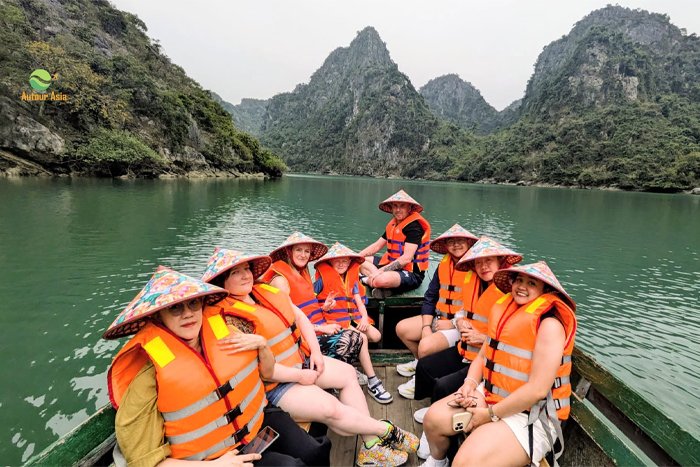
For a family trip, we generally recommend avoiding too many hotel changes. After several years of organizing trips for French families, our team has found that parents particularly appreciate itineraries that allow children to settle in and make the most of each destination.
Spending two or three nights in the same place often creates a better balance between sightseeing and free time. A day might begin with a cultural visit or excursion, followed by a more relaxed afternoon at the hotel, by the pool or exploring the surrounding area.
For a first 3-week family trip to Vietnam, we particularly like combining Hanoi, Ninh Binh, Lan Ha Bay or Ha Long Bay, Hoi An, Ho Chi Minh City and the Mekong Delta. Depending on the children's ages and the season, a few days in Phu Quoc can also be added to finish the trip with a relaxing beach stay.
Activities can also be selected with children in mind. A boat trip in Ninh Binh, a cruise through the limestone islands of the bay, cycling through rural villages, a Vietnamese cooking class or encounters with local communities allow children to discover Vietnam in a fun and hands-on way.
2. 3 weeks in Vietnam with friends

A trip with friends generally offers greater freedom when choosing the pace and activities. If your group enjoys getting off the beaten track, 3 weeks in Vietnam can be an opportunity to combine the country's must-see destinations with a more remote or adventurous region.
Based on the itineraries we create for groups of friends, one of the most common mistakes is trying to include too many destinations. Ha Giang, Sapa, Ninh Binh, Ha Long Bay, Hue, Hoi An, Ho Chi Minh City and the Mekong Delta may all look appealing on a map, but trying to fit them all into 21 days can leave very little time to actually enjoy each destination.
For an adventure-focused group, we might, for example, prioritize Ha Giang, with its dramatic mountain landscapes and spectacular winding roads, before continuing to Ninh Binh and Lan Ha Bay. The second part of the 3-week Vietnam itinerary can then focus on Hoi An and Southern Vietnam.
Activities can also be tailored to the group: trekking, cycling, kayaking, Vietnamese cooking classes, street food tours, private excursions or experiencing the nightlife, depending on everyone's interests.
3. 3 weeks in Vietnam as a couple
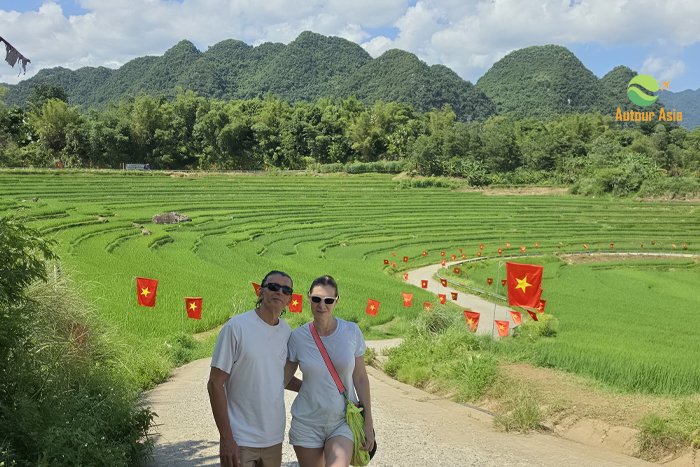
For couples, 3 weeks in Vietnam offer the opportunity to enjoy a slower pace and dedicate more time to shared experiences. Rather than adding numerous destinations, we generally recommend choosing a few complementary places and allowing enough time to truly enjoy each one.
Based on our travel advisors' experience, couples particularly appreciate itineraries that combine cultural discoveries with moments of relaxation. A day exploring Hanoi or Hue can therefore be followed by a more peaceful experience in Ninh Binh, Hoi An or on an island.
A route such as Hanoi → Ninh Binh → Lan Ha Bay → Hue → Hoi An → Mekong Delta → Phu Quoc allows you to discover several sides of Vietnam without turning your 3-week Vietnam itinerary into a race against the clock.
Your trip can also be personalized with private experiences, such as a Vietnamese cooking class, a bicycle ride through the villages around Hoi An, a special dinner setting, a private cruise or several relaxing days on the beach.
4. 3 weeks in Vietnam as a solo female traveler

Traveling alone for 3 weeks in Vietnam offers a great deal of flexibility, but choosing destinations and transportation requires a little more planning.
For a first solo trip, our team generally recommends focusing on destinations that are easy to explore and booking transfers or excursions in advance for the more complex parts of the journey. Hanoi, Ninh Binh, Hue, Hoi An and Ho Chi Minh City can provide a convenient foundation for a first 3-week Vietnam itinerary.
Small-group excursions can also be an excellent option. They allow you to explore a region with a local guide while meeting other travelers, without having to organize an entirely private trip.
For more experienced solo travelers, destinations such as Ha Giang can be added to the itinerary. In this case, we recommend carefully choosing the local organization and means of transportation, particularly in mountainous areas.
5. 3 weeks in Vietnam for nature and adventure lovers

If nature, mountains and outdoor activities are your priorities, we recommend spending more time in Northern Vietnam.
Ha Giang, Sapa, Pu Luong and Ninh Binh offer very different landscapes and can be combined with a cruise in Lan Ha Bay or Ha Long Bay. For travelers who also want to discover the underground landscapes and natural wonders of Central Vietnam, Phong Nha can be added as an additional stop.
However, based on our team's experience, it is better to choose two or three major nature experiences and give yourself enough time to enjoy them rather than trying to explore every mountainous region in the country.
6. 3 weeks in Vietnam for beach and relaxation lovers
If your main goal is to enjoy Vietnam while keeping several days for relaxation, your 3-week Vietnam itinerary should intentionally be less packed.
We generally recommend starting with a few cultural destinations in the North, then heading to Hoi An and the Central Coast, before ending the journey with several days at the beach. This approach allows you to discover Vietnam without feeling like you are spending the entire three weeks traveling from one place to another.
Based on feedback from our travelers, the final days dedicated to relaxation are particularly appreciated after two weeks of sightseeing and exploration. They provide a much calmer way to finish your trip.
7. 3 weeks in Vietnam for culture and history enthusiasts

If you are primarily interested in understanding Vietnam's history and culture, we recommend focusing on the country's major historic cities and regions where local traditions remain particularly strong.
Hanoi offers an introduction to the history and culture of Northern Vietnam, while Ninh Binh combines natural landscapes with historical heritage. In Central Vietnam, Hue is a must for discovering Vietnam's imperial heritage, while Hoi An offers a different perspective on Vietnamese heritage through its architecture, traditional crafts and history as a trading port.
Finally, Ho Chi Minh City and the Mekong Delta offer another side of Vietnam, with a more southern and contemporary atmosphere.
Our Advice for Planning Your 21-Day Vietnam Itinerary
Ultimately, the best itinerary is not the one that checks the largest number of destinations off a map. It is the one that matches the way you want to travel.
For a family, we will generally recommend a slower pace. For a group of friends, we can incorporate more adventure. For a couple, we can focus on more shared experiences. And for a solo female traveler, we pay particular attention to simple transportation arrangements and flexibility.
Our team of travel advisors at Autour Asia
Already have an idea for your trip? Our team can help you create a 21-day Vietnam itinerary tailored to your travel style, pace and budget.
👉 Request a personalized Vietnam itinerary - CONTACT US
V. What budget should you plan for 3 weeks in Vietnam?
A 3-week trip to Vietnam can suit a wide range of budgets depending on your travel style. The total cost will depend on factors such as your choice of accommodation, the number of domestic flights, the activities you choose, your preferred level of comfort, and especially whether you are traveling solo, as a couple, with family, or as part of a small group.
Based on the experience of our team of travel advisors, who regularly assist French-speaking travelers in Vietnam, your budget should not be calculated based solely on hotel prices. For a 21-day itinerary covering Northern, Central and Southern Vietnam, transportation between regions, excursions, meals and activities can represent a significant part of the overall budget.
As a general guideline, for 21 days in Vietnam, excluding international flights, three main travel styles can be considered:
Travel Style | Indicative Budget / Person | Ideal For |
Budget | Around €800-€1,500 | Simple accommodation, local meals and public transportation |
Comfort | Around €1,500-€2,700 | Comfortable hotels, some domestic flights and excursions |
Private / Premium | Around €2,700- €6,000+ | Private guides and drivers, quality hotels, cruises and private experiences |
These price ranges are intentionally broad: the cost of the same 21-day trip can vary considerably depending on the travel season, number of travelers and level of services chosen. Estimates for 2026 also show a significant difference between budget, comfort and private travel styles.
VI. When is the best time to visit Vietnam for 3 weeks?
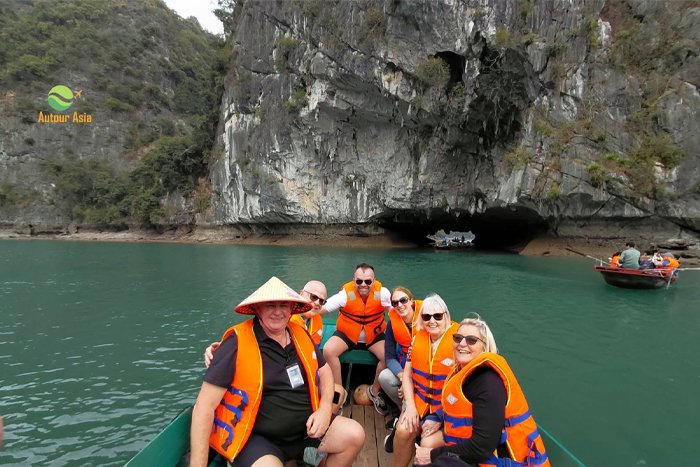
There is no single perfect time to spend 3 weeks in Vietnam. The country stretches more than 3,000 km from north to south and has several distinct climate zones. As a result, a pleasant period in Hanoi or Ninh Binh may coincide with a wetter season in Hoi An or Hue, while Southern Vietnam can experience completely different weather conditions.
For a 21-day trip to Vietnam, this is particularly important. You will most likely travel through several regions, meaning that your itinerary can be more affected by the weather than if you were staying in just one part of the country.
Based on the experience of our travel advisors, who regularly help French-speaking travelers plan trips to Vietnam, March to May is often an excellent period for a first trip covering Northern, Central and Southern Vietnam. However, this does not mean that you should avoid the other months. Each season has its own advantages, and your 3-week Vietnam itinerary can be adapted to suit your travel dates.
1. What is the best time to visit Vietnam for 3 weeks?
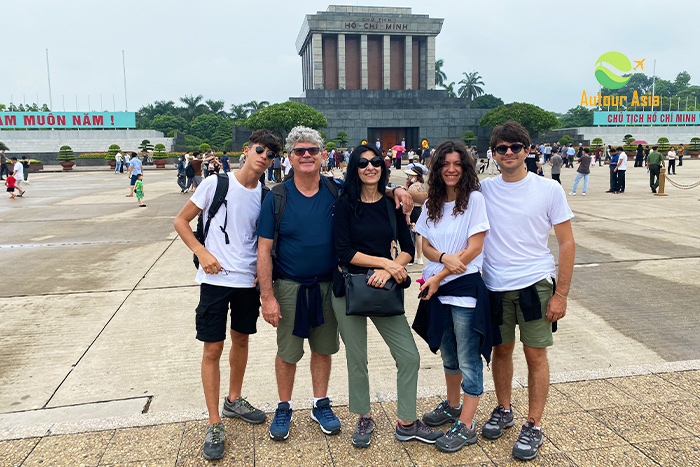
If you are planning a North-to-South Vietnam itinerary, March, April and May are generally among the easiest months to recommend. Weather conditions are favorable across much of the country, although temperatures begin to rise towards the end of spring. According to the official Vietnam Tourism website, March to May is one of the best periods to travel across Vietnam as a whole.
September to November is another interesting period, particularly for travelers who want to explore Northern Vietnam. Hanoi generally enjoys more pleasant temperatures, while the mountainous landscapes of the North can be particularly beautiful. Vietnam Tourism describes autumn, from September to November, as a pleasant season in Northern Vietnam, with milder and less humid weather.
However, you should pay closer attention to the weather in Central Vietnam during autumn. Hue and Hoi An enter a wetter period from around September, with a higher risk of heavy rainfall and, at certain times, flooding.
💡 Our Travel Team's Advice
“For a three-week trip, we don't simply choose the ‘best season’ for Vietnam. We first look at the regions the traveler wants to visit. Then, we adapt the order of the destinations to make the most of the weather conditions.”
Autour Asia Travel Advisors
This approach is particularly useful when planning 3 weeks in Vietnam, as the best itinerary depends not only on the time of year but also on the regions you want to explore.
2. Traveling to Vietnam in January
January can be a good time to explore Southern Vietnam, particularly Ho Chi Minh City and the Mekong Delta, where the weather is generally warm and drier from December to April.
In the North, the atmosphere is quite different. Hanoi can be cool, misty and cloudy, while mountainous areas such as Sapa experience significantly lower temperatures. If you are planning a cruise in Ha Long Bay, the weather can also be misty and cooler during this time of year.
If you are traveling to Vietnam in January, our team can therefore design an itinerary that gradually moves from the North towards Central and Southern Vietnam, while paying close attention to local weather conditions.
Culture, Southern Vietnam, the Mekong Delta, a North-to-South journey and experiencing the cooler winter atmosphere of Northern Vietnam.
3. Traveling to Vietnam in February
February can be an excellent time to travel to Vietnam, particularly as spring begins to arrive in some regions. Southern Vietnam generally enjoys warm and dry weather, while conditions in Central Vietnam gradually become more favorable.
However, Tet, the Vietnamese Lunar New Year, deserves special attention. It is the most important celebration of the year in Vietnam, and the holiday period can affect opening hours, transportation, hotel availability and the operation of some local businesses.
For this reason, if your 3-week trip to Vietnam in february (falls around Tet), we recommend planning your itinerary well in advance and checking the dates according to the lunar calendar.
Culture, exploring Southern Vietnam, couples, family travel and experiencing Tet celebrations.
4. Traveling to Vietnam in March
March is one of the months we regularly recommend to travelers who want to explore Vietnam from North to South.
In Northern Vietnam, weather conditions generally begin to improve. In Central Vietnam, Hoi An typically enjoys favorable weather, while the South remains warm and relatively dry. March is also recommended by Vietnam Tourism as one of the favorable periods for visiting Hoi An.
It is therefore an especially good month for a classic 3-week Vietnam itinerary:
Hanoi → Ninh Binh → Ha Long Bay/Lan Ha Bay → Hue → Hoi An → Ho Chi Minh City → Mekong Delta
Based on our team's experience, March in Vietnam is particularly popular with English travelers looking for a comprehensive first trip without having to choose between one particular region and another.
A first 3 weeks in Vietnam trip, North-to-South itineraries, culture, nature, gastronomy and discovering Vietnam's main highlights.
5. Traveling to Vietnam in April
Vietnam in April is also an excellent time for a 3-week trip. Northern Vietnam generally enjoys warmer and brighter weather, while Central Vietnam enters a favorable period for sightseeing and outdoor activities.
Temperatures can, however, start to rise, particularly in some central and southern regions. It is therefore a good idea to alternate sightseeing days with time to relax.
For families and couples, for example, we can plan more time in Hoi An or along the coast to avoid an overly intensive schedule.
A complete Vietnam itinerary, family trips, couples, cultural discoveries and beach holidays.
6. Traveling to Vietnam in May
May can be an interesting month for a 3-week Vietnam itinerary, particularly if you want to explore Central Vietnam and some of the country's beach destinations. However, temperatures become higher and humidity starts to increase in several regions.
In Southern Vietnam, the rainy season generally begins around May. Rain often comes in the form of short showers, particularly in the afternoon, rather than continuous rain throughout the day.
This means that traveling to Vietnam in May is certainly not a bad idea. You simply need to build a flexible itinerary that allows you to adapt to changing weather conditions.
Our advice: plan cultural visits in the morning and keep your schedule more flexible for outdoor activities in the afternoon.
Central Vietnam, beach holidays, couples, families and flexible itineraries.
7. Traveling to Vietnam in June, July and August: Is it a bad idea?
No. The summer months can work perfectly well for a 3-week trip to Vietnam, particularly for travelers who have limited flexibility because of French school holidays.
However, your itinerary should be adapted more carefully to the weather.
In Northern Vietnam, June to August is generally hot, humid and wetter. In Central Vietnam, destinations such as Hue and Hoi An can still enjoy favorable conditions, although temperatures can be high. Southern Vietnam is in its rainy season during these months.
For a family trip during the summer holidays, we can therefore prioritize an itinerary such as:
Hanoi → Ninh Binh → Ha Long Bay/Lan Ha Bay → Hue → Hoi An → Ho Chi Minh City → Mekong Delta
with potentially more time dedicated to Central Vietnam.
For hiking enthusiasts, summer requires extra care in mountainous areas because of the combination of heat, humidity and periods of heavy rain.
Family holidays, Central Vietnam, beach trips and travelers restricted to the summer school holidays.
> best places for summer holidays in Vietnam
8. Traveling to Vietnam in September
September marks an interesting transition period for a 3-week trip to Vietnam.
Northern Vietnam begins to experience more pleasant conditions, while the mountainous landscapes become particularly attractive. For travelers interested in rice terraces and mountain scenery, this can be an excellent time to explore the North.
However, Central Vietnam enters a wetter period. Hoi An and Hue can experience more rainfall from September onwards, sometimes with heavy downpours.
If you are traveling in Vietnam in September, we therefore recommend planning your 3-week Vietnam itinerary around regional weather conditions rather than expecting sunshine throughout the entire country.
Northern Vietnam, mountain landscapes, rice terraces, trekking and cultural experiences.
9. Traveling to Vietnam in October
October is particularly interesting for travelers who want to discover the landscapes of Northern Vietnam. Sapa and other mountainous regions can be spectacular at this time of year, especially around the rice terraces.
Vietnam Tourism particularly highlights September and October as interesting periods for discovering Sapa and its surrounding rice terraces.
However, Central Vietnam remains more exposed to wet weather. Phong Nha also generally experiences its rainy season from October to December and can be affected by flooding during periods of heavy rainfall.
For a 3-week Vietnam in October, we can therefore recommend spending more time in the North before gradually traveling towards Southern Vietnam.
Sapa, Northern Vietnam, rice terraces, mountain landscapes and trekking.
10. Traveling to Vietnam in November: Focus on the North and South
November can be an excellent time to explore Northern Vietnam, with more comfortable temperatures and generally pleasant conditions for visiting Hanoi, Ninh Binh and the mountainous regions.
It can also be a good month for combining Northern Vietnam with the South, where the weather is generally becoming drier and more favorable for exploring Ho Chi Minh City and the Mekong Delta.
For a 3-week trip, Vietnam in November therefore offers an interesting opportunity to combine cultural discoveries in the North with warmer weather in the South, while being more cautious about Central Vietnam, where the rainy season can still affect destinations such as Hue and Hoi An.
Northern Vietnam, Southern Vietnam, Hanoi, Ninh Binh, Mekong Delta and North-to-South itineraries.
11. Traveling to Vietnam in December
December offers a marked contrast between Vietnam's different regions.
Northern Vietnam can be cool, misty and sometimes damp, while the South generally enjoys warmer and drier weather. Phu Quoc also enters one of its most attractive periods for a beach holiday.
If your goal is to finish your 3-week Vietnam itinerary with several days by the sea, December can therefore be an excellent time to include Phu Quoc.
However, if you are dreaming of consistently warm and sunny weather throughout Northern Vietnam, December in Vietnam may not be the ideal month.
Southern Vietnam, Mekong Delta, Ho Chi Minh City, Phu Quoc and beach holidays.
VII. Practical tips for planning 3 weeks in Vietnam

Preparing for 3 weeks in Vietnam is mainly about finding the right balance between organization and flexibility. With 21 days, you have enough time to explore several regions, but it is important not to include so many stops that you end up spending most of your trip on the road.
1. Check Vietnam entry requirements before booking
Before making any final reservations, check the entry requirements that apply to your nationality and personal situation, make sure your passport is valid and verify whether you need a visa.
Entry requirements can change, so always check the latest official information before your 3-week trip to Vietnam.
2. Choose your itinerary before booking your hotels
Your 3-week Vietnam itinerary should come first, before booking all your accommodation.
This allows you to organize transportation logically, avoid unnecessary backtracking and choose the right number of nights in each destination. It is also worth keeping some flexibility rather than booking every night of your trip too far in advance.
3. Pack according to your itinerary
If you are changing regions regularly, avoid bringing excessively large or heavy luggage. Pack lightweight clothing, comfortable shoes and a few items suitable for rain or cooler temperatures in Northern Vietnam.
If your 3 weeks in Vietnam combine mountains and beaches, make sure you have clothing suitable for both types of activities.
A small daypack can also be particularly useful for excursions, hiking and day trips.
4. Bring more than one payment option
Although bank cards are widely accepted in major cities and tourist areas, it is still useful to carry some local currency for small restaurants, markets and local shops.
We also recommend having a second payment option in case there is a problem with your main card.
5. Don't underestimate the importance of your travel pace
Three weeks give you enough time to slow down and enjoy Vietnam. There is therefore no need to schedule several intensive days in a row.
Jean-Paul, one of our clients, told us after his trip that he particularly enjoyed the days without a fixed schedule, which allowed him to discover small restaurants and neighborhoods he would never have found with a tightly planned itinerary.
This is an important point when planning a 3-week Vietnam itinerary: leave some room for spontaneity.
6. Leave some room in your travel budget
In addition to accommodation, transportation and activities, keep a small reserve for extra meals, personal purchases, souvenirs or last-minute changes.
Having some flexibility in your budget makes it easier to take advantage of unexpected opportunities during your 21 days in Vietnam.
The most important tip for 3 weeks in Vietnam
Three weeks in Vietnam give you enough time to discover Northern, Central and Southern Vietnam while still allowing time for authentic local experiences.
The key is to create an itinerary that matches your travel pace, season and interests, rather than trying to visit as many destinations as possible.
Based on our travel advisors' experience, every traveler experiences Vietnam differently. A couple may be looking for charming destinations and memorable moments together, while a family may prioritize comfort and a balanced pace. A group of friends, on the other hand, may prefer more activities and adventure.
Not sure which itinerary to choose for 3 weeks in Vietnam? The Autour Asia team can help you create a personalized trip based on your travel dates, budget, travel style and the experiences you want to enjoy. Simply tell us about your plans, and we'll help you create a coherent, realistic 21-day Vietnam itinerary tailored to your expectations. 👉 Request your personalized 3-week Vietnam itinerary from Autour Asia - Vietnam tour agency.
What you should pack depends mainly on when and where you travel in Vietnam. For a three-week trip covering several regions, lightweight and breathable clothing is useful in warmer areas, while a light jacket or warmer layers may be necessary in Northern Vietnam during the cooler months. Comfortable walking shoes are essential because many itineraries involve walking through cities, villages and natural landscapes. Sun protection, insect repellent, swimwear and a lightweight rain jacket can also be useful. If you plan to trek in places such as Sapa, Ha Giang or Pu Luong, bring suitable footwear and practical clothing rather than relying entirely on city outfits.
Vietnam is an excellent destination for first-time travelers to Southeast Asia, offering a wide variety of landscapes, cultural experiences, food and accommodation options. From the lively streets of Hanoi and Ho Chi Minh City to the peaceful rice fields of Ninh Binh and the beaches of Central Vietnam, there is something for almost every type of traveler. English is increasingly common in tourist areas, while local travel agencies and guides can help with transportation and communication in less touristy regions. For a first visit, planning your main transportation and accommodation in advance can make the journey much easier and allow you to focus on enjoying the experience.
Yes, it is possible to visit all three regions of Vietnam in 21 days, but your itinerary should remain realistic. Instead of trying to visit every famous destination, focus on a few key places in each region. For example, you could spend about one week in the North, five or six days in Central Vietnam and the remaining days in the South. Domestic flights can significantly reduce travel time between distant regions. However, if you prefer a slower and more immersive journey, you may want to focus on only two regions. This allows you to spend more time exploring villages, enjoying local cuisine and experiencing everyday Vietnamese life.
Related travel guide
Other similar articles


CUSTOMIZABLE BY LOCAL EXPERTS
Personalized trip at the original price!

REFUND GUARANTEE
We believe in our work and promise to give you money back.

GOOD PRICE / QUALITY
95% satisfied more than expected!

24/7 LOCAL SUPPORT
We are always available online to provide assistance at any time.

Most read articles


Autour Asia is highly recommended on
Embracing the mission of "Satisfied more than expected" and providing authentic experiences, we have received numerous recommendations on reputable travel forums: