


The Ha Giang Loop is a circular route of about 350 to 400 km, located in the mountainous province of Ha Giang, on the border with China. This itinerary is usually completed in 3 to 5 days and is often considered by international travelers to be one of the most beautiful road trips in Southeast Asia. It crosses spectacular landscapes, with winding cliffside roads and dramatic karst reliefs. Among the must-see sites are the Ma Pi Leng Pass, the Nho Que River with its emerald-green waters, the Dong Van karst plateau, Lo Lo Chai village, Hoang Su Phi, and the weekend ethnic markets rich in local traditions.
The Ha Giang Loop can be visited all year round, but the weather and scenery vary greatly depending on the season.
September – October: the best time to visit Ha Giang, with dry weather, pleasant temperatures, and spectacular golden rice fields.
November: cool and dry season, famous for buckwheat flower blooms, ideal for photography.
March – April: mild spring, green nature and colorful flowers, with fewer tourists.
May: transitional period, flooded rice fields creating beautiful reflections, more changeable weather.
June – August: rainy season, dangerous roads and risk of landslides, not recommended.
December – February: cold but dry winter, clear landscapes and an authentic atmosphere, warm clothing required.
Doing the Ha Giang Loop motorbike tour means choosing great freedom. You can stop whenever you want to admire the scenery, take photos, or talk with local people. The motorbike allows you to feel very close to nature, between mountains, valleys, and rice fields. It also gives access to small roads leading to remote villages, often impossible to reach by car. In addition, it is a cheaper option, ideal for travelers on a tight budget.
However, traveling by motorbike in Ha Giang also comes with challenges. The roads are narrow, winding, and sometimes in poor condition. There are dangerous bends and sometimes trucks. Riding can be tiring, especially over several days. You are also exposed to cold, rain, or strong sun. This option requires some riding experience, and you need to travel with limited luggage.
To successfully complete the Ha Giang Loop by motorbike, good preparation is essential. Rent a reliable motorbike from a trusted agency in Ha Giang and check the condition of the vehicle before departure. Always wear a helmet and protective clothing. Ride slowly and avoid riding at night. If you are a beginner, joining a tour with a local Easy Rider guide is a very good solution.
The Ha Giang Loop by car is mainly for travelers who are looking for calm and comfort. Faced with such a spectacular yet demanding itinerary, many people hesitate: Ha Giang Loop by motorbike or by car ? This option allows you to discover the magnificent landscapes of northern Vietnam without stress, in a closed and secure space. Sitting comfortably, you can enjoy the mountains, valleys, and ethnic villages through the window, while being protected from cold, rain, or fog. It is a reassuring choice for families, couples, or travelers who prefer to move at a slower pace.
Traveling by car also means accepting certain limitations. The budget is higher, as renting a vehicle suitable for mountain roads is expensive. On some sections, the roads are narrow and passing other vehicles can be difficult. A car does not allow you to explore small paths or stop as easily as a motorbike. Interaction with local people is less spontaneous, and parking in villages can sometimes be a challenge.
To fully enjoy your trip, some choices are important. An SUV or a 4x4 is strongly recommended to handle damaged roads. Traveling with a local driver is an excellent option: they know the route and traffic conditions well, making the journey safer and more enjoyable. Remember to book in advance and prepare a realistic Ha Giang Loop tour, adapted to distances and road conditions.
Choosing between a motorbike and a car to explore the Ha Giang Loop mainly depends on your profile, your driving experience, and your travel expectations. If:
you are an experienced rider looking for thrills: the choice is obvious. Go for the motorbike. It is the legendary experience.
you are traveling with family or children: a car with a driver is the only reasonable option for safety and comfort.
you are a couple: if you have experience riding together on a motorbike, go for the adventure. Otherwise, a private car offers a beautiful romantic compromise.
you have a tight budget and are physically fit: the motorbike is made for you. Consider an Easy Rider tour if you do not want to ride yourself.
you prioritize comfort and photography: a car with a driver allows you to focus on the landscapes and carry more equipment.
In conclusion, the Ha Giang Loop is an extraordinary adventure in Vietnam, offering breathtaking landscapes and a rich culture. Whether you choose the Ha Giang Loop by motorbike or by car, each option suits a different travel style: the motorbike for adrenaline and freedom, the car for greater comfort and peace of mind. Adapt your choice to your profile, between strong sensations and tranquility. Carefully prepare your itinerary, check the weather, and respect safety rules to enjoy an unforgettable experience. For perfect organization, contact a travel agency in Vietnam – Autour Asia, experts in customized tours in the north of the country. They offer rentals, guides, and tailored advice. Have a great trip!


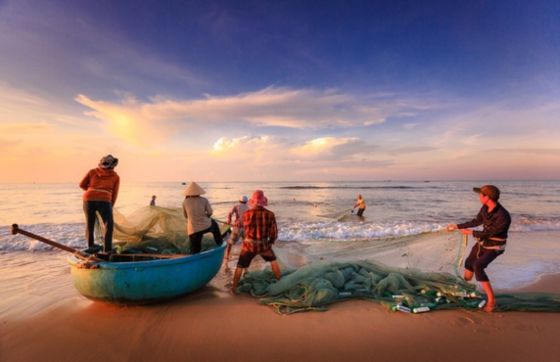
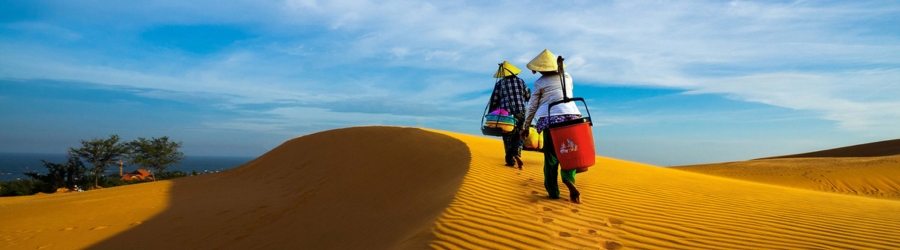
Phan Thiet, a coastal city in Binh Thuan Province, is best known for Mui Ne, an internationally renowned seaside destination. With its beaches, fishing villages, and desert-like sand dunes, the region offers a diverse range of landscapes rarely found elsewhere in Southeast Asia. In November, temperatures remain pleasant for exploring the coast, although occasional showers are still possible. Visiting Phan Thiet Mui Ne in November requires a little preparation to make the most of your stay. This complete guide covers the weather, must-see attractions, transportation options, and practical tips to help you plan your trip to Vietnam in November.
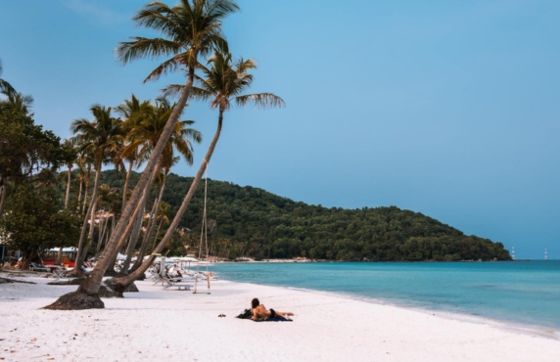
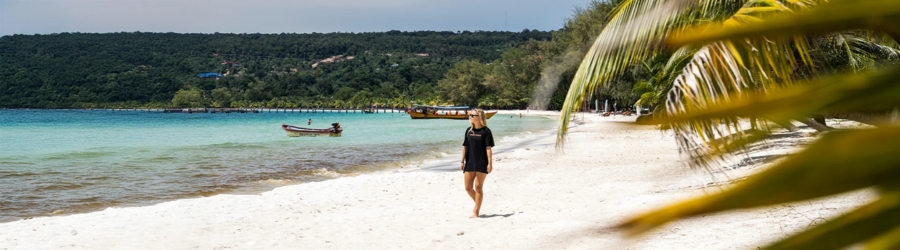
Vietnam’s beaches are best enjoyed at different times of the year, depending on the region. From the turquoise waters of the South to the long stretches of white sand in the Central region and tropical islands, each area has its own climate patterns. To better understand when to visit Vietnam, it is important to consider the weather conditions in each destination. The best time to visit beaches in Vietnam depends on region you choose as well as the activities you have planned. The best time to swim in Vietnam also varies according to rainfall, water temperature and sea conditions. Understanding the Vietnam beach season helps you choose destinations that match your travel dates and enjoy the coastline in good conditions.
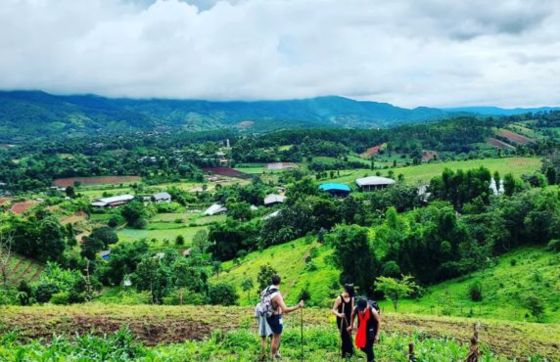
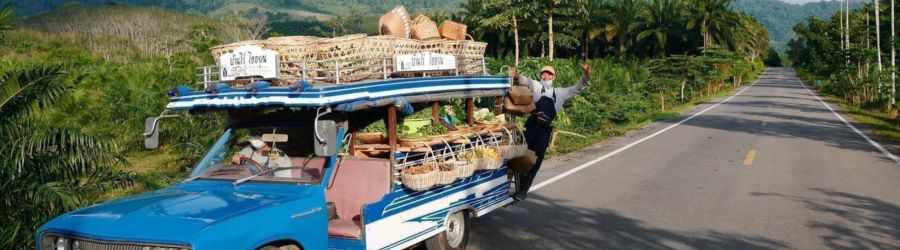
Discovering Thailand through its rice fields, plantations, and rural villages offers a different way to travel, far from traditional tourist circuits. But how can you choose the best agency for Thailand farm tours to enjoy authentic experiences with local communities? Several tour operators offer trips combining agriculture, gastronomy, and encounters with producers. Among them, Autour Asia is an option for travelers who want to personalize their itinerary. Known as Vietnam travel agency - Autour Asia, the company also offers tailor-made trips to several countries in Southeast Asia. With the local travel agency in Thailand - Autour Asia, travelers can explore a trip designed around their interests. Here are five organizations worth knowing, their distinctive features, and the essential criteria for planning a successful agricultural tour in Thailand.
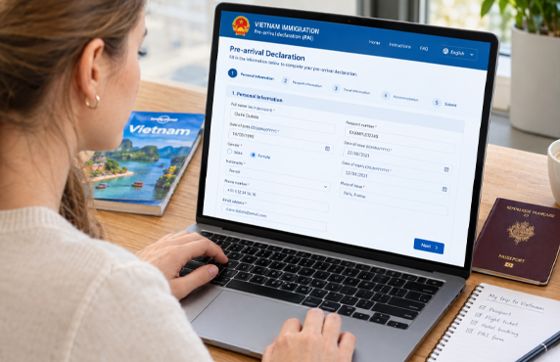
Planning a trip to Vietnam? Before packing your bags, take a few minutes to check the latest entry requirements and prepare the documents you may need at the airport.
Vietnam’s Pre-Arrival Information (PAI) system allows international travellers to submit selected personal, visa and travel details online before arriving in the country. After a successful submission, the system generates a QR code that travellers can save on their phones or print for use during immigration procedures. Although the online declaration is designed to help make arrival procedures smoother, travellers should understand when it applies, how to complete it correctly and which documents they still need to enter Vietnam.
In this practical guide, you will discover where to access the official PAI portal, what information to prepare, how to complete the declaration step by step, how to correct common mistakes and what to do when you arrive at the airport.
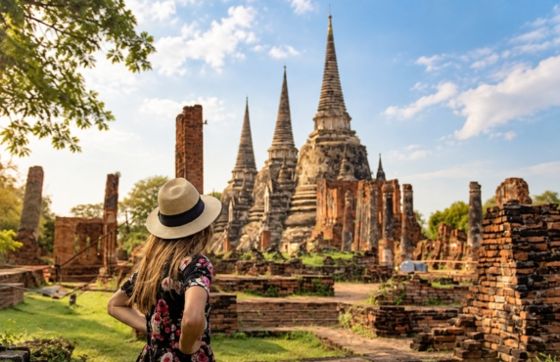
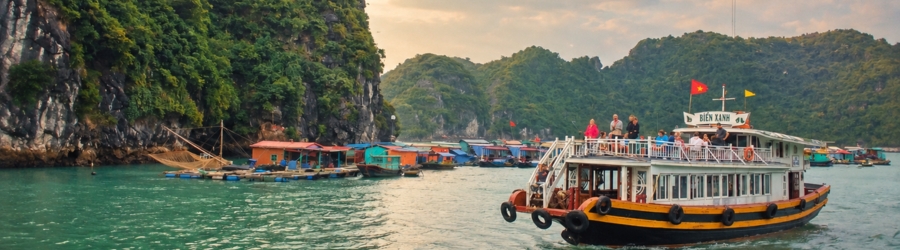
With its exotic landscapes, fascinating cultures and diverse experiences, Vietnam and Thailand are among the most popular destinations in Southeast Asia. However, safety remains an important criterion when planning your trip. So, how can you choose Vietnam or Thailand for a safe trip depending on the way you travel ? And is Vietnam safer than Thailand ? Each destination has its own characteristics and points to consider. In this article, Autour Asia helps you compare Vietnam and Thailand to better understand their differences and choose the destination that meets your expectations for your next trip to Asia.
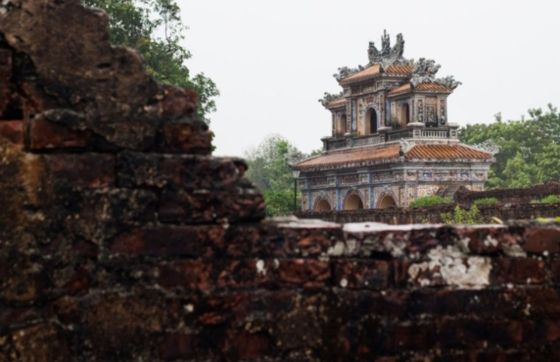
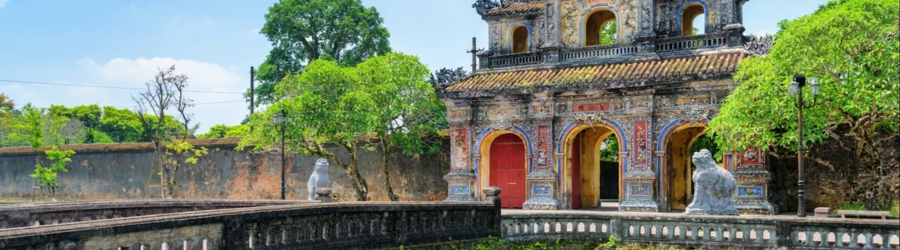
Planning a trip to Hue in November requires a little more flexibility than at other times of the year. Visiting Hue in November means experiencing the rainy season in central Vietnam, with prolonged showers and a risk of flooding. However, this period can also be an opportunity to explore the former imperial capital’s royal heritage, pagodas and renowned cuisine in a quieter atmosphere. The key is to choose your activities carefully, prepare alternative plans and check the weather conditions before setting out.
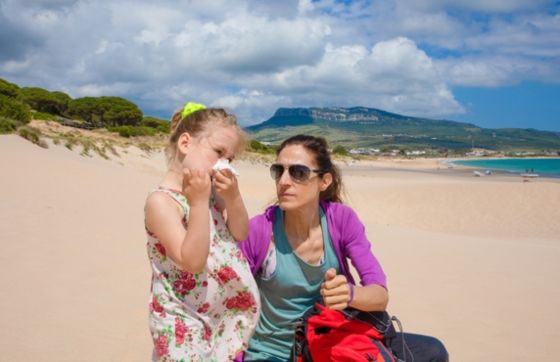

When travelling in Cambodia, some everyday habits may raise questions about local customs. Is blowing your nose in public considered polite? How should you behave in restaurants, on public transport or during a visit? These small details matter when you want to respect the local culture. Discover how to manage blowing your nose in Cambodia discreetly, along with practical tips on using tissues during your trip. Autour Asia, Cambodia travel agency, helps you discover local customs with advice tailored to travellers. From Cambodia travel etiquette to personal hygiene and everyday situations, a few simple guidelines can make your journey more comfortable. In Phnom Penh, Siem Reap or Kampot, understanding local customs helps you avoid awkward moments while making the most of your stay.
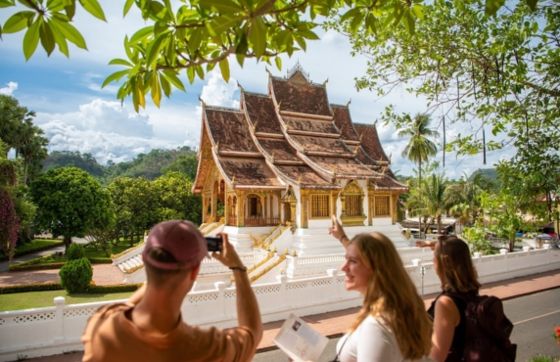
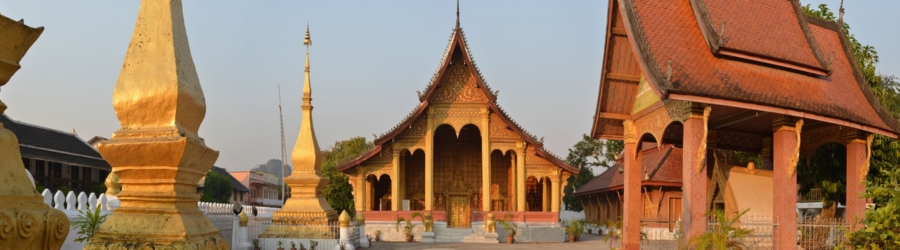
Blow your nose in Laos is not necessarily considered rude, but it is best to do so discreetly, especially in quiet places or during meals. If you have a cold, use a clean tissue and avoid blowing your nose loudly in public. In temples and other places of worship, respect the peaceful atmosphere and local customs. If you need to blow your nose frequently, step away from others for a moment whenever possible. Finally, dispose of used tissues in a rubbish bin. These simple habits will help you observe good manners during your trip to Laos.



 FR
 EN
