Vietnam offers a wide variety of hiking and trekking experiences stretching from north to south, with diverse landscapes ranging from the high mountains of Northern Vietnam to the Central Highlands and tropical forests in the south. However, for the first 15-day trekking in Vietnam tour, I highly recommend trekking in Northern Vietnam because it is suitable for beginners, offers beautiful and diverse scenery, and features majestic mountains. The region also provides many opportunities to enjoy scenic trails, terraced rice fields, ethnic minority villages and authentic homestay experiences in one journey.
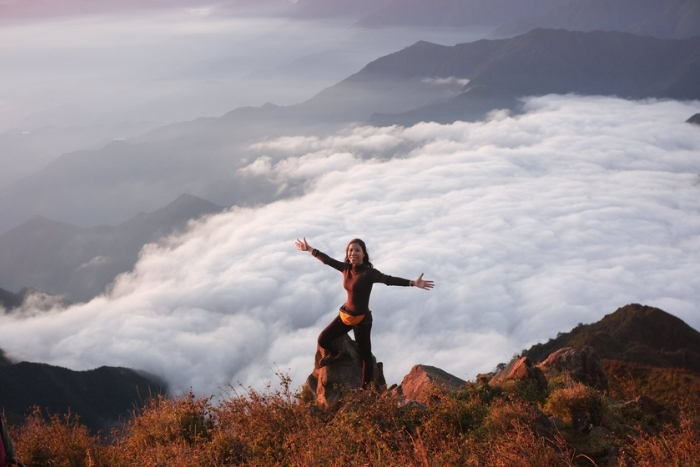
The route is inspired by a classic Northern Vietnam journey, but with an additional day in Hanoi to create a more comfortable pace and provide flexibility at the end of the trip. Along the way, you will meet different ethnic communities, including the Hmong, Dao, Tay and Thai, while exploring some of the less-visited mountain areas of the north.
| Days | Destination | Main experience |
| 1 | Hanoi | Arrival, Old Quarter and local introduction |
| 2 | Hanoi - Lao Cai | City sightseeing and overnight train to Lao Cai |
| 3 | Sapa | Trekking through Lao Chai and Ta Van villages |
| 4 | Sapa | Trekking through Giang Ta Chai and Muong Hoa Valley |
| 5 | Sapa - Tam Duong | Mountain drive and trekking through ethnic villages |
| 6 | Tam Duong - Lai Chau | Mountain scenery, rice terraces and village trekking |
| 7 | Lai Chau - Quynh Nhai | Boat trip on the Da River and ethnic villages |
| 8 | Quynh Nhai - Son La | Boat trip, mountain scenery and village trekking |
| 9 | Son La - Mai Chau | Trekking through Hmong villages and traditional Thai culture |
| 10 | Mai Chau | Full-day trekking through mountain villages and valleys |
| 11 | Mai Chau - Hanoi | Easy village walk and return to Hanoi |
| 12 | Hanoi - Ha Long Bay | Transfer and overnight cruise in Ha Long Bay |
| 13 | Ha Long Bay - Hanoi | Morning cruise and return to Hanoi |
| 14 | Hanoi | Free day for rest, sightseeing or shopping |
| 15 | Hanoi | Departure or onward journey |
This 15-day Vietnam itinerary is particularly suitable for families and travellers who do not regularly go trekking. Rather than spending two weeks on demanding mountain trails, the journey combines moderate hikes with scenic drives, village visits, cultural experiences and relaxing stays, making the pace more comfortable and enjoyable. However, if you are an experienced trekker looking for more challenging trails and off-the-beaten-path destinations, you can explore the destinations introduced in Section III. These lesser-known areas offer more remote landscapes, fewer tourists and a deeper connection with local communities.
Vietnam trekking difficulty levels: an overview
| Difficulty | Trekking destination in Vietnam | Duration |
| 🟢 Easy | Mai Chau, Cat Tien National Park | 1-2 days |
| 🟢 Easy to moderate | Pu Luong Nature Reserve, Ba Be National Park | 2-3 days |
| 🟡 Moderate | Sapa and Muong Hoa Valley, Bach Ma National Park | 1-3 days |
| 🟠 Moderate to challenging | Ha Giang, Cao Bang, Lai Chau | 3-5 days |
| 🔴 Challenging | Mount Fansipan, Bidoup Nui Ba National Park | 2-3 days |
| 🔴 Challenging to difficult | Ta Nang - Phan Dung | 2-3 days |
Vietnam offers hiking and trekking opportunities across its three main regions, from the terraced mountains of the north to the forests of the Central Highlands and tropical national parks in the south. While Northern Vietnam is the best choice for a longer trekking adventure, other regions are worth considering if you want a different landscape or a more off-the-beaten-path experience.
Sapa and the Muong Hoa Valley
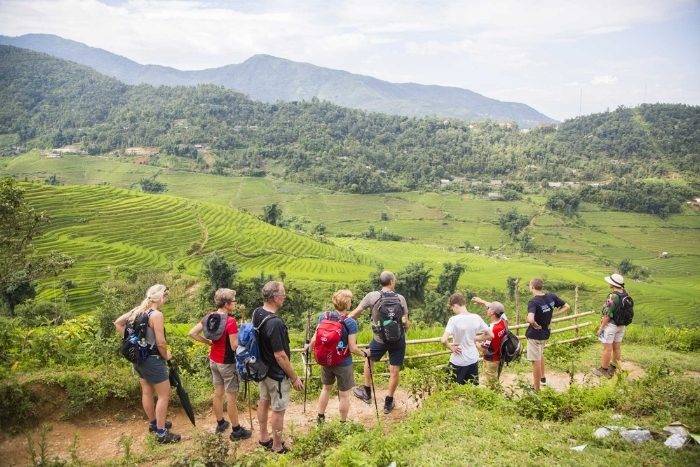
Sapa is one of the most famous trekking destinations in Vietnam, known for its dramatic rice terraces, misty mountains and ethnic minority villages. The Muong Hoa Valley is particularly popular for hiking, with trails connecting villages such as Lao Chai, Ta Van and Giang Ta Chai.
Depending on your fitness level, you can choose from relatively easy village walks to longer and more demanding mountain routes. Along the way, you will pass through rice fields, bamboo forests and traditional villages inhabited by Hmong, Dao and Tay communities. Sapa is an excellent choice for first-time trekkers who want to combine beautiful scenery with authentic cultural experiences.
Ba Be National Park
Ba Be National Park offers a different type of trekking experience, combining forest trails, limestone mountains, waterfalls and the tranquil waters of Ba Be Lake. Trails around the park pass through Tay and Hmong villages, where traditional houses and local lifestyles remain an important part of the landscape.
One of the advantages of trekking in Ba Be is that you do not have to choose between hiking and other activities. A trekking day can easily be combined with a boat trip on the lake, a visit to a cave or an overnight stay in a local homestay. It is therefore a good option for families and travellers who prefer a moderate pace.
Pu Luong Nature Reserve
Pu Luong is an excellent alternative to Sapa for travellers who want to experience rice terraces and village life in a quieter setting. The reserve is known for its green valleys, bamboo forests, waterfalls and traditional villages inhabited mainly by Thai communities.
Most Pu Luong trekking routes are moderate rather than extremely challenging, making Pu Luong particularly attractive for any 15-day trekking in Vietnam tours. You can walk through rice fields, cross small streams and visit local villages while staying in a traditional homestay. The landscape changes significantly with the agricultural seasons, particularly during the green and harvest periods.
Mai Chau Valley
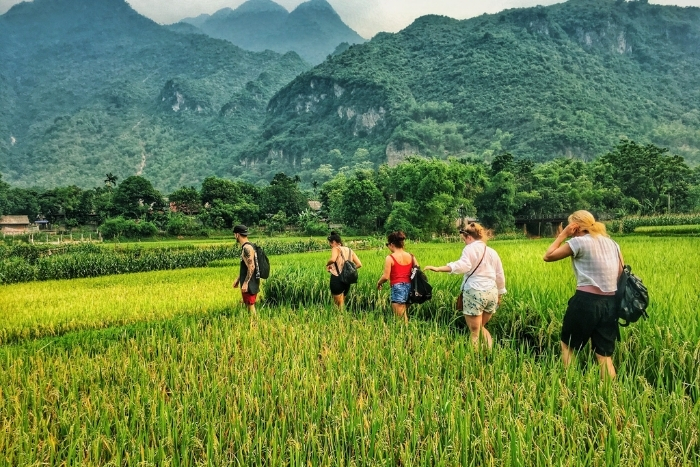
Mai Chau is one of the easiest places to experience hiking and village walks in Northern Vietnam. The valley is surrounded by mountains and filled with rice fields and traditional Thai villages.
Rather than demanding mountain trekking, activities here usually involve gentle walks through villages and countryside. This makes trekking in Mai Chau particularly suitable for families, older travellers and people who do not regularly hike. It can also be combined with Pu Luong as part of a longer 15-day trekking in Vietnam itinerary.
Cat Tien National Park
Cat Tien National Park provides a very different experience from the mountains of Northern Vietnam. Located in Southern Vietnam, the park protects extensive tropical forests and wetlands and is particularly interesting for travellers who enjoy wildlife and nature.
The trails are generally more focused on rainforest exploration than mountain trekking. You can walk through dense jungle, visit ancient trees and explore areas known for their biodiversity. Cat Tien is a good option for a 15-day trekking in Vietnam trip if you are travelling through the South and want to add a short nature or hiking experience to your itinerary.
Lai Chau and the remote Northwest
If you are looking for a more remote trekking experience, Lai Chau is one of the destinations I would recommend. Located in the far northwest, the province receives far fewer international visitors than Sapa, allowing you to experience a quieter and more authentic mountain environment.
Trekking routes lead through high valleys, mountain passes, rice terraces and ethnic minority villages surrounded by dramatic landscapes. Lai Chau is particularly suitable for experienced hikers who want to go beyond famous trekking trails in Vietnam and discover less-touristy one.
Ha Giang and the Dong Van Karst Plateau
Ha Giang is one of the most spectacular mountain regions in Vietnam, with limestone peaks, deep valleys, winding mountain passes and traditional ethnic villages. The Dong Van Karst Plateau is especially impressive and offers opportunities for both short hikes and multi-day trekking in Ha Giang.
It is worth noting that the famous Ha Giang Loop is primarily a road journey rather than a continuous trekking route. For a trekking-focused trip, you can combine scenic transfers with hikes through remote villages and valleys. This allows you to explore the region on foot while still covering more ground.
Cao Bang and Ban Gioc
Cao Bang is another excellent choice for travellers looking for an off-the-beaten-path hiking trails in Vietnam. The province is characterised by dramatic limestone mountains, forested valleys, caves and remote ethnic villages.
Trekking can be combined with visits to major natural attractions such as Ban Gioc Waterfall and Nguom Ngao Cave. Compared with Sapa, Cao Bang generally feels quieter and less developed for international tourism, making it particularly attractive for travellers who want to experience rural landscapes and local communities away from the main tourist routes.
Mount Fansipan
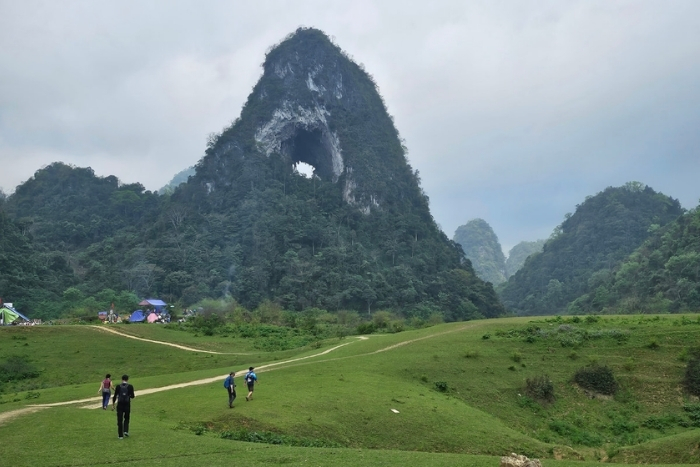
For travellers looking for a genuine mountain challenge, Mount Fansipan is one of the most iconic trekking trails in Vietnam. At 3,143 metres, it is the highest mountain in Vietnam and is often known as the "Roof of Indochina."
The traditional trekking route requires considerably more physical effort than the village walks around Sapa. Depending on the route and itinerary, the climb can take one or more days. Trekkers should be prepared for steep ascents, changing weather and cooler conditions at higher elevations.
For less experienced hikers, trekking Fansipan can be challenging, so a guided trek and appropriate preparation are strongly recommended.
Bach Ma National Park
Moving to Central Vietnam, Bach Ma National Park offers a completely different trekking environment. Located between Hue and Da Nang, the park is known for its cool mountain climate, dense rainforest, waterfalls and rich biodiversity.
Trekking routes lead through forested landscapes and can include viewpoints, waterfalls and historical remains from the French colonial period. Bach Ma is a good option if you want to combine hiking with a Central Vietnam itinerary rather than focusing exclusively on the northern mountains.
Bidoup Nui Ba National Park
Located near Da Lat in the Central Highlands, Bidoup Nui Ba National Park is ideal for travellers looking for a more adventurous forest trekking experience. The landscape includes pine forests, cloud forests, mountain streams and diverse ecosystems.
Compared with the rice terrace trekking of Sapa or Pu Luong, Bidoup offers a stronger sense of wilderness. Some routes are demanding and may require camping or several days in the forest, making it more suitable for experienced hikers and adventure travellers.
Ta Nang - Phan Dung trekking route
For trekkers interested in Southern Vietnam, the Ta Nang - Phan Dung route is one of the country's most famous long-distance trekking routes. The trail crosses three provinces, Lam Dong, Ninh Thuan and Binh Thuan, and passes through changing landscapes of forests, hills and more open terrain.
The route is known for its scenic mountain landscapes and challenging conditions. It is better suited to travellers with previous trekking experience than to casual hikers. If your priority is a demanding adventure away from conventional tourist routes, Ta Nang - Phan Dung is an option worth considering.
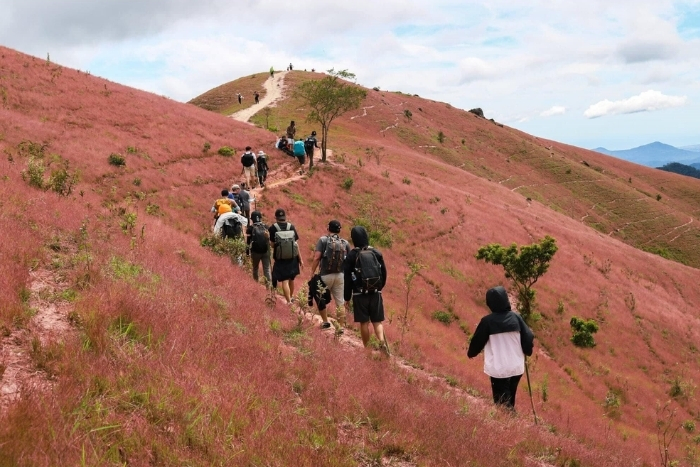
There is no single best time for trekking across Vietnam. The country stretches for more than 1,600 km from north to south, and each region has its own climate, landscapes and trekking conditions. For a 15-day trekking in Vietnam tour, it is important to choose the season according to the region you want to explore. Here is what you can expect in Northern, Central and Southern Vietnam.
Northern Vietnam is generally the best region for a multi-day trekking adventure, especially from September to April. The weather is cooler and drier, trails are usually easier to walk on and visibility is often better in the mountains.
September and October are particularly beautiful for trekking in Sapa, Pu Luong, Mu Cang Chai, Yen Bai and Hoang Su Phi, when the rice terraces turn golden during the harvest season. This is also one of the best periods for long hikes through mountain valleys and ethnic minority villages.
From November to January, the weather becomes cooler and drier. This is a good time to explore Ha Giang, Sapa and the northeastern mountains, with a chance to see clouds covering the higher peaks. In Ha Giang, late October and November are also associated with the blooming season of buckwheat flowers.
February to April brings warmer weather and the beginning of spring. Mountain landscapes become greener, while flowers bloom in many highland areas. However, early spring can still be misty and occasionally wet.
The main period to approach with caution is May to August, when heavy rain, thunderstorms and slippery trails can make mountain trekking more challenging.
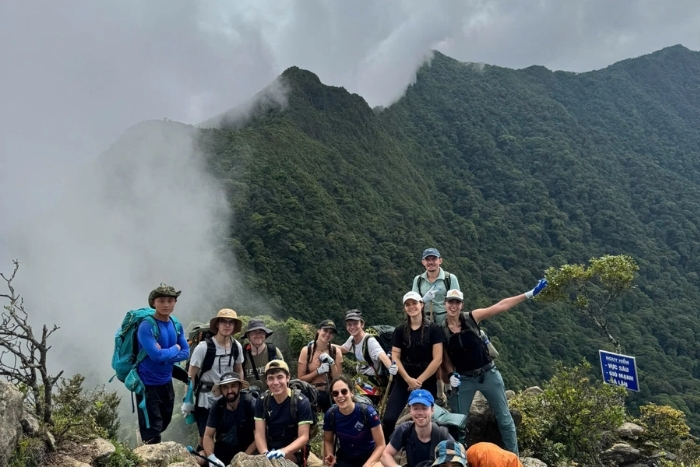
Central Vietnam has a more complex climate because conditions vary between the coastal mountain ranges and the Central Highlands.
For mountain areas such as Bach Ma National Park, the more suitable period is generally February to August, before the main rainy and stormy season arrives. March to May can be particularly pleasant for forest trekking, with relatively comfortable temperatures and greener landscapes.
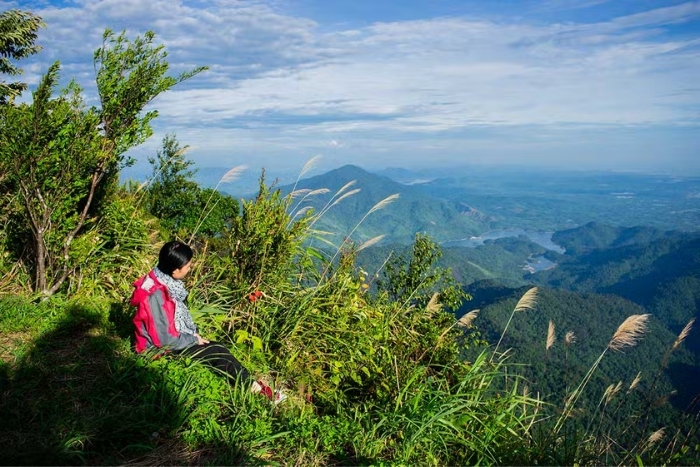
In the Central Highlands, including areas around Da Lat, Bidoup Nui Ba and Ta Dung, the dry season from approximately November to April is generally more suitable for trekking. Trails are drier, visibility is better and the risk of slippery paths is lower.
The rainy period, especially around September and October, requires extra caution in Central Vietnam because heavy rain, storms and flooding can affect mountain trails and roads.
Southern Vietnam has a simpler climate, with a distinct dry season and rainy season. For most trekking activities, November to April is the safer and more comfortable period. The weather is generally drier, trails are less muddy and hiking conditions are more predictable.
This period works well for destinations such as Cat Tien National Park, Ta Nang - Phan Dung and Bidoup Nui Ba. The dry season is particularly suitable for travellers who are new to trekking because trails are easier to navigate.
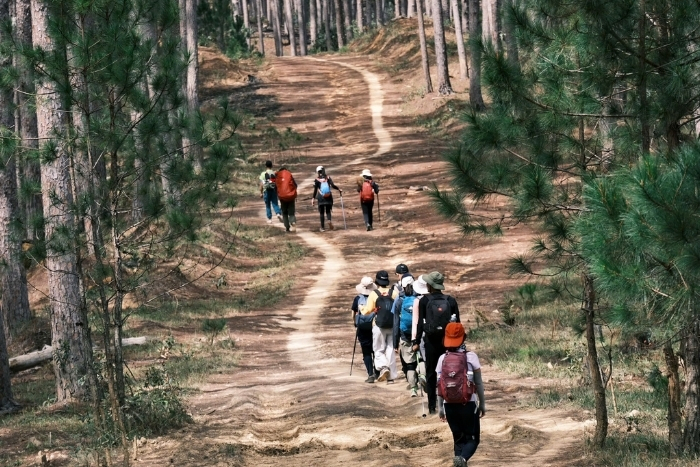
If you have only 15 days for this trekking itinerary, I recommend travelling in October. This month offers some of the best conditions for trekking in Northern Vietnam, with cooler temperatures, relatively dry trails and excellent visibility. More importantly, the rice terraces in destinations such as Sapa and Pu Luong are at their most spectacular during the harvest season, creating golden mountain landscapes along many trekking routes.
Packing properly can make your 15-day trekking in Vietnam trip much more comfortable, especially when travelling through Vietnam's mountains where weather and trail conditions can change quickly.
Trekking shoes: Choose lightweight, comfortable shoes with good grip, ankle support and water-resistant materials. Avoid smooth-soled trainers, especially for muddy or slippery trails.
Lightweight clothing: Bring 3-5 sets of breathable, quick-drying clothes rather than a complete outfit for every day. Add long trousers and long-sleeved shirts for sun and insect protection.
Warm layers: Pack a light fleece or jacket for cool mountain evenings, especially when trekking in Northern Vietnam between November and February.
Rain protection: Bring a waterproof jacket or poncho, backpack rain cover and waterproof bags to protect your phone, camera and important documents.
Backpack: A comfortable 20-30 litre daypack is usually enough when your main luggage is transported separately. Choose one with good back support and comfortable shoulder and waist straps.
Water and snacks: Carry a reusable water bottle or hydration bladder. Pack energy-rich snacks such as nuts, dried fruit or cereal bars for longer trekking days.
First-aid kit: Bring plasters, blister patches, antiseptic wipes, pain relief medication and any personal medicines you may need.
Sun and insect protection: Pack sunscreen, sunglasses, a hat and insect repellent, particularly for forest trails and rural homestays.
Navigation and electronics: Download offline maps and bring a power bank. A headlamp or small flashlight can also be useful at remote homestays.
Important documents: Keep your passport, travel insurance information and cash in a waterproof pouch. Carry some Vietnamese dong in small denominations for use in remote areas.
Optional safety equipment: For remote trekking routes, consider carrying an emergency communication device, especially if mobile coverage may be limited.
Avoid overpacking: If your 15-day trekking in Vietnam itinerary includes homestays and organised transfers, you normally do not need camping or cooking equipment. Keep your backpack as light as possible so you can walk more comfortably.
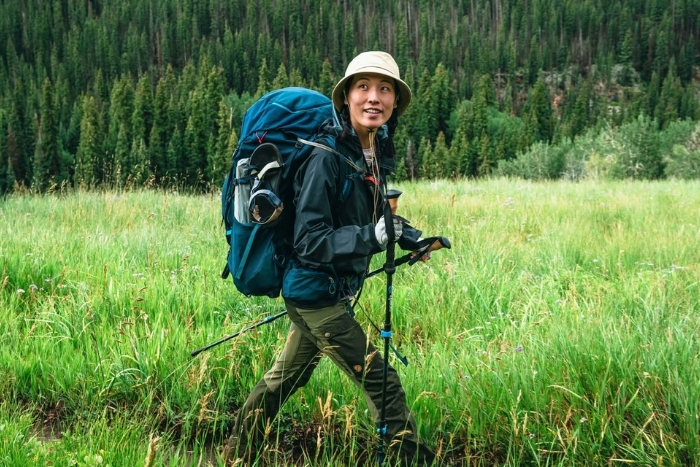
The cost of a 15-day trekking in Vietnam experience depends on the routes, group size, accommodation and level of comfort. As a general estimate, based on two people sharing:
| Travel style | Estimated price |
| Budget | $800-1,000 |
| Comfortable | $1,000-1,500 |
| Private / higher comfort | $1,500-2,200+ |
These are approximate prices per person and do not include international flights. The final Vietnam 15 days cost varies according to the trekking routes, travel season and services selected. A 15-day itinerary also combines trekking with transfers, homestays, cultural experiences and rest days, so you will not be trekking every day.
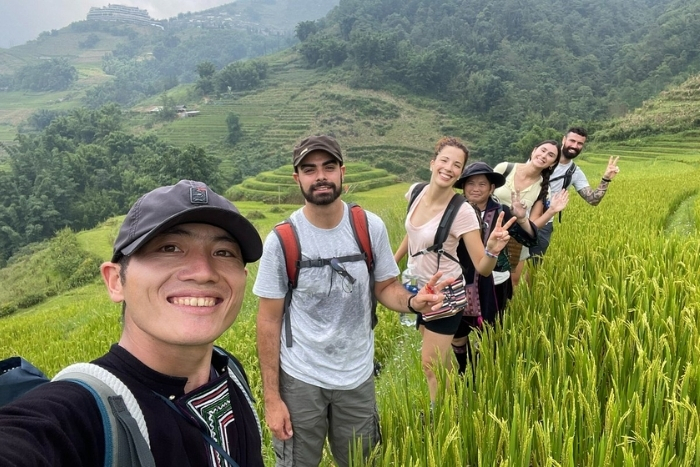
A 15-day trekking in Vietnam tour is an excellent choice for nature lovers who enjoy mountain landscapes, cloud hunting and wild, and who want to challenge themselves, build endurance and push beyond their limits. You do not need to be an experienced trekker, but a basic level of fitness is important for walking on uneven terrain and completing several hours of hiking. If you are planning your adventure, Autour Asia, a travel agency in Vietnam, can create a tailor-made 15-day trekking itinerary based on your interests, travel dates and preferred comfort level.


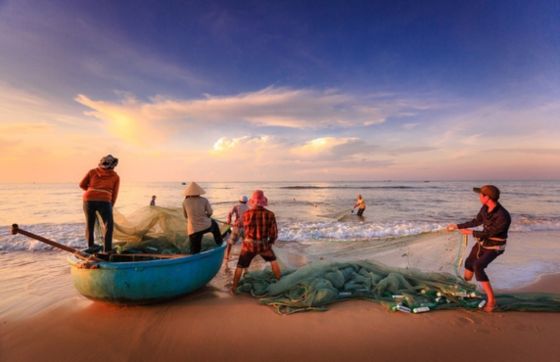
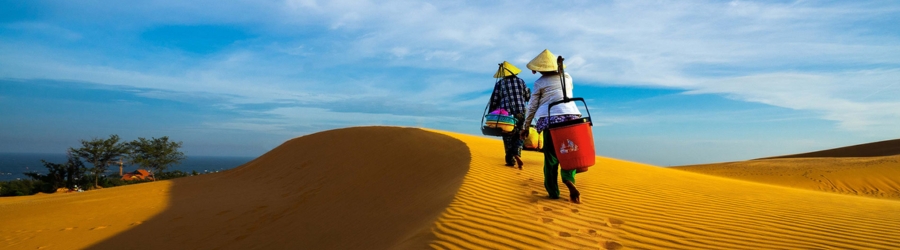
Phan Thiet, a coastal city in Binh Thuan Province, is best known for Mui Ne, an internationally renowned seaside destination. With its beaches, fishing villages, and desert-like sand dunes, the region offers a diverse range of landscapes rarely found elsewhere in Southeast Asia. In November, temperatures remain pleasant for exploring the coast, although occasional showers are still possible. Visiting Phan Thiet Mui Ne in November requires a little preparation to make the most of your stay. This complete guide covers the weather, must-see attractions, transportation options, and practical tips to help you plan your trip to Vietnam in November.
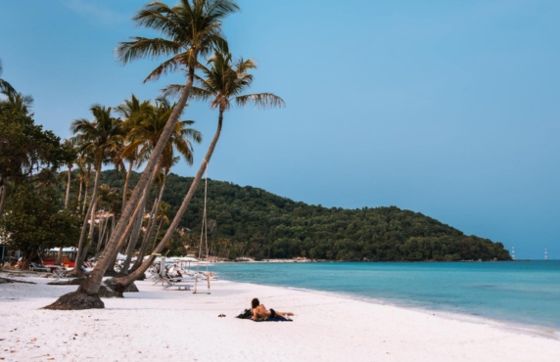
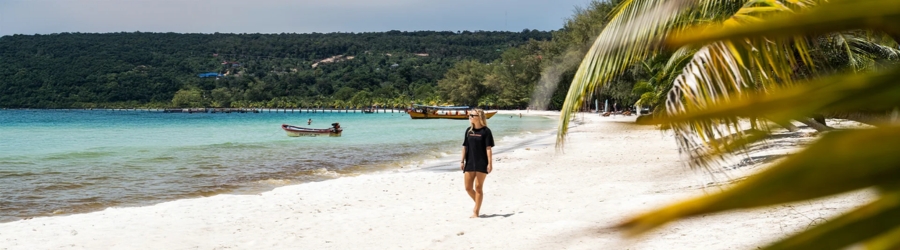
Vietnam’s beaches are best enjoyed at different times of the year, depending on the region. From the turquoise waters of the South to the long stretches of white sand in the Central region and tropical islands, each area has its own climate patterns. To better understand when to visit Vietnam, it is important to consider the weather conditions in each destination. The best time to visit beaches in Vietnam depends on region you choose as well as the activities you have planned. The best time to swim in Vietnam also varies according to rainfall, water temperature and sea conditions. Understanding the Vietnam beach season helps you choose destinations that match your travel dates and enjoy the coastline in good conditions.
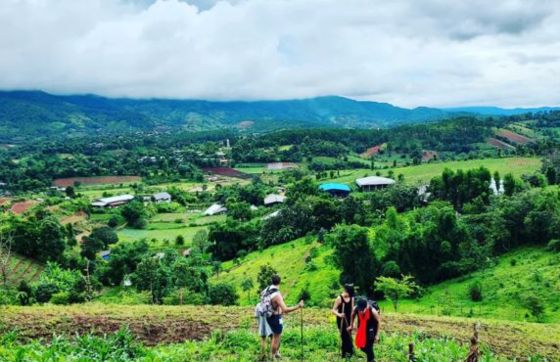
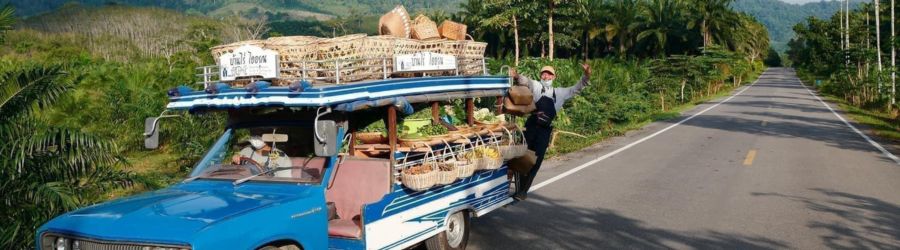
Discovering Thailand through its rice fields, plantations, and rural villages offers a different way to travel, far from traditional tourist circuits. But how can you choose the best agency for Thailand farm tours to enjoy authentic experiences with local communities? Several tour operators offer trips combining agriculture, gastronomy, and encounters with producers. Among them, Autour Asia is an option for travelers who want to personalize their itinerary. Known as Vietnam travel agency - Autour Asia, the company also offers tailor-made trips to several countries in Southeast Asia. With the local travel agency in Thailand - Autour Asia, travelers can explore a trip designed around their interests. Here are five organizations worth knowing, their distinctive features, and the essential criteria for planning a successful agricultural tour in Thailand.

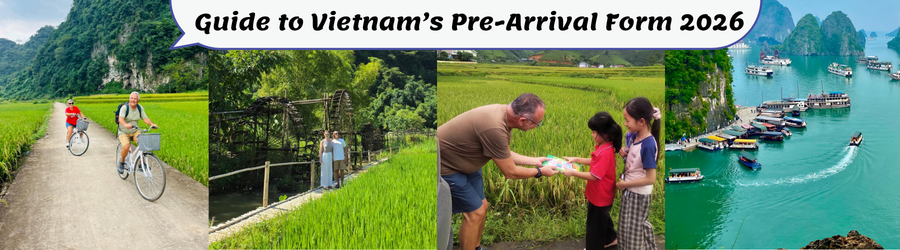
Planning a trip to Vietnam? Before packing your bags, take a few minutes to check the latest entry requirements and prepare the documents you may need at the airport.
Vietnam’s Pre-Arrival Information (PAI) system allows international travellers to submit selected personal, visa and travel details online before arriving in the country. After a successful submission, the system generates a QR code that travellers can save on their phones or print for use during immigration procedures. Although the online declaration is designed to help make arrival procedures smoother, travellers should understand when it applies, how to complete it correctly and which documents they still need to enter Vietnam.
In this practical guide, you will discover where to access the official PAI portal, what information to prepare, how to complete the declaration step by step, how to correct common mistakes and what to do when you arrive at the airport.
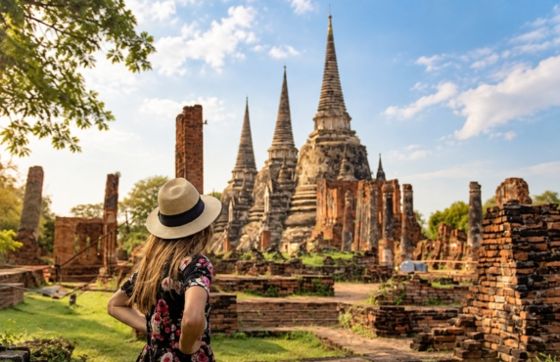
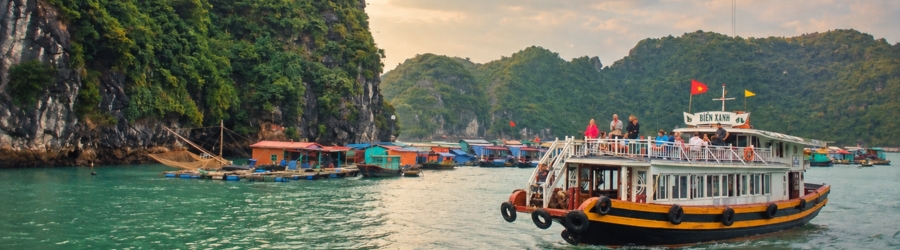
With its exotic landscapes, fascinating cultures and diverse experiences, Vietnam and Thailand are among the most popular destinations in Southeast Asia. However, safety remains an important criterion when planning your trip. So, how can you choose Vietnam or Thailand for a safe trip depending on the way you travel ? And is Vietnam safer than Thailand ? Each destination has its own characteristics and points to consider. In this article, Autour Asia helps you compare Vietnam and Thailand to better understand their differences and choose the destination that meets your expectations for your next trip to Asia.
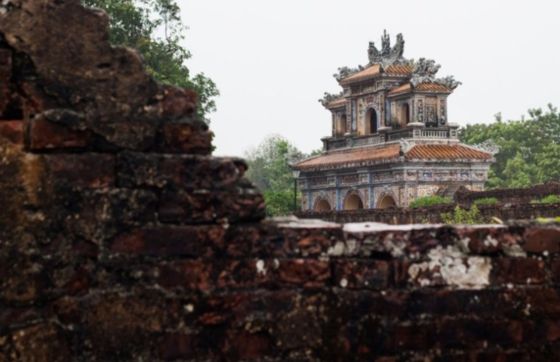
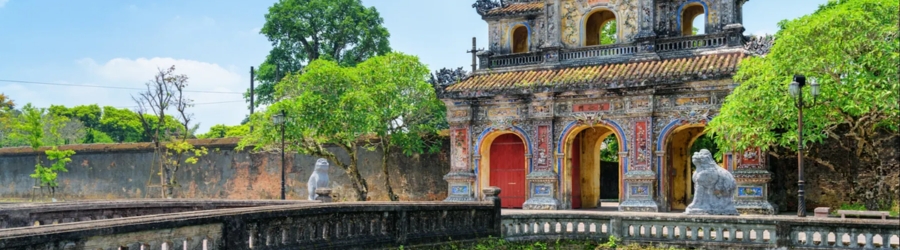
Planning a trip to Hue in November requires a little more flexibility than at other times of the year. Visiting Hue in November means experiencing the rainy season in central Vietnam, with prolonged showers and a risk of flooding. However, this period can also be an opportunity to explore the former imperial capital’s royal heritage, pagodas and renowned cuisine in a quieter atmosphere. The key is to choose your activities carefully, prepare alternative plans and check the weather conditions before setting out.
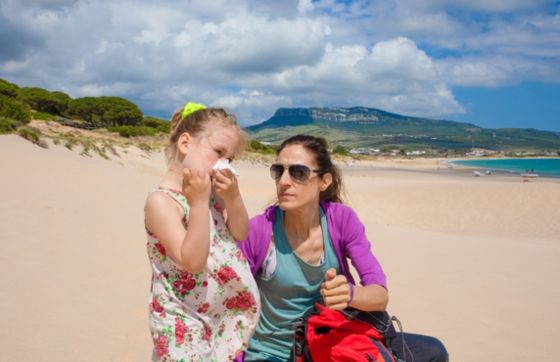
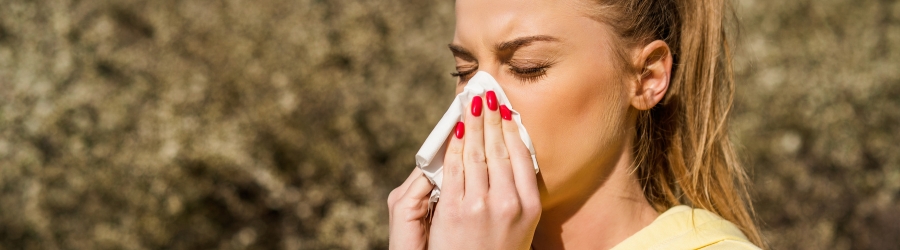
When travelling in Cambodia, some everyday habits may raise questions about local customs. Is blowing your nose in public considered polite? How should you behave in restaurants, on public transport or during a visit? These small details matter when you want to respect the local culture. Discover how to manage blowing your nose in Cambodia discreetly, along with practical tips on using tissues during your trip. Autour Asia, Cambodia travel agency, helps you discover local customs with advice tailored to travellers. From Cambodia travel etiquette to personal hygiene and everyday situations, a few simple guidelines can make your journey more comfortable. In Phnom Penh, Siem Reap or Kampot, understanding local customs helps you avoid awkward moments while making the most of your stay.
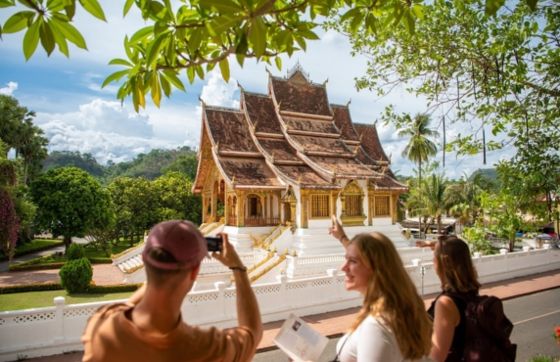
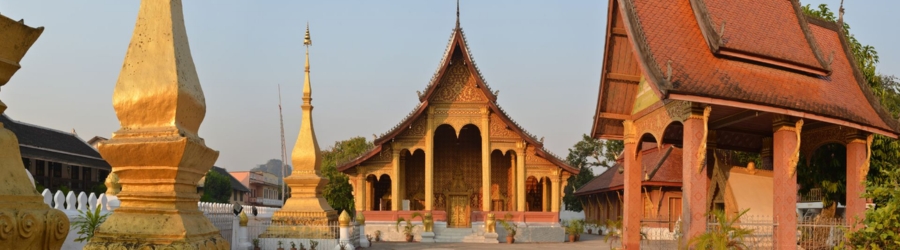
Blow your nose in Laos is not necessarily considered rude, but it is best to do so discreetly, especially in quiet places or during meals. If you have a cold, use a clean tissue and avoid blowing your nose loudly in public. In temples and other places of worship, respect the peaceful atmosphere and local customs. If you need to blow your nose frequently, step away from others for a moment whenever possible. Finally, dispose of used tissues in a rubbish bin. These simple habits will help you observe good manners during your trip to Laos.



 FR
FR EN
EN