

Using your regular SIM card outside Europe often raises a practical question: how can you stay connected without letting your phone bill skyrocket? Upon arrival, checking Google Maps to find your hotel, sending a few photos to family and friends, or booking a taxi can quickly use up your mobile data. However, roaming charges outside Europe differ significantly from those applied within the European Union. Between eSIMs, local prepaid SIM cards and international mobile plans, several options are available. A local travel agency in Hanoi can also provide useful advice on practical connectivity solutions before you set off on your Vietnam trip.

To use your regular SIM card outside Europe offers several practical benefits when travelling abroad. You can keep your usual phone number to receive calls, check messages and complete certain banking transactions that require SMS verification codes. You also avoid having to notify all your contacts of a change in phone number.
However, this convenience may come at a price. Outside the European Union and the European Economic Area (EEA), European roaming regulations no longer apply automatically. Instead, charges depend on the agreements between your mobile operator and the networks in your destination country. Incoming and outgoing calls, text messages and, particularly, mobile data may incur additional fees.
Before departure, check your mobile plan's international rates and see whether any special roaming packages are available. Keeping your regular SIM card is a worthwhile option if your operator already includes your destination in its package or if you regularly need to receive important calls and messages. However, if you intend to access the Internet daily, it is better to consider an additional connectivity option.
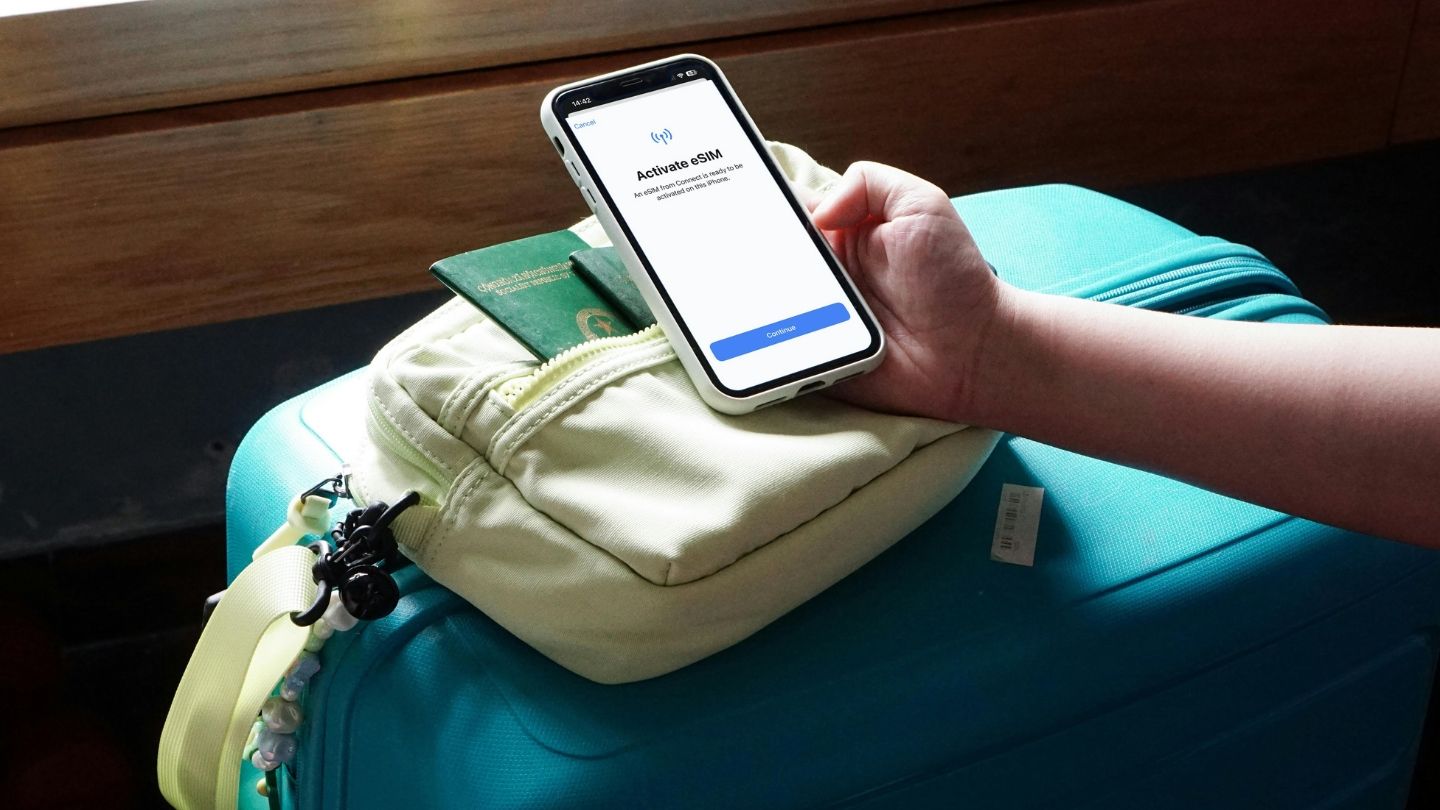
If you want to use your regular SIM card outside Europe while avoiding expensive roaming charges, a travel eSIM is a particularly convenient option. Unlike a physical SIM card, an eSIM is installed directly on your phone, usually by scanning a QR code provided after purchasing a data plan.
Several providers offer data packages tailored to different destinations, including Vietnam, Thailand, Indonesia and Japan. You can activate your plan upon arrival and access the Internet without having to look for a local mobile phone shop.
Its main advantage is convenience: your regular SIM card stays in your phone, allowing you to keep your regular number while using a second connection for mobile data. Nevertheless, check three important details before purchasing: your device's eSIM compatibility, network coverage and plan validity period. Also, bear in mind that some eSIMs provide Internet access only, without a local phone number or traditional voice calls.
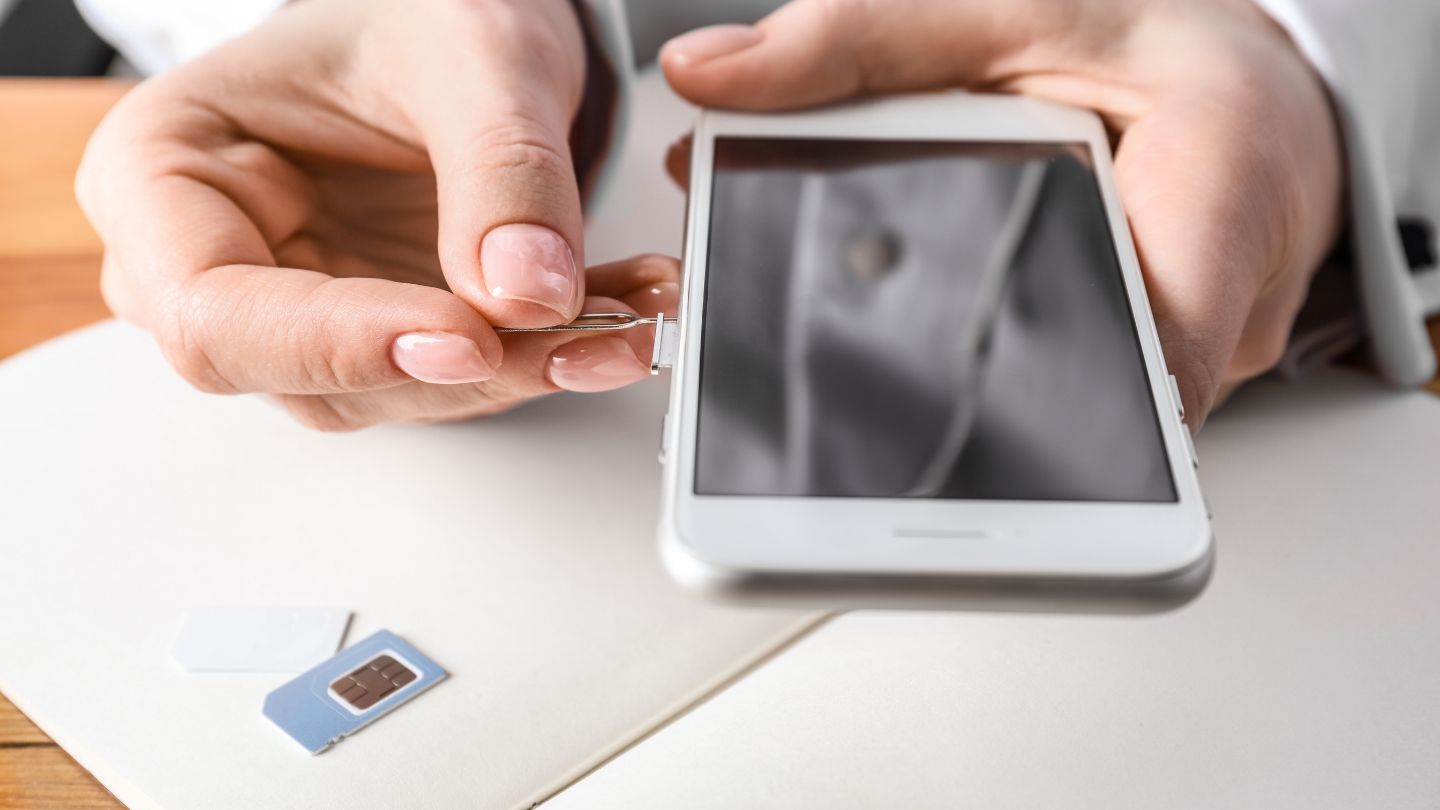
If you want to use your regular SIM card outside Europe while benefiting from more affordable mobile rates at your destination, purchasing a second local prepaid SIM card is an interesting alternative. This option gives you access to local mobile networks, with a data allowance and, in some cases, domestic calls included.
In Vietnam, major mobile operators such as Viettel, VinaPhone and MobiFone offer various mobile packages. You can purchase a SIM card at an official store, at the airport or from an authorised retailer. It is best to choose official sales outlets to ensure that your SIM card is properly registered and that you understand the terms and conditions of your chosen package.
Examples of prepaid SIM cards for tourists in Vietnam
| Operator / Package | Indicative price | Included data | Additional services | Validity |
| Viettel - 5G150T | 150,000 VND (approximately €5) | 5 GB/day | Internet only | 30 days |
| Viettel - 5G180H | 180,000 VND (approximately €6) | 5 GB/day | Domestic calls 30 minutes to Viettel numbers and 15 minutes to other networks | 30 days |
| MobiFone - TR109 | 109,000 VND (approximately €3.60) | 4 GB/day | Domestic calls and 20 minutes of international calls to select destinations | 20 days |
| MobiFone - FR10 | 150,000 VND (approximately €5) | 50 GB in total | 70 minutes of national calls | 10 days |
| VinaPhone - Tourist SIM | 199,000 VND (approximately €6.60) | 1 GB/day | National and international calls, depending on the included destinations | 15 days |
Which mobile operator should you choose for your itinerary?
- Viettel: A good choice for trips covering Ha Giang, Cao Bang, Sa Pa and other mountainous areas in northern Vietnam. Its network coverage is generally more extensive in rural regions.
- MobiFone: An interesting option for travellers looking for a package with a generous mobile data allowance and domestic call minutes.
- VinaPhone: An alternative worth considering for short stays, particularly in major cities and popular tourist destinations.
Also, make sure your phone is unlocked and has a slot for a second SIM card. This allows you to keep your European number for important communications while using your local Vietnamese number to browse the Internet and contact people in Vietnam.
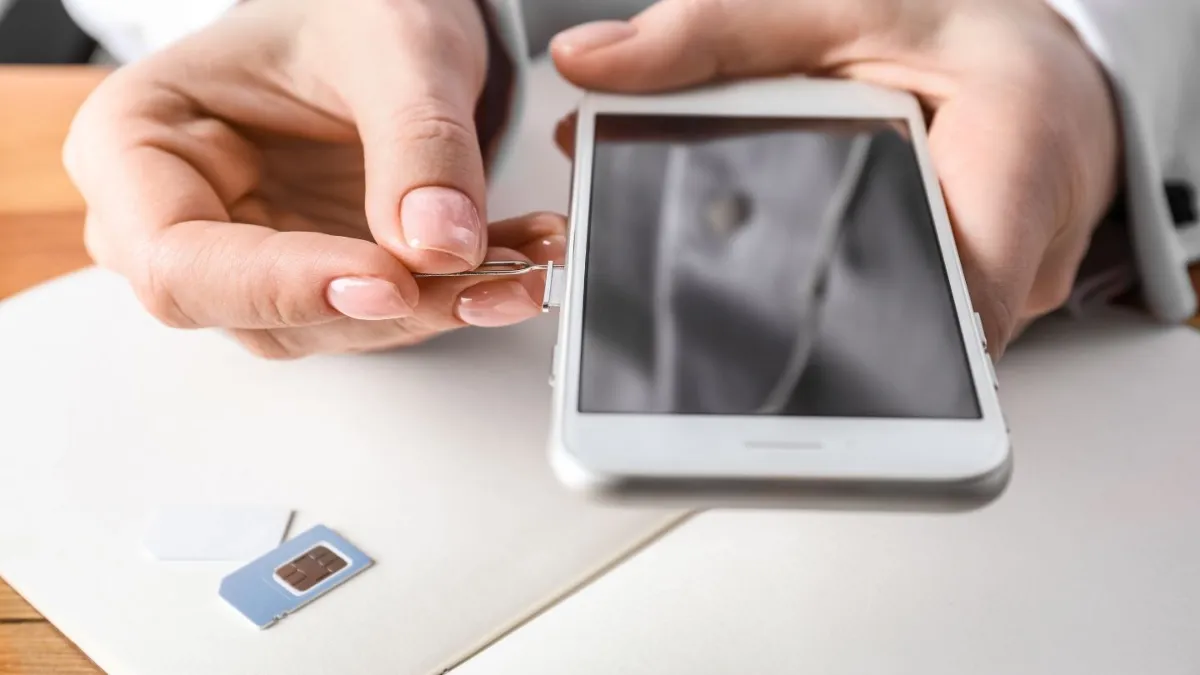
Unlike prepaid SIM cards designed for tourists, a local mobile subscription is better suited to people moving abroad or planning to stay for several months. It generally provides a national phone number, regular plan renewals and services tailored to everyday mobile use.
This option may be particularly suitable for expatriates, students and digital nomads working remotely. However, subscription requirements vary from one country to another. You may need to provide proof of identity, a local address or payment details, and some operators may require a minimum contract period.
For a holiday lasting just a few weeks, this process is generally unnecessary. A travel eSIM or prepaid SIM card offers greater flexibility.
To choose the most suitable option and use your regular SIM card outside Europe without putting extra strain on your travel budget, several factors are worth considering. The following comparison highlights the advantages and limitations of each option, depending on your needs and length of stay.
| Criteria | European SIM card | Travel eSIM | Local prepaid SIM card |
| Cost | Variable, sometimes expensive outside Europe | Depends on the data allowance | Generally affordable |
| Installation | Already installed | Remotely, before departure | Upon arrival |
| Keep your number | Yes | Yes, with dual SIM functionality | Yes, if your phone supports dual SIM |
| Network coverage | Depends on roaming agreements | Depends on the partner network | Depends on the local operator |
| Local calls | Depends on your plan | Often not included | Depends on the selected package |
| Length of stay | Any duration, depending on rates | Short or medium stays | Short or extended stays |
In practice, a travel eSIM is particularly suitable for travellers who value convenience, while a local prepaid SIM card is a good choice for regular Internet access at a lower cost. As for your European SIM card, you can keep it to receive important calls and messages while disabling mobile data roaming to avoid unexpected charges.

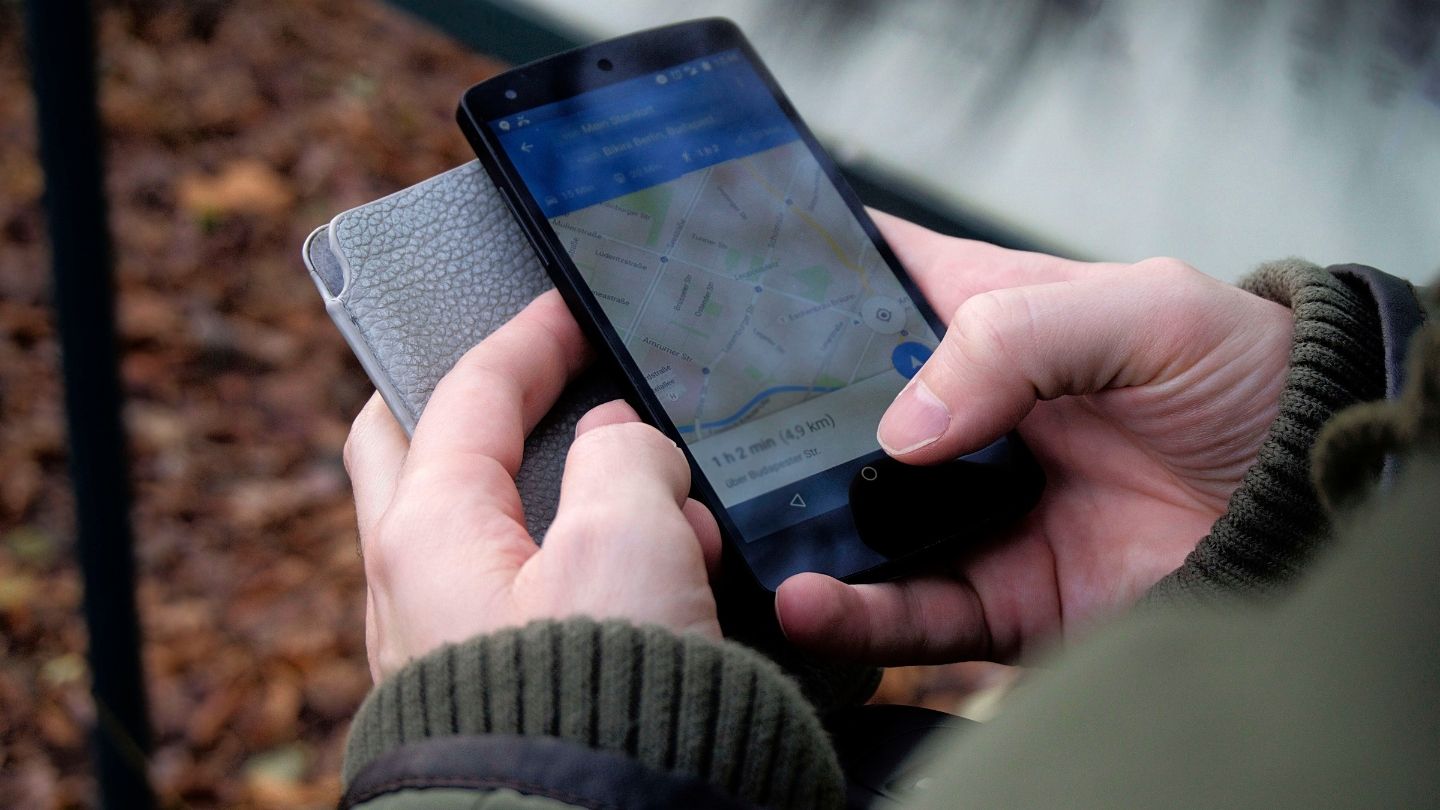
Before departure, check network coverage in the different regions included in your itinerary. A reliable connection in Hanoi does not necessarily guarantee the same signal quality in remote northern valleys or mountainous areas. It is also a good idea to arrange Internet access as soon as you arrive so you can book a taxi or contact your accommodation. In addition, download Google Maps, your travel tickets and booking documents so you can access them offline. Finally, a local travel agency in Hanoi can advise you on practical ways to prepare your trip and make your arrival in Vietnam easier.
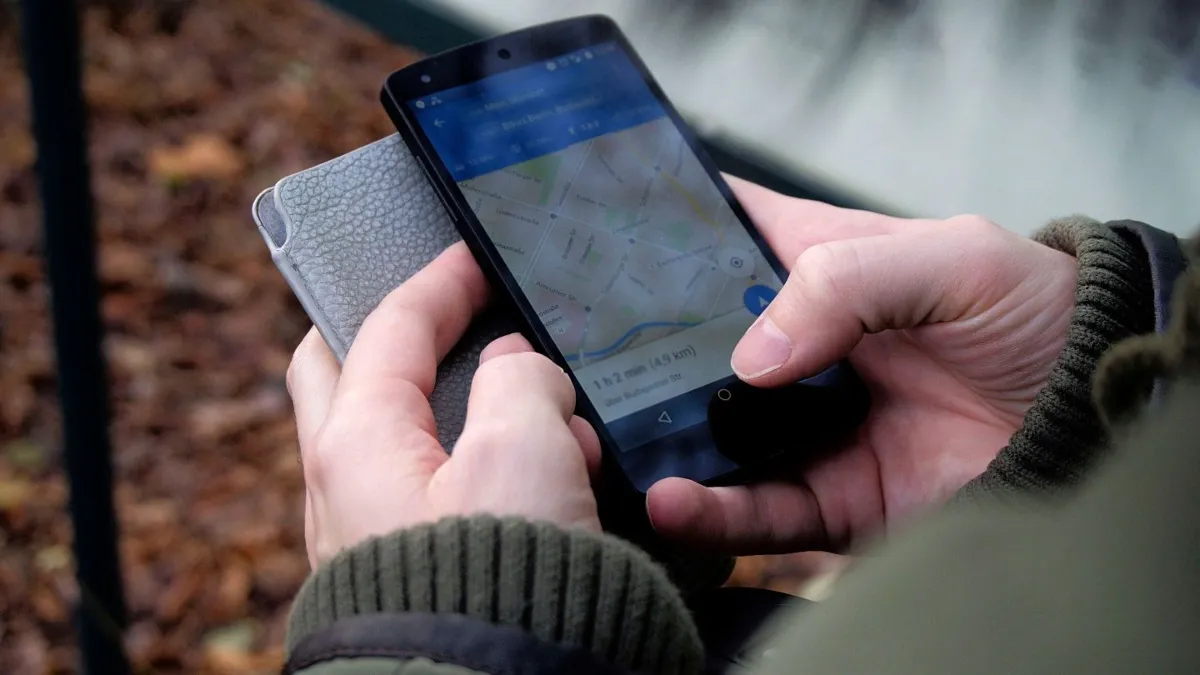
Ultimately, you can use your regular SIM card outside Europe, but it is not always the most cost-effective option. While keeping your European number can make certain arrangements easier, a travel eSIM or local SIM card often helps reduce mobile Internet costs. To make the right choice, consider the length of your stay, your mobile data usage and the regions you plan to visit. When travelling around Vietnam, you can also seek advice from a local travel agency in Hanoi to prepare for the practical aspects of your arrival and make the most of your trip.
Read more:


No, not all smartphones are compatible with travel eSIMs. Before purchasing a Vietnam eSIM, check that your phone supports this technology and is unlocked to work with other mobile networks. Recent iPhone, Samsung Galaxy and Google Pixel models generally offer eSIM functionality, but compatibility depends on the model generation and sometimes the country where the device was purchased. You can check your phone's settings or visit the manufacturer's website to confirm compatibility. Also, make sure your device supports the required frequency bands to enjoy reliable network coverage in Vietnam.
For a Vietnam trip 14 days, a local prepaid SIM card is generally an economical and convenient choice. Expect to pay around 150,000–200,000 VND (€5–7) for a 15-day package with enough mobile data for everyday needs. Viettel, VinaPhone and MobiFone offer various packages with different prices and data allowances. Viettel is particularly suitable for trips to mountainous areas in northern Vietnam, such as Ha Giang and Cao Bang. If you prefer to arrange your Internet connection before departure, a Vietnam eSIM generally costs between €8 and €12, depending on the package.
During a Vietnam Cambodia Laos 3 week itinerary, a Vietnamese SIM card can also be used in neighbouring countries, provided the mobile plan supports international roaming. However, this option often involves additional roaming charges and is not always cost-effective. To avoid unexpected expenses, check the roaming rates for Cambodia and Laos with the mobile operator before departure. For stays of several days in each country, a regional eSIM or local prepaid SIM card is generally a more affordable option.









 FR
 ITA
