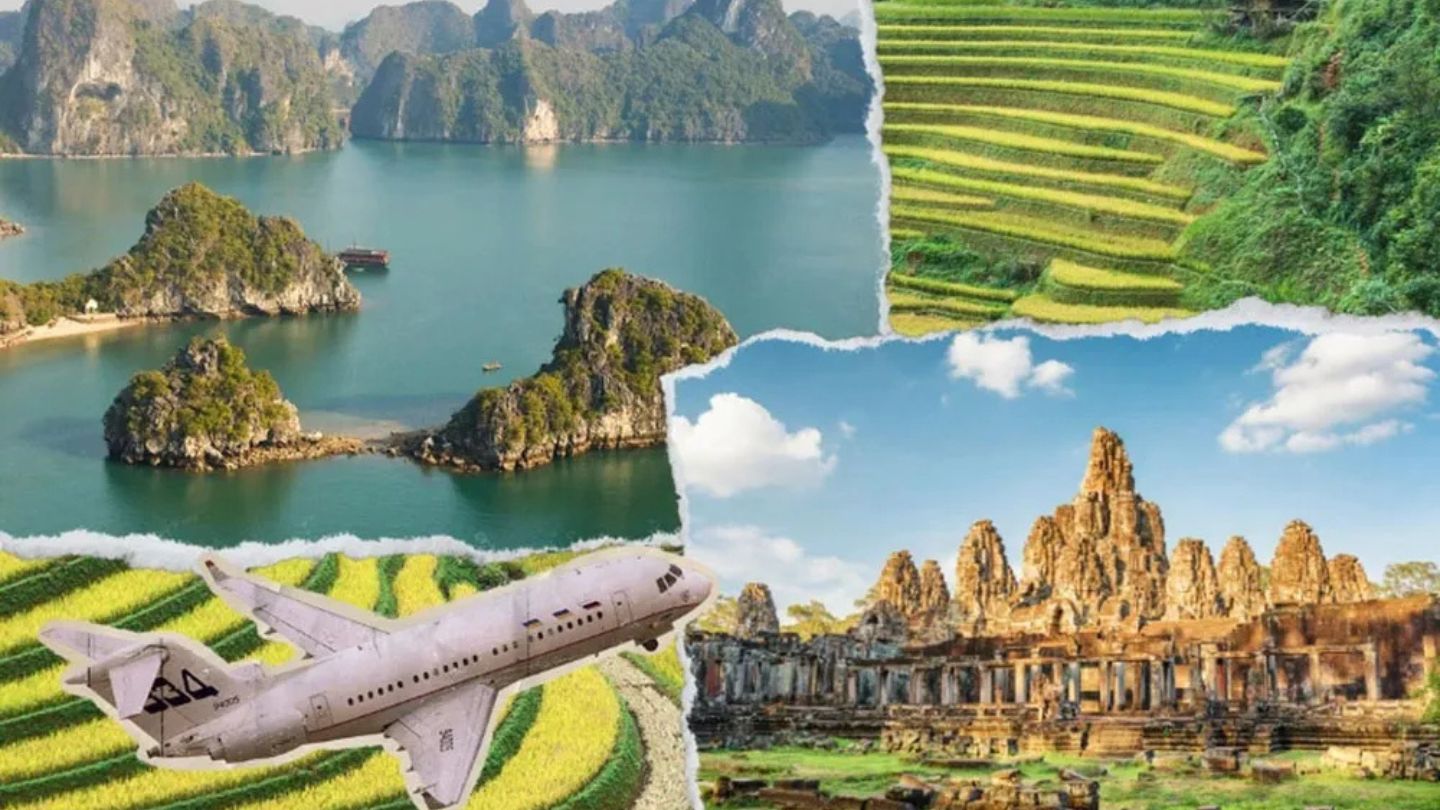
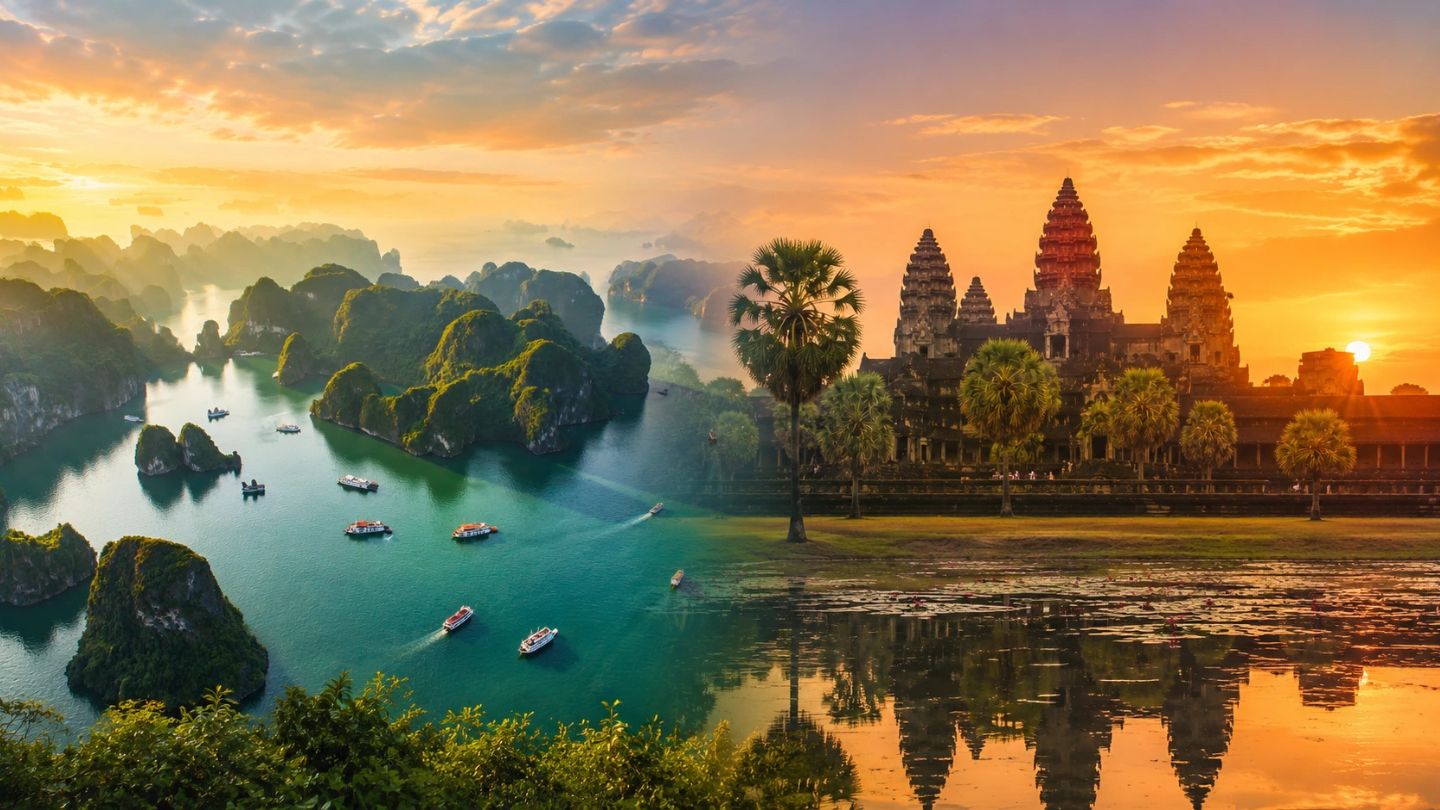
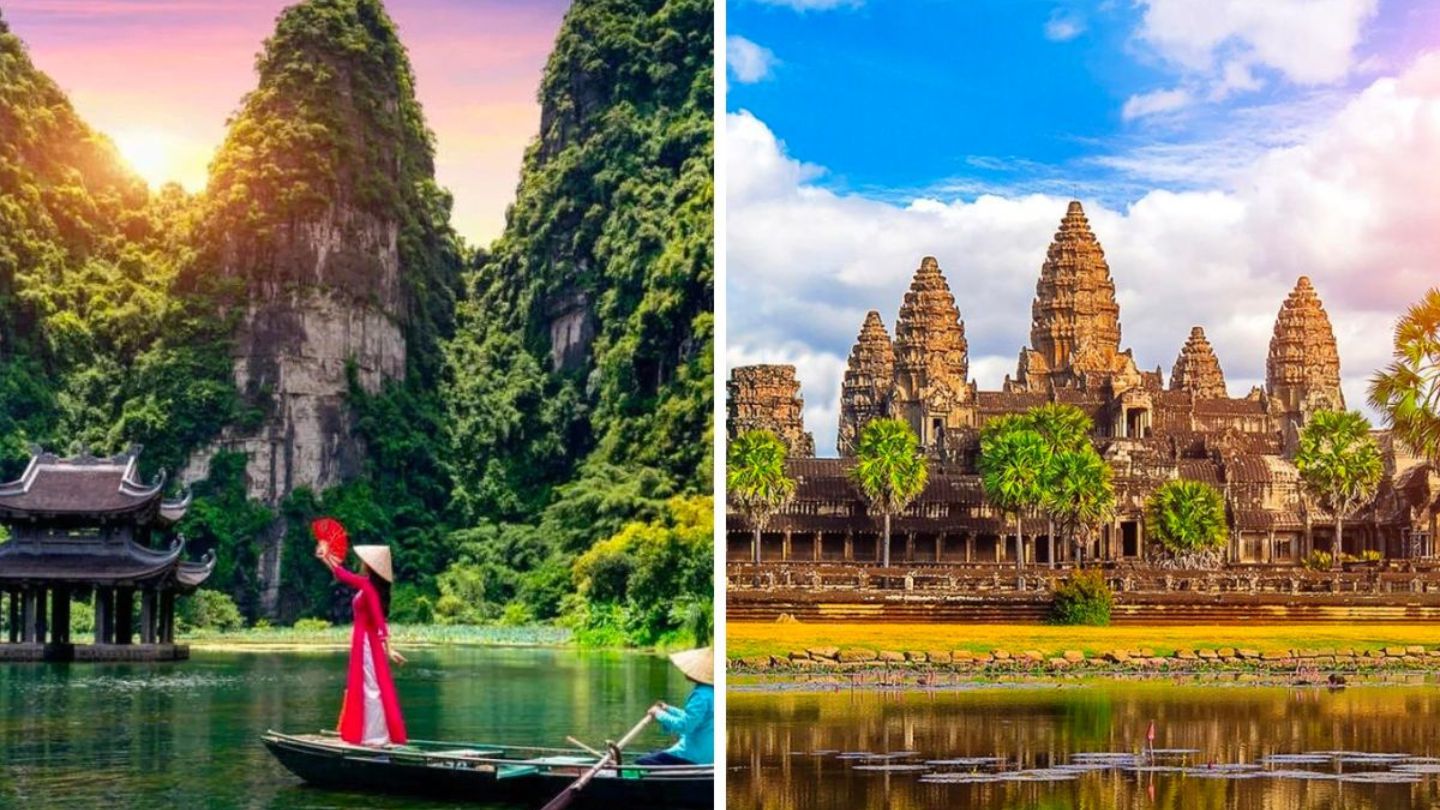
From ancient temples and tropical beaches to lush green landscapes, Southeast Asia offers wonderful discoveries at the beginning of spring. But Vietnam or Cambodia in March: which destination should you choose to make the most of your holiday? Although both countries generally enjoy favourable weather conditions, their climates and tourist experiences differ considerably. Vietnam appeals to travellers with its regional diversity, from northern mountains to southern islands, while Cambodia attracts those passionate about history and Khmer culture. To plan a well-balanced itinerary, it is worth comparing the weather, activities, length of stay and expected expenses. Local travel agency in Hanoi - Autour Asia shares practical information to help every traveller choose according to their interests and preferred pace.
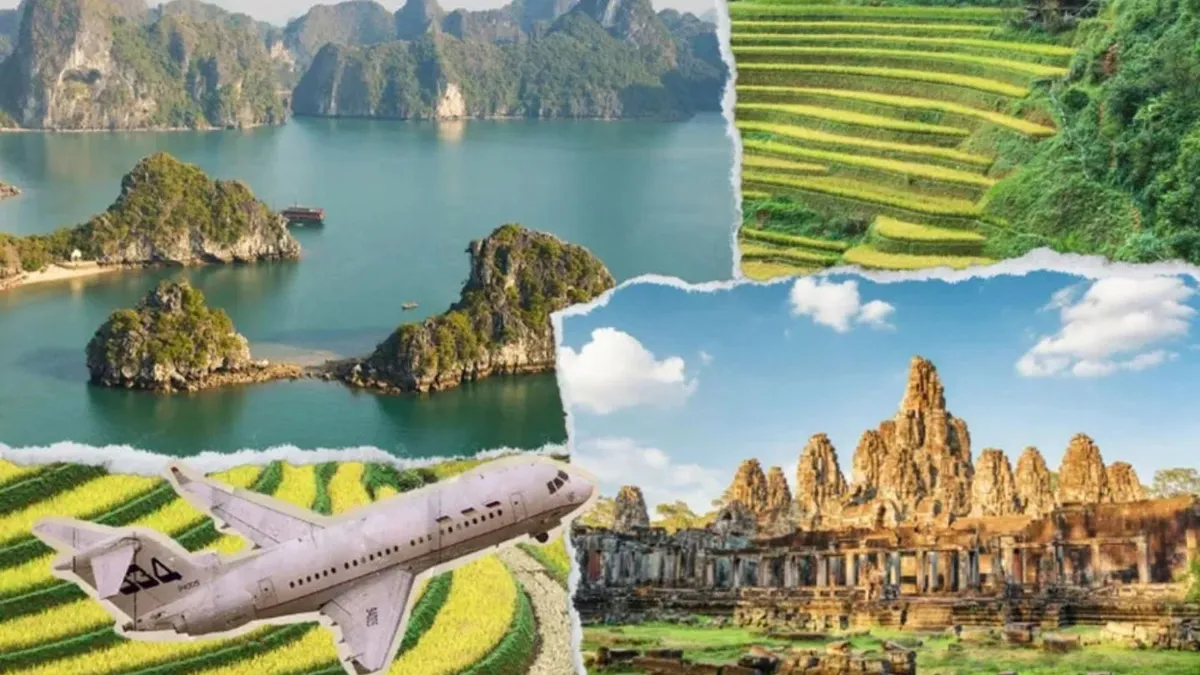
Climate is the first factor to consider when deciding between Vietnam or Cambodia in March. Despite their geographical proximity, the two countries have different weather conditions. To choose the period and regions best suited to their expectations, travellers can also seek advice from the Local travel agency in Hanoi - Autour Asia, which can help prepare an itinerary that takes into account the climatic characteristics of each destination.
A trip to Vietnam in March allows you to experience several different climates during the same holiday.
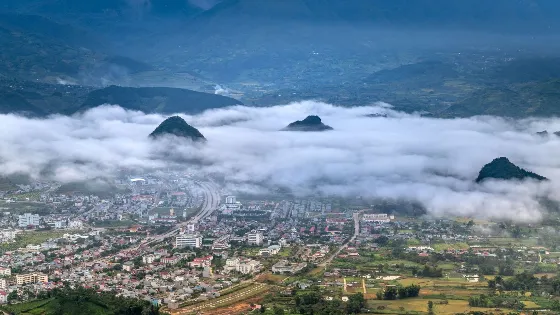
In the North, around Hanoi, Ninh Binh and Ha Long Bay, temperatures are generally mild, often ranging from 18 to 25°C. However, mist and light rain can reduce visibility, particularly during cruises.
Central Vietnam, including Hue, Da Nang and Hoi An, generally enjoys sunny days and pleasant temperatures of around 24-30°C.
In the South, Ho Chi Minh City, the Mekong Delta and Phu Quoc experience hot and relatively dry weather, making this a favourable period for excursions and beach holidays.
In Cambodia, March marks the beginning of the hot period of the dry season. Daytime temperatures can reach 33-36°C, and sometimes even higher depending on the location.
In Siem Reap, Phnom Penh and Battambang, rainfall generally remains limited. Sightseeing is therefore easy to organise, although long walks under direct sunlight can become tiring.
Cambodia is particularly suitable for travellers who enjoy dry weather and can comfortably tolerate the heat.
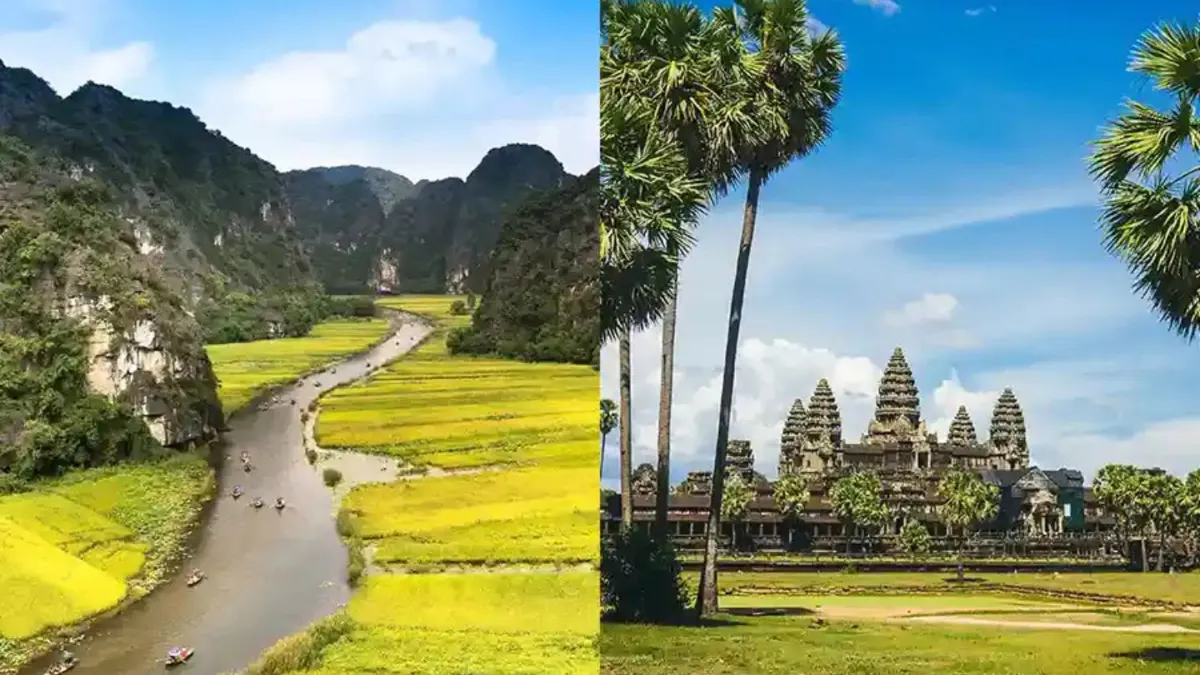
When choosing between Vietnam or Cambodia in March, you should also consider the landscapes and experiences you are looking for.
Northern Vietnam offers an interesting cultural immersion. In Hanoi, travellers can explore the Old Quarter, temples and traditional markets.
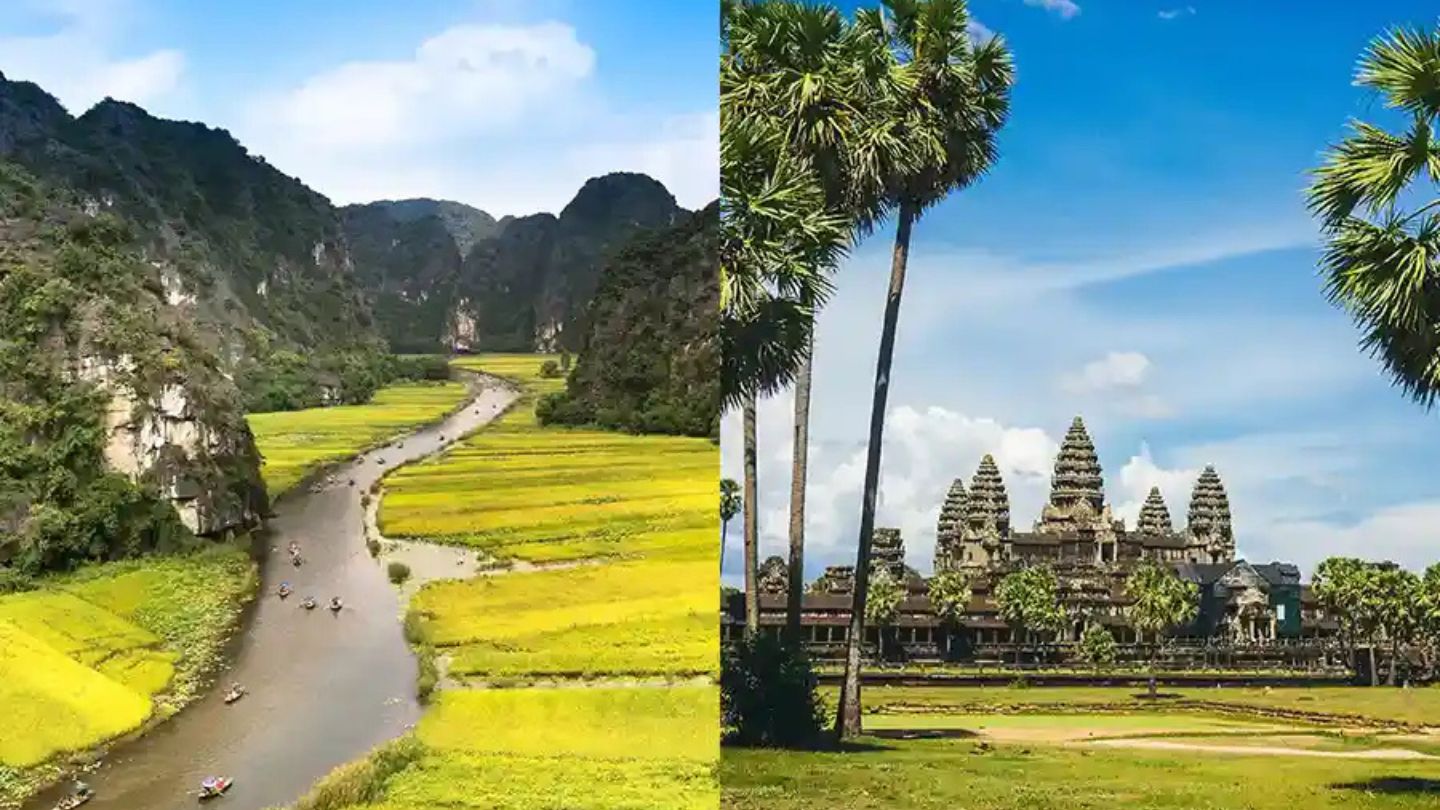
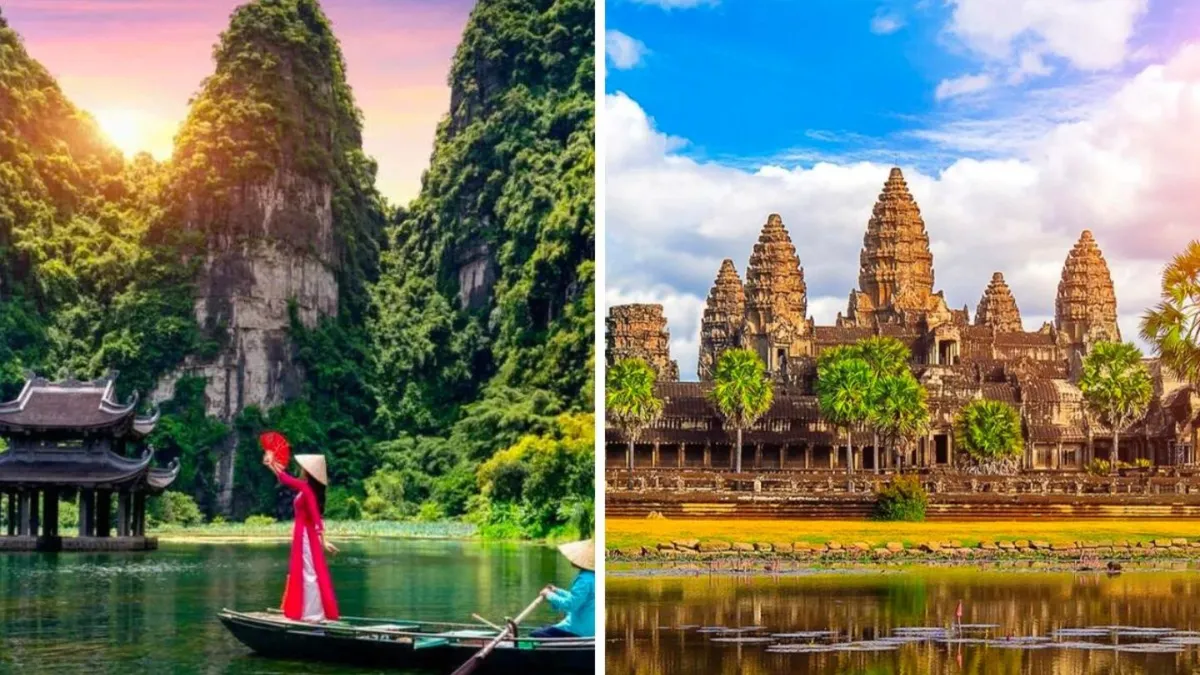
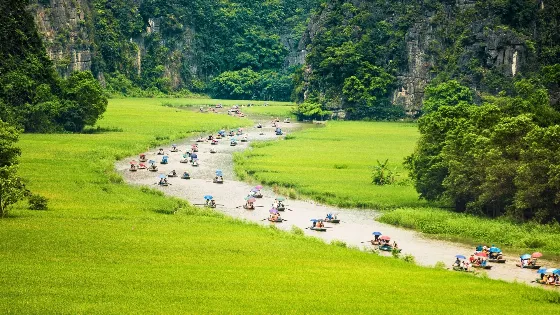
In Ninh Binh, boat trips take visitors through remarkable limestone landscapes. Ha Long Bay remains a must-see destination, although fog can sometimes obscure the panoramic views.
Central Vietnam is one of the most interesting regions to visit in March.
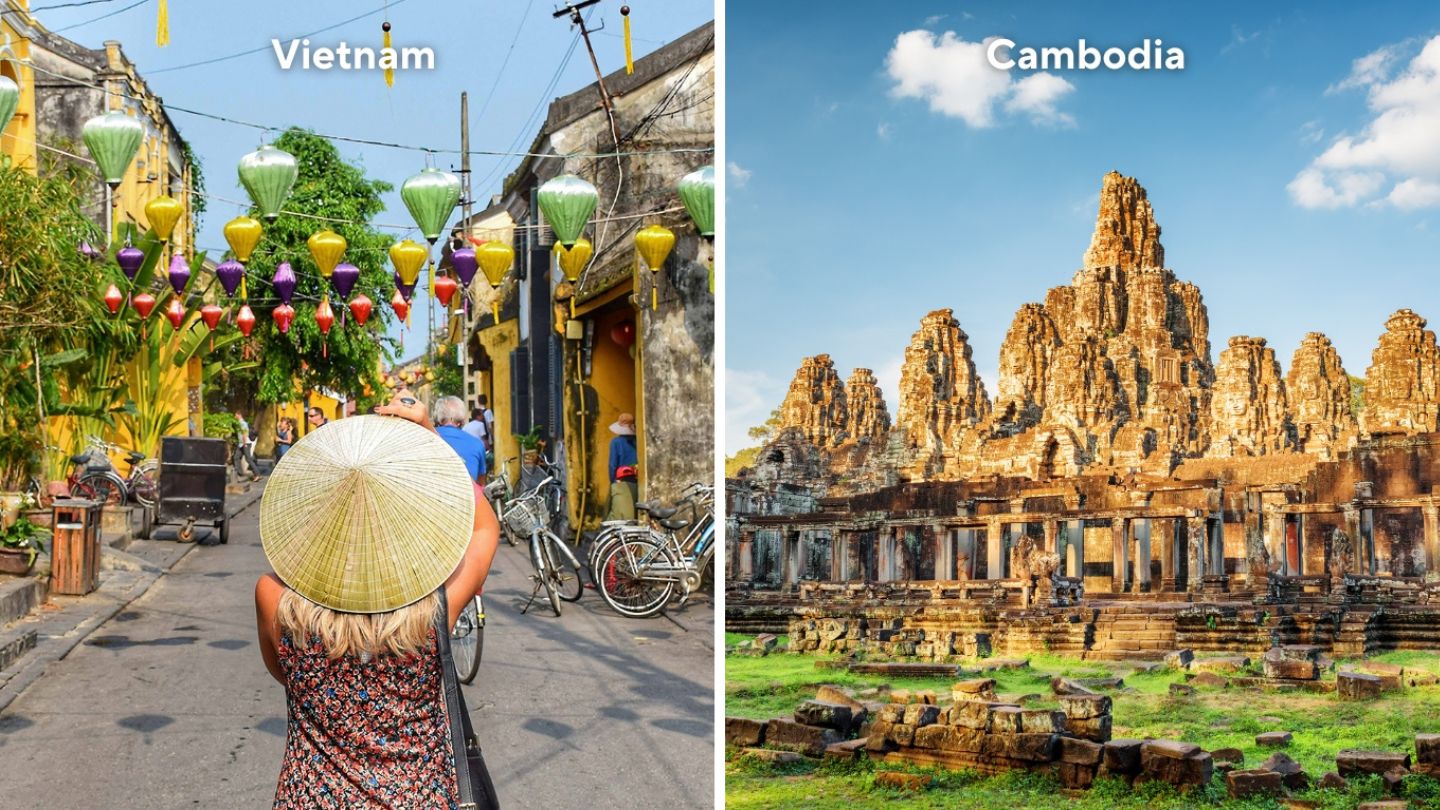
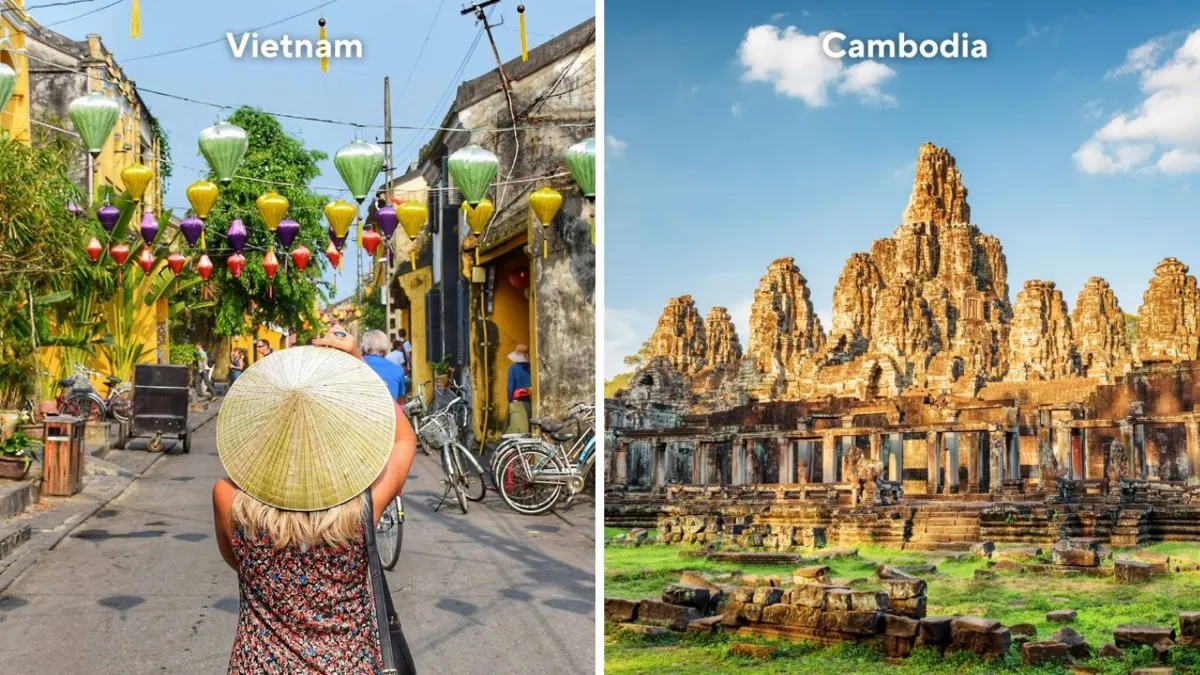
Hue showcases its imperial heritage, while Hoi An charms visitors with its ancient houses, lanterns and historic streets. Da Nang adds a coastal stop to the itinerary.
This combination is ideal for culture enthusiasts who also want to enjoy the coastline.
Southern Vietnam is particularly suitable for travellers looking for warm weather and sunshine.
Ho Chi Minh City offers a lively urban atmosphere. The Mekong Delta provides opportunities to discover villages, orchards and river life. In Phu Quoc, the beaches are perfect for ending the trip at a more relaxed pace.

A trip to Cambodia in March often focuses on historical discoveries, local traditions and rural landscapes.
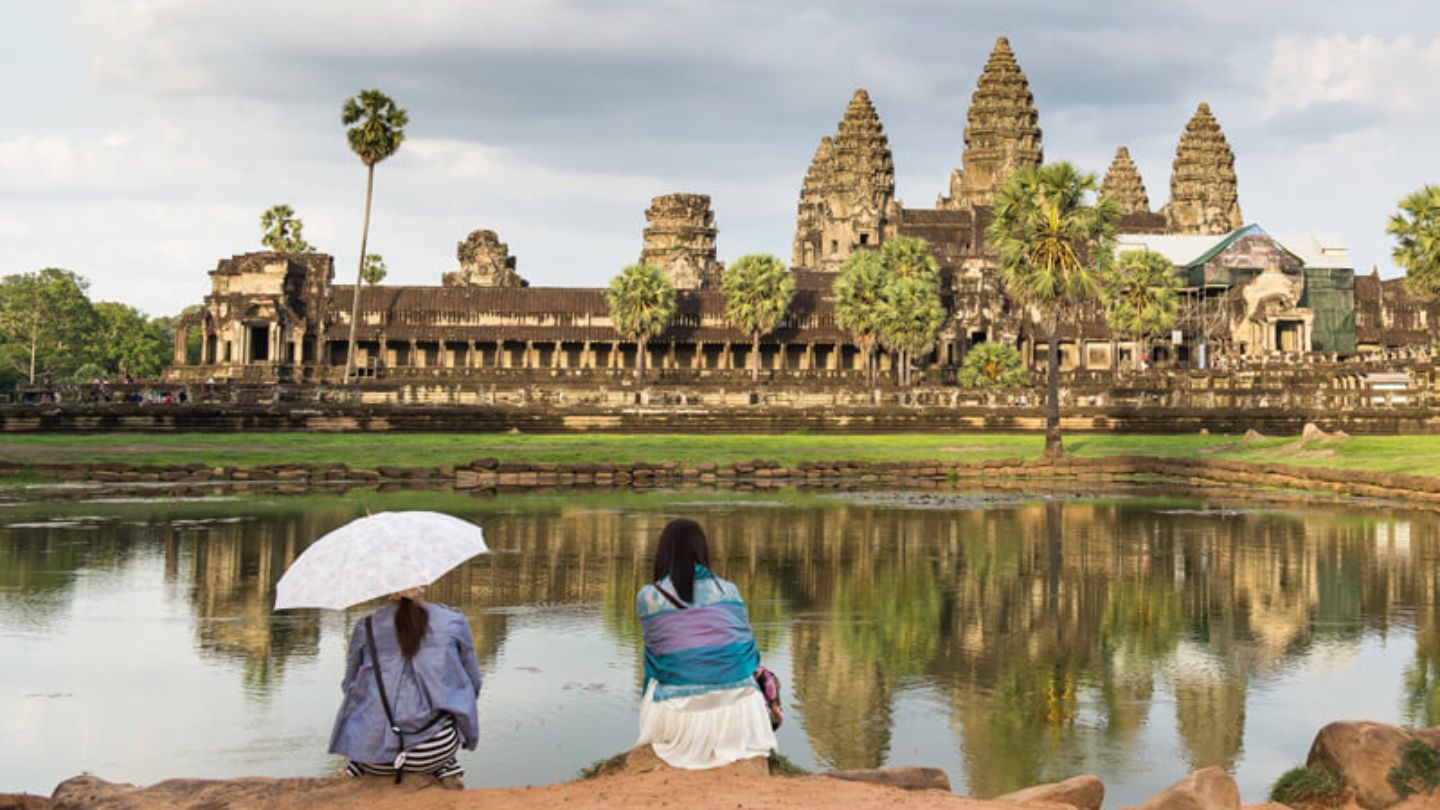
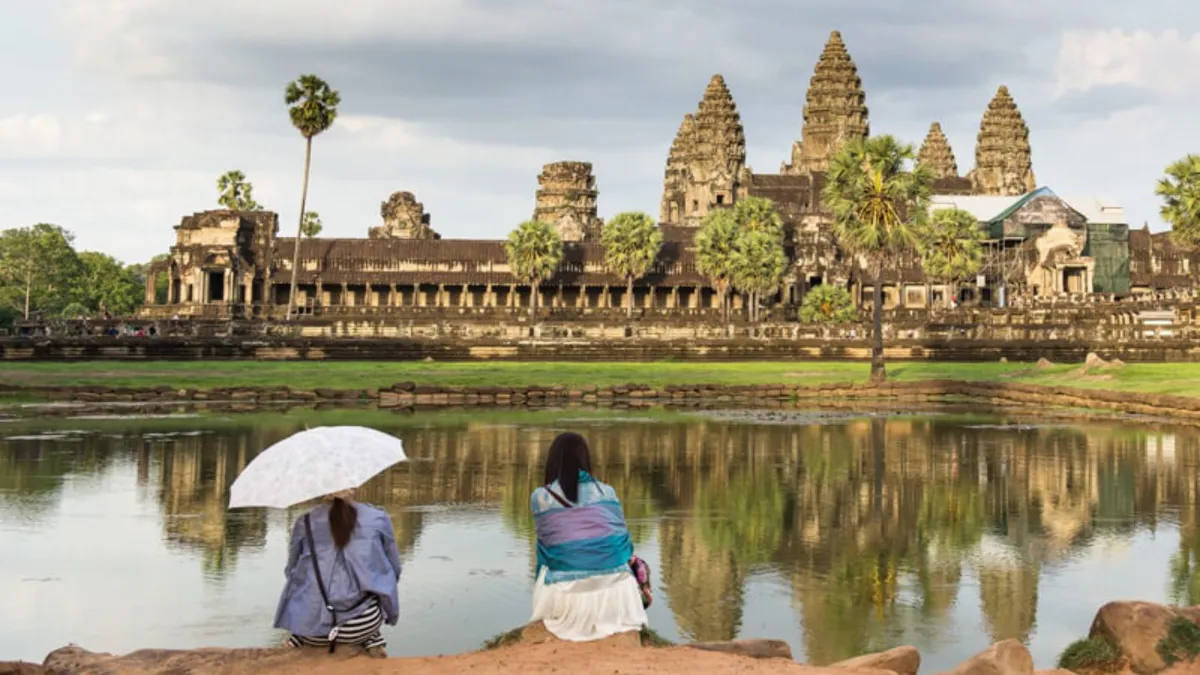
The Angkor complex is the country's main attraction. Angkor Wat, Bayon and Ta Prohm bear witness to the richness of the ancient Khmer civilisation.
In March, it is best to start sightseeing early in the morning to avoid the hottest hours. Taking a break in the middle of the day makes excursions more comfortable.
The Cambodian capital offers a better understanding of the country's history.
The Royal Palace, National Museum and historical memorial sites provide complementary perspectives on Cambodian culture and its past.
Walks along the Mekong River are particularly pleasant in the late afternoon.
For a different kind of discovery, Kampot appeals to visitors with its peaceful atmosphere and pepper plantations.
Kep is known for its coastline and cuisine, while Koh Rong attracts travellers looking to enjoy tropical beaches.
These destinations allow visitors to complement a cultural tour with a few days of relaxation.
Budget is an important factor when deciding between Vietnam or Cambodia in March. Both destinations remain affordable, but certain expenses, particularly transport and cultural visits, can affect the overall cost.
Here is an estimated budget for 7 days per person, based on sharing a double room, eating at local restaurants and travelling mainly by public transport.
|
Expenses for 7 days |
Vietnam |
Cambodia |
|
Accommodation |
$76-114 |
$76-114 |
|
Food and drinks |
$76-114 |
$92-130 |
|
Local and intercity transport |
$49-81 |
$49-81 |
|
Sightseeing and activities |
$38-70 |
$54-92 |
|
Miscellaneous expenses |
$22-38 |
$22-38 |
|
Estimated total per person |
$259-416 |
$302-443 |
These are indicative estimates, excluding international flights, visas and travel insurance. The Cambodian budget includes an allowance for visits to Angkor, depending on the pass selected.
Vietnam may be slightly more economical, particularly when it comes to meals and certain activities. In Cambodia, the Angkor temples can represent a significant expense. However, the actual cost depends on the itinerary and desired level of comfort.
To plan your expenses more precisely, you can also find out more about the Vietnam travel budget.
When deciding between Vietnam or Cambodia in March, the length of your holiday plays an essential role.
With seven days, Cambodia allows you to combine Siem Reap and Phnom Penh without making too many transfers.
In Vietnam, it is better to choose just one region: the North around Hanoi and Ninh Binh, or Central Vietnam between Hue and Hoi An.
Fourteen days allow you to explore several regions of Vietnam, potentially using a domestic flight.
In Cambodia, this duration is suitable for a tour combining Angkor, Phnom Penh, Kampot and a beach destination.
With approximately three weeks, a combined trip becomes possible.
One example is to spend twelve days in Vietnam, followed by nine days in Cambodia. However, the stops should be adjusted according to available connections and entry requirements.
It is better to discover fewer destinations than to make too many exhausting transfers.

Rather than always treating Vietnam or Cambodia in March as an either-or choice, travellers with enough time can consider visiting both countries during the same trip.
An 18-to-21-day itinerary, for example, allows you to discover Hanoi, Ninh Binh, Hoi An and Ho Chi Minh City before travelling to Siem Reap and Phnom Penh.
A shorter itinerary can also combine Southern Vietnam and Cambodia without attempting to visit the whole of Vietnam.
The choice of connections depends on available flights, border crossings and entry requirements applicable to each nationality.
It is also advisable to book the most popular stops in advance and take the high temperatures into account when sightseeing in Cambodia.
This combination allows you to appreciate two neighbouring but distinct cultures without having to give up either destination.
So, Vietnam or Cambodia in March: which destination should you choose? Both countries deserve to be explored, but they do not quite meet the same expectations. Vietnam is particularly suitable for travellers looking for a wide variety of landscapes, rich regional cuisine and diverse experiences. Cambodia is more appealing to those passionate about Khmer history, ancient temples and relatively focused cultural trips. In March, Central and Southern Vietnam generally enjoy favourable weather conditions, while Cambodia remains dry but often very hot. For longer holidays, combining the two destinations is also an interesting option. Local travel agency in Hanoi - Autour Asia can help travellers design a personalised itinerary suited to their interests, budget and available time.
You can refer to:


To go cycling in Vietnam or Cambodia, choose the countryside and smaller roads rather than major cities. In Vietnam, the areas around Hoi An allow visitors to cycle through rice fields, discover Tra Que vegetable village and observe agricultural activities. In the Mekong Delta, the paths on An Binh Island also offer lovely opportunities for cycling. In Cambodia, the surroundings of Battambang appeal to visitors with their traditional villages, stilt houses and rural landscapes. Choose early-morning rides to avoid the intense heat, particularly in March. A local guide can make it easier to meet residents and help select routes suited to each participant's ability.
For travellers choosing a destination between Cambodia and Vietnam, those interested in traditional crafts can explore skills passed down through generations. In Vietnam, Bat Trang Village, near Hanoi, is renowned for its ceramics, while Van Phuc preserves the tradition of silk weaving. In Cambodia, workshops in Siem Reap offer opportunities to discover wood carving, lacquerware and traditional weaving. Some visits include demonstrations or introductory activities led by local artisans. Before taking part, it is best to check the working conditions and the origins of the products. These encounters offer another way to understand local cultures, beyond monuments and landscapes.
When preparing for a trip to Vietnam or Cambodia in March, it is advisable to choose your clothes according to your planned activities rather than relying solely on the forecast temperatures. Lightweight, breathable and comfortable clothing is generally suitable for sightseeing days. You should also pack an outfit that covers your shoulders and knees when visiting temples and certain religious sites. A light jacket can be useful on air-conditioned transport or during early-morning journeys. Comfortable, closed-toe shoes will make long walks easier, particularly at archaeological sites. Remember to bring sun protection, a hat, a reusable water bottle and a small bag for carrying your essentials. Finally, prioritise clothes that are easy to wash and dry during your trip.






 FR
 ITA