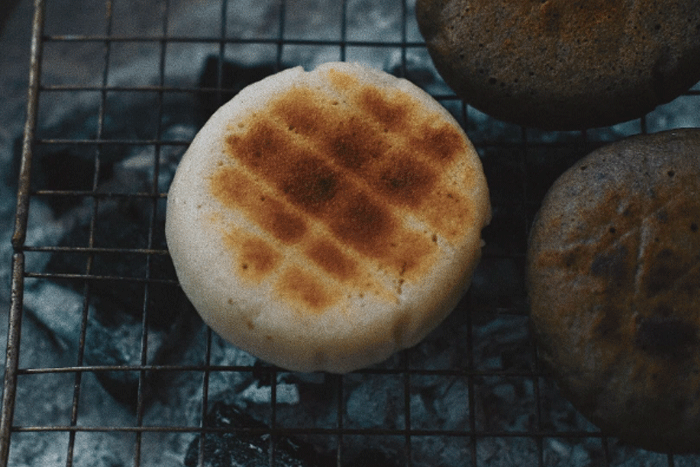
Referring to delicious Ha Giang dishes, you cannot miss the extremely famous buckwheat cake. This cake is made from the seeds of the enchanting purple flower, which symbolizes the essence of Ha Giang. Following the blooming season, locals gather the buckwheat seeds and carefully dry and grind them into a fine powder to create these cakes. Despite their small size, resembling half a black bean, these seeds are packed with nutritional value. Cultivated in a pristine environment, Ha Giang's buckwheat is untouched by harmful chemicals. The resulting cake boasts a gentle aroma and a tender, sweet, and fluffy texture, capturing the rustic essence of the mountains. You can easily find these cakes in local markets, making them a perfect gift for friends and family as you venture through Ha Giang.
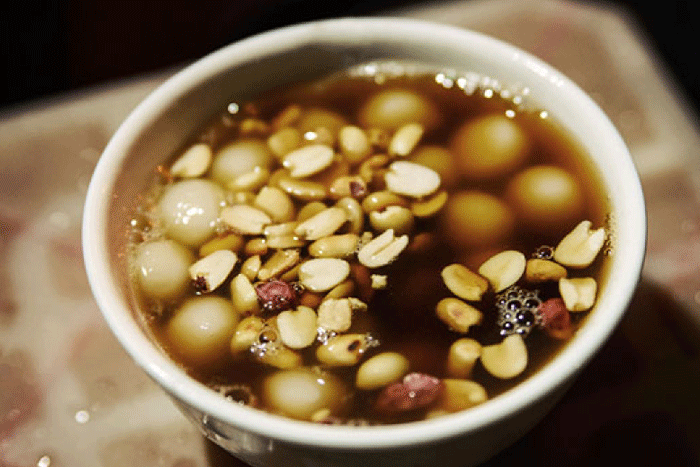
The exact origins of Thang Den's status as a specialty dish in Ha Giang remain a mystery. Over time, it has become a must-try dish that locals eagerly recommend to visitors setting foot on this rocky plateau. The main ingredient of “Thang den” is rice flour, Thang Den will taste the best when using fragrant sticky rice in Yen Minh district. Encased within the rice flour are various fillings, such as green beans and red beans. As you take a bite, you'll relish the chewy texture, gentle sweetness, and the subtle fragrance of sticky rice. For a more delicious taste, you can serve with a little sugar water cooked with ginger or coconut milk, then sprinkle with sesame and roasted peanuts. Thang den is a delicious dish, perfectly suited for indulging in the chilly winter weather of Ha Giang.
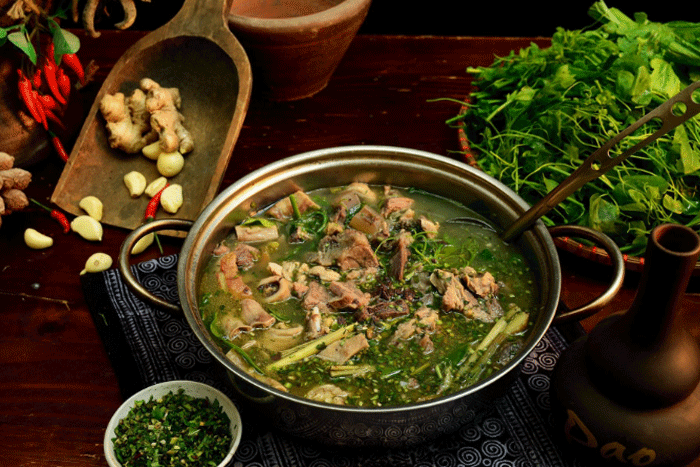
Thang Co is a special dish that visitors to Ha Giang must try once. Traditionally prepared using horse organs, this dish has evolved over time, and now buffalo, beef, or pork are used to cater to the diverse tastes of tourists. The offal of these animals is meticulously cleaned and marinated with a unique blend of 12 spices. Simmered for hours, it produces a pot of Thang co with a delectable broth and a harmonious blend of sweet and spicy flavors. Whether enjoyed in local restaurants or vibrant markets, the taste is truly great. Enjoying Thang Co will be an unforgettable experience for visitors in Ha Giang.
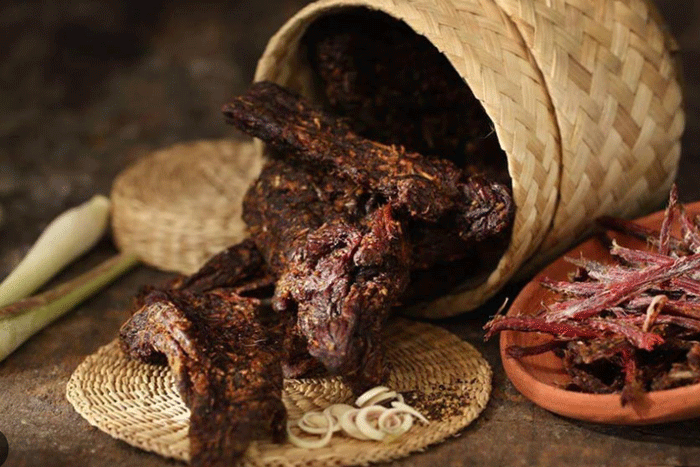
Buffalo meat upstairs kitchen is a traditional dish that embodies the essence of Ha Giang specialties. This traditional dish exudes the distinct flavors of Thai cuisine, showcasing the authentic taste of mountainous regions. Unlike processed meats like dried beef or chicken, buffalo meat upstairs in the kitchen maintains its natural freshness and does not rely on preservatives. It is not only a staple in the daily meals of highlanders but also holds ceremonial significance, gracing festive occasions and serving as a special gift for guests. As the name suggests, the taste of buffalo meat upstairs kitchen has the characteristic smell of kitchen smoke of the mountains, and the spiciness of mac Khen seeds. Its exterior boasts a deep brown hue, while the tender interior captivates with its vibrant, daring red color. When eating, people often tear it up and drink it with corn wine. Despite being preservative-free, kitchen buffalo meat can be stored for approximately one month, assuring visitors that they can safely purchase it as a souvenir following their journey.
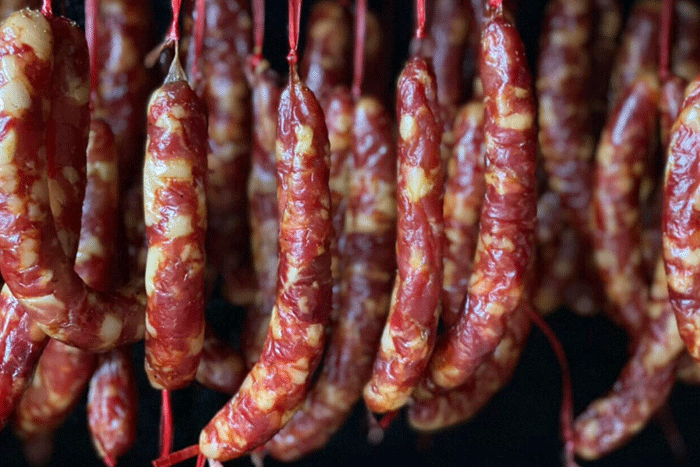
The local sausage Ha Giang holds a significant place on the Mong people's Tet menu, and can also be a wonderful gift option. Sausage is made from pork and infused with a selection of unique spices like white wine, and ground ginger. After processing, the sausages are hung over the fire for approximately 12-14 hours, allowing the essence of kitchen smoke to permeate. Therefore, the finished dish will be a combination of the juicy taste of meat, aromatic spices, and the faint smell of kitchen smoke. When dried, the sausage will have an attractive pink color alternating with the white color of fatty meat, only about 3 to 5 days before it can be eaten.
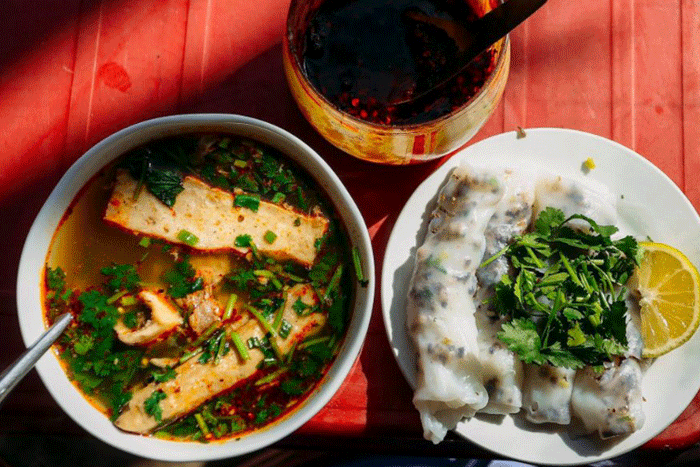
Banh cuon, a beloved breakfast and lunch delight of both Ha Giang locals and tourists, holds a special place in the culinary landscape. The crust is made from rice flour, thinly coated, and curled when steamed. Inside the cake is minced meat complemented by wood ear mushrooms or eggs. What sets this dish apart is its unique serving style—it is not enjoyed with fish sauce, but rather accompanied by a luscious stewed bone broth. Restaurant owners and residents explain that the chilly morning weather in the mountains calls for this comforting combination, as the cake and bone soup warm the soul. To eat this dish, diners sometimes have to wait patiently, especially when the restaurant is crowded. But surely this dish will make visitors satisfied and want to come back to Ha Giang to eat a second time!
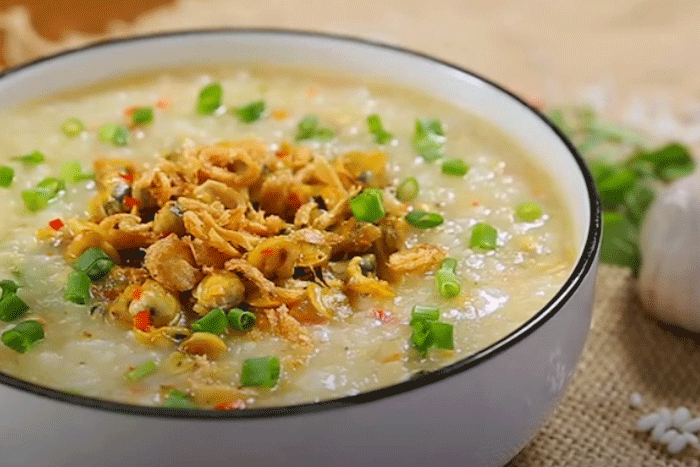
Au Tau porridge, the most nourishing and exceptional dish in Ha Giang. This dish is made from Au Tau - a tuber that grows on rocky mountains. This dish not only promotes health and vitality but also helps prevent bone and joint diseases. As a medicinal food, Au Tau porridge carries a distinctive bitter taste. However, this bitter taste when mixed with the sweetness of the bone broth and the aromatic taste of the egg creates a sweet, nutty flavor. Au Tau porridge is available year-round, with a particular prominence in the evening. The local wisdom suggests that the porridge works its wonders during a night's slumber. At night, when the house lights up, it is also the time when the au Tau porridge restaurant is busy with guests coming in and out.
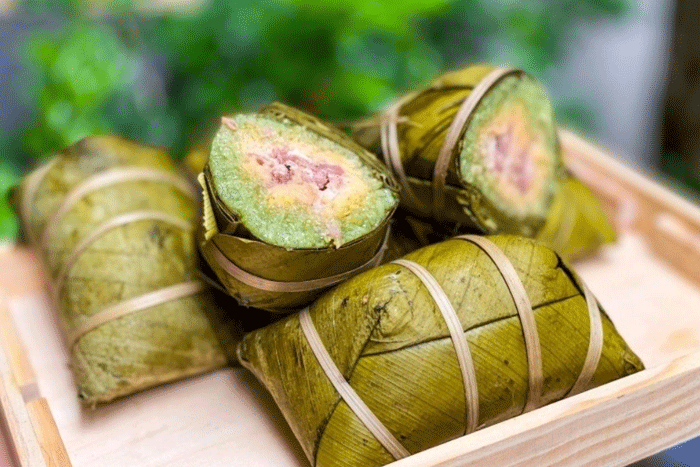
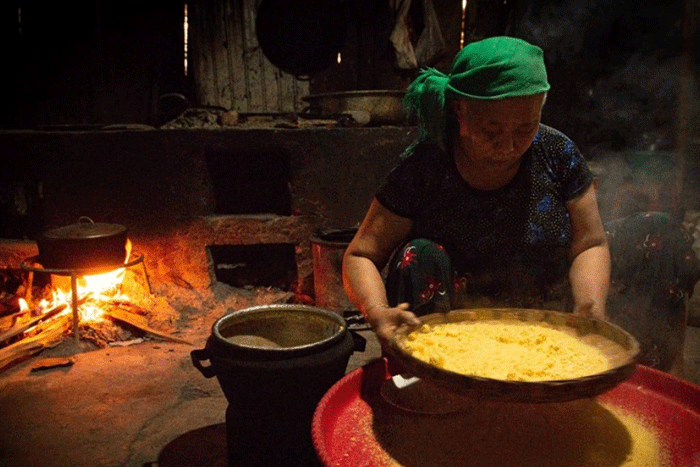
Mèn mén, also known as corn rice, is a traditional dish of the Mong people crafted from corn kernels. Despite being made from a humble ingredient, Men men gives visitors a very interesting feeling because of its special delicious taste. Cooking Men men is not difficult, but to get the perfect delicious product, it requires experienced hands of Ha Giang people. The corn kernels are separated from the cob, ground into flour and screened off. Men men is often served alongside Tau Choa, creating an extraordinary and unforgettable taste for anyone who has ever tried it.
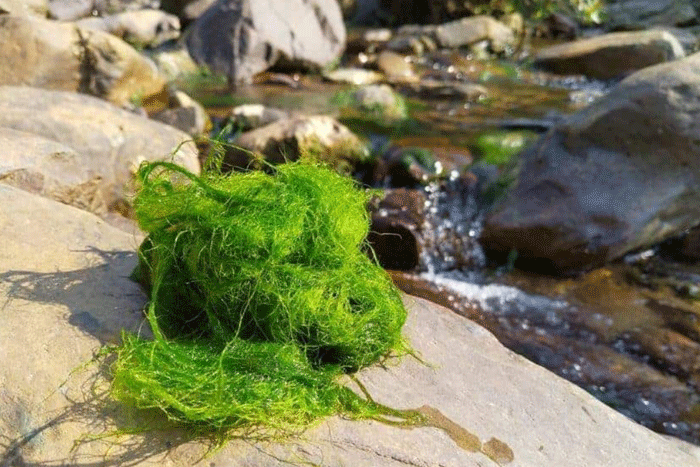
Grilled moss is a precious dish because moss grows a lot in streams, but the edible and delicious types are very few. Moss, abundant in streams, is transformed into various delectable dishes, including moss soup with stewed bones and the uniquely enticing moss mannequin. Grilled moss is a dish that attracts tourists when coming to Ha Giang. This dish helps to cure diseases and promote health. As a seasonal aquatic plant, rock moss grows from early autumn until the end of the third lunar month. Therefore, everyone should pay attention to this period and can go to Ha Giang and experience the moss picking activity for themselves.
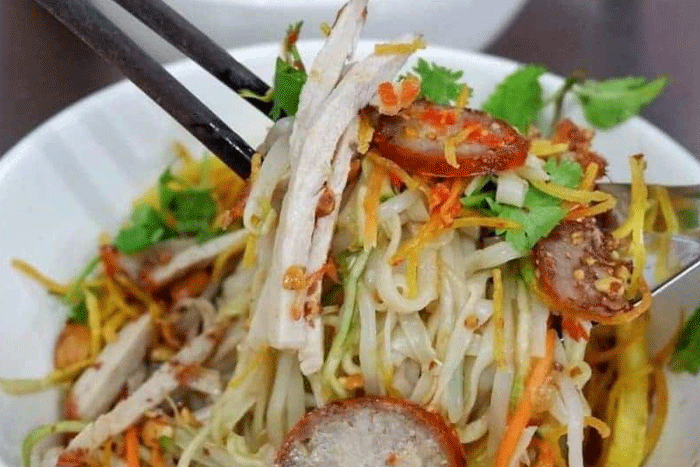
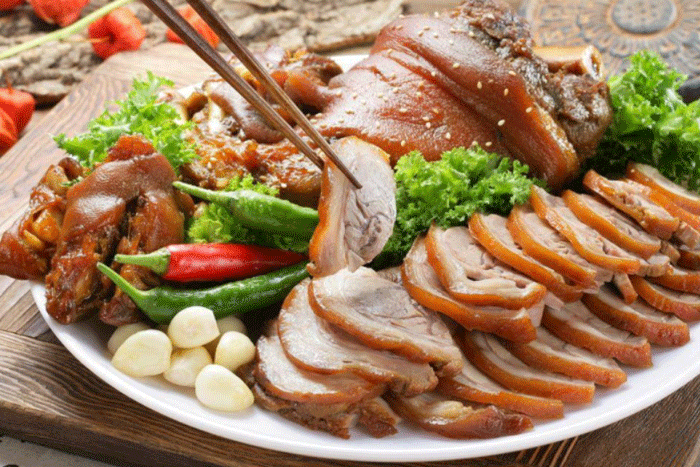
When coming to Ha Giang, visitors will easily see the image of people selling pigs at the market. The little pigs were put inside the basket and put up for sale. “Carried-under-arm” pigs is a hybrid of wild boar and Muong pig, raised by ethnic people in this rocky plateau. The pigs are specially cared for by the people, so the pig under the armpit is very low in fat, lean, and the meat is firm and delicious. Depending on each preference, it can be processed into many different dishes such as grilled, braised, steamed, or cooked soup... Also because of its deliciousness and absolute cleanliness, “Carried-under-arm” pigs became a specialty with many travelers. Visitors can buy underarm pigs at traditional markets in Ha Giang.
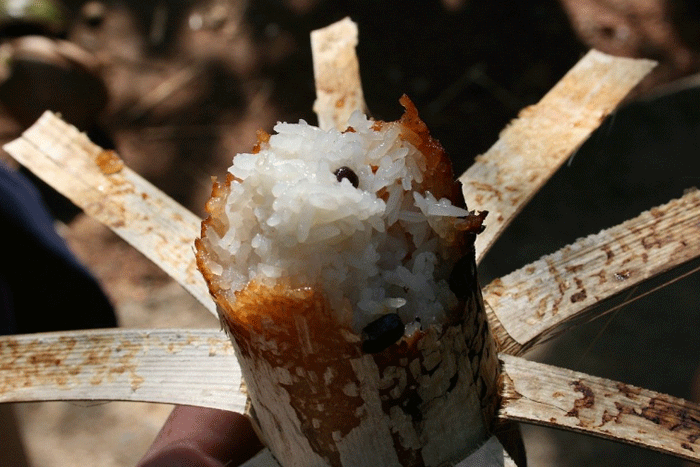


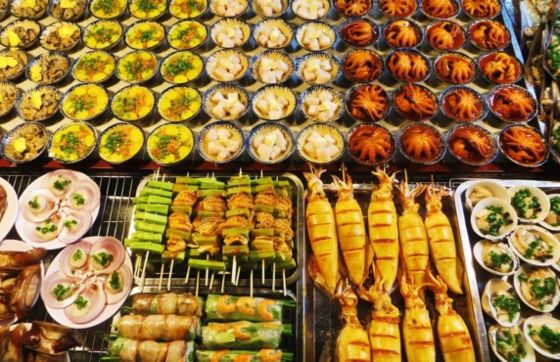
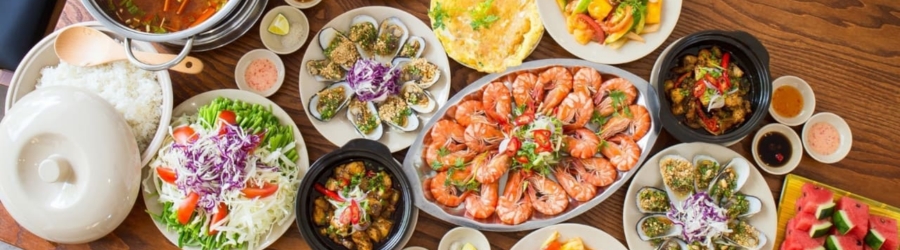
Wondering what to eat in Phu Quoc is one of the first questions travelers ask when exploring the island through its local flavors. The specialties in Phu Quoc reflect a unique combination of coastal traditions, fresh seafood, locally caught fish, and handcrafted fish sauce. These dishes tell the story of an island where fishing communities, local markets, and culinary traditions have thrived for generations. The local cuisine stands out for its fresh ingredients, simple preparation, and authentic flavors. This guide introduces ten must try foods in Phu Quoc, from street food to family recipes, offering a delicious journey through the famous food in Phu Quoc found in Duong Dong, Ham Ninh, and Cua Can.
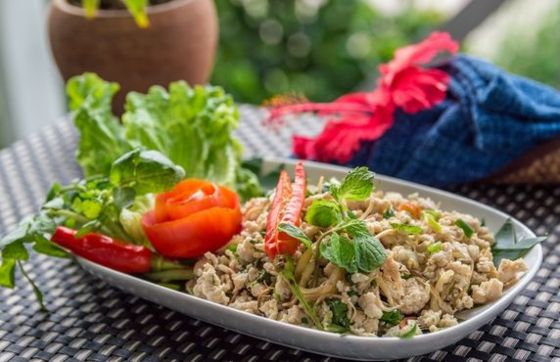
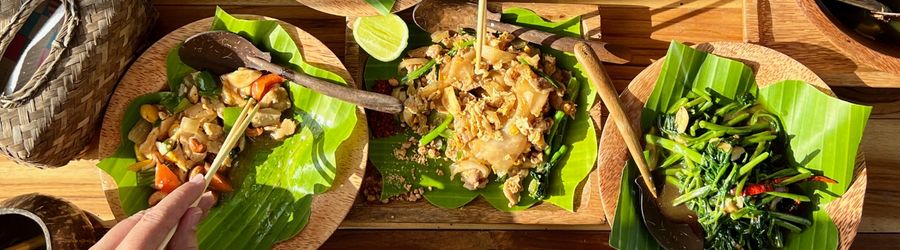
Laos captivates travelers with its unspoiled landscapes, peaceful temples, and authentic way of life. Beyond its cultural and natural treasures, the country is also emerging as an exciting culinary destination. From elegant dining venues in Vientiane to charming restaurants in Luang Prabang and Champasak, food lovers can enjoy a wide range of memorable gastronomic experiences. Whether you are searching for the best restaurants in Laos or looking to discover authentic local flavors, the country offers many exceptional dining options. To make the most of your journey, a Laos tour agency can help you create a personalized itinerary that combines cultural heritage, natural beauty, and outstanding culinary experiences. In this article, discover the best restaurants in Laos and the must-visit dining destinations to include in your trip.
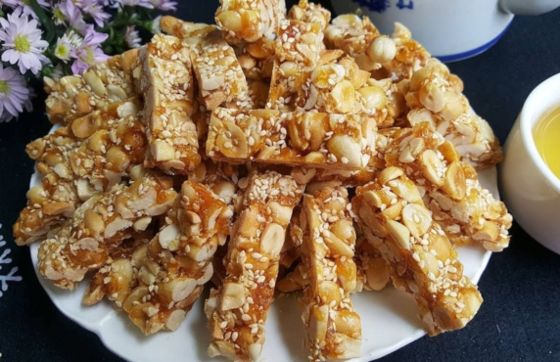
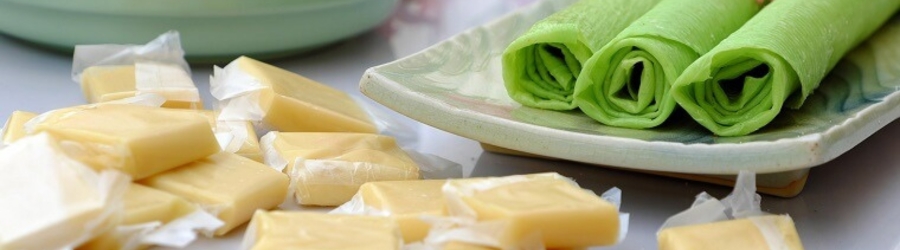
Already familiar with iconic Vietnamese dishes such as phở, bún chả, and bánh mì? If you are wondering what to eat in Vietnam to enjoy between meals, then Vietnamese snacks are definitely worth exploring. More than just treats to nibble on throughout the day, these popular snacks in Vietnam reflect the country's culinary richness while also opening a window into the everyday lives of local people. From fruit-based sweets to traditional candies made from rice or peanuts, we hope the list of the best snacks in Vietnam below will inspire your food adventure and help you find the perfect souvenirs to bring home from your upcoming trip.
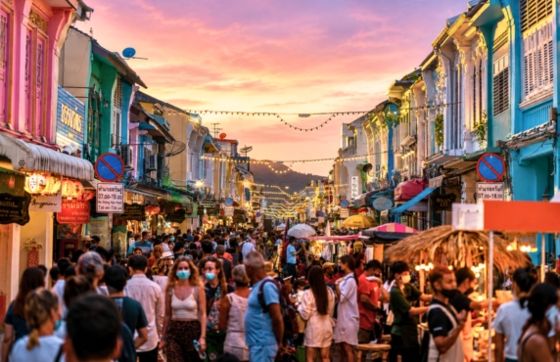
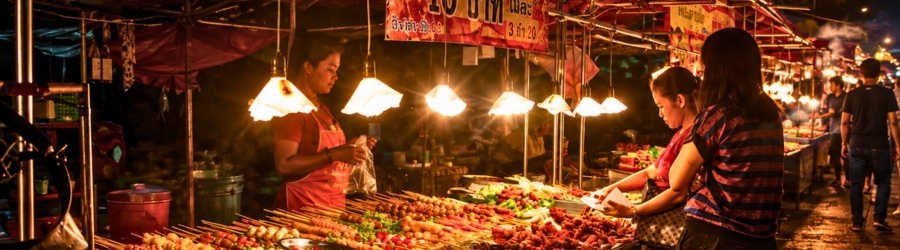
Phuket is famous for its paradise beaches and tropical landscapes, but the island also attracts visitors with its rich and diverse gastronomy. Influenced by Thai, Chinese and Malay cultures, the local cuisine perfectly reflects the history and multicultural identity of Phuket. From lively night markets to small family-run eateries, each meal is an opportunity to discover authentic flavors and unique specialties that are rarely found elsewhere in Thailand. Are you wondering what to eat in Phuket during your trip ? In this article, Autour Asia invites you to discover the 6 best specialties in Phuket Thailand, to enrich your culinary experience on the island.
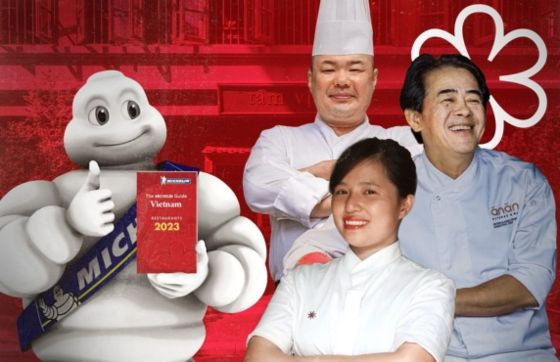
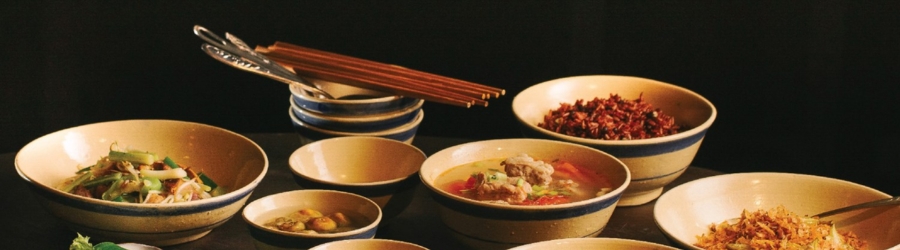
Vietnam has established itself as one of Asia's most fascinating gastronomic destinations. With the arrival of the Michelin Guide and the growing recognition of Vietnamese chefs, Vietnam Michelin Guide restaurants now attract food lovers from around the world. From reinvented street food to Michelin-starred restaurants in Vietnam and traditional addresses recognized for their excellent value for money, Hanoi, Da Nang, and Ho Chi Minh City offer exceptional culinary diversity. Here is our selection of the best Michelin restaurants in Vietnam for an unforgettable gastronomic experience on your next trip.
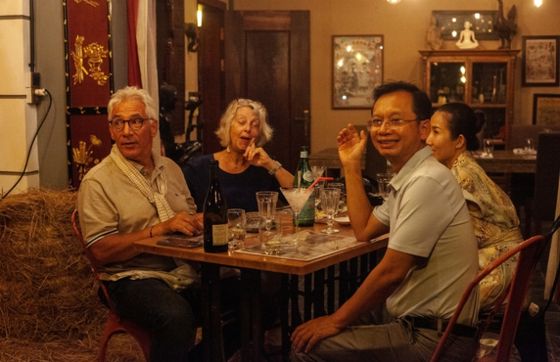
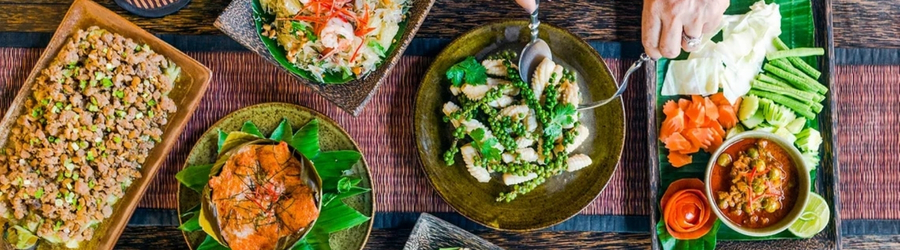
Cambodia is becoming an increasingly popular destination for food lovers seeking authentic flavors and unique dining experiences. While there are currently no official Michelin-starred venues in the country, several Michelin restaurants in Cambodia and Michelin-inspired establishments offer exceptional cuisine and service. From elegant fine dining venues in Siem Reap to renowned culinary hotspots featured in discussions about the Cambodia Michelin guide, travelers have plenty of options to explore. If you're wondering where to eat in Cambodia, this guide highlights some of the best restaurants in Cambodia, showcasing outstanding Cambodia restaurants that deserve a place on every food enthusiast’s itinerary.
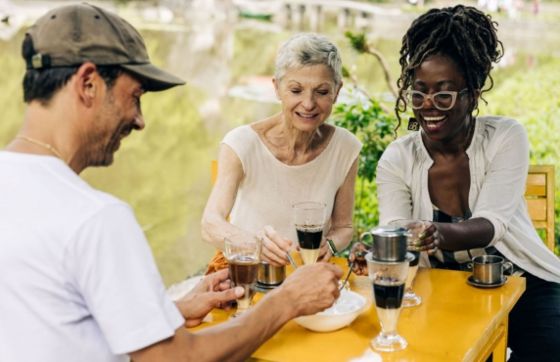
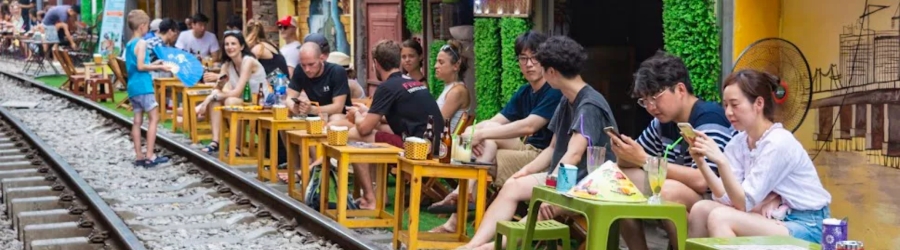
When asking “what to drink in Vietnam?”, one discovers much more than just a simple list of beverages: it is a true immersion into the local culture. From strong coffees served on street corners to refreshing herbal juices, along with traditional teas and modern drinks such as bubble tea, Vietnamese drinks reflect the country’s history, climate, and way of life. Each beverage tells a different story: a moment of sharing on the street, a refreshing break under the tropical heat, or an unexpected culinary discovery. Exploring these flavors means stepping into the heart of everyday life in Vietnam and understanding the richness of its culture through simple yet authentic gestures.
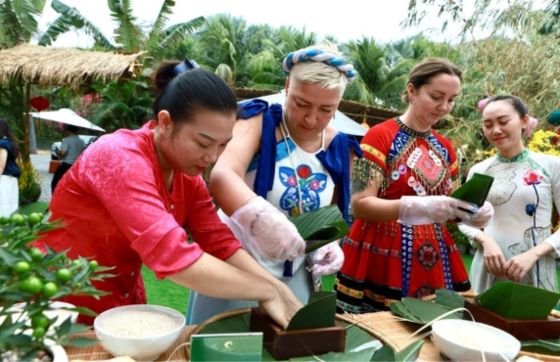
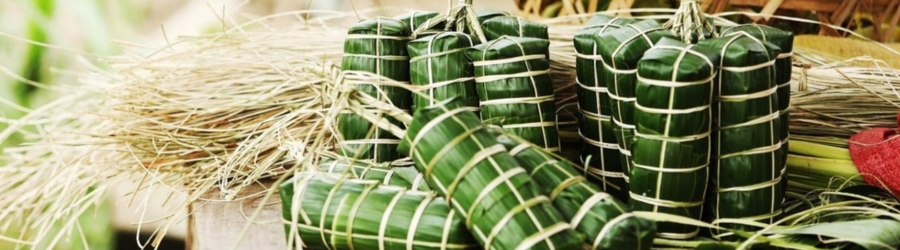
Vietnamese cuisine is renowned for its delicacy and remarkable diversity, where Vietnamese cakes hold an essential place. From a traditional Vietnamese cake with strong symbolic value during Tết or weddings to everyday snacks, each specialty reflects a unique aspect of local culture and lifestyle. Made with ingredients such as glutinous rice, mung beans, and coconut, these creations also stand out for the richness of their flavors and textures. Through this selection of Vietnamese culinary specialties, you will discover both traditional Vietnamese cakes, Vietnamese desserts and iconic street food dishes. A truly gourmet invitation to better understand the richness of Vietnamese gastronomy.



 FR
FR EN
EN