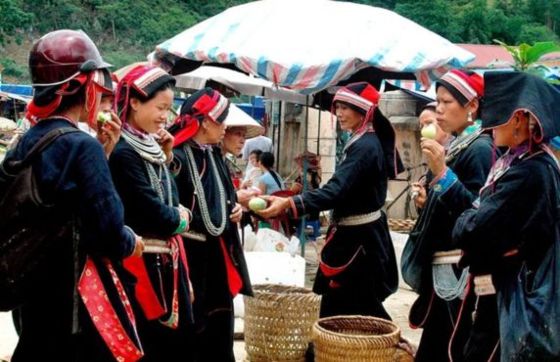

Yen Minh market, located in a small town about 100 km from Ha Giang city center, reflects the lively spirit of the locals amidst a wild and majestic nature. Due to its distance from other Ha Giang ethnic markets, Yen Minh market stands as a hidden pearl, waiting to be discovered by visitors. Not just a bustling marketplace, it is also a living tableau of the cultural life and customs of various ethnic groups in northern Vietnam. Yen Minh market is an essential gathering place where residents from distant ethnic villages come together to exchange their unique local products, creating a typical highland trading atmosphere.
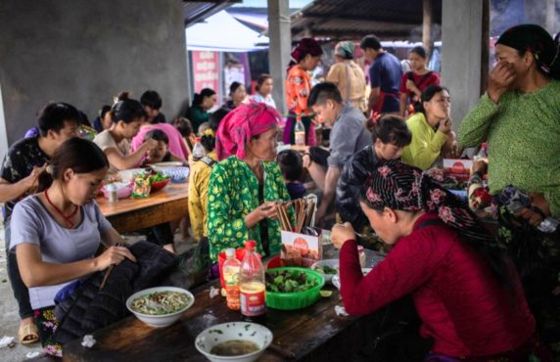

Nestled in Ha Giang majestic mountains, Trang Kim market offers a true showcase of local ethnic traditions from northern Vietnam. The unique appeal of this ethnic market lies not only in its role as a meeting and exchange point for various ethnic groups but also in its ideal setting for discovering culinary specialties. Among these, pho Trang Kim stands out as an emblematic dish of Quan Ba district and Ha Giang as a whole. For visitors to Ha Giang, tasting this unique pho, found only at Trang Kim market, is a must. From artisanal products to traditional dishes, every stall at Trang Kim market tells a story, providing visitors with an authentic immersion into the rich cultural and gastronomic heritage of this fascinating land.
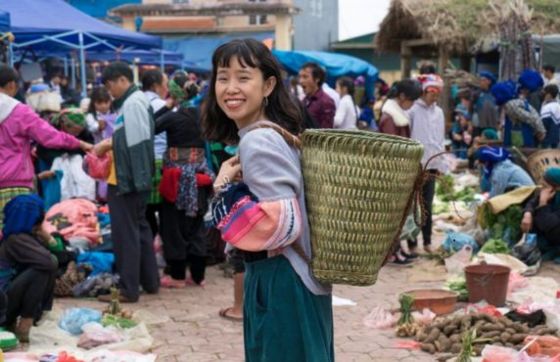
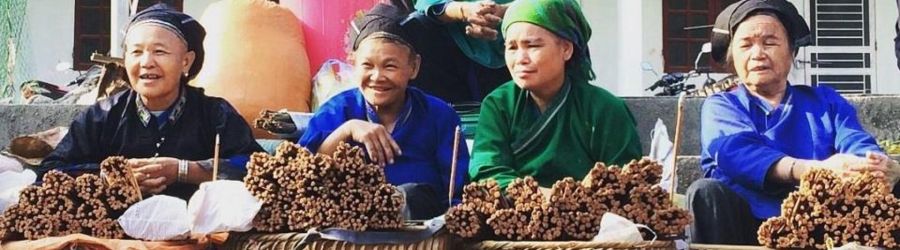
When discussing the Ha Giang Loop, it's impossible not to mention its unique ethnic markets, among which Hoang Su Phi market stands out as the oldest and most remarkable, nestled within this majestic landscape. Established long ago by the local residents of Hoang Su Phi district, this ethnic market has preserved its original beauty, rich in color and uniqueness. The article below will serve as an essential guide for those looking to visit Hoang Su Phi market in Ha Giang, northern Vietnam.
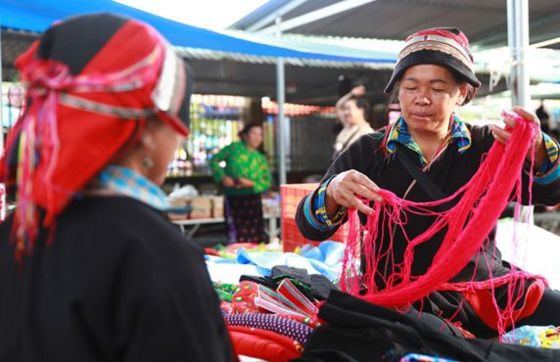

Exploring Ha Giang Loop, you will not only be amazed by the grand natural landscapes but also discover the rich cultural diversity of ethnic minorities through Quan Ba market – one of the must-visit destinations in Ha Giang. Quan Ba market is not just a place for trading and commerce but also an opportunity for different ethnic groups to meet, discuss, and share their culture. Thus, by visiting this ethnic market, you will experience Ha Giang in all its liveliness and vibrancy. The article below will provide you with all the useful information about Quan Ba market in Ha Giang, northern Vietnam.
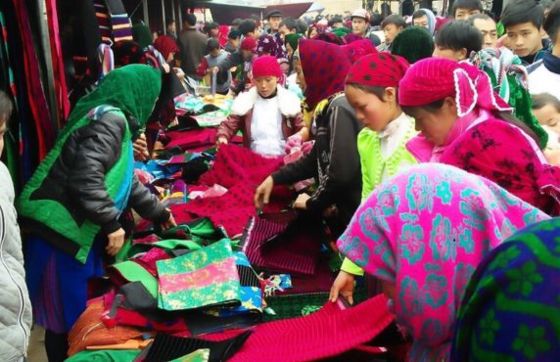
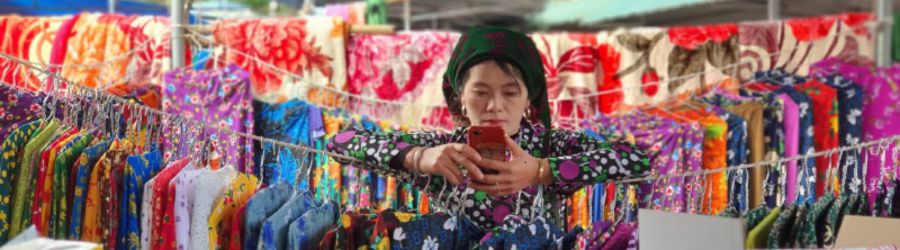
In Quan Ba district, Ha Giang, there is Quyet Tien market that always attracts large crowds, with people looking to buy all kinds of products, such as food, clothing, and jewelry. Unlike the wild and majestic nature of Ha Giang, Quyet Tien market offers a lively and bustling atmosphere, characteristic of the ethnic minorities of Northern Vietnam. They always warmly welcome visitors to their region. Explore the article below to learn more about Quyet Tien market, one of the best Ha Giang ethnic markets!
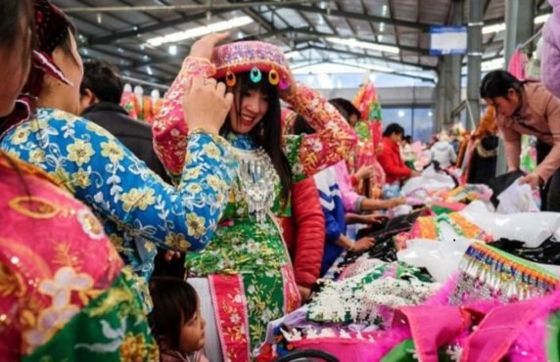
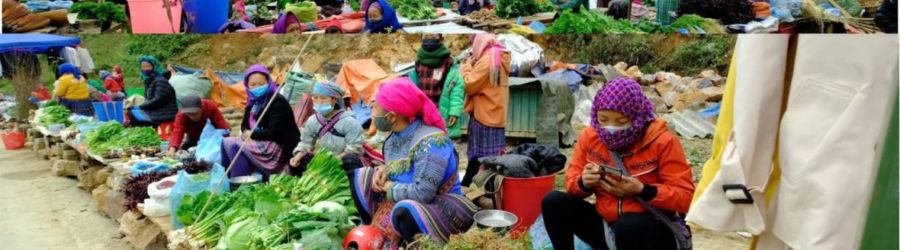
Meo Vac market, famous for being the largest ethnic market in Ha Giang, offers a vibrant scene where buyers and sellers from different ethnic minorities, as well as locals and tourists, come together. It can be said that Meo Vac market is the most representative showcase of the culture, customs, and daily life of the ethnic groups in northern Vietnam. This is why the market is a must-visit when exploring Ha Giang Loop. Here’s an essential guide to exploring Meo Vac market, one of the best ethnic markets in Ha Giang.
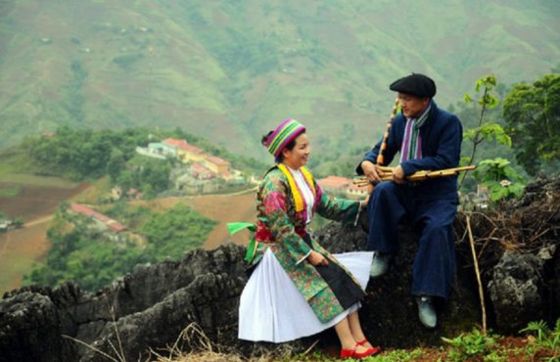
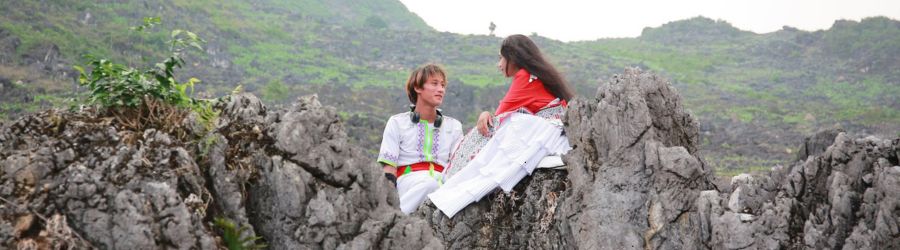
Located in the Meo Vac district, the Khau Vai love market is famous for being one of the most unique ethnic markets in Ha Giang. Perhaps because at the Khau Vai love market, buying and selling are not the most important aspects, as the ethnic groups believe that this market is a place where they preserve the traditional cultural values of Ha Giang, which have existed for over 100 years. The Khau Vai love market remains a destination that attracts the attention of all visitors. The article below explains why this market is so appealing!
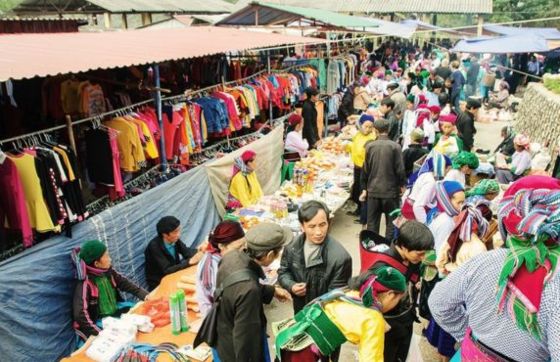
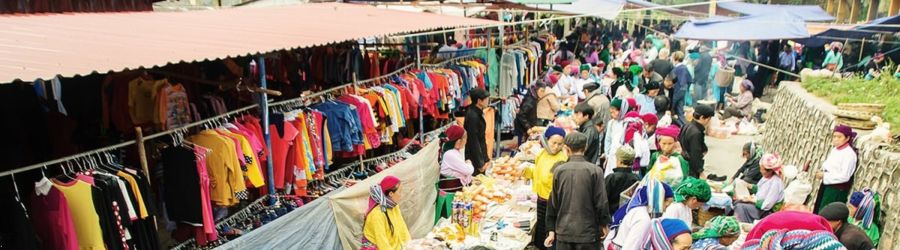
Lung Phin Market, located in the majestic mountains of Ha Giang, is a cultural treasure in Dong Van Karst Plateau. This vibrant and colorful market is not just a place for commercial exchange but also an authentic reflection of the daily life and ancient traditions of the various ethnic groups in northern Vietnam. Discover more about Lung Phin Market in this article below, a must-visit destination in Ha Giang for tourists seeking an authentic travel experience in Vietnam.
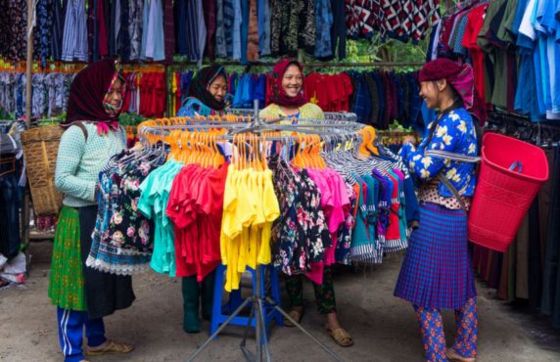
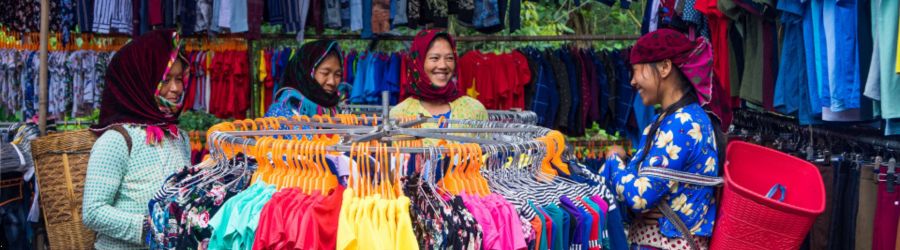
When mentioning Ha Giang, Du Gia Market in Yen Minh commune remains an unknown destination. In this region in northern Vietnam, nestled among majestic limestone mountains and colorful flower fields, you will discover Du Gia Ethnic Market. There, you can meet various ethnic groups and explore their unique cultures. Find out in the article below why you should visit Du Gia Market in Ha Giang.

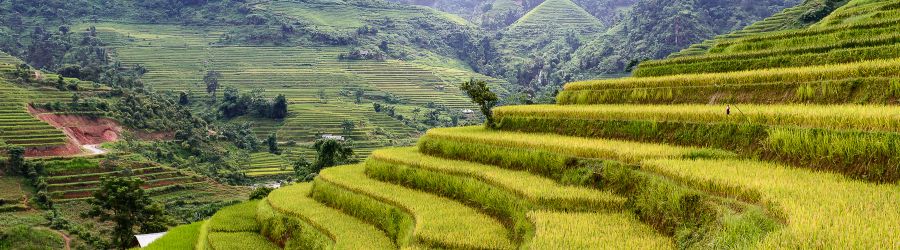
Traveling to Ha Giang in 7 days? Discover the captivating wonders in 1 week in Ha Giang! Nestled in northern Vietnam, Ha Giang offers a unique blend of spectacular mountainous landscapes, vibrant local cultures, and ancient traditions. If you wish to explore winding passes, discover picturesque villages, and experience a true adventure in northern Vietnam, get ready for 7 days in Ha Giang by following the detailed one-week itinerary below!
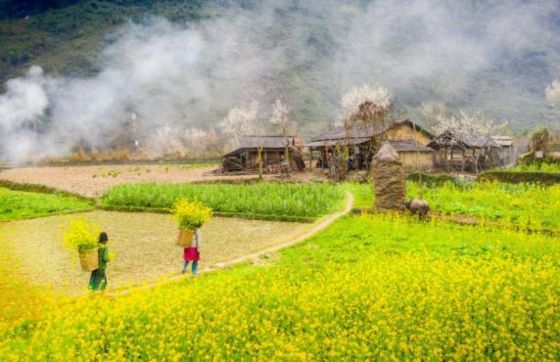
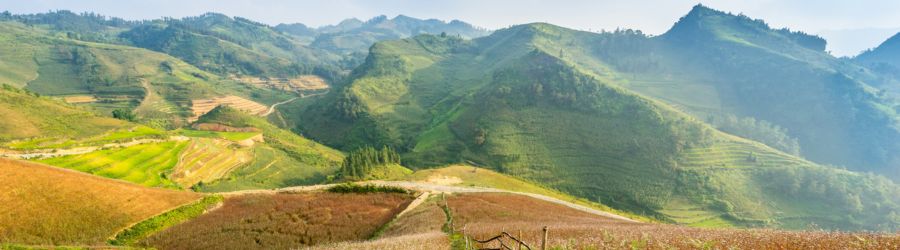
Do you love nature and look for a trip to Ha Giang in 2 days? Indeed, as a province located in northern Vietnam and accessible only by road, many visitors feel that 48 hours in Ha Giang are not enough to explore all the famous sites and understand the culture and customs of the ethnic minorities. However, given limited time, spending 2 days in Ha Giang remains a viable option to discover some of Ha Giang’s iconic places that you cannot miss. Here is a detailed 2-day Ha Giang itinerary to optimize your stay and fully enjoy everything this region has to offer.
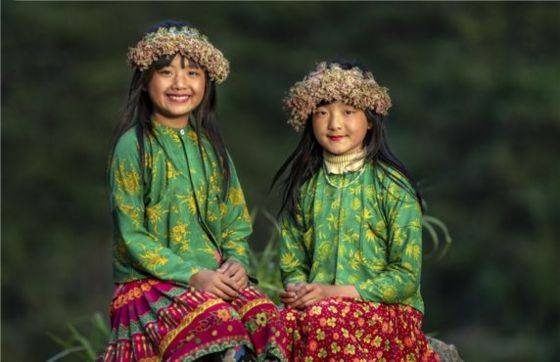
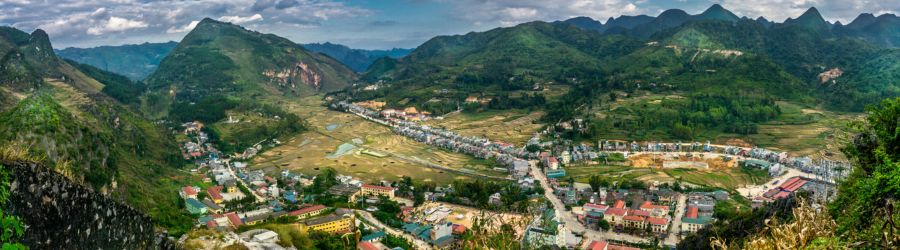
How to travel to Ha Giang in 24 hours? Ha Giang, located in the far north of Vietnam, is a mountainous region known for its stunning landscapes, vast terraced rice fields, winding passes of Ha Giang Loop, and ethnic villages. Spending 1 day in Ha Giang, even with limited time, is an opportunity to explore this land rich in culture and natural beauty. So, is it possible to visit Ha Giang in 24 hours while discovering its highlights? Here is a suggested 1 day in Ha Giang travel itinerary to maximize your time in this picturesque region.
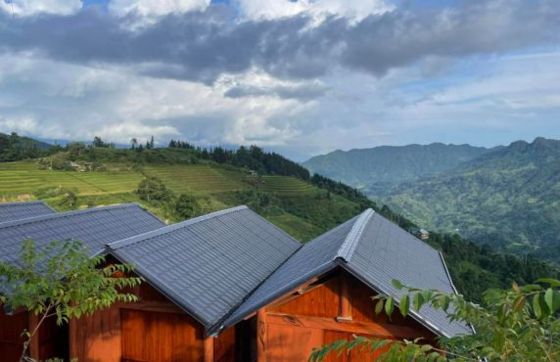
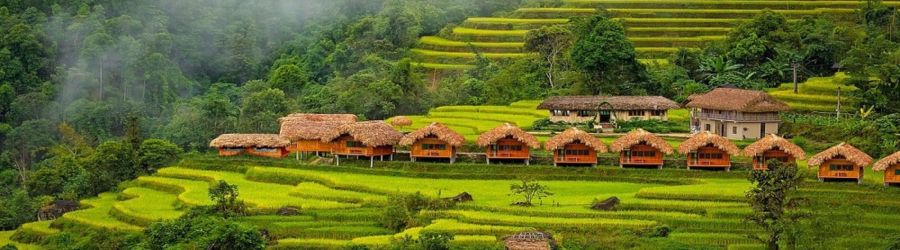
What are the best Hoang Su Phi lodges in Ha Giang? This region, located west of Ha Giang, is renowned for its magnificent Hoang Su Phi rice terraces, offering visitors breathtaking natural landscapes and the cultural artistry of local ethnic groups. September and October, during the harvest season, are also peak tourist times with hundreds of thousands of national and international visitors. If you plan to visit Ha Giang later in the year, explore this article to find the 5 top accommodations in Hoang Su Phi, Ha Giang, highly favored by tourists!
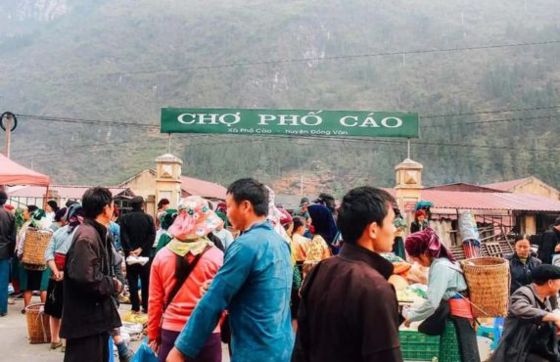
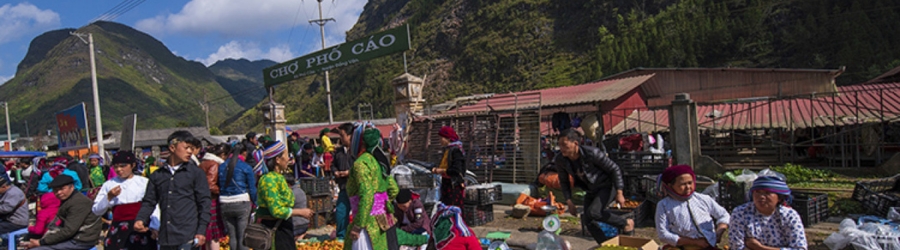
Pho Cao Market in Ha Giang is known as a traditional market, held for a long time in the middle of Dong Van Karst Plateau. Pho Cao Ethnic Market is not just a place for trade and commerce, but also a weekly event for the ethnic minorities of Ha Giang. That’s why Pho Cao is always lively and crowded with people who come to chat and gather. If you have the chance to explore Ha Giang Loop, don't miss this colorful ethnic market!
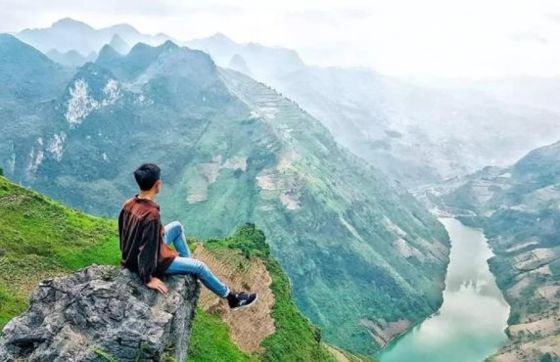
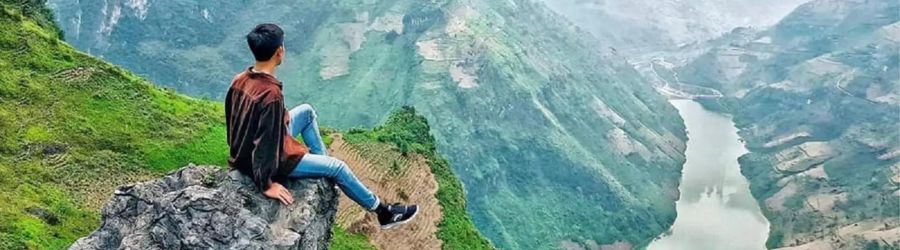
Located beneath the famous Ma Pi Leng Pass, Tu San Canyon is nature's gift to Ha Giang, Vietnam, boasting majestic and spectacular beauty that attracts many tourists to visit at least once. Once submerged under the ocean millions of years ago, Tu San is now the deepest canyon in Southeast Asia, offering a picturesque landscape with the poetic Nho Que River. Come explore Tu San Canyon - a unique geological heritage in Ha Giang, and discover useful travel tips in the article below!
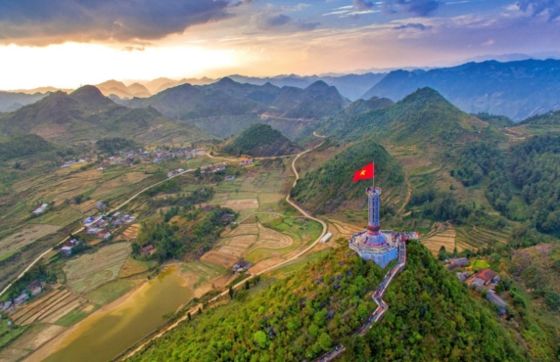
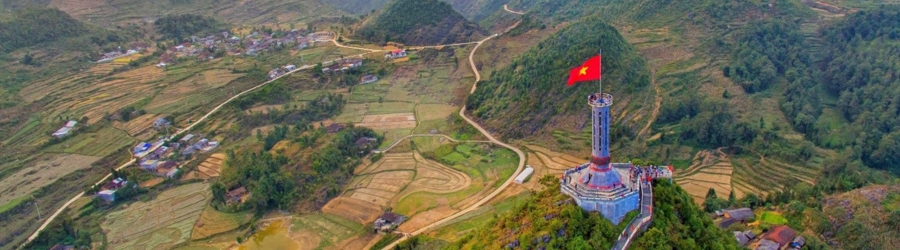
While exploring Ha Giang Loop in northern Vietnam, Lung Cu Flag Point is one of the must-see tourist attractions and is considered one of the emblematic symbols of this province. Additionally, Lung Cu Flag Tower is a source of pride for the Vietnamese nation, marking the territory of this Southeast Asian country. Let’s discover together why the Lung Cu Flagpole in Ha Giang attracts so many visitors!
What to Do in Ha Giang? Ha Giang is emerging as a must-visit destination in Vietnam for adventure enthusiasts. Are you planning a successful trip to Ha Giang but wondering about its location, how to get there, and the best time to explore this northeastern province of Vietnam? Whether you’re considering using a local travel agency in Ha Giang, such as Autour Asia, or planning to experience the famous Ha Giang loop independently, this travel guide provides all the essential information. Discover the top things to do in Ha Giang to make the most of your journey!
Ha Giang is a province in northeastern Vietnam, considered a Vietnam must-visit destination for nature lovers and adventurers seeking new experiences. The most popular tourist route in Ha Giang is the “Ha Giang loop” a 350 km circular route that passes through four high-altitude districts of the Dong Van Karst Plateau Global Geopark. This scenic loop begins in Quan Ba, travels through Yen Minh, Dong Van, Meo Vac, and then returns to the starting point. The Ha Giang loop is a dream come true for adventure travelers who crave the open road. Pack your gear, charge your batteries, and get ready for an unforgettable journey with options like a Ha Giang loop private tour through a local Vietnam travel agency such as Autour Asia.
When to visit Ha Giang? Ha Giang is beautiful year-round, but the natural landscapes and climate vary with each season. If you’re planning a trip to Ha Giang, March and April offer pleasant weather for exploring the region. However, it’s also ideal to visit from January to May, in July, and from September to December.
How is the annual weather in Ha Giang? On average, the hottest months in Ha Giang are from April to September, while January and December are the coldest. The rainiest months are July and August. So, plan your Ha Giang travel with these seasonal variations in mind to make the most of your adventure!
The distance between Hanoi and Ha Giang is 300 km. The only way to travel from Hanoi to Ha Giang is by bus or minibus—unless you have your own motorbike or book through a Ha Giang private travel agency like Autour Asia. Reliable bus companies offer tickets starting at $10, with sleeper buses available for added comfort.
Since Ha Giang has no railway or airport, the only access is by road. The nearest train station is in Lao Cai, about 200 km from Ha Giang city. Travel agencies in Hanoi can also help you arrange transport, either with a private car or by assisting you in booking bus tickets from Hanoi to Ha Giang.
For travelers in Sapa looking to continue their journey to Ha Giang, there are transport options to get from Sapa to Ha Giang. Both Sapa and Ha Giang are located in the mountainous northern provinces of Vietnam, and the distance between them is over 200 km. However, the road from Sapa to Ha Giang can be challenging due to steep passes, dangerous curves, and weather conditions that often include fog in the mornings and evenings. If you’re considering how to drive in Ha Giang, especially from Sapa, plan carefully to ensure a safe and enjoyable experience on this adventure.
Though demanding, the route from Sapa to Ha Giang is also stunning. The natural landscape is breathtaking and dramatic. There are three ways to cover the 235 km (146 miles) from Sapa to Ha Giang: by bus (5-5.5 hours), minivan (5-6 hours), or private transfer (6 hours). The journey takes between 5 and 6 hours, with the bus being the quickest option. Tickets for the minivan start at 380,000 VND (€14.40).
Ha Giang culinary culture is one of the must-explore aspects when visiting this northeastern region. Ha Giang’s specialties are dishes made with a variety of natural ingredients found abundantly in the area. This mountainous province is rich in unique natural products unavailable elsewhere. Many traditional foods are made by the ethnic mountain communities of Ha Giang, and these have become essential parts of local life, providing a distinctive experience for visitors.
Some popular foods to try when visiting Ha Giang include banh tam giac mach (a buckwheat cake), thang co (a hearty stew made from horse, beef, or goat offal), banh cuon trung (a delicate egg-filled crepe), chao au tau (a nutritious soup made from macre root), lon cap nach (a unique small-sized pig often roasted whole), and xoi ngu sac (a beautiful five-colored sticky rice steamed to perfection). Each dish reflects the cultural heritage and natural resources of the area, and the preparation methods used by local people highlight their deep knowledge of the environment.
For travelers wondering what to eat in Ha Giang or seeking recommendations for authentic local food in Ha Giang, the province offers a truly unique food experience. Many dishes can be found at local markets or small eateries, and an Autour Asia-led tour is a great way to uncover hidden gems in local restaurants in Ha Giang. The Ha Giang specialty dishes represent the variety of flavors in the highlands, from mild to spicy, showcasing the tastes and preferences of the different ethnic groups living there. For those taking the Ha Giang loop, stopping along the way to sample these dishes offers an immersive way to connect with local culture.
Consider arranging your food itinerary through a reliable Vietnam tour operator, who can guide you to the best spots to enjoy these regional specialties while also ensuring that each meal captures the rich flavors of this remarkable region.
Ha Giang is famous for its winding roads that appeal to adventure lovers and its stunning spots perfect for capturing unique photos. If you’re looking for a place to stay in Ha Giang, you’ll find a variety of accommodation options, ranging from luxury hotels to traditional homestays. Among these, homestays are especially popular with travelers seeking an authentic experience and a closer connection to the local culture. So, where to stay in Ha Giang? Check out the top accommodation choices (including hotels, resorts, and homestays) in this section of the Ha Giang travel guide.
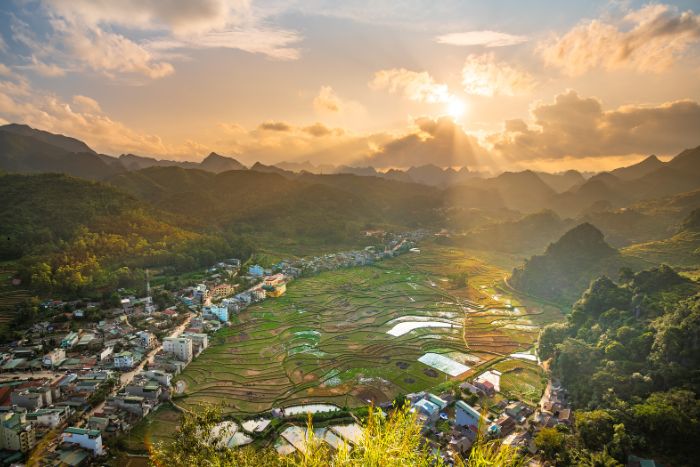
Ha Giang is a province of breathtaking karst mountains, steep passes, winding roads, and misty villages that provide a unique and unforgettable experience. Known as a remote and authentic area, Ha Giang offers a remarkable variety of landscapes and cultural experiences. The province is home to numerous ethnic minority communities, such as the Hmong, Tay, and Yao, who still preserve their traditional culture and way of life. For travelers in search of an immersive journey, Ha Giang promises an unspoiled cultural experience combined with some of Vietnam’s most scenic views. Autour Asia and other Ha Giang travel agencies provide guided options, ensuring that visitors not only explore the famous sights but also gain insight into the local culture. Those planning a Ha Giang tour can look forward to both adventure and the opportunity to connect with the rich heritage of the region.
Among the things to see in Ha Giang, there are several must-visit destinations that showcase the diversity and beauty of the area. The Quan Ba Yao village provides a glimpse into the everyday life of the Yao people, while the iconic Fairy Twin Mountains offer a natural marvel with cultural significance. The renowned Ha Giang loop—a thrilling route popular among motorcyclists—winds through stunning landscapes and authentic villages. Other essential stops include the picturesque Lo Lo Chai Village, the magnificent Dong Van Karst Plateau, and the terraced rice fields that add vibrant color to the scenery. For a cultural highlight, the Vuong Family Palace (also known as the Hmong King’s Palace) offers historical insight into the Hmong royalty. A boat trip on the Nho Que River, visits to the traditional Phung Village in Hoang Su Phi, and exploring the charming Tha Village are all highly recommended. Ha Giang travel offers an array of adventures, and with a thoughtful itinerary from a reliable agency, visitors can fully appreciate the magic of this remarkable region.
A memorable experience in this region often raises a question: are there unique souvenirs to bring back from Ha Giang? Unlike more commercialized destinations, Ha Giang doesn’t yet have magnets, keychains, or typical tourist trinkets. This allows visitors to get more creative in choosing meaningful gifts for loved ones, friends, or even themselves. Several distinctive items capture the essence of Ha Giang’s culture and natural beauty, making for truly unique mementos of your journey.
Among the top gift ideas to consider are traditional woven fabrics, which represent the artistry and cultural heritage of local ethnic communities. Jewelry handcrafted by local artisans also makes for a stunning keepsake. For a taste of Ha Giang’s natural offerings, a jar of mint honey or a bottle of “happy water” (local corn liquor) can be ideal souvenirs that reflect the flavors of the region. Lastly, a meaningful tattoo, often inspired by the ethnic designs or nature of Ha Giang, is an option for those looking for a deeply personal memento. Each of these gifts tells a story of Ha Giang, offering a lasting memory of this unique and vibrant province.
Ha Giang is an authentic and relatively untouched destination in Vietnam, offering a unique charm due to its limited but meaningful attractions, accommodations, and transportation options. Unlike more touristic areas, Ha Giang remains a quiet, scenic retreat where visitors can experience unspoiled landscapes and cultural traditions. For a successful journey to Ha Giang, it’s essential to review Ha Giang information, as well as the experiences of previous travelers to get a feel for the area and its practical aspects. Doing so provides valuable insights into what to expect and how best to prepare for an enjoyable trip.
The Ha Giang travel tips and recommendations from past visitors are excellent resources that offer useful advice on navigating the region, finding comfortable accommodations, and choosing reliable transportation. Due to the remote nature of Ha Giang, knowing about the local transport options and unique homestays or guesthouses ahead of time can make the trip far smoother and more rewarding. These resources can guide you to some of the must-see spots and give you tips for respecting the local customs and way of life, which enriches the experience. Ha Giang may be less developed as a tourist destination, but this is precisely what makes it a rare gem—a place where thoughtful preparation allows for deep, authentic exploration of the culture and landscape.



 FR
FR EN
EN