Planning your stay around the festivals in Kanchanaburi offers a truly immersive experience. From the lively water fights of Songkran to candlelit religious ceremonies and spectacular sound-and-light shows along the River Kwai, each time of year brings a unique atmosphere. Here is a complete guide to organizing your trip at the heart of Kanchanaburi’s cultural and historical events in Thailand.
Kanchanaburi province is in the west of Thailand. It is famous for its natural landscapes, national parks, and history from the Second World War. However, besides the famous Bridge on the River Kwai, this place shows another interesting side: a calendar full of festivals and events that happen all year. Traveling to Kanchanaburi during a celebration lets you see real Thai culture, with Buddhist traditions, community events, and big historical commemorations.
Here is a list of the main events and festivals in Kanchanaburi, organized by month. The dates of some Buddhist festivals change with the lunar calendar. For exact dates, check the website of the Tourism Authority of Thailand (TAT). Months without major events are marked as such.
| Mois | Month | Information |
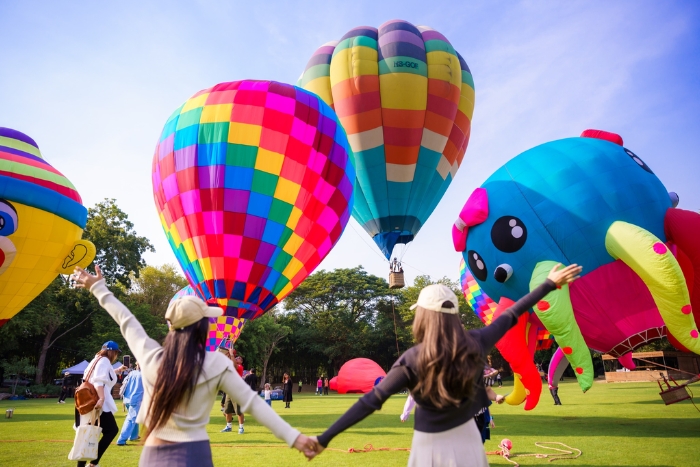
| January | Melo Balloon Festival | Hot air balloon festival, usually from late January to early February. It is one of the big festivals in Kanchanaburi. It adds color and modern fun to the sky with amazing flights and night activities. |
| February | ||
| Lunar New Year | In Kanchanaburi, the Lunar New Year is celebrated by the Chinese community with dragon and lion dances, offerings in shrines, festive markets, and fireworks in the evening. | |
| Makha Bucha (date changes, sometimes in February, often in March) | Makha Bucha Day (Magha Puja) is a religious celebration that remembers the teaching of Lord Buddha to his followers. Like most Thai religious festivals, Makha Bucha follows the traditional lunar calendar, on the full moon of the third lunar month. | |
| March | ||
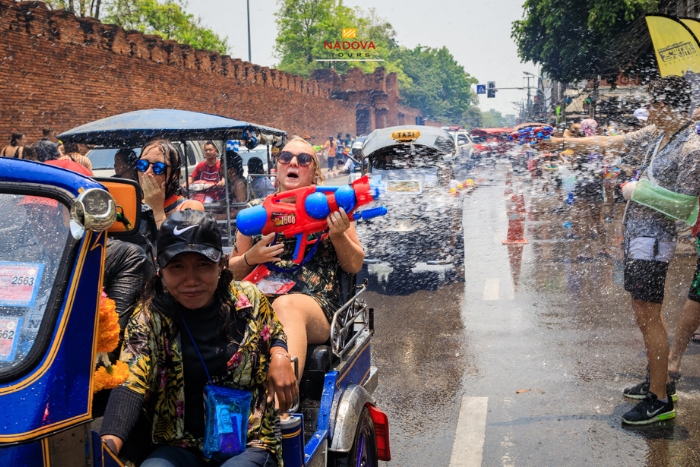
| April | Songkran (Thai New Year) | In Kanchanaburi, Songkran mixes traditions and fun: ceremonies in temples in the morning (offerings and sprinkling scented water on Buddha statues), then lively atmosphere in the streets with water fights, especially near the River Kwai. |
| Mon Festival (Mon Songkran) | The festival is celebrated by the Mon community, especially around Wat Wang Wiwekaram (Kanchanaburi), with traditional rituals, building sand pagodas, cultural dances, and religious ceremonies that mark the New Year according to old customs. | |
| May | Visakha Bucha / Vesak Festival (date changes) | Visakha Bucha (Vesak Festival), celebrated in May on the full moon of the sixth lunar month, remembers the birth, enlightenment, and death of Buddha, with religious ceremonies and candle processions in temples. |
| July | Asalha Puja (date changes) | In Kanchanaburi, Asalha Puja is celebrated in July, on the full moon of the eighth lunar month, with merit-making ceremonies in temples and candle processions that mark Buddha's first sermon. |
| Start of Buddhist Lent (Khao Phansa) | Buddhist Lent (Khao Phansa in Thai), starting in July on the full moon, marks three months of monastic retreat during the rainy season. In Kanchanaburi, the start of the festival includes ceremonies, candle processions, and offerings, especially at Wat Tham Suea, in a serious and traditional atmosphere. | |
| October | End of Lent (Awk Phansa) | |
| Termite Mushroom Festival | The termite mushroom festival, held every year in October in Bo Phloi district. It promotes local tourism and OTOP products, especially seasonal termite mushrooms and precious stones, which are famous in the area. | |
| November | Boat and Raft Festival | This festival happens in early November along the banks of the River Kwai in Kanchanaburi. It offers traditional boat races, water sports like jet-skiing, and local shows. Visitors can also enjoy popular games, food specialties, and cultural exhibitions. |
| Karen Rice Harvest Festival | The Karen rice harvest festival, celebrated in November, marks the end of the harvest season. Held each year in a different district, it lets visitors learn about the Karen people's way of life and their strong connection to nature and rice farming. This festival shows their thanks to the land and rice, which are central to their spiritual beliefs. | |
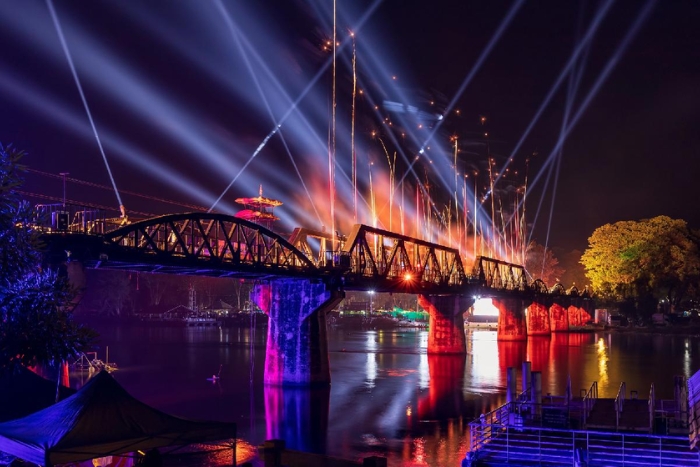
| River Kwai Bridge Festival | Among the big festivals in Kanchanaburi, the River Kwai Bridge Festival is the most famous. Held from late November to early December, it remembers the history of the famous bridge and the Death Railway with a "sound and light" show, fireworks, concerts, and a big festive market. | |
| December | King's Birthday | National holiday with commemorations (fixed date around December 5 for the late king, or according to the royal calendar). |
To fully enjoy the festivals in Kanchanaburi, good planning is important.
Plan ahead: Book hotels and transport several weeks (or even months) before big events, especially the River Kwai Bridge Week.
Check dates: For religious festivals based on the lunar calendar, look at official information before you leave.
Adapt your clothes: Light clothes in April (Songkran), a small jacket for cool evenings in November and December.
Respect temple dress code: Cover shoulders and knees.
Bring cash: Many stalls and small shops do not accept credit cards.
Transport: Use songthaews in the city; rent a vehicle to visit farther sites.
By mixing historical heritage, Buddhist spirituality, and living traditions, the festivals in Kanchanaburi show a real and human side of the province. Planning your trip around one of these events lets you go beyond the main sites and have true experiences with the local people. For a perfectly organized trip, Autour Asia – travel agency in Asia can help you discover these unique celebrations.




 FR
FR ITA
ITA