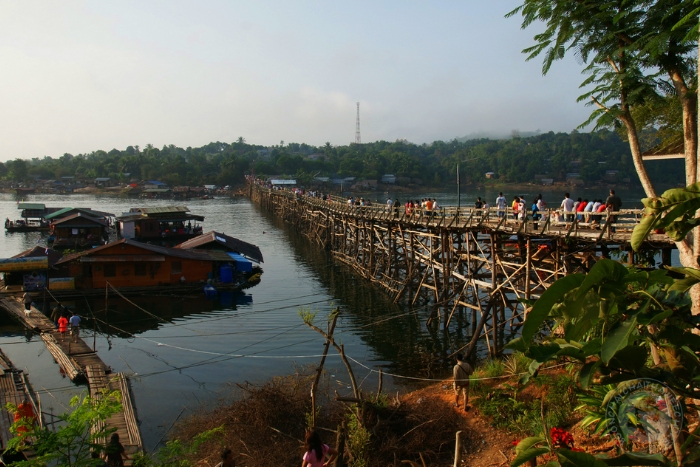
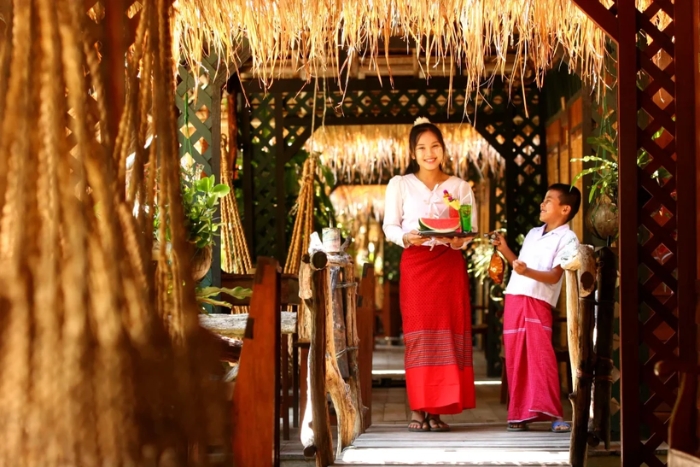
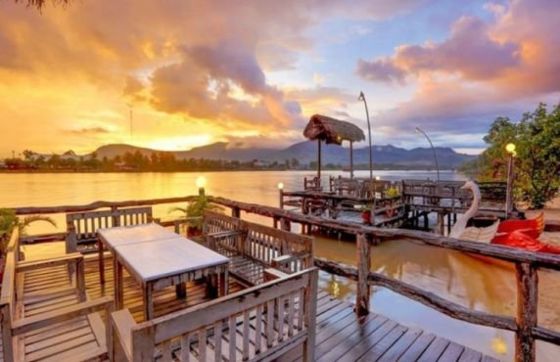
Let’s start with one of the best hill tribe villages in Kanchanaburi: Ban Wang Ka, or Mon Village in Sangkhlaburi. It’s not a staged tourist spot, but a real, lived-in Mon community. To get there, you’ll cross Saphan Mon—the longest wooden bridge in Thailand—where monks in saffron robes and locals in longyi pass by. Go early if you can. The sunrise over the misty water is something else. Once across, skip the quick photos and wander into the market—try Khao Chae or some Mon-style noodles. The vibe feels different here, with Burmese-Mon signs and the smell of fried garlic in the air. If you’re lucky, you’ll catch the quiet morning almsgiving—simple, peaceful, and memorable.
Mon Village, located in Sai Yok District, Kanchanaburi Province, is a rising destination for travelers seeking an authentic cultural experience among the Mon community – one of the most authentic hill tribes in Kanchanaburi. About 200 km from Kanchanaburi town, it offers a glimpse into the daily life and traditions of the Mon people. Reaching the village involves an easy forest walk along a dirt path, so comfortable shoes and insect repellent are recommended. Once there, you’ll notice women wearing thanaka, a traditional natural skincare paste. With elephants, simple homes, and small shops, the village reflects a close-knit community preserving its unique heritage.
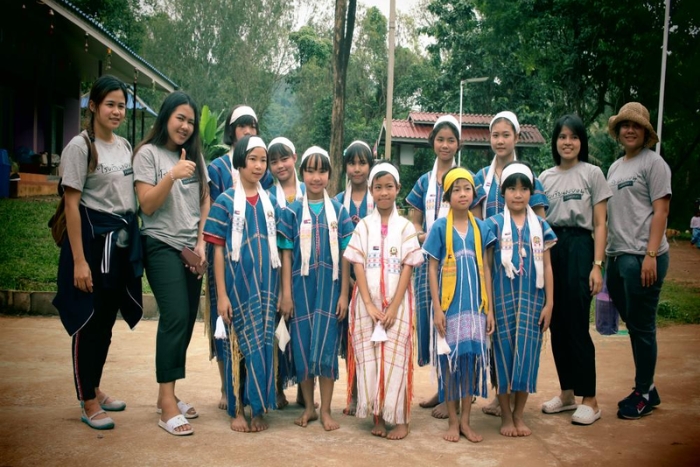
If jungle vibes are calling, point your compass to Kong Mong Tha, a stunning hill tribe Karen village in Kanchanaburi, located about 25 kilometers west of Sangkhlaburi. This spot is less about the destination and more about how you get there. Hop a long-tail boat across the vast Khao Laem Reservoir, then drift down the Ranti River on a bamboo raft—the water’s so clear you’ll spot every pebble below. If you’re up for an elephant trek deeper into the forest, just choose wisely. Look for folks who let you ride bareback and genuinely care for their animals. The magic here? Walking alongside Karen people who’ve called these giants family for generations.
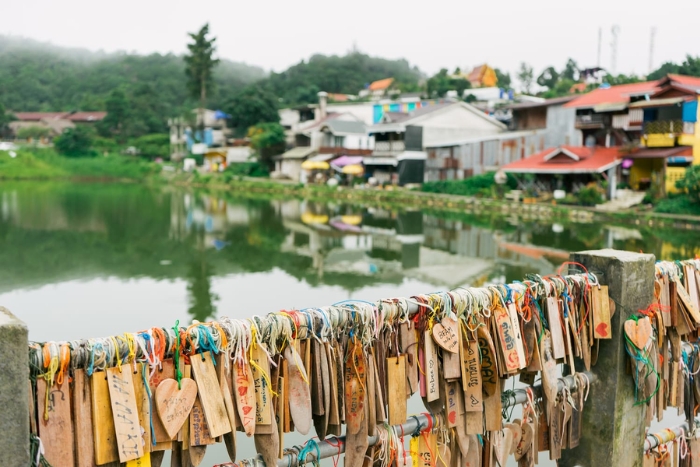
For road trippers who love a bit of chill and a good backstory, Ban E-Tong feels like a secret you've earned. Tucked against the Myanmar border in Thong Pha Phum, this old tin mining town has traded its industrial past for a quiet, misty present, and it also offers access to some of the most authentic hill tribe villages in Kanchanaburi. Honestly, the drive up is half the fun—switchback after switchback climbing into the clouds until you step out and suddenly realize you actually need that jacket you almost left behind.
If you want the full magic, aim for late rainy season into early winter (September to November). That's when the sea of mist really puts on a show. Prefer crisp, cool sunshine? December and January are your sweet spot—perfect for doing absolutely nothing and loving it.
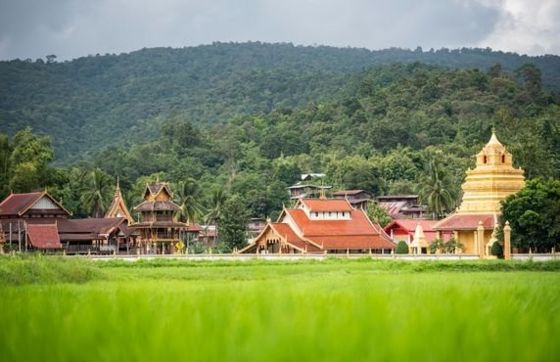
Wake up early, grab a coffee that's way better than it needs to be, and just watch the fog roll over the hills like a slow exhale. The village itself is a quiet mashup of Thai, Burmese, and Karen life—you'll spot a golden pagoda next to a Burmese noodle shop and nobody blinks. Wander the old mine paths, find a spot to sit, and let the stillness sink in. It's a little sleepy, maybe even a touch melancholic, but that's exactly why you'll remember it long after you've come back down the mountain.
Just a short drive from Kanchanaburi town, Ban Nong Khao offers a different kind of charm among the ethnic villages in Kanchanaburi. This isn't a hill tribe settlement but a traditional Thai farming community where life still sways to the rhythm of rice seasons. Wander through and you'll hear the gentle clack of the "kee kratuk" loom weaving the village's famous "hundred-colored phakhao ma" fabric. Locals welcome you with warm smiles and maybe a taste of homemade sweets. It's a quiet, authentic slice of rural Thailand where you can slow down and simply soak in the simple beauty of everyday life.
From the mist drifting over Ban Wang Ka's wooden bridge to the quiet village of Ban Nong Khao, these hill tribe villages in Kanchanaburi aren't just stops on a map. They're the kind of places that stay with you long after the dust on your shoes has faded. There's something about drifting down the Ranti River or trading a smile with a Karen weaver that just hits different—slower, deeper, more real. If you're ready to swap the usual tourist checklist for something that actually means something, let the folks at Autour Asia - travel agency in Asia help you piece it together.





 FR
FR ITA
ITA