Spending 3 weeks in Vietnam in February allows you to discover several regions, but keep in mind that the climate can vary significantly from North to South. In Hanoi and the northern mountains, days are often cool, with temperatures around 15 to 22°C. The sky can remain cloudy, especially in the morning. In Central Vietnam, Hue, Da Nang, and Hoi An generally have milder temperatures, around 18 to 25°C, although some rainy periods can still occur.
In the South, the weather is much warmer and often dry. In Ho Chi Minh City, the Mekong Delta, and Phu Quoc, temperatures can reach 30°C or more during the day. This variety makes it possible to plan a well-balanced itinerary for 3 weeks in Vietnam, combining cultural discoveries, natural landscapes, and a few relaxing days by the sea.
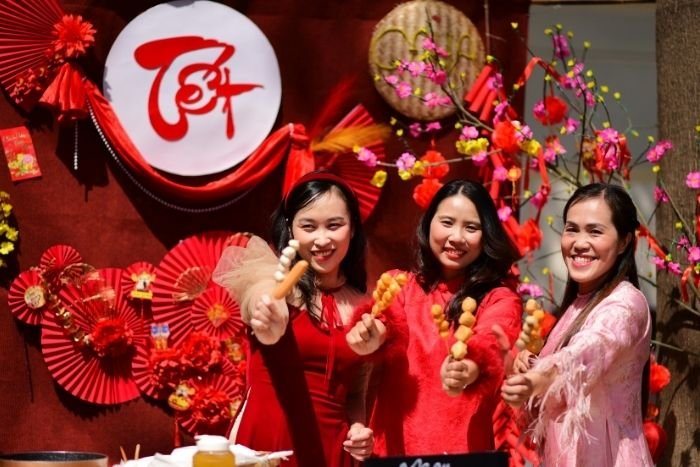
February also has one important feature to consider: Tet, the Vietnamese Lunar New Year. Its date changes every year and can fall between late January and February. During this period, many Vietnamese people return to their hometowns or villages to celebrate with their families. Trains and domestic flights can be very busy, while some hotels, restaurants, and shops may temporarily close.
Outside the Tet holiday period, February remains an interesting month to travel around Vietnam, provided that you adapt your itinerary to the weather conditions in each region.
There is no single ideal itinerary. Your arrival point may depend on international flight prices and your travel plans. For 3 weeks in Vietnam in February, traveling from North to South, or the other way around, allows you to enjoy different landscapes while avoiding unnecessary backtracking.
This itinerary allows you to start with the main highlights of northern Vietnam before gradually heading towards the warmer regions. If Tet falls at the beginning of your trip, it is better to limit travel between regions during the public holidays and stay a few nights in a major city.
Days 1 to 3 - Hanoi: Old Quarter, Hoan Kiem Lake, temples, and local cuisine.
Days 4 to 6 - Ninh Binh: Trang An, temples, and cycling through the countryside.
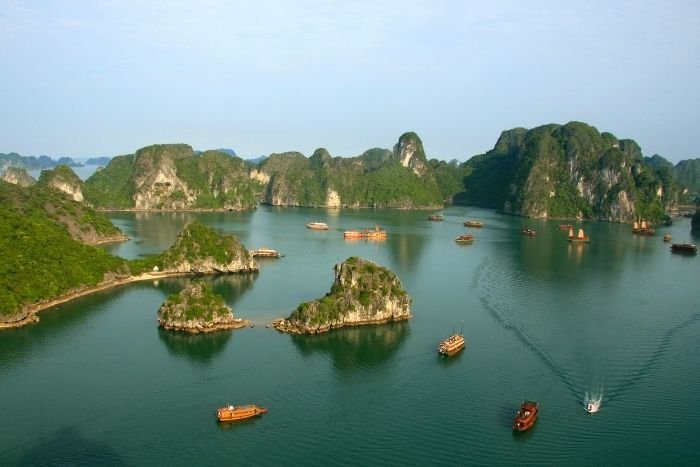
Days 7 to 8 - Lan Ha Bay or Halong Bay: two-day cruise, preferably scheduled outside the busiest Tet days if possible.
Days 9 to 12 - Hoi An and Central Vietnam: flight to Da Nang, followed by visits to Hoi An and Hue, depending on the weather.
Days 13 to 16 - Ho Chi Minh City: historic districts, markets, and southern cuisine.
Days 17 to 20 - Mekong Delta: Can Tho or a more rural stay.
Day 21 - Departure: departure from Ho Chi Minh City.
Why choose this itinerary in February? It allows you to enjoy the northern destinations first before heading south, where temperatures are generally warmer. If your trip overlaps with Tet, however, allow extra time and avoid scheduling too many transfers during the holiday period.
This option is particularly interesting when Tet falls at the beginning of your trip. The South can then provide a comfortable starting point before gradually heading towards Central and Northern Vietnam once the main holiday travel period is over.
Days 1 to 4 - Ho Chi Minh City: explore the city and experience the Tet atmosphere, with flower markets and seasonal decorations.
Days 5 to 7 - Mekong Delta: excursion around Can Tho or a stay in a local guesthouse.
Days 8 to 11 - Hoi An and Hue: discover the heritage of Central Vietnam, with the program adapted to the weather.
Days 12 to 14 - Hanoi and a traditional village: two days in the capital, followed by a trip to Duong Lam or Bat Trang.
Days 15 to 17 - Ninh Binh: Trang An, countryside, and karst landscapes.
Days 18 to 19 - Lan Ha Bay or Halong Bay: a cruise to end the journey.
Days 20 to 21 – Hanoi: free time and departure.
Why choose this option? If your trip coincides with Tet, staying in Ho Chi Minh City for a few days at the beginning can be easier than immediately planning several flights or long journeys. You can then continue north once transportation gradually returns to its usual schedule.
For a Vietnam 3 weeks family trip, it is better to remove one or two stops rather than plan too many transfers. With young children, staying two or three extra nights in the same place can make the trip much more comfortable.
The cost of a 3 weeks in Vietnam in February trip mainly depends on your choice of accommodation, transportation, and activities. February requires some extra planning if your trip coincides with Tet. Some hotels, transport services, and tourist activities may charge higher prices, while some establishments may temporarily close.
With around $1,150 to $1,750 per person, excluding international flights, a 3 weeks in Vietnam in February trip already allows you to travel in very good conditions. This budget generally covers 3- to 4-star hotels, private rooms with bathrooms, good-quality local restaurants, and some meals at good tourist restaurants.
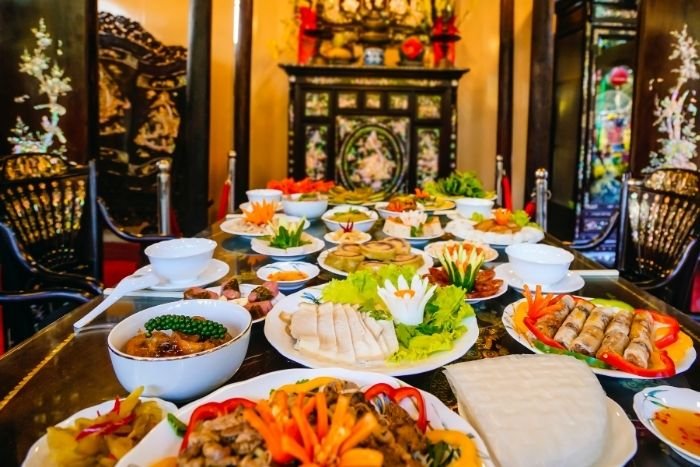
As a general guide, a meal at a local restaurant often costs around $3.50 to $9 per person, while a more upscale restaurant can easily cost $17 to $35. For transportation, taxis and ride-hailing apps remain affordable in cities, while domestic flights account for a larger part of the budget.
This budget can also include a 2-day, 1-night cruise in Lan Ha Bay or Halong Bay, a few private or small-group excursions, and several transfers between major destinations. For two people sharing a room, the cost per person can be more affordable.
The Vietnam 3-week trip cost should therefore include some extra flexibility if your trip falls during the main Tet holiday period. Availability can also become more limited.
With around $2,100 to $3,250 per person, excluding international flights, your trip reaches a significantly higher level of comfort. This budget allows you to choose 4- to 5-star hotels, more spacious rooms, properties with swimming pools, or charming boutique hotels, depending on the destination.
Meals can alternate between local restaurants and more refined dining options. You can also choose private transfers with a driver instead of shared transportation, providing greater comfort on longer journeys.
This budget can also include a high-end cruise in the bay, a private excursion in the Mekong Delta, a cooking class, a tour with an English-speaking guide, or several tailor-made experiences. During the Tet holiday period, it is advisable to allow some extra budget, as accommodation, transportation, and private services may be more expensive or have limited availability.
For 3 weeks in Vietnam in February, pack a versatile suitcase: temperatures can be cool in the North, while the South requires much lighter clothing.
A few light, breathable clothes for Ho Chi Minh City and the Mekong Delta.
A light jacket or sweater for the North.
Comfortable shoes for long days of sightseeing.
A light rain jacket, especially for Central Vietnam.
A hat, sunglasses, and good sun protection.
Clothing that covers the shoulders and knees for pagodas and temples.
A small medicine kit with your usual medication, a few bandages, and basic first-aid supplies.
A small backpack for day trips and excursions.
A power bank for sightseeing days and long journeys.
There is no need to fill your suitcase before leaving. Laundry services are widely available in the main tourist destinations, and summer clothes are easy to find locally.
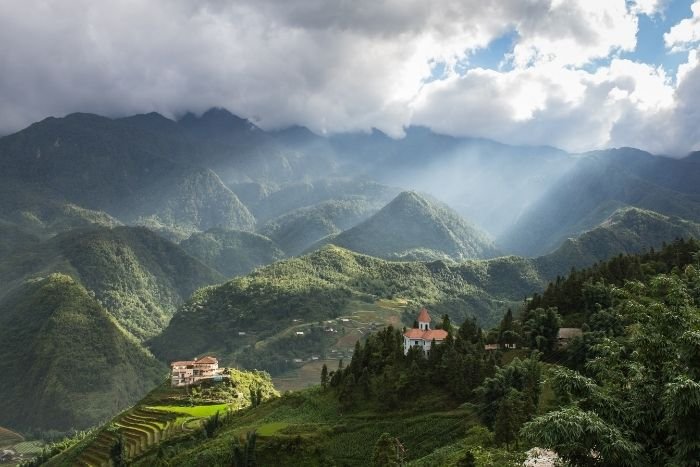
A few precautions can help you make the most of your trip, especially if your 3 weeks in Vietnam in February coincide with the Tet holiday. This major family celebration can affect the opening hours of shops, restaurants, and some tourist sites. Transportation is also busier during this period, so it is important to plan your itinerary a little further in advance.
Save your hotel addresses in Vietnamese on your phone.
Keep your bookings accessible offline.
Allow some extra time before domestic flights.
Keep some small Vietnamese dong notes for small shops and local purchases.
Download an offline map before heading out on an excursion.
Check opening hours before planning an early-morning visit.
Leave a less busy day after a long journey.
Book transportation in advance if your trip falls during Tet.
Keep a digital copy of your passport.
Take out travel insurance covering medical care and travel-related incidents.
For travelers who would like to share sightseeing and transportation with others, a 3 weeks in Vietnam in a small group trip can also be an interesting option. This type of trip provides organized support while allowing you to enjoy your journey with a reasonably sized group.
If you prefer to leave the booking of transportation, hotels, and activities to a professional while keeping a personalized itinerary, a local travel agency in Hanoi can also adapt the program to your exact travel dates.
Do not plan a very short connection between two flights.
Avoid scheduling several long journeys on two consecutive days.
Do not assume that all restaurants and shops will be open during Tet.
Do not plan an important visit without checking whether it will be open during the holiday.
Do not arrive in a small town without a reservation if you are traveling during Tet.
Important: Tet mainly requires a little extra planning. On the first day of the Lunar New Year, many tourist services close or operate on a very limited schedule. However, some restaurants, cafés, and small shops remain open, especially in major cities. Before heading out for a visit, it is therefore best to contact the establishment or your service provider directly to confirm the opening hours.
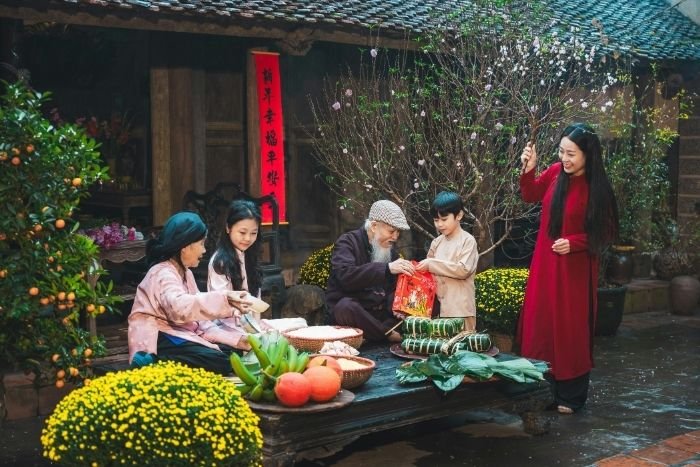
Three weeks are enough to discover Vietnam at a comfortable pace, while still leaving time to enjoy the small details that make the country special. 3 weeks in Vietnam in February can take many different forms depending on your interests: a morning at a local market, a meal shared with a family, a bike ride through the countryside, or simply a few hours observing everyday life. This variety is what makes every trip unique. With the support of a local Vietnam travel agency, your itinerary can be adapted to your travel dates, pace, and expectations, allowing you to make the most of your experience without turning the trip into a race from one destination to another.


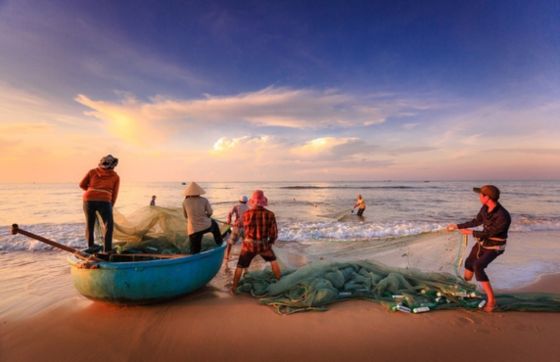
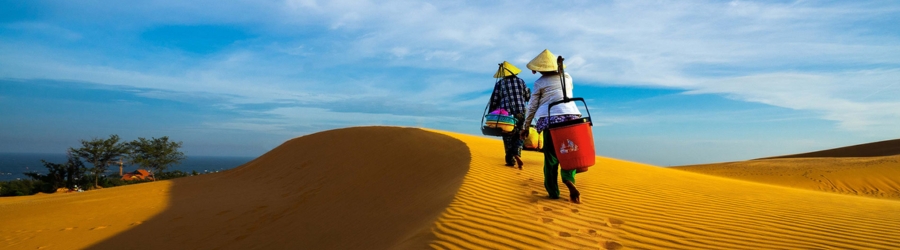
Phan Thiet, a coastal city in Binh Thuan Province, is best known for Mui Ne, an internationally renowned seaside destination. With its beaches, fishing villages, and desert-like sand dunes, the region offers a diverse range of landscapes rarely found elsewhere in Southeast Asia. In November, temperatures remain pleasant for exploring the coast, although occasional showers are still possible. Visiting Phan Thiet Mui Ne in November requires a little preparation to make the most of your stay. This complete guide covers the weather, must-see attractions, transportation options, and practical tips to help you plan your trip to Vietnam in November.
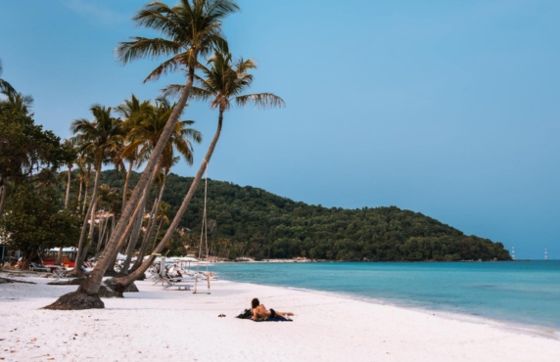
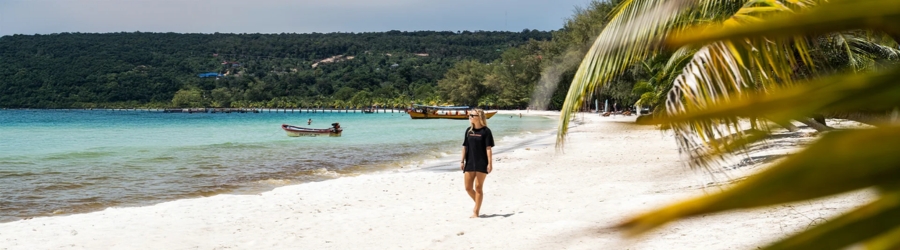
Vietnam’s beaches are best enjoyed at different times of the year, depending on the region. From the turquoise waters of the South to the long stretches of white sand in the Central region and tropical islands, each area has its own climate patterns. To better understand when to visit Vietnam, it is important to consider the weather conditions in each destination. The best time to visit beaches in Vietnam depends on region you choose as well as the activities you have planned. The best time to swim in Vietnam also varies according to rainfall, water temperature and sea conditions. Understanding the Vietnam beach season helps you choose destinations that match your travel dates and enjoy the coastline in good conditions.
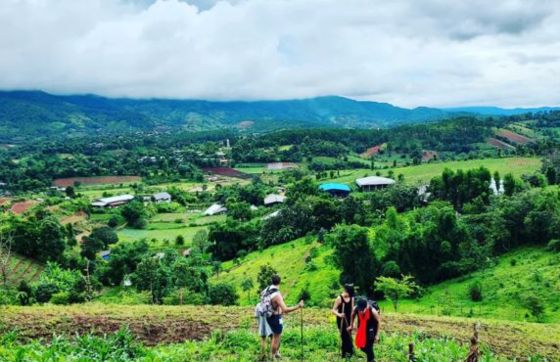
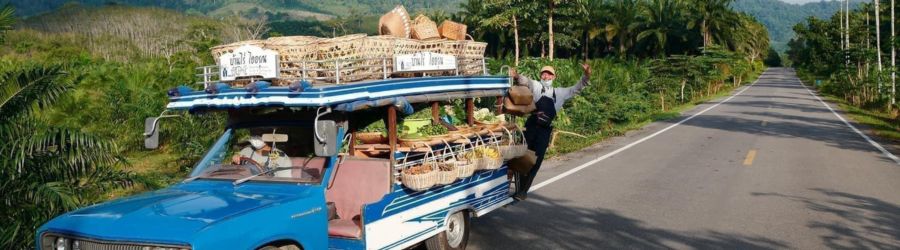
Discovering Thailand through its rice fields, plantations, and rural villages offers a different way to travel, far from traditional tourist circuits. But how can you choose the best agency for Thailand farm tours to enjoy authentic experiences with local communities? Several tour operators offer trips combining agriculture, gastronomy, and encounters with producers. Among them, Autour Asia is an option for travelers who want to personalize their itinerary. Known as Vietnam travel agency - Autour Asia, the company also offers tailor-made trips to several countries in Southeast Asia. With the local travel agency in Thailand - Autour Asia, travelers can explore a trip designed around their interests. Here are five organizations worth knowing, their distinctive features, and the essential criteria for planning a successful agricultural tour in Thailand.
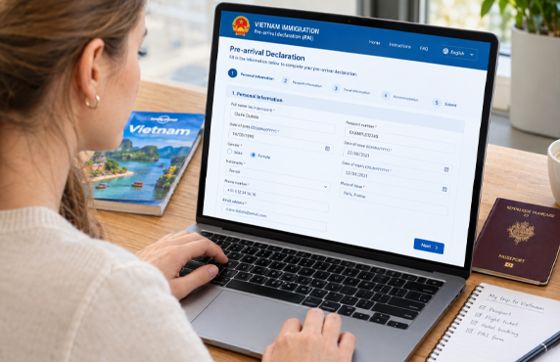
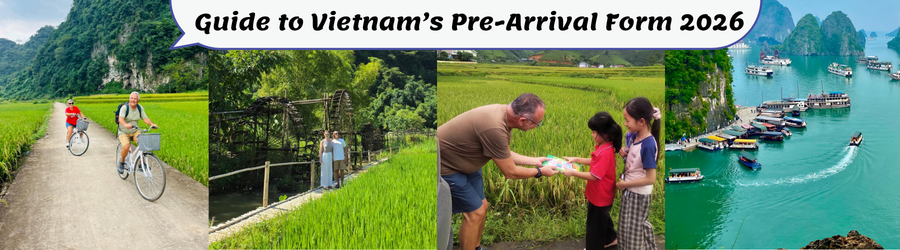
Planning a trip to Vietnam? Before packing your bags, take a few minutes to check the latest entry requirements and prepare the documents you may need at the airport.
Vietnam’s Pre-Arrival Information (PAI) system allows international travellers to submit selected personal, visa and travel details online before arriving in the country. After a successful submission, the system generates a QR code that travellers can save on their phones or print for use during immigration procedures. Although the online declaration is designed to help make arrival procedures smoother, travellers should understand when it applies, how to complete it correctly and which documents they still need to enter Vietnam.
In this practical guide, you will discover where to access the official PAI portal, what information to prepare, how to complete the declaration step by step, how to correct common mistakes and what to do when you arrive at the airport.
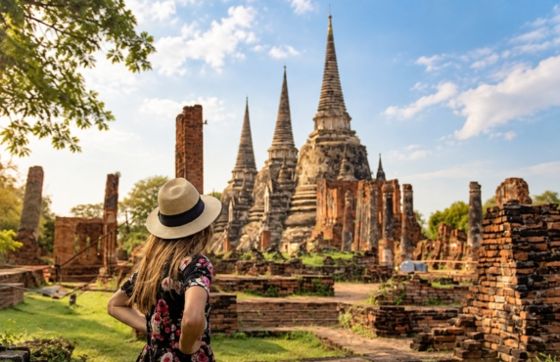
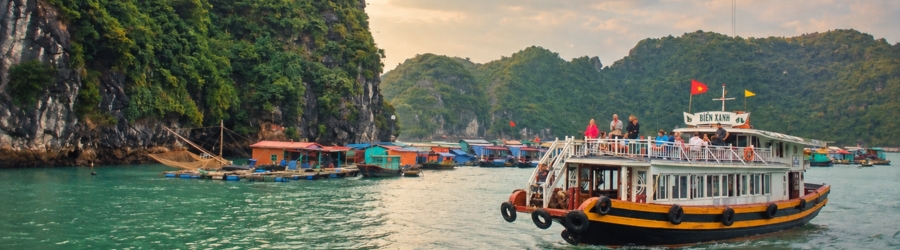
With its exotic landscapes, fascinating cultures and diverse experiences, Vietnam and Thailand are among the most popular destinations in Southeast Asia. However, safety remains an important criterion when planning your trip. So, how can you choose Vietnam or Thailand for a safe trip depending on the way you travel ? And is Vietnam safer than Thailand ? Each destination has its own characteristics and points to consider. In this article, Autour Asia helps you compare Vietnam and Thailand to better understand their differences and choose the destination that meets your expectations for your next trip to Asia.
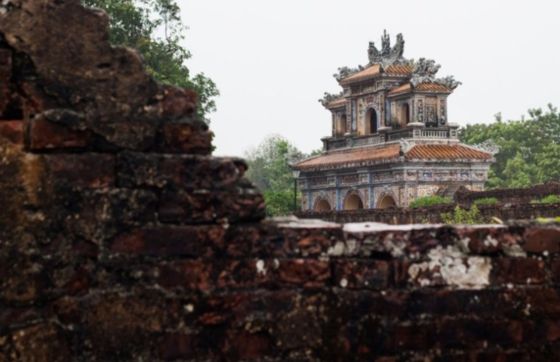
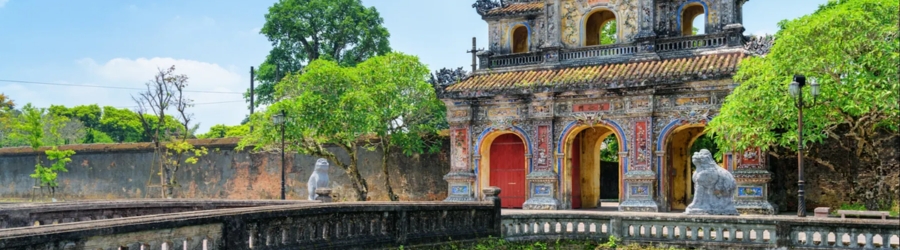
Planning a trip to Hue in November requires a little more flexibility than at other times of the year. Visiting Hue in November means experiencing the rainy season in central Vietnam, with prolonged showers and a risk of flooding. However, this period can also be an opportunity to explore the former imperial capital’s royal heritage, pagodas and renowned cuisine in a quieter atmosphere. The key is to choose your activities carefully, prepare alternative plans and check the weather conditions before setting out.
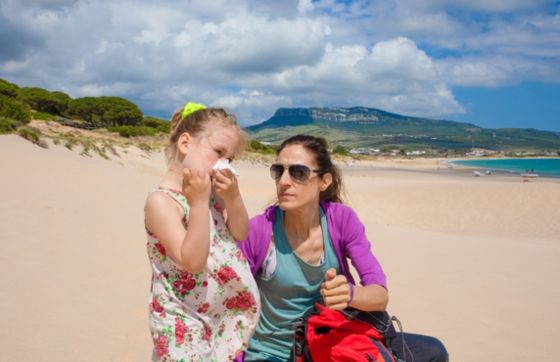
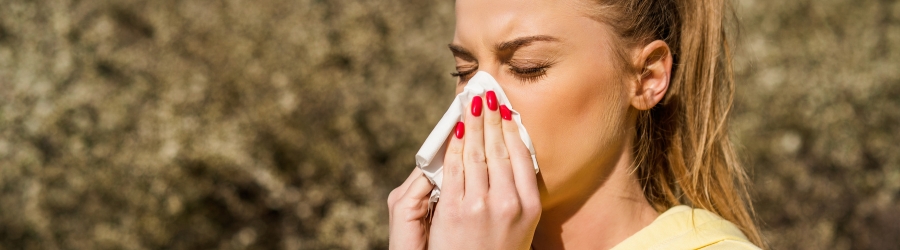
When travelling in Cambodia, some everyday habits may raise questions about local customs. Is blowing your nose in public considered polite? How should you behave in restaurants, on public transport or during a visit? These small details matter when you want to respect the local culture. Discover how to manage blowing your nose in Cambodia discreetly, along with practical tips on using tissues during your trip. Autour Asia, Cambodia travel agency, helps you discover local customs with advice tailored to travellers. From Cambodia travel etiquette to personal hygiene and everyday situations, a few simple guidelines can make your journey more comfortable. In Phnom Penh, Siem Reap or Kampot, understanding local customs helps you avoid awkward moments while making the most of your stay.
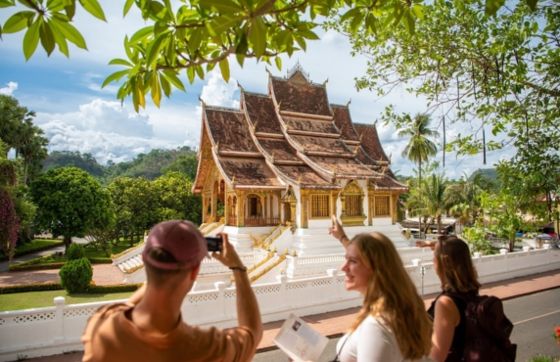
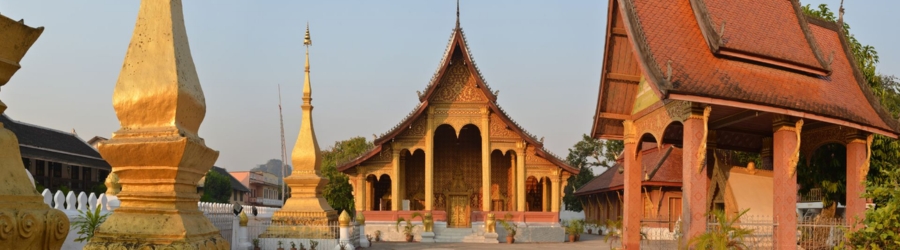
Blow your nose in Laos is not necessarily considered rude, but it is best to do so discreetly, especially in quiet places or during meals. If you have a cold, use a clean tissue and avoid blowing your nose loudly in public. In temples and other places of worship, respect the peaceful atmosphere and local customs. If you need to blow your nose frequently, step away from others for a moment whenever possible. Finally, dispose of used tissues in a rubbish bin. These simple habits will help you observe good manners during your trip to Laos.


 FR
FR EN
EN