Ninh Binh is a province in northern Vietnam, nestled in the Red River Delta, approximately 90 kilometres south of Hanoi. It is renowned for the beauty of its natural landscapes, its rich history and its unique cultural heritage.
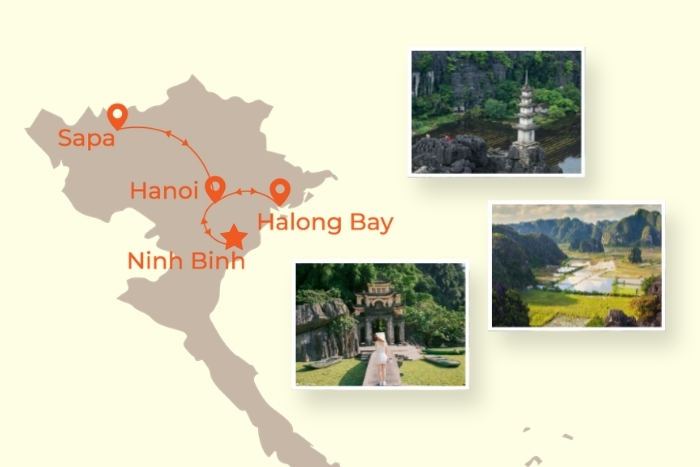
The region is home to several major tourist attractions, including the Trang An Scenic Landscape Complex, a UNESCO World Heritage Site, the famous Tam Coc, often compared to Ha Long Bay for its karst formations rising from the rice paddies, and the imposing Bai Dinh Pagoda.
Beyond its scenery, Ninh Binh has a history spanning several millennia. The province was the capital of Vietnam under the Dinh dynasty and the early Le dynasty, and many relics from this era survive to this day, notably at Hoa Lu, the ancient capital.
The climate is subtropical and humid, with hot, rainy summers from May to September and cool, dry winters from November to March. The average annual temperature is around 23.5°C, making a visit possible virtually year-round.
The weather in Ninh Binh is characterised by distinct seasons, each offering a different experience for travellers. The best time to visit Ninh Binh falls between January and March, then again between September and October, when temperatures are pleasant and rainfall is limited.
January to March: Temperatures remain mild, averaging between 18 and 25°C. The landscapes are lush and the rice paddies a vivid green, creating an ideal setting for exploring the karst mountains, caves and rivers the region is famous for. February and March are also well-suited for discovering local festivals, when Ninh Binh comes alive with traditional celebrations reflecting the customs and spiritual beliefs of the province's inhabitants.
September to October: The climate is slightly cooler, with temperatures ranging from 26 to 31°C. This period is ideal for outdoor activities such as hiking, cycling or boat trips. The rice harvest season in September also offers the spectacular sight of golden rice fields stretching as far as the eye can see.
Conversely, summer (June to August) is hot, humid and prone to heavy rain, while winter (December to February) is cooler and sometimes overcast, though generally dry - an interesting period for those looking to avoid the crowds at tourist sites.
Several transport options are available to travel from Hanoi to Ninh Binh:
Bus or limousine bus: Departures from Giap Bat bus station, with tickets costing between 100,000 and 150,000 VND. The journey takes approximately 2 hours.
Train: An affordable and frequent alternative, also around 2 hours. Tickets can be purchased on the Vietnam Railways website or directly at the station. Ninh Binh station is centrally located and easy to access.
Private car with driver: The most comfortable option, with pick-up directly from your hotel in Hanoi and drop-off at your chosen accommodation in Ninh Binh, without the hassle of going through a station. The journey takes just under 2 hours.

For travellers coming from Ho Chi Minh City, you will need to first take a flight to Hanoi (Vietnam Airlines, Vietjet Air, Jetstar), then continue by bus or car to Ninh Binh. A one-way flight ticket costs between 900,000 and 1.3 million VND.
For those arriving from Ha Long Bay, it is possible to request a direct transfer to Ninh Binh rather than returning to Hanoi - the journey takes approximately 3 hours.
From the south (Da Nang, Hoi An, Hue, Phong Nha), two main options exist: flying to Hanoi and continuing by road, or taking an overnight train - a safe and restful option that saves the cost of one night's accommodation.
For those travelling by car, the route runs along the Giap Bat - Phap Van - Cau Gie motorway towards Phu Ly, which leads directly to Ninh Binh.
The province is packed with activities for all types of travellers. Here is your Ninh Binh travel guide to the must-do experiences for an unforgettable Ninh Binh tour.
Cycling is the best way to explore Ninh Binh, riding alongside rice paddies, lotus ponds and villages at your own pace. Most accommodations offer free or low-cost bicycle rental. It is also the easiest way to reach nearby sites such as Mua Cave viewpoint or Bich Dong Pagoda, one of the best places to visit in Ninh Binh. The small paths off the main road often lead to authentic corners, far from the crowds.

Mua Cave, or the "dance cave", is best known for its 500 steps leading to two panoramic viewpoints over the karst valley. The climb can be demanding, especially in the heat, but the reward is well worth it: an exceptional panorama over the rice fields and surrounding mountains is one of the best things to see in Ninh Binh. The site opens at 6 a.m., allowing visitors to beat the crowds; sunset is also a special time, though busier. Admission is approximately 150,000 VND. From May to July, a blooming lotus field adds to the experience on the way out.

The Co Vien Lau Ancient House at Tam Coc offers a glimpse into traditional Vietnamese architecture dating back to the Nguyen dynasty (1802-1945). This small private museum, accessible for around 50,000 VND, gives visitors the chance to discover everyday objects and traditional construction techniques from a bygone era.
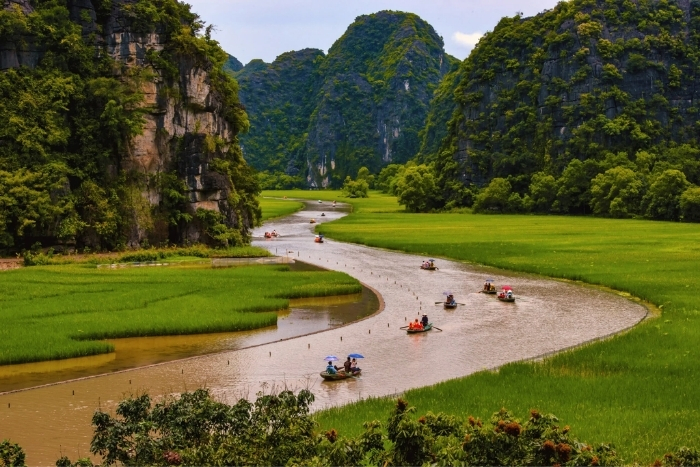
A boat ride is one of the best things to do in Ninh Binh. Two main options exist: Tam Coc and Trang An.
The Tam Coc boat tour departs directly from the town centre and lasts between 1.5 and 2 hours, at a price of around 250,000 VND per person (based on two people per boat). The ticket includes site entry and the services of a rower, who uses a unique technique - rowing with their feet rather than their arms. This option is perfect for families or travellers with limited time.
The Trang An boat tour, at a UNESCO-listed site, can only be explored by water, through a spectacular landscape of caves and karst formations. The site famously served as a filming location for Kong: Skull Island. Located approximately 10 kilometres from Tam Coc, tickets cost 300,000 VND per person based on four people per boat. Three routes are available, all taking 2.5 to 3 hours:
Route 1 (Caves & Culture): Passage through nine caves and visits to three historic temples.
Route 2 (Kong Island): Four caves, three temples, and a pass through the filming location of Kong: Skull Island.
Route 3 (The Quietest Route): Four caves including Dot Cave - the longest in the complex at nearly one kilometre - and three temples, including the peaceful Suoi Tien Temple.

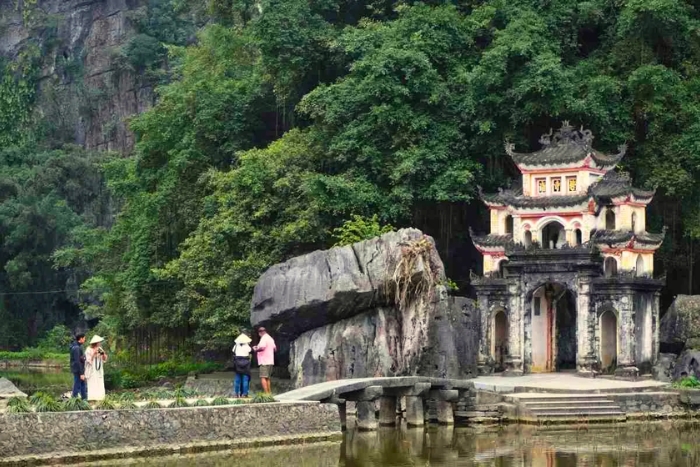
As highlighted in any comprehensive Ninh Binh travel guide, Bich Dong Pagoda (literally “the emerald cave”), located approximately 2.5 kilometres from Tam Coc, is built into the mountainside and seems to blend seamlessly with the surrounding landscape. The original site dates from the 15th century and was expanded in the 18th century. It comprises three tiered temples: the Ha Pagoda at the base, the Trung Pagoda at mid-level, and the Thuong Pagoda at the top, which offers the finest views. Admission is free, within opening hours (7:30 a.m.-4:30 p.m.).
Hoa Lu, the ancient capital of Vietnam in the 10th and 11th centuries, is home to temples dedicated to Emperors Dinh Tien Hoang and Le Dai Hanh, set in a remarkable karst landscape.
The Ninh Binh Bear Sanctuary, managed by the organisation Four Paws, shelters Asian black bears rescued from bile farms - a visit to book in advance for wildlife lovers.
Bai Dinh Pagoda, completed in 2010, is one of the largest religious complexes in Southeast Asia, with its enormous bronze Buddha and hundreds of Arhat statues.
Van Long Nature Reserve, 25 kilometres from Tam Coc, offers a more peaceful boat excursion, ideal for birdwatching and - with a little luck - spotting the Delacour's langur, one of the rarest primates in the world.
Finally, a simple walk through the countryside around Tam Coc allows you to cross paths with local residents, grazing animals and small authentic cafés tucked between the rice paddies.
Contrary to what the name might suggest, staying in Ninh Binh city itself is not recommended when travelling to Ninh Binh, one of the most consistent tips found in any Ninh Binh travel guide. The province actually offers two main accommodation hubs: Tam Coc and Trang An.
Tam Coc is the most popular choice. This small village, surrounded by rice fields and karst mountains, provides quick access to the region's main sites (Mua Cave, Bich Dong Pagoda, boat trips). Everything you need is on hand: restaurants, cafés, mini-markets and pharmacies, with a lively atmosphere in the evenings. For those seeking more tranquility, accommodations on the immediate outskirts of the centre (just a few minutes' walk away) offer a good balance between peace and convenience.
Trang An is an interesting alternative for travellers in search of more nature and quiet. Accommodations in this area are a bit further from the evening buzz and restaurants, but offer a more peaceful setting, closer to the karst landscapes.
Both areas have accommodation for all budgets, from charming bungalows to budget guesthouses and family-run homestays.
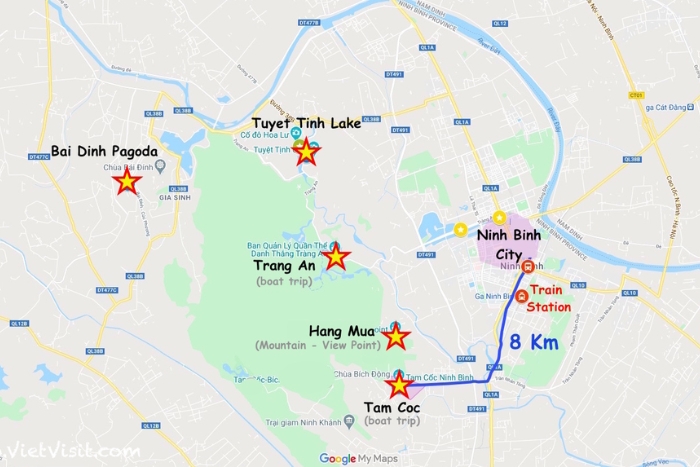
This Ninh Binh travel guide covers a destination that combines karst scenery, rice paddies, caves and historical heritage in a setting easily accessible from Hanoi. Between a boat tour on Trang An, climbing Mua Cave and visiting Bich Dong Pagoda, the province deserves at least two to three days to be fully appreciated, at a relaxed pace, by bike or on foot.
To plan your 2-week Vietnam itinerary, you can call on a specialised local agency. Autour Asia, a travel agency in Saigon, will help you design personalised itineraries in Vietnam, offering Vietnam travel tips to suit every traveller's profile, taking into account the seasons, desired pace and personal interests, for a seamless visit to Vietnam.


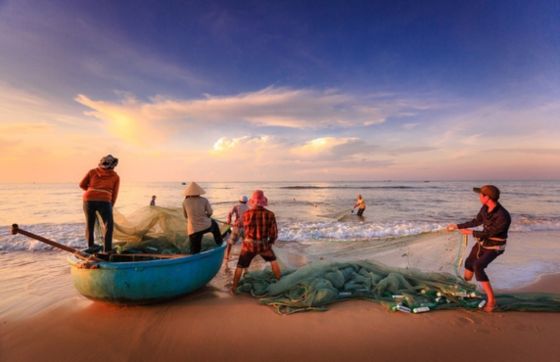
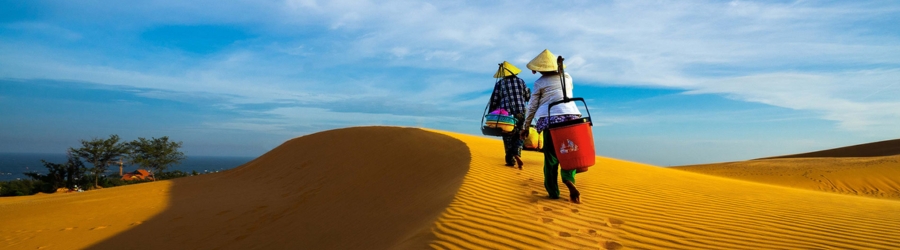
Phan Thiet, a coastal city in Binh Thuan Province, is best known for Mui Ne, an internationally renowned seaside destination. With its beaches, fishing villages, and desert-like sand dunes, the region offers a diverse range of landscapes rarely found elsewhere in Southeast Asia. In November, temperatures remain pleasant for exploring the coast, although occasional showers are still possible. Visiting Phan Thiet Mui Ne in November requires a little preparation to make the most of your stay. This complete guide covers the weather, must-see attractions, transportation options, and practical tips to help you plan your trip to Vietnam in November.
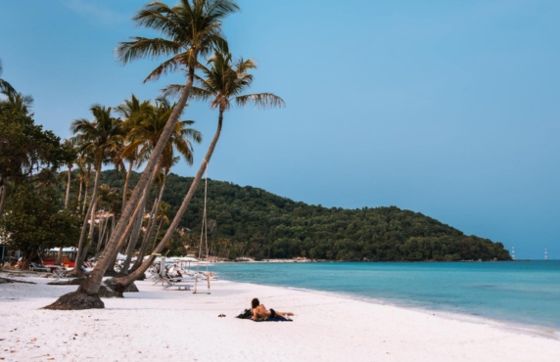
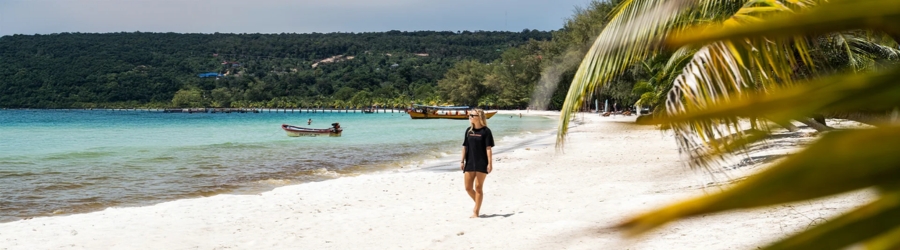
Vietnam’s beaches are best enjoyed at different times of the year, depending on the region. From the turquoise waters of the South to the long stretches of white sand in the Central region and tropical islands, each area has its own climate patterns. To better understand when to visit Vietnam, it is important to consider the weather conditions in each destination. The best time to visit beaches in Vietnam depends on region you choose as well as the activities you have planned. The best time to swim in Vietnam also varies according to rainfall, water temperature and sea conditions. Understanding the Vietnam beach season helps you choose destinations that match your travel dates and enjoy the coastline in good conditions.
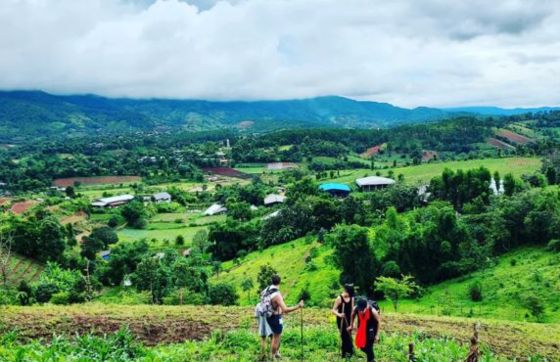
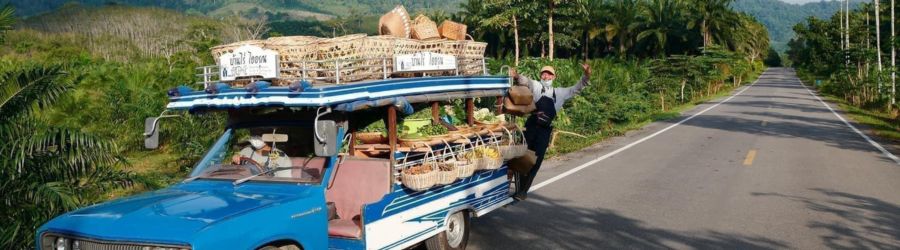
Discovering Thailand through its rice fields, plantations, and rural villages offers a different way to travel, far from traditional tourist circuits. But how can you choose the best agency for Thailand farm tours to enjoy authentic experiences with local communities? Several tour operators offer trips combining agriculture, gastronomy, and encounters with producers. Among them, Autour Asia is an option for travelers who want to personalize their itinerary. Known as Vietnam travel agency - Autour Asia, the company also offers tailor-made trips to several countries in Southeast Asia. With the local travel agency in Thailand - Autour Asia, travelers can explore a trip designed around their interests. Here are five organizations worth knowing, their distinctive features, and the essential criteria for planning a successful agricultural tour in Thailand.
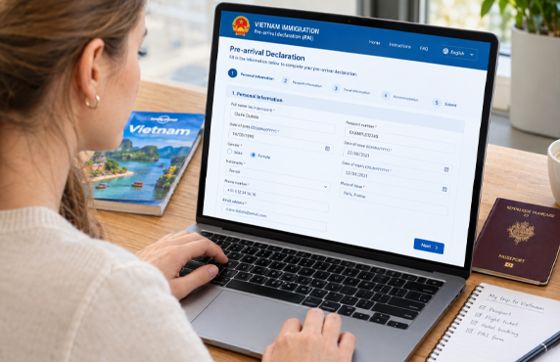
Planning a trip to Vietnam? Before packing your bags, take a few minutes to check the latest entry requirements and prepare the documents you may need at the airport.
Vietnam’s Pre-Arrival Information (PAI) system allows international travellers to submit selected personal, visa and travel details online before arriving in the country. After a successful submission, the system generates a QR code that travellers can save on their phones or print for use during immigration procedures. Although the online declaration is designed to help make arrival procedures smoother, travellers should understand when it applies, how to complete it correctly and which documents they still need to enter Vietnam.
In this practical guide, you will discover where to access the official PAI portal, what information to prepare, how to complete the declaration step by step, how to correct common mistakes and what to do when you arrive at the airport.
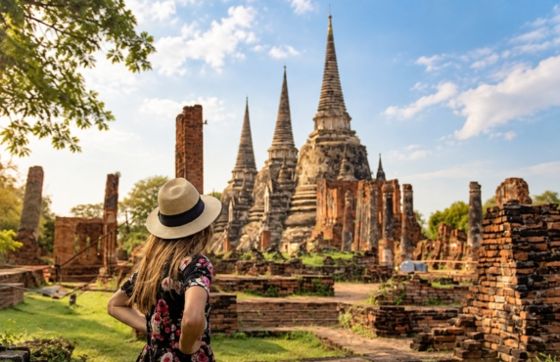
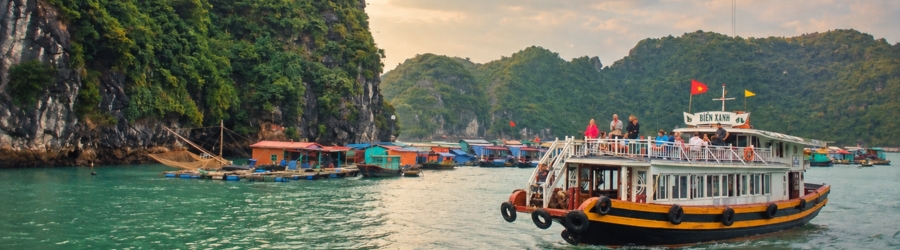
With its exotic landscapes, fascinating cultures and diverse experiences, Vietnam and Thailand are among the most popular destinations in Southeast Asia. However, safety remains an important criterion when planning your trip. So, how can you choose Vietnam or Thailand for a safe trip depending on the way you travel ? And is Vietnam safer than Thailand ? Each destination has its own characteristics and points to consider. In this article, Autour Asia helps you compare Vietnam and Thailand to better understand their differences and choose the destination that meets your expectations for your next trip to Asia.
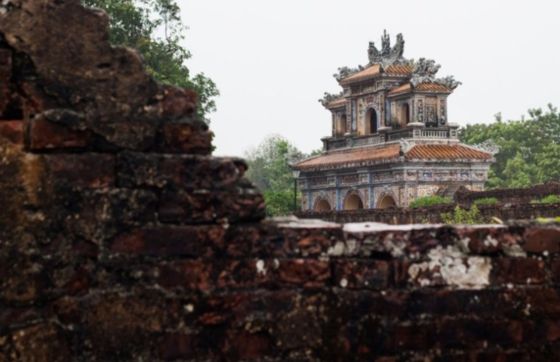
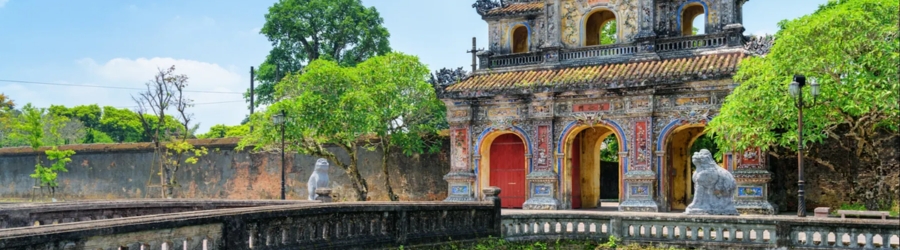
Planning a trip to Hue in November requires a little more flexibility than at other times of the year. Visiting Hue in November means experiencing the rainy season in central Vietnam, with prolonged showers and a risk of flooding. However, this period can also be an opportunity to explore the former imperial capital’s royal heritage, pagodas and renowned cuisine in a quieter atmosphere. The key is to choose your activities carefully, prepare alternative plans and check the weather conditions before setting out.
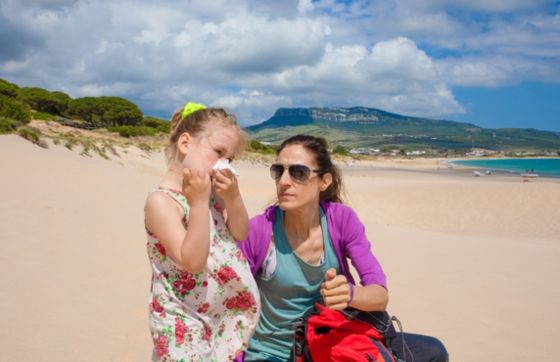
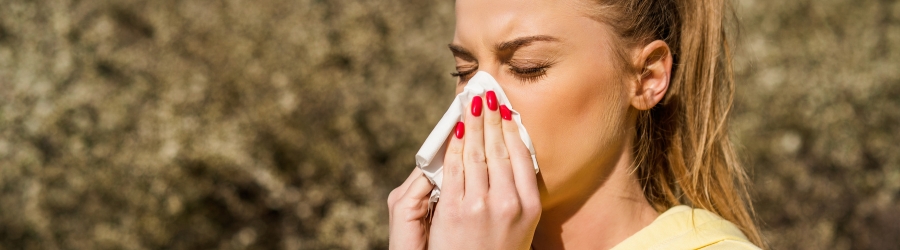
When travelling in Cambodia, some everyday habits may raise questions about local customs. Is blowing your nose in public considered polite? How should you behave in restaurants, on public transport or during a visit? These small details matter when you want to respect the local culture. Discover how to manage blowing your nose in Cambodia discreetly, along with practical tips on using tissues during your trip. Autour Asia, Cambodia travel agency, helps you discover local customs with advice tailored to travellers. From Cambodia travel etiquette to personal hygiene and everyday situations, a few simple guidelines can make your journey more comfortable. In Phnom Penh, Siem Reap or Kampot, understanding local customs helps you avoid awkward moments while making the most of your stay.
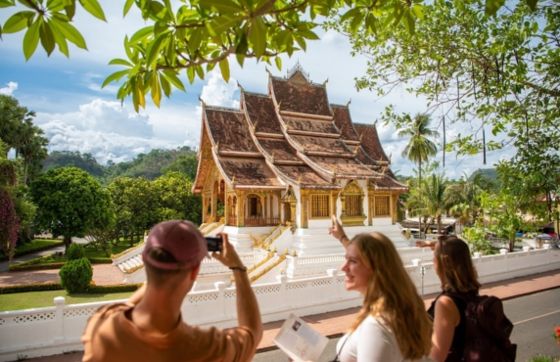
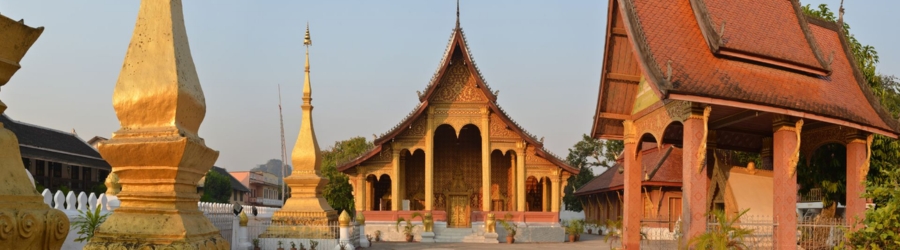
Blow your nose in Laos is not necessarily considered rude, but it is best to do so discreetly, especially in quiet places or during meals. If you have a cold, use a clean tissue and avoid blowing your nose loudly in public. In temples and other places of worship, respect the peaceful atmosphere and local customs. If you need to blow your nose frequently, step away from others for a moment whenever possible. Finally, dispose of used tissues in a rubbish bin. These simple habits will help you observe good manners during your trip to Laos.



 FR
FR EN
EN