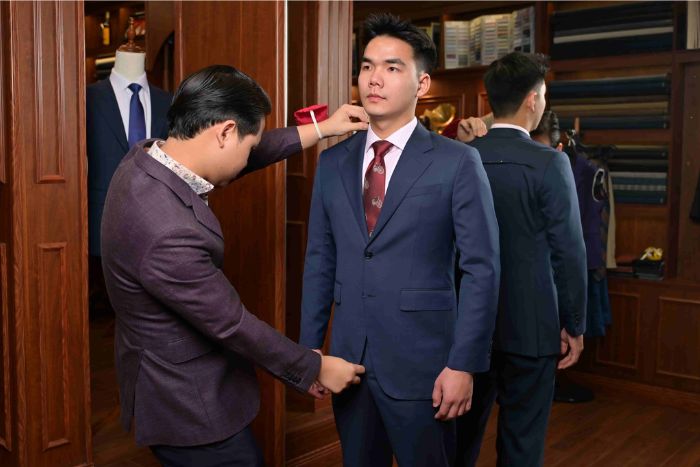
Hanoi rewards travelers who slow down. Beyond the temples, the lake, and the pho counters, the Old Quarter still holds pockets of craftsmanship that have quietly persisted for generations - lacquer workshops, silver engravers, silk weavers, and tailoring houses that operate with the same patience as the city's older trades.
Bespoke tailoring fits naturally into this quieter cultural layer. Stepping into an atelier here is less like shopping and more like sitting with a craftsman who happens to make clothes. There is conversation about how the suit will be worn, where it will travel, and what climate it will live in. Fabric books come out. A shoulder is measured twice. A jacket from a previous client hangs nearby as a reference for drape. What stands out is how personal and surprisingly unhurried the experience can feel. The process often becomes part of the rhythm of exploring Hanoi itself - a morning fitting between an espresso and a museum visit, a final adjustment on the way back from the lake.
Travelers tend to remember it because it sits at the intersection of several rare things:
Travelers familiar with Savile Row or Milanese tailoring often arrive in Hanoi with cautious expectations. What surprises many of them is how balanced the experience feels - quick enough to fit into a short itinerary, yet thorough enough to deliver real bespoke construction.
A few qualities define this difference:
Some Hanoi ateliers deliver a level of personalization usually associated with far more expensive tailoring capitals. The speed feels efficient rather than rushed: a master cutter still studies posture, still discusses fabric weight for the wearer's climate, still adjusts the silhouette across two or three fittings. The result is tailoring that respects the traveler's schedule without sacrificing the details that separate a real bespoke suit from anything off-the-rack.
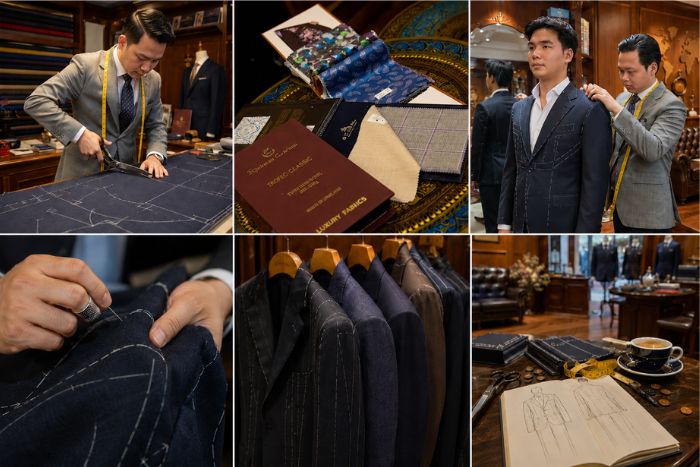
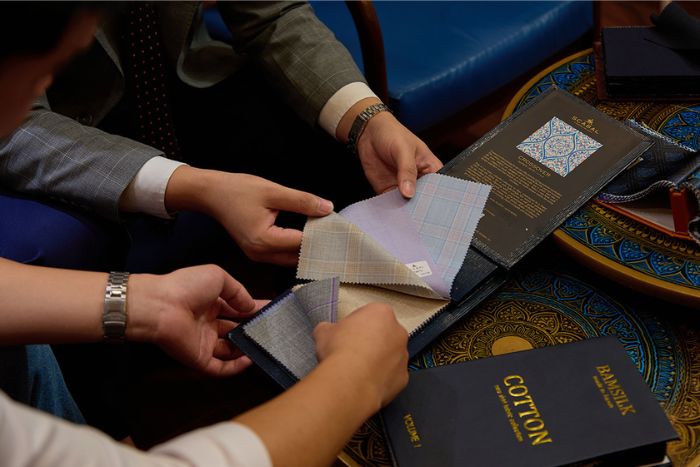
The experience usually begins with fabric. A tailor will lay out swatch books - worsted wools for business, lighter hopsacks and fresco weaves for warmer climates, finer Super 120s and 150s for occasion wear. Rather than steering toward the most expensive cloth, a good Hanoi tailor asks where and how the suit will be worn. A wedding in Bali calls for a different weight than a boardroom in London.
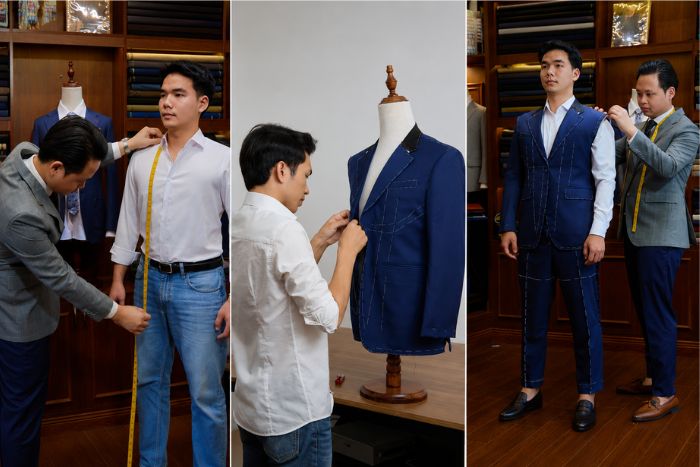
Then comes the human side of measurements. Posture is read carefully - one shoulder often sits lower than the other, the chest may tilt slightly forward, the trouser break depends on the client's preferred shoes. Sleeve pitch, jacket balance, and the seat of the trousers are noted in detail. These small observations are where craftsmanship quietly reveals itself.
The first fitting is often the most revealing. The suit appears in a basted state - chalk marks visible, sleeves loosely attached, lining still exposed. It looks unfinished because it is meant to be. The tailor walks around, marks adjustments, asks the client to sit, raise an arm, button the jacket. By the second fitting, the silhouette has tightened. By the final fitting, the garment moves with the body rather than against it. The process feels noticeably more collaborative than transactional. The difference often appears in subtle refinements rather than dramatic changes - half a centimeter at the waist, a softer shoulder, a slightly cleaner collar roll.
Bespoke tailoring, at its best, is a portrait. Every decision - the width of the lapel, the depth of the gorge, the choice of horn buttons, the color of the lining - reflects something about the person wearing it. In Hanoi, those decisions tend to be discussed rather than dictated. A skilled tailor will ask questions that go beyond measurements: How do you usually sit at work? Do you carry a phone in your jacket? Do you prefer to button the jacket when standing? The answers quietly shape the construction. A client who travels often may receive a lighter canvas and a more forgiving drape. A client who attends evening events may choose a softer shoulder and a subtle satin facing on the lapel.
What makes personalization feel different here is the atmosphere. Some ateliers balance professionalism with a surprisingly relaxed environment - warm lighting, neatly stacked fabric books, the soft hum of a sewing machine in the back, and the contrast of Old Quarter traffic muted just beyond the door.
Explore tailor in Hanoi, the emotional value tends to outlast the trip. Travelers describe a shift in posture the first time they put on the finished jacket - a quiet kind of confidence that comes from wearing something built around their own frame. The final garment tends to reflect not only measurements, but personality, lifestyle, and a few days spent in a city that still values doing things by hand.
Choosing a tailor in Hanoi requires a little more than scrolling through star ratings. The right atelier reveals itself in the way it handles the first conversation, not the final invoice.
What to look for:
Red flags worth noticing:
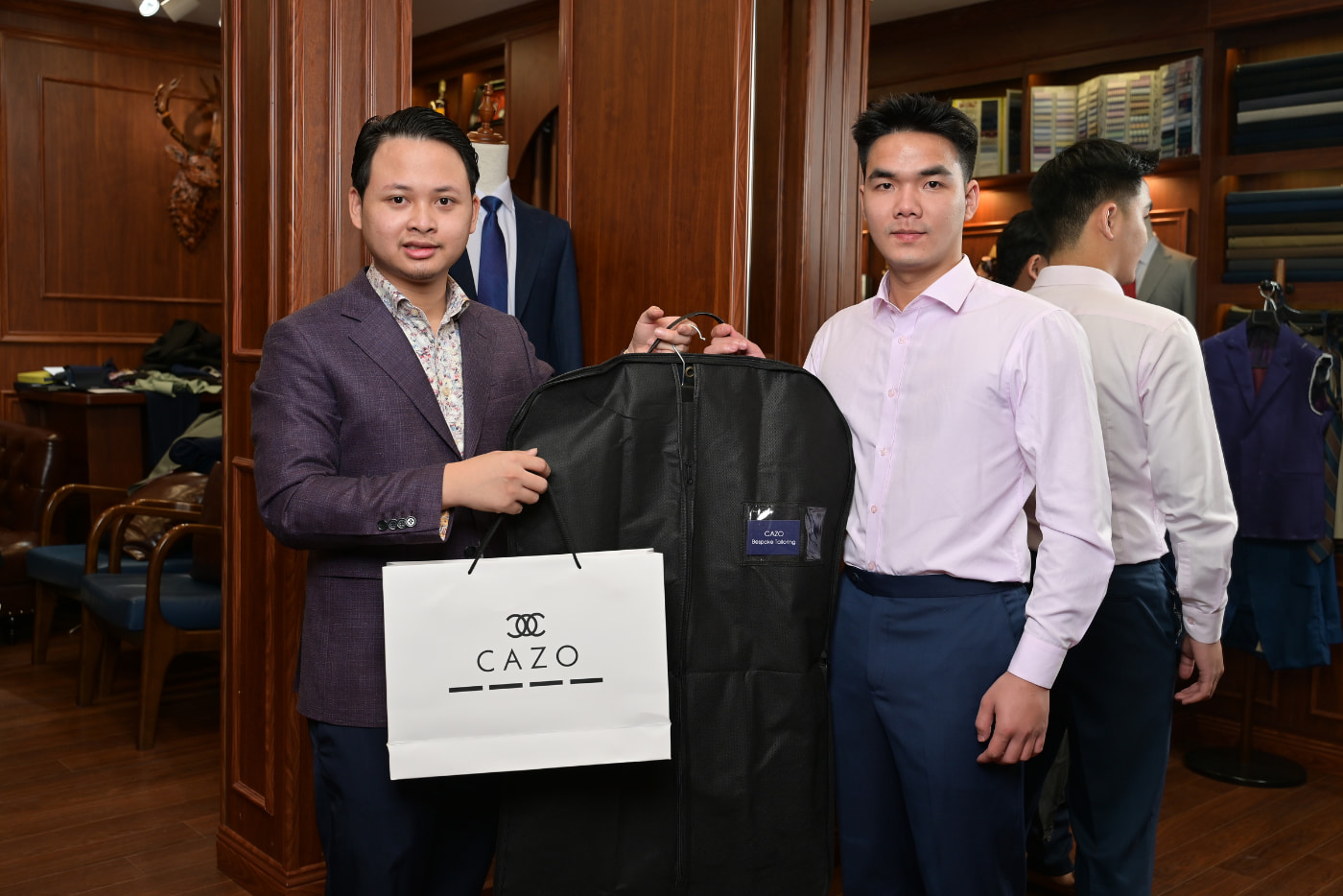
Among Hanoi's many tailoring houses, Cazo Tailor stands out for a more structured and detail-oriented approach. Located within walking distance of the Old Quarter, the studio is built around conversation first - understanding personal style, intended use, climate at the destination, and the small details that make a suit feel right rather than simply correct. From the number of working buttonholes on the cuff to the curve of the lapel belly, the construction is discussed in granular terms.
The atelier is staffed by experienced hand-finishers, and the consultation process feels polished without becoming overly formal. What many travelers appreciate is the balance between relatively quick turnaround times and thoughtful refinement - useful for visitors who only have a few days in the city. For travelers on a tight itinerary, it's worth reaching out through the Cazo Tailor website in advance to book a fitting slot and share rough requirements before arrival. A fast-service option is available for short stays, and finished garments can be shipped internationally if the trip ends before the final fitting. The result is an experience that feels approachable for first-time bespoke clients without losing the quiet professionalism that defines the craft.
Long after the trip ends, the suit often becomes a quiet reminder of wandering through Hanoi's Old Quarter - the smell of fabric warmed by afternoon light, the steady measure of a tailor's chalk, the sound of a sewing machine running somewhere behind a curtain. A bespoke suit made in Hanoi is rarely just a garment. It carries the conversation that built it, the fittings scheduled between street food and museum visits, the small refinements that made the final silhouette feel like a portrait rather than a product. For many travelers, the experience becomes more memorable than the garment itself - and the garment lasts for years.
Among the contenders for the best tailor in Hanoi, Cazo Tailor stands out for its structured yet approachable bespoke experience. A well-made suit, after all, often feels less like a purchase and more like a lasting reminder of time spent in a city worth slowing down for.


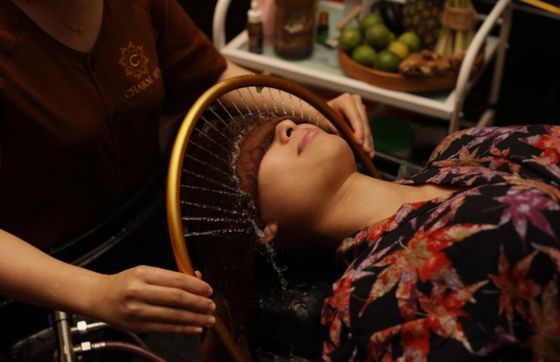
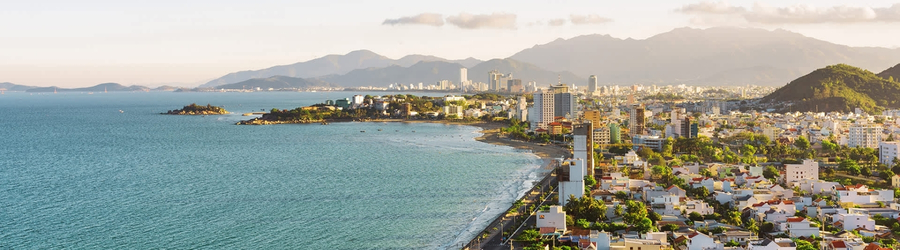
Nha Trang is a coastal paradise, but days spent island-hopping and walking along Tran Phu beach can leave your body craving care. To help you recharge, we have curated the ultimate guide to finding the best spa in Nha Trang. Whether you need an authentic Vietnamese body treatment at a top-rated Nha Trang massage spa or the best foot massage in Nha Trang to soothe your tired soles after a long flight, we have you covered. Discover the finest spots for a relaxing spa massage Nha Trang Vietnam has to offer and indulge in the ultimate wellness experience.
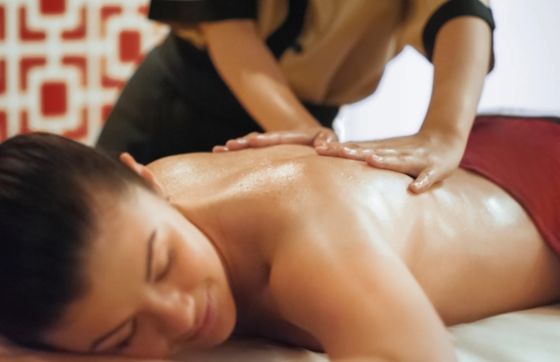
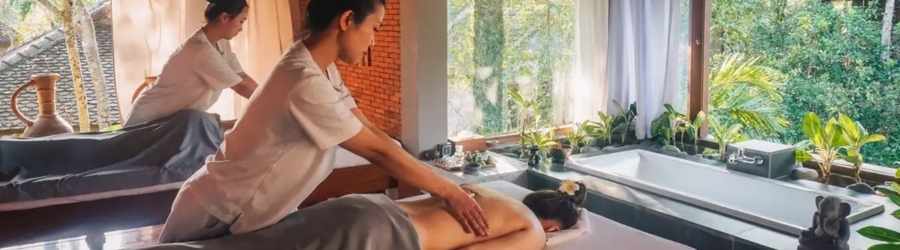
Hue is an imperial city in Vietnam that holds its wellness secrets close. Nestled between ancient temples and the Huong River, spa massage in Hue offers a relaxation experience that feels truly one of a kind in Southeast Asia. Travelers wondering what to do in Hue beyond the historic landmarks quickly discover a local wellness scene that is growing fast. Massage spots in Hue blend traditional Vietnamese techniques, aromatic herbal treatments, and softly lit atmospheres that set them apart from anywhere else. This guide by Autour Asia, Vietnam local travel agency, picks the top 5 addresses to unwind after a full day of sightseeing, leaving you feeling light in body and calm in mind.
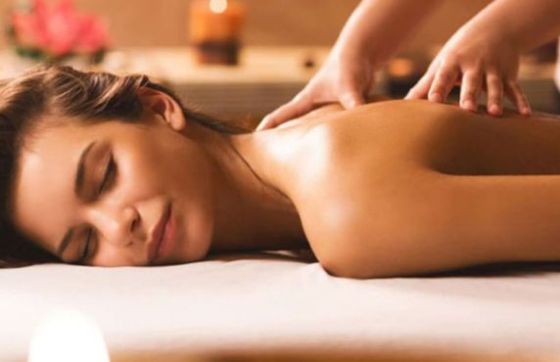
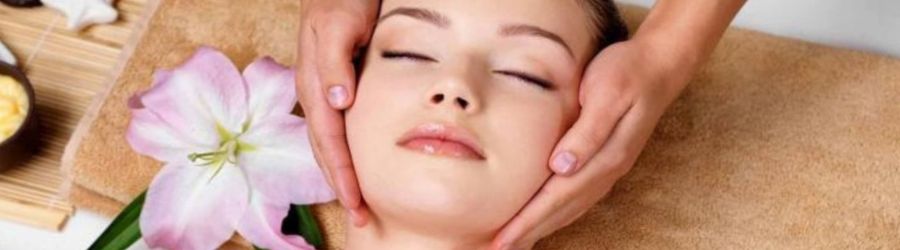
Located in the northwest of Vietnam, Dien Bien province attracts travelers with its mountainous landscapes and fascinating history. After a day of exploration, many visitors look for a moment of relaxation in the best spas and foot massages in Dien Bien. These establishments offer an ideal wellness break to recover after long journeys or cultural visits. Traditional massages, relaxing treatments, and herbal baths are among the experiences to discover in this region that remains largely untouched by mass tourism. In a Vietnam travel diary, these places are often recommended to enjoy a relaxing pause while discovering Vietnamese hospitality, especially with the support of Vietnam travel agency - Autour Asia.
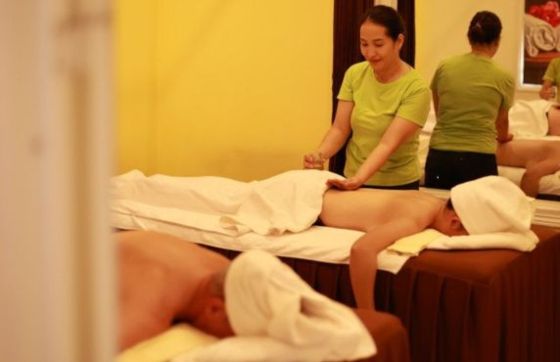
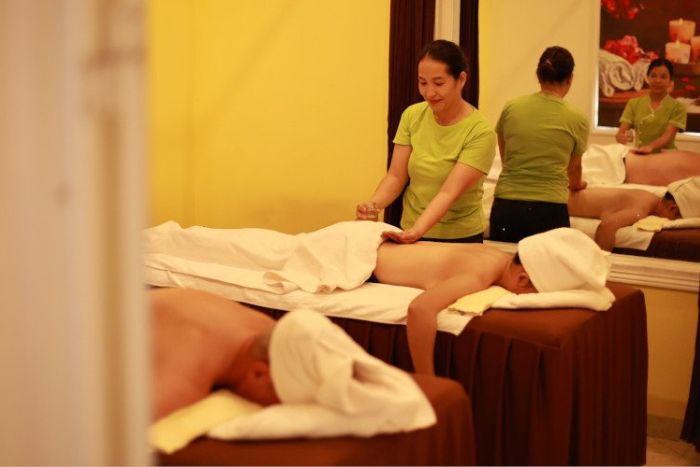
Want to pamper yourself after a day of sightseeing or shopping? This article introduces the top Spa massages & foot massages in Hoi An — trusted, top-rated, and currently operating venues. Whether you love traditional massages, herbal therapies, aromatic experiences, or luxurious spas, each featured salon combines professional expertise, a relaxing atmosphere, and attentive service. For the best stay in Hoi An, Vietnam travel agency – Autour Asia can recommend these addresses, book treatments for you, and even create a personalized spa itinerary. Get ready to unwind and take care of yourself in these peaceful havens at the heart of the Old Town.
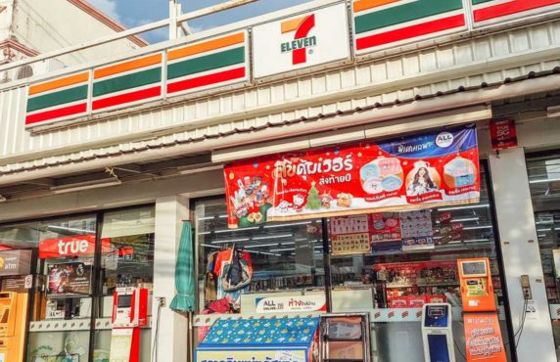

"Where to find a 24/7 grocery store in Thailand?" When traveling in Thailand, convenience is essential, especially when hunger or last-minute needs strike in the middle of the night. Fortunately, the country is full of 24/7 convenience stores where travelers can shop for groceries, buy snacks, drinks, or even hygiene products at any time. These small shops are scattered everywhere, from big cities to tourist islands, offering a quick and affordable solution at any time of the day or night. To plan your routes and know exactly where to find these stores, you can rely on the Thailand travel company - Autour Asia, an expert in practical itineraries and great tips for French-speaking travelers
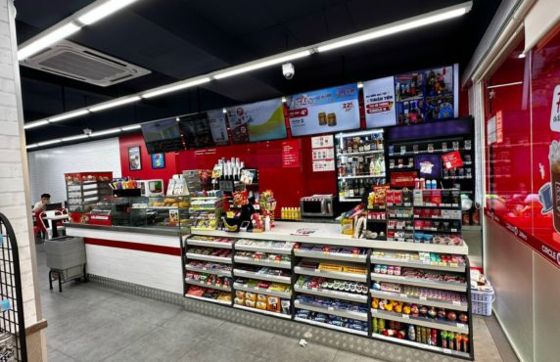

Traveling in Vietnam always comes with surprises. Between colorful markets, fragrant street food, and the warm hospitality of locals, it’s easy to feel at home quickly. But for both travelers and residents, convenience is essential. That’s why finding a 24/7 grocery store in Vietnam quickly becomes a daily habit - whether to grab a bottle of water late at night or a snack before catching an early bus. These modern and accessible shops perfectly complement traditional markets. Thanks to the guidance of Vietnam travel agency – Autour Asia, it has become even easier to identify the best grocery 24/7 in Vietnam for safe and effortless shopping anytime.
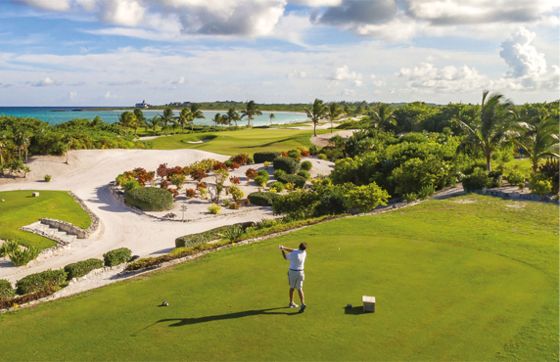
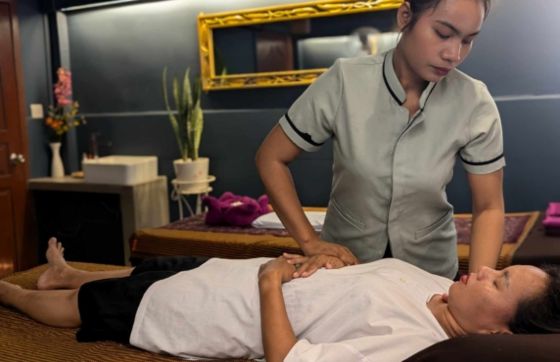

If you come to Battambang, you can find a little time to rest and smile. There are simple and pretty places where you can feel softness and forget a bit about the heat. The top massage and foot spa in Battambang is not only to relax the body but also to give you a little happiness in the day. You can find a massage and spa Battambang where the air smells nice and the hands are gentle, making every minute feel slow and calm. There is also the traditional Khmer massage Battambang that tells an old story through each touch and makes your muscles lighter. In these best massages in Battambang, you may meet kind people, drink hot tea, listen to quiet music, and leave with a soft smile.



 FR
FR EN
EN