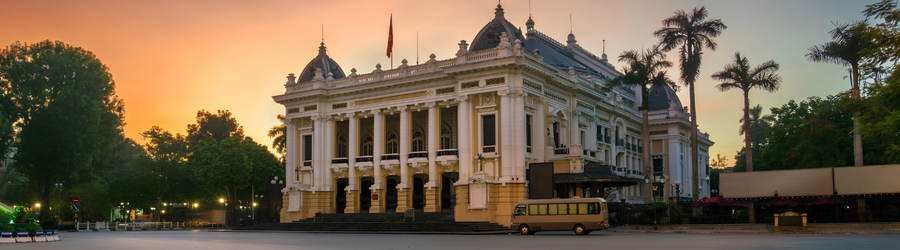
Located in the heart of Vietnam’s capital, the Hanoi Opera House is one of the city’s most iconic cultural and architectural landmarks. Built during the French colonial period, this elegant building has become an essential stop for travelers interested in Hanoi’s history and performing arts. But what can you actually see during a visit? Is visiting Hanoi Opera House possible without attending a show, and is a Hanoi Opera House tour worth adding to your itinerary? In this guide, discover the history, architecture, cultural significance and practical information you need to make the most of your visit to the Hanoi Opera House Vietnam.
The Hanoi Opera House is one of the most iconic historical landmarks in Vietnam’s capital. Built between 1901 and 1911 during the French colonial period, it was designed as a venue for Western-style performances. Today, the Hanoi Opera House Vietnam remains an important symbol of Hanoi’s cultural heritage and continues to host concerts, theatre, dance and other artistic events.
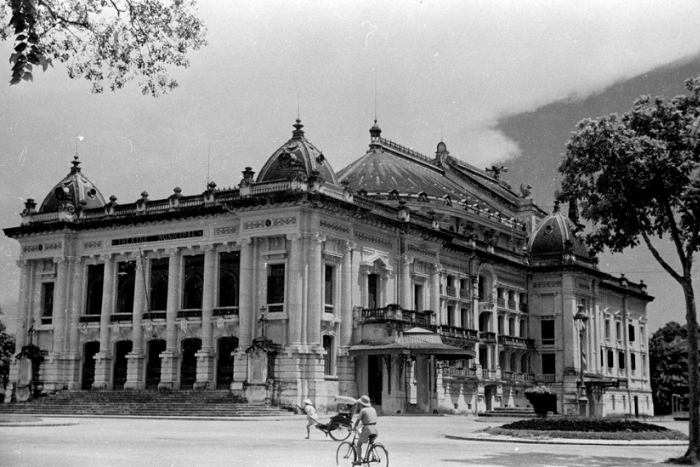
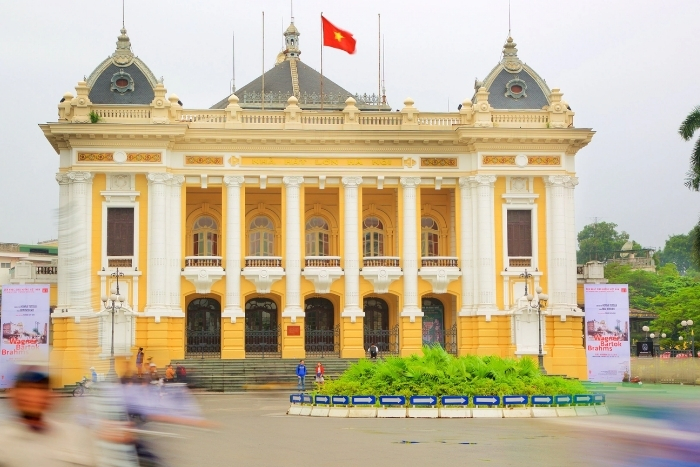
The architecture of the Hanoi Opera House was inspired by European theatres, particularly the Palais Garnier in Paris. Its grand façade features classical columns, balconies and decorative details, creating an elegant and impressive appearance. Inside, visitors can admire the grand staircase, chandeliers, ornate decorations and beautifully designed auditorium. These details reflect the influence of French architecture while giving the building its distinctive character. Beyond its architectural value, the Opera House remains an important cultural venue in the city. Its stage regularly hosts Vietnamese and international performances, from classical concerts and opera to ballet, theatre and contemporary shows. For travelers interested in history and culture, visiting Hanoi Opera House is a great way to discover both Hanoi’s architectural heritage and its vibrant artistic scene.
One of the first things to admire when visiting Hanoi Opera House is its impressive exterior. Inspired by European theatres, the building features a grand symmetrical façade with classical columns, balconies, arched windows and elegant decorative details. Its distinctive yellow-and-white appearance makes it one of the most recognizable landmarks in central Hanoi and a popular spot for photographs.
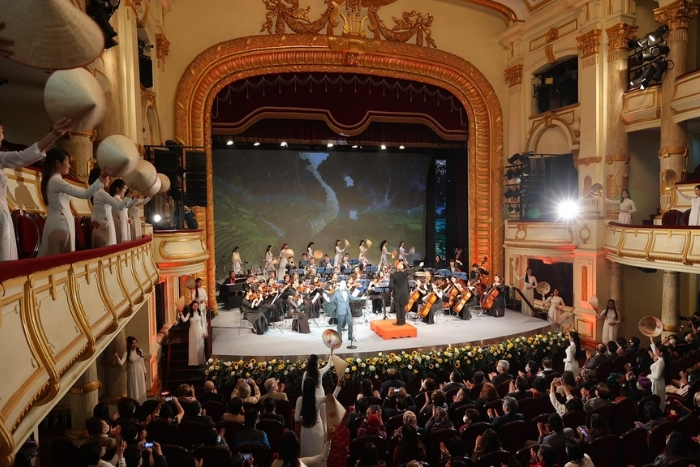
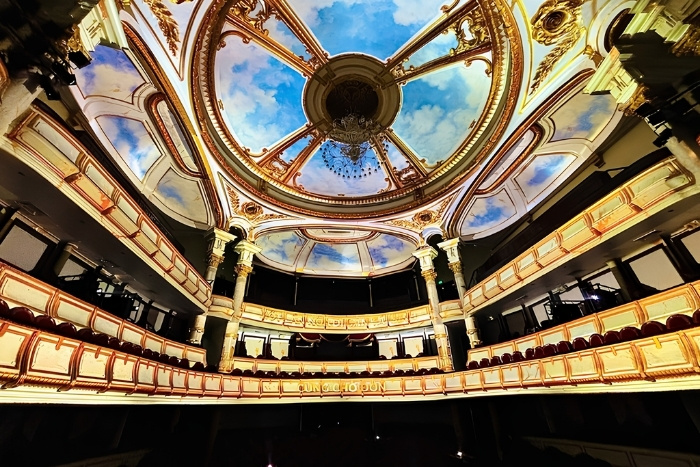
The interior of the Hanoi Opera House is just as impressive as its exterior. Inside, visitors can admire the grand staircase, elegant corridors, chandeliers and carefully designed decorative elements that reflect the building’s European influences. The main auditorium is the highlight, featuring a beautifully decorated stage, balconies and comfortable seating arranged in a traditional theatre style. The combination of architectural details and artistic decoration creates an elegant atmosphere that reflects the Opera House’s historical importance.
The Hanoi Opera House is more than a historical monument; it remains an active cultural venue in Hanoi. Throughout the year, it hosts a variety of artistic performances, including classical concerts, opera, ballet, theatre and contemporary Vietnamese shows. For travelers looking for a deeper cultural experience, attending a performance can be an excellent way to appreciate the atmosphere of this historic venue. Depending on the program, visitors may also have the opportunity to discover Vietnamese performing arts in a unique and prestigious setting. If you are wondering what to see at Hanoi Opera House, the combination of its elegant architecture, impressive auditorium and cultural performances makes it well worth adding to your Hanoi itinerary.
It is possible to admire the Hanoi Opera House from the outside at any time of day, making it an easy stop for travelers who want to appreciate its impressive colonial architecture and take photos. However, access to the interior may be subject to the venue’s schedule, performances and special events. If you want to explore the auditorium and other interior spaces, you may need to attend a performance or join a guided visit when tours are available.
The conditions for visiting Hanoi Opera House can vary depending on the cultural program and events taking place at the venue. If you plan to attend a show, ticket prices and schedules depend on the performance you choose. It is therefore recommended to check the official program in advance and book your tickets when necessary.
The Hanoi Opera House is located at 1 Trang Tien Street, Hoan Kiem District, in the heart of Hanoi. Its central location makes it easy to combine with other attractions. From Hoan Kiem Lake, it takes only a few minutes on foot to reach the building. You can also get there by taxi, ride-hailing service or public transportation, depending on your starting point. Thanks to its convenient location, a Hanoi Opera House tour can easily be included in a day exploring central Hanoi.
One of the advantages of visiting Hanoi Opera House is its central location. After exploring this iconic landmark, you can easily discover several of Hanoi’s most interesting attractions nearby.
The French Quarter in Hanoi is one of the best places to explore after visiting the Hanoi Opera House. Located around Trang Tien Street and several nearby avenues, this historic district is known for its elegant colonial buildings, wide tree-lined streets and distinctive European atmosphere. A walk through the French Quarter allows you to discover a different side of Hanoi, away from the narrow streets and busy atmosphere of the Old Quarter. Along the way, you can admire historic villas, government buildings, luxury hotels and beautifully preserved architectural details dating from the French colonial period.
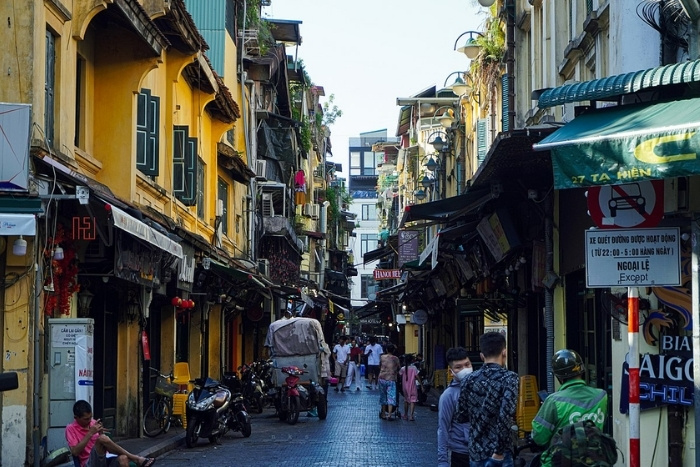
Trang Tien Street is particularly worth exploring, with its cafés, restaurants, bookstores and boutiques. It is also a pleasant area for a leisurely walk, especially in the morning or late afternoon when the weather is more comfortable. The French Quarter is located just a few minutes from the Hanoi Opera House, so the two attractions can easily be visited together. After exploring the Opera House, you can continue on foot through the surrounding streets and discover some of Hanoi’s most impressive colonial architecture. For travelers interested in history, architecture and photography, exploring the French Quarter is an excellent addition to a Hanoi Opera House tour and a convenient way to experience the cultural character of central Hanoi.
Just a few minutes walk from the Hanoi Opera House, Hoan Kiem Lake is one of the most famous landmarks in the city center. Surrounded by leafy streets and historic buildings, the lake offers a relaxing contrast to the busy atmosphere of Hanoi. A walk around the lake is a simple way to experience the local atmosphere while discovering several cultural landmarks nearby. One of the most recognizable sights is Ngoc Son Temple, located on a small island in the northern part of the lake and connected to the shore by the iconic red Huc Bridge. The area is particularly lively in the early morning and evening, when local residents come to exercise, walk or spend time with friends and family.

Hoan Kiem Lake is also a convenient starting point for exploring other attractions in central Hanoi. From here, you can easily continue towards the Old Quarter, the French Quarter or Trang Tien Street. The surrounding streets also offer plenty of cafés, restaurants and shops where you can take a break during your sightseeing. Because of its close proximity, adding Hoan Kiem Lake to your itinerary is an easy choice after visiting Hanoi Opera House. Together, these landmarks allow travelers to discover both the historical architecture and everyday atmosphere of Vietnam’s capital.
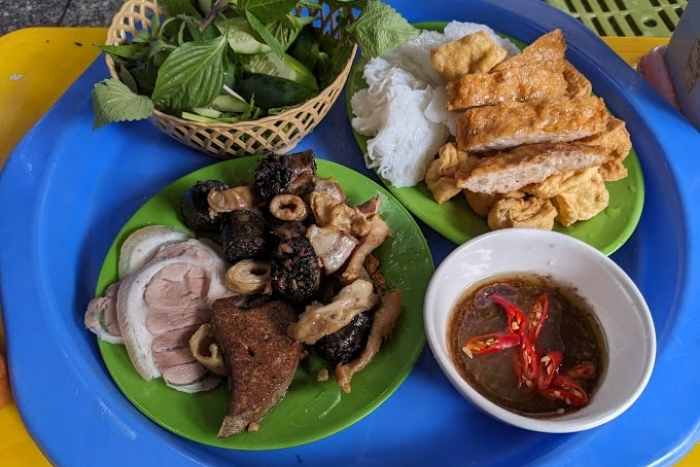
After visiting Hanoi Opera House, you can easily find plenty of places to eat and enjoy local Vietnamese cuisine in the surrounding area. Thanks to its central location, the Opera House is close to several popular streets and neighborhoods with restaurants, cafés and food stalls. For a taste of traditional Vietnamese food, travelers can look for local restaurants around Trang Tien Street and the nearby Hoan Kiem Lake area. Popular dishes to try include pho, bun cha, banh mi and Vietnamese rice dishes. These are convenient options if you want to enjoy a quick local meal before continuing your sightseeing.
The area is also well known for its cafés and dessert shops. You can stop for a Vietnamese coffee, including the famous egg coffee, or enjoy a sweet treat while taking a break from exploring central Hanoi. Trang Tien Street and the streets around Hoan Kiem Lake offer many choices within walking distance of the Hanoi Opera House. For a more atmospheric experience, consider exploring the nearby streets in the evening, when restaurants and cafés become livelier. Whether you are looking for a quick snack, a traditional Vietnamese meal or a relaxing coffee break, there are plenty of options close to the Opera House. Combining a meal with your Hanoi Opera House tour is an easy way to make the most of your time in central Hanoi.
To make the most of your visit to the Hanoi Opera House, a few practical tips can help you plan your experience and avoid any unpleasant surprises.
The Hanoi Opera House is more than an impressive colonial-era building; it is an important symbol of Hanoi’s history, architecture and cultural life. From its elegant European-inspired façade to its beautifully decorated interior and diverse artistic performances, the Opera House offers travelers a glimpse into another side of Vietnam’s capital. Visiting Hanoi Opera House can easily be combined with exploring the French Quarter, Hoan Kiem Lake and other attractions in central Hanoi. Whether you admire it from outside, join a Hanoi Opera House tour or attend a performance, this historic landmark is well worth adding to your Hanoi itinerary. Together with Autour Asia - Vietnam travel agent, continue exploring the incontournables Hanoi and discover more of what Vietnam’s capital has to offer.










 FR
FR ITA
ITA