Vietnamese coffee is undoubtedly one of the most iconic Vietnamese drinks. Prepared using a traditional filter called a phin, it is slowly brewed, revealing a deep and intense flavor that is very different from Western-style coffee.

The most popular version is cà phê sữa đá, a black coffee mixed with sweetened condensed milk and served over ice. This contrast between bitterness and sweetness makes it a perfect drink for Vietnam’s tropical climate. When considering “what to drink in Vietnam?”, you will also find variations such as iced black coffee (cà phê đen đá), the famous egg coffee (cà phê trứng), a specialty of Hanoi, or Vietnamese salted coffee (cà phê muối).
Drinking coffee in Vietnam is not just about consumption: it is a moment of pause, a way to observe local life and experience the rhythm of the country.
Among the answers to “what to drink in Vietnam?”, tea holds an essential place. Present across all generations, it is an integral part of traditional Vietnamese drinks.

Trà xanh (green tea) is the most common, often served hot and without sugar. Light and slightly bitter, it accompanies meals and social gatherings. Vietnam also offers flavored teas such as lotus tea or jasmine tea, associated with more refined and traditional moments.
In everyday life, this tea culture continues on the streets with trà đá vỉa hè. Served on small plastic stools, this iced tea has become a true social ritual. More than just a drink, it represents sharing and conviviality at the heart of Vietnamese urban life.
Herbal juices are among the most surprising Vietnamese drinks and are often associated with healthy lifestyle trends. They perfectly match travelers who look for natural beverages when wondering “what to drink in Vietnam?”.
Nước rau má (pennywort juice) is fresh, plant-based, and highly refreshing. Despite its intense green color, it is widely appreciated for its cooling effects and health benefits.

Nước sâm bí đao (winter melon drink) is a very popular traditional beverage among refreshing Vietnamese drinks. Made from wax gourd boiled with herbs and sometimes lightly sweetened, it is served cold and is extremely thirst-quenching. Its taste is mild, light, and natural, making it an ideal drink during hot weather.

Widely available on streets, markets, and in Vietnamese households, it is often consumed for its cooling and balancing properties. Simple yet authentic, it reflects the natural and traditional dimension of local beverages.
These natural drinks are part of the growing trend of healthy Vietnamese drinks and are increasingly popular among travelers seeking authenticity.
Trà chanh is a simple yet essential drink for Vietnamese youth. Very common in cities, it is one of the most social and convivial Vietnamese drinks.
Made from green or black tea, fresh lemon, sugar, and ice, it offers a perfect balance between acidity and sweetness.

Beyond its recipe, trà chanh is above all a cultural phenomenon. Young people gather for hours to chat on lively street corners, especially in Hanoi, where “trà chanh chém gió” has become a true urban tradition.
Among the most typical traditional Vietnamese drinks in Hanoi, nước sấu holds a special place.
Made from the sấu fruit (dracontomelon), this beverage is prepared by soaking the fruit in sugar and sometimes adding ginger. The result is a uniquely flavored drink that is tangy, slightly sweet, and very refreshing.

When asking “what to drink in Vietnam?”, nước sấu served with ice is especially popular during hot summer days. It is easily found at street stalls or sold in bottled form in local markets. Beyond its taste, it is a drink deeply connected to the memory and culture of Hanoi, often associated with the daily life of its residents.
Avocado smoothie is a surprising drink for those discovering Vietnamese drinks. Unlike Western habits, avocado is used here in sweet preparations.

Blended with sweetened condensed milk, fresh milk, and ice, it becomes a creamy drink, almost like a dessert. So, what to drink in Vietnam? Very popular at street stalls, the avocado smoothie is both nourishing and refreshing, making it ideal for hot days in Vietnam.
If you are wondering “what to drink in Vietnam?”, trà sữa, or Vietnamese bubble tea, is today one of the most popular Vietnamese drinks among young people.

Inspired by Taiwanese bubble tea, it is made with black or green tea, milk, sugar, and ice, and served with tapioca pearls or jelly toppings.
Available in many flavors (matcha, taro, tropical fruits, etc.), it has become a modern and highly social drink, reflecting Vietnam’s urban youth culture.
Nước mía is an essential street drink when asking “what to drink in Vietnam?” during hot weather.

Freshly pressed from sugarcane, it delivers a naturally sweet and highly refreshing juice, often enhanced with lime or kumquat.
Simple, affordable, and extremely popular, sugarcane juice is one of the most authentic everyday experiences in Vietnamese life.
Coconut water is one of the most natural and highly appreciated Vietnamese drinks. Served directly inside the coconut, it is perfect for rehydrating under the tropical climate.

Lightly sweet and rich in minerals, it is ideal after a hot day. You can also enjoy the soft coconut flesh inside.
Available everywhere—from beaches to local markets—it symbolizes the simplicity and freshness of life in Vietnam.
Sữa đậu nành is a very popular traditional beverage among Vietnamese drinks, commonly consumed both in the morning and in the evening. Made from soaked soybeans that are blended and filtered, it can be served hot or cold, often lightly sweetened. Mild and nutritious, it is appreciated for its simplicity and health benefits.

Vietnamese soy milk is easily found on the streets, sold by mobile vendors and often paired with small Vietnamese pastries. It is an everyday drink, both affordable and deeply rooted in local culture.
Exploring Vietnamese drinks is ultimately a different way of traveling through Vietnam. Behind every cup of coffee, every glass of trà chanh, or every sugarcane juice lies a moment of daily life, an atmosphere, and a human encounter. Whether you are a fan of strong flavors, natural beverages, or modern recipes, Vietnam offers a unique diversity that surprises and delights at every stage of the journey. To fully experience this and discover the country through its culinary culture and local traditions, you can rely on tailor-made travel experts such as AUTOUR ASIA, a travel agency in Vietnam.


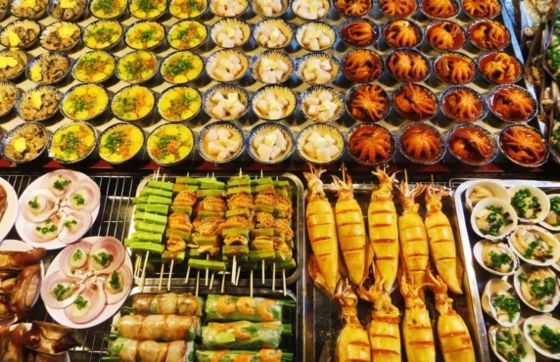
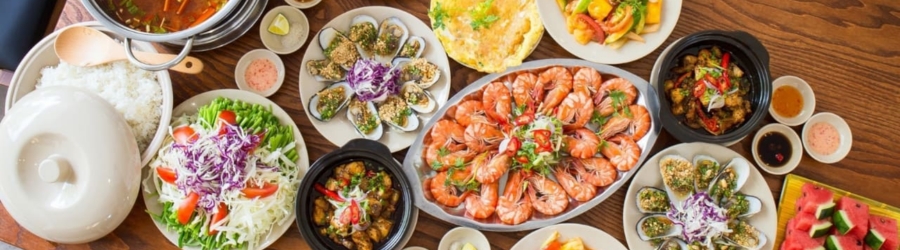
Wondering what to eat in Phu Quoc is one of the first questions travelers ask when exploring the island through its local flavors. The specialties in Phu Quoc reflect a unique combination of coastal traditions, fresh seafood, locally caught fish, and handcrafted fish sauce. These dishes tell the story of an island where fishing communities, local markets, and culinary traditions have thrived for generations. The local cuisine stands out for its fresh ingredients, simple preparation, and authentic flavors. This guide introduces ten must try foods in Phu Quoc, from street food to family recipes, offering a delicious journey through the famous food in Phu Quoc found in Duong Dong, Ham Ninh, and Cua Can.
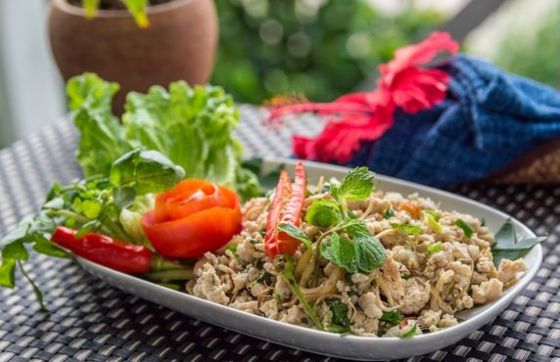
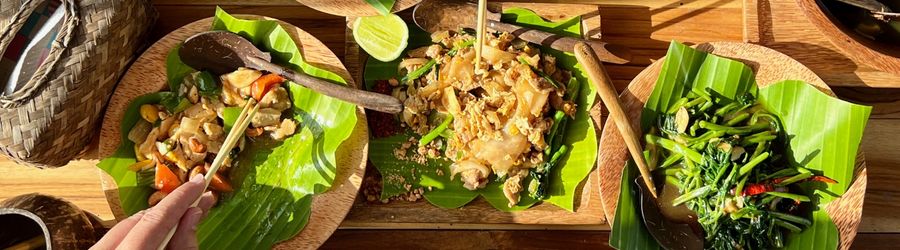
Laos captivates travelers with its unspoiled landscapes, peaceful temples, and authentic way of life. Beyond its cultural and natural treasures, the country is also emerging as an exciting culinary destination. From elegant dining venues in Vientiane to charming restaurants in Luang Prabang and Champasak, food lovers can enjoy a wide range of memorable gastronomic experiences. Whether you are searching for the best restaurants in Laos or looking to discover authentic local flavors, the country offers many exceptional dining options. To make the most of your journey, a Laos tour agency can help you create a personalized itinerary that combines cultural heritage, natural beauty, and outstanding culinary experiences. In this article, discover the best restaurants in Laos and the must-visit dining destinations to include in your trip.
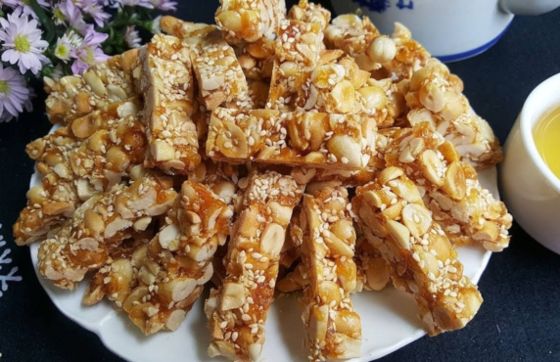
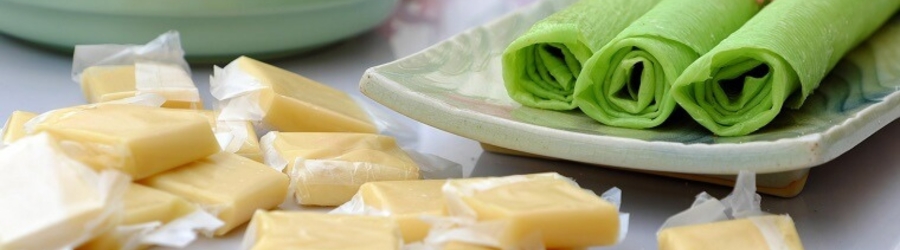
Already familiar with iconic Vietnamese dishes such as phở, bún chả, and bánh mì? If you are wondering what to eat in Vietnam to enjoy between meals, then Vietnamese snacks are definitely worth exploring. More than just treats to nibble on throughout the day, these popular snacks in Vietnam reflect the country's culinary richness while also opening a window into the everyday lives of local people. From fruit-based sweets to traditional candies made from rice or peanuts, we hope the list of the best snacks in Vietnam below will inspire your food adventure and help you find the perfect souvenirs to bring home from your upcoming trip.
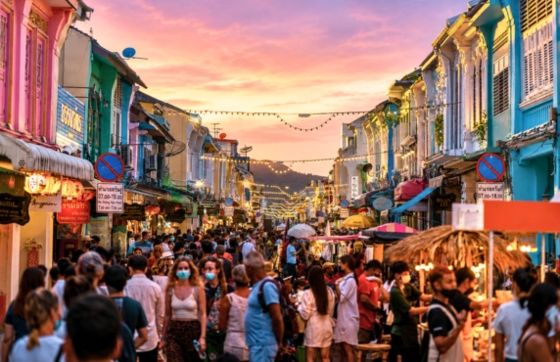
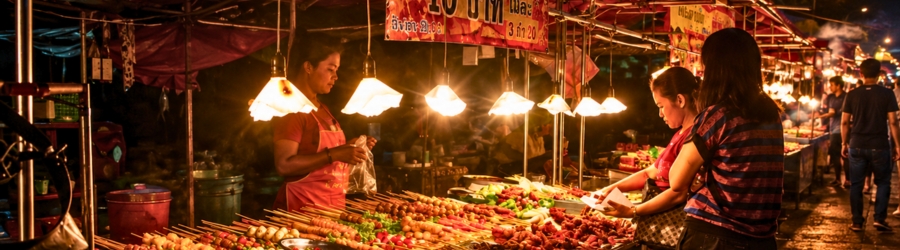
Phuket is famous for its paradise beaches and tropical landscapes, but the island also attracts visitors with its rich and diverse gastronomy. Influenced by Thai, Chinese and Malay cultures, the local cuisine perfectly reflects the history and multicultural identity of Phuket. From lively night markets to small family-run eateries, each meal is an opportunity to discover authentic flavors and unique specialties that are rarely found elsewhere in Thailand. Are you wondering what to eat in Phuket during your trip ? In this article, Autour Asia invites you to discover the 6 best specialties in Phuket Thailand, to enrich your culinary experience on the island.
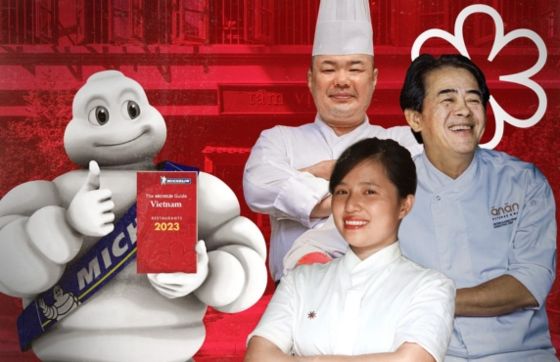
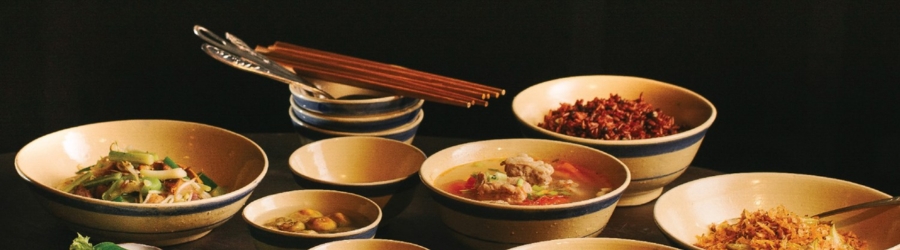
Vietnam has established itself as one of Asia's most fascinating gastronomic destinations. With the arrival of the Michelin Guide and the growing recognition of Vietnamese chefs, Vietnam Michelin Guide restaurants now attract food lovers from around the world. From reinvented street food to Michelin-starred restaurants in Vietnam and traditional addresses recognized for their excellent value for money, Hanoi, Da Nang, and Ho Chi Minh City offer exceptional culinary diversity. Here is our selection of the best Michelin restaurants in Vietnam for an unforgettable gastronomic experience on your next trip.
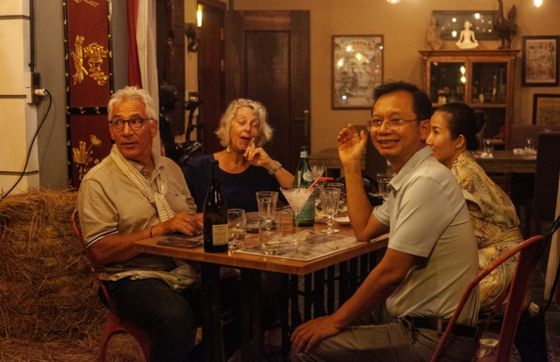
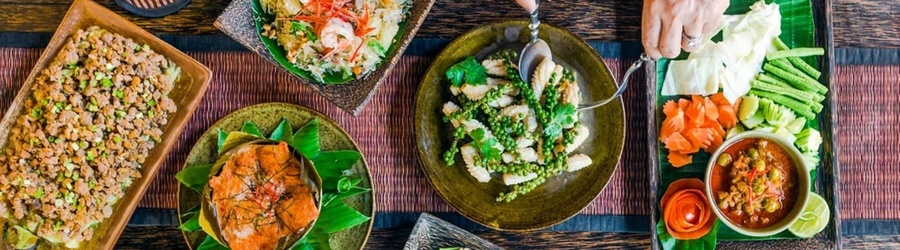
Cambodia is becoming an increasingly popular destination for food lovers seeking authentic flavors and unique dining experiences. While there are currently no official Michelin-starred venues in the country, several Michelin restaurants in Cambodia and Michelin-inspired establishments offer exceptional cuisine and service. From elegant fine dining venues in Siem Reap to renowned culinary hotspots featured in discussions about the Cambodia Michelin guide, travelers have plenty of options to explore. If you're wondering where to eat in Cambodia, this guide highlights some of the best restaurants in Cambodia, showcasing outstanding Cambodia restaurants that deserve a place on every food enthusiast’s itinerary.
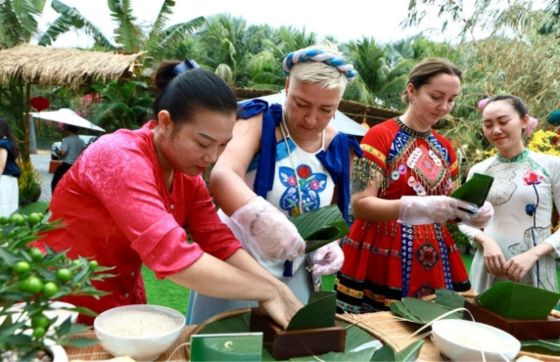
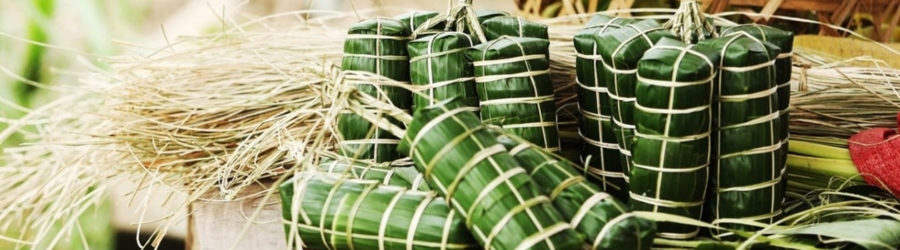
Vietnamese cuisine is renowned for its delicacy and remarkable diversity, where Vietnamese cakes hold an essential place. From a traditional Vietnamese cake with strong symbolic value during Tết or weddings to everyday snacks, each specialty reflects a unique aspect of local culture and lifestyle. Made with ingredients such as glutinous rice, mung beans, and coconut, these creations also stand out for the richness of their flavors and textures. Through this selection of Vietnamese culinary specialties, you will discover both traditional Vietnamese cakes, Vietnamese desserts and iconic street food dishes. A truly gourmet invitation to better understand the richness of Vietnamese gastronomy.
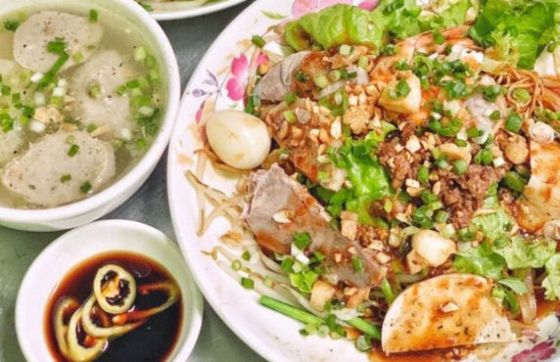

What to eat in the Mekong Delta? Exploring the culinary richness of the Mekong Delta is a must for any traveler seeking authenticity. This vast network of canals and floating villages is full of unique culinary treasures, ranging from traditional soups to tropical fruits and freshly caught fish. To properly plan your itinerary and know the specialties in the Mekong Delta to try, trust Vietnam travel agency - Autour Asia, an expert in cultural and gourmet tours. They will help you build a flavorful journey, balancing local discoveries with renowned addresses. Here is a guide to the main dishes you absolutely must taste, with some emblematic restaurants where to enjoy them, to make your culinary map of the Mekong Delta a memorable adventure.



 FR
 EN
