In traditional Vietnamese cuisine, Vietnamese cakes are not merely food, but true cultural symbols. Closely tied to beliefs, customs, and major occasions such as Tết or weddings, each traditional Vietnamese cake reflects the Vietnamese worldview, between heaven and earth, as well as essential values like family, unity, and respect for ancestors. These Vietnamese specialties embody both a rich cultural heritage and craftsmanship passed down through generations.
Bánh chưng is undoubtedly the most iconic of all Vietnamese cakes during Tết. With its square shape, it symbolizes the Earth according to tradition. Made from glutinous rice, mung beans, and pork, it is wrapped in leaves and cooked for many hours. Its preparation, often done within the family, becomes a meaningful moment of sharing and transmission. More than just a dish, it represents family reunion and gratitude toward ancestors.
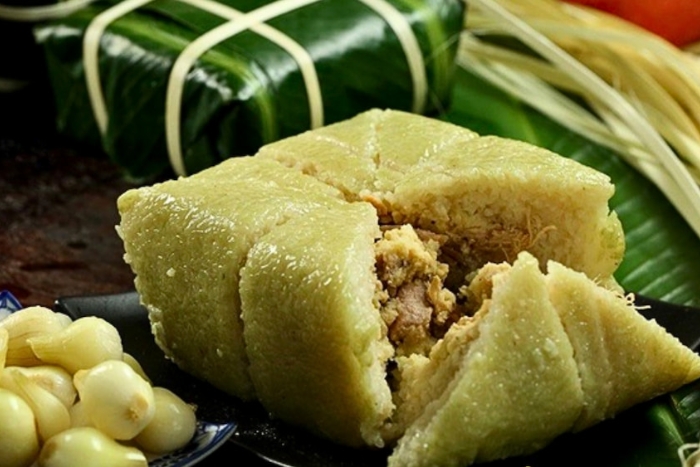
Very popular in the South and Central regions of Vietnam, bánh tét stands out for its cylindrical shape and banana leaf wrapping. Its filling can be savory (pork, mung beans) or sweet (banana). This traditional Vietnamese cake illustrates the regional diversity of Vietnamese cuisine and often symbolizes prosperity and family continuity.
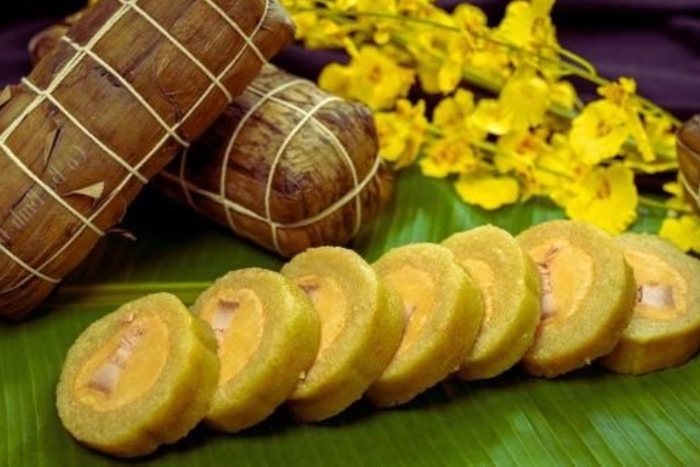
Bánh dày, with its round shape, represents the sky and is traditionally paired with bánh chưng during major ceremonies. Made from pounded glutinous rice, it is known for its simplicity and purity. According to legend, these two Vietnamese cakes embody the harmony between heaven and earth, while also expressing filial piety, a core value in traditional Vietnamese cake.
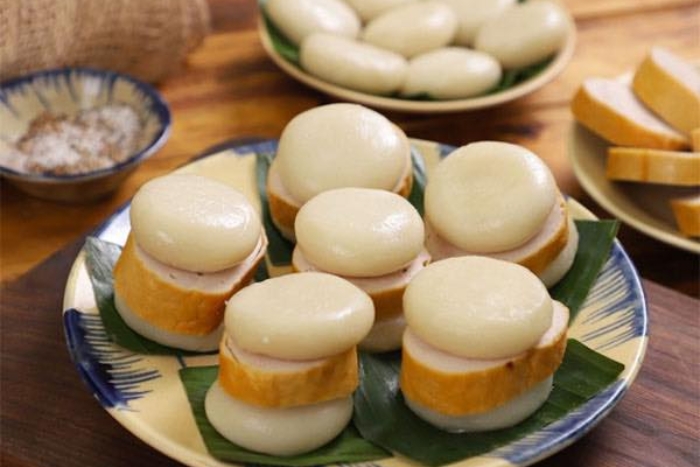
Also known as “phu thê” cake, bánh xu xê is inseparable from Vietnamese weddings. Its chewy, elastic texture, made from tapioca flour and coconut, wraps a mung bean filling. Presented in a square box made from coconut leaves, this traditional Vietnamese cake symbolizes harmony between husband and wife. Its sticky texture and vibrant colors evoke balance and union, making it a strong symbol of marital happiness.
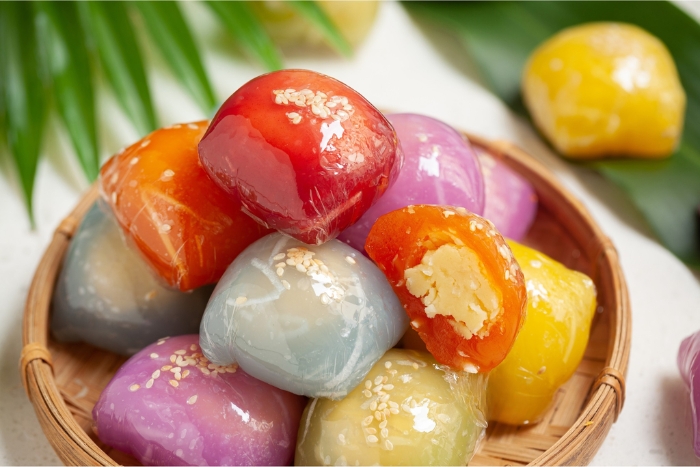
Originating from Hanoi in the late 19th century, bánh cốm is a refined Northern specialty. Its outer layer, made from young green glutinous rice (cốm), has a soft texture and natural green color, while the inside contains a slightly sweet mung bean paste. Often used during engagement ceremonies, this traditional Vietnamese cake symbolizes new beginnings and harmony. It perfectly reflects the delicacy of Vietnamese desserts and Hanoi’s culinary heritage.
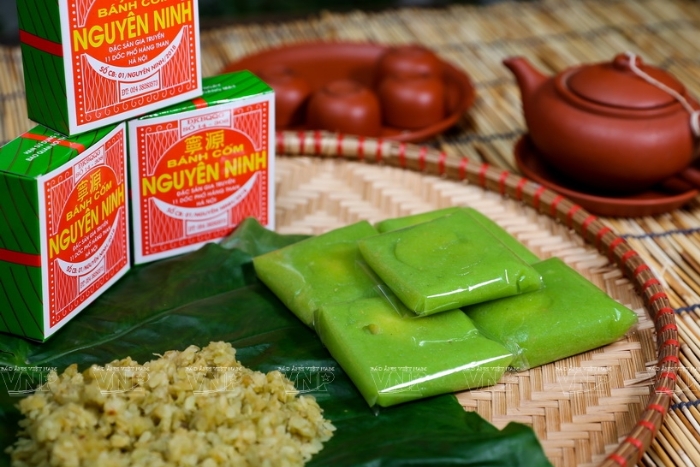
Beyond ritual and symbolic specialties, Vietnamese cuisine is also known for its wide variety of sweet treats, clearly reflecting regional tastes and characteristics. These Vietnamese desserts are part of everyday life, whether enjoyed at street stalls or in traditional bakeries. They are typically moderately sweet, made with natural flavors, and offer diverse textures - soft, chewy, or crispy, thanks to ingredients such as pandan, coconut milk, mung beans, and durian. Altogether, these creations perfectly illustrate the richness of Vietnamese cakes and the diversity of a traditional Vietnamese cake culture.
Bánh da lợn is a visually striking Vietnamese cake, known for its alternating green (pandan) and yellow (mung bean) layers. Its texture is soft, slightly chewy, and pleasantly elastic. The fragrance of pandan combined with the richness of coconut milk creates a balanced sweetness that is never overwhelming. Popular in Southern Vietnam, this Vietnamese cake is often found at celebrations or local markets.
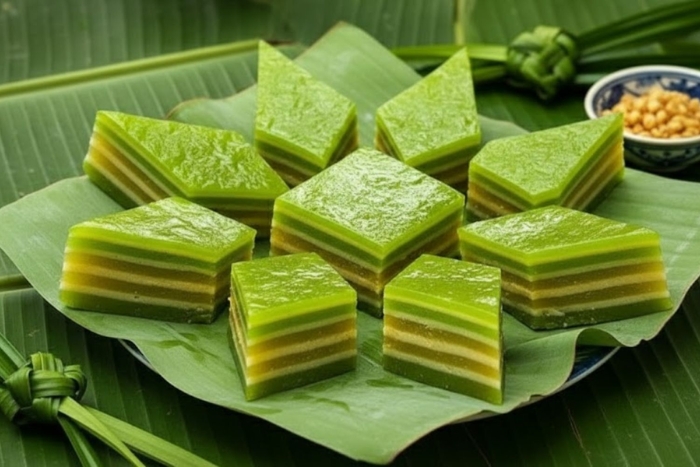
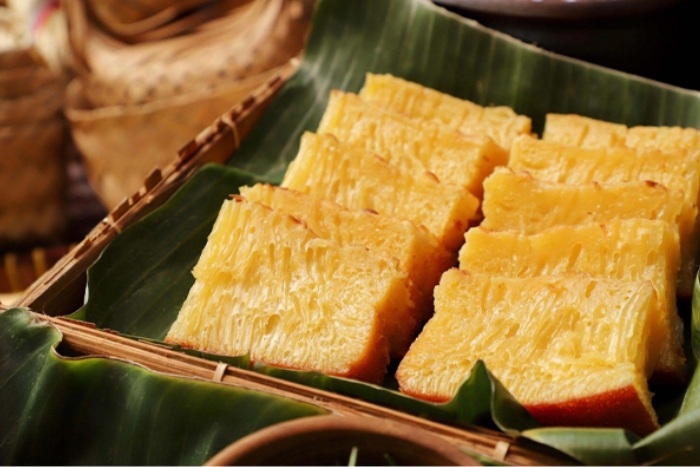
Bánh bò stands out for its honeycomb-like structure, giving it a light and airy texture. Slightly chewy and mildly sweet, it is flavored with coconut milk and pandan. There are several variations of this traditional Vietnamese cake, including steamed and baked versions, each offering a different texture, from soft to slightly crispy. It is widely enjoyed across the country as a traditional snack.
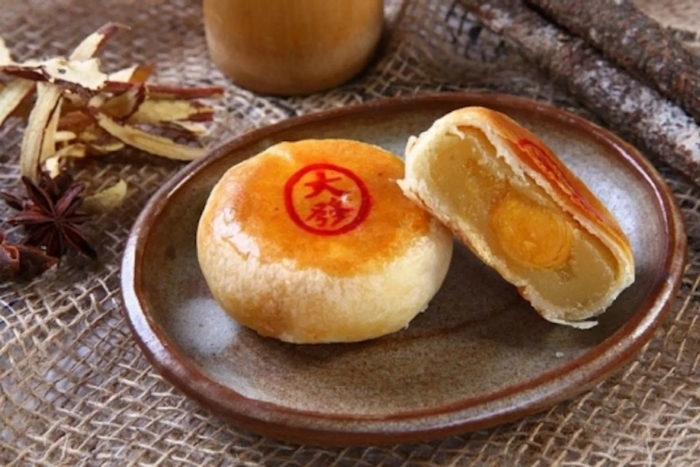
Originating from Southern Vietnam, particularly Sóc Trăng, bánh pía is made of multiple thin pastry layers surrounding a rich filling. Typically, it combines mung beans, salted egg yolk, and durian - a fruit with a strong, distinctive flavor. The balance of sweet, salty, and rich notes makes this Vietnamese cake especially unique. It is also popular as a culinary souvenir.
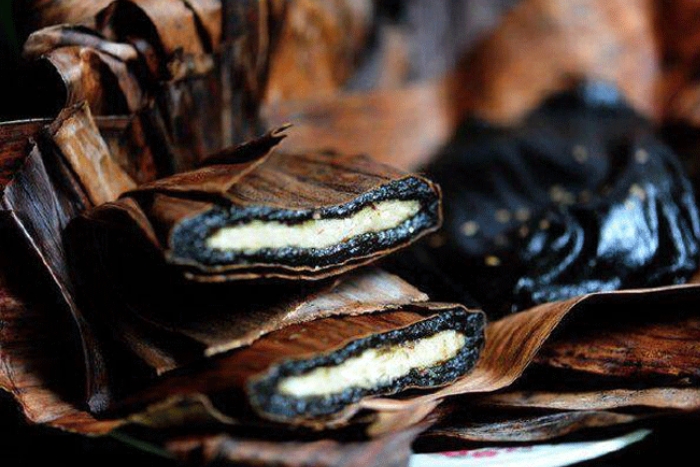
Bánh gai is recognizable by its black color, derived from ramie leaves. Its dense and chewy texture wraps a sweet filling made from mung beans, grated coconut, and sometimes lotus seeds. Its flavor is rich, blending sweetness with subtle herbal notes. This traditional Vietnamese cake is commonly found in Northern Vietnam, especially during special occasions.
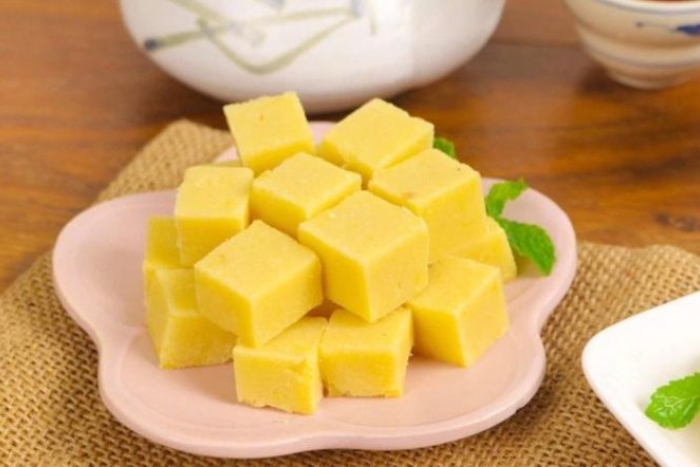
A specialty from Hải Dương, bánh đậu xanh has a crumbly texture that quickly melts in the mouth. Its flavor is light, delicate, and enhanced by roasted mung beans. Often enjoyed with hot tea, this Vietnamese cake perfectly represents the refinement of Northern Vietnamese cuisine.
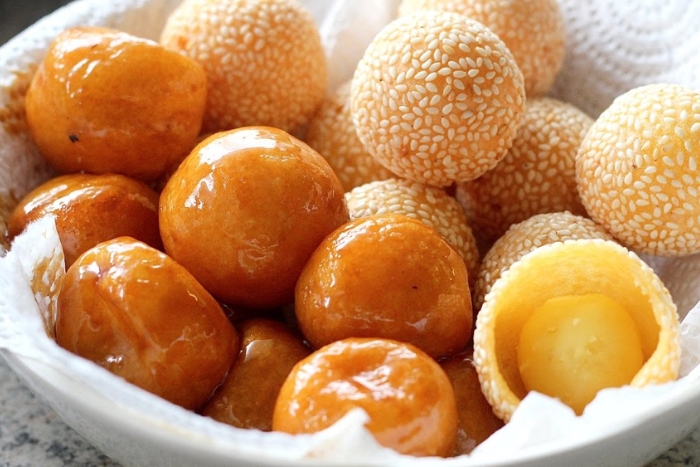
Bánh rán (in the North) and bánh cam (in the South) are two regional versions of the same fried Vietnamese cake made from glutinous rice and coated with sesame seeds. Once fried, they have a crispy outer crust and a sweet mung bean filling inside. A unique feature is the hollow space between the crust and the filling, creating a distinctive texture. They are a very popular street food snack.
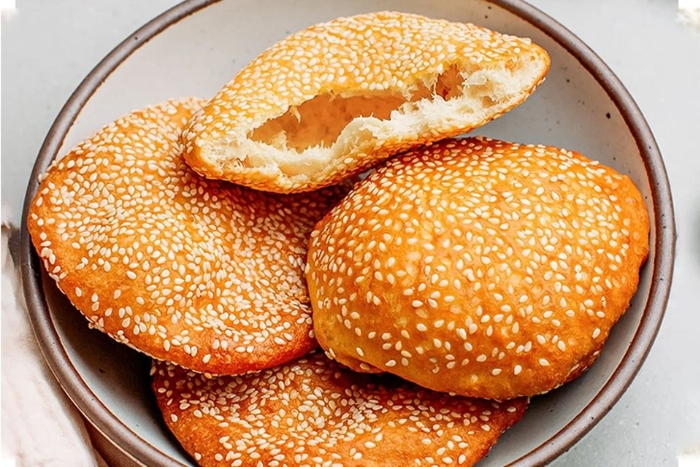
Bánh tiêu is a simple yet beloved fried traditional Vietnamese cake. Round in shape, it puffs up with a hollow interior and has a golden, crispy crust covered with sesame seeds. It is light and crispy on the outside while remaining soft inside. It can be enjoyed on its own or paired with other dishes, making it a versatile and typical everyday treat.
Alongside sweet treats, traditional Vietnamese cuisine is also distinguished by a wide variety of savory Vietnamese cakes made from rice, a staple ingredient of daily life. These Vietnamese culinary specialties vary by region: lighter flavors in the North, spicier in the Central region, and richer in the South. Usually served with fresh herbs and fish sauce (nuoc-mâm), these dishes offer a harmonious balance and play an important role in street food culture, alongside desserts and traditional Vietnamese cake varieties.
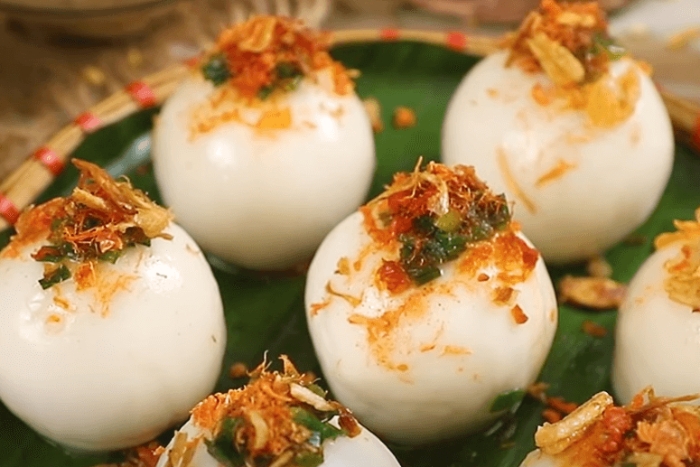
Bánh ít trần is a typical savory specialty from Central Vietnam, especially Huế. Made from glutinous rice, it comes in small dumplings filled with pork and shrimp. After steaming, it is topped with scallion oil and served with fish sauce. The chewy texture of the dough pairs perfectly with the rich filling. This Vietnamese cake is enjoyed both during festivals and in everyday meals.
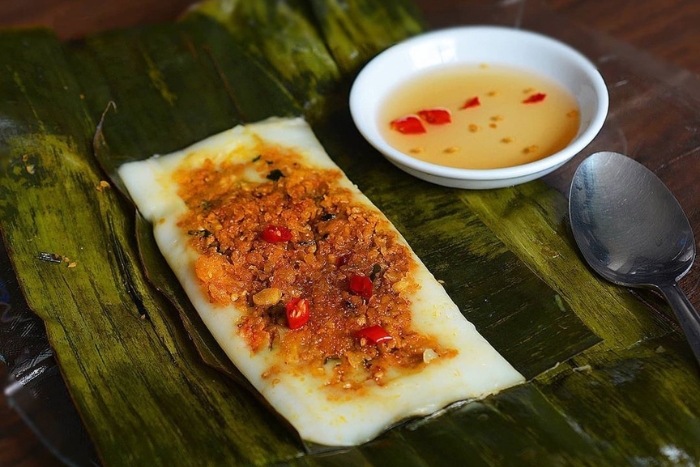
Also originating from Central Vietnam, bánh nậm reflects the refinement of Hue cuisine. Made from a thin layer of rice batter, it is filled with shrimp and pork, then wrapped in banana leaves before being steamed. Its texture is very soft, almost melt-in-the-mouth, with a delicate savory flavor. Served with fish sauce, this traditional Vietnamese cake showcases the elegance of imperial cuisine.
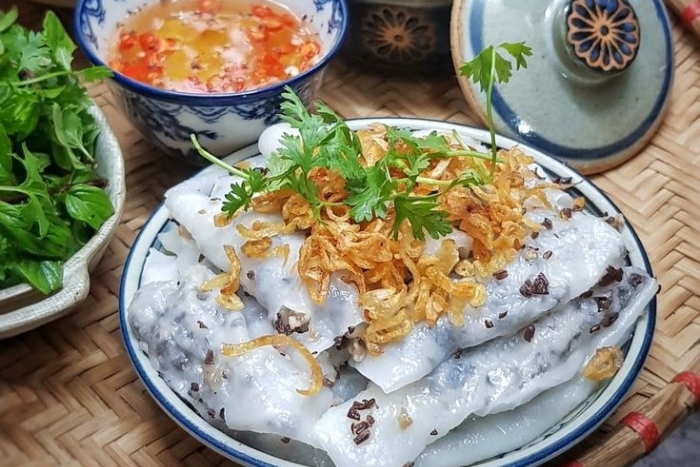
Very popular in Northern Vietnam, especially in Hanoi, bánh cuốn consists of thin sheets of steamed rice batter rolled around a filling of minced pork and wood ear mushrooms. It is served hot with fish sauce, Vietnamese sausage, and fresh herbs. Its soft texture and light flavor make it an ideal breakfast or light meal. This is one of the most beloved Vietnamese cakes in daily life.
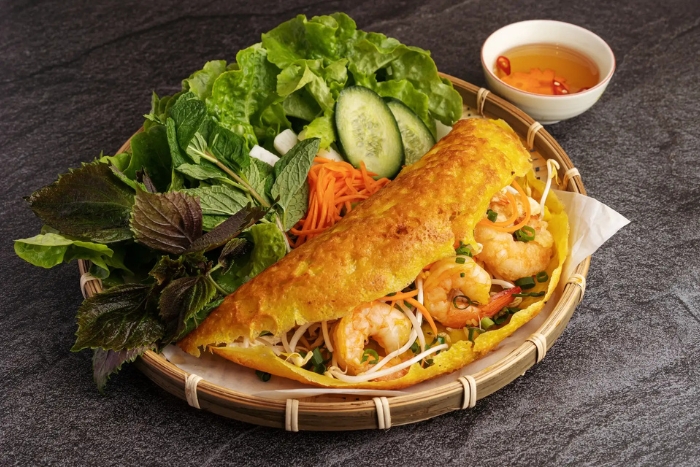
Bánh xèo is an iconic specialty from Southern and Central Vietnam. Its batter, made from rice flour, turmeric, and coconut milk, forms a crispy pancake filled with shrimp, pork, and bean sprouts. Cut into pieces, it is wrapped in lettuce leaves with herbs and dipped into sweet and sour fish sauce. Its name comes from the “xèo” sizzling sound during cooking, and this traditional Vietnamese cake reflects the generosity of Southern cuisine.
Bánh khọt is often considered a miniature version of bánh xèo, widely found in Southern Vietnam, especially in coastal areas like Vũng Tàu. Cooked in small molds, it features a crispy base topped with shrimp. Served with fresh herbs and dipping sauce, it offers a perfect balance between richness and freshness. Its small size makes this Vietnamese cake ideal for sharing or as a snack.
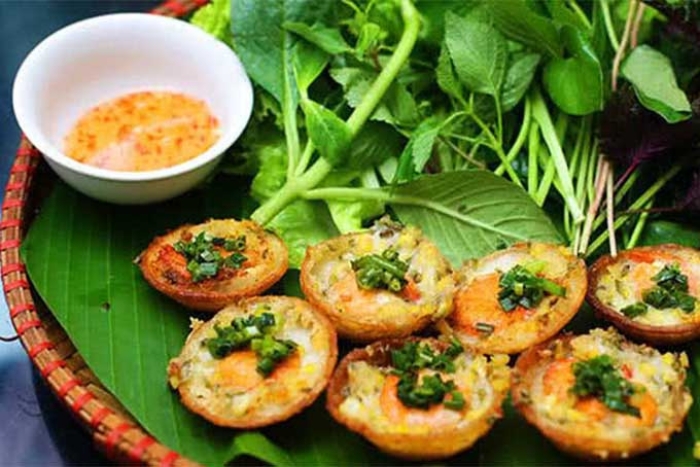
Vietnam is also famous for its vibrant street food scene, where simple yet creative dishes are an integral part of daily life. These Vietnamese cakes and modern snacks are based on familiar ingredients while being adapted to a fast-paced, urban lifestyle. This blend of tradition and modernity makes street food an essential part of Vietnamese culinary specialties, especially appreciated by young people and travelers, alongside desserts and traditional Vietnamese cake creations.
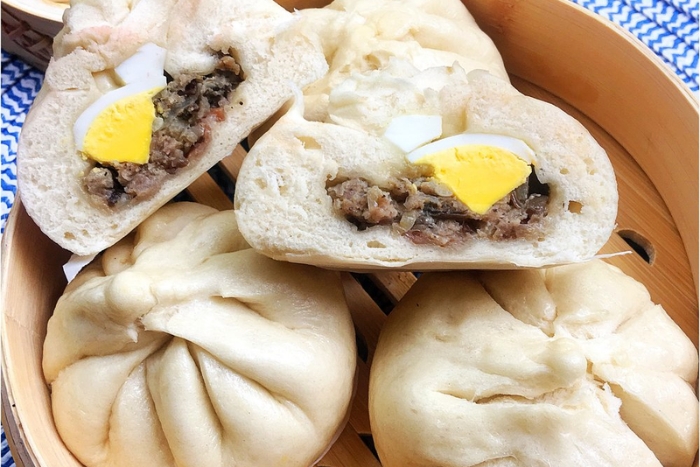
Bánh bao is a very common snack, easily found in most major cities. This steamed wheat bun, with its soft and fluffy dough, contains a filling of meat, egg, wood ear mushrooms, and sometimes sausage. Nutritious and convenient, it is an ideal choice for breakfast or a quick meal. Thanks to its practicality, this Vietnamese cake is widely sold on the streets and in small food stalls.
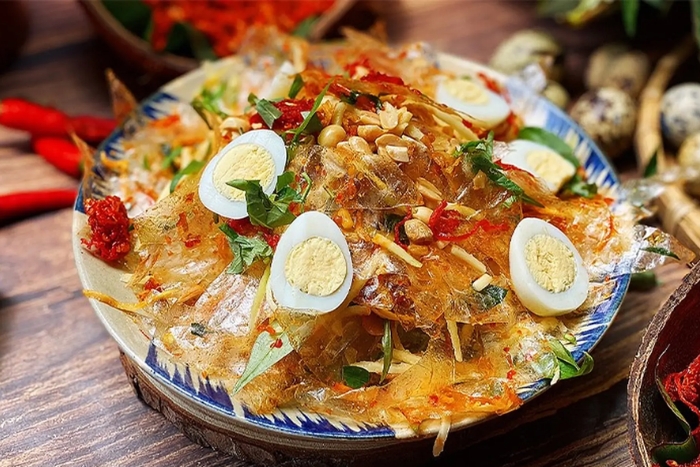
Bánh tráng trộn is one of the most iconic snacks among young Vietnamese people, especially in cities like Ho Chi Minh City. This unique mix combines shredded rice paper, green mango, quail eggs, dried beef, herbs, and a flavorful sauce. The balance of sourness, spice, saltiness, and sweetness creates a highly addictive taste. Easy to take away, it perfectly fits a fast and flexible eating style, representing a modern take on Vietnamese street snacks.
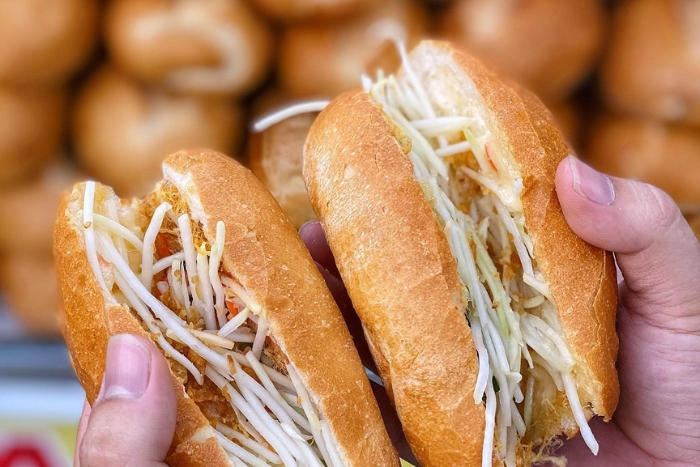
Bánh mì gà is a popular variation of the famous Vietnamese sandwich, now a global street food icon. With its crispy baguette filled with chicken, fresh vegetables, pickles, and sauce, it offers a harmonious balance of flavors. Both convenient and satisfying, it can be enjoyed at any time of the day. Its simplicity and accessibility make it an essential example of a traditional Vietnamese cake-inspired dish adapted to modern street food culture.
From culturally rich traditional Vietnamese cakes to modern street food specialties, the world of Vietnamese cakes reflects a perfect harmony between heritage and creativity. Each specialty is not only about taste but also tells a story connected to regions, people, and local traditions. Whether it is delicate Vietnamese desserts, savory rice-based dishes, or convenient snacks, all these creations contribute to the richness of Vietnamese cuisine. For travelers, discovering them is more than just tasting food, it is a true immersion into traditional Vietnamese cuisine, making every experience more authentic and memorable.
It is recommended to explore:
> Pho Vietnam
> Food Drink in Vietnam
> Vietnam Travel guide
> 14 days in Vietnam
> Vietnam tours





 FR
FR ITA
ITA