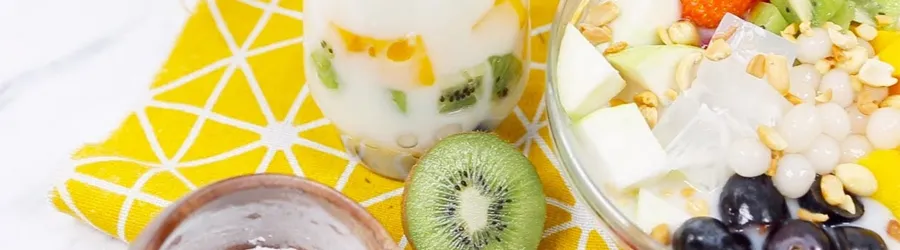
If you're a food lover planning a trip to Vietnam, get ready to embark on a delicious journey through the country's vibrant dessert scene. At the heart of Vietnam's sweet delicacies lie an array of exotic Asian fruits that lend their unique flavors and textures to traditional treats. From the luscious and creamy jackfruit to the refreshingly sweet lychee, these fruits are the stars of Vietnamese desserts that you simply must try. Let’s discover Asian fruits, Vietnamese fruits that are perfect for Vietnamese desserts you must try in Vietnam in this article.
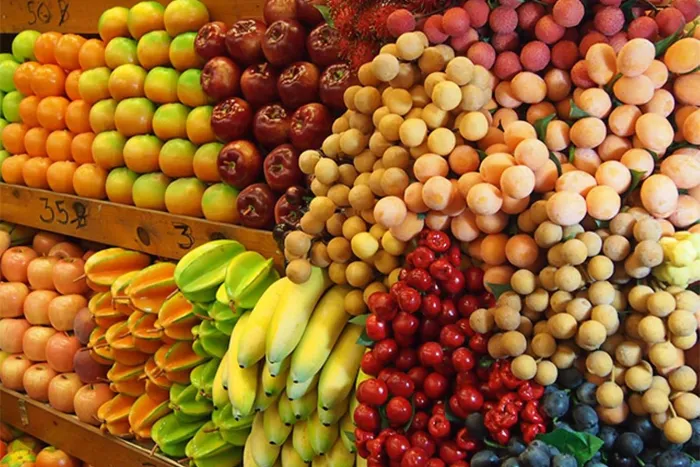
Asian cuisine is famous for its tasty dishes and amazing variety of fruits. From super sweet tropical fruits to tangy and unusual exotic ones, Asia offers a delightful range of fruit flavors and textures to excite your taste buds. Each Asian fruit, Vietnamese fruit holds cultural significance and is enjoyed fresh, in desserts, or as gifts during special occasions.
Vietnam, a stunning country in Asia renowned for its diverse and attractive fruits, draws visitors from around the globe. Vietnam's tropical climate provides the perfect conditions for a wide variety of exotic and delicious fruits to thrive. These fruits are not only abundant in variety but also leave a lasting impression with their rich flavors, making them a highlight for foreign tourists.
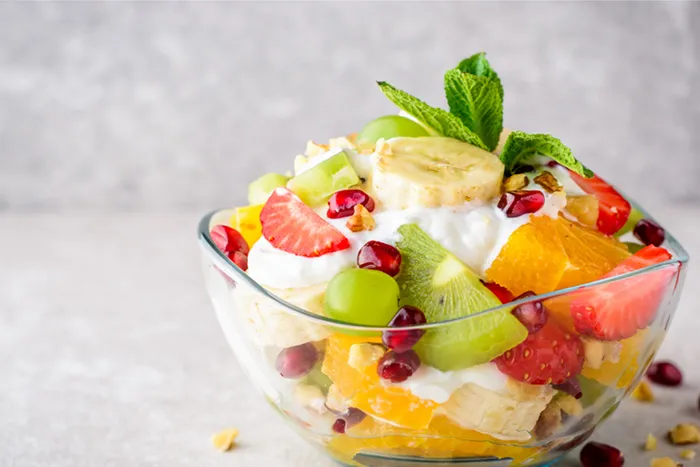
Vietnamese desserts often feature a variety of Asian fruits, celebrating their natural sweetness and flavors. These desserts not only satisfy sweet cravings but also reflect Vietnamese culinary traditions, often served during special occasions to celebrate the richness of Asian fruits.
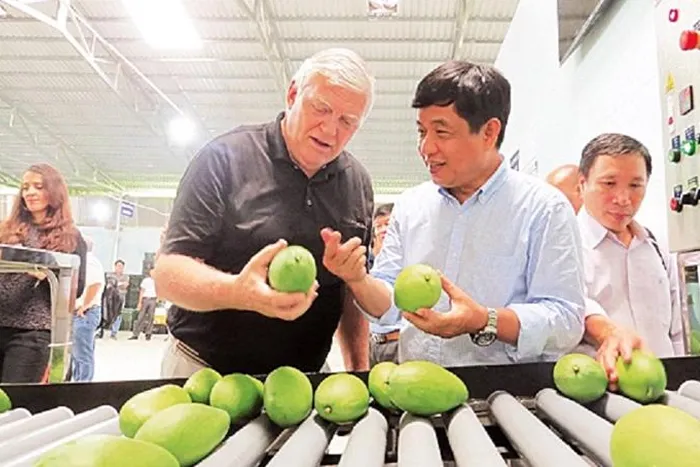
Vietnamese fruits are big business exports, but they also attract many tourists to Vietnam. Just like trying the classic Vietnamese noodle soup pho, enjoying the local fruits is a must-do experience. Vietnamese desserts feature these fruits in delicious ways, highlighting their unique flavors and making the country's cuisine even more appealing. Let's look at some popular Asian fruits commonly used in Vietnamese sweet treats.
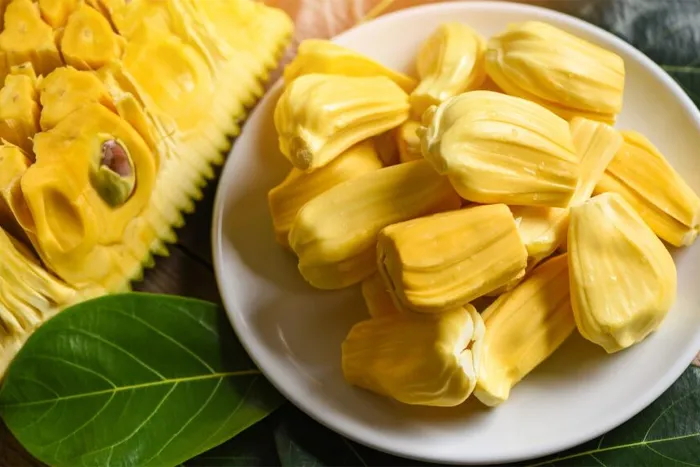
Jackfruit, a beloved fruit in Vietnam, grows large, reaching up to 90 centimeters and weighing 10 to 20 kilograms. Its green or yellowish exterior, adorned with sharp hexagonal spines, is eye-catching in fruit stalls. Inside, it features fleshy yellow bulbs with a sweet fragrance and crunchy texture. Jackfruit is also rich in vitamin C and other nutrients beneficial for health.Jackfruit is widely used in Vietnamese desserts for its sweet taste and distinctive texture. There are many ways to enjoy jackfruit, including combining it with yogurt, coconut cream, or pairing it with other fruits.
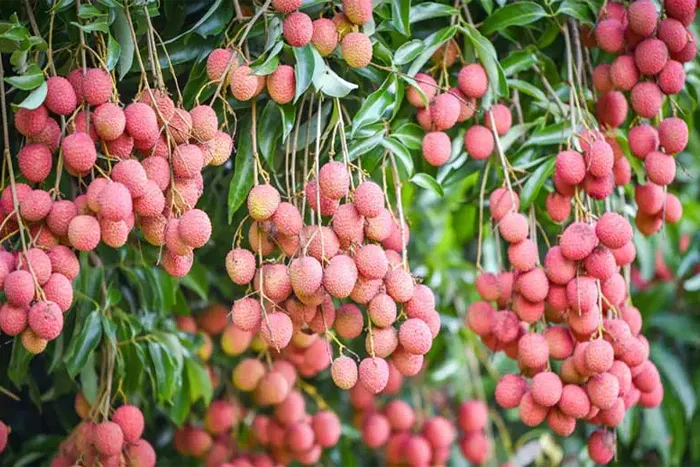
Lychee is a beloved summer fruit in Vietnam, primarily cultivated in Hai Duong and Bac Giang provinces, renowned for their flavorful varieties. A lychee has a round shape with a rough red or pinkish-red skin. Inside is juicy white flesh surrounding a single brown seed. The flavor is sweet and refreshing, like a mix of strawberry and watermelon. Peeling off the rough skin reveals the delicious pulp that one eats by removing the seed. Lychee is also nutritious- it is high in vitamin C, antioxidants, and fiber. This supports a healthy immune system and may even help prevent cancer. Hence, lychee is a delicious and nutritious treat, perfect for beating the Vietnamese summer heat.
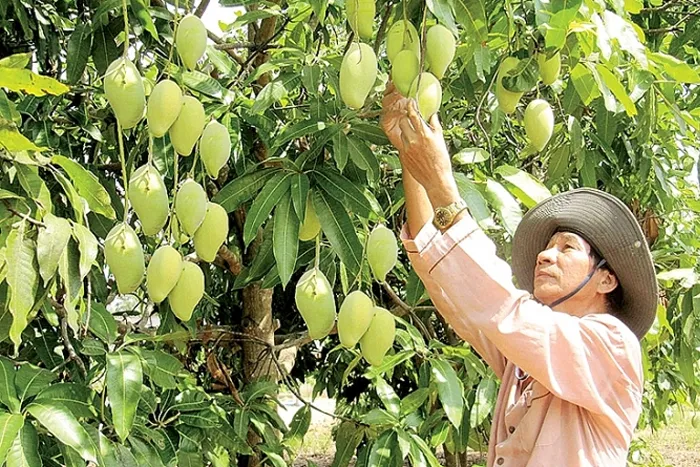
Mango, known for its sweet and tangy flavor, is a beloved fruit in many parts of the world, including Vietnam. Its smooth, juicy flesh and vibrant color make it a popular choice for a variety of dishes and desserts. Mango is often enjoyed fresh or used in smoothies, salads, and Vietnamese desserts like sticky rice with mango or mango pudding. Its refreshing taste and nutritional benefits make it a favorite among fruit lovers.
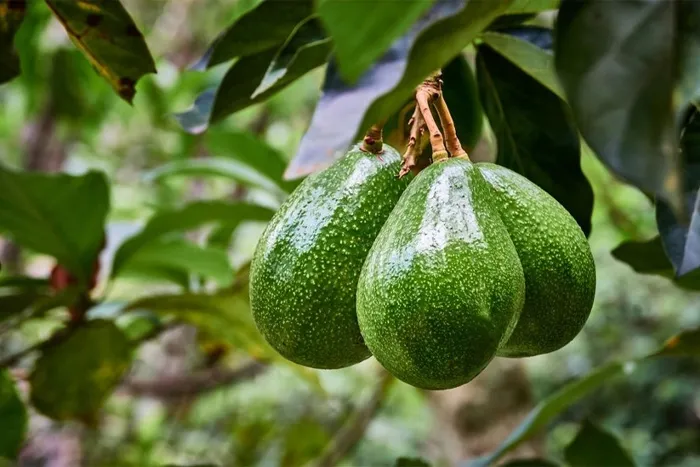
Avocado is a beloved Vietnamese fruit. People like its creamy texture and rich taste. It is a flexible fruit enjoyed in many countries, including Vietnam. In Vietnam, avocado is used in both savory foods and sweet foods. For sweet foods, avocado is a popular ingredient in smoothies, salads, and desserts like avocado ice cream and sweet avocado milkshakes. Avocado's buttery, smooth texture and mild flavor make it a tasty addition to different recipes. It also provides healthy fats and vitamins, which are good for you.
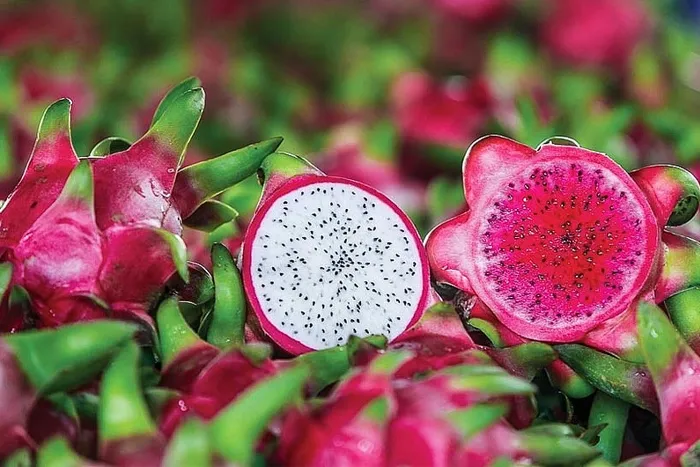
Dragon fruit, found in the Mekong Delta, is known for its bright red skin and green scales. Inside, it has white or red flesh with edible black seeds. This refreshing fruit balances sweet and sour flavors and is rich in fiber, magnesium, and vitamin C, making it low in calories and highly nutritious. To enjoy, simply slice, peel the thin skin, and savor. It's a popular, healthy dessert in Vietnam.
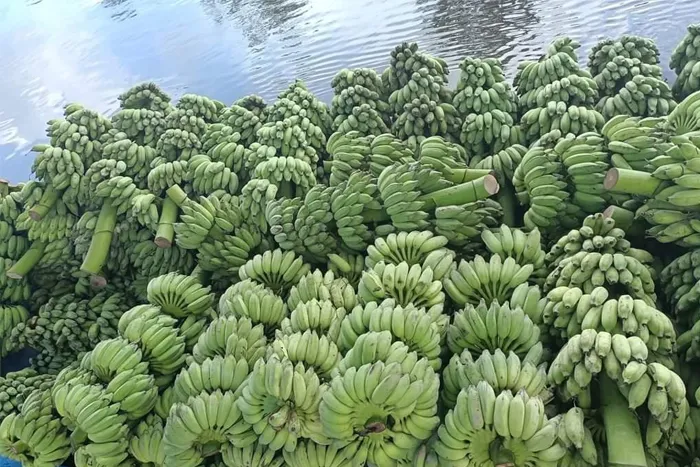
Bananas are a beloved and versatile fruit in Vietnamese cuisine, thanks to the tropical climate. They star in sweet treats like banana cakes and creamy coconut puddings, or get fried into crispy banana fritters. Savory dishes utilize bananas too - shredded banana blossoms add crunch to salads, while grilled bananas with sticky rice make a simple meal. Ripe sweet bananas are also a popular snack on their own. With many varieties providing different flavors and textures, bananas are an integral part of Vietnam's vibrant food culture
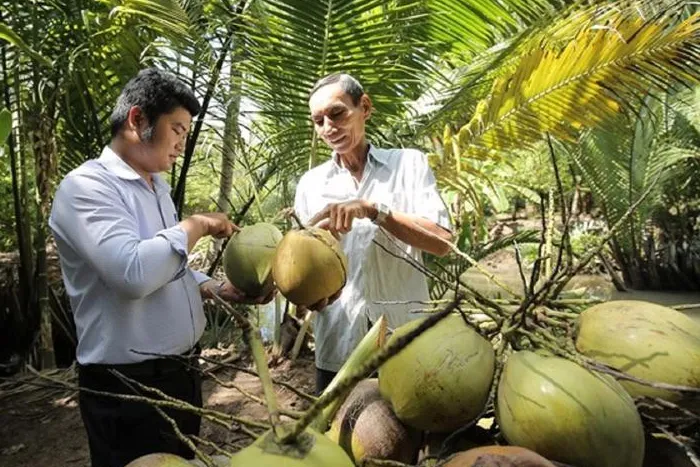
Coconut, a quintessential tropical Asian fruit, imparts a distinct flavor to numerous dishes, beverages, and sweets. Found in both green and brown forms, green coconuts are cherished for their refreshing water, while brown coconuts are esteemed for their creamy flesh. In Vietnam, coconut features prominently in desserts such as coconut jelly, coconut sticky rice, and sweet coconut milk soup. Whether indulging in coconut water or its luscious flesh, experiencing this fruit is a must for anyone visiting Asia.
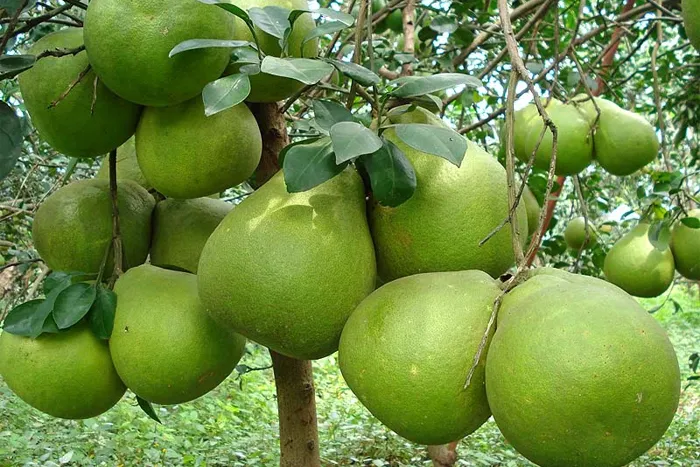
Pomelo, the largest among Asian citrus fruits, stands out with its round shape and vibrant green or yellow skin adorned with characteristic dots. Beneath its thick peel lies creamy flesh that ranges in color from white to pink or purple, often with few or no seeds, depending on the variety. Known for its sweeter taste compared to grapefruit, pomelo is prized for its versatility in salads, juices, and sauces, adding a unique flavor profile to a variety of dishes.
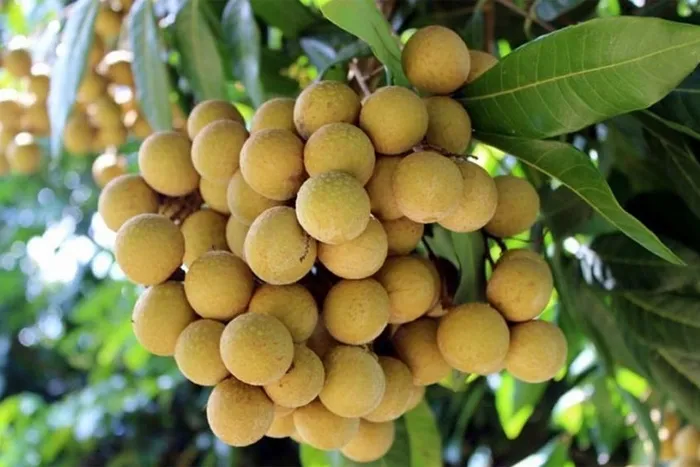
It would be remiss not to mention Vietnamese longan, a fruit well-known in many tropical countries and found in provinces like Hung Yen, Can Tho, and Vinh Long. Longan, also called “dragon’s eye” in Vietnamese, has a round black seed resembling an eyeball, surrounded by fleshy, translucent pulp. This pulp offers a sweet flavor and luscious texture, making it a refreshing summer treat. To enjoy, peel off the smooth brown cover to reveal the succulent flesh. Longans are not only delicious but also rich in nutrients like vitamins, proteins, and calcium.
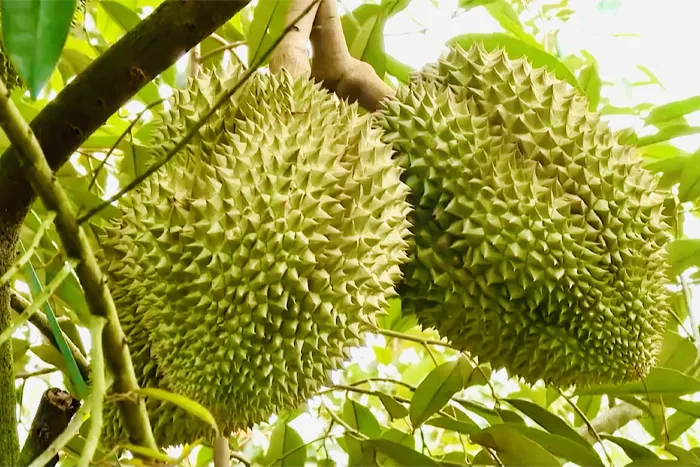
Durian is famous for its incredibly strong smell and unique taste. Its spiky skin, similar to jackfruit but sharper, can cause injuries if handled carelessly. Inside, the flesh is smooth and custard-like, with a blend of sweet, salty, and creamy flavors. In Vietnam, durian is also used in many Vietnamese desserts, adding its distinct taste to treats like ice cream, pastries, and sticky rice.
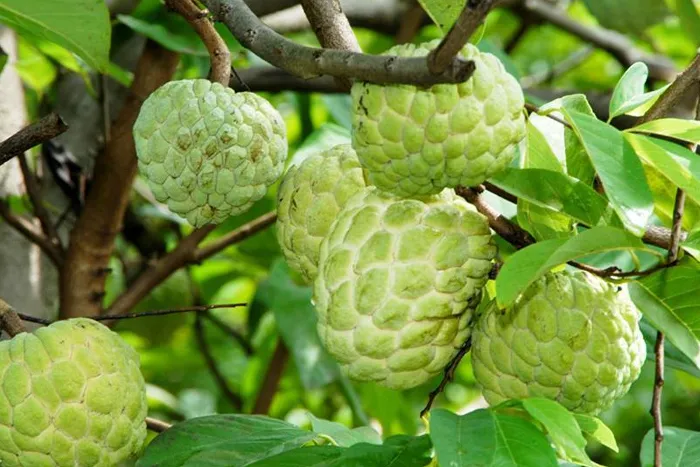
Custard apples are a well-liked fruit in Vietnam. They have a round or heart shape with green skin that cracks open as they ripen. Inside is soft, sweet white flesh, but you have to remove the many seeds before eating. This fruit is nutritious with protein and vitamins. It's commonly included in the special five-fruit tray for Tet, the Vietnamese New Year celebration.
Besides eating custard apples fresh, Vietnamese people use them to make desserts too. The fruit goes into smoothies and custard apple tea. This shows custard apples are a flexible ingredient in Vietnamese cuisine. The unique flavor and texture make custard apples popular for both snacking and sweet treats in Vietnam.
Ambarella fruit, or trái cóc in Vietnamese, is a tropical fruit renowned for its unique flavor and versatility. Often hailed as one of the best Vietnamese fruits, ambarella has a sweet-sour taste and a firm, crunchy texture. It's a popular choice among Vietnamese women, who often incorporate it into their daily diets.
From refreshing salads to tangy pickles, ambarella can be enjoyed in various ways. It's a common ingredient in Vietnamese desserts, adding a burst of flavor and a touch of sweetness. Whether you're a local or a visitor, experiencing ambarella is a must for anyone seeking to truly savor the flavors of Vietnamese cuisine.
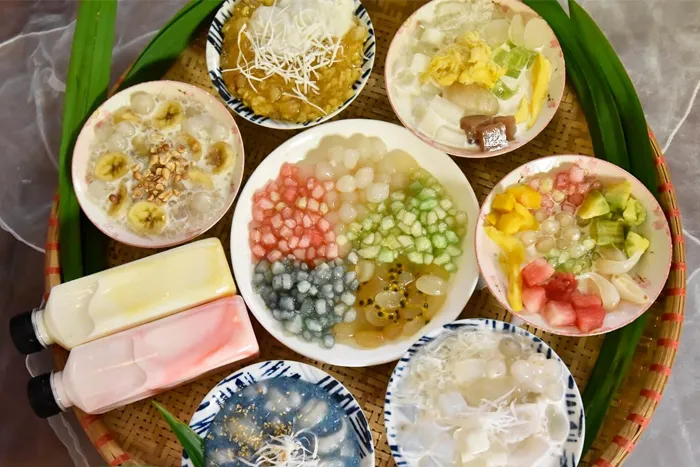
What to eat in Vietnam? When you visit Vietnam, you will find a popular sweet soup called chè. Chè is a special Vietnamese dessert that people love to eat, especially during big celebrations like Tet (Lunar New Year). There are many different kinds of chè, but they all start with a base of creamy coconut milk. Chè can be combined with many kinds of fruits to create a special flavor for the Vietnamese dessert. Chè is traditionally topped with fruits, beans, and sticky rice. This makes it a sweet treat that can be customized with different toppings. Trying the different chè dessert soups is part of enjoying the delicious Vietnamese food culture. With the coconut milk base and variety of tasty toppings, chè represents the wonderful flavors of Vietnam.
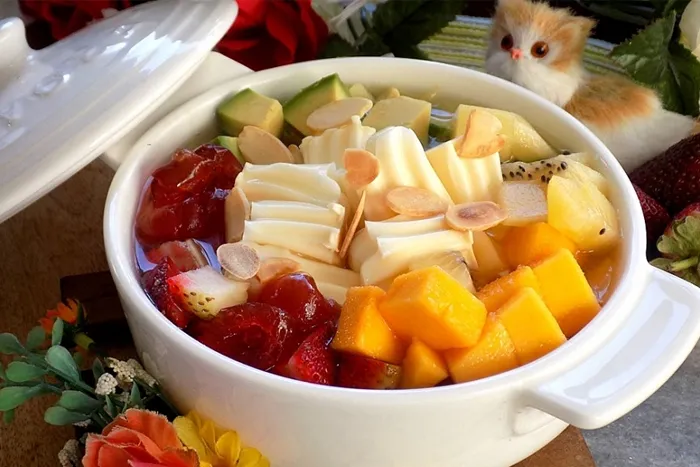
Chè khúc bạch is a popular Vietnamese dessert that originated in Hanoi, though it is now commonly enjoyed in the South. This treat offers a perfect balance of lychee, creamy jelly, and almonds, capturing the essence of summer. The name "khúc bạch," meaning milky cubes, refers to its shape. Particularly favored by young people during the summer, this dessert can be combined with various Asian fruits to create a unique and refreshing flavor.
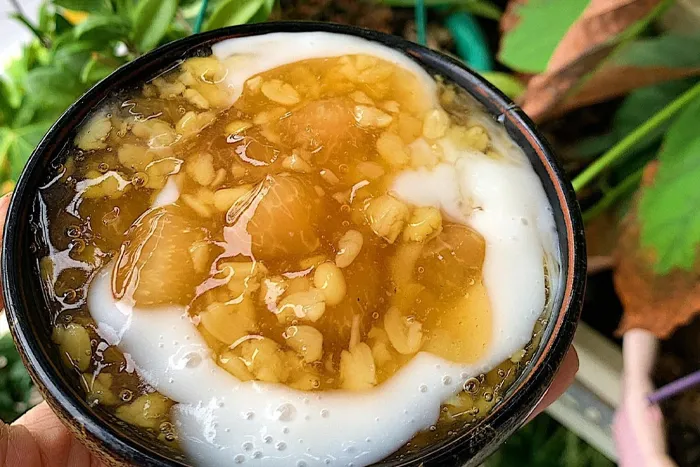
"Chè bưởi" is an enticing Vietnamese dessert that prominently features pomelo as its main ingredient. This delightful treat masterfully blends the tangy flavor of pomelo peel with the rich, creamy taste of coconut milk, creating a unique and harmonious flavor profile. The addition of tapioca pearls provides a chewy texture that enhances the overall experience. Served cold, "chè bưởi" is not only refreshing but also incredibly tasty, making it a perfect dessert for hot days. Its combination of textures and flavors makes "chè bưởi" a favorite among those who enjoy exploring the diverse and rich world of Vietnamese sweets.
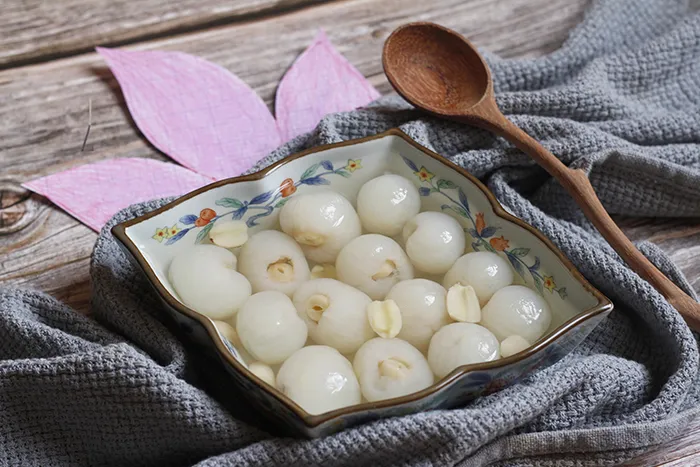
Chè long nhãn hạt sen, a historically significant Vietnamese dessert once reserved for royalty, is best enjoyed in Hung Yen Province, where local longan adds a unique flavor. This dish, resembling a dragon's eye, features sweetened lotus seeds stuffed into fresh longan pulp. This is a tasty Vietnamese summer dessert made with longan, stewed lotus seeds, and rock sugar. It has a sweet and pleasant aroma that makes it very relaxing to eat. The mix of longan and lotus flavors creates a refreshing and enjoyable treat.
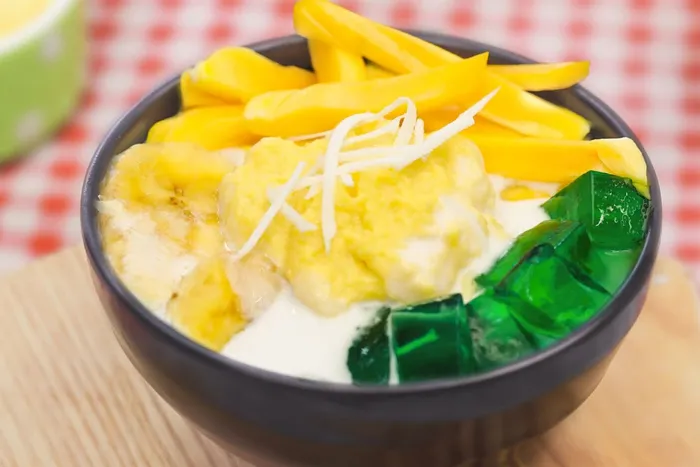
Durian sweet soup is a special dessert found in Da Nang, Vietnam. It uses the durian fruit, which has a strong and unique taste. The soup also contains sweetened condensed milk, coconut milk, and different kinds of jelly. The sweet ingredients help make the durian flavor milder and turn it into a tasty, sweet dessert.
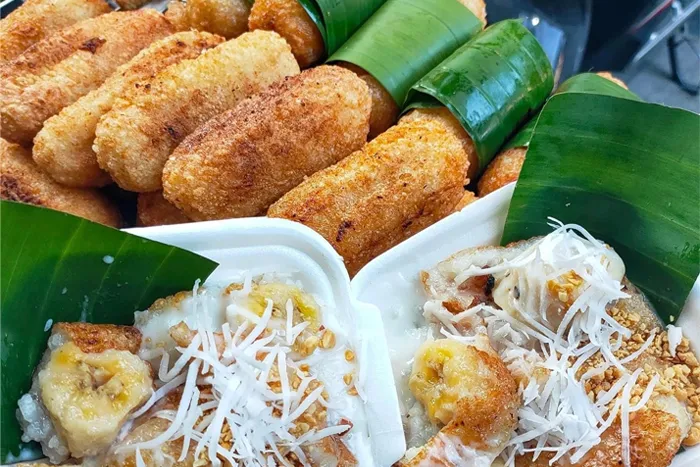
Vietnamese grilled banana, or chuối nếp nướng, is a popular Vietnamese dessert found on many street corners throughout Vietnam. This delicious treat is made by grilling a ripe banana coated in a mixture of sticky rice flour, sugar, and coconut milk. Vietnamese grilled banana features a crispy, caramelized exterior and a soft, sweet interior. Some vendors enhance it with sesame seeds or peanuts for added flavor and texture. Served hot off the grill, it is a popular choice as a snack or dessert, appealing to those with a penchant for sweet treats.
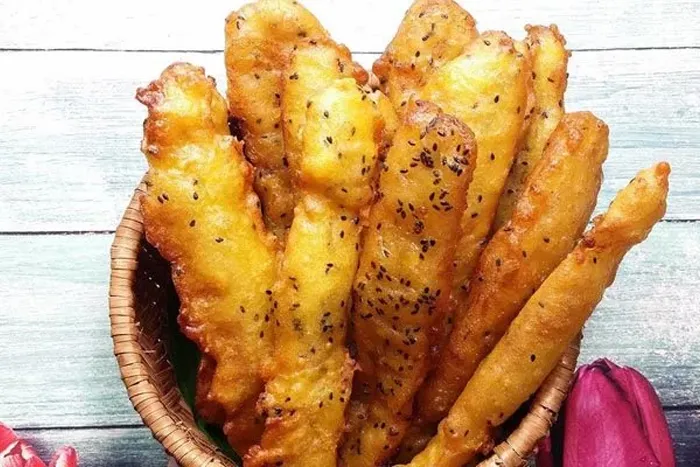
What to eat in Vietnam? Vietnamese banana cake is a delightful dessert crafted from ripe bananas, flour, milk, bread, and various seasonings. The strong banana aroma mixed with the rich sweetness of coconut milk makes it incredibly tempting. When visiting Vietnam, make sure to try this delicious cake. Its appealing golden brown color and rich, flavorful taste have won over many food enthusiasts, making it a must-try treat for travelers.
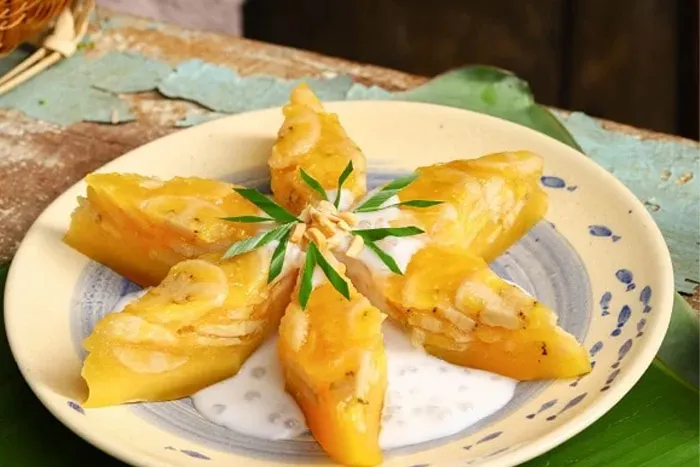
Besides the baked version, Vietnamese banana cake is also available in other delightful forms such as steamed, grilled, or dried variations, as well as glutinous rice cakes with bananas. These diverse cakes are predominantly found in South Vietnam and are celebrated as popular Vietnamese street foods. These Vietnamese desserts are sure to delight during your trip to Vietnam.
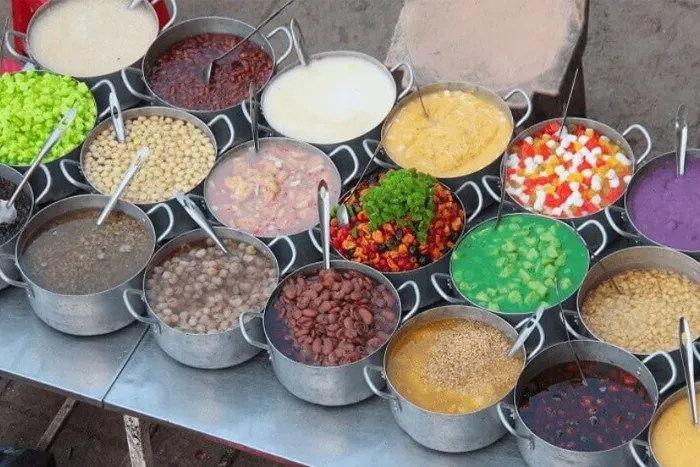
For those seeking authentic Vietnamese desserts featuring Asian fruits or vietnamese fruits, Vietnam offers a variety of venues to explore. Start by visiting bustling local markets like Ben Thanh Market in Ho Chi Minh City or Dong Xuan Market in Hanoi, where vendors proudly display traditional sweets infused with mango, durian, jackfruit, and lychee. Along the lively streets of Hanoi, Ho Chi Minh City, and Da Nang, street food stalls abound with chè (sweet soups) and bánh (cakes) adorned with these flavorful fruits. Specialized dessert shops throughout the country cater to enthusiasts looking to savor chè embellished with Asian fruit toppings such as coconut or mango, creating delightful combinations of local and tropical tastes. In addition, local cafés and bakeries are renowned for their fruit-centric creations, including delectable fruit tarts, pastries, and cakes featuring mango, lychee, or dragon fruit.
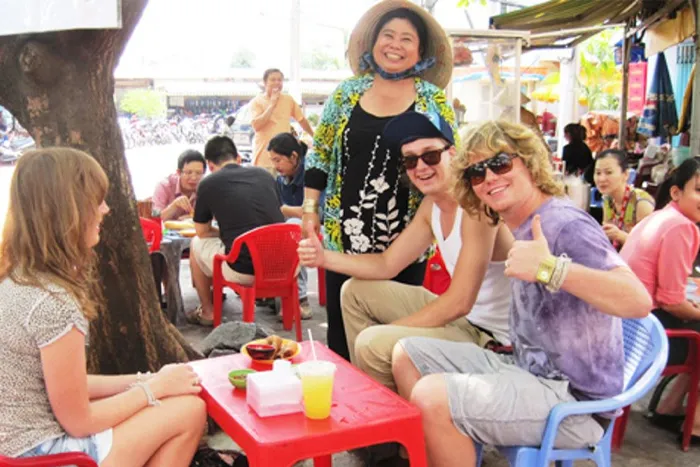
Vietnamese restaurants also offer diverse dessert menus incorporating Asian fruits, ranging from refreshing fruit salads to indulgent treats like mango sticky rice and innovative durian-infused delights. These culinary destinations provide a rich tapestry of flavors, offering a true taste of Vietnam's vibrant dessert culture intertwined with the essence of Asian fruits.
Here are some suggestions to buy Vietnamese desserts in Hanoi:
To sum up, Vietnamese desserts made with tropical Asian fruits or vietnamese fruits are a must-try when visiting Vietnam. These sweet treats use fruits like coconut, mango, lychee, and pomelo to create delicious flavors and textures. Whether you savor the silky smoothness of a chè xoài (mango dessert soup) or the invigorating bite of a tart chè bưởi (pomelo dessert soup), each spoonful transports you to a world of exotic delights. These desserts are not just sweet indulgences but also a window into Vietnam's rich culinary heritage. Trying these Vietnamese fruit desserts allows you to taste the amazing produce of the region. When you are in Vietnam, be sure to sample some of these tasty and unique fruit-based sweets.
We hope the above information is helpful and assists you in having an enjoyable and authentic experience in Vietnam. We believe you will have a wonderful journey and many memorable experiences. For a satisfying experience that exceeds your expectations, please CONTACT ATOUR ASIA, Vietnam Travel Agency now.










 FR
 ITA


