
What Is The Best Tour To Visit Hanoi Traditional Villages In 1 Day?

Just a few kilometers from the busy center of Hanoi, the traditional craft villages reveal a different side of Vietnam - more peaceful, authentic, and deeply connected to its heritage. With family-run workshops, narrow old lanes, and friendly local encounters, these villages offer a living culture that has been passed down for generations. For travelers looking for meaningful local experiences, a Hanoi traditional villages tour 1 day is an excellent cultural excursion idea. It allows visitors to explore unique craftsmanship and rural life in a short time, just outside the capital. Moreover, by booking through a Vietnam travel agency, it becomes much easier to enjoy a well-organized, smooth, and immersive day trip, far from the usual tourist routes and full of real cultural discoveries.
Table of Contents
I. Top 3 must-visit traditional villages around Hanoi
1. Bat Trang - the famous ceramic village
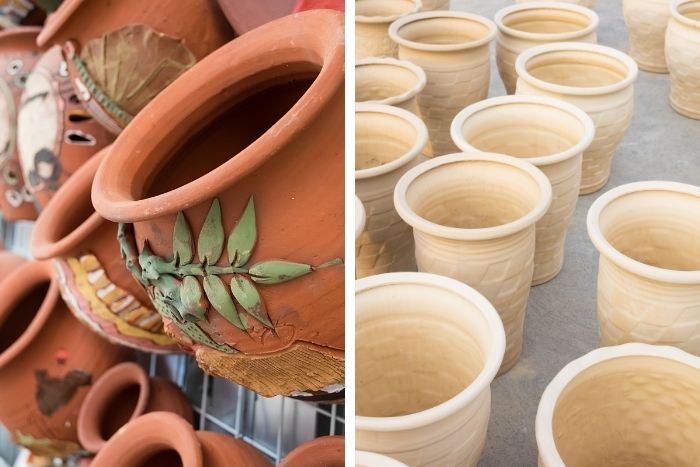
Located on the banks of the Red River, about 15 kilometers from Hanoi, Bat Trang is probably the most famous craft village in northern Vietnam. Its history goes back more than seven centuries, and ceramic making is still the main livelihood of local families today.
From the moment visitors enter the village, they are welcomed by a lively and charming atmosphere. Narrow alleys are lined with workshops where artisans carefully shape bowls, vases, teapots, and decorative items. The craftsmanship is precise and has been passed down through generations for hundreds of years.
One of the highlights of Bat Trang is the opportunity to observe the entire ceramic-making process. Some workshops even offer hands-on experiences, allowing visitors to create their own clay products. This activity is especially popular with both adults and families traveling with children.
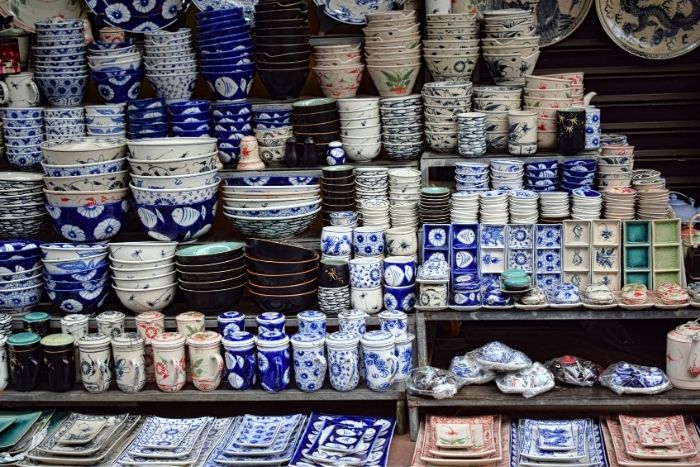
The Bat Trang market is also a must-visit spot. It offers a wide range of handmade products, from traditional Vietnamese ceramics to modern designs inspired by contemporary art. Prices are often more affordable than in Hanoi, making it a great place to buy authentic souvenirs.
Thanks to its proximity to the capital, Bat Trang is an ideal first stop on your 1-day Hanoi traditional villages tour.
2. Chuong - the conical hat village
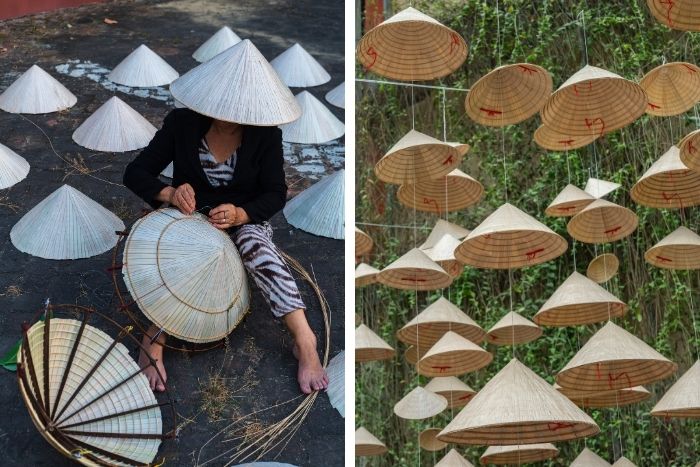
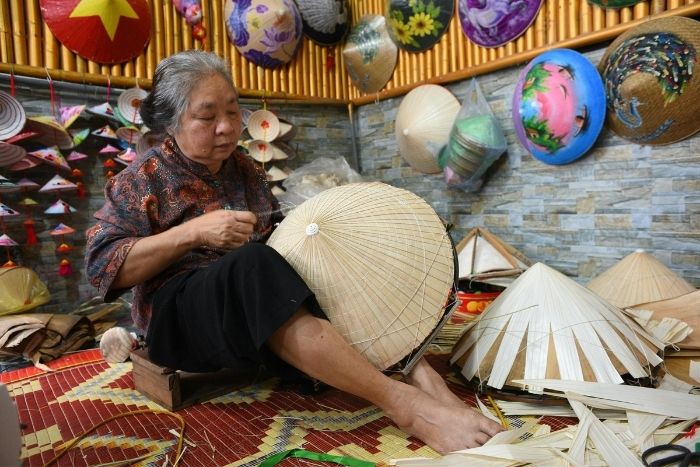
Less touristy than Bat Trang, Chuong village offers a much more local and intimate experience. Located south of Hanoi, this village is famous for producing “nón lá”, the iconic Vietnamese conical hats that have become one of the country’s most recognizable symbols.
In Chuong village, hat making has been part of daily life for generations. In front of their homes, women skillfully work with palm leaves with remarkable precision. Each step requires patience and attention to detail: selecting the leaves, drying them, sewing, and assembling them over a bamboo frame.
Unlike more crowded tourist sites, Chuong still maintains a deeply traditional atmosphere. Visitors often see locals transporting stacks of hats by bicycle, traditional markets, and everyday rural scenes typical of the Vietnamese countryside. This local immersion adds a strong human dimension, highly appreciated during a Hanoi traditional villages tour 1 day.
Overall, this stop also helps visitors better understand the cultural importance of the “nón lá” in Vietnam. More than just an accessory, it protects people from the sun and rain while representing traditional Vietnamese elegance. For a more convenient and enriching experience, many travelers choose to visit Chuong with a Vietnam travel agency specializing in cultural tours around Hanoi.
3. Quang Phu Cau - the incense village
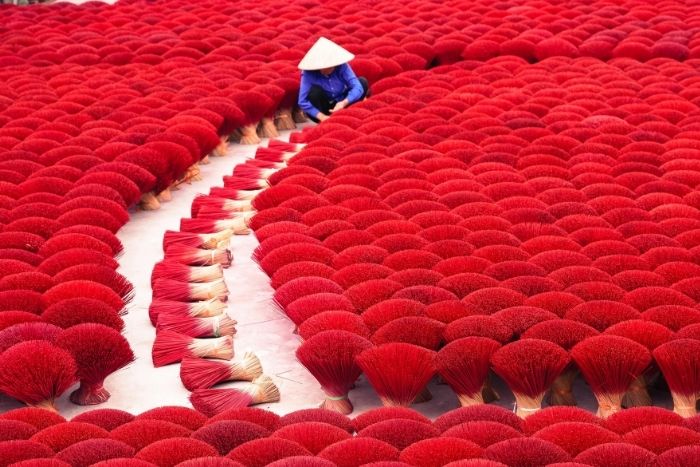
In recent years, Quang Phu Cau has attracted many travelers thanks to its impressive red incense sticks laid out to dry under the sun. Located about 35 kilometers from Hanoi, this craft village specializes in making incense used in temples, pagodas, and family altars. With its unique atmosphere and vibrant colors, it has become one of the must-see stops on a Hanoi traditional villages tour 1 day.
From the moment you arrive, the scene is truly striking. In courtyards and in front of workshops, hundreds of colorful incense bundles are arranged in circular shapes, creating highly visual and eye-catching patterns. These scenes form a beautiful contrast with the old houses and peaceful village streets.
However, Quang Phu Cau is not only about its visual appeal. Incense making also carries an important spiritual meaning in Vietnamese culture. Used in religious ceremonies and ancestor worship, incense plays a key role in everyday life across Vietnam.
Visitors can observe the different production stages: cutting bamboo, dyeing the sticks, drying them, and applying fragrant powders. Locals usually welcome travelers warmly and are happy to explain their craft.
For photographers, Quang Phu Cau is one of the most impressive villages around Hanoi. Its vivid colors, textures, and artisan scenes make it an ideal highlight of a Hanoi traditional villages tour 1 day, offering truly inspiring and unique images.
II. Hanoi traditional villages tour 1 day: suggested itinerary
To make the most of this experience, it is recommended to leave Hanoi early in the morning. A departure around 7:30 AM helps avoid traffic and allows you to enjoy the villages in a quieter atmosphere.
The morning can start with a visit to Bat Trang. About two hours are enough to explore the market, visit several workshops, and even take part in a pottery-making experience. Then, continue to Chuong village, located further south. The journey passes through typical rural landscapes of the Red River Delta, with rice fields and small traditional villages. This first part of the Hanoi traditional villages tour 1 day already offers a great overview of the craft heritage of northern Vietnam.
After discovering Chuong village, a lunch break at a local restaurant is a great opportunity to taste specialties from northern Vietnam. Travelers can enjoy traditional dishes such as “bun cha”, fresh spring rolls, “nem”, and various stir-fried vegetables.
The afternoon is dedicated to Quang Phu Cau. The soft early afternoon light beautifully enhances the bright red colors of the incense sticks, creating ideal conditions for photography. A walk through the village also allows visitors to observe artisans at work and learn more about a craft deeply rooted in Vietnamese traditions.
At the end of the day, return to Hanoi with many memories and a more sincere understanding of Vietnamese culture.
III. Practical tips for a successful trip
To make the most of your Hanoi traditional villages tour 1 day, a few practical tips can truly enhance your experience.
First, remember to bring cash, as many small craft workshops and local restaurants do not accept credit cards. Having small denominations is especially useful when buying souvenirs directly from artisans.
It is also recommended to carry a hat, sunscreen, and a bottle of water, especially during the hot months from May to September. The weather can be quite humid, so staying protected and hydrated is essential.
To fully enjoy the craft villages, try to visit on weekdays. The atmosphere is generally quieter, and artisans often have more time to interact and share their traditional techniques with visitors.
Finally, if you want to explore several villages in one day without worrying about transportation, booking a Hanoi traditional villages tour 1 day with a local guide is an excellent option. It ensures a smoother, more comfortable, and more enriching cultural experience.
In conclusion, discovering the craft villages around Hanoi offers an immersive cultural experience, far from the usual tourist routes. From the ceramic tradition of Bat Trang to the conical hats of Chuong and the colorful incense sticks of Quang Phu Cau, each stop reveals an ancestral know-how deeply rooted in Vietnamese culture. With a Hanoi traditional villages tour 1 day, travelers can explore a more human and traditional side of Vietnam, enriched by local encounters and everyday rural life scenes. To fully enjoy this excursion without any planning stress, booking through a Vietnam travel agency remains the most convenient and comfortable solution, ensuring a smooth and well-organized cultural journey.
> Vietnam Travel Guide
> 3 days in Hanoi
> Hanoi 1 day cooking class tour
> Hanoi 3 days for foodies
Around Hanoi, several other craft villages are also worth visiting to discover the richness of Vietnamese craftsmanship. Van Phuc Village is famous for its traditional silk and its weaving workshops that are still active today. On the other hand, Duong Lam attracts travelers with its ancient laterite houses and well-preserved rural atmosphere. Craft lovers can also visit Ha Thai village, known for its traditional Vietnamese lacquerware. Finally, Kim Bong and Phu Vinh are well known for their wood and bamboo handicrafts. These villages offer a diverse cultural immersion around Hanoi and showcase the variety of Vietnam's craft villages.
The visiting time depends on each craft village and the activities you plan to do on site. In general, you should allow around 1.5 to 2 hours to explore a village such as Bat Trang village, especially if you want to visit workshops, shop for souvenirs, or take part in a pottery-making experience. For Chuong or Quang Phu Cau, a visit of about 1 to 1.5 hours is usually enough to walk around the village, observe artisans at work, and take photos. Therefore, a full-day trip allows you to easily visit three craft villages around Hanoi while also enjoying a local lunch and several cultural stops along the way.
Yes, visiting Vietnam craft villages often allows travelers to buy directly from local artisans. In villages such as Bat Trang, Chuong, or Quang Phu Cau, many families sell their handmade products directly from their workshops or at traditional local markets. This is a great opportunity to bring home unique souvenirs while also supporting the local economy. Prices are generally more affordable compared to tourist shops in Hanoi, making the experience even more attractive. During a visit to Vietnam's craft villages, travelers can also observe the production process and interact with artisans. These exchanges make the journey more meaningful, personal, and culturally enriching.
Related travel guide
Other similar articles


CUSTOMIZABLE BY LOCAL EXPERTS
Personalized trip at the original price!

REFUND GUARANTEE
We believe in our work and promise to give you money back.

GOOD PRICE / QUALITY
95% satisfied more than expected!

24/7 LOCAL SUPPORT
We are always available online to provide assistance at any time.

Most read articles


Autour Asia is highly recommended on
Embracing the mission of "Satisfied more than expected" and providing authentic experiences, we have received numerous recommendations on reputable travel forums: