Nestled alongside the tranquil Hoan Kiem Lake, amid the timeless Long Bien Bridge, weathered city walls, and a commanding citadel, Hanoi Old Quarter unfurls as a captivating mosaic steeped in Vietnamese legacy. This bustling network of 36 interlinked streets breathes the vibrant soul of the city's cultural heritage. Within this labyrinth, a thriving community of artisans, traders, and proprietors proudly upholds Hanoi's rich traditions. What sets this quarter apart is its unique nomenclature - each street bears the prefix "Hang," signifying a connection to commerce. Remarkably, every street specialises in goods and wares aligned with its name, offering an immersive journey through specialised products and local treasures.
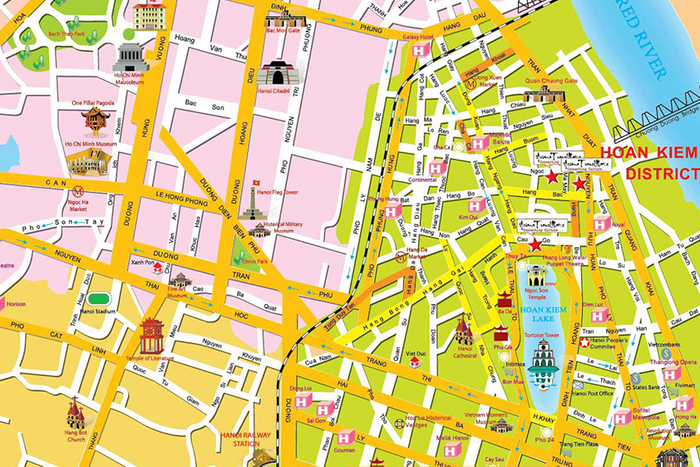
The origins of Hanoi 36 streets can be traced back to the Ly Dynasty (1009-1225), when King Lý Thái Tổ relocated the capital of Vietnam from Hoa Lu to Thang Long (Hanoi's ancient name). The city quickly grew and developed, becoming a centre of commerce and trade. The Old Quarter, located on the banks of the Red River, was home to merchants and artisans from all over Vietnam, who specialised in a variety of crafts, including silk weaving, pottery, and metalworking.
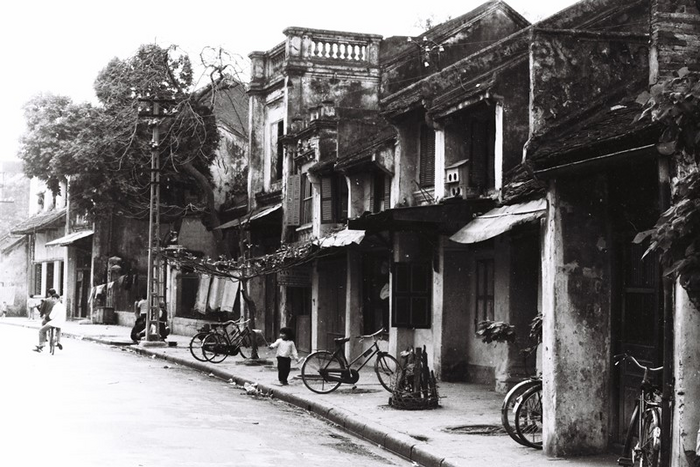
During the French colonial period (1887-1954), Hanoi Old Town underwent significant changes. The French authorities imposed their architectural style on the city, constructing wide boulevards and modern buildings. However, the Old Quarter largely retained its traditional character, with its narrow streets, shophouses, and temples. The French also introduced new industries to Hanoi, such as textiles and printing, which further contributed to the city's economic growth. After Vietnam gained independence from France in 1954, Hanoi Old Quarter continued to thrive as a commercial and cultural hub. The city's traditional crafts and trades were revived, and new businesses emerged. The Old Quarter also became a centre for resistance against the American War in Vietnam, with many residents providing support to the Viet Cong.
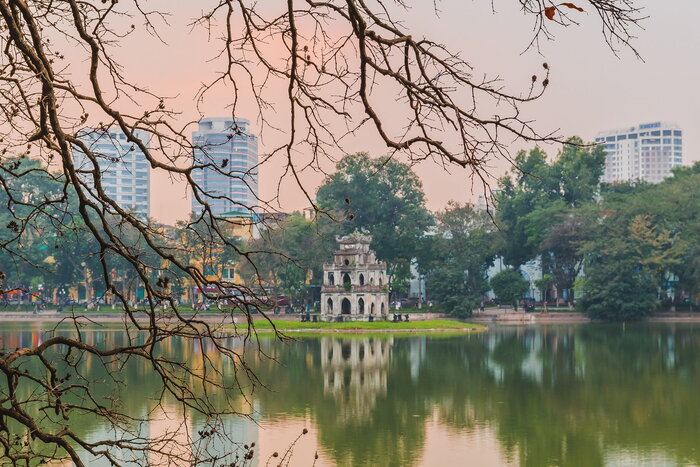
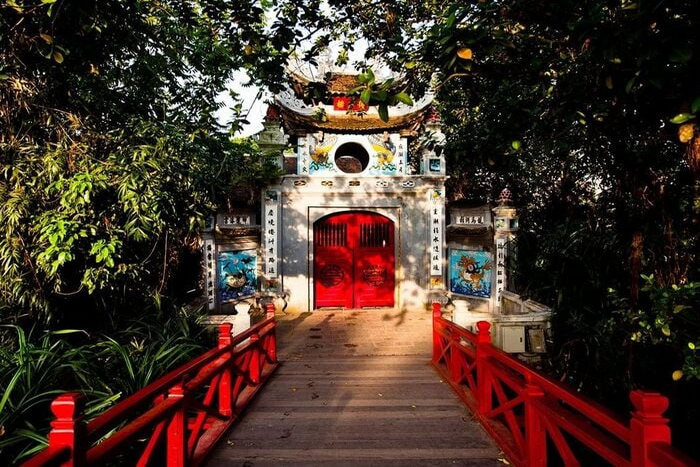
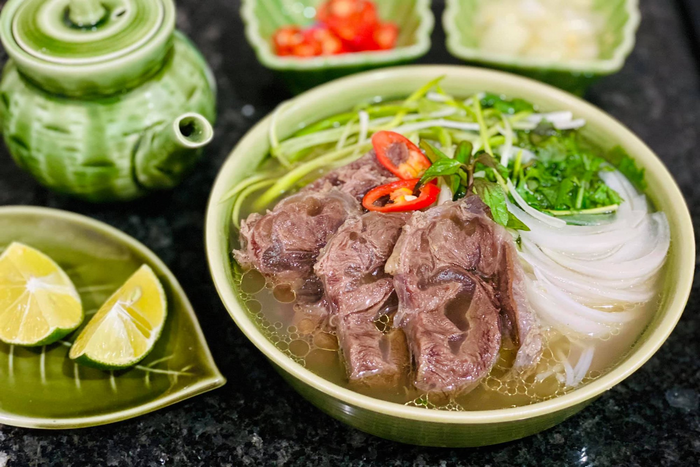
Today, Hanoi 36 streets is a vibrant and most sought after destination. Visitors come from all over the world to experience the city's unique atmosphere, explore its historic sites, and sample its delicious street food. The Old Quarter is also home to a growing number of art galleries, cafes, and restaurants, reflecting Hanoi's dynamic and evolving culture.
To reach this captivating destination, you can choose from a variety of transportation options, each offering its unique advantages:
For a clean, safe, and comfortable travel experience, consider the Hanoi Metro. With one line extending from Ha Dong to Cat Linh station in Dong Da district, covering approximately 13 kilometres, the metro offers a convenient and modern mode of transportation.
Hanoi boasts a well-connected network of buses and green electric buses, providing comprehensive coverage throughout the city. Choose from a variety of routes to reach your desired destination, enjoying a reliable and affordable transportation option.
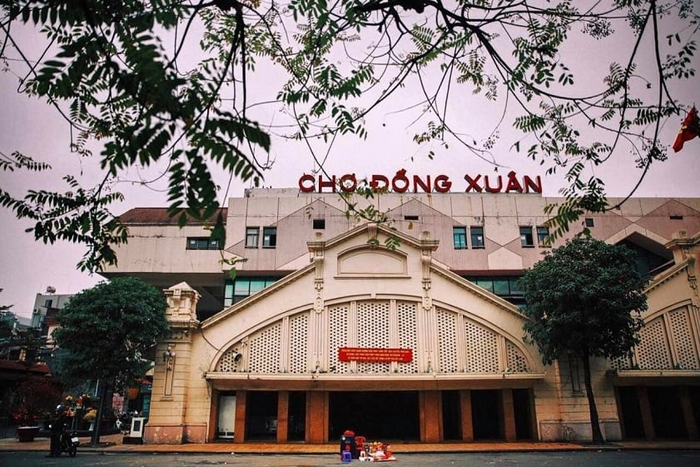
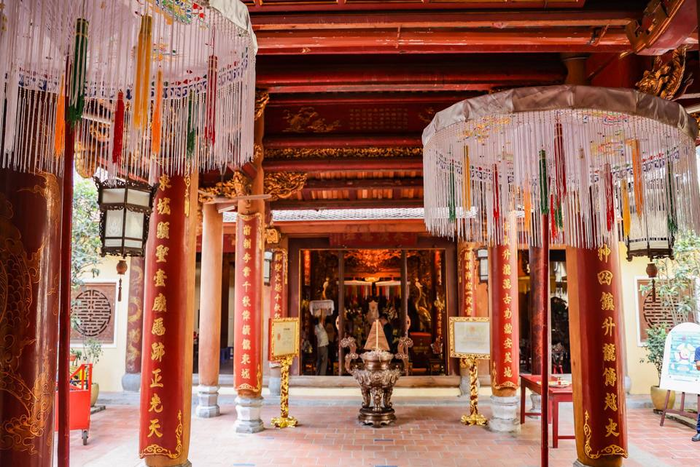
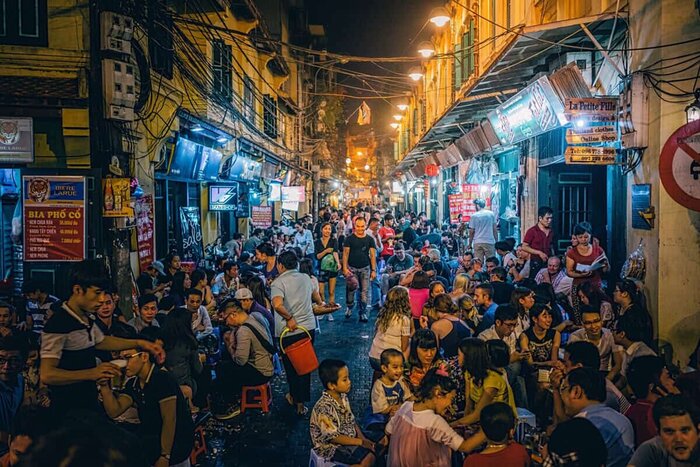
Maybe you are interested: Top best places to visit in Hanoi
Currency Exchange: The official currency in Vietnam is the Vietnam Dong. Look for Currency Exchange stations in tourist areas or city centres to exchange your money. Doing so within Vietnam usually provides better rates compared to exchanging abroad.
Crossing the road: Because Hanoi's streets are very bustling and there are many vehicles, no run & just walk slowly, keep your eyes to the left and right and walk slowly. No run or you will be hit by motorbikes and cars.
Respect the locals and their culture & environment. This includes dressing appropriately asking permission before taking photos, and not littering or damaging the property of the locals


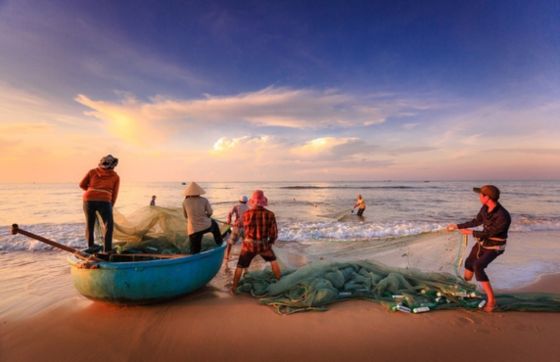
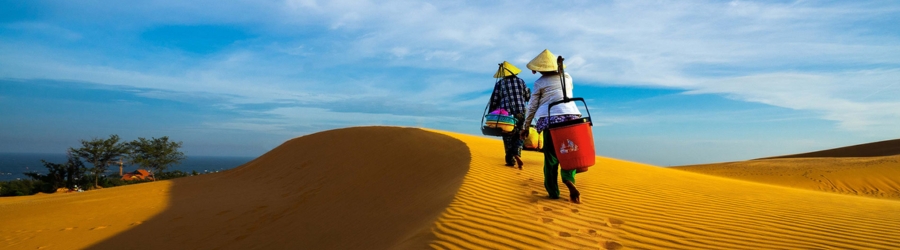
Phan Thiet, a coastal city in Binh Thuan Province, is best known for Mui Ne, an internationally renowned seaside destination. With its beaches, fishing villages, and desert-like sand dunes, the region offers a diverse range of landscapes rarely found elsewhere in Southeast Asia. In November, temperatures remain pleasant for exploring the coast, although occasional showers are still possible. Visiting Phan Thiet Mui Ne in November requires a little preparation to make the most of your stay. This complete guide covers the weather, must-see attractions, transportation options, and practical tips to help you plan your trip to Vietnam in November.
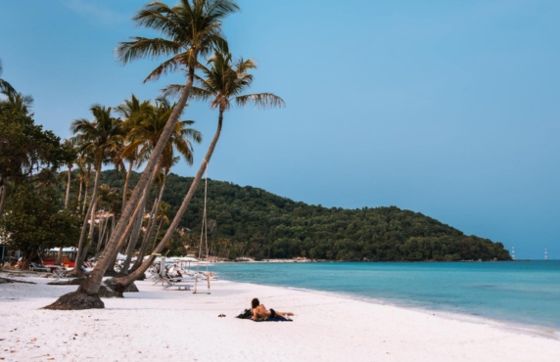
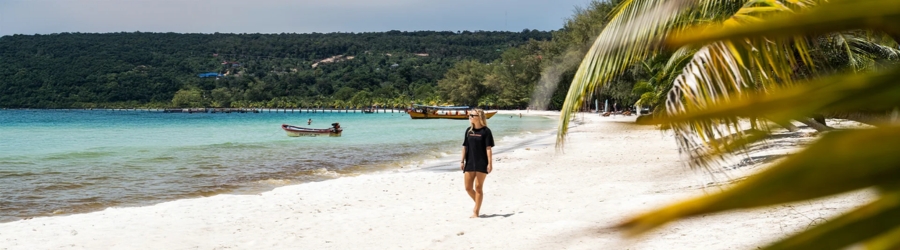
Vietnam’s beaches are best enjoyed at different times of the year, depending on the region. From the turquoise waters of the South to the long stretches of white sand in the Central region and tropical islands, each area has its own climate patterns. To better understand when to visit Vietnam, it is important to consider the weather conditions in each destination. The best time to visit beaches in Vietnam depends on region you choose as well as the activities you have planned. The best time to swim in Vietnam also varies according to rainfall, water temperature and sea conditions. Understanding the Vietnam beach season helps you choose destinations that match your travel dates and enjoy the coastline in good conditions.
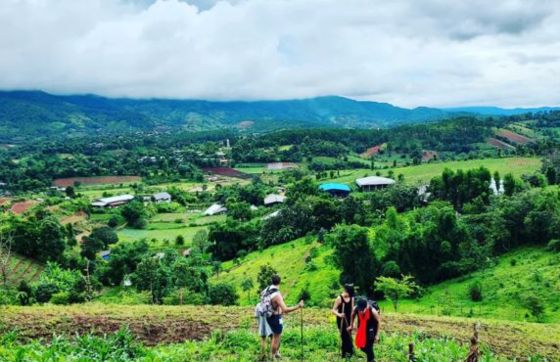
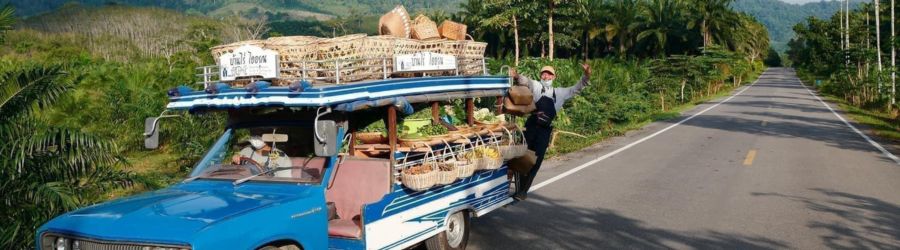
Discovering Thailand through its rice fields, plantations, and rural villages offers a different way to travel, far from traditional tourist circuits. But how can you choose the best agency for Thailand farm tours to enjoy authentic experiences with local communities? Several tour operators offer trips combining agriculture, gastronomy, and encounters with producers. Among them, Autour Asia is an option for travelers who want to personalize their itinerary. Known as Vietnam travel agency - Autour Asia, the company also offers tailor-made trips to several countries in Southeast Asia. With the local travel agency in Thailand - Autour Asia, travelers can explore a trip designed around their interests. Here are five organizations worth knowing, their distinctive features, and the essential criteria for planning a successful agricultural tour in Thailand.
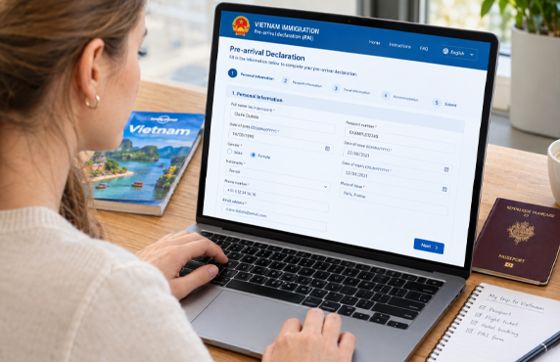
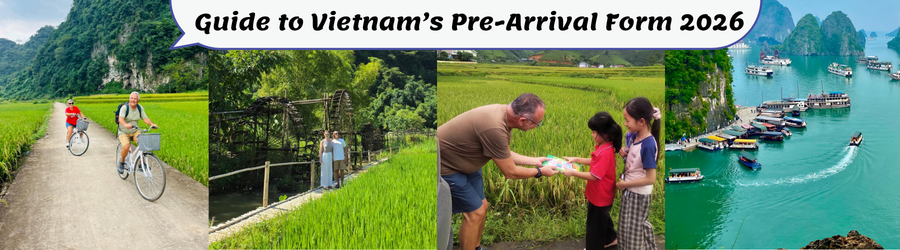
Planning a trip to Vietnam? Before packing your bags, take a few minutes to check the latest entry requirements and prepare the documents you may need at the airport.
Vietnam’s Pre-Arrival Information (PAI) system allows international travellers to submit selected personal, visa and travel details online before arriving in the country. After a successful submission, the system generates a QR code that travellers can save on their phones or print for use during immigration procedures. Although the online declaration is designed to help make arrival procedures smoother, travellers should understand when it applies, how to complete it correctly and which documents they still need to enter Vietnam.
In this practical guide, you will discover where to access the official PAI portal, what information to prepare, how to complete the declaration step by step, how to correct common mistakes and what to do when you arrive at the airport.
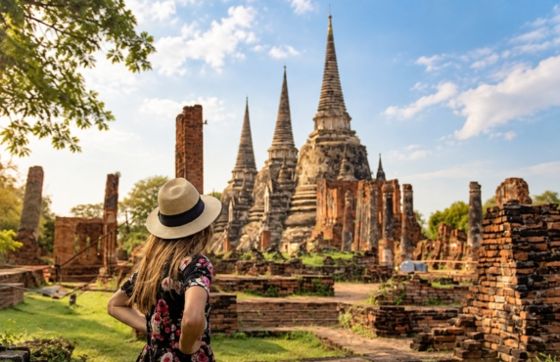
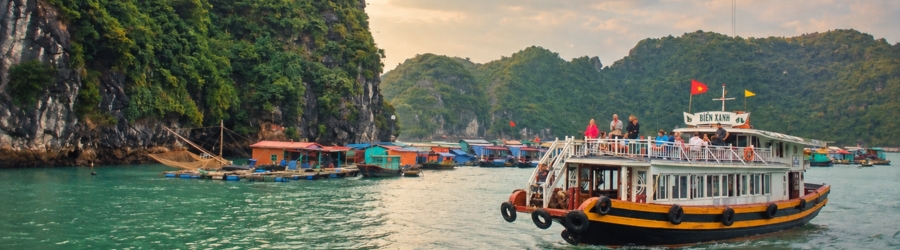
With its exotic landscapes, fascinating cultures and diverse experiences, Vietnam and Thailand are among the most popular destinations in Southeast Asia. However, safety remains an important criterion when planning your trip. So, how can you choose Vietnam or Thailand for a safe trip depending on the way you travel ? And is Vietnam safer than Thailand ? Each destination has its own characteristics and points to consider. In this article, Autour Asia helps you compare Vietnam and Thailand to better understand their differences and choose the destination that meets your expectations for your next trip to Asia.
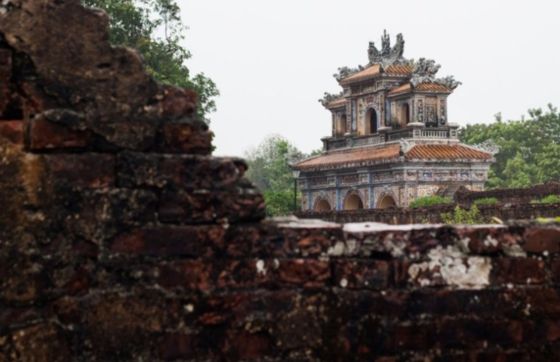
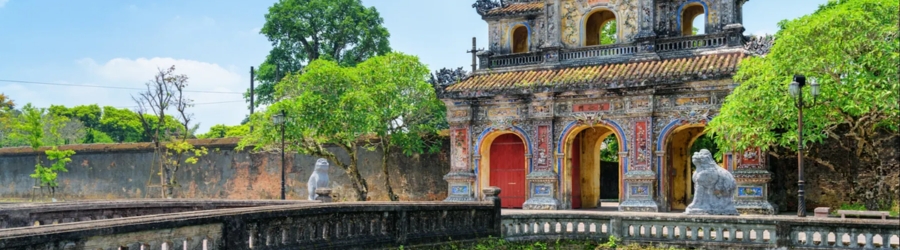
Planning a trip to Hue in November requires a little more flexibility than at other times of the year. Visiting Hue in November means experiencing the rainy season in central Vietnam, with prolonged showers and a risk of flooding. However, this period can also be an opportunity to explore the former imperial capital’s royal heritage, pagodas and renowned cuisine in a quieter atmosphere. The key is to choose your activities carefully, prepare alternative plans and check the weather conditions before setting out.
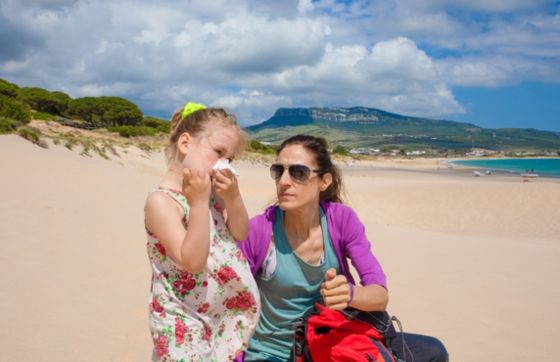
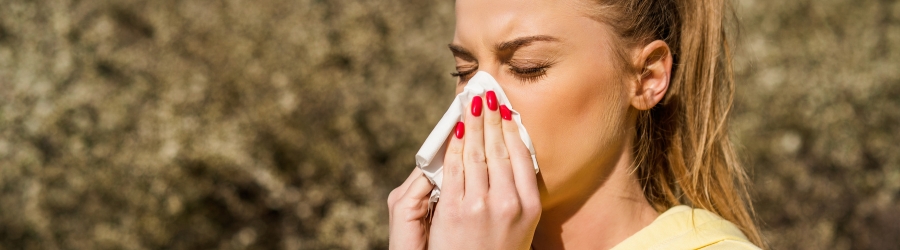
When travelling in Cambodia, some everyday habits may raise questions about local customs. Is blowing your nose in public considered polite? How should you behave in restaurants, on public transport or during a visit? These small details matter when you want to respect the local culture. Discover how to manage blowing your nose in Cambodia discreetly, along with practical tips on using tissues during your trip. Autour Asia, Cambodia travel agency, helps you discover local customs with advice tailored to travellers. From Cambodia travel etiquette to personal hygiene and everyday situations, a few simple guidelines can make your journey more comfortable. In Phnom Penh, Siem Reap or Kampot, understanding local customs helps you avoid awkward moments while making the most of your stay.
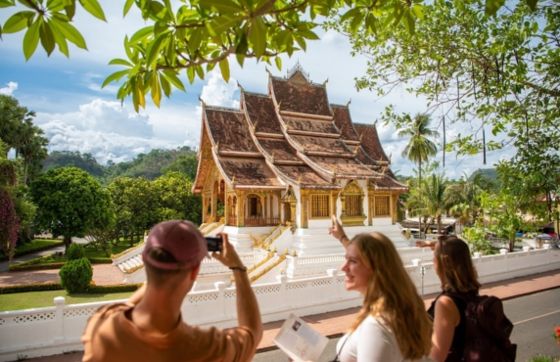
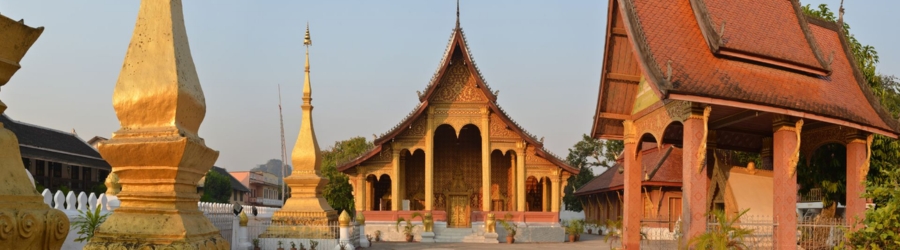
Blow your nose in Laos is not necessarily considered rude, but it is best to do so discreetly, especially in quiet places or during meals. If you have a cold, use a clean tissue and avoid blowing your nose loudly in public. In temples and other places of worship, respect the peaceful atmosphere and local customs. If you need to blow your nose frequently, step away from others for a moment whenever possible. Finally, dispose of used tissues in a rubbish bin. These simple habits will help you observe good manners during your trip to Laos.



 FR
FR EN
EN