What To Pack For A Trip To Vietnam?
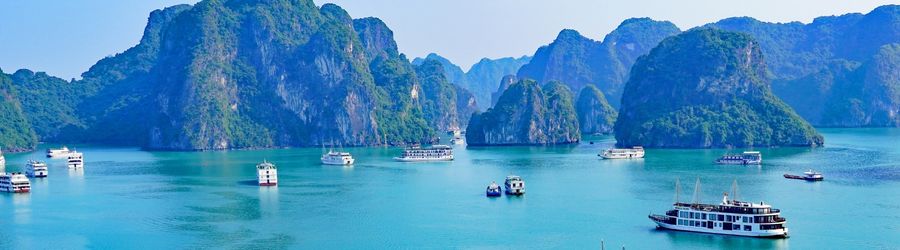
Packing your luggage is one of the most important steps before exploring Vietnam. From the misty mountains of the North and the sun-drenched beaches of Central Vietnam to the tropical landscapes of the South, a single trip can take you from cool temperatures to hot and humid weather within just a few days. That's why knowing what to pack for a trip to Vietnam is essential for traveling comfortably without overpacking. By choosing the right clothing and travel essentials according to the season, your itinerary, and the regions you plan to visit, you'll enjoy a smoother and more enjoyable journey. With expert advice from our Vietnam travel agency, you can prepare a practical, lightweight suitcase perfectly suited to every stage of your adventure.
Table of Contents
I. Pack according to Vietnam's climate and your itinerary
Before deciding what to pack for a trip to Vietnam, it's important to consider both your itinerary and the time of year you plan to visit. Stretching over 1,600 kilometers from north to south, Vietnam features a remarkable variety of climates. Within just a few days, you can travel from cool mountain regions to tropical beaches, making it essential to pack clothing and travel gear that suit different weather conditions.
Northern Vietnam, home to Hanoi, Halong Bay, Ninh Binh, and Sapa, experiences four distinct seasons. During winter, from December to February, temperatures in the mountains can drop below 10°C (50°F). In contrast, summer is hot, humid, and often accompanied by tropical showers. Central Vietnam, including Hue, Da Nang, and Hoi An, generally enjoys dry and sunny weather in spring and summer, while the rainy season is more common from September to November. In the south, around Ho Chi Minh City, the Mekong Delta, and Phu Quoc Island, the climate remains warm year-round, alternating between the dry season and the rainy season.
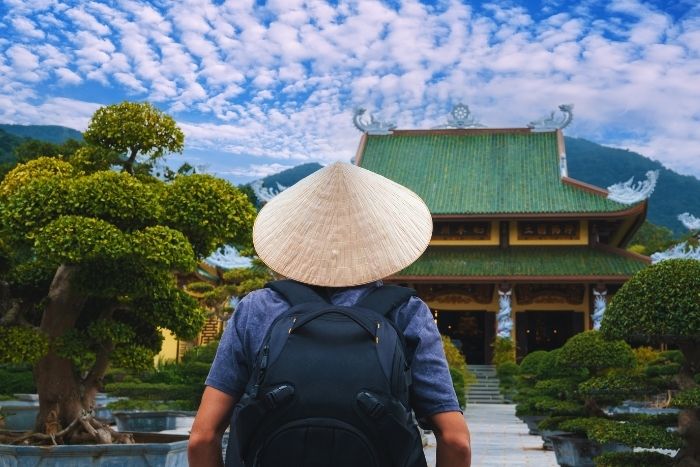
Knowing the best time to visit Vietnam will help you pack only what you truly need. For example, a trip in March or April usually requires lightweight, breathable clothing, while a winter journey through the northern mountains calls for a warm jacket and a few extra layers. Likewise, an itinerary that combines trekking in Sapa, a Halong Bay cruise, and beach time in Hoi An requires more versatile packing than a holiday focused solely on southern Vietnam.
Finally, avoid filling your suitcase with items "just in case." Vietnam has plenty of shops where you can easily buy forgotten clothing, sandals, or a raincoat at affordable prices. Traveling with a reasonably packed suitcase makes it much easier to move between destinations, whether you're taking domestic flights, train journeys, or changing hotels. Smart packing ensures you have everything you need—without carrying unnecessary weight throughout your trip.
II. What to pack for a trip to Vietnam
Once you've planned your itinerary, it's much easier to decide what to pack for a trip to Vietnam. The goal isn't to bring as many items as possible, but to pack wisely according to the weather conditions and the activities you've planned. Comfortable clothing, a few practical accessories, and your essential travel documents are usually all you need for a smooth and enjoyable journey across the country.
1. Clothing and footwear
If you're wondering what to wear in Vietnam, choose comfortable, breathable clothing that suits the different stages of your trip. Here are the essentials to include in your suitcase:
- Lightweight T-shirts and shirts: Cotton or linen fabrics are ideal for Vietnam's warm and humid climate.
- Lightweight trousers and shorts: Perfect for sightseeing, day trips, and outdoor activities.
- A light jacket or thin sweater: Useful for the cooler evenings or when traveling in the northern mountains.
- A compact rain jacket: Essential if you're visiting during the rainy season.
- Swimwear: Don't forget your swimsuit if you plan to enjoy the beaches of Da Nang, Nha Trang, or Phu Quoc, or relax by your hotel's pool.
- Modest clothing: Long trousers or skirts and tops that cover the shoulders are recommended when visiting temples, pagodas, and other religious sites.
- Comfortable walking shoes: Ideal for exploring cities and visiting Vietnam's many cultural and natural attractions.
- Sandals: A practical choice for hot days and beach destinations.
- Hiking shoes: A must if your itinerary includes trekking in Sapa, Ha Giang, or other mountainous regions.
2. Useful travel accessories
To make your trip more comfortable, a few practical accessories deserve a place in your suitcase. Here are the essentials you shouldn't forget:
- A hat or cap: Ideal for protecting yourself from the sun, especially during outdoor sightseeing.
- Sunglasses: Essential for bright, sunny days.
- High-SPF sunscreen: To protect your skin from Vietnam's tropical sun.
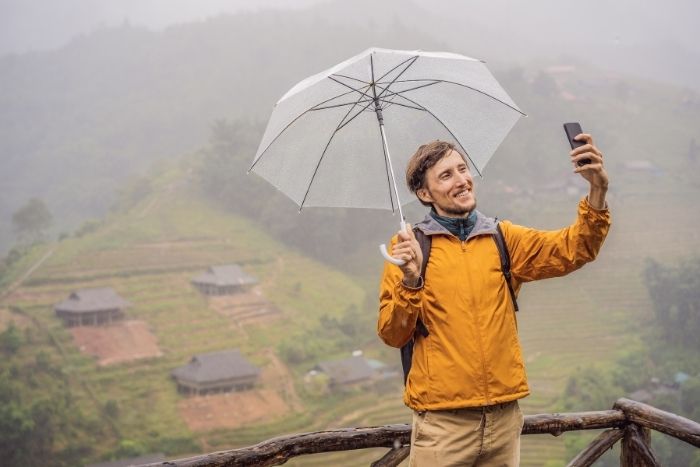
- A lightweight rain jacket or compact umbrella: Very useful during unexpected showers, particularly in the rainy season.
- A reusable water bottle: Perfect for staying hydrated throughout the day.
- A power bank: Handy for charging your phone during excursions or long journeys.
- A small daypack: Ideal for carrying your daily essentials while exploring.
- A waterproof pouch: Useful for protecting your phone, travel documents, and camera during a Halong Bay cruise or other water-based activities.
Before you travel, don't forget to check your airline baggage in Vietnam allowance, especially if your itinerary includes domestic flights. Baggage policies vary between airlines, and packing a lightweight suitcase can help you avoid excess baggage fees while making it easier to travel from one destination to another.
3. Toiletries and travel first-aid kit
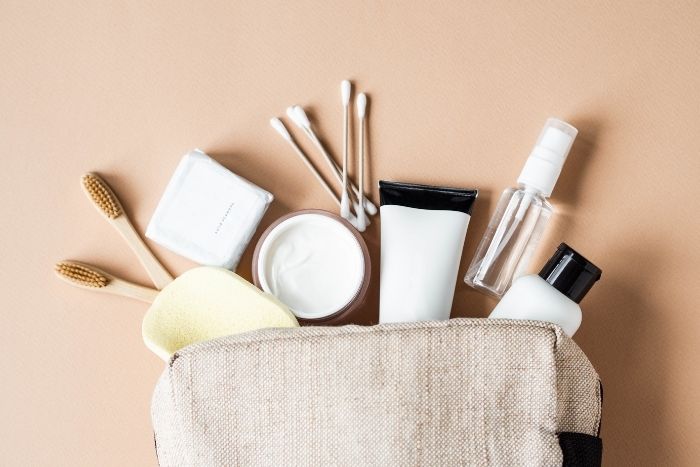
When deciding what to pack for a trip to Vietnam, don't forget to prepare a compact toiletry bag and a basic travel first-aid kit. Although pharmacies and supermarkets are easy to find in major cities, it's always more convenient to bring your everyday essentials, especially if your itinerary includes rural or mountainous areas.
Toiletries:
- Toothbrush and toothpaste
- Travel-size shampoo and body wash
- Deodorant
- Hand sanitizer
- High-SPF sunscreen
- Lip balm, especially useful in the cooler mountain regions
Travel first-aid kit:
- Personal medications and prescriptions, if required
- Medicine for digestive issues
- Pain relievers and fever reducers
- Bandages and antiseptic
- Mosquito repellent, especially important in rural areas and around rice fields
- A small first-aid kit for minor injuries during your trip
This compact kit takes up very little space in your suitcase while helping you deal with minor inconveniences and travel comfortably throughout your journey in Vietnam.
4. Important travel documents
No trip should begin without making sure you have all the essential travel documents. Check that your passport is valid for the entire duration of your stay and verify Vietnam's entry requirements based on your nationality. It's also a good idea to keep digital copies of your passport, travel insurance, flight tickets, and hotel reservations so they are easily accessible on your phone if needed.
For extra peace of mind, always keep your passport, payment cards, cash, and other valuables in your carry-on luggage. As our Vietnam travel agency often advises, staying organized with your important documents and personal belongings will help you travel with confidence and enjoy every moment of your journey through Vietnam.
III. Travel tips from our Vietnam travel experts
Before you leave, here are some practical travel tips in Vietnam to help you pack wisely and enjoy a smoother journey throughout the country.
Do:
- Pack a long-sleeved shirt to protect yourself from mosquitoes and for cooler evenings in Northern Vietnam.
- Bring a lightweight rain jacket instead of a bulky umbrella if you're traveling during the rainy season.
- Wear comfortable, well-broken-in shoes for sightseeing and trekking.
- Keep a universal travel adapter and a power bank in your carry-on bag.
- Pack a foldable tote bag or backpack for day trips and shopping at local markets.
Don't:
- Pack too many pairs of shoes. One comfortable pair and a pair of sandals are usually enough.
- Bring large toiletry bottles, as most personal care products are easy to find in Vietnam's major cities.
- Forget modest clothing that covers your shoulders and knees when visiting temples and pagodas.
- Choose an oversized hard-shell suitcase if your itinerary includes multiple hotels, train journeys, or domestic flights.
These simple travel tips in Vietnam will help you travel more comfortably and make the most of your adventure, no matter where your itinerary takes you.
In conclusion, knowing what to pack for a trip to Vietnam is an essential part of preparing for a smooth and enjoyable journey. By considering the climate, the regions you'll visit, and the activities you've planned, you can pack a practical, lightweight suitcase that suits every stage of your adventure. With expert guidance from our Vietnam travel agency, you'll travel with confidence and be ready to discover the country's incredible diversity—from the misty mountains of the North and the beautiful beaches of Central Vietnam to the lush landscapes of the Mekong Delta. Thoughtful packing allows you to explore Vietnam with greater comfort, peace of mind, and freedom.
> Vietnam Travel Guide
> Fantastic Vietnam 15 days
> Halong Bay Cruises
> 3 days in Hanoi
If you're choosing between Sapa or Ha Giang for a coolcation, you'll be pleased to know that both destinations enjoy cooler temperatures than most parts of Vietnam, making them perfect for hiking through breathtaking mountain landscapes. For a trek in either region, pack comfortable clothing that can adapt to changing weather conditions. Bring a pair of well-broken-in hiking boots, a lightweight waterproof jacket, a warm layer for cool mornings, a cap, sunglasses, and mosquito repellent. A small daypack, a reusable water bottle, and a power bank will also come in handy during your trekking adventures.
Yes, traveling to Vietnam with a baby is very convenient, especially in major cities such as Hanoi, Da Nang, and Ho Chi Minh City. Supermarkets, pharmacies, and baby stores offer a wide range of essential products, including diapers, infant formula, baby wipes, baby food, and childcare items from both local and international brands. However, if your baby relies on a specific formula or has particular dietary or medical needs, it's best to bring an adequate supply from home. If your itinerary includes remote or rural areas, packing your baby's daily essentials in advance is also highly recommended.
It is recommended to bring the equivalent of US$100 to US$200 in cash to cover your initial expenses upon arrival, such as meals, taxis, and small purchases. The official currency in Vietnam is the Vietnamese đồng (VND), which can easily be withdrawn from ATMs available in major cities and tourist destinations. Credit and debit cards are widely accepted at many hotels, restaurants, and shopping malls. However, local markets, small shops, and some rural areas still rely primarily on cash payments. For a hassle-free trip, it's best to carry both a bank card and some cash throughout your journey.
Related travel guide
Other similar articles


CUSTOMIZABLE BY LOCAL EXPERTS
Personalized trip at the original price!

REFUND GUARANTEE
We believe in our work and promise to give you money back.

GOOD PRICE / QUALITY
95% satisfied more than expected!

24/7 LOCAL SUPPORT
We are always available online to provide assistance at any time.

Most read articles


Autour Asia is highly recommended on
Embracing the mission of "Satisfied more than expected" and providing authentic experiences, we have received numerous recommendations on reputable travel forums: