Tucked away in Hanoi's heart, south of the Imperial Citadel, sits the Temple of Literature, a sanctuary of red-tiled roofs and tranquil gardens. Once Vietnam's first national university, this UNESCO gem whispers tales of emperors and scholars, beckoning travelers to step back in time and discover the soul of Vietnamese learning.
Located in a prime location at the intersection of 3 central streets of Dong Da district: Nguyen Thai Hoc, Ton Duc Thang, Văn Miếu, about 2 - 3 km from Hoan Kiem Lake. Therefore, visitors can easily move to the Temple of Literature in the following ways:
Public transportation is a budget-friendly option, and several buses connect you to the temple. Hop on routes 02, 23, 38, 25, or 41 and alight at the nearest stop. A short walk will take you to the entrance.
If you prefer a quicker and more convenient journey, taxis and motorbike taxis are readily available throughout Hanoi. Simply flag down a taxi or use a ride-hailing app like Grab to reach the temple in style.
For a unique sightseeing experience, take a ride on Hanoi's double-decker bus. This relatively new addition to the city's transportation network offers panoramic views as you journey towards the temple and other iconic landmarks.
Temple of Literature opening hours: every day.
Entrance fee
Established in August 1070 during King Ly Thanh Tong's reign, the temple literature hanoi served as a site for honoring Confucian saints and functioned as the inaugural royal academy, instructing princes. The initial pupil, Prince Ly Can Duc, later known as King Ly Nhan Tong, was the first attendee. In 1076, King Ly Nhan Tong, upon ascending the throne, established a teaching institution adjacent to Van Mieu. This exclusive academy, named Quoc Tu Giam, catered solely to noble offspring.
Under King Tran Thai Tong in 1253, Quoc Tu Giam expanded its admissions, welcoming exceptional commoner children. During King Tran Minh Tong's rule (1300-1357), Chu Van An assumed the role of Quoc Tu Giam Tu Nghiep, akin to a modern-day principal. His responsibilities included overseeing all aspects of Quoc Tu Giam and personally instructing Prince Tran Vuong. In 1484, King Le Thanh Tong initiated examinations and erected steles to commemorate successful doctoral candidates. Subsequently, during the Nguyen era, the Quoc Tu Giam School was established in Hue, while the hanoi temple of literature endured to the present day.
One day to visit temple literature hanoi promises not to disappoint you. You will be overwhelmed by its architecture. This is a harmonious combination of Vietnamese and Chinese styles, reflecting centuries of cultural exchange and development with many areas to visit.
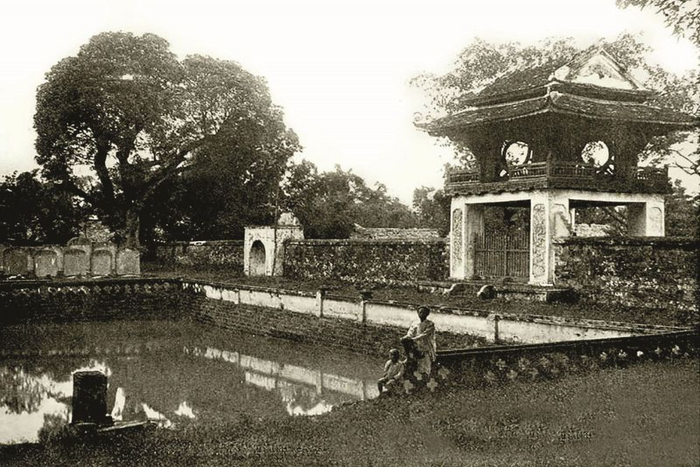
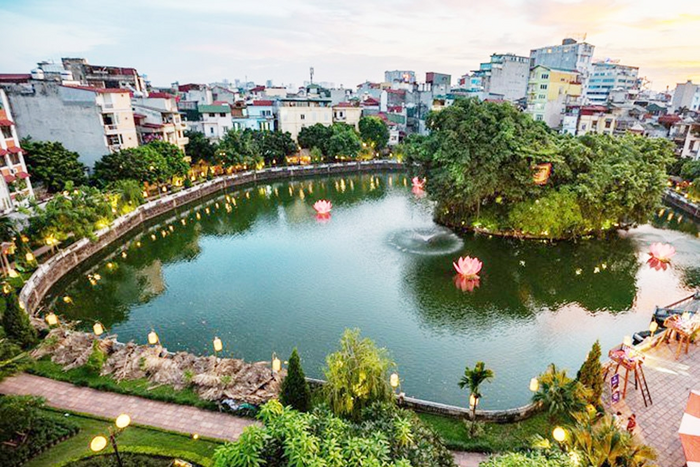
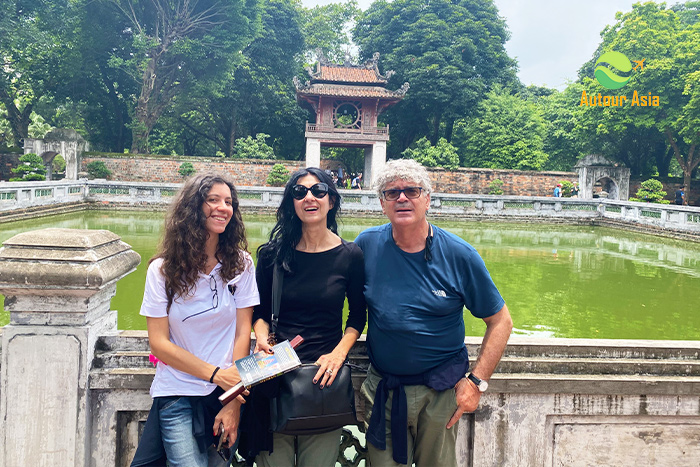
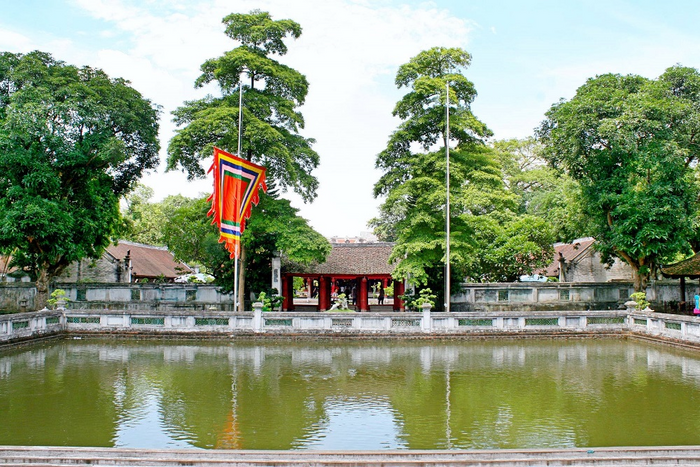
Glistening like a jade mirror before the majestic gates of the Temple of Literature, Giam Lake (also known as Literature Lake or Minh Duong Lake) is an integral part of Hanoi's historical and cultural tapestry. Its glassy surface reflects the ancient architecture of the temple, creating a picture of serene beauty. In the past, students from the Imperial Academy, Vietnam's first national university, would gather by the lake's edge, seeking inspiration for their poems and essays, their reflections mingling with the dancing lotus flowers. Today, Giam Lake continues to be a haven for reflection and learning, offering visitors a glimpse into the intellectual heart of Hanoi's past.
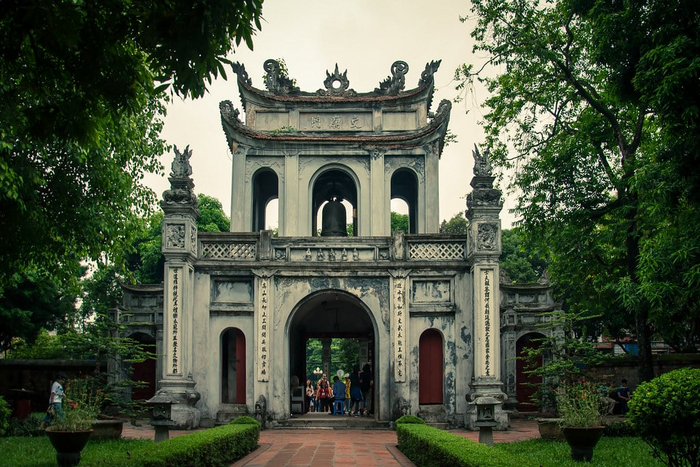
Standing tall and proud at the entrance to the historic temple of literature in Hanoi complex in Hanoi, the gate of the temple of literature, serves as a grand introduction to Vietnam's rich cultural heritage. This majestic two-story structure, adorned with intricate carvings and topped with a tiled roof, boasts three archways, each symbolizing different aspects of learning. The central arch, the largest and most ornate, was traditionally reserved for the emperor, while the side arches welcomed scholars and officials. Stepping through the gate is like stepping back in time, transporting you to an era where education was revered and knowledge was power.
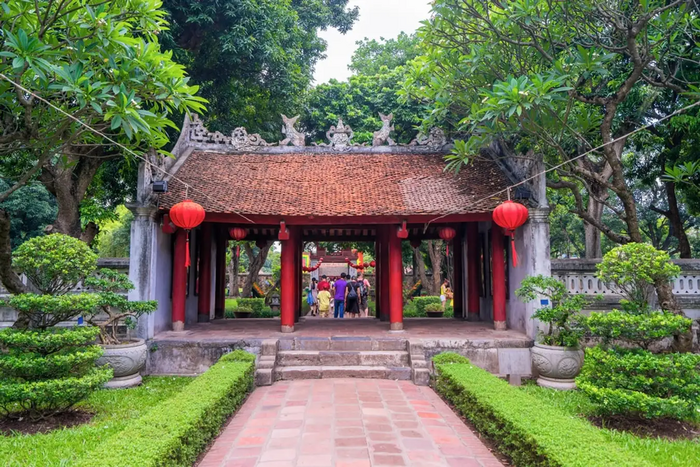
The Great Middle Gate commands attention as it stands proudly, marking the entrance to the second courtyard. This awe-inspiring structure, dating back to the 15th-17th centuries from the Le Dynasty, showcases the distinctive Vietnamese architectural style. Comprised of sturdy red brick, it features three arched doorways upheld by robust wooden pillars. Its crowning glory is a splendid tiled roof, elegantly curved to resemble the flowing lines of a traditional shoe, symbolizing progress and growth. More than a mere physical barrier, the Great Middle Gate embodies the profound journey of students who pass through it, encapsulating the transformative pursuit of knowledge and advancement within the revered grounds of the temple literature hanoi.
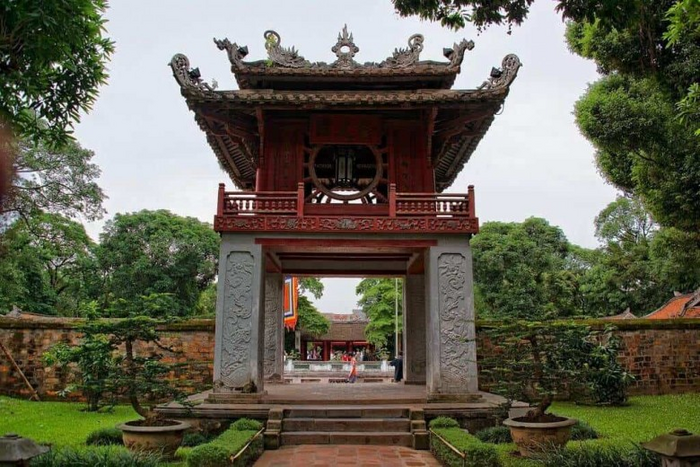
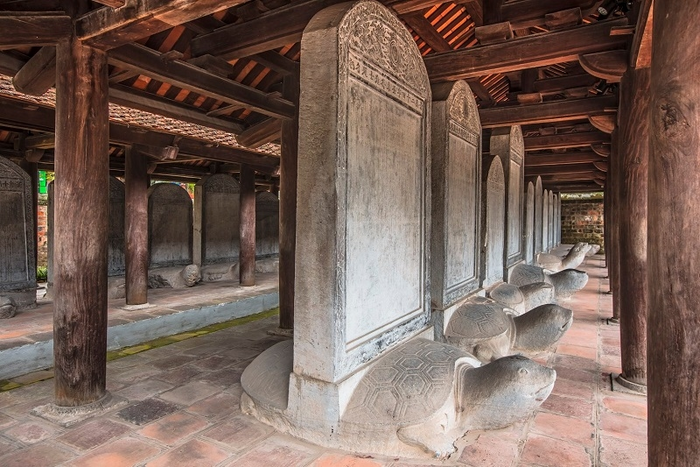
Entering the Temple Literature in Hanoi, you will be greeted by a peaceful courtyard where the Well of Heaven is located. This well, named because its clear water is said to inspire wisdom, symbolizes the temple's heart, symbolizing the purity and knowledge sought by scholars. Along its edge are 82 stone steles, called Doctor Steles, each mounted on the back of a giant stone turtle. These steles engraved with the names and achievements of Vietnam's most senior scholars from the 15th to the 18th centuries, are a testament to the nation's long tradition of valuing education and intellectual pursuits. Imagine the quiet pride of a scholar when they see their names forever engraved on these steles, their contributions to Vietnamese history immortalized in stone.
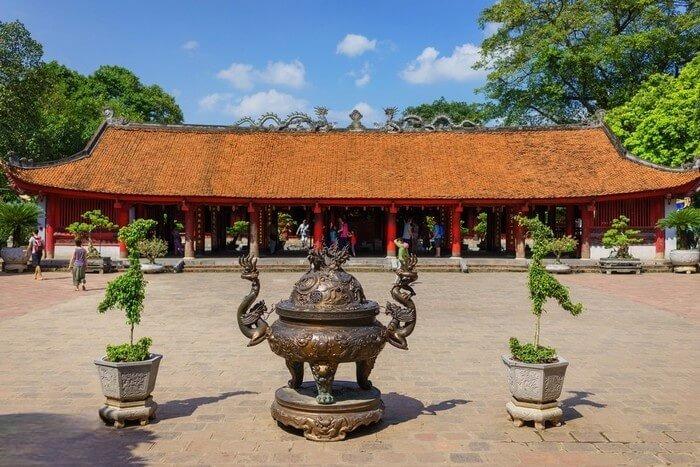
Like The Great Middle Gate, Attained Talent Gate also has 3 compartments with a row of columns in the middle and two rows of columns on the front and back porch. Stepping through the gate, visitors will come to a vast courtyard paved with Bat Trang tiles leading to the middle area of the Quoc Tu Giam relic, which is the House of Ceremonies worship area. This area consists of 9 rooms but only 2 gable walls on both sides while the front and back are blank. This is the place where ceremonies were held during the spring and autumn sacrifices in ancient times. In House of Ceremonies, only the middle space has an incense burner, the rest of the rooms are empty.
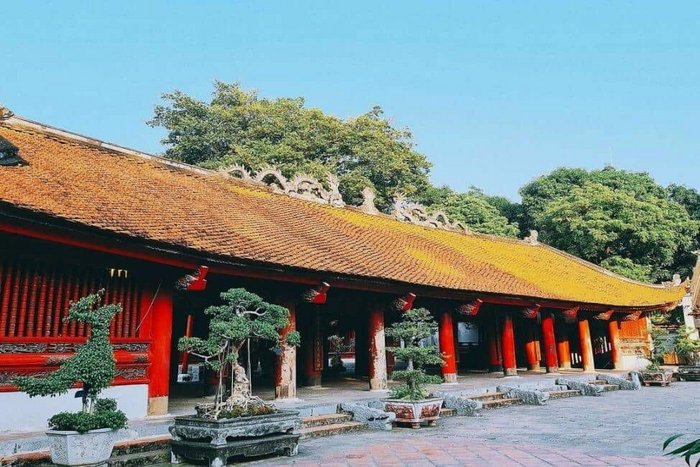
Thai Hoc House, is a part of the Temple of Literature Hanoi Vietnam, dedicated to the memory of educator and scholar Chu Van An (1292-1370) who was a prominent figure in Vietnamese education during the Tran Dynasty, and his teachings emphasized Confucian values such as filial piety, loyalty, and respect for learning. The Thai Hoc House includes a statue of Chu Văn An, as well as a house that is said to have been his residence. The house is now a museum that exhibits artifacts related to Chu Van An's life and work. The part is a popular destination for Vietnamese students, who come to pay their respects to this educator and to seek inspiration for their own studies. Thai Hoc House is also a popular tourist place as it provides visitors with a glimpse into Vietnamese education and culture.
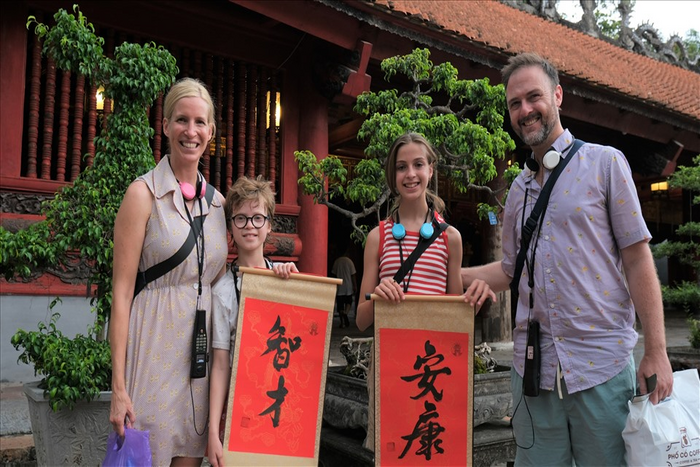
Immerse yourself in the ancient art of calligraphy at Hanoi's Temple of Literature. Watch as skilled artisans transform charcoal sticks into delicate strokes, breathing life into traditional Vietnamese characters. The rhythmic scratching against the paper, the focused expressions of the calligraphers, and the intricate symbols dancing across the page create a mesmerizing scene. Learn the basics of this time-honored art form yourself, dipping your brush into ink and attempting to capture the graceful flow of Vietnamese script. With each stroke, you'll connect with the cultural heritage of Vietnam and leave with a unique souvenir of your Temple of Literature experience.
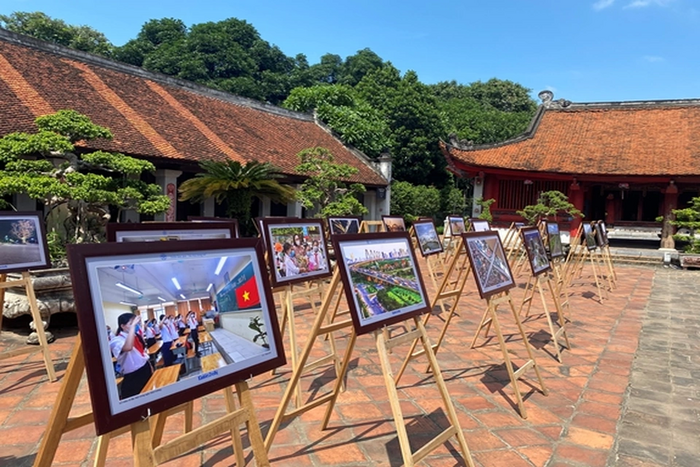
Beyond the ancient halls and serene gardens, the hanoi temple of literature offers fascinating glimpses into Vietnam's past through its treasure trove of exhibitions. Immerse yourself in the world of scholars with displays of antique calligraphy tools and delicate ink paintings. Uncover the secrets of imperial examinations at the Khue Van Cac Pavilion, where exhibits recreate the atmosphere of these rigorous tests. Travel through time with photographs chronicling the temple's evolution and discover the stories of the brilliant minds who shaped Vietnam's intellectual landscape. Each exhibition is a portal to a different chapter of Vietnamese history, waiting to be explored and understood. So, step into the temple's vibrant past and let its exhibitions enrich your journey through Hanoi.
As dusk settles over Hanoi, the Temple of Literature transforms into a magical realm. Bathed in the soft glow of lanterns, its ancient halls whisper tales of emperors and scholars under the starlit sky. Immerse yourself in a symphony of light and sound, as 3D projections dance across the walls, bringing historical figures to life. Witness traditional performances of Nhã nhạc (court music) and Huế court dances, their graceful movements echoing through the serene courtyards. Stroll through the moonlit gardens, where ancient stelae stand guard, their inscriptions gleaming under the moonlight. The night tour is open from 19:20 to 22:30 on Wednesdays, Saturdays, and Sundays. This is not just a tour; it's a journey through time, a chance to experience the temple of literature in Hanoi in a whole new light. So, come, let the enchanting night reveal the secrets of Vietnam's first university and leave you with memories that will illuminate your soul.
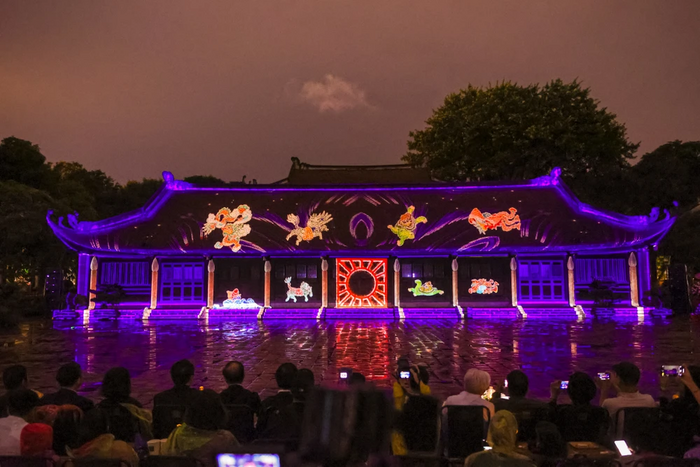
The Temple of Literature Hanoi Vietnam is a destination that makes your trip to Hanoi more exciting and memorable. Autour Asia believes that with the valuable information we share, you can be ready for your trip to Vietnam. May your journey be filled with wonder, understanding, and a newfound appreciation for the rich tapestry of Vietnamese culture.



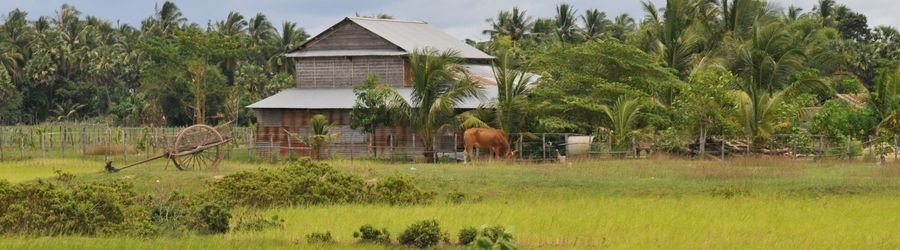
After exploring Angkor’s temples, bustling markets and the streets of Phnom Penh, Cambodia can also be discovered through its countryside. A weekend farm tour in Cambodia offers a chance to slow down and experience a rural way of life that remains closely connected to the land, the seasons and the harvest. Depending on the region, you may take part in farm activities, cook with a local family or follow rural paths between rice fields and orchards. This countryside escape is ideal for couples and families looking to experience Cambodia beyond the usual tourist routes. To make travel easier and choose an experience suited to your needs, a Cambodia travel company can also incorporate this rural immersion into a more comprehensive itinerary.
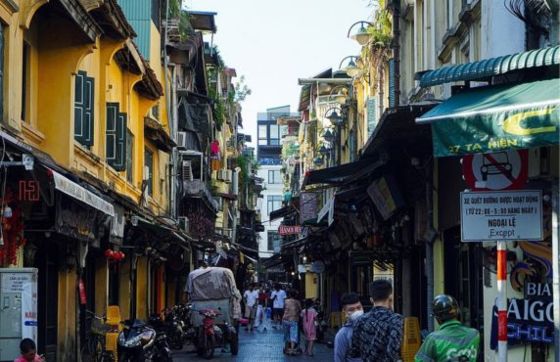
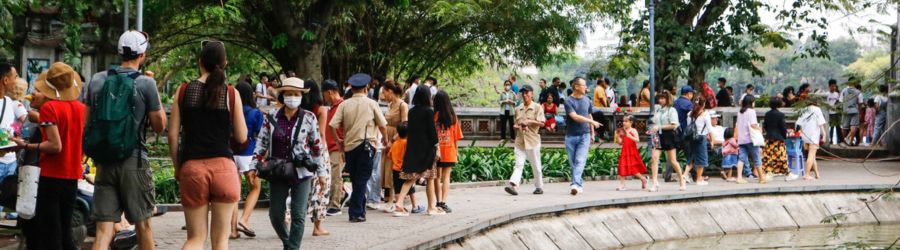
In Hanoi, walking is not just a way of getting around: it is one of the best ways to experience the rhythm of the capital. Between the bustling shopping streets of the Old Quarter, colonial-era façades, shady lakes and street food stalls, each area has its own atmosphere. But which Hanoi walking tour should you choose if you have half a day, a full day or just a few hours? This guide presents five ways to explore the city, from Hoan Kiem Lake to Long Bien Bridge, via Truc Bach and Hanoi’s food districts. Heritage, photography, gastronomy or local life: everyone can find a route that suits them. To plan a more comprehensive trip, the Local travel agency in Hanoi - Autour Asia can also help you incorporate Hanoi into the other stages of your itinerary.
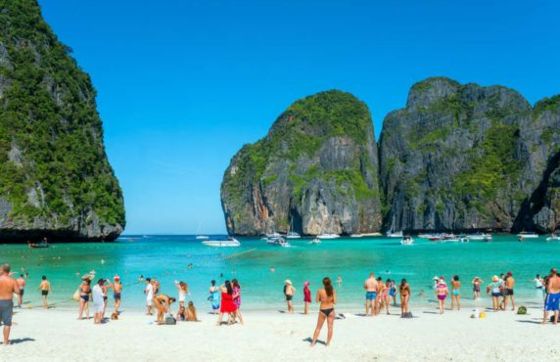

A 3 weeks in Vietnam with beach itinerary allows you to combine cultural discoveries, natural landscapes, and a few days of seaside relaxation, without turning the trip into a succession of transfers. In 21 days, it is possible to start in Hanoi, discover Ha Long Bay or Lan Ha Bay, continue to Hue and Hoi An, then head south before ending with a beach destination suited to the season. But where should you go to the beach in Vietnam? The answer depends mainly on the time of year: Phu Quoc is particularly suitable during the dry months in the South, while Da Nang, Hoi An, or Quy Nhon are good options during part of the year. To build a coherent itinerary, the Vietnam travel agency - Autour Asia can also adapt the stops to each traveler's pace and preferences.
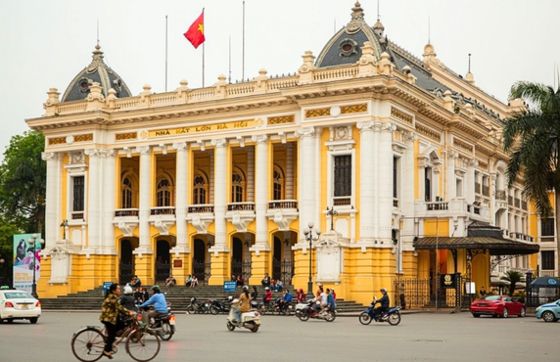
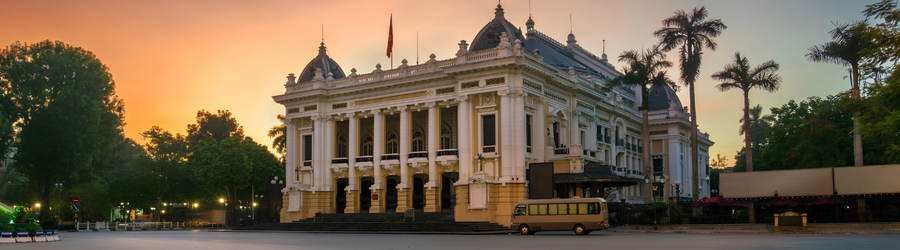
Located in the heart of Vietnam’s capital, the Hanoi Opera House is one of the city’s most iconic cultural and architectural landmarks. Built during the French colonial period, this elegant building has become an essential stop for travelers interested in Hanoi’s history and performing arts. But what can you actually see during a visit? Is visiting Hanoi Opera House possible without attending a show, and is a Hanoi Opera House tour worth adding to your itinerary? In this guide, discover the history, architecture, cultural significance and practical information you need to make the most of your visit to the Hanoi Opera House Vietnam.
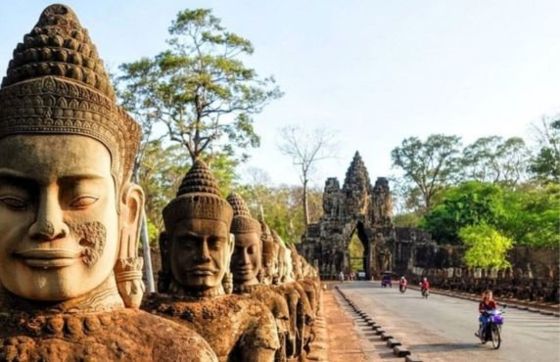



Traveling with children in southern Cambodia makes it easy to enjoy a variety of experiences: peaceful small towns, tropical landscapes, beaches, islands, local markets, and nature discoveries. To know where to visit Southern Cambodia with family, however, it is better not to include too many stops. Kampot, Kep, and the islands of Preah Sihanouk Province offer complementary atmospheres, with family-friendly activities and plenty of opportunities to relax. The choice mainly depends on the children’s age, your preferred pace, and the season. In this guide, we offer a balanced itinerary and practical ideas for organizing your stay, with advice from Cambodia travel company - Autour Asia to help you enjoy southern Cambodia without turning your holiday into a race against the clock.
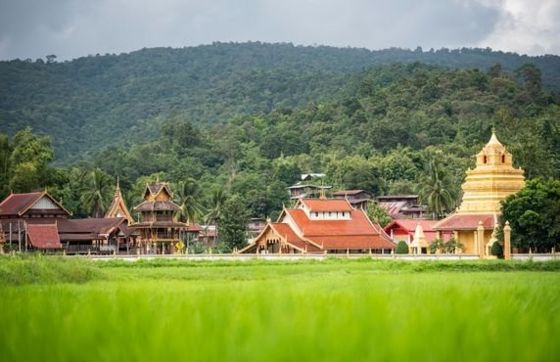

When we think of Thailand, the first images that often come to mind are temples, lively markets, tropical islands, or the beaches of the south. Yet, the country has another, more discreet side that is deeply connected to its identity: its countryside and agricultural heritage. Today, agritourism trends are attracting travelers looking for authentic experiences, closer to nature and local communities. To discover this different side of Thailand, a Thailand travel company can include rural stops in a classic itinerary. It is a great way to slow down, taste local products, and understand the daily life of local communities.

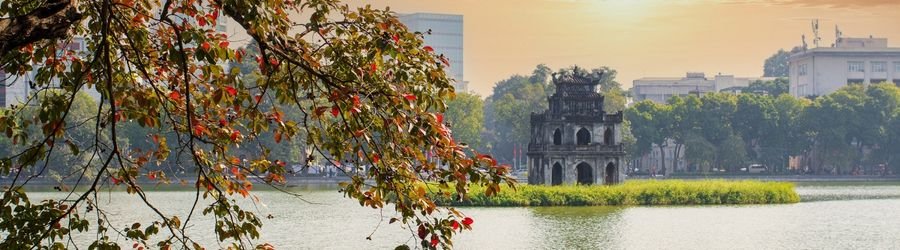
In the heart of Hanoi, some places tell the story and spirit of the Vietnamese capital better than others. Hoan Kiem lake is certainly one of them. Surrounded by trees, historic monuments and lively streets, it is a meeting point between heritage, traditions and daily life. A walk around the lake also allows visitors to experience the unique rhythm of Hanoi, from early-morning tai chi sessions to family walks and the lively atmosphere of the weekend. For travelers who want to discover the capital in a different way, this iconic site deserves a place in any itinerary planned by a Vietnam travel agency. But what is really hidden behind this famous lake?



 FR
FR EN
EN