
Vietnam attracts millions of visitors every year thanks to its diverse landscapes, world-famous cuisine, and rich cultural heritage. However, as in many tropical countries, mosquitoes are present during certain times of the year. Understanding when mosquito in Vietnam activity is at its highest and knowing how to prevent dengue fever in Vietnam will help you travel with greater peace of mind. Although dengue remains a concern in several parts of Southeast Asia, a few simple precautions are generally enough to significantly reduce the risk. To help you plan the best itinerary according to your travel season and receive personalized recommendations, Vietnam travel agency - Autour Asia assists travelers in creating tailor-made journeys throughout the country.
Vietnam has a tropical and subtropical climate that allows mosquitoes to thrive throughout the year. However, mosquito in Vietnam activity reaches its peak during the rainy season, when increased humidity and standing water create ideal breeding conditions.
In northern Vietnam, the mosquito season generally lasts from May to October. In central Vietnam, it varies depending on the province but usually occurs between September and December. In southern Vietnam, especially around Ho Chi Minh City and the Mekong Delta, mosquitoes are most abundant from May to November.
This does not mean that traveling during this period should be avoided. By taking a few simple precautions, visitors can still enjoy their trip safely. To choose the best travel period for your itinerary and receive recommendations tailored to each region, Vietnam travel agency - Autour Asia helps travelers design personalized tours with complete peace of mind.
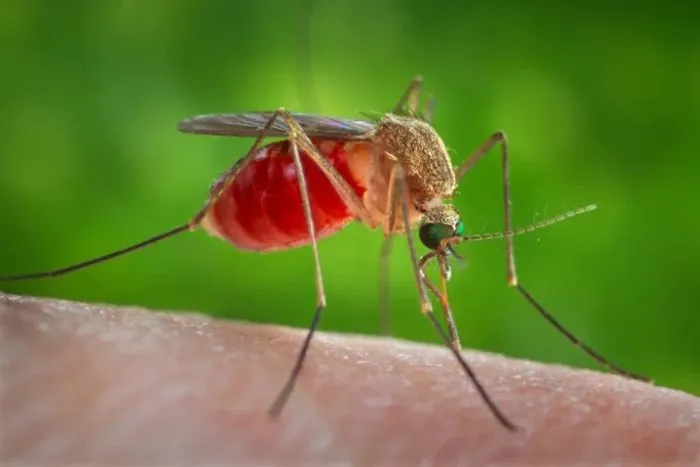
Dengue fever in Vietnam is a viral disease transmitted by Aedes aegypti and Aedes albopictus mosquitoes. Unlike malaria, dengue cannot be spread directly from one person to another. It is transmitted only through the bite of an infected mosquito.
These mosquitoes are mainly active during daylight hours, particularly in the early morning and late afternoon. They thrive in both urban and rural areas and breed in small collections of stagnant water such as flower pots, roof gutters, buckets, and uncovered water containers.
The vast majority of travelers never contract the disease, but understanding the risks remains important so that appropriate preventive measures can be taken before and throughout the trip.
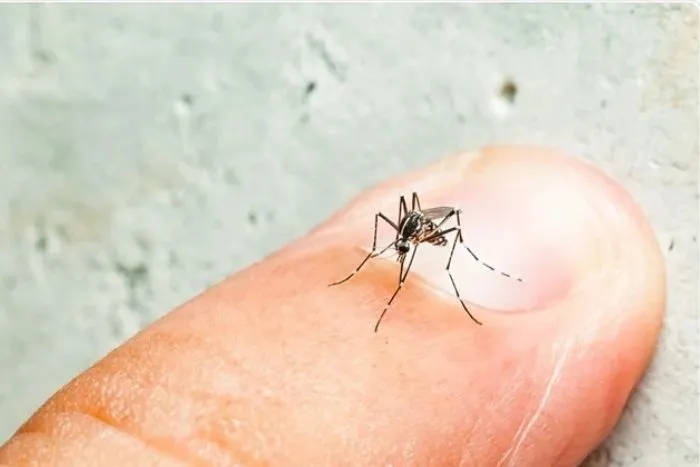
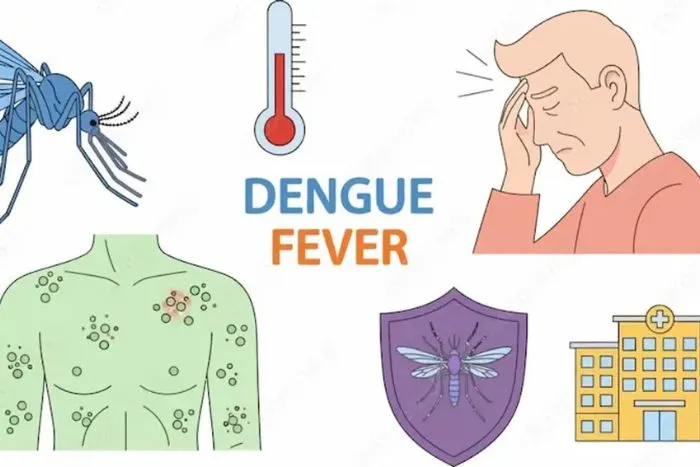
Symptoms usually appear between four and ten days after being bitten by an infected mosquito. The illness often begins with a high fever accompanied by severe headaches, intense muscle and joint pain, extreme fatigue, and sometimes nausea.
Some people may also develop a skin rash a few days after the fever begins. In most cases, recovery occurs within one to two weeks with supportive treatment, adequate rest, and proper hydration.
More rarely, severe forms of dengue can lead to complications requiring immediate medical attention. For this reason, travelers are strongly advised to seek medical care as soon as they develop a high fever during or after their stay in Vietnam.
The risk of dengue fever in Vietnam exists throughout the country, although it varies depending on the season and local climate conditions. Major cities such as Ho Chi Minh City, Hanoi, and Da Nang report dengue cases every year, just as rural areas do. The Mekong Delta generally presents a higher risk during the rainy season due to its warm, humid environment.
Coastal destinations, mountainous regions, and popular tourist sites are not completely exempt either. Even in well-known destinations such as Phu Quoc, Hoi An, Sapa, and Ninh Binh, mosquitoes can be present, especially after rainfall.
For this reason, travelers should apply the same preventive measures regardless of the region they plan to visit.
The best way to reduce the risk of dengue fever in Vietnam is to prevent mosquito bites. A few simple precautions can help you travel safely, even during the peak mosquito in Vietnam season.
Use an insect repellent containing DEET or icaridin, especially when spending time outdoors. Wear lightweight but long-sleeved clothing, particularly in the early morning and late afternoon when Aedes mosquitoes are most active. Accommodation equipped with mosquito screens, air conditioning, or bed nets provides additional protection.
It is also advisable to avoid areas with stagnant water around your accommodation whenever possible and to reapply insect repellent regularly, especially after swimming or strenuous physical activity.
To prepare for your trip, you can also read our comprehensive guide on travel tips in Vietnam, which includes practical advice for enjoying a safe and comfortable journey.

If you develop a high fever accompanied by muscle aches, headaches, or unusual fatigue during your trip, it is strongly recommended to seek medical attention as soon as possible. Hospitals and international clinics in Vietnam's major cities are generally well equipped to diagnose and treat dengue fever.
While waiting to see a doctor, make sure to stay well hydrated and use paracetamol (acetaminophen) to relieve fever and pain. However, medications containing aspirin or ibuprofen should be avoided, as they may increase the risk of bleeding in dengue patients.
With early diagnosis and proper medical care, the vast majority of people recover completely without long-term complications.

The answer is yes. Every year, millions of tourists visit Vietnam during the rainy season without experiencing any mosquito-related health problems. Health authorities and tourism professionals regularly implement preventive measures to help control mosquito populations in popular tourist destinations.
By following a few simple precautions, such as using insect repellent, wearing appropriate clothing, and choosing well-equipped accommodation, the risk remains low for most travelers.
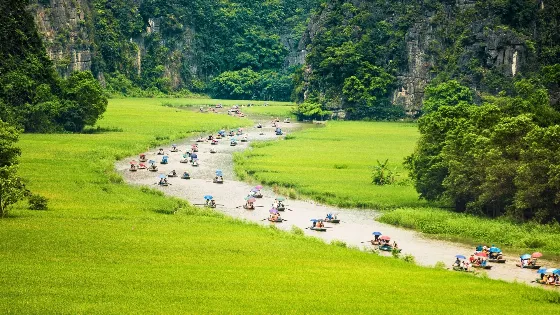
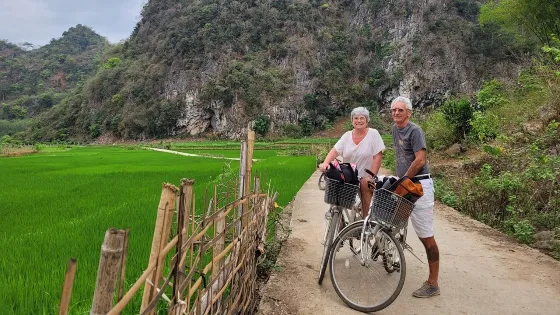
The rainy season also offers several advantages, including greener landscapes, vibrant rice terraces, fewer tourists, and a particularly pleasant atmosphere in many parts of the country.

Understanding mosquito in Vietnam activity and following basic preventive measures will allow you to travel with confidence at any time of the year. Although dengue fever in Vietnam remains present in certain regions, simple precautions such as applying insect repellent, wearing long-sleeved clothing, and staying in suitable accommodation can significantly reduce the risk of infection. Vietnam continues to be a safe and fascinating destination, offering remarkable cultural diversity, breathtaking landscapes, and unforgettable travel experiences throughout the year. Whether you are planning your itinerary, choosing the best travel season, or looking for more information about the Vietnam travel budget, Vietnam travel agency - Autour Asia is here to help you design a personalized journey combining comfort, authenticity, and local expertise.










 FR
 ITA


