
Hanoi In 48 Hours - A 2 Days Itinerary By Gabriel
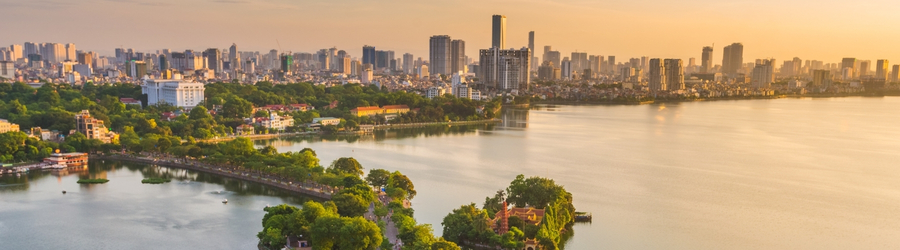
Spending 48 hours in Hanoi allowed me to experience the city in a way that felt both intense and authentic. During my 2 days in Hanoi, I wandered through the Old Quarter, discovered historic landmarks, and enjoyed simple moments of local life over street food and coffee. This Hanoi 2 day itinerary is based on my personal journey and reflects how I chose to explore the city at a relaxed pace. If you’re wondering what to do in Hanoi in 48 hours or searching for the best things to do in Hanoi in 2 days, this guide shares how I made the most of Hanoi in two days.
Hanoi in 48 Hours - A 2 Days Itinerary by Gabriel
1. Is 48 Hours in Hanoi Enough ?
From my own experience, 48 hours in Hanoi is enough to get a real feel for the city, especially if it’s your first visit. During my 2 days in Hanoi, I never tried to see everything. Instead, I focused on the essentials: walking through the Old Quarter, enjoying local food, and taking time to observe daily life. Exploring Hanoi in two days works best when you accept the city’s rhythm rather than rushing from one attraction to another.
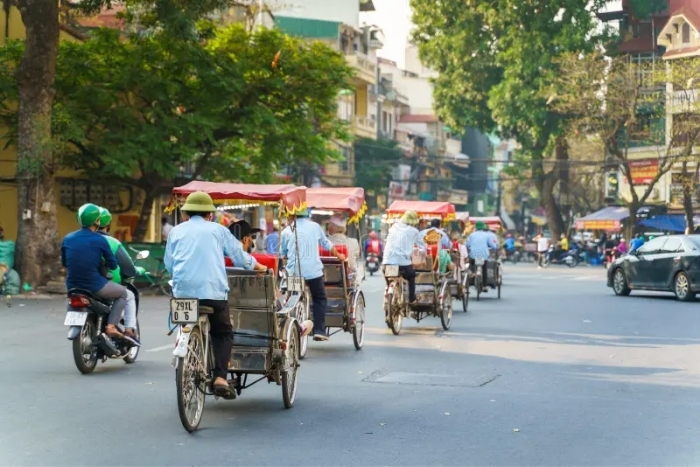
My Hanoi itinerary is designed to prove that you don’t need a week to fall in love with this capital. This short stay allowed me to experience many of the things to do in Hanoi in 2 days, from cultural landmarks to simple moments like sitting at a street café. If you’re wondering what to do in Hanoi in 48 hours, the key is choosing quality over quantity. With a well-planned Hanoi 2 day itinerary, two days are enough to understand why Hanoi leaves such a strong impression on travelers.
2. My itinerary overview - 2 days in Hanoi
After navigating the city myself, I’ve realized that the secret to a great trip here isn’t about seeing everything, it’s about seeing the right things at the right pace. To help you navigate, I’ve broken down my personal journey into a clear, manageable plan. This Hanoi 2 day itinerary focuses on the city’s vibrant energy on day one and its tranquil, cultural side on day two.
Day 1 - Discovering the historic heart of Hanoi
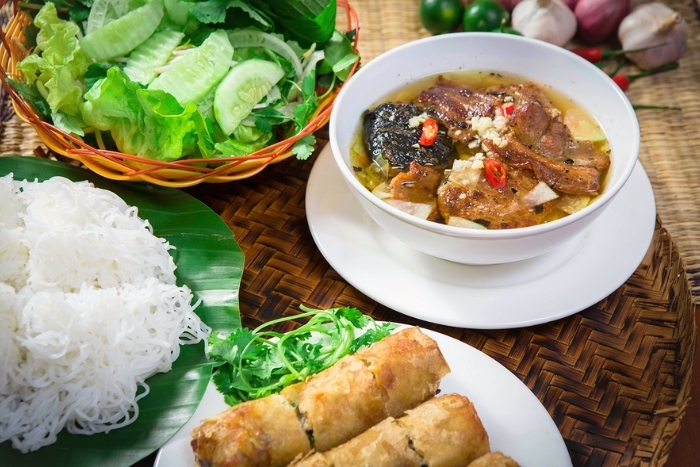
To begin my 48 hours in Hanoi, I deliberately skipped phở and chose to try another iconic dish of the capital: bún riêu. Less internationally famous than phở, this dish is nevertheless one of the great classics of Hanoi cuisine, often considered second only to phở itself. Its slightly tangy tomato-based broth, combined with rice vermicelli, tofu and crab paste, immediately won me over. Starting the day with a bowl of bún riêu felt like a more local way to experience Hanoi, offering a different perspective on Vietnamese breakfast habits during my 2 days in Hanoi.

After breakfast, I headed towards Hoan Kiem Lake, a true green lung in the heart of the city and one of the most iconic gathering places for locals. Early in the morning, the atmosphere is particularly peaceful: elderly residents practicing tai chi, joggers circling the lake, couples chatting quietly on benches, and young people enjoying the soft morning light. I then crossed the famous red bridge to visit Ngoc Son Temple, which adds a spiritual and historical dimension to this walk. Strolling around the lake is, in my opinion, essential when deciding what to do in Hanoi in 48 hours, as it perfectly reflects the city’s rhythm and everyday life.

At lunchtime, I stopped at a small local restaurant to try bún chả, one of Hanoi’s most emblematic dishes. Grilled pork served with rice vermicelli, fresh herbs and a fragrant dipping sauce is simple, generous and full of flavor. This meal perfectly represents the essence of northern Vietnamese cuisine and is an unmissable stop on any Hanoi 2 day itinerary.
Before continuing my afternoon, I made a necessary detour to Café Giảng, the birthplace of Hanoi’s legendary egg coffee. Curious to taste this iconic drink, I ordered a cup and was pleasantly surprised by the perfect balance between the strong coffee and the creamy, sweet egg foam. This tasting is clearly one of the experiences not to miss during 48 hours in Hanoi.
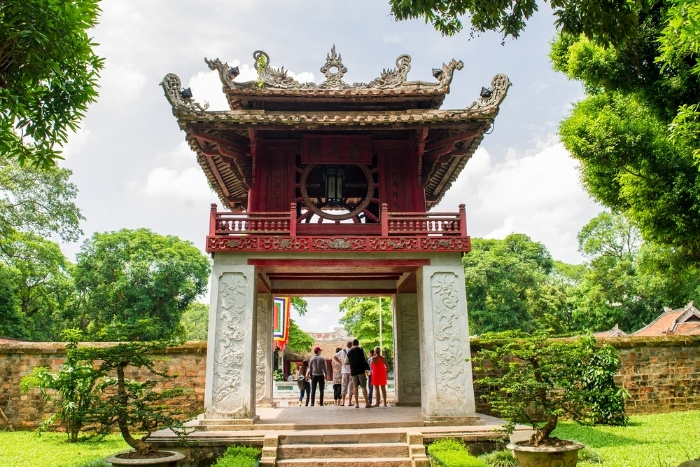
In the afternoon, I visited the Temple of Literature, Vietnam’s first university and one of the most important symbols of the country’s cultural heritage. Dedicated to Confucius, this historic site once trained generations of scholars and remains deeply connected to Vietnam’s intellectual traditions. As soon as I stepped inside, I felt a striking contrast with the lively atmosphere of the Old Quarter. The quiet courtyards, carefully maintained gardens and centuries-old pavilions create a peaceful environment that naturally invites reflection and slow exploration. Walking through the different sections of the complex, I appreciated how time seems to slow down, offering a welcome break from the city’s constant energy. This visit fits perfectly into a 2-day Hanoi itinerary, providing a calm and cultural pause during my 48 hours in Hanoi, and adding depth to the experience between two more vibrant urban moments.
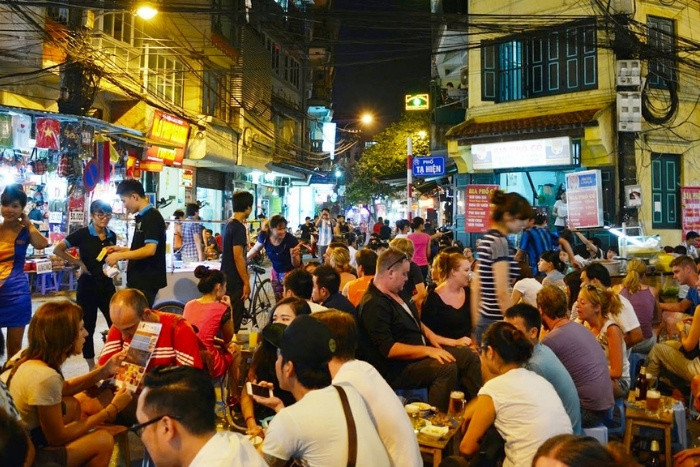
As evening approached, I returned to the Old Quarter for dinner. Street food stalls lined the streets, offering skewers, spring rolls, stir-fries and countless local specialties. The atmosphere becomes especially lively at night. I ended my first day on Ta Hien Street, often nicknamed “Beer Street,” where enjoying a local beer among both travelers and locals felt like the perfect conclusion to this first day dedicated to discovering the historic heart of Hanoi.
Day 2 - My exploration of authentic Hanoi
After a restful night in the heart of the city, I was ready to start my second day with fresh energy and curiosity. On the way to the Ho Chi Minh Mausoleum, I stopped at a street stall to buy a bánh mì, which I ate on the go. Eating while walking through the streets as the city slowly woke up allowed me to stay connected to Hanoi’s rhythm without wasting time early in the morning. This simple moment, watching vendors set up their stalls and locals heading to work, already felt like an authentic start to my second day of 48 hours in Hanoi.
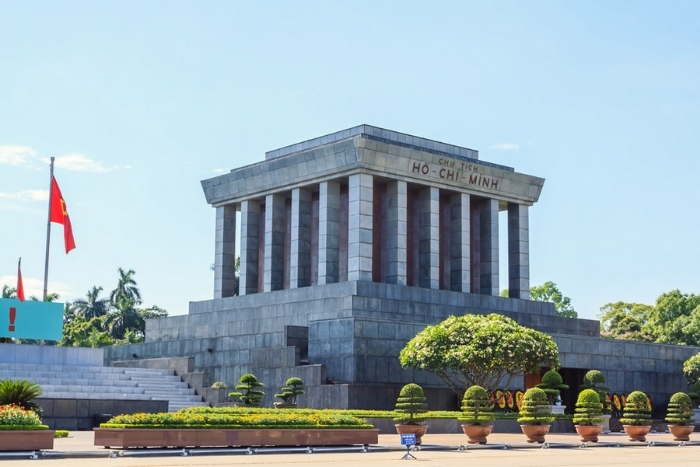
Once I arrived at the Ho Chi Minh Mausoleum, the atmosphere changed dramatically. The visit is highly structured, silent, and solemn, standing in sharp contrast to the usual chaos of Hanoi’s streets. The long, orderly lines and the strict rules inside the complex create a sense of respect and gravity that encourages visitors to slow down and reflect. Just a few steps away, the One Pillar Pagoda offered a calmer and more spiritual pause. Surrounded by greenery, this small yet symbolic pagoda provides a moment of serenity and balance after the intensity of the mausoleum. Together, these two sites are essential for understanding Vietnam’s modern history and national identity, and they fit perfectly into a 2-day Hanoi itinerary focused on culture, history, and collective memory. Before continuing my exploration, I stopped for lunch at one of the many restaurants in Hanoi Old Quarter, enjoying a simple local meal in a lively yet welcoming setting.
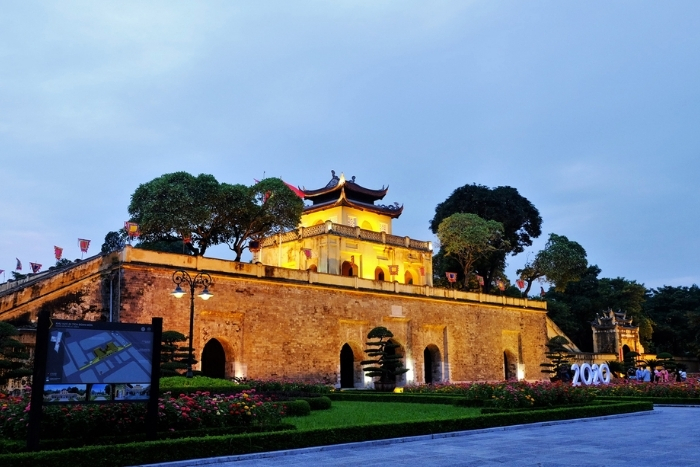
I then continued my day with a visit to the Imperial Citadel of Thang Long, a UNESCO World Heritage Site that traces more than a thousand years of Vietnamese history, from ancient dynasties to more recent periods. Walking through the monumental gates, archaeological remains, and carefully preserved grounds, I took the time to imagine life at the royal court and the strategic importance of this location throughout the centuries. Informative panels and open spaces make the visit both educational and easy to explore at your own pace. What struck me most was the remarkable tranquility of the site, which felt worlds away from the constant traffic just beyond the walls. For me, this stop is essential when deciding what to do in Hanoi in 48 hours, as it provides a deeper understanding of the country’s political and cultural past while offering a peaceful pause during my 48 hours in Hanoi.
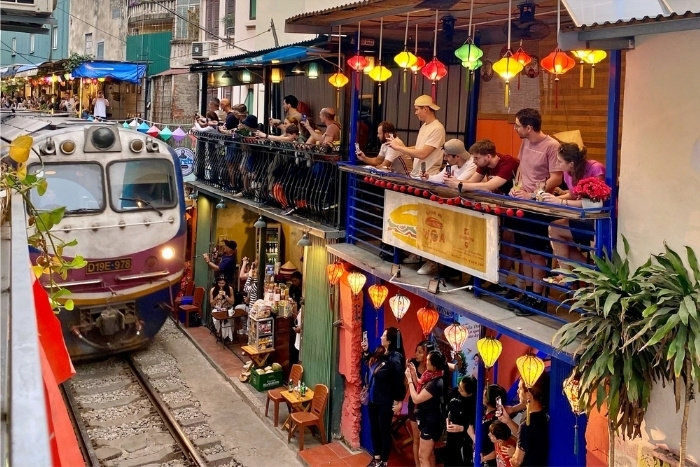
In the late afternoon, I headed to Hanoi’s famous Train Street, choosing this time of day for its softer light and livelier atmosphere. The small cafés lining the tracks were buzzing, and watching the train pass just inches away from the houses was both impressive and surreal. As long as safety rules are respected, this experience reveals a more everyday and authentic side of the city, adding a unique touch to this 48 hours in Hanoi.

To end my second day, I had dinner at Phở Gà Nguyệt, a local spot well known for its chicken phở. After a full day of exploration, this simple yet comforting meal felt like the perfect conclusion to my two days in Hanoi. Sitting among locals and enjoying a bowl of phở gà was a relaxing way to end the journey, very much like a local would. And if you still have some time and energy left, I highly recommend treating yourself to this must-try dish, a final delicious highlight before saying goodbye to Hanoi.
3. My practical tips for making the most of your 48 hours in Hanoi
After experiencing the city firsthand, I realized that making the most of 48 hours in Hanoi is less about rushing through attractions and more about smart choices and good timing.
- Stay in a central area: For a short stay, I strongly recommend staying in or near the Old Quarter. It allows you to walk to many attractions and saves precious time during your 48 hours in Hanoi.
- Start your days early: Hanoi wakes up early, and so should you. Visiting popular spots in the morning helps you avoid crowds and enjoy a calmer atmosphere during your trip.
- Walk whenever possible: Walking is one of the best ways to get around in Hanoi. It lets you observe daily life, discover hidden streets and stay connected to the local rhythm.
- Use taxis wisely: For longer distances, taxis or ride-hailing apps like Grab or Xanh SM are convenient but be prepared for traffic, especially during peak hours.
- Eat like a local: Don’t limit yourself to tourist restaurants. Street food stalls and small local eateries often offer the best dishes and are essential to any Hanoi 2 day itinerary.
- Plan, but stay flexible: Having a plan is important, but leaving room for spontaneity makes a big difference when deciding what to do in Hanoi in 48 hours.
- Take breaks: Hanoi can be intense. Short coffee breaks or quiet stops at temples help you recharge and enjoy the experience more fully.
Looking back, spending 48 hours in Hanoi was enough for me to truly connect with the city’s soul. During my two days in Hanoi, I experienced a perfect balance between history, food and everyday local life, without ever feeling rushed. From iconic landmarks to simple moments like eating on the street or sipping coffee in a quiet corner, this short stay showed me how rich and layered Hanoi really is. While two days are not enough to see everything, this Hanoi 2 day itinerary is an ideal introduction for first-time visitors. And if you wish to extend your journey and discover more of the country, Autour Asia - Vietnam travel agent is a great option for exploring Vietnam through well-designed and authentic travel experiences.
How Many Days Is Enough Days In Hanoi ?
5 Days In Hanoi
10 Days Vietnam Tour
Vietnam Tours
Vietnam Travel Guide
Yes, it is absolutely possible to discover Hanoi in 48 hours with a well-planned itinerary. During two days in Hanoi, you can explore major highlights such as the Old Quarter, Hoan Kiem Lake, the Ho Chi Minh Mausoleum, and the Imperial Citadel of Thang Long, while also enjoying the city’s famous street food. Visiting Hanoi in two days allows you to experience the capital’s unique atmosphere, blending history, culture, and everyday local life, without the need to rush or travel long distances.
A two-week itinerary in Vietnam offers a complete journey from North to South. You can start in Hanoi, then explore the rice fields and rural landscapes of Mai Chau or Pu Luong, followed by the karst scenery of Ninh Binh and Tam Coc. A cruise in Halong Bay is often a highlight before continuing south to discover Hue’s imperial heritage, the charming old town of Hoi An, and finally Ho Chi Minh City and the Mekong Delta. This itinerary provides a deep and balanced immersion into Vietnam’s culture, history, and landscapes.
If you’re wondering what to eat in Hanoi in 3 days, the city offers an incredible variety of must-try dishes. Food lovers should sample classics such as phở bò, bún chả in the Old Quarter, and egg coffee at Café Giảng. Other local specialties include chả cá Thăng Long, bánh cuốn and bún riêu, which reflect the richness of northern Vietnamese cuisine. Exploring Hanoi through its food is one of the best ways to understand the city’s culture and daily life.
Related travel guide
Other similar articles


CUSTOMIZABLE BY LOCAL EXPERTS
Personalized trip at the original price!

REFUND GUARANTEE
We believe in our work and promise to give you money back.

GOOD PRICE / QUALITY
95% satisfied more than expected!

24/7 LOCAL SUPPORT
We are always available online to provide assistance at any time.

Most read articles


Autour Asia is highly recommended on
Embracing the mission of "Satisfied more than expected" and providing authentic experiences, we have received numerous recommendations on reputable travel forums: