


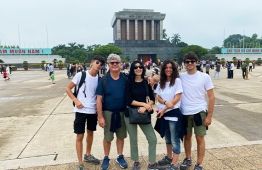
Ho Chi Minh Mausoleum: An iconic site where the embalmed body of Ho Chi Minh, the father of Vietnamese independence, rests.
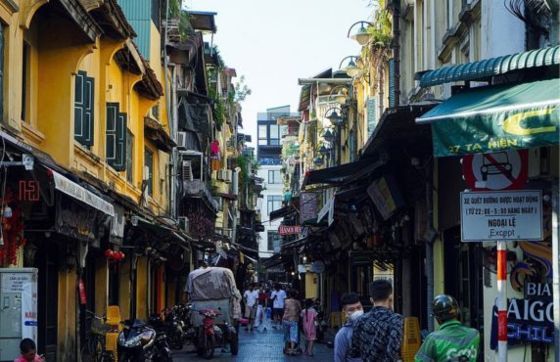
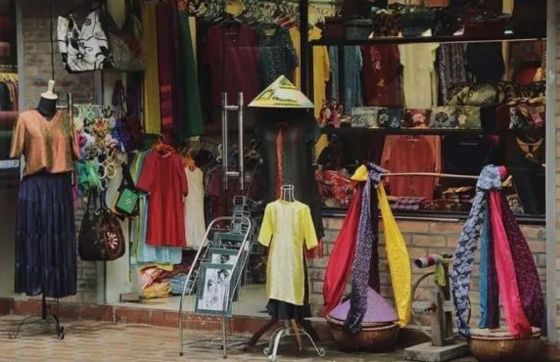
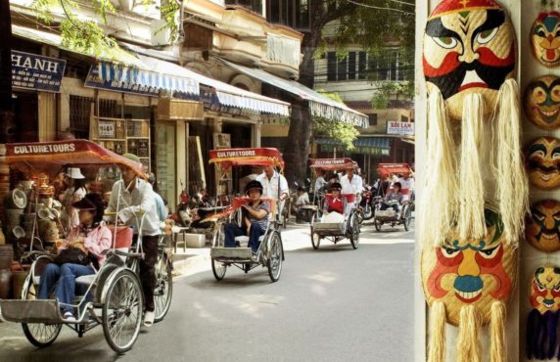
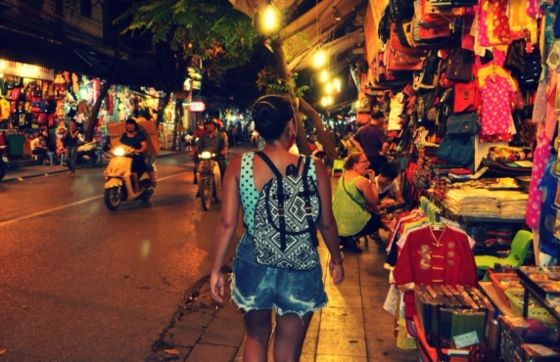
Old Quarter: This historic neighborhood is famous for its narrow, bustling streets, artisan shops, and local restaurants.
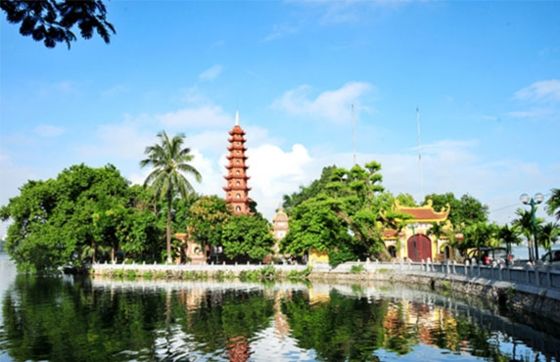
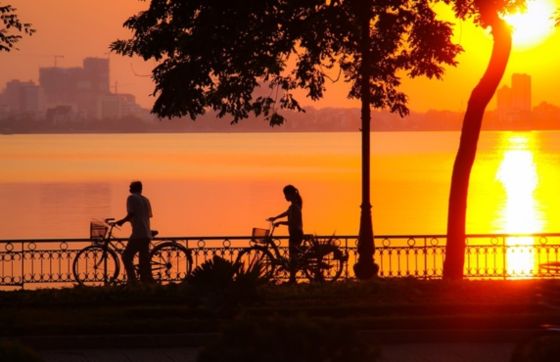
Hoàn Kiếm Lake: A tranquil lake in the heart of the city, surrounded by temples and parks.
Temple of Literature: An ancient university dedicated to Confucius, this temple is one of the most revered historical monuments in Vietnam.
Vietnam Museum of Ethnology: An excellent museum to explore the cultural diversity of Vietnam's 54 ethnic groups.
One Pillar Pagoda: A unique Buddhist pagoda built of wood on a single pillar.
Water Puppet Theater: A unique Vietnamese tradition featuring performances in a water pool.
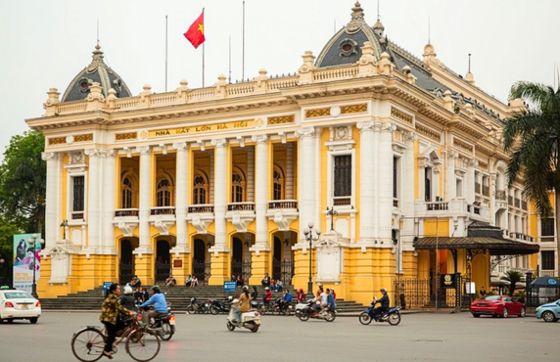
Hanoi is a vibrant city that reflects both the traditional heritage of Vietnam and its rapid development.

General Overview
Hanoi, the capital of Vietnam, is a dynamic city that blends ancient history with modernity. It serves as an important political, cultural, and economic center for the country.
Area and Population
Area: Approximately 3,358 km²
Population: About 8.5 million inhabitants (2023), making it the second most populous city in Vietnam after Ho Chi Minh City.
Economy
Hanoi is a growing economic hub with a diverse economy:
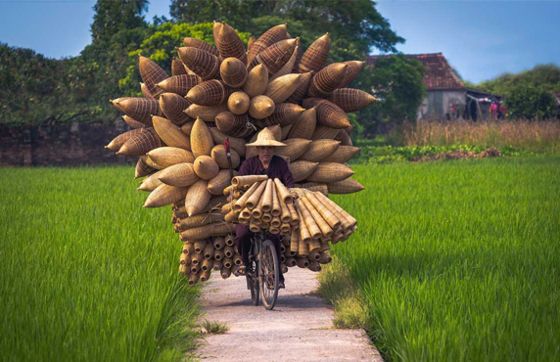
Key Sectors: Manufacturing, financial services, information technology, construction, tourism, and handicrafts.
Strengths: The city attracts significant foreign investment and has several industrial zones.
Transportation
Airports: Nội Bài International Airport.
Road and Rail Network: Hanoi is well-connected to other regions of Vietnam via highways and railways. The city is also developing a metro system.
Urban Transport: Public buses, taxis, motorbike taxis (Xe ôm), bicycles, and scooters are very popular. The Hanoi metro is under development, with some lines already operational.



 FR
 ITA
