
Planning 5 days in Hanoi is a key step for many travelers who want to explore the Vietnamese capital in depth. Throughout this stay, Hanoi revealed itself as a dense, nuanced city deeply shaped by its history. By combining cultural heritage, local life, and moments of rest, 5 days in Hanoi made it possible to adopt a balanced rhythm, far from a rushed tourist visit. Thanks to the support of Vietnam travel agency - Autour Asia, the itinerary was structured coherently, avoiding unnecessary travel while prioritizing authentic experiences. This approach provided a more accurate reading of the city, where each day contributed to a better understanding of Hanoi’s identity, somewhere between tradition, discreet modernity, and everyday life scenes.
On the first day of my 5 days in Hanoi, I arrived very early in the morning, still affected by jet lag after a long flight. I deliberately chose to stay in the Old Quarter so I could explore the city on foot from the very first hours, without relying on transportation. I checked into a boutique hotel on Ma May Street, right in the heart of the historic center. At a rate of around $80 per night, this accommodation offered an excellent balance between comfort, central location, and immersion in local life - a choice I had validated in advance thanks to advice from the Vietnam travel agency - Autour Asia.

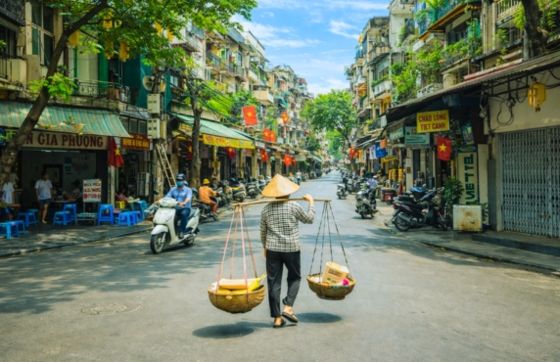
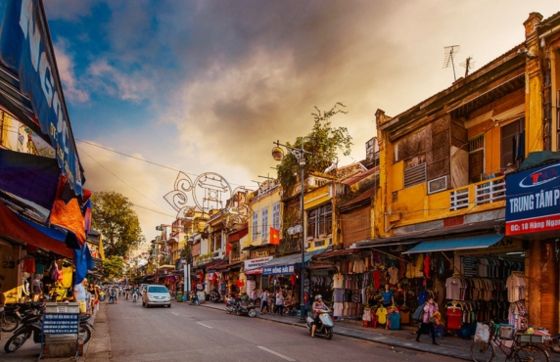
From my very first walk, I was struck by the intensity of urban life. Scooters flooded the narrow streets, street vendors set up their stalls at dawn, and old façades gave the city an atmosphere that was both chaotic and deeply vibrant. I let myself be carried by this constant movement, observing everyday scenes without a precise itinerary.
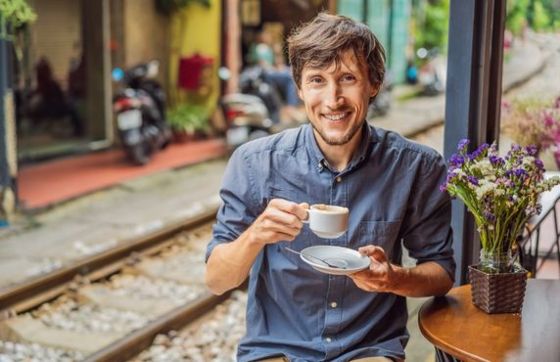
For my first break, I stopped at Café Giang, located at 39 Nguyen Huu Huan, an iconic address recommended by the Vietnam travel agency. There, I tried a traditional egg coffee for about $2, a surprising experience perfectly representative of local culture.
In the evening, I had dinner at Bun Cha Dac Kim, at 1 Hang Manh, where I enjoyed an authentic bun cha for around $4. This first day allowed me to gently absorb the rhythm of Hanoi, without trying to see everything - simply letting the city welcome me gradually.
The second day of my 5 days in Hanoi was dedicated to discovering history and national symbols. After breakfast near my hotel, I went to the Ho Chi Minh Mausoleum, a solemn place that impressed me with the respectful silence of visitors. I then visited the stilt house and surrounding gardens, which offered a more intimate glimpse into the life of the Vietnamese leader.

At noon, I had lunch at KOTO Van Mieu, located at 59 Van Mieu. I enjoyed a traditional Vietnamese dish for about $9 in a calm and socially engaged atmosphere. In the afternoon, I explored the Temple of Literature, walking through several successive courtyards lined with pavilions and ponds. Moving slowly through this meaningful site, I felt the importance placed on education and the transmission of knowledge in Vietnam.
This day added historical depth to my stay and helped me better understand the cultural foundations of Hanoi.
On the third day of my 5 days in Hanoi, I chose to discover the city through its gastronomy. In the morning, I took part in a cooking class organized in a local home in the Tay Ho district. I learned how to prepare several traditional dishes, guided by a Vietnamese family who explained everyday gestures and ingredients.

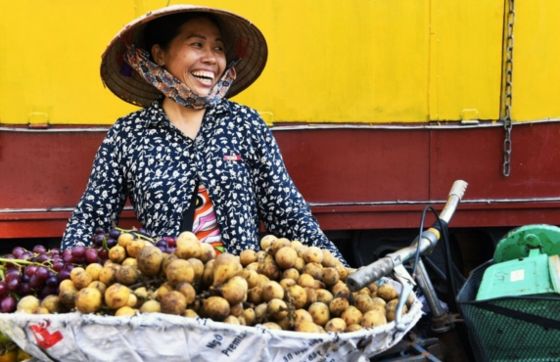
After sharing the meal on-site, I went to Dong Xuan Market, where I observed the lively exchanges between vendors and locals. The colors, smells, and noise gave this place a very distinctive energy. In the late afternoon, I returned to rest near my accommodation before heading out again for a street food evening.
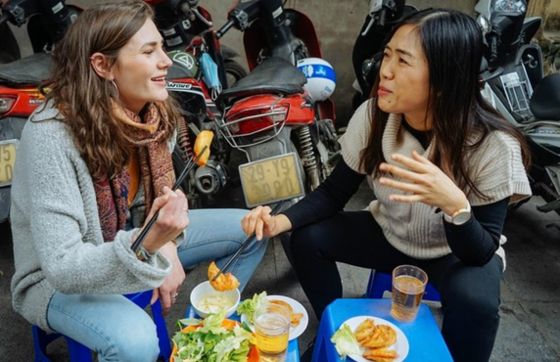
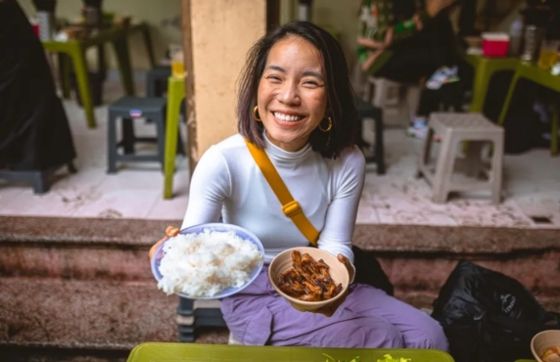
I tried banh cuon at Banh Cuon Gia Truyen Thanh Van, 14 Hang Ga, for about $3, then had soup at Pho Gia Truyen Bat Dan, 49 Bat Dan, for around $3.50. This day confirmed that food in Hanoi is far more than just a meal - it is a genuine social bond.
The fourth day of my 5 days in Hanoi was dedicated to exploring a more contemporary side of the city. In the morning, I visited several independent art galleries in the Tay Ho area, where I discovered a rapidly evolving art scene. These spaces revealed a creative Hanoi, forward-looking yet deeply attached to its roots.

At noon, I had lunch at Cha Ca Thang Long, 21 Duong Thanh, where I tasted the famous cha ca for about $13. In the afternoon, I treated myself to a break in several hidden cafés, accessed through narrow old staircases. I stopped at Tranquil Books & Coffee, 5 Nguyen Quang Bich, where I ordered a coffee for around $2.50.
There, I observed students, freelancers, and artists working quietly. This day offered a pleasant balance between urban discovery and moments of calm, far from the constant bustle of the Old Quarter.
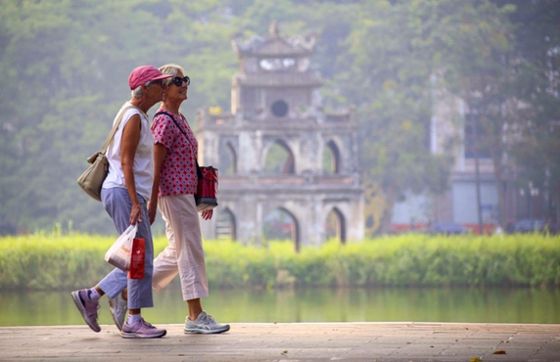
On the last day of my 5 days in Hanoi, I deliberately slowed the pace. I began the morning with a walk around West Lake, enjoying the soft light and unusual calm. I then took time to return to my favorite streets without a specific goal, simply observing.
At noon, I had lunch at Maison Sen, 61 Tran Hung Dao, in a peaceful setting, for about $11. Before leaving, I settled into a rooftop café, Loading T Café, 8 Chan Cam, where I had a final coffee for around $3 while watching the endless traffic below.
This final day allowed me to close my stay with an unexpected sense of familiarity. I left Hanoi feeling that I had understood its rhythm, contrasts, and energy beyond the tourist sites.
At the end of 5 days in Hanoi, the experience clearly showed that a well-planned stay makes it possible to grasp the essence of the Vietnamese capital without rushing. These 5 days in Hanoi offered a meaningful balance between cultural discoveries, local immersion, and observation time - essential elements for understanding the city as a whole. The support of the Vietnam travel agency - Autour Asia played a decisive role in optimizing the itinerary and managing the travel pace. Hanoi did not impose itself through the accumulation of visited sites, but through the coherence of the lived experience. This format proved ideal for a first in-depth approach, leaving travelers with a lasting understanding of the city and a desire to return with a more informed perspective.





 FR
 ITA
