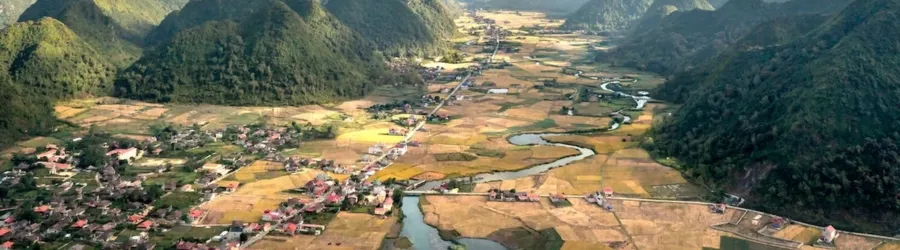
If you’re craving a place in northern Vietnam where life slows down and nature quietly takes center stage, Pu Luong might be exactly what you didn’t know you needed. It’s often compared to Sapa, but the difference is immediate—you won’t find the same crowds, just open rice terraces, gentle mountain air, and villages that still feel authentic. You can wander without a plan, pause whenever something catches your eye, and really take your time. In this guide, you’ll explore a simple Pu Luong tourist map and discover the best things to do in Pu Luong, all organized to help you plan with ease.
Where is Pu Luong ?
Pu Luong is a nature reserve located in Thanh Hoa Province, northern Vietnam, about 160–190 km southwest of Hanoi. Spanning the districts of Quan Hoa and Ba Thuoc, it borders Hoa Binh Province to the north, near Mai Chau. The name "Pu Luong" means "highest mountain peak" in the local Thai language. Established as a nature reserve in 1999, Pu Luong is known for its stunning rice terraces, traditional villages, and peaceful landscapes. Travelers can reach it from Hanoi by road in approximately 4–5 hours via private car, limousine, bus, or motorbike.
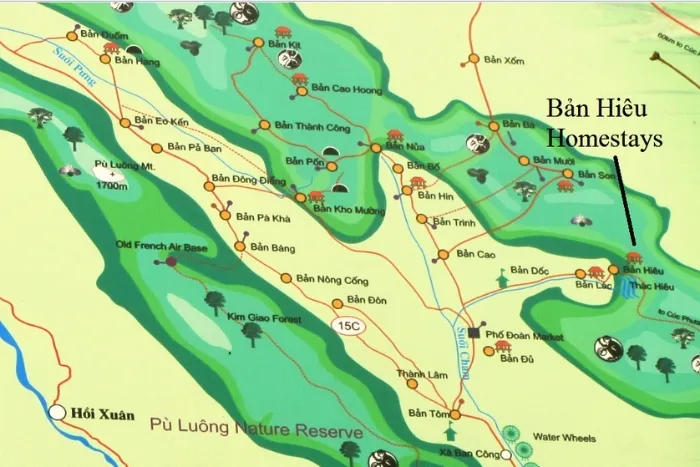
Pu Luong Travel Map
Don Village
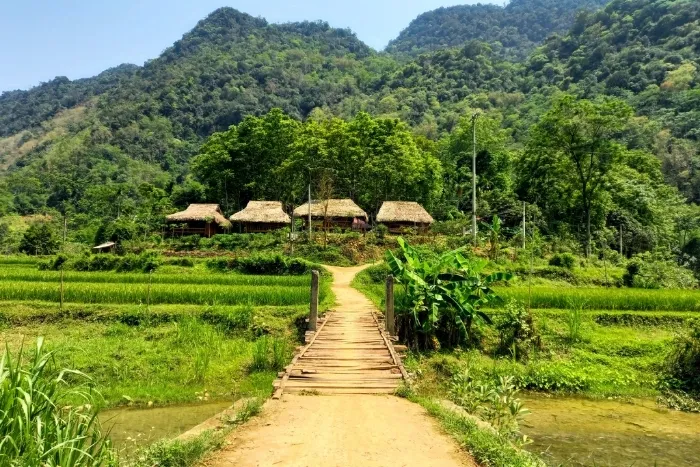
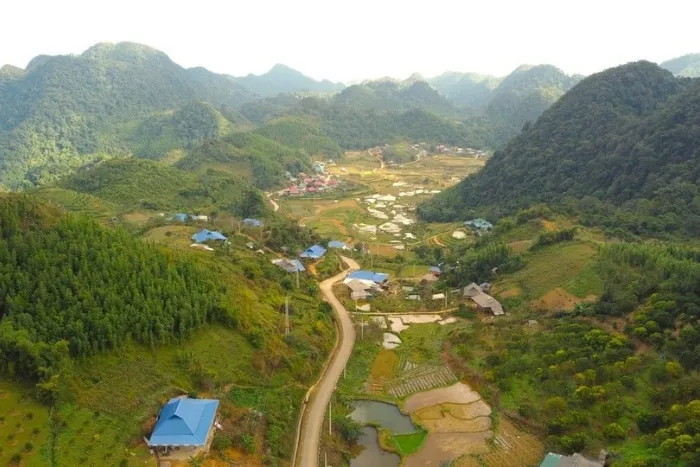
When you arrive in Pu Luong, Don Village is likely where your journey begins. This village offers a perfect introduction to the region, with traditional Thai stilt houses surrounded by stunning rice terraces. You can walk through the village, greet locals, and take in the peaceful rhythm of daily life. If you wake up early, you’ll see mist rising over the fields, creating a magical atmosphere that feels almost unreal.
Staying in a homestay or eco-lodge in Ban Don is part of the experience. Places like boutique gardens are designed to blend with nature, offering panoramic views of the rice terraces. You can relax by an infinity pool, enjoy local meals, or simply sit back and watch the sunset. This is where you truly slow down. Spending a night here is not just accommodation—it becomes one of the highlights of your Pu Luong trip experience.
Hieu Waterfall (Thac Hieu)
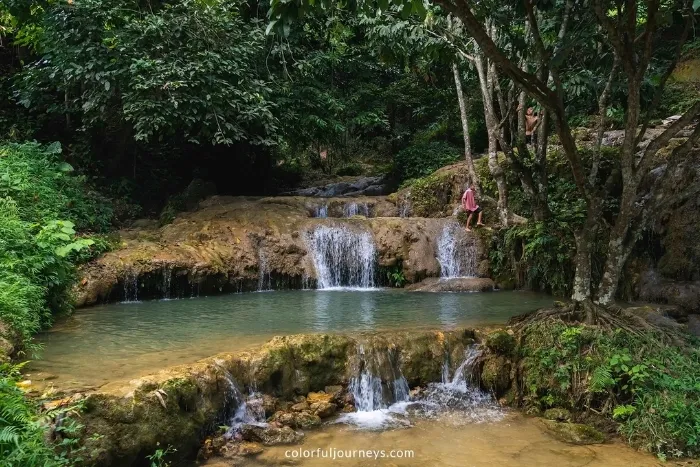
Hieu Waterfall is one of the most refreshing must-visit places in Pu Luong. The water flows gently over limestone rocks, creating natural pools where you can swim or just dip your feet. The walk to the waterfall takes you through a quiet village and along small paths, making the journey just as enjoyable as the destination.
Hieu Village
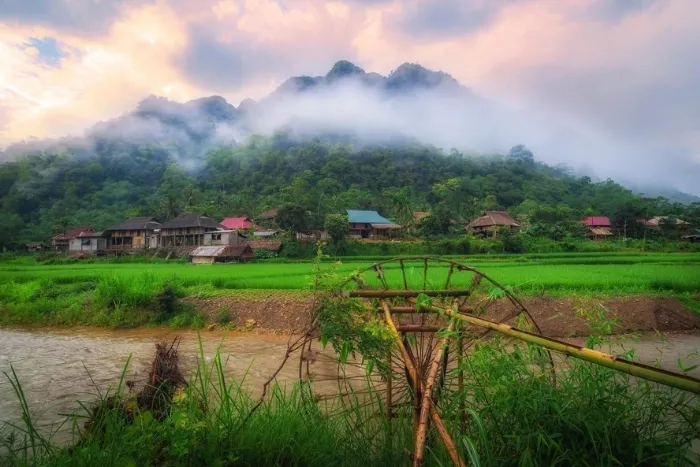
Just next to the waterfall, Hieu Village offers a glimpse into a slower way of life. Wooden houses, small farms, and friendly locals create a warm and welcoming environment. You can spend time walking around, talking to villagers, or simply enjoying the quiet. Compared to Ban Don, this area feels more remote and less visited, making it perfect if you want to experience a more authentic side of Pu Luong.
Kho Muong Village
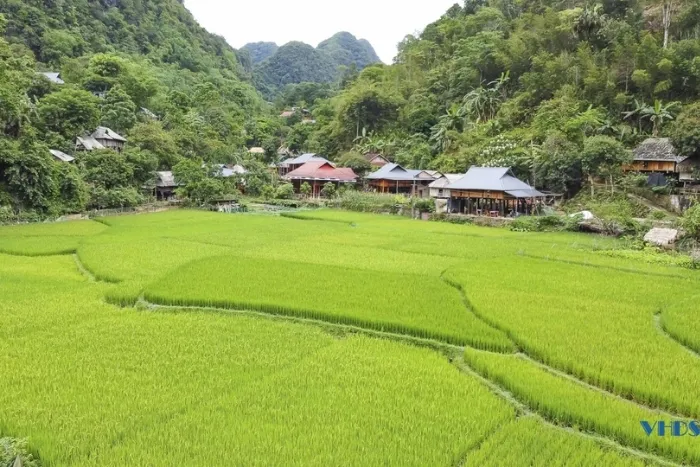
Tucked deep within a valley surrounded by mountains, Kho Muong Village feels like a world of its own. The road leading here is narrow and winding, but the reward is a peaceful village that remains largely untouched by tourism. You’ll see traditional stilt houses and locals going about their daily routines. It’s a great place if you’re looking to disconnect and explore a quieter side of the Pu Luong tourist map.
Bat Cave (Hang Doi)
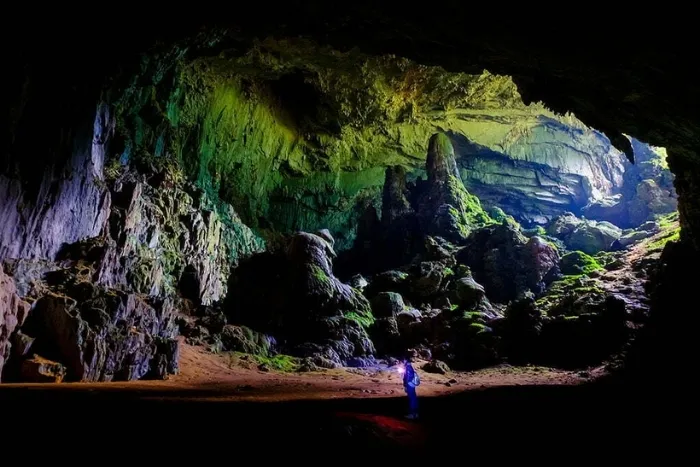
Near Kho Muong, you’ll find Bat Cave, a large limestone cave hidden in the mountains. Inside, the cave is cool and slightly mysterious, with impressive rock formations and a population of bats. Exploring the cave adds a sense of adventure to your trip. Make sure to bring a flashlight and wear proper shoes, as the path can be uneven.
Son – Ba – Muoi Villages
If you want to go beyond the usual tourist routes, the villages of Son Ba Muoi are worth the effort. Reaching them often requires trekking through forests, crossing streams, and walking along rice fields. These villages are less developed for tourism, which means you’ll experience a more genuine connection with local life. It’s not the easiest part of Pu Luong to visit, but it can be the most rewarding.
Cham Stream (Ba Thuoc)
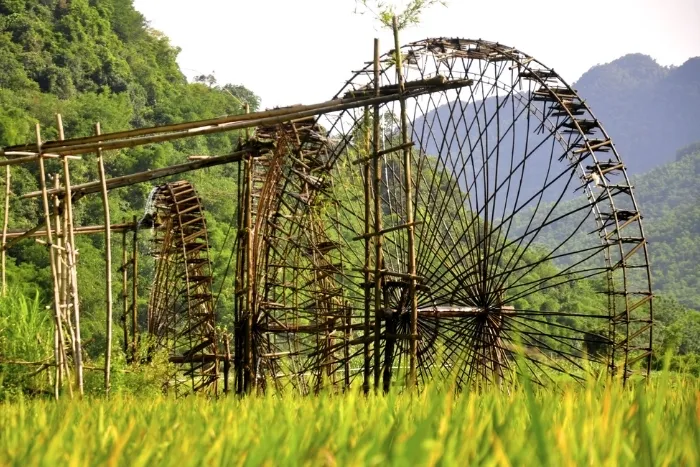
Cham Stream gathers many small streams before they reach the Ma River. Walk along its banks to see the bamboo water wheels that lift water up to the terraces through handmade aqueducts, cross a suspension bridge, then drift downstream on a bamboo raft steered by locals. It is one of the gentlest and most memorable things to do in Pu Luong.
Pu Luong Peak
The reserve takes its name from this summit, which rises to about 1,700 m. The climb takes roughly 6 to 8 hours on a clear day and rewards you with views over mountains, fields and stilt houses scattered in the valleys. Groups sometimes camp near the top, and early risers get to watch the clouds drift over the ridges.
Pho Doan Market
This old market in Lung Niem dates back to the French colonial period and is held only on certain mornings of the week, so ask your guide or homestay which days before planning around it. Thai and Muong people come in traditional dress, some still trade goods without money, and the market is as much a place to meet and share news as to shop. Music and dance performances sometimes add to the atmosphere.
Muon Waterfall (Mo Waterfall)
In Dien Quang, at around 500 m above sea level, this waterfall drops through more than 40 levels. The rock is rough enough that you can climb the tiers in sandals, and nearby caves such as Mong Cave, But Cave and Ben Bai Cave are worth a look if you have time.
More to know about the classic sites
Shuttle buses run between Hanoi and Pu Luong, leaving in the morning and returning in the afternoon; schedules and pick-up points change, so book at least a day ahead and confirm the details. A private car gives more flexibility, with two main routes: the Ho Chi Minh Trail, which lets you stop at Cuc Phuong National Park, or the more scenic road through Hoa Binh and Mai Chau.
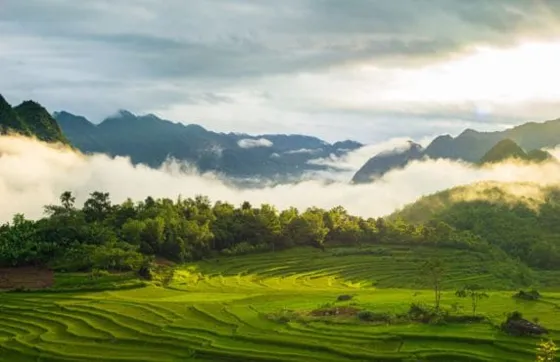
Pu Luong has two rice crops a year. From May to June the young rice turns the terraces bright green, and the altitude and forests keep summer cooler than in the lowlands. The fields ripen to gold in September and October, the busiest season. Outside these windows the reserve is still a quiet place to rest and breathe fresh air.
The best time to visit Pu Luong is during the rice seasons, usually from May to June and September to October.
You can travel from Hanoi by bus, car, or motorbike, depending on your preference.
Staying in a homestay is highly recommended if you want a more immersive experience.
Be prepared for basic conditions in some areas, and bring comfortable shoes for walking or trekking.
Internet connection can be limited, but that’s part of the charm.
For a relaxed trip, 2 to 3 days in Pu Luong are enough to explore the main villages, rice terraces, and waterfalls. If you enjoy trekking and want to visit remote areas like Kho Muong or Son – Ba – Muoi, plan for 5 days in Pu Luong.
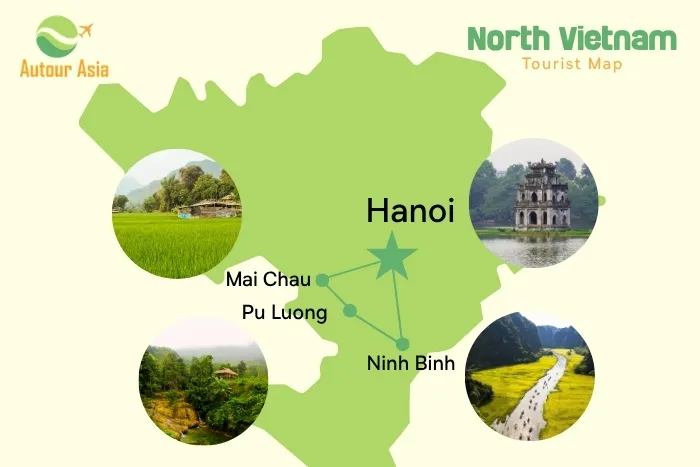
Pu Luong can be easily combined with Ninh Binh (Tam Coc or Trang An) on the way back to Hanoi, or with Mai Chau, which is only about 1.5 hours away. Many travelers do a 4–5 day loop: Hanoi – Mai Chau – Pu Luong – Ninh Binh – Hanoi.
Pu Luong isn’t the kind of place you rush through—it’s somewhere you naturally slow down, breathe deeper, and notice the little things. You might find yourself walking past rice fields at sunrise, listening to the quiet sounds of village life, or simply sitting still and taking it all in. What makes it special isn’t just the scenery, but the feeling of being gently disconnected from the noise of everyday travel. If you’re planning your trip to Northern Vietnam, this Pu Luong tourist map can guide you to the best things to do in Pu Luong, and even a trusted travel agency in Vietnam - Autour Asia can help you shape a journey that feels personal, calm, and truly meaningful.









 FR
 ITA


