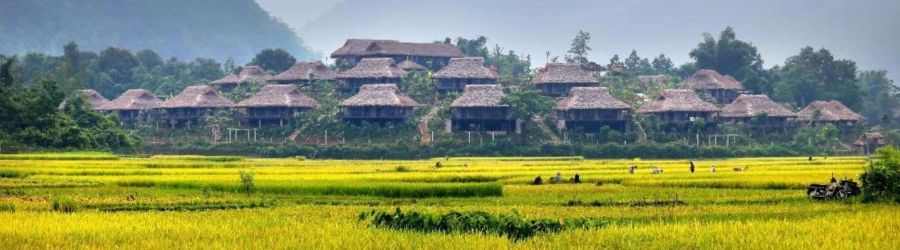
Mai Chau appeals to travelers looking for a peaceful escape in northern Vietnam, far from the hustle and bustle of major cities and crowded tourist destinations. This valley in Hoa Binh Province is known for its rice fields, villages inhabited mainly by Thai communities, and traditional stilt houses. Located approximately 140 km from Hanoi, it is easily accessible by road and can be included in either a short stay or a longer trip through northern Vietnam. In this Mai Chau travel guide, the most important thing is to understand its pace: here, the appeal lies less in accumulating sightseeing stops than in walking, meeting local people, discovering local cuisine, and observing rural landscapes. With the Vietnam travel agency - Autour Asia, your stay can be organized according to the season, the time available, and your interests.
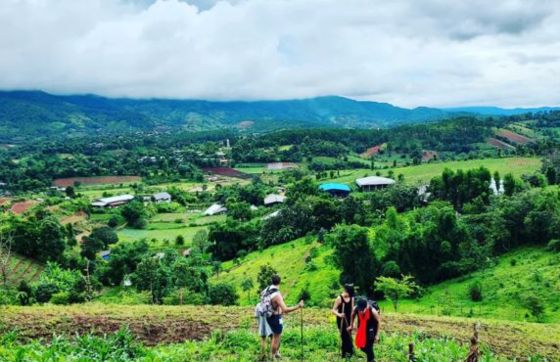
Mai Chau is located in Hoa Binh Province, approximately 140 km from Hanoi. The valley is surrounded by mountains and agricultural landscapes, with numerous paths crossing rice fields and connecting the villages. Its proximity to the capital makes it a particularly convenient destination for a short getaway. The Vietnam travel agency - Autour Asia can help you easily include Mai Chau in an itinerary suited to the length of your stay and your interests.
The region is particularly known for its Thai communities and traditional housing. Lac and Pom Coong villages are among the main places where travelers can discover stilt houses and stay with local families.
The appeal of Mai Chau therefore lies less in a long list of monuments than in the atmosphere of the valley. Rural landscapes, encounters with local people, handicrafts, and outdoor activities form the essence of the experience.
In the Mai Chau travel guide, it is therefore preferable to consider the destination as a cultural and natural immersion experience. One or two nights are already enough to discover the main villages and enjoy the peaceful rhythm of the countryside.
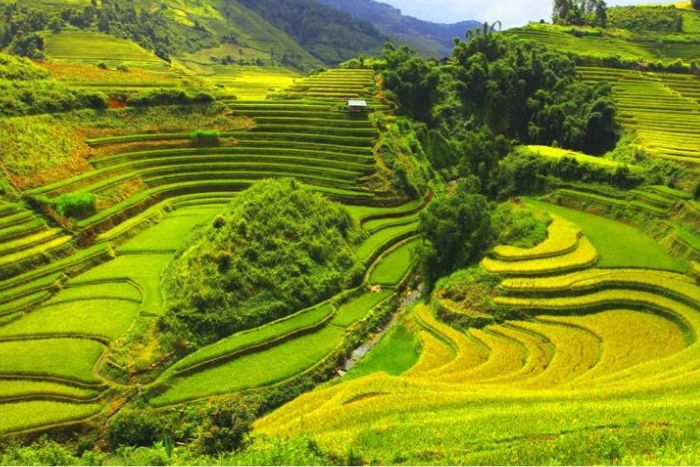
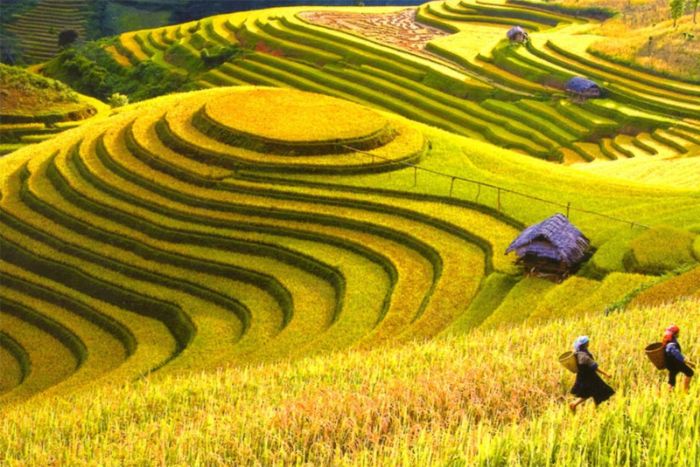
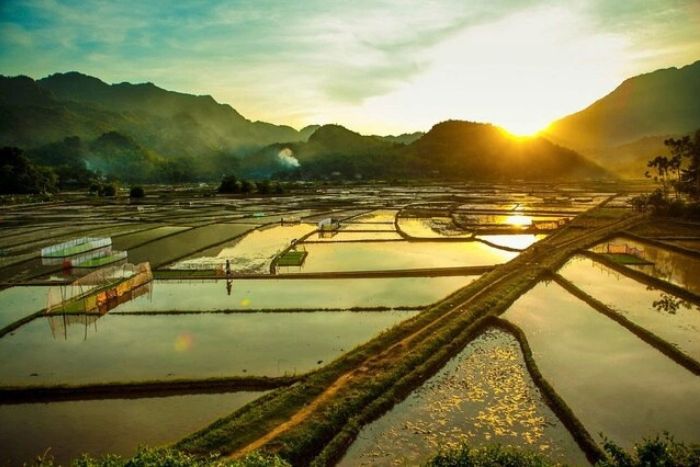
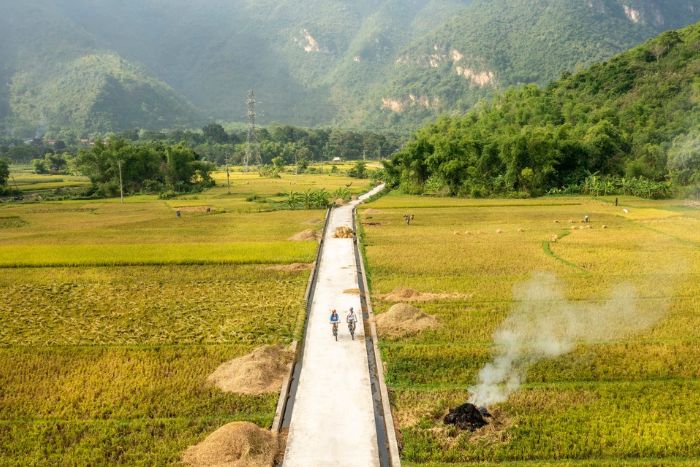
The climate plays an important role in discovering Mai Chau, particularly if you want to cycle, walk through the villages, or photograph the rice fields. According to Vietnam Tourism, the most favorable periods are generally from March to May and from September to November. October is particularly interesting because it coincides with the harvest season, when the rice fields take on a golden hue.
From March to May: a lush green valley. Spring is a pleasant time to enjoy the landscapes and outdoor activities. The vegetation is particularly green and temperatures are generally more suitable for walking.
From June to August: heat and rain. Summer is hotter and marked by the rainy season. Heavy rainfall can cause difficulties on certain local roads. If you travel during this period, it is preferable to check the weather forecast before planning a hike or cycling trip.
From September to November: golden rice fields. This period is particularly appreciated for its agricultural landscapes. Around harvest time, the rice fields gradually change color and offer beautiful photographic opportunities.
In your trip to Mai Chau, remember that March to May is particularly suitable for lovers of lush green landscapes, while September to November, especially October, is interesting for observing the rice fields during the harvest season.
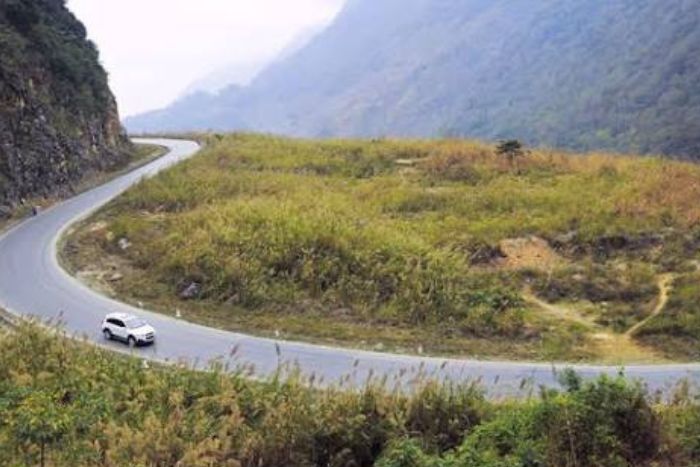
Mai Chau is accessible by road from Hanoi. The journey is approximately 140 km and can take around three hours, depending on the means of transport, route, and traffic conditions. Vietnam Tourism notably mentions buses, shuttles, private cars, and motorcycles among the available options.
A car with a driver is a comfortable option for families, couples, or groups. It allows you to choose your schedule and make stops along the way. It is also an interesting option for combining Mai Chau with other destinations in northern Vietnam.
Local buses connect Hanoi with Mai Chau, while some shuttles offer a more comfortable and direct service. Since schedules and departure points vary depending on the operator, it is advisable to check the information before departure.
Experienced travelers can reach Mai Chau by motorcycle. This option offers greater freedom, but mountain roads require careful driving, particularly in rainy weather.
The journey itself can also become an interesting part of the trip. Thung Khe Pass offers particularly beautiful views over the mountains and Mai Chau Valley. Vietnam Tourism recommends leaving in the morning to enjoy the scenery along the way.
In your trip to Mai Chau, make sure to allow enough time for the journey and, if possible, turn the transfer itself into an opportunity to discover the landscapes of northern Vietnam.
Mai Chau is particularly well suited to outdoor activities and cultural experiences. To explore the topic further, also discover our guide on what to do in Mai Chau.
Discover Lac and Pom Coong villages: Lac Village and Pom Coong are two emblematic villages in the valley. Here, you can observe stilt houses, stroll along the small streets, and gain a better understanding of the local way of life.
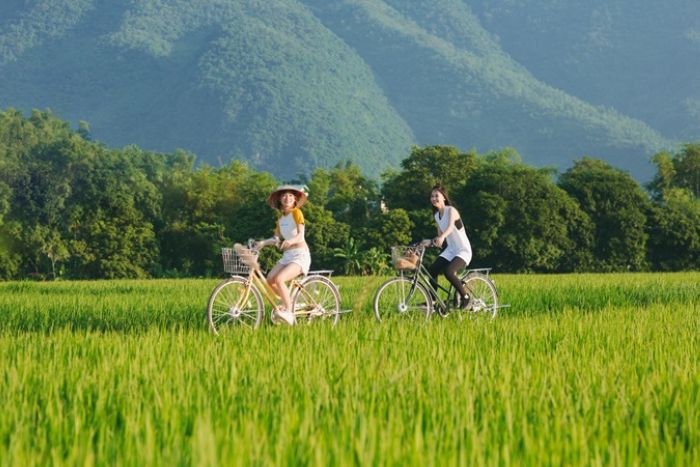
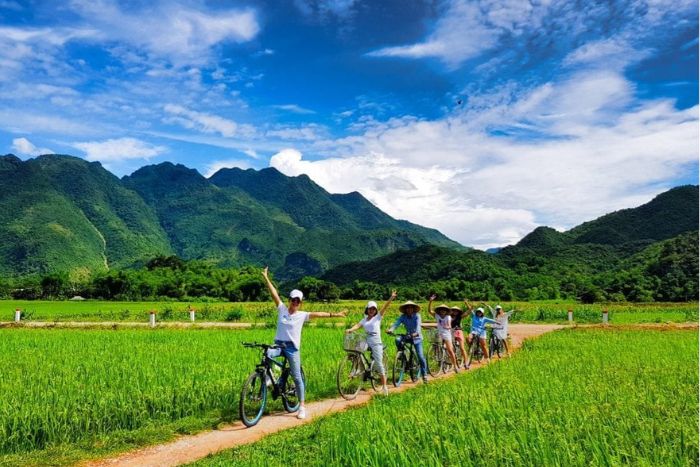
Cycle through the rice fields: Cycling is one of the best ways to explore Mai Chau. Small paths connect villages, stilt houses, and rice fields, allowing you to discover the valley at a leisurely pace. You can go independently or hire a local guide.
Discover traditional textiles: Textile handicrafts play an important role in the local culture. Travelers can observe the work of female weavers and purchase various fabrics made in the region. The Sunday market is also an opportunity to discover local products and traditional costumes.
Taste the local cuisine: A stay in Mai Chau also allows you to discover food prepared by local families. Meals served in homestays may include cơm lam, mountain chicken, grilled pork, and various local vegetables.
Attend a traditional performance: Some stays offer traditional Thai music and dance performances after dinner. These shows provide an opportunity to discover another aspect of local culture.
Explore the surrounding area: If you have more time, you can also consider an excursion to Pu Luong Nature Reserve for hiking, or to the Hoa Binh Reservoir for a kayaking trip.
In the Mai Chau travel guide, prioritize several complementary experiences rather than an overly busy schedule: a cycling trip, a cultural discovery, and a moment shared with local people are already enough to appreciate the identity of the valley.
A day trip from Hanoi is possible, but spending at least one night in Mai Chau allows you to better enjoy the atmosphere of the valley. The official Vietnam tourism website notably recommends spending one or two nights in the region to immerse yourself in rural culture.
One night: for a first discovery. With 2 days and 1 night, you can travel to Mai Chau from Hanoi, visit Lac and Pom Coong villages, go cycling, and spend the night in a traditional house.
Two nights: for a more relaxed stay. With 3 days and 2 nights, the pace is more comfortable. You can dedicate one day to the valley and allow more time for a hike, Pu Luong, or another activity in the surrounding area.
Where to stay in Mai Chau?
Traditional homestays are one of Mai Chau's emblematic experiences. Lac and Pom Coong villages, in particular, offer stilt houses where travelers can sleep and share meals with local people.
For greater comfort, Mai Chau also offers lodges and hotels. Mai Chau Lodge, for example, offers activities such as cycling and hiking, as well as a daily transfer service from Hanoi.
In the Mai Chau travel guide, choose your accommodation according to the experience you are looking for: a homestay for cultural immersion, a lodge to combine nature and comfort, or a hotel if you want to prioritize facilities.
The budget for a stay in Mai Chau mainly depends on transportation, accommodation, and the activities chosen. Travelers can opt for a bus or shuttle to keep expenses down, while a private car offers greater comfort and flexibility.
In terms of accommodation, prices vary considerably depending on the level of comfort and the season. Vietnam Tourism gives indicative rates ranging from approximately $5 for a rustic homestay to around $35 for a four-star hotel, based on the prices indicated in its guide. These amounts are reference figures and may vary depending on the properties and periods.
For activities, cycling is a simple way to explore the valley, while guided excursions, hikes, or kayaking trips may involve additional costs.
To better prepare your Vietnam travel budget, also consult our advice dedicated to the overall cost of a trip in the country.
A few precautions are also useful: bring good walking shoes, sun protection, and enough water. During the rainy season, check weather conditions before setting out on a hike. Also respect local people and ask for their permission before photographing them.
In your trip to Mai Chau, the key is to plan a flexible pace and leave enough time to enjoy the landscapes rather than trying to fit in too many activities.
Mai Chau can easily be included in a wider itinerary through northern Vietnam. Its proximity to Hanoi means it can be added at the beginning or end of an itinerary focused on the capital and mountainous regions.
For a longer trip, Mai Chau can be combined with Ninh Binh, Pu Luong, or other destinations in northern Vietnam. The combination with Pu Luong is particularly interesting for travelers who want to spend more time hiking and enjoying natural landscapes.
A Hanoi - Mai Chau - Ninh Binh combination allows you to vary your experiences between urban discovery, rural immersion, and karst landscapes. For those who have more time, Mai Chau can therefore become one stop among several on a two-week itinerary. You can notably consult this example of 2-week in Vietnam to consider how to build a more comprehensive itinerary.
In the Mai Chau travel guide, remember above all that it is better to choose a few complementary destinations and allow enough time for each stop rather than constantly moving from one place to another.
Mai Chau is a particularly interesting destination for discovering a more rural side of Vietnam, among mountains, rice fields, traditional villages, and Thai culture. Easily accessible from Hanoi, it can be visited as a short getaway or included in a longer itinerary through northern Vietnam. In the Mai Chau travel guide, the most important thing to remember is that the experience revolves around discovering the landscapes and local way of life: cycling through the rice fields, sleeping in a stilt house, tasting home-cooked food, or simply taking the time to observe the valley. The choice of season also plays an important role, particularly if you want to enjoy lush green or golden rice fields. By following these travel tips in Vietnam and choosing the right season, transportation, and accommodation, travelers can enjoy Mai Chau at a comfortable pace. With the Vietnam travel agency - Autour Asia, you can organize an itinerary adapted to the length of your stay and combine Mai Chau with other northern destinations according to your preferences.






 FR
FR ITA
ITA