January in Vietnam is one of the most interesting times of year to discover this country, particularly for travellers who want to combine different types of experiences during the same trip. However, the climate is not uniform throughout the country: depending on the region, you may experience cool mornings, milder temperatures, or a truly tropical climate.
One of the advantages of a trip 2 weeks in Vietnam in January is the opportunity to create a highly varied itinerary. After a few days of cultural discovery in the North, you can gradually travel south towards warmer regions and end your trip in the South, or even on the island of Phu Quoc.
January can also suit travellers who want to avoid intense heat. In Ninh Binh, for example, cycling and boat excursions can be pleasant when temperatures remain moderate. In the South, conditions are generally more favourable for outdoor activities and relaxing days.
However, it is important to keep in mind that January does not mean guaranteed sunshine everywhere in Vietnam. If the beach is your main priority, it is better to spend more time in the South than in the North or Central Vietnam.
The climate is one of the key factors to consider when planning a Vietnam itinerary 2 weeks in January. Conditions can vary considerably from one region to another, directly influencing which activities to include in your itinerary.
These are general trends, and actual conditions can vary depending on your travel dates.
Region | General conditions in January | What to prioritise ? |
North Vietnam | Cool, sometimes cloudy or misty | Culture, heritage, landscapes |
Central Vietnam | Variable, with possible rainfall | Hoi An, heritage, gastronomy |
South Vietnam | Generally warm and drier | Outdoor activities, Mekong Delta, beaches |
In Hanoi and the northern regions, January is part of the winter season. Temperatures can be cool, particularly in the early morning and evening. The sky can also remain cloudy or misty on some days. However, this weather does not make the region any less interesting. At times, it gives Hanoi a distinctive atmosphere that is ideal for exploring the small streets of the Old Quarter, visiting cultural sites, or stopping at a local café.
Discovery 2 weeks in Vietnam in January, in Ninh Binh and Lan Ha Bay, you simply need to accept that visibility can vary. Clear days offer beautiful panoramas, but it is better not to build your entire trip around perfectly sunny January weather. If you are planning a hike in the northern mountains, make sure to bring sufficiently warm clothing. Temperatures can be noticeably lower at higher elevations than in Hanoi.
When visiting Central Vietnam during a Vietnam travel itinerary 2 weeks in January, particularly Hue, Da Nang and Hoi An, you can expect more variable conditions. Temperatures can be pleasant, but rainfall is still possible.
For this reason, we recommend not treating Central Vietnam as an exclusively beach destination in January. Hoi An remains particularly appealing for its ancient town, heritage, gastronomy and surrounding villages, even when the weather does not allow for a full day at the beach.
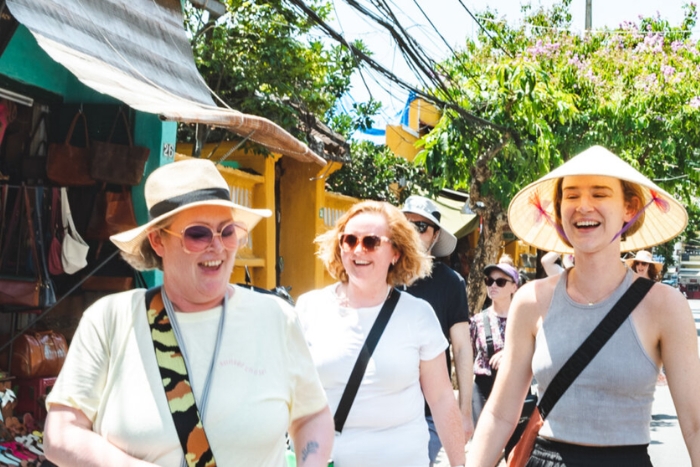
This flexibility is important when planning 14 days in Vietnam in January. A day in Hoi An can easily be adapted to the weather conditions: take a stroll through the ancient town, discover local cuisine, visit a craft village, or go cycling when the weather allows.
Southern Vietnam is generally the most favourable region in January for travellers looking for warmth and sunshine.
In Ho Chi Minh City, the Mekong Delta and Phu Quoc, conditions are generally well suited to outdoor activities. This is also why we often recommend ending a two-week Vietnam itinerary in January in the South when travelling at this time of year. After the cooler temperatures of the North, the change in atmosphere is striking. A few days in the Mekong Delta can be followed by a more relaxing stay in Phu Quoc, with a deliberately slower pace towards the end of the trip.
There is no single itinerary for a 2-week trip to Vietnam in January. The best choice depends mainly on what you are looking for. For a first trip, three main options are particularly relevant.
North + Central Vietnam is well suited to travellers who want to focus on culture, landscapes and heritage. Hanoi, Ninh Binh, Lan Ha Bay and Hoi An already offer a chance to discover very different sides of the country without taking too many domestic flights.
Central + South Vietnam is more suitable for travellers looking for milder temperatures and wanting to end their trip in the sunshine. Hoi An, Ho Chi Minh City, the Mekong Delta and Phu Quoc form a well-balanced combination of culture, local life and relaxation.
Finally, North → Central → South is the most comprehensive option for a first trip. It allows you to discover several different sides of Vietnam, but generally requires two domestic flights and more careful planning.
This approach also reflects the two-week tours offered by Autour Asia - local travel agency in Vietnam : one of our 14-day, 13-night itineraries includes Hanoi, Ninh Binh, Halong Bay, Central Vietnam and Hoi An before continuing to Ho Chi Minh City and the Mekong Delta. This itinerary currently has a 5/5 rating based on 118 reviews on our website.
For 14 days in Vietnam in January, we therefore recommend limiting the number of main bases. Experiences such as a cruise or an excursion in the Mekong Delta can be incorporated into the itinerary without necessarily becoming a separate long stay.
For a first trip, a north-to-south itinerary allows you to experience Vietnam’s diversity while ending in a region that is generally warmer.
Start your Vietnam travel itinerary 2 weeks in January in Hanoi to gradually familiarise yourself with the country. Two days are enough to explore the Old Quarter, Hoan Kiem lake, several historical sites and, above all, experience the unique atmosphere of the capital.
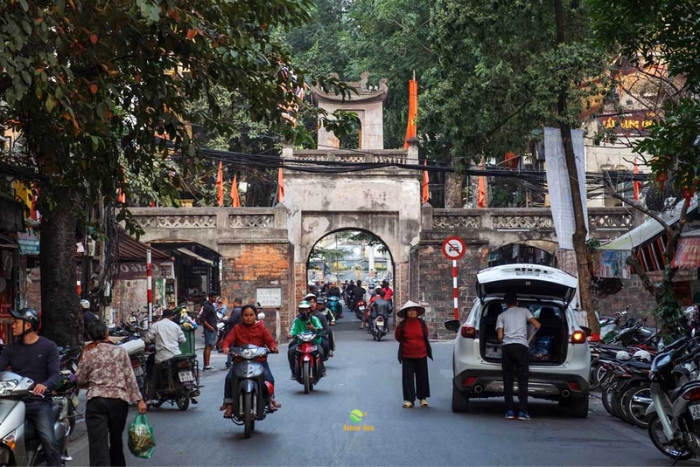
January is a pleasant time to walk around Hanoi when temperatures remain cool. Simply bring a jacket for the mornings and evenings. Food also deserves an important place from the very beginning: pho, bun cha, Vietnamese coffee and egg coffee offer a delicious introduction to the country’s flavours without requiring you to pack too many visits into your first days.
From Hanoi, head to Ninh Binh to discover one of the most iconic natural landscapes in northern Vietnam. What can you do during Vietnam itinerary 2 weeks in January? A boat trip in Trang An allows you to navigate between limestone karst formations, rivers and rural landscapes. Cycling is also an excellent way to explore the region at a relaxed pace.

In January, moderate temperatures are particularly well suited to these activities. However, it is better to keep your schedule flexible if the sky is cloudy or misty. Ninh Binh is also regularly featured among the experiences of travellers accompanied by Autour Asia. Our collection of travel experiences includes stays and excursions in Ninh Binh, as well as testimonials focusing on Northern Vietnam.
Continue your journey with a cruise in Lan Ha Bay. This stop offers a complete change of scenery after the streets of Hanoi and the inland landscapes of Ninh Binh.
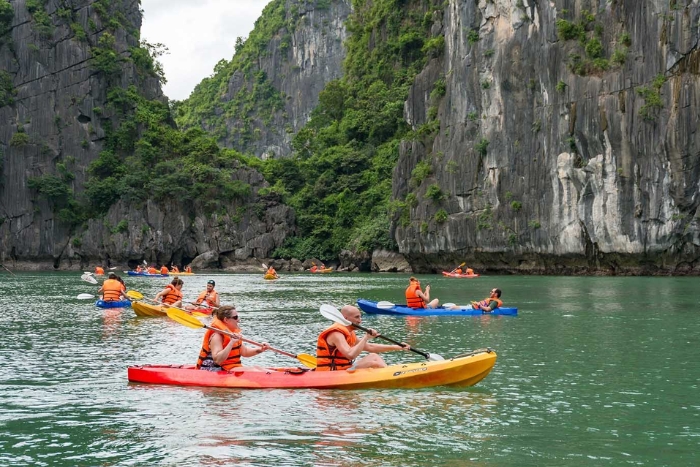
A cruise generally allows you to enjoy the limestone karst landscapes, kayaking and other activities offered on board, depending on the conditions. The weather in January in Vietnam can be cool or cloudy in the North. The experience remains worthwhile, but it is better to choose a quality cruise and not expect blue skies every day to fully appreciate the scenery.

After the cruise, return to Hanoi before taking a domestic flight to Central Vietnam. This day is mainly dedicated to travelling. This is precisely why it is better not to add too many extra destinations: every change of region takes away some of the time actually available for sightseeing.
Hoi An deserves several nights so you can enjoy its atmosphere without rushing. What should you do in 2 weeks in Vietnam in January? Wander through the ancient town, discover its old houses, sample local specialities and explore the surrounding area by bicycle when the weather allows.
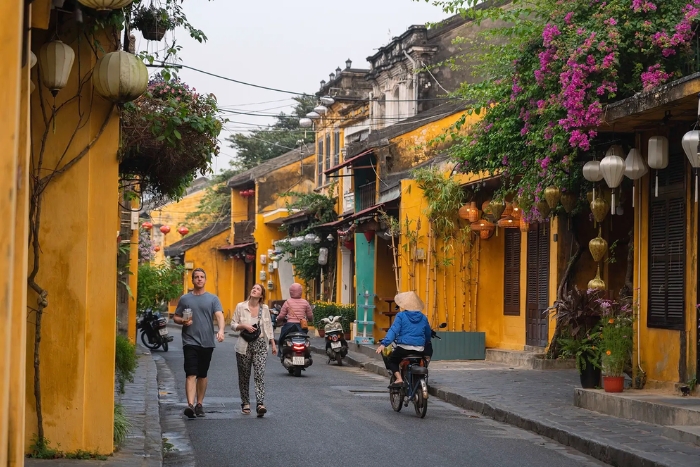
In January, the beach does not necessarily need to be the main focus. Conditions can be variable, but Hoi An remains an interesting cultural and culinary destination even when the sun is not shining. Three nights also provide enough flexibility to reschedule an outdoor activity if one day is wetter than expected.
Another flight then takes you to Ho Chi Minh City, where the atmosphere changes dramatically. The city is much more dynamic and tropical than Hanoi. You can spend one day exploring its main neighbourhoods and historical sites, then take the time to discover the flavours of southern Vietnamese cuisine.
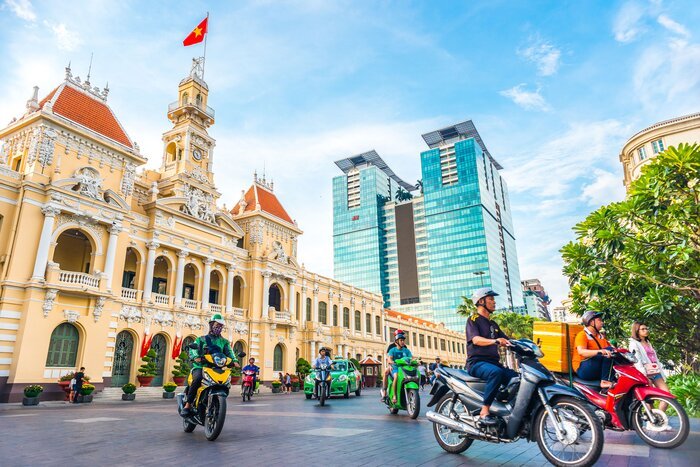
After several days in the North and Central Vietnam, this stop also provides a natural transition into the warmer part of the trip 14 days in Vietnam in January.
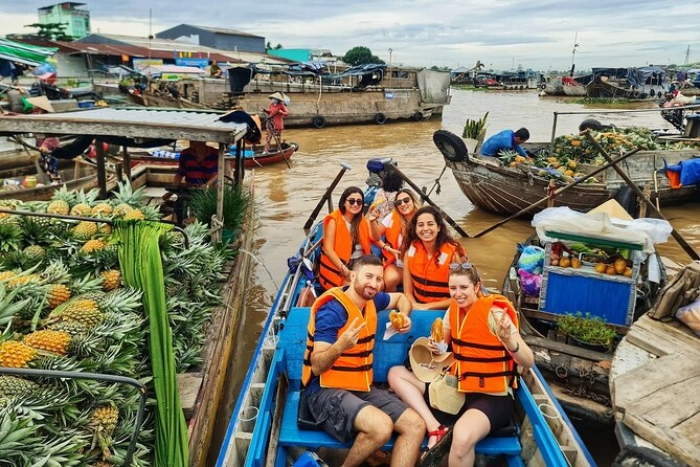
Spend a day or a night in the Mekong Delta to discover a completely different pace of life. Excursions can include boat trips, visits to villages, local markets or fruit orchards. To experience the region more fully, we recommend prioritising experiences that allow you to meet local people rather than trying to fit in too many tourist stops.
End your trip in Phu Quoc at a more relaxed pace. January is one of the favourable periods for enjoying the island. After a relatively busy journey, these final days provide an opportunity to slow down: spend time on the beach, swim when conditions are favourable, watch the sunset or simply rest. This end to the trip is particularly appreciated by couples and travellers who want to finish their holiday without another long cultural stop.
→ Who is a Vietnam travel itinerary 2 weeks in January suitable for?
A two-week stay in January is particularly suitable for travellers who want to combine several different experiences rather than focus on a single destination.
For couples, combining Hanoi, Hoi An and Phu Quoc allows you to mix cultural discovery, gastronomy and time together.
For families, it is better to reduce the number of hotel changes and choose destinations where sightseeing can be balanced with free time. Ninh Binh and Hoi An are particularly easy to incorporate into a well-balanced itinerary. Active travellers can add cycling, kayaking or hiking, while taking the cooler January temperatures in the North into account.
Finally, for first-time visitors to Vietnam, a North - Central - South itinerary offers a particularly comprehensive introduction to the country, provided you are comfortable with some domestic travel.
A Vietnam travel itinerary 2 weeks in January should not be completely set in stone. In January, a few simple adjustments can significantly improve the experience.
If the North is cool and overcast, prioritise cultural visits in Hanoi and activities that do not depend entirely on visibility. In Ninh Binh, keep your boat excursion but remain somewhat flexible with the timing.
If Central Vietnam experiences several rainy days, focus more on Hoi An, gastronomy, heritage and cultural activities rather than planning several full days at the beach.
Conversely, if the South enjoys sunny weather, make the most of it by including more outdoor activities, time in the Mekong Delta and relaxing days in Phu Quoc.
This is also why a personalised 2-week trip to Vietnam in January can be more relevant than a completely standardised programme: the same two weeks can be organised differently depending on the exact travel dates, weather conditions and the traveller’s priorities.
Can you see all Vietnam in 2 weeks in January?
It is possible to travel between the North, Central Vietnam and the South in 14 days, but it is not realistic to claim that you can explore the whole of Vietnam in depth in such a short time.
A two-week trip to Vietnam in January actually includes less sightseeing time than the figure of 14 days might suggest. You need to take the international flight, transfers, domestic flights and hotel changes into account.
For a first trip, we generally recommend selecting around five or six main stops. This allows you to keep enough time to discover each destination without turning the journey into a succession of transfers.
If you want to explore the North in greater depth, for example, it is better to spend more time in Hanoi, Ninh Binh and a mountainous region rather than quickly adding Central and Southern Vietnam to the itinerary.
The pace of the trip is often more important than the number of destinations. A good starting point is to plan around two to three nights in the main destinations, with a single night for certain specific experiences such as a cruise.
We generally avoid itineraries where travellers change cities almost every day. Such a programme may look comprehensive on paper, but leaves little time to genuinely appreciate each place.
For couples, families or travellers who want to enjoy their holiday, a few free hours can be just as valuable as an additional sightseeing activity. They provide time to stop at a café, wander around without a specific destination in mind, or simply enjoy the hotel.
2 weeks in Vietnam in January should therefore strike a balance between discovery, travel time and moments to unwind.
—> Should you book your 2-week trip to Vietnam in January in advance?
For a Vietnam travel itinerary 2 weeks in January, booking sufficiently early is particularly advisable if you want a specific itinerary. International flights, well-located hotels, cruises in Lan Ha Bay and domestic flights are the main elements to arrange first. Phu Quoc also deserves particular attention if you are looking for a specific property or a beachfront hotel.
Planning ahead becomes even more important when your travel dates coincide with Tet. Availability may be more limited, and some services may operate differently during this period. Booking early does not mean that every day needs to be planned down to the minute. It is entirely possible to secure the main stages of your trip while still keeping some free time.
Your luggage should be prepared according to the climatic differences between northern and southern Vietnam.
In all cases, a pair of comfortable shoes is essential. For a 2-week trip to Vietnam in January, there is no need to pack too many clothes: a few easy-to-combine pieces that can be washed during the trip are generally enough.
The right approach: pack for several climates rather than for a single season. Lightweight clothing for the South and a warm layer for the North are more useful than a suitcase filled entirely with summer clothes.
The budget for 2 weeks in Vietnam trip mainly depends on your accommodation standard, transportation and the experiences you choose.
A budget trip can focus on simple hotels, local restaurants and public transport. A comfortable trip may include 3- or 4-star hotels, occasional private transfers, excursions and a good-quality cruise. Finally, a high-end stay requires a larger budget for hotels, private guides, transfers and exclusive experiences.
January also deserves particular attention when your travel dates are close to Tet. Depending on the year, this major Vietnamese holiday can fall in late January or early February and may lead to higher demand for certain forms of transport and accommodation.
Indicative budget for 14 days:
Travelling to Vietnam around Tet: What you need to know?
When planning a 14-day trip to Vietnam in January, always check the exact dates of Tet for the year concerned.
Tet is the most important celebration in the Vietnamese calendar, and its date changes every year because it follows the lunar calendar. Depending on the year, it can take place in January or February.
This period has a special atmosphere: families gather together, streets are decorated and everyday life temporarily follows a different rhythm. For some travellers, it is an exceptional opportunity to experience an important aspect of Vietnamese culture.
However, it also requires more advance planning. Transport can be busier, some shops may temporarily close and hotel availability can be more limited. If your two-week trip overlaps with Tet, your itinerary should therefore be planned according to the exact dates rather than treating January as a uniform month.
What to check before booking: Tet dates change every year. It is therefore advisable to check the calendar for the exact year of your trip before confirming your transport and accommodation.
Assuming the climate is the same everywhere: Conditions can be very different between Hanoi and Phu Quoc in January. Planning your itinerary without taking this into account may result in activities that are poorly suited to the weather.
Planning too many beach days in Central Vietnam: Hoi An remains an excellent destination, but January is not the most reliable time to build an entire trip around the beach in this region.
Adding too many stops: Trying to include Sapa, Ha Giang, Hanoi, Ninh Binh, Lan Ha Bay, Hue, Hoi An, Ho Chi Minh City, the Mekong Delta and Phu Quoc in just 14 days may seem appealing, but the pace quickly becomes tiring.
Ignoring the weather when planning outdoor activities: A cruise, hike or cycling excursion partly depends on weather conditions. It is better to plan alternatives than to treat every activity as guaranteed under clear skies.
Forgetting About Tet If your trip coincides with Tet, do not book it as though it were an ordinary week in January.
Our principle for a 14-day in Vietnam in January: it is better to remove one stop than to turn several days into transfers. Travellers generally get more from four or five well-chosen bases than from a long list of destinations visited too quickly.
For a first trip, we generally favour a north-to-south itinerary including Hanoi, Ninh Binh, Lan Ha Bay, Hoi An, Ho Chi Minh City, the Mekong Delta and Phu Quoc.
This structure allows you to gradually discover different sides of the country. The North offers heritage, history and limestone karst landscapes; Central Vietnam provides a cultural immersion around Hoi An; and the South brings a more tropical atmosphere and a pleasant way to end the journey.
Above all, this itinerary takes the climatic reality of January into account. Rather than looking for the same type of weather everywhere, the journey is built around the differences between the regions.
In January, the best strategy is therefore not to try to see everything in two weeks, but to choose the right destinations at the right time.
A 2 weeks in Vietnam in January allows you to discover a wonderful diversity of landscapes, cultures and atmospheres, provided you take the climatic differences between the North, Central Vietnam and the South into account. For a first Vietnam travel itinerary 2 weeks in January, travelling from north to south offers a good balance between discovery, local encounters and moments of relaxation, with particular attention paid to the pace of travel. In January, prioritise the North for its heritage and landscapes, Central Vietnam for the cultural richness of Hoi An, and the South for warmer temperatures and, when conditions are favourable, a few days on the beach. Ultimately, the key is to create a realistic itinerary that matches your interests and the way you like to travel.


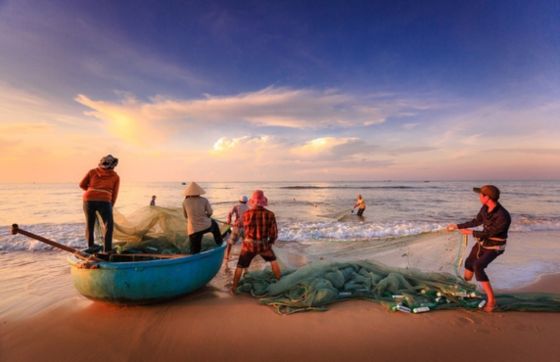
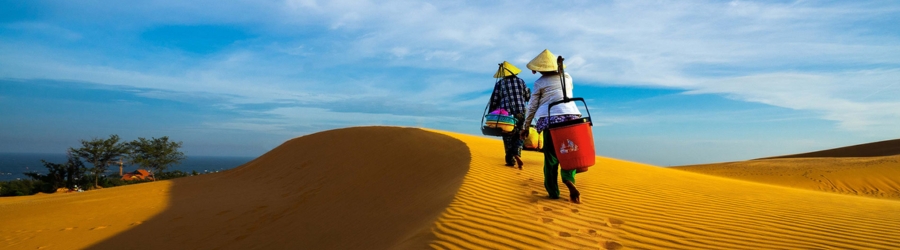
Phan Thiet, a coastal city in Binh Thuan Province, is best known for Mui Ne, an internationally renowned seaside destination. With its beaches, fishing villages, and desert-like sand dunes, the region offers a diverse range of landscapes rarely found elsewhere in Southeast Asia. In November, temperatures remain pleasant for exploring the coast, although occasional showers are still possible. Visiting Phan Thiet Mui Ne in November requires a little preparation to make the most of your stay. This complete guide covers the weather, must-see attractions, transportation options, and practical tips to help you plan your trip to Vietnam in November.
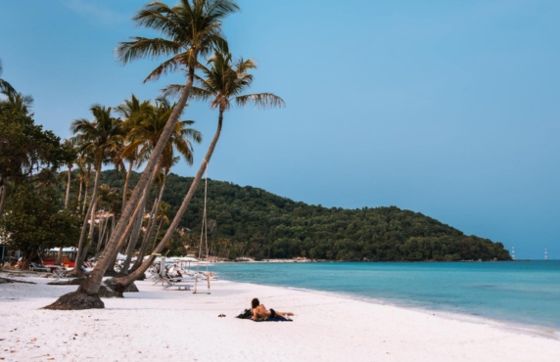
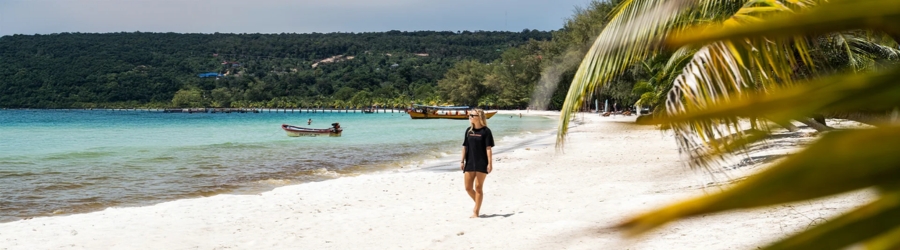
Vietnam’s beaches are best enjoyed at different times of the year, depending on the region. From the turquoise waters of the South to the long stretches of white sand in the Central region and tropical islands, each area has its own climate patterns. To better understand when to visit Vietnam, it is important to consider the weather conditions in each destination. The best time to visit beaches in Vietnam depends on region you choose as well as the activities you have planned. The best time to swim in Vietnam also varies according to rainfall, water temperature and sea conditions. Understanding the Vietnam beach season helps you choose destinations that match your travel dates and enjoy the coastline in good conditions.
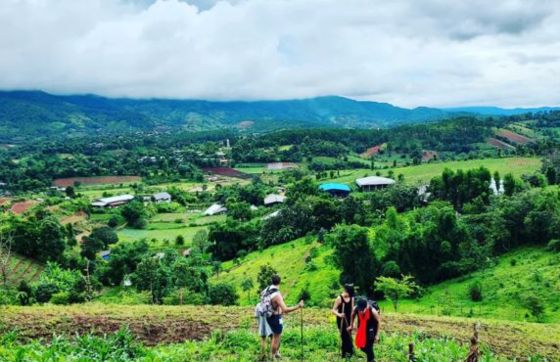
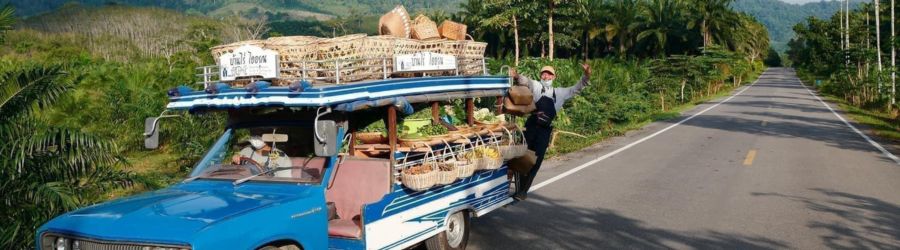
Discovering Thailand through its rice fields, plantations, and rural villages offers a different way to travel, far from traditional tourist circuits. But how can you choose the best agency for Thailand farm tours to enjoy authentic experiences with local communities? Several tour operators offer trips combining agriculture, gastronomy, and encounters with producers. Among them, Autour Asia is an option for travelers who want to personalize their itinerary. Known as Vietnam travel agency - Autour Asia, the company also offers tailor-made trips to several countries in Southeast Asia. With the local travel agency in Thailand - Autour Asia, travelers can explore a trip designed around their interests. Here are five organizations worth knowing, their distinctive features, and the essential criteria for planning a successful agricultural tour in Thailand.
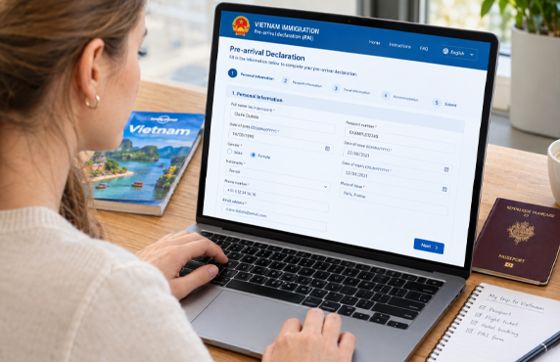

Planning a trip to Vietnam? Before packing your bags, take a few minutes to check the latest entry requirements and prepare the documents you may need at the airport.
Vietnam’s Pre-Arrival Information (PAI) system allows international travellers to submit selected personal, visa and travel details online before arriving in the country. After a successful submission, the system generates a QR code that travellers can save on their phones or print for use during immigration procedures. Although the online declaration is designed to help make arrival procedures smoother, travellers should understand when it applies, how to complete it correctly and which documents they still need to enter Vietnam.
In this practical guide, you will discover where to access the official PAI portal, what information to prepare, how to complete the declaration step by step, how to correct common mistakes and what to do when you arrive at the airport.
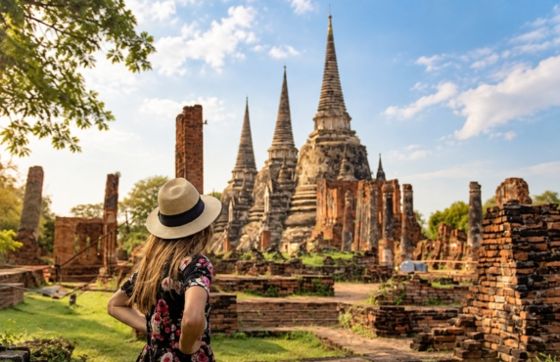
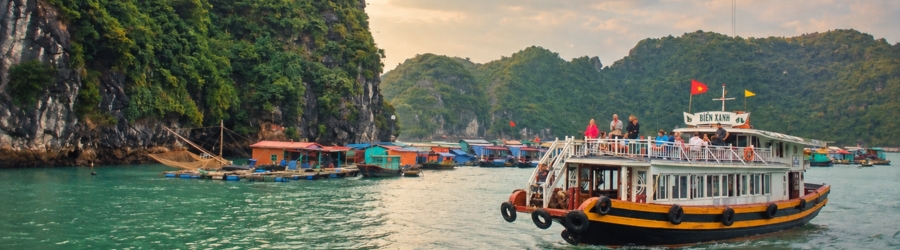
With its exotic landscapes, fascinating cultures and diverse experiences, Vietnam and Thailand are among the most popular destinations in Southeast Asia. However, safety remains an important criterion when planning your trip. So, how can you choose Vietnam or Thailand for a safe trip depending on the way you travel ? And is Vietnam safer than Thailand ? Each destination has its own characteristics and points to consider. In this article, Autour Asia helps you compare Vietnam and Thailand to better understand their differences and choose the destination that meets your expectations for your next trip to Asia.
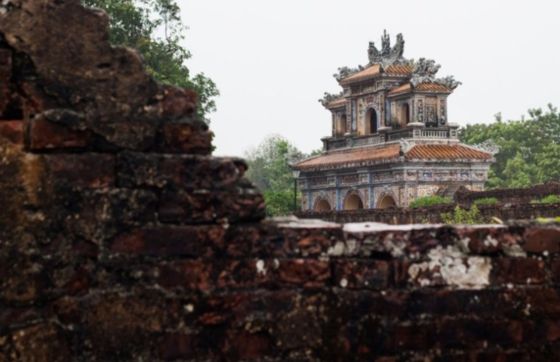

Planning a trip to Hue in November requires a little more flexibility than at other times of the year. Visiting Hue in November means experiencing the rainy season in central Vietnam, with prolonged showers and a risk of flooding. However, this period can also be an opportunity to explore the former imperial capital’s royal heritage, pagodas and renowned cuisine in a quieter atmosphere. The key is to choose your activities carefully, prepare alternative plans and check the weather conditions before setting out.
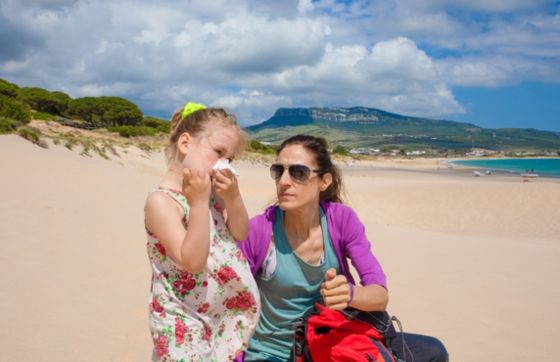

When travelling in Cambodia, some everyday habits may raise questions about local customs. Is blowing your nose in public considered polite? How should you behave in restaurants, on public transport or during a visit? These small details matter when you want to respect the local culture. Discover how to manage blowing your nose in Cambodia discreetly, along with practical tips on using tissues during your trip. Autour Asia, Cambodia travel agency, helps you discover local customs with advice tailored to travellers. From Cambodia travel etiquette to personal hygiene and everyday situations, a few simple guidelines can make your journey more comfortable. In Phnom Penh, Siem Reap or Kampot, understanding local customs helps you avoid awkward moments while making the most of your stay.
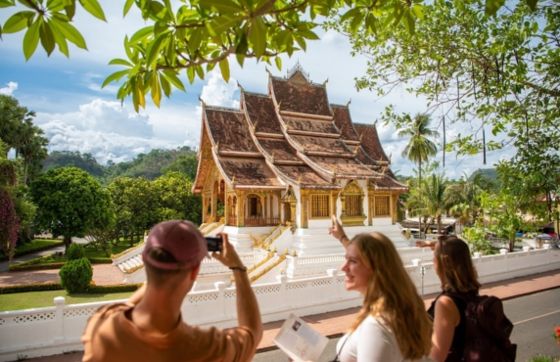
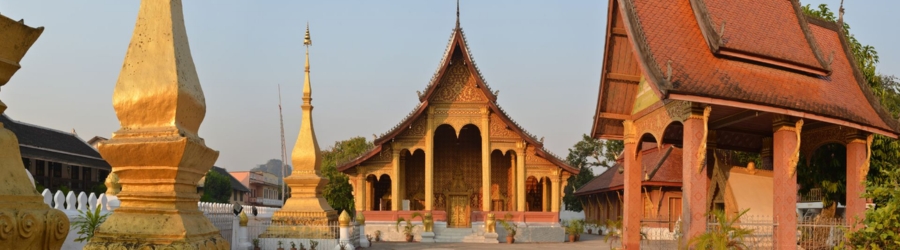
Blow your nose in Laos is not necessarily considered rude, but it is best to do so discreetly, especially in quiet places or during meals. If you have a cold, use a clean tissue and avoid blowing your nose loudly in public. In temples and other places of worship, respect the peaceful atmosphere and local customs. If you need to blow your nose frequently, step away from others for a moment whenever possible. Finally, dispose of used tissues in a rubbish bin. These simple habits will help you observe good manners during your trip to Laos.



 FR
FR EN
EN