
How To Plan A 2 Week Vietnam Itinerary South To North ?

Crossing Vietnam from South to North in just 14 days is a great way to discover the highlights of this fascinating country while enjoying a wide variety of experiences. From the floating markets of the Mekong Delta and the lantern-lit streets of Hoi An to the imperial heritage of Hue, the lively atmosphere of Hanoi, and the breathtaking scenery of Halong Bay, each destination reveals a different side of Vietnam. A 2 week Vietnam itinerary South to North offers the perfect balance of cultural discoveries, local encounters, and beautiful natural landscapes. To make the most of your trip, a Vietnam travel agency can help you design a personalized itinerary that matches your interests, travel style, and pace.
👤 Author: Noah
English travel marketing expert at Autour Asia.
✔️ Find the author on: Facebook Noah, Linkedin Noah, Twitter Noah
✅ Content verified by: Tran Ba Duy
Founder of Autour Asia, with over 20 years of experience in inbound tourism for English-speaking, European, and North American travelers.
🌏 Why trust this travel guide?
✔️ Based on real tours organized by our local team across Vietnam, Cambodia, Thailand, Laos, Bali, and Myanmar.
✔️ Regularly updated to reflect the latest travel conditions, seasonal changes, prices, and local regulations.
✔️ More than 25,000 travelers served, 8,000 tailor-made tours successfully organized, and 1,500 five-star reviews from international travelers.
✔️ Written by a team of travel experts based in Vietnam, with in-depth local knowledge and first-hand expertise across Indochina's top destinations.
Table of Contents
I. Why choose a 2-week South-to-North Vietnam trip?
A 2 week Vietnam itinerary South to North is an excellent choice for travelers who want to discover the country's most iconic destinations during their first visit. Traveling from the Mekong Delta in the south to the mountains and bays of northern Vietnam, you will experience regions with distinct cultures, traditions, and landscapes. Along the way, the scenery changes constantly, from lush rice fields and vibrant cities to historical landmarks and spectacular limestone formations.
A 2-week trip to Vietnam also offers a comfortable travel pace without spending too much time on transportation. You will have enough time to explore each destination while enjoying authentic local experiences. In addition, working with a Vietnam travel agency makes it easier to organize your journey, including transportation, accommodation, and sightseeing activities, while benefiting from the valuable advice and expertise of local travel specialists
II. Itinéraire de 2 semaines au Vietnam: programme détaillé du Sud au Nord
Are you wondering what to do in Vietnam during your first visit? This 2 week Vietnam itinerary South to North is designed to help you discover the country's most famous destinations while enjoying a comfortable travel pace. Combining culture, nature, gastronomy, and local encounters, each stop offers a unique and authentic experience.
1. Days 1 to 3 - Ho Chi Minh City and the Mekong Delta
Your 2 week Vietnam itinerary South to North begins in Ho Chi Minh City, formerly known as Saigon. This vibrant metropolis blends colonial heritage, modern skyscrapers, and lively neighborhoods. During your stay, you can visit some of the city's most iconic landmarks, including the Central Post Office, Notre-Dame Cathedral, the Reunification Palace, and Ben Thanh Market.
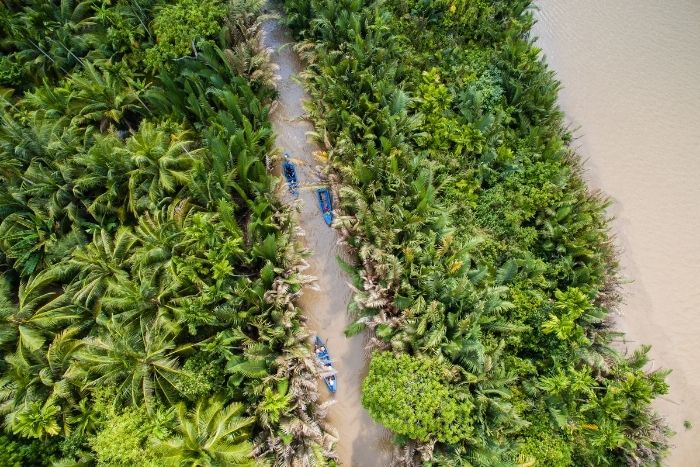
On the second day, travel to Ben Tre, one of the most authentic regions of the Mekong Delta. A traditional boat trip takes you along peaceful canals lined with coconut palms, while visits to local workshops and tropical fruit orchards provide a glimpse into daily life in the delta. A cycling tour through rural villages offers an even deeper connection with the local culture and landscapes.
The third day is dedicated to discovering the everyday life of local residents. Explore traditional markets, fruit gardens, and fish farms while learning more about the region's economy and traditions. After lunch, return to Ho Chi Minh City before continuing your journey to central Vietnam.
2. Days 4 to 6 - Hoi An and Da Nang
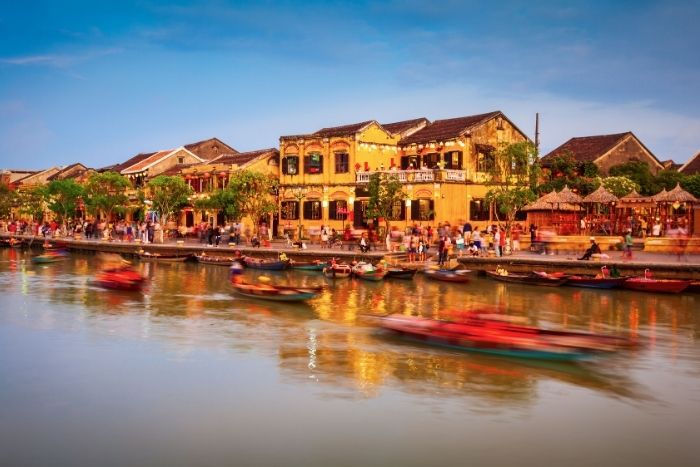
The next part of your 2 week Vietnam itinerary South to North takes you to central Vietnam. From Ho Chi Minh City, a short domestic flight brings you to Hoi An, one of the most charming destinations in the country. Recognized as a UNESCO World Heritage Site, this former trading port is famous for its well-preserved architecture, historic houses, Chinese temples, and colorful lanterns that light up the streets every evening.
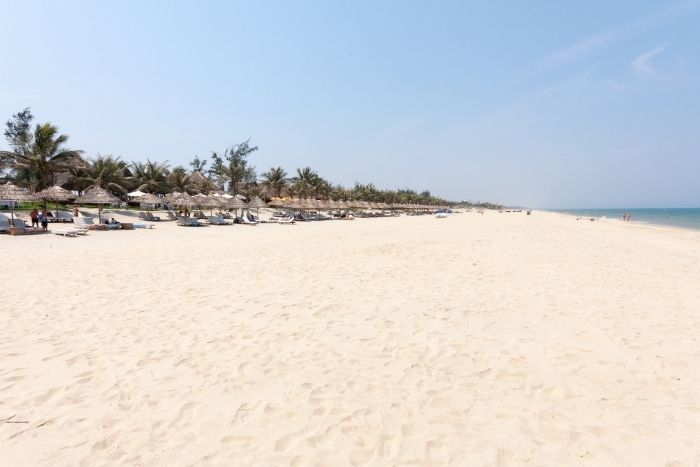
During your stay, take time to stroll through the ancient town, visit the iconic Japanese Covered Bridge, and sample local specialties such as “cao lau” and “mi Quang”. Nearby, An Bang Beach and Cua Dai Beach offer the perfect setting to relax and enjoy the coastal atmosphere.
Just a few kilometers away, Da Nang is an excellent addition to this itinerary. Known for its beautiful coastline, the impressive Dragon Bridge, and the Marble Mountains, the city offers a blend of modern attractions and natural beauty. Da Nang is also the gateway to the famous Hai Van Pass, whose breathtaking views are considered among the most spectacular in central Vietnam.
3. Days 7 to 8 - Hue, the Former Imperial Capital
On the seventh day of your 2 week Vietnam itinerary South to North, continue your journey to Hue. Located on the banks of the Perfume River, this historic city is home to remarkable cultural heritage and offers a fascinating insight into Vietnam's imperial past.
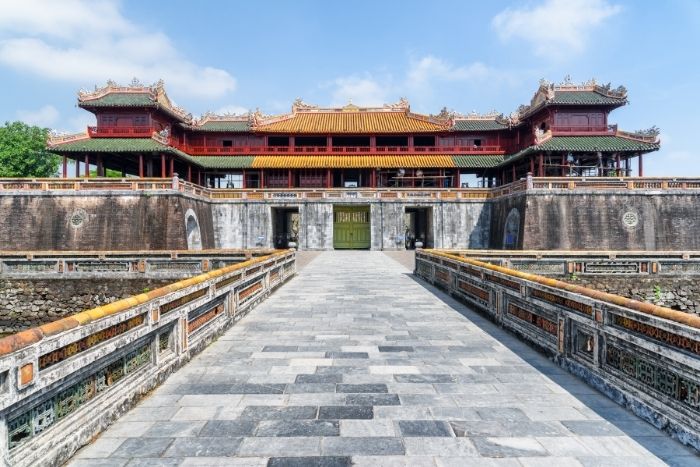
A visit to the Imperial City is one of the highlights of any 2 week Vietnam itinerary South to North. Behind its impressive walls lie ancient palaces, pavilions, temples, and gardens that reflect several centuries of Vietnamese history. The royal tombs of Minh Mang, Tu Duc, and Khai Dinh are also worth visiting for their elegant architecture and unique blend of Vietnamese and foreign influences.
Day eight can be devoted to exploring more of Hue and its surroundings. A boat cruise along the Perfume River provides a relaxing way to reach the famous Thien Mu Pagoda, one of the city's most iconic landmarks. Traditional villages and local markets nearby offer an authentic glimpse into everyday life in central Vietnam and allow visitors to experience the region beyond its historical monuments.
4. Days 9 to 11 - Hanoi, the Cultural Heart of Vietnam
On the ninth day of your 2 week Vietnam itinerary South to North, a short flight from Hue takes you to Hanoi, the thousand-year-old capital of Vietnam. More traditional than Ho Chi Minh City, Hanoi captivates visitors with its unique atmosphere, where history, culture, and everyday life blend together seamlessly. A first walk through the Old Quarter is the perfect way to explore its bustling streets, browse local craft shops, and experience the city's vibrant energy.
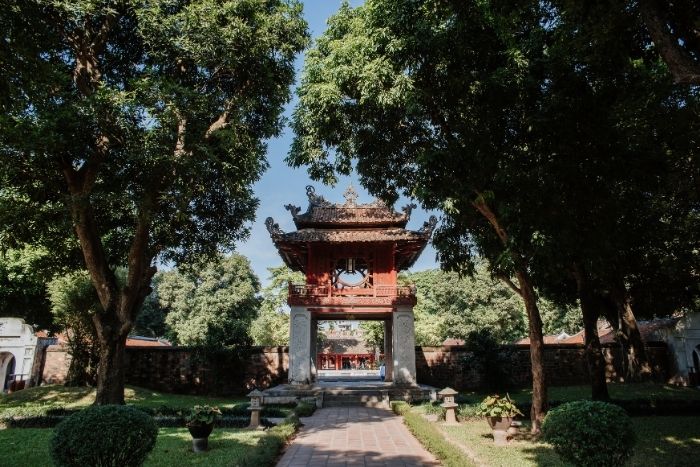
Days ten and eleven are dedicated to discovering the capital's most famous landmarks. Highlights include Hoan Kiem Lake, the Temple of Literature, the Ho Chi Minh Mausoleum, and the One Pillar Pagoda. These sites offer valuable insight into Vietnam's history, culture, and spiritual traditions.
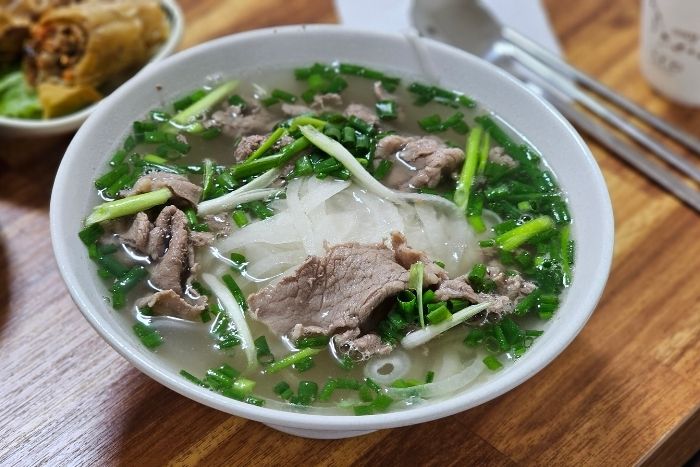
Hanoi is also renowned for its rich culinary scene. It is the perfect place to taste a traditional “pho”, enjoy a delicious “bun cha”, or try the city's famous egg coffee. In the evening, a traditional water puppet show provides a wonderful introduction to one of Vietnam's most iconic performing arts.
5. Days 12 to 14 - Halong Bay or Lan Ha Bay
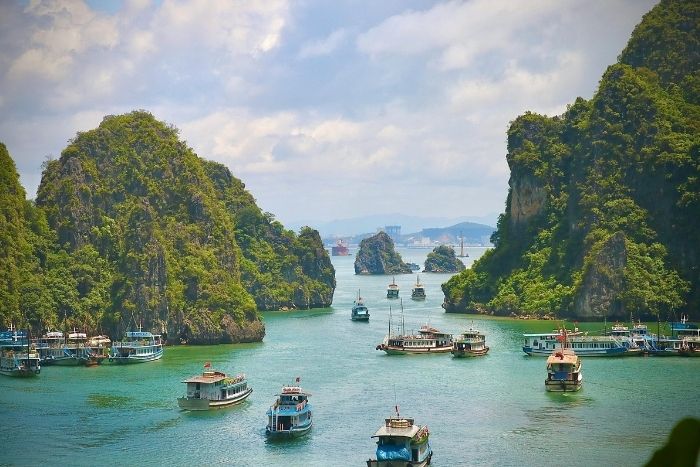
To end your 2 week Vietnam itinerary South to North on a high note, head to Halong Bay or its quieter neighbor, Lan Ha Bay. Recognized as a UNESCO World Heritage Site, Halong Bay is famous for its thousands of limestone karsts rising dramatically from the emerald waters of the Gulf of Tonkin.
A two-day, one-night cruise is the best way to fully appreciate this breathtaking landscape. Activities typically include sailing among the islands, exploring natural caves, swimming, kayaking, and relaxing on the sundeck while enjoying the stunning scenery.
For travelers seeking a more peaceful experience, Lan Ha Bay offers equally spectacular views with fewer visitors. Its pristine waters, secluded beaches, and tranquil atmosphere make it an excellent alternative to the more popular Halong Bay. As the final stop on your 2 week Vietnam itinerary South to North, Halong Bay or Lan Ha Bay provides an unforgettable experience and a perfect conclusion to your journey.
III. Useful information before traveling to Vietnam
Before planning your trip, it is important to consider a few practical details to ensure a smooth and enjoyable experience. Climate, transportation, budget, and entry requirements can all influence the organization of your journey. These travel tips in Vietnam will help you prepare for your adventure, whether you are traveling independently or with a guided tour.
Vietnam stretches over 1,600 kilometers from North to South, resulting in significant climate differences between regions. For a complete South-to-North itinerary, the best time to visit Vietnam is generally from March to April and from October to November. During these months, temperatures are pleasant, rainfall is limited, and weather conditions are favorable for exploring the country's major destinations.
Transportation
Domestic flights are the most convenient way to travel between Vietnam's main cities. They save valuable time, especially during a 2 week Vietnam itinerary South to North. Trains and long-distance buses are also available for travelers who prefer a slower and more immersive travel experience while enjoying the changing landscapes along the route.
Budget
For a comfortable 2-week trip in Vietnam, travelers should generally budget between USD 1,100 and USD 1,700 per person. This estimate usually includes accommodation, transfers, domestic flights, a Halong Bay cruise, several excursions, and part of the meals.
For a tailor-made journey with boutique hotels, a private guide, and premium services, the budget is typically between USD 2,000 and USD 3,500 per person.
Daily expenses in Vietnam remain relatively affordable. A meal in a local restaurant often costs between USD 2 and USD 12, while a traditional Vietnamese coffee can usually be enjoyed for USD 1 to USD 2.
Entry requirements
Before departure, it is advisable to check the latest entry requirements according to your nationality. In most cases, your passport should be valid for at least six months beyond your date of entry into Vietnam. Another important item among the essential travel tips in Vietnam is to purchase comprehensive travel insurance covering medical expenses, trip disruptions, and other unexpected situations.
In conclusion, with its ancient traditions, vibrant cities, breathtaking landscapes, and authentic experiences, Vietnam offers an incredible diversity of discoveries. By choosing a 2 week Vietnam itinerary South to North, you will travel through regions with distinct identities and immerse yourself in the heart of Vietnamese culture. This journey provides an excellent introduction to the many faces of the country while maintaining a comfortable and enjoyable travel pace. Whether you are traveling as a couple, with family, or with friends, a Vietnam travel agency can help you create a personalized itinerary tailored to your interests, preferences, and expectations, ensuring an unforgettable experience from South to North.
> Vietnam Travel Guide
> Sapa hiking in Vietnam 3 days
> Trekking tour in Pu Luong 2 days
> 3 days in Hanoi
For a Vietnam trip 14 days, flying is generally the most practical option to make the most of your time. Domestic flights allow you to travel quickly between major destinations such as Ho Chi Minh City, Da Nang, Hue, and Hanoi while reducing long travel hours. However, trains remain an attractive alternative for travelers who want to enjoy the scenery and experience a more immersive journey. Some routes, especially between Da Nang and Hue via the Hai Van Pass, are considered among the most beautiful in the country. In many cases, the best solution is to combine domestic flights with shorter train journeys according to your itinerary.
Among the frequently asked questions for your trip to Vietnam, mobile apps are often mentioned. Several applications can make your travels easier. For transportation, Grab is the most popular app for booking cars and motorbike rides. Google Maps is useful for navigation, while Google Translate can help you communicate with locals when English is not spoken. Booking and Klook are also widely used for reserving accommodations and activities. Finally, consider downloading offline maps before your departure so you can stay independent even without an internet connection.
The currency in Vietnam is the Vietnamese Dong (VND), which is used throughout the country for everyday purchases. As a general reference, 1 US dollar is usually equivalent to around 26,000 VND, although exchange rates may vary. For a two-week trip, it is advisable to combine cash and bank cards. International cards are accepted in most hotels, major restaurants, and shopping centers in large cities. However, local markets, small shops, and street vendors often prefer cash payments. ATMs are widely available in the main tourist destinations.
Related travel guide
Other similar articles


CUSTOMIZABLE BY LOCAL EXPERTS
Personalized trip at the original price!

REFUND GUARANTEE
We believe in our work and promise to give you money back.

GOOD PRICE / QUALITY
95% satisfied more than expected!

24/7 LOCAL SUPPORT
We are always available online to provide assistance at any time.

Most read articles


Autour Asia is highly recommended on
Embracing the mission of "Satisfied more than expected" and providing authentic experiences, we have received numerous recommendations on reputable travel forums: