Vietnam stretches from north to south, resulting in significant differences in climate in Vietnam between the country’s three main regions. Northern Vietnam experiences four relatively distinct seasons, with cool winters and hot, humid and rainy summers. Central Vietnam has a warmer climate, with two main seasons: the dry season and the rainy season, which generally occurs from September to December. In the South, the climate remains hot throughout the year and is mainly divided into a dry season and a rainy season.
So, when to visit Vietnam for 2 weeks? Choosing when to travel should depend on the destinations included in your itinerary. If you are planning a 2 week trip to Vietnam covering the North, Central and South regions, the period from February to April is generally one of the most favorable times. The weather is generally pleasant and relatively dry across all three regions, allowing you to enjoy a wide range of activities, from trekking and swimming to sightseeing.

October and November in Vietnam are also worth considering if you only want to explore Northern Vietnam or combine the North and South. During this period, you can enjoy more pleasant weather in the North and relatively favorable conditions in the South. However, Central Vietnam may experience heavy rainfall and storms at this time of year.
Therefore, there is no single best time to go to Vietnam that suits every traveler. The ideal time to visit mainly depends on your itinerary and the experiences you want to enjoy during your trip.
The climate in Northern Vietnam is tropical and influenced by the monsoon, with four relatively distinct seasons. From February to April, the weather is cool and dry, while from May to September, it becomes hot, humid and wetter. Autumn, from September to October, brings milder temperatures, before winter sets in from November to February, with colder conditions in mountainous areas such as Sapa and Ha Giang.
If you are wondering when to visit Vietnam to explore the North, March-April and October-November are generally among the most pleasant periods. Temperatures are cooler, rainfall is limited, and conditions are ideal for exploring Hanoi, Ninh Binh, Ha Long Bay or the mountains of Northern Vietnam.
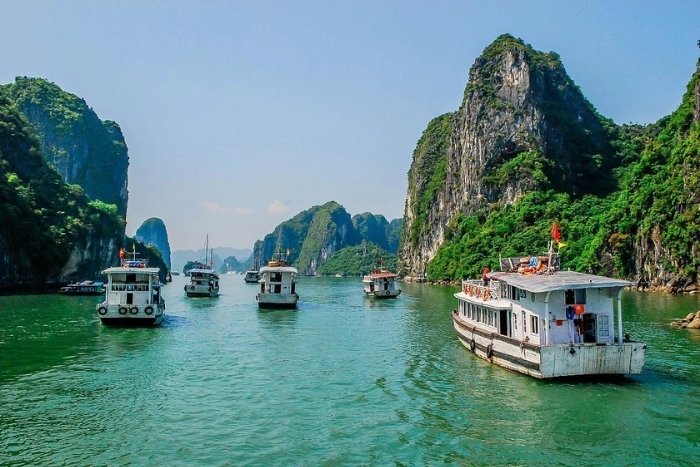
But what if you travel outside this best time to visit Vietnam? Don’t worry: Northern Vietnam is still a pleasant region to explore. In May and June, rainfall is still moderate and temperatures are not yet at their highest. The rice fields in Ninh Binh take on a beautiful golden hue, while the lush vegetation and waterfalls, such as Ban Gioc in Cao Bang and Hieu in Pu Luong, become even more impressive. In July and August, showers are generally sudden and do not last all day. This period also often offers cheaper flights and fewer international tourists, making it an attractive option for travelers looking for a quieter experience.
Find out more about:
>>> Best time to visit Vietnam
>>> Weather Vietnam by month and region
Central Vietnam has a fairly diverse climate due to its long and varied geography. In general, the climate in Central Vietnam can be divided into a dry season and a rainy season, although the timing of the heaviest rainfall varies from one destination to another. Cities such as Hue, Da Nang and Hoi An are generally hot and sunny during the dry season, while heavy rain and storms can occur in the final months of the year.
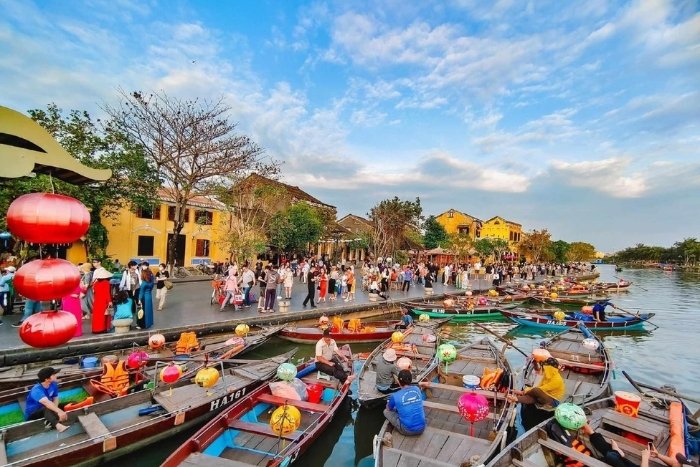
For travelers looking to explore Hue, Da Nang and Hoi An, or combine sightseeing with a beach holiday, February to July is generally a more favorable period. From around February to May, the weather is warm and dry, making it suitable for outdoor activities, sightseeing and enjoying the beaches of Central Vietnam. July and August are slightly hotter but remain quite ideal for a beach holiday.
If your Vietnam 2 week trip takes place during the rainy season, you can still travel around this region. Prioritize indoor activities, such as visiting museums, historical sites or trying local cuisine when it rains. It is also advisable to check the weather regularly and leave a few extra days in your itinerary in case heavy rain or storms require you to make changes.
You may also like:
>>> 1 week in Hue Da Nang Hoi An
>>> 5-day trip to Hue Hoi An
>>> 2 weeks in the Central Highlands
Compared with Northern and Central Vietnam, Southern Vietnam has a relatively stable tropical climate throughout the year. The climate in this region is generally divided into two main seasons: the dry season, from around December to April, and the rainy season, from May to November. Temperatures are generally warm year-round, while the rainy season often brings heavy showers that tend to be relatively short, making the weather cooler and more pleasant. Ho Chi Minh City, the Mekong Delta and Phu Quoc each have their own weather patterns that should be taken into account when planning a trip.
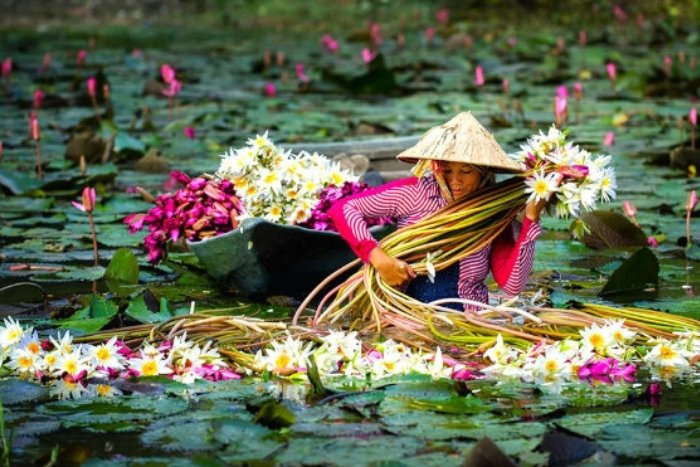
If you are wondering which season is best to visit Vietnam and want to explore the south, December to April is generally the most favorable period. The weather is dry and sunny, making it ideal for visiting Ho Chi Minh City, exploring the Mekong Delta or combining your trip with a beach holiday in Phu Quoc.
Traveling around Southern Vietnam during the rainy season is also perfectly possible, as it does not usually rain continuously throughout the day. Simply bring a raincoat or umbrella, schedule outdoor activities in the morning and save the afternoon for indoor experiences.
You might be interested in:
>>> 2 weeks in Vietnam extension to Phu Quoc
>>> 2-week Mekong Delta itinerary
In summary, below is an overview of the weather in each region during different periods, along with our overall assessment of the ideal weather for exploring all three regions on a 2-week trip to Vietnam.
Season | North | Central | South | For 2 weeks? |
December - February | cool and dry, the northern mountains can be very cold | early rainy season, mild temperatures | warm and dry | ⭐⭐⭐⭐ |
March - April | very pleasant | pleasant | hot | ⭐⭐⭐⭐⭐ |
May - June | hot | hot | hot and humid, with a chance of rain | ⭐⭐⭐ |
July - August | hot and rainy | very sunny and hot | hot, humid and very rainy | ⭐⭐ |
September - November | pleasant | possible rainfall, with a risk of typhoons at times | cooler and drier | ⭐⭐⭐⭐ |
As shown in the table above, the best time to visit Vietnam and explore all three regions is from February to April. During this period, the weather in the North, Central and South is generally quite pleasant: the North is cooler, while the Central and South regions are warmer. Rainfall is relatively low, skies are often clear, and weather conditions are favorable for outdoor activities, from exploring cities and historical sites to trekking and discovering nature.
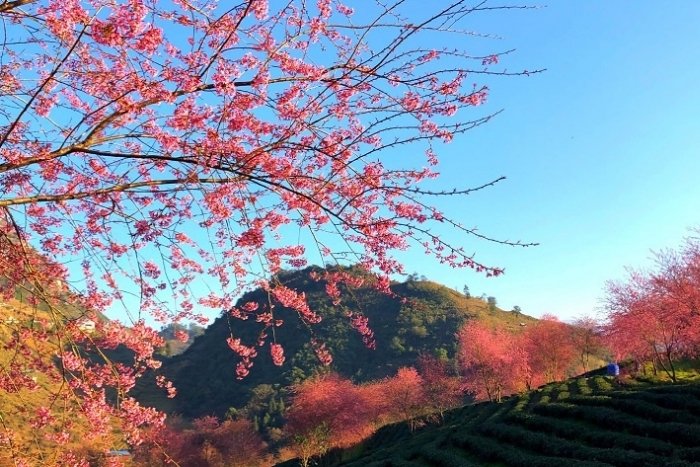
This is also a suitable option if you want to take a 2-week trip to Vietnam and discover the highlights from North to South. With 14 days, you can combine Hanoi, Ninh Binh, Halong Bay, Da Nang, Hoi An, Hue and Ho Chi Minh City without having to worry too much about the weather.
Recommended 2-week Vietnam itinerary combining the North, Central and South:
Day 1 - 2: Hanoi
Day 3 - 4: Halong Bay
Day 5 - 6: Ninh Binh
Day 7 - 8: Hue
Day 9 - 10: Hoi An
Day 11 - 12: Ho Chi Minh City
Day 13 - 14: Mekong Delta
Since the weather is favorable, this period is also considered the peak tourist season, so expect crowds at some popular destinations such as Ninh Binh, Halong Bay and the Golden Bridge in Da Nang. It is recommended to book your hotels, flights and some popular activities in advance.
Alternatively, you can turn to a local agency in Vietnam to arrange an all-inclusive private 2-week trip to Vietnam for the whole family and enjoy the best deals, regardless of when you choose to travel.
If your goal is to discover the country's main highlights and experience the distinctive culture of all three regions, especially if it is your first time visiting Vietnam, an itinerary covering the three regions of Vietnam in 2 weeks can be a suitable option.
However, a Vietnam 2 week trip covering all three regions can also be quite intensive. Constant travel and frequent changes of destination can make the itinerary feel rushed, especially for older travelers, those who are not in good physical condition, or families traveling with young children. In this case, you do not necessarily have to try to explore the whole of Vietnam.

Instead, consider designing an itinerary focused on one or two regions. This approach gives you more time to explore each destination, experience the local culture in greater depth, and reduce the time spent traveling. You can also choose less crowded periods instead of having to travel during the peak season across the entire country.
Here are some suggested Vietnam 2 week itineraries based on different regions and times of the year:
If you want to spend 2 weeks in Northern Vietnam, you can combine Hanoi - Ninh Binh - Ha Long Bay - Mai Chau - Pu Luong - the Northwest mountains. This itinerary is ideal for those who love nature, mountains and terraced rice fields, and want to discover the culture of local ethnic communities.
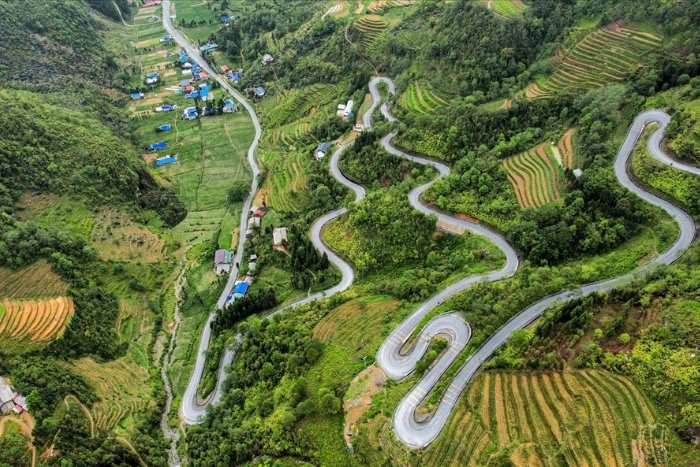
Overview of 2 weeks discovering Northern Vietnam for those who are passionate with nature:
Day 1-2: Hanoi
Day 3-8: Hanoi - Trekking in Hoang Su Phi - Discovering Ha Giang
Day 9-10 : Bao Lac - Cao Bang
Day 11-12 : Cao Bang - Halong Bay
Day 13 : Halong Bay - Hanoi
Day 14 : Hanoi - Départ
March-April and October-November are generally favorable periods for exploring the North. The weather is relatively mild, with less rainfall, making it suitable for trekking, cycling and other outdoor activities. If you want to admire the terraced rice fields in the Northwest at their most beautiful, you can also consider the characteristic seasons of each area.
This is a balanced option for those who want to explore two regions with very different characteristics without having to travel too much between all three regions. A Vietnam 2 week itinerary can start in Hanoi, followed by Mai Chau, Pu Luong, Ninh Binh and Ha Long Bay, before flying to Ho Chi Minh City and spending 1 week in southern Vietnam exploring the Mekong Delta.
If you still have time, you can add a beach destination such as Phu Quoc or Vung Tau. This itinerary can be taken at different times of the year, but you should choose the months that are most suitable for each region. Besides the ideal period from February to April, October to December is also a period worth considering for a North-to-South itinerary.
If you want to prioritize natural landscapes, culture and heritage, you can combine 1 week in northern Vietnam with 1 week in Hue Da Nang Hoi An, three of the most notable destinations in Central Vietnam.
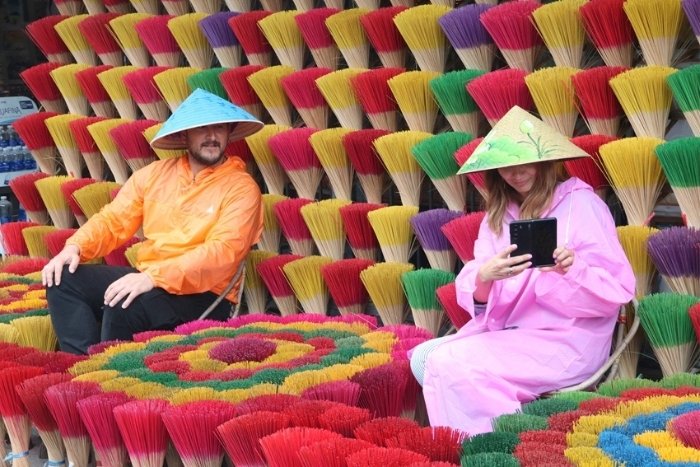
So, when is the best time to visit Vietnam in 2 weeks? This is a rich and varied itinerary, taking you from the charming Old Quarter of Hanoi and the terraced rice fields of Pu Luong to the ethnic minority villages of Mai Chau, as well as the cultural heritage sites and beaches of Central Vietnam. From February to April, the weather is generally favorable for combining these two regions, with relatively pleasant conditions in the North and the Centre beginning to enter its drier period. If you want to avoid the peak season, you can also consider the shoulder seasons, such as May-June, when the weather starts to become a little sunnier while remaining relatively favorable. This is also when Ninh Binh's rice fields are at their most beautiful. Alternatively, December-January can be a good option, as rainfall decreases in the Centre while temperatures in the North remain fairly mild.
For travelers who do not want to move around too much, 2 weeks in Central Vietnam is an ideal choice for a trip focused on relaxation. You can spend time exploring Hue, Hoi An, Da Nang and Nha Trang, while also adding Phong Nha to your itinerary if you enjoy nature and caves.
From February to August, there are generally several favorable periods for exploring Central Vietnam, especially if you want to combine sightseeing with a beach holiday. It is worth checking the forecast before finalizing your itinerary. If your priority is enjoying the beaches and sunny days, choose a dry period rather than limiting your trip to a specific month.
If you enjoy warm weather, local cuisine, river landscapes and beach holidays, you can spend your 2 weeks in Southern Vietnam. A typical route could include Ho Chi Minh City - the Mekong Delta - Can Tho - Chau Doc, followed by a relaxing stay in Phu Quoc.

From December to April, this is generally a favorable time to explore the region, as southern Vietnam enters its dry season, with more sunny days and less rainfall. It is also a good period for combining city sightseeing, experiencing life in the Mekong Delta and relaxing on the island. If you travel during the rainy season, the trip is still perfectly possible, but it is best to keep your outdoor activities flexible and allow some extra time in case of heavy rain.
There is no season that is completely unsuitable for a 2 week trip to Vietnam. Deciding when to visit Vietnam depends largely on your itinerary, preferences, and the activities you want to experience, as each season and region has its own unique appeal.
The rainy season can make some outdoor activities less convenient, but showers usually do not last all day. It can even be a good time to take advantage of better flight and accommodation prices. If you travel in summer, be prepared for high temperatures and high humidity. Those who are not used to tropical heat may consider avoiding the hottest period or choosing cooler destinations to enjoy a coolcation in Vietnam.
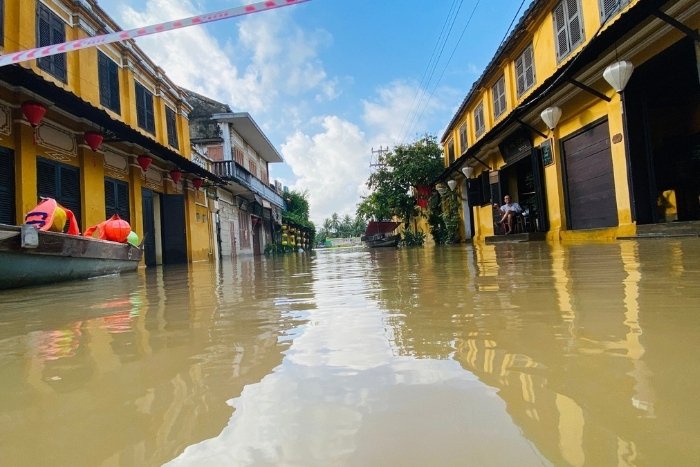
It is also important to be aware of the risk of typhoons in Central Vietnam at certain times of the year. In the Northwest, heavy rainfall can also affect trekking activities and road conditions. So, rather than looking for a period when you absolutely “should not go,” it is better to choose the season that best suits your 2 week Vietnam itinerary.
And don’t worry if the weather becomes less favorable during your trip. Even during the rainy and stormy season, Western travelers can be delighted by the one-of-a-kind experiences they share with local people, especially on days affected by flooding. Sometimes, the most unexpected experiences become the most memorable ones.
In addition, our team of Autour Asia travel advisors can support you throughout your journey and help you find alternative activities or solutions, allowing you to enjoy a flexible yet fulfilling itinerary.
There is no single best time to visit Vietnam that suits every traveler. The ideal time to travel depends on the purpose of your trip: whether you want to trek through the mountains, enjoy a relaxing beach holiday, discover Vietnam’s culture and heritage, or simply have a comfortable trip while keeping your budget under control. Here are some suggestions to help you choose the right time for your 2-week Vietnam itinerary.
For a first trip to Vietnam
If it is your first time visiting Vietnam and you want to explore all three regions, February to April is generally a convenient choice. The weather in many parts of the country is relatively pleasant, with less rainfall and favorable conditions for outdoor activities. This period is also well suited to planning a 2-week Vietnam itinerary combining Hanoi, Ninh Binh, Ha Long Bay, Central Vietnam and Southern Vietnam.
For trekking
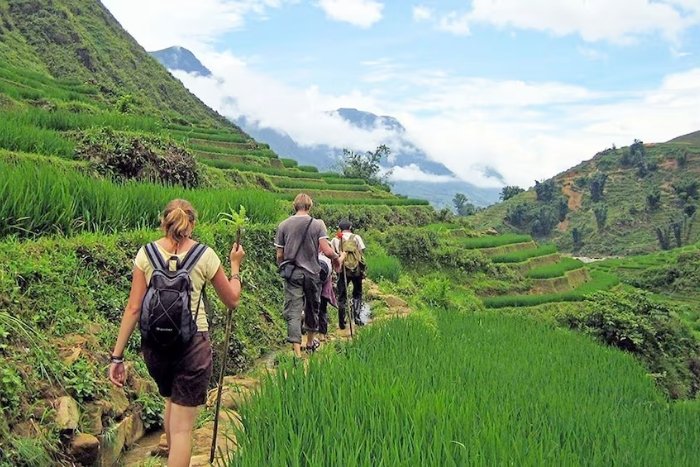
If trekking in the northern mountains is your main goal, prioritize the drier and cooler months, when there is less rain and therefore less risk of slippery trails or landslides. March-April and October-November are particularly beautiful in northern mountain destinations such as Sapa, Ha Giang, Mai Chau and Pu Luong, with pleasant temperatures and scenic landscapes ideal for trekking.
You can refer to:
>>> Ha Giang in november
>>> Mai Chau in november
>>> Sapa in november
For a beach holiday
If you are planning to spend your 2 weeks in Vietnam mainly relaxing by the sea, there is almost always a suitable destination, as long as you choose the right region. In Northern Vietnam, the beach season generally runs from around April to August, when temperatures are warmer. Central Vietnam is usually more favorable from around February to July, while Southern Vietnam, especially Phu Quoc, generally offers better beach conditions from December to April.
For discovering culture and heritage
February-April and October-November generally offer more pleasant weather for visiting Hanoi, Ninh Binh, Hue, Hoi An and Ho Chi Minh City. Temperatures are often milder and rainfall is lower, making this period well suited to outdoor sightseeing. It is an excellent choice if you want to spend most of your trip exploring Vietnam’s history, architecture, cuisine and local way of life.
For traveling with family
When traveling with young children, it is best to prioritize periods with more stable weather, moderate temperatures and less rainfall. February-April is the best time to visit Vietnam for 2 weeks with kids. Alternatively, instead of trying to cover all three regions, families can focus on one or two areas to reduce travel time and enjoy a more relaxed pace.

To avoid extreme heat
If you are not used to tropical climates and want to avoid very hot days, consider traveling between February and April or October and November, especially when exploring Northern Vietnam. Summer, from around May to August, can be particularly hot and humid in many parts of the country. You can also choose mountainous destinations such as Sapa, Ha Giang, Tam Dao or Da Lat, where the climate is cooler throughout the year and the atmosphere is generally more comfortable.
For a more budget-friendly trip
If saving money is a priority, you do not necessarily have to travel during the best time to travel to Vietnam. The low season or rainy season often offers more attractive airfares and hotel rates, as well as fewer international tourists. Although sudden showers can occur, they usually do not last all day. With a flexible itinerary and by keeping an eye on the weather forecast, you can still enjoy a memorable 2-week itinerary in Vietnam on a budget.
To choose the right 2-week Vietnam itinerary, it is important to consider your travel dates alongside the weather conditions in each region. Here are some suggestions to help you plan a well-balanced trip combining sightseeing, cultural discovery and relaxation:
Travel period | General weather conditions | Suggested itinerary |
February-April | Generally pleasant weather across the country; cooler in the North, warm and relatively dry in Central and Southern Vietnam | North + Central + South: Hanoi - Ninh Binh - Ha Long Bay - Hue - Hoi An - Da Nang - Ho Chi Minh City - Mekong Delta |
May-June | Hot temperatures with the beginning of the rainy season; the North and Central Vietnam are still suitable for many activities | North + Central: Hanoi - Ninh Binh - Ha Long Bay - Mai Chau/Pu Luong - Hue - Hoi An - Da Nang |
July-August | Hot and rainy in the North; sunny in Central Vietnam with less rainfall, making it still suitable for a beach holiday | Central Vietnam + beaches: Hue - Hoi An - Da Nang - Nha Trang |
October-November | More pleasant weather in the North; the South begins to enter its dry season; Central Vietnam may experience heavy rain and storms | North + South: Hanoi - Ninh Binh - Ha Long Bay - Sapa + Ho Chi Minh City - Mekong Delta |
December-January | Cool to cold in the North; cooler weather in Central Vietnam as it gradually enters the dry season; warm and dry in the South | Central + South: Hue - Hoi An - Da Nang - Ho Chi Minh City - Mekong Delta - Phu Quoc |
Overall, February-April is the best time to visit Vietnam for 2 weeks if you want to explore all three regions. If you travel at other times of the year, it is better to focus on a smaller number of destinations so you can make the most of the weather conditions in each region.
To make the most of 2 weeks in Vietnam, planning a suitable itinerary is just as important as choosing the best time to travel to Vietnam. Start by checking the weather for each region rather than relying on a general forecast for the whole country, as the climate can vary significantly between the North, Central and Southern regions.
Next, identify your travel priorities: culture, nature, beach or trekking. This will help you choose destinations that are suitable for the season and allow enough time for travelling between them. With 14 days, it is best not to try to include too many cities in your itinerary simply to “see everything”, as you may end up spending most of your time on the road instead of actually exploring each destination.

If you are travelling during the high season, it is advisable to book flights, hotels and popular tours in advance. Finally, pack clothes suitable for the climate in each region, especially if your journey takes you from Northern to Southern Vietnam.
Overall, there is no single best time to travel to Vietnam in 2 weeks that suits every traveller. If you want to explore all three regions on the same trip, February to April is generally a favourable period, thanks to relatively pleasant weather across the country. Meanwhile, trips focused on one or two regions offer more flexibility when choosing your travel dates and make it easier to avoid peak travel periods.
Therefore, instead of simply asking which season is best to visit Vietnam for 2 weeks, consider your destinations, planned activities and preferred travel pace as well. Whether you choose the dry season or the rainy season, a 2 week trip to Vietnam planned around the climate and your personal preferences will help you enjoy a more comfortable and memorable experience.
Take a quick look at:
>>> 2-week Vietnam itinerary for seniors
>>> Vietnam itinerary 2 weeks with Luang Prabang extension
>>> Vietnam Travel Guide
>>> 3 weeks in Vietnam
>>> Vietnam Packages Tours


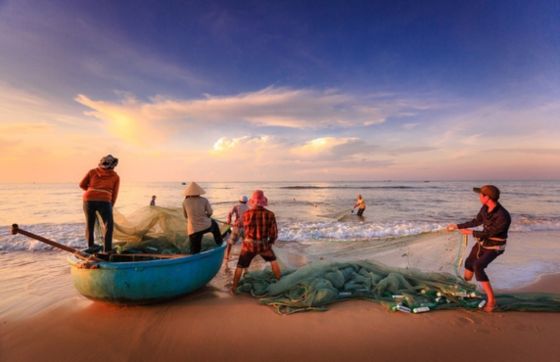

Phan Thiet, a coastal city in Binh Thuan Province, is best known for Mui Ne, an internationally renowned seaside destination. With its beaches, fishing villages, and desert-like sand dunes, the region offers a diverse range of landscapes rarely found elsewhere in Southeast Asia. In November, temperatures remain pleasant for exploring the coast, although occasional showers are still possible. Visiting Phan Thiet Mui Ne in November requires a little preparation to make the most of your stay. This complete guide covers the weather, must-see attractions, transportation options, and practical tips to help you plan your trip to Vietnam in November.
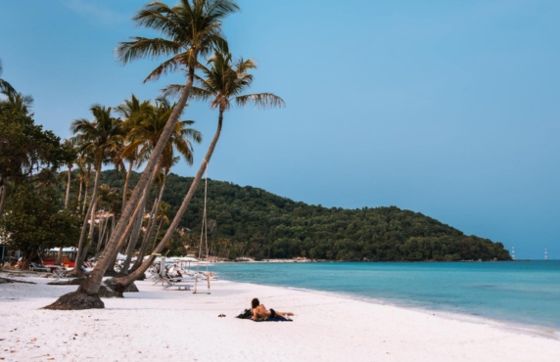

Vietnam’s beaches are best enjoyed at different times of the year, depending on the region. From the turquoise waters of the South to the long stretches of white sand in the Central region and tropical islands, each area has its own climate patterns. To better understand when to visit Vietnam, it is important to consider the weather conditions in each destination. The best time to visit beaches in Vietnam depends on region you choose as well as the activities you have planned. The best time to swim in Vietnam also varies according to rainfall, water temperature and sea conditions. Understanding the Vietnam beach season helps you choose destinations that match your travel dates and enjoy the coastline in good conditions.
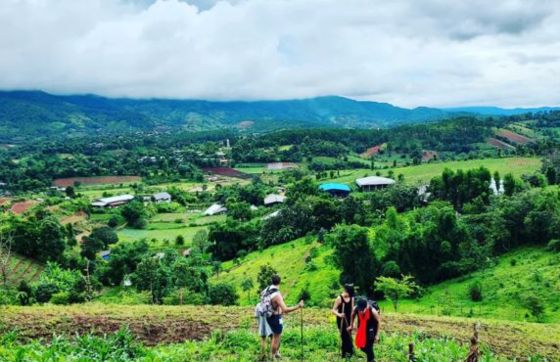
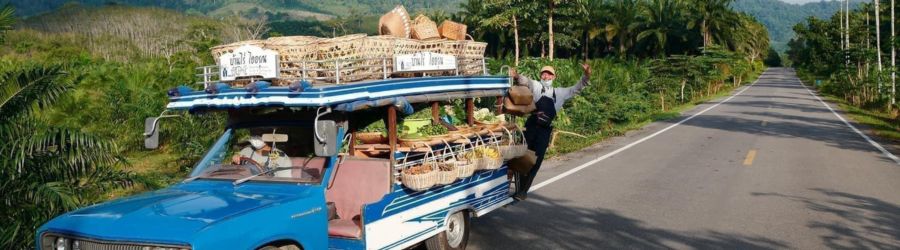
Discovering Thailand through its rice fields, plantations, and rural villages offers a different way to travel, far from traditional tourist circuits. But how can you choose the best agency for Thailand farm tours to enjoy authentic experiences with local communities? Several tour operators offer trips combining agriculture, gastronomy, and encounters with producers. Among them, Autour Asia is an option for travelers who want to personalize their itinerary. Known as Vietnam travel agency - Autour Asia, the company also offers tailor-made trips to several countries in Southeast Asia. With the local travel agency in Thailand - Autour Asia, travelers can explore a trip designed around their interests. Here are five organizations worth knowing, their distinctive features, and the essential criteria for planning a successful agricultural tour in Thailand.


Planning a trip to Vietnam? Before packing your bags, take a few minutes to check the latest entry requirements and prepare the documents you may need at the airport.
Vietnam’s Pre-Arrival Information (PAI) system allows international travellers to submit selected personal, visa and travel details online before arriving in the country. After a successful submission, the system generates a QR code that travellers can save on their phones or print for use during immigration procedures. Although the online declaration is designed to help make arrival procedures smoother, travellers should understand when it applies, how to complete it correctly and which documents they still need to enter Vietnam.
In this practical guide, you will discover where to access the official PAI portal, what information to prepare, how to complete the declaration step by step, how to correct common mistakes and what to do when you arrive at the airport.


With its exotic landscapes, fascinating cultures and diverse experiences, Vietnam and Thailand are among the most popular destinations in Southeast Asia. However, safety remains an important criterion when planning your trip. So, how can you choose Vietnam or Thailand for a safe trip depending on the way you travel ? And is Vietnam safer than Thailand ? Each destination has its own characteristics and points to consider. In this article, Autour Asia helps you compare Vietnam and Thailand to better understand their differences and choose the destination that meets your expectations for your next trip to Asia.


Planning a trip to Hue in November requires a little more flexibility than at other times of the year. Visiting Hue in November means experiencing the rainy season in central Vietnam, with prolonged showers and a risk of flooding. However, this period can also be an opportunity to explore the former imperial capital’s royal heritage, pagodas and renowned cuisine in a quieter atmosphere. The key is to choose your activities carefully, prepare alternative plans and check the weather conditions before setting out.


When travelling in Cambodia, some everyday habits may raise questions about local customs. Is blowing your nose in public considered polite? How should you behave in restaurants, on public transport or during a visit? These small details matter when you want to respect the local culture. Discover how to manage blowing your nose in Cambodia discreetly, along with practical tips on using tissues during your trip. Autour Asia, Cambodia travel agency, helps you discover local customs with advice tailored to travellers. From Cambodia travel etiquette to personal hygiene and everyday situations, a few simple guidelines can make your journey more comfortable. In Phnom Penh, Siem Reap or Kampot, understanding local customs helps you avoid awkward moments while making the most of your stay.
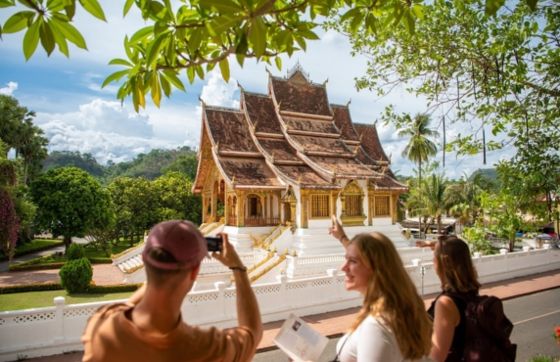
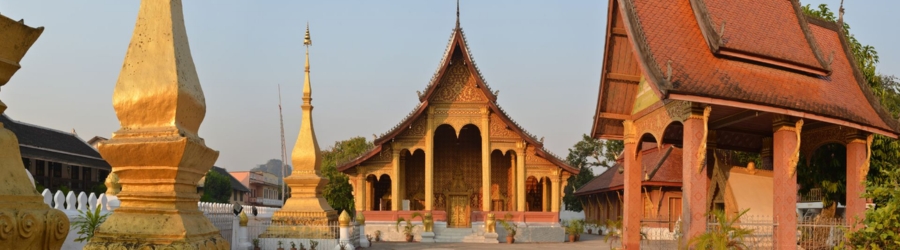
Blow your nose in Laos is not necessarily considered rude, but it is best to do so discreetly, especially in quiet places or during meals. If you have a cold, use a clean tissue and avoid blowing your nose loudly in public. In temples and other places of worship, respect the peaceful atmosphere and local customs. If you need to blow your nose frequently, step away from others for a moment whenever possible. Finally, dispose of used tissues in a rubbish bin. These simple habits will help you observe good manners during your trip to Laos.



 FR
FR EN
EN