
What Month Is Rainy Season In Vietnam? The adventure to explore Vietnam in the rainy season puts a totally new dimension into its vibrancy and serenity. It refreshes the charm of the area, right from the rice green fields to mist-covered mountains. Although such downpours may occasionally alter your plans, it also opens opportunities to experience stunning reflections in flooded rice paddies or the quiet atmosphere of places of interest with fewer tourists. Embrace the rain, and you will find another, no less amazing side of rain season Vietnam.
1. Vietnam climate and seasons
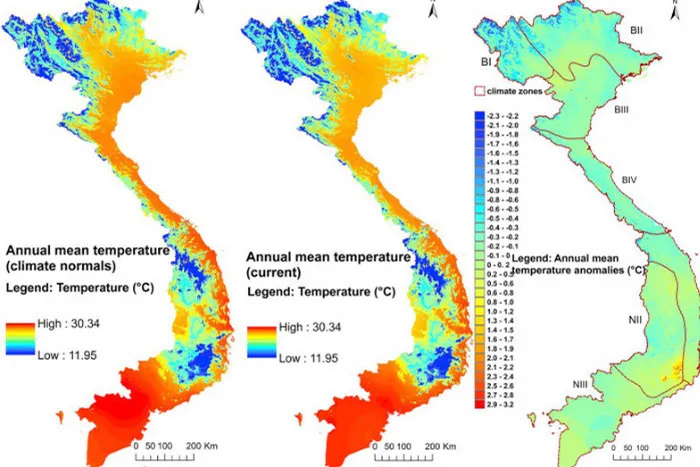
Its geographical diversity molds Vietnam's climate into varied weathers throughout its territory. The southern areas have a constant tropical climate, with only two main seasons: the dry season from November to April and the rain season Vietnam from May to October. Quite the opposite of the south, like Ho Chi Minh City, Hanoi has four seasons in the north: spring, summer, autumn, and winter. It also has a rainy season in the central regions; October and November are the most rainy months in Vietnam, including Da Nang and Hoi An.
In the north, temperatures can drop to 10°C in winter, and summers can be quite scorching and humid, reaching temperatures above 30°C. The south remains warm throughout the year, with the temperature never below 25°C or above 35°C. Typhoons sweep along the central coast from September to November, bringing heavy rain and strong winds. Overall, Vietnam's diverse climate offers opportunities for travel throughout the year.
2. The rainy season in Vietnam
What Month Is Rainy Season In Vietnam? Vietnam does have its rainy season that differs from area to area. While the general majority runs from May to October, some areas also have certain variations of timing and strongness.
a. The southern regions
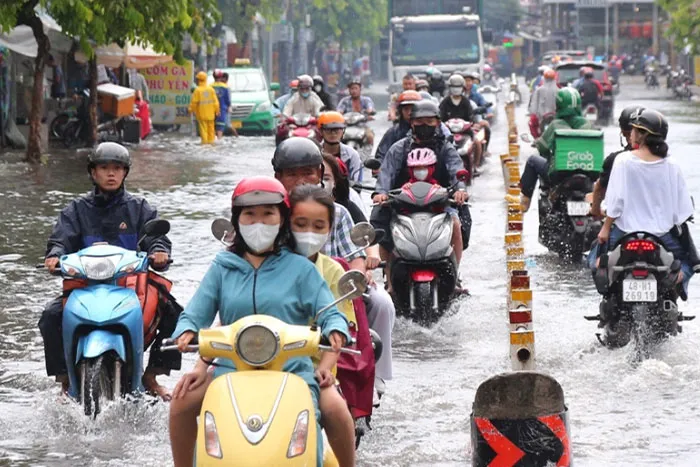
Including Ho Chi Minh City and the Mekong Delta, with rainfall times mostly starting in May and running as late as October. Afternoon showers at this time can be pretty heavy, usually accompanied by thunderstorms. Although mornings are fine and sunny, with showers of rain, these downpours are very short, allowing a lot of outdoor activities during the dry periods in between. The countryside is most lush and green, especially in the area of the Mekong Delta, with swelling rivers and a chance for visitors to experience life on the water as locals do.
b. In Central Vietnam
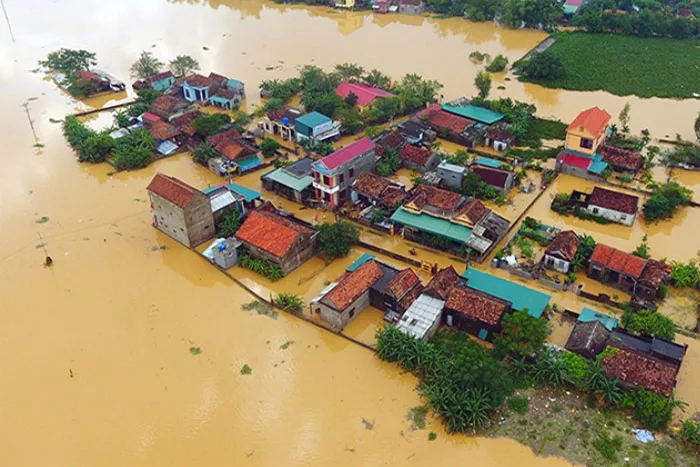
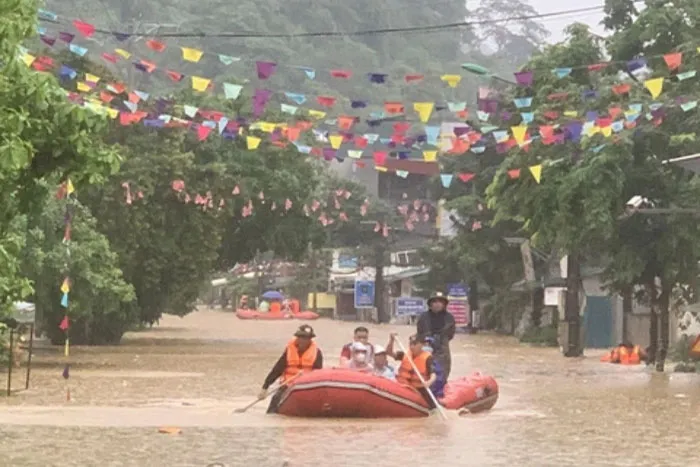
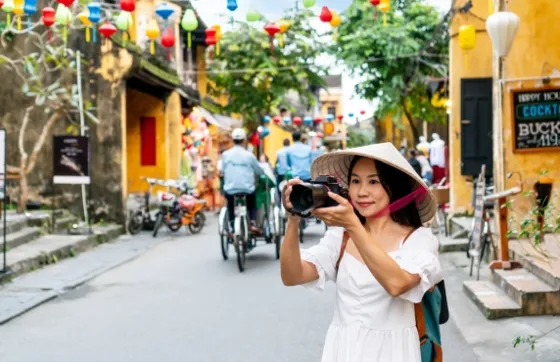
The rainy season normally starts a bit later, in September, and may last until November. During these months, this area receives some of the heaviest rainfall in the country, with major cities like Da Nang, Hoi An, and Hue. October and November are the rainy months in Vietnam of the year, and this area is often hit by typhoons that can bring torrential rains and strong winds, with the occasional flooding. This can be a good time to travel as it's not too busy with tourists, and the ancient town of Hoi An itself takes on a rather romantic, moody atmosphere in the rain.
c. The Northen Vietnam
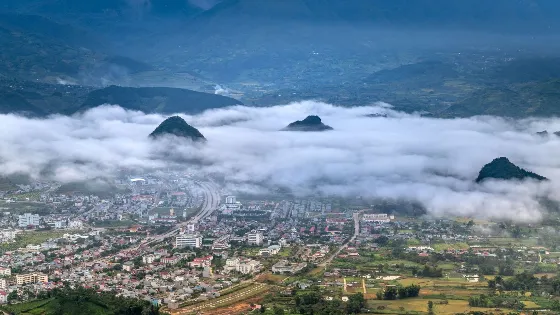
Encompassing Hanoi and Sapa, also has a rainy season. It basically occurs from May through September. The rain here is less predictable, with occasional heavy showers and thunderstorms. In the mountains—like around Sapa—rains bring along mist and fog, adding mystery to the terraced landscapes while making them much more difficult in terms of trekking conditions. On the other hand, the rain makes for a refreshing break from the summer heat, and the rice paddies are in the strongest green color during this time, hence most picturesque. While the rainy season does bring about some traveling difficulties, it also offers a unique and often beautiful perspective on Vietnam's richly different landscapes.
3. Some tips for your visit to Vietnam in rainy season
Here are some tips to make your visit worthwhile when traveling to rain season Vietnam:
Carry lightweight, waterproof clothes, like a rain jacket or a poncho, along with quick-drying clothes. Waterproof footwear or sandals will help one stay comfortable when the streets get wet. At last, don't forget to pack an umbrella and waterproof bags to protect the gadgets or other valuable things.
Ponential rain can make certain outdoor activities really tricky. Vietnam has so much to offer indoors, such as museums, art galleries, and historical places like the War Remnants Museum in Ho Chi Minh City or the Imperial City in Hue. Watch traditional performances like the water puppetry in Hanoi or go to the local markets, where you have a chance to shop and try some street food without getting too wet.
The rainy season is at times unpredictable, and hence one needs to travel with a flexible schedule. Add extra time to the transport as it might take longer than anticipated in case of heavy rain. There are usually delays, especially to central regions that have experienced flooding before. You may book good accommodation with excellent amenities where you pass the time in case the outdoor activities are postponed.
The rain season Vietnam brings life and vibrancy to the landscapes of Vietnam. Imagine taking a boat tour across the Mekong Delta when rivers are at their fullest, or exploring the countryside with rice paddies a brilliant shade of green. If one travels with positivity towards the rain, there are certain to be experiences not envisioned and not so ordinary.
Check local forecasts and adjust plans according to the destination—one of which you might want to pay closer attention to will be Central Vietnam, as it is in the primary region for typhoons. Download a reliable weather app, and note any severe weather warnings issued. If severe weather is predicted, follow local advice and be prepared to modify your travel arrangements in the interests of safety.
There you have your answer to
what Month Is Rainy Season In Vietnam? If you wish to have a wonderful holiday in
rain season Vietnam, don't hesitate to contact
Autour Asia - best travel agency in Vietnam. We invite you to experience the genuine beauty of the Vietnamese people and memorable moment during your travels.









 FR
 ITA
