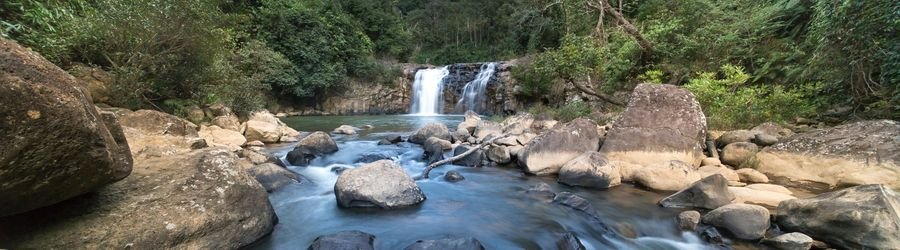
From coffee plantations and red earth to extinct volcanoes, waterfalls, and traditional villages, Vietnam’s Central Highlands offer a different side of the country. The region is particularly well suited to travelers looking for scenic landscapes, local encounters, and a more relaxed pace away from the main tourist routes. But how do you choose the right Vietnam Central Highlands tour based on the time you have available? From Buôn Ma Thuột to Pleiku, with stops at Lắk Lake and villages of local communities, several itineraries are possible. A Vietnam travel agency can also tailor the route according to your interests, the season, and your preferred pace.
Located inland in central Vietnam, the Central Highlands, known as Tây Nguyên in Vietnamese, encompass a vast area of plateaus and mountain ranges. Buôn Ma Thuột, Pleiku, Kon Tum, and Đà Lạt are important gateways for exploring the region. The landscapes range from coffee plantations and forests to lakes, waterfalls, and volcanic terrain.
When planning a Vietnam Central Highlands tour, however, it is worth knowing that the administrative names found in older travel guides do not always correspond to the current map.
What to know since 2025: a new administrative structure
The administrative reform that took effect in 2025 changed the boundaries of several provinces. The new Gia Lai province now incorporates the former provinces of Bình Định and Gia Lai. Đắk Lắk, meanwhile, brings together the former provinces of Phú Yên and Đắk Lắk, while Lâm Đồng now includes Lâm Đồng, Đắk Nông, and Bình Thuận.
For travelers, this change does not affect the landscapes or destinations themselves, but it explains why two maps may show different names or provincial boundaries.

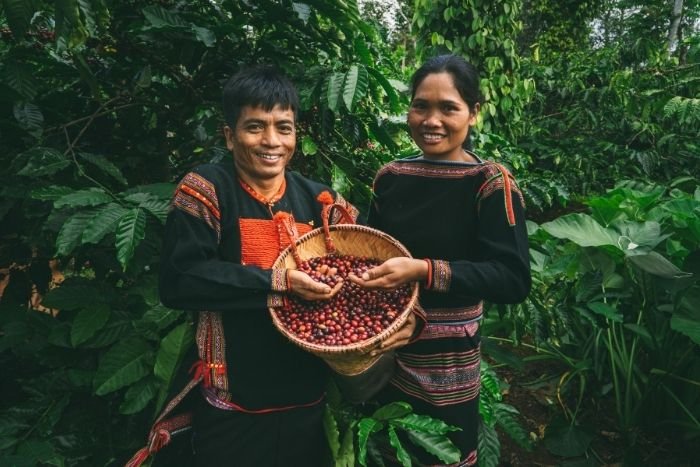
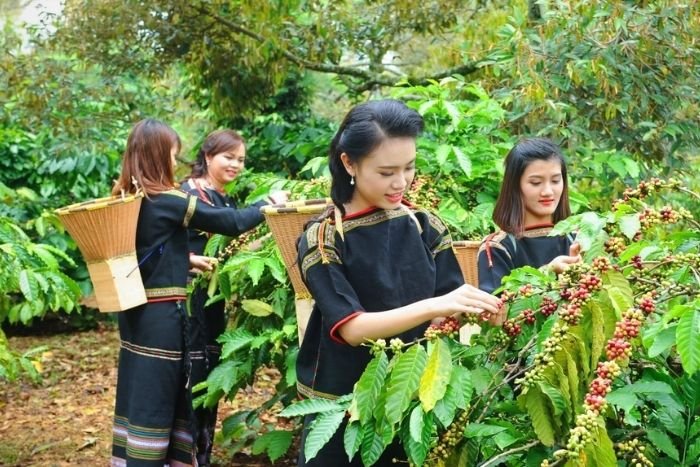
It is impossible to talk about Tây Nguyên without mentioning coffee. Around Buôn Ma Thuột, plantations stretch across the volcanic soils and are one of the defining features of the local landscape. A visit may include a coffee plantation, a family-run farm, or a place dedicated to processing coffee beans. The region offers a chance to discover Vietnamese coffee from a different perspective, beyond simply enjoying a cup in the city.
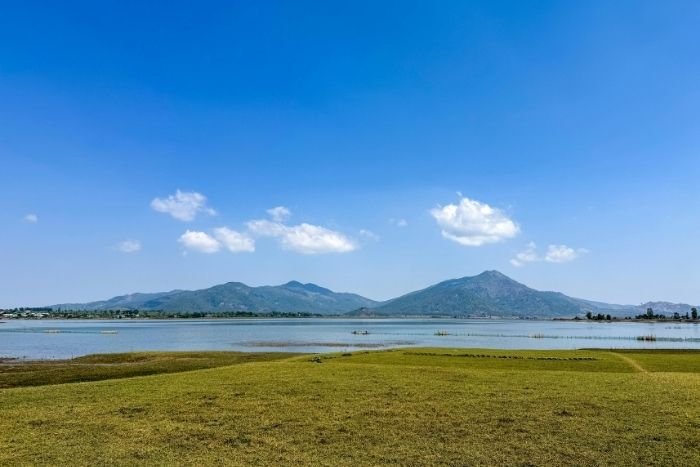
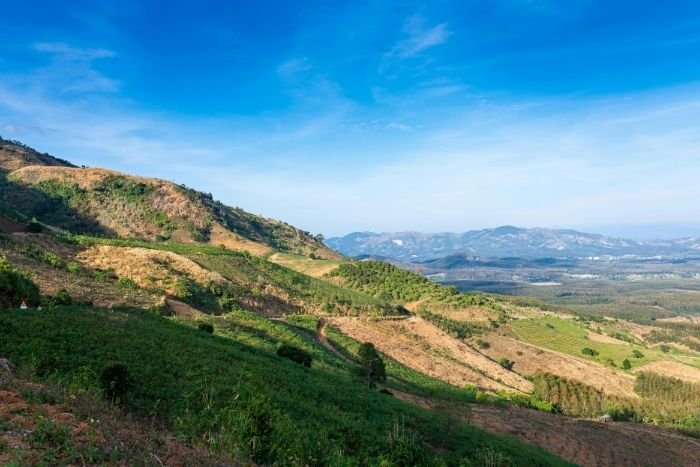
The Central Highlands are also known for their landscapes shaped by volcanic activity. Around Pleiku, T'Nưng Lake and Chu Đăng Ya Volcano showcase this distinctive geography. The roads also wind through plantations, rolling hills, and vast rural areas, offering a different perspective on central Vietnam.
Tây Nguyên is home to several ethnic communities, including the Ê Đê, M’nông, Gia Rai, and Ba Na. In some villages, communal houses, traditional music, and agricultural activities still play an important role in community life.
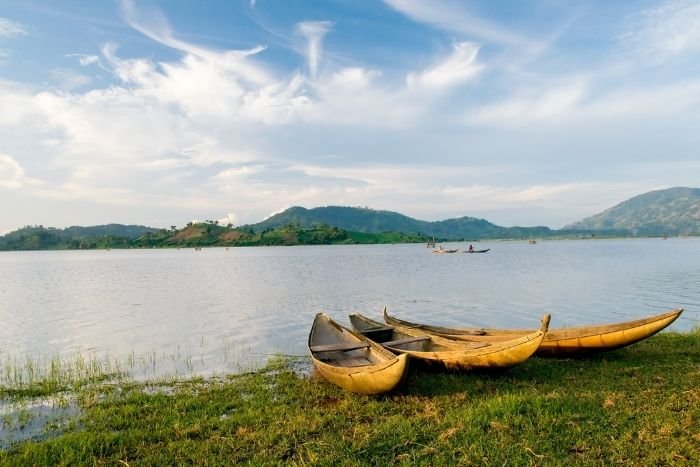
Waterfalls, lakes, and forested areas add to the experience. Lắk Lake, for example, offers a peaceful setting where visitors can discover local practices and ways of life shaped by the surrounding waters. Yok Đôn National Park and Dray Nur Waterfalls are also among the interesting places to visit in the Đắk Lắk region.
To make the most of this diversity, however, it is important to choose a Vietnam Central Highlands tour that suits the length of your stay.
Day 1 - Buôn Ma Thuột: Explore the city and visit a coffee plantation to understand the importance of coffee cultivation in the region.
Day 2 - Dray Nur Waterfalls and Ê Đê Villages: Spend the morning at Dray Nur Waterfalls, followed by a visit to a local village to discover its architecture and everyday life.
Day 3 - Lắk Lake: Take a walk around the lake and meet members of the M’nông community before continuing to Buôn Ma Thuột or another destination.
Why choose this itinerary? In just three days, this tour allows you to discover the main highlights of Đắk Lắk without spending too much time on long journeys.
Day 1 - Buôn Ma Thuột: Discover the local coffee culture and explore the capital of Đắk Lắk.
Day 2 - Buôn Ma Thuột - Lắk Lake: Travel through the countryside before exploring the lake and surrounding villages.
Day 3 - Lắk Lake - Pleiku: Cross the Central Highlands and continue to Pleiku.
Day 4 - Pleiku: Visit T’Nưng Lake and Chu Đăng Ya Volcano, with a few stops to enjoy the surrounding rural landscapes.
Day 5 - Pleiku: Enjoy some free time or explore the local culture before continuing to the next destination on your trip.
Why choose this itinerary? This format offers a good balance of nature, volcanic landscapes, and local culture while allowing more time to explore different parts of the Central Highlands.
Day 1 - Buôn Ma Thuột: Arrive and explore the city.
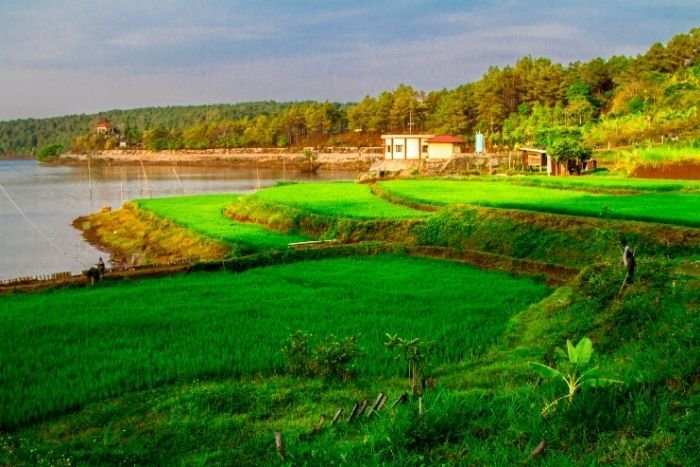
Day 2 - Đắk Lắk: Discover waterfalls, coffee plantations, and rural landscapes.
Day 3 - Lắk Lake: Explore the lake and experience local life in a M’nông village.
Day 4 - Road to Pleiku: Travel through the agricultural landscapes of Tây Nguyên.
Day 5 - Pleiku: Visit T’Nưng Lake and Chu Đăng Ya Volcano.
Day 6 - Kon Tum: Explore the city, communal houses, and Ba Na villages.
Day 7 - Kon Tum: Enjoy a free morning before heading toward central Vietnam or continuing your journey.
Why choose this itinerary? With a week, you can explore several sides of Tây Nguyên, from the plantations of Đắk Lắk to the landscapes of Pleiku and the cultural heritage of Kon Tum, while enjoying a more relaxed pace.
Regardless of the length of your stay, a Vietnam Central Highlands tour is best enjoyed at a balanced pace, allowing you to make the most of the landscapes and local discoveries.
Here is a selection of Vietnam Central Highlands tours suited to different interests and trip lengths:
To add greater depth to a Vietnam Central Highlands tour, it is also worth taking the time to discover the communities and traditions of Tây Nguyên. The region is home to several ethnic groups, including the Ê Đê, M’nông, Gia Rai, Ba Na, and Xơ Đăng, each with their own traditions, architecture, and cultural practices.
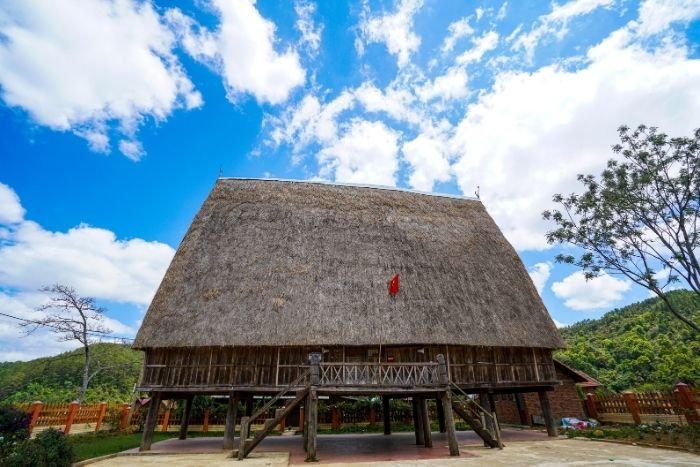
In Ê Đê villages, traditional longhouses reflect a longstanding family structure. Among the Ba Na and Gia Rai, the communal house plays an important role in community life. Gong music accompanies many ceremonies and community celebrations, while the Space of Gong Culture in the Central Highlands is recognized by UNESCO as Intangible Cultural Heritage.
For travelers, the main interest lies in understanding everyday life: coffee cultivation, agriculture, local cuisine, handicrafts, and shared moments in the villages. A respectful visit should prioritize genuine exchange and give local communities a meaningful role rather than simply presenting a series of performances.
Best time to visit: The dry season, generally from November to April, is a good time to travel, as roads and outdoor activities are usually easier to enjoy. However, the climate can vary from one area to another.
Transportation: Distances between destinations can sometimes be considerable, so traveling by private car with a driver offers greater comfort and flexibility. Motorbikes are suitable for experienced travelers who want to explore rural roads at their own pace.
Accommodation: Depending on your itinerary, you can alternate between city hotels, lakeside accommodations, and homestays in some villages.
Itinerary: For a Vietnam Central Highlands tour, it is better to limit the number of stops and allow enough time to enjoy the landscapes and local encounters.
A Vietnam travel agency can make transfers easier and tailor the itinerary to the length of your stay, especially if you plan to combine several provinces.
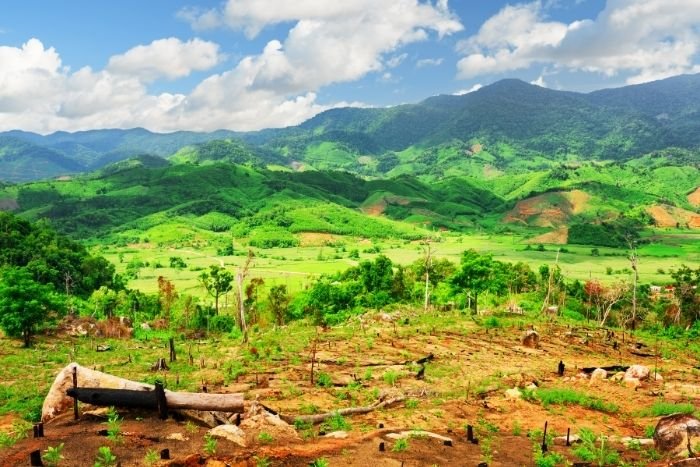
To conclude, choosing a Vietnam Central Highlands tour is above all about embracing a different way of traveling: taking the time to drive through coffee plantations, stop in a local village, taste freshly brewed coffee, or admire the scenery from a mountain road. Three days are enough for a first introduction to the region around Buôn Ma Thuột, while four to seven days make it easier to combine nature and culture. To create a well-balanced itinerary based on the season, places you wish to visit, and your preferred pace, a Vietnam travel agency can also design a tailor-made trip, combining the Central Highlands with other regions of the country.





 FR
 ITA
