Traveling With Pets To Cambodia - Documents And Tips

Traveling with pets to Cambodia can make your trip even more enjoyable. Whether you're flying with a dog to Cambodia for a holiday or bringing along a service dog, many airlines now allow pets on board or as checked baggage, making air travel much more convenient than it was a few years ago. Before you take off, however, it's important to understand the requirements. From preparing the right travel documents and health certificates to meeting airline policies and Cambodia's entry regulations, knowing what to expect will help ensure a smooth and stress-free journey for both you and your pet.
Traveling with a dog to Cambodia
- 1. Documents for pet travelling to Cambodia
- 2. What's required to relocate your pet to Cambodia?
- 3. Enter Cambodia with your pet : air vs. land
- 4. Quarantine, breed restrictions, and other animals
- 5. Health and safety once you're in Cambodia
- 6. When to start preparing for a trip to Cambodia with a dog
- 7. Tips for flying with a pet
1. Documents for traveling with pets to Cambodia
Before you book your flight or plan your route, gather these documents. Missing even one can mean delays at the border.
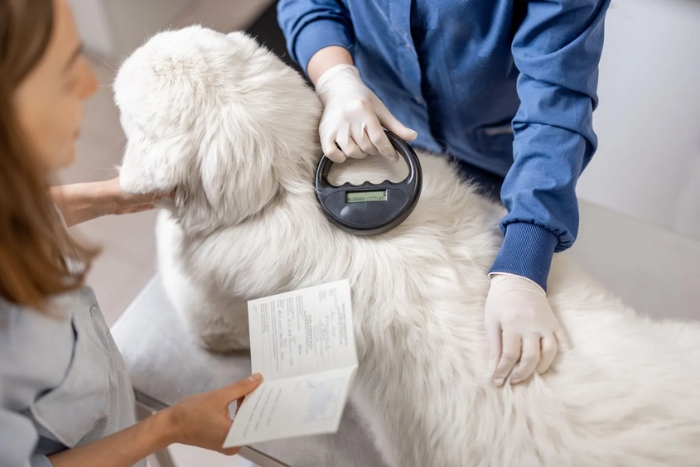
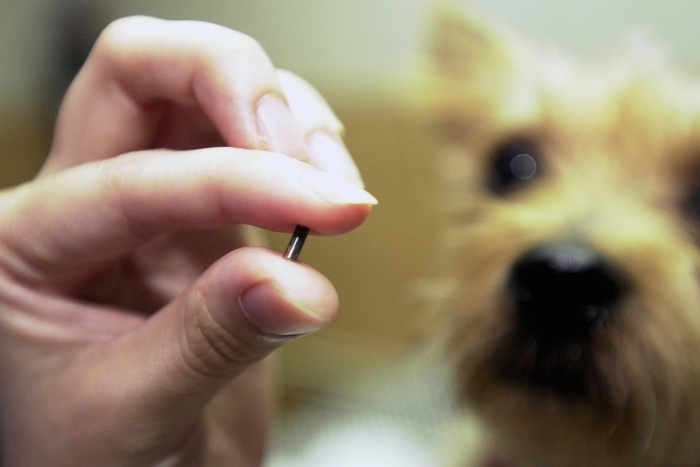
ISO-compliant microchip: A 15-digit microchip meeting ISO Standard 11784 or Annex A to ISO Standard 11785 is mandatory for every dog and cat entering the country.
Rabies vaccination: The shot must be given at least 30 days before travel, but no more than 12 months before arrival. This is the most common trap for owners - a 3-year rabies vaccine label doesn't matter to Cambodian officials; what counts is the actual date of the most recent shot.
Core vaccines: At least 21 days before travel, dogs need distemper, hepatitis, parvovirus, and leptospirosis vaccines. Cats need feline viral rhinotracheitis, calicivirus, and panleukopenia.
Health certificate: Issued by a licensed vet shortly before departure. Sources vary - some say 7 to 10 days, others say within 5 days of travel - so confirm the exact window with your vet and airline before finalizing your date.
Owner and pet details: A copy of the owner's passport, a photo of the pet, and written details including breed, gender, date of birth, and microchip number.
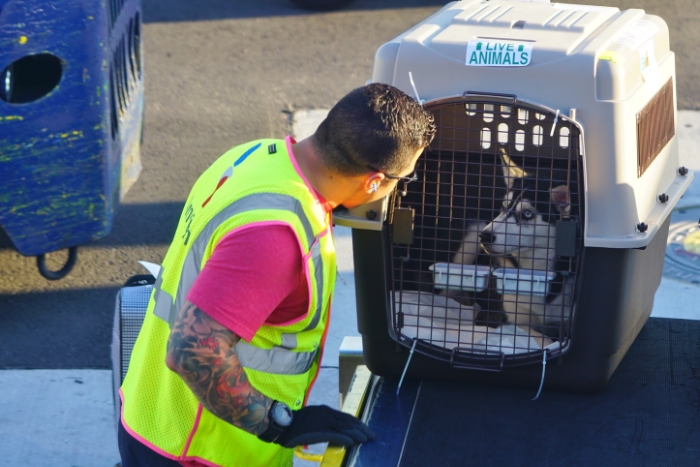
- IATA-compliant carrier: The crate must meet International Air Transport Association (IATA) standards, and the owner must be present at customs clearance.
2. What's required to relocate your pet to Cambodia?
Four things matter most :
Import papers: if you're planning to travel with a dog to Cambodia, the good news is that personal pets traveling with their owner generally don't need a Cambodia import permit, that requirement mainly applies to unaccompanied cargo shipments.
Export papers: if you're departing from France, this is a separate document from the Cambodia side, your vet's health certificate must be authorized by the French government agency responsible for animal export, and some airlines also require a standalone export permit.
Vet health check: confirm the rabies shot was given 30 days to 12 months before travel, plus core vaccines at least 21 days out, and keep every record on hand.
Flight costs: Air France charges a flat fee of around €200 for a pet flying with its owner on long-haul intercontinental routes, though pets heading to parts of Asia are sometimes required to travel as cargo rather than in the cabin or hold. Once vet visits, the IATA-approved crate, and paperwork are added, the full cost of moving a pet from France to a destination this far commonly starts around €3,000 and can run past €7,000 if you hire a relocation agency for door-to-door support.
3. Enter Cambodia with your pet : air vs. land
Officially, pets may only enter Cambodia through the international airports in Phnom Penh or Siem Reap, whether traveling in-cabin, as checked baggage, or as cargo.
The land option that works for owners coming from neighboring countries like Vietnam or Thailand doesn't really apply to French travellers, if you're planning to travel with pets to Cambodia from France, air travel is the only practical route. What matters more here is that there's no direct flight from Paris to Phnom Penh or Siem Reap. Every route includes at least one connection, commonly through Bangkok, Singapore, or Doha, with total travel time running roughly 16 to 21 hours. This changes the planning in two ways.
First, confirm that every airline on your itinerary, including the connecting carrier, accepts pets on transfer, not all of them do. Second, ask about ground handling at the connecting airport, particularly temperature control for pets waiting in the cargo hold between flights. Booking the shortest layover you can find, ideally through a hub in a rabies-controlled country, makes the trip considerably easier on your pet.
4. Quarantine, breed restrictions, and other animals
Cambodia doesn't require quarantine, as long as your import documents are complete and correct. There's also no official banned-breed list, though a few pet-relocation companies note that wolf hybrids and Savannah or Bengal cats are excluded unless several generations removed from their wild ancestry.
If you're bringing something other than a cat or dog (a bird, reptile, or other exotic pet) check whether it falls under CITES rules. Endangered or protected species require separate permits beyond the standard pet entry process.
5. Health and safety once you're in Cambodia
Rabies is endemic in Cambodia's stray dog population, so if you travel with your pet to Cambodia, keep your pet close and make sure booster shots stay current. Veterinary care is solid in Phnom Penh and Siem Reap, but options thin out quickly elsewhere in the country, Bangkok is the nearest option for serious medical issues.
Getting around with a pet also takes planning. Long-distance buses and ferries generally don't allow animals, so a private car or taxi is the more reliable way to travel within Cambodia once you've arrived.
6. When to start preparing for a trip to Cambodia with a dog
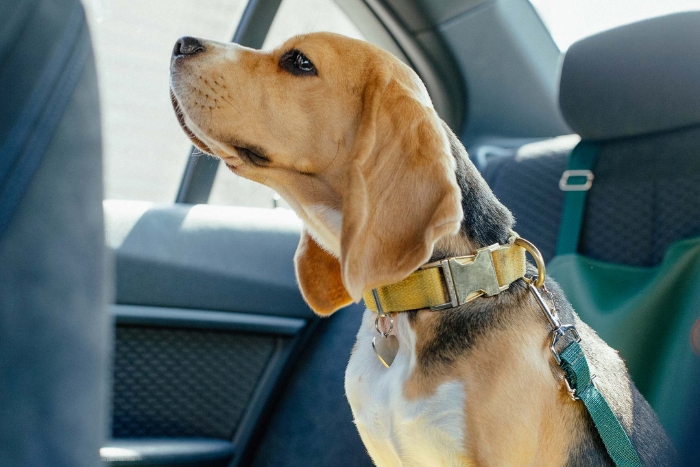
When flying with a dog to Cambodia, it's best to give yourself at least 5 to 6 weeks before departure. This provides enough time to meet the 30-day rabies vaccination requirement and the 21-day core vaccine waiting period. In the final couple of weeks, schedule your health certificate appointment and confirm your pet crate specifications directly with your airline, as requirements can vary slightly between carriers.
7. Tips for flying with a pet
If you're planning to travel with your pet by air, here are a few tips to help make the journey as smooth and stress-free as possible:
Schedule a veterinary check-up before your trip. Besides obtaining the required travel documents, a health check allows you to assess your pet's condition and identify any medical issues that may need treatment before departure.
Be prepared for unexpected situations. Traveling can be stressful for pets, so it's important to understand the potential risks and be mentally prepared for unforeseen circumstances during the journey.
Feed your pet 4 to 6 hours before departure. This helps reduce the risk of motion sickness and discomfort during the flight.
Do not give your pet sedatives or any other medication before the flight unless specifically prescribed by a veterinarian. Sedatives can be dangerous for pets during air travel.
Arrive at the airport early. Traveling with pets to Cambodia involves additional check-in procedures and paperwork, so allow extra time to complete all formalities and pay any required fees before your flight.
Before traveling internationally, check with the Cambodian embassy to learn about the latest pet import requirements and entry procedures.
Traveling with pets to Cambodia comes down to solid preparation: a compliant microchip, current vaccinations, correct export and import papers, and a booked route that keeps your journey as short as possible. None of these steps are complicated on their own, the challenge is timing them correctly, especially the 30-day rabies window and the health certificate deadline before departure. Start early, double-check requirements with your airline and vet, and your cat or dog can settle into Cambodia just as smoothly as you do. If you'd rather leave the logistics to someone else, Autour Asia, a travel agency in Asia, can help you plan a trip to Cambodia that works for the whole family, pets included.
>>> Cambodia luxury tour 2 weeks
>>> Cambodia cheap tour 2-week itinerary
>>> Cambodia Travel Guide
>>> Cambodia adventure tours
>>> Cambodia Packages Tours
If you're flying with a dog to Cambodia, it's important to understand your airline's pet travel rules before departure. Most airlines require pets to be healthy, microchipped, and vaccinated, especially against rabies. You must also provide a valid health certificate and any documents required for entry into Cambodia. Small pets that meet the airline's weight and carrier limits may travel in the cabin, while larger pets usually fly in the cargo hold in an IATA-compliant crate. Your pet carrier should be large enough for your pet to stand, turn around, and lie down comfortably. Since airline policies vary, always book your pet in advance and confirm all requirements before your flight.
Traveling with pets to Cambodia is generally limited to healthy domestic dogs and cats, although some airlines also accept pet birds. Pets that are pregnant, too young, sick, injured, or unfit to fly are usually not allowed. Many airlines also refuse snub-nosed breeds, such as Bulldogs, Pugs, French Bulldogs, Persian cats, and Himalayan cats, because they have a higher risk of breathing problems during air travel. In addition, wild animals, exotic pets, and endangered species may require special permits or may not be accepted at all. Since each airline has its own rules, always check its pet travel policy before booking your flight to Cambodia.
Cambodia is a unique country thanks to its iconic sites like Angkor Wat, one of the Seven Wonders of the World. An Angkor Temples Tour Itinerary 1 Day allows you to discover not only this mythical temple but also other gems like Ta Prohm and Bayon. Beyond its temples, Cambodia also offers an authentic experience in its floating villages and lush landscapes, ideal for a 7-day trip off the beaten path.
Related travel guide
Other similar articles


CUSTOMIZABLE BY LOCAL EXPERTS
Personalized trip at the original price!

REFUND GUARANTEE
We believe in our work and promise to give you money back.

GOOD PRICE / QUALITY
95% satisfied more than expected!

24/7 LOCAL SUPPORT
We are always available online to provide assistance at any time.

Most read articles


Autour Asia is highly recommended on
Embracing the mission of "Satisfied more than expected" and providing authentic experiences, we have received numerous recommendations on reputable travel forums: