What to do in Sapa for the most interesting trip to Vietnam? With its pleasant climate all year round, Sapa is an ideal destination for nature lovers and trekking enthusiasts seeking breathtaking scenery and authentic cultural experiences. Depending on the season, temperatures range from 16°C to 28°C, creating a refreshing atmosphere surrounded by misty mountains, lush valleys, and spectacular rice terraces. Most Sapa trekking routes begin in the town center and lead travelers through stunning landscapes, including the picturesque village of Lao Chai and the famous ancient rock formations of Sapa.
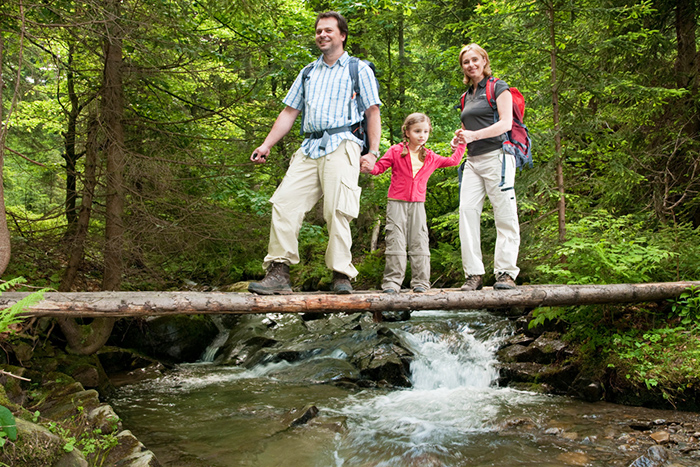
Explore top best things to do in Sapa, along the journey, visitors also have the unique opportunity to stay with local H’Mong families, experience their daily life, and connect with welcoming hosts, many of whom speak English fluently, making the adventure even more memorable and immersive.
Leave behind the lively streets of Sa Pa and journey into the peaceful mountain villages that reveal the true soul of northern Vietnam. Surrounded by terraced rice fields, wooden houses, and mist-covered valleys, travelers can experience a slower rhythm of life deeply rooted in nature and tradition. Exploring these hidden communities is one of the best things to do in Sapa for those seeking authenticity and cultural connection. While hotels provide comfort, staying in a local homestay offers a far more meaningful experience. Welcoming H’Mong families open their homes to visitors, allowing you to share traditional meals, discover local customs, and witness daily life passed down through generations.
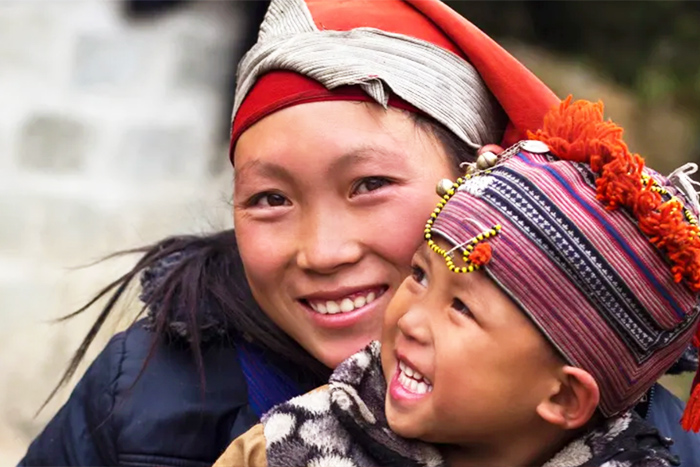
If you are wondering what to do in Sapa Vietnam beyond sightseeing, spending a night in a village homestay is an unforgettable way to connect with the region’s rich heritage and breathtaking landscapes.
Rising in the heart of Sapa, Ham Rong Mountain is one of the town’s most iconic attractions, celebrated for its breathtaking scenery, vibrant gardens, and rich cultural atmosphere. The name "Ham Rong", meaning "Dragon’s Jaw", comes from the mountain’s distinctive shape, which resembles the head of a dragon emerging through the clouds. Sapa what to do? Easily accessible from the town center, the mountain invites visitors on a picturesque walk along winding stone paths surrounded by colorful flower gardens, orchid collections, medicinal plants, and unique rock formations. As you ascend higher, spectacular panoramic views of Sapa’s valleys, rice terraces, and misty mountains unfold at every turn, creating unforgettable photo opportunities.
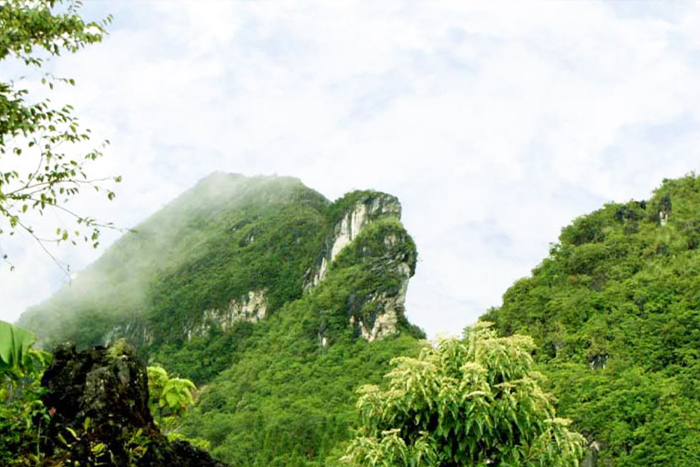
Beyond its natural beauty, Ham Rong Mountain also offers authentic cultural performances featuring traditional music and dances from local ethnic minority communities. Combining stunning landscapes with cultural charm, this destination remains one of the best things to do in Sapa Vietnam for travelers seeking both relaxation and discovery.
Known as the "Roof of Indochina", Fansipan is one of the most unforgettable adventures, best things to do in Sapa Vietnam. Standing over 3,000 meters high in the spectacular Hoang Lien Son mountain range, Fansipan attracts travelers seeking both challenge and breathtaking natural beauty. Located around 9 kilometers from Sapa town, the trek to the summit usually takes between three and five days, depending on the chosen route and trekking pace.
Along the journey, hikers pass through dense forests, steep mountain trails, waterfalls, and stunning valleys hidden beneath the clouds. The changing landscapes create an incredible sense of adventure, making Fansipan one of the top things to do in Sapa for trekking and nature enthusiasts. Many travelers join guided tours led by experienced local guides who provide support, meals, accommodation, and essential equipment for a safe and rewarding experience.
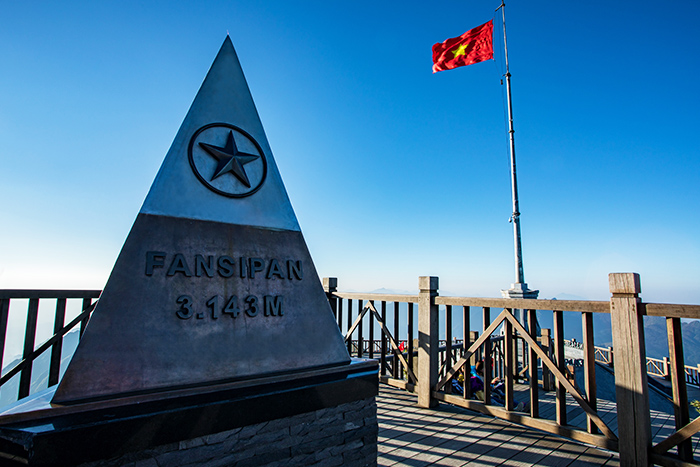
What to to in Sapa Vietnam? Reaching the summit is a truly memorable achievement, rewarded with panoramic views of Sapa’s mountains, valleys, and endless seas of clouds stretching across northern Vietnam.
To ensure a safe and enjoyable experience, many travelers choose to join guided tours organized by local trekking companies. Experienced guides not only lead the route but also provide valuable support, accommodation arrangements, meals, and essential trekking equipment throughout the expedition. Travel to Sapa Vietnam, overnight stays in mountain huts or campsites beneath the stars add a truly immersive element to the adventure, allowing visitors to connect with nature in a unique and memorable way.
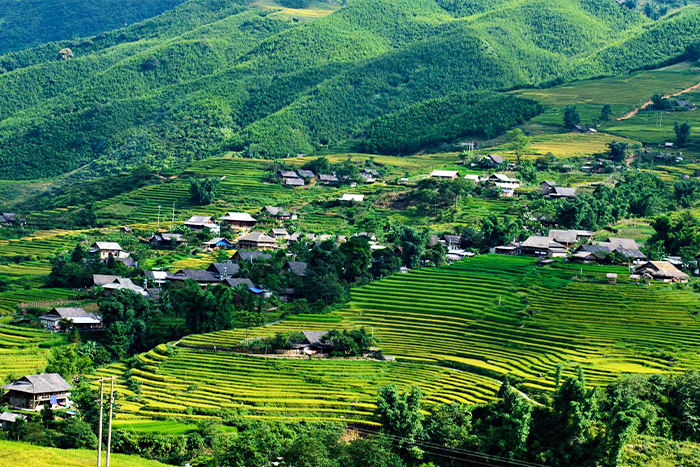
What to do in Sapa for the most wonderful trip? The spectacular rice terraces of Sapa are among the most iconic landscapes in northern Vietnam, drawing travelers from around the world with their breathtaking beauty and cultural significance. Carefully carved into the mountainsides by generations of H’Mong, Dao, and Giay ethnic communities, these terraces reflect centuries of traditional farming knowledge and a deep connection with nature. Designed to adapt perfectly to the steep terrain, the layered fields create a stunning panorama that changes beautifully with each season.
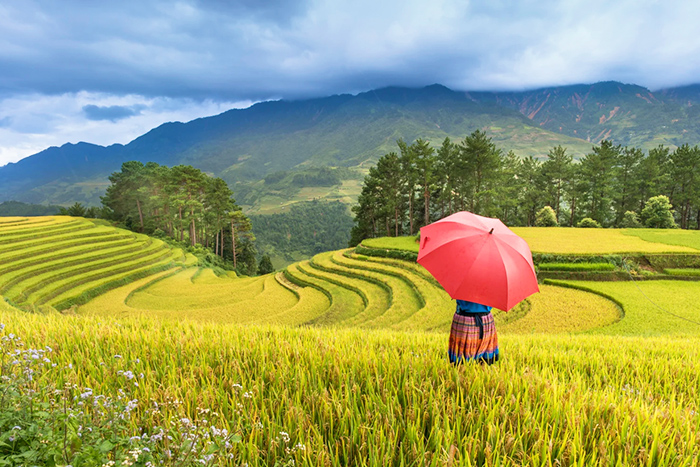
In spring, the terraces fill with water and shimmer like giant mirrors beneath the sunlight. Summer transforms the valleys into vibrant shades of green, while autumn paints the mountains golden as the rice ripens, creating one of the most photogenic scenes in Vietnam. During winter, mist and frost add a peaceful charm to the landscape.
For travelers wondering what to do in Sapa, trekking through famous areas such as Muong Hoa Valley, Ta Van Village, and Cat Cat village is one of the best things to do in Sapa Vietnam, offering unforgettable scenery and authentic cultural encounters with local communities.
Tucked away in the mountain town of Sapa, this site offers travelers a chance to journey through the fascinating history and cultural identity of northern Vietnam. Conveniently located near Sapa Station, the museum quietly preserves the stories, traditions, and lifestyles of the region’s ethnic minority communities, creating a meaningful contrast to the bustling streets outside.
Travel to Sapa Vietnam, inside, visitors can explore collections of traditional clothing, ancient artifacts, photographs, and cultural displays that reflect the everyday life of the H’Mong, Dao, Tay, and other local groups. The museum also highlights the influence of the French colonial period, helping travelers better understand how Sapa evolved into one of Vietnam’s most beloved mountain destinations.
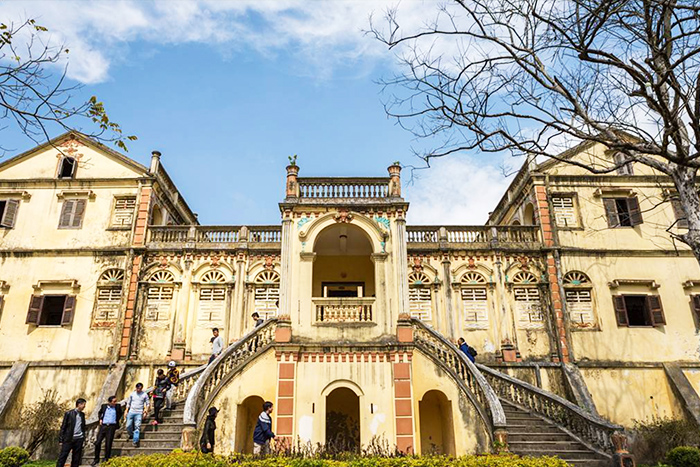
For anyone seeking a deeper cultural experience and wondering what to do in Sapa Vietnam beyond nature and trekking, this museum is a hidden gem worth exploring. With free entrance and an authentic atmosphere, it remains one of the most enriching and underrated attractions in Sapa.
One of the most fascinating aspects of visiting Sa Pa is the opportunity to discover the rich cultural diversity of its ethnic communities. Home to the Kinh, H’Mong, Dao, Tay, Giay, and Xa Pho groups, Sapa Vietnam offers travelers a unique glimpse into traditions that have been preserved for centuries in the mountains of northern Vietnam. While modern life continues to develop in the town center, many local communities still maintain traditional crafts such as weaving, embroidery, and handmade textile production, creating a cultural charm that makes Sapa truly unforgettable.
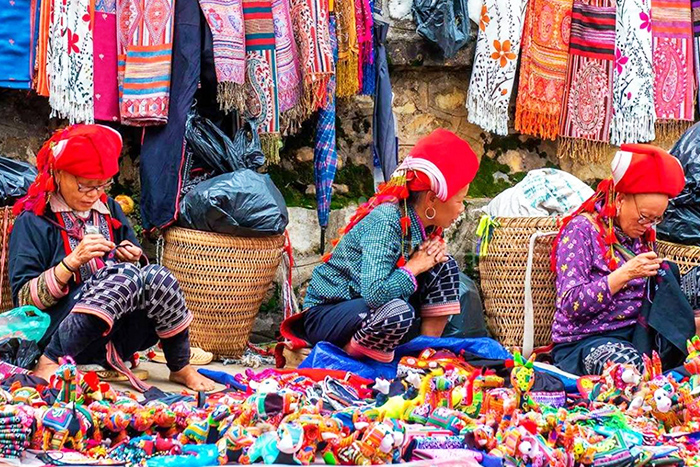
Sapa what to do? Walking through local villages or exploring the lively Central Market, visitors will find colorful handmade fabrics, embroidered clothing, silver accessories, and beautifully crafted souvenirs displayed by local artisans. Each piece reflects the identity, creativity, and daily life of the ethnic people who call Sapa home. For travelers searching for authentic experiences and meaningful souvenirs, shopping for local handicrafts is undoubtedly one of the best things to do in Sapa Vietnam.
To enjoy a pleasant shopping experience, it is recommended to check the quality of handmade products carefully and negotiate prices respectfully, as bargaining is a common part of local market culture.
Ta Phin village Sapa is a fascinating place to visit for its unique cultural heritage and stunning natural beauty. The village is home to the Red Dao ethnic minority, renowned for their unique traditions and practices. Visitors can explore their daily routines and culture, from learning about traditional weaving techniques to enjoying the local cuisine. The village is also famous for its medicinal bath, which is believed to have healing properties.
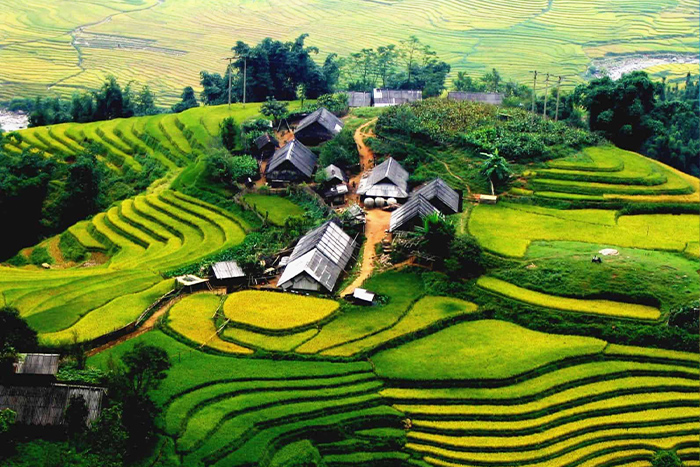
In addition to the cultural attractions, Ta Phin village is also a great place for outdoor activities such as hiking and trekking. The surrounding mountains offer breathtaking views and scenic trails for adventurers. Whether you're looking to immerse yourself in the local culture or simply enjoy the stunning natural beauty of the area, Ta Phin Village is a must-visit destination in Lao Cai.
Hidden within the stunning Muong Hoa valley, Ta Van village is one of the most peaceful and authentic destinations in Sapa. Surrounded by magnificent rice terraces, rolling mountains, and fresh mountain air, the village offers travelers a perfect escape into the natural beauty and cultural soul of northern Vietnam. Home to the Giay ethnic community, Ta Van preserves a traditional lifestyle that has remained deeply connected to nature for generations.
What to do in Sapa Vietnam? Walking through the village, visitors can admire charming wooden stilt houses, narrow pathways, and local artisans skillfully creating handmade textiles and embroidery. The warm hospitality of the local people allows travelers to experience daily life, discover traditional customs, and gain a deeper appreciation for the region’s cultural heritage.
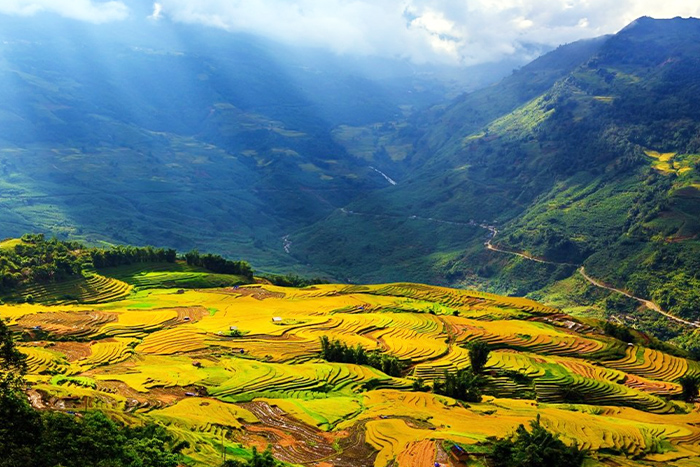
Hidden among the misty mountains of Sapa, Silver Waterfall feels like a natural masterpiece untouched by time. As travelers follow the winding road toward Tram Ton Pass, the sound of rushing water gradually echoes through the mountains before the waterfall suddenly appears, pouring powerfully down towering cliffs from nearly 200 meters above. Under the sunlight, the flowing water sparkles like silver against the deep green forest, creating a scene that is both dramatic and peaceful.
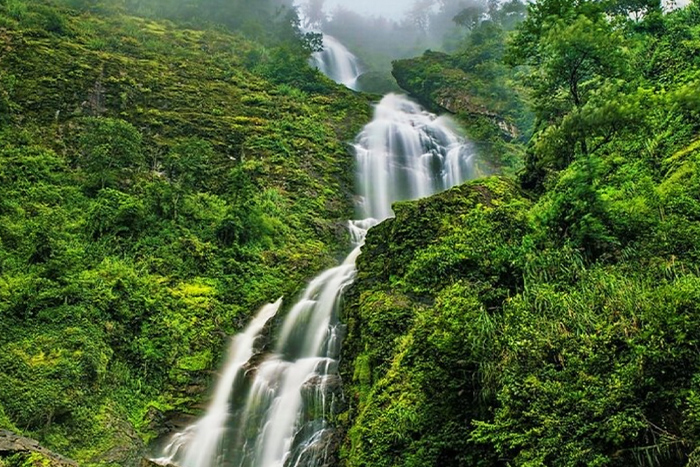
What to do in Sapa Vietnam? Unlike many crowded tourist attractions, Silver Waterfall offers a refreshing sense of calm where visitors can slow down, breathe in the cool mountain air, and simply admire the raw beauty of nature. A short walk closer to the waterfall allows travelers to feel the refreshing mist and witness the impressive force of the cascading water up close. Along the roadside, small local stalls selling handmade crafts and warm mountain snacks add an authentic charm to the experience.
For travelers searching for unforgettable scenery and hidden natural beauty, visiting Silver Waterfall is undoubtedly one of the most rewarding things to do in Sapa Vietnam.
Standing gracefully in the center of Sapa, this destination is more than just a religious landmark, it is a timeless symbol of the town’s history, culture, and unique architectural charm. Also known as the Holy Rosary Church or the Church of Our Lady of the Rosary, this iconic structure was built by the French in the early 20th century and remains one of the oldest Catholic buildings in Sapa today.
Explore top best things to do in Sapa Vietnam, with its striking Gothic architecture, stone walls, arched windows, and colorful stained glass, the church creates a romantic European atmosphere in the middle of the misty mountains of northern Vietnam. Whether surrounded by morning fog or glowing under the golden sunset, the Stone Church always leaves a lasting impression on visitors exploring the heart of Sapa.
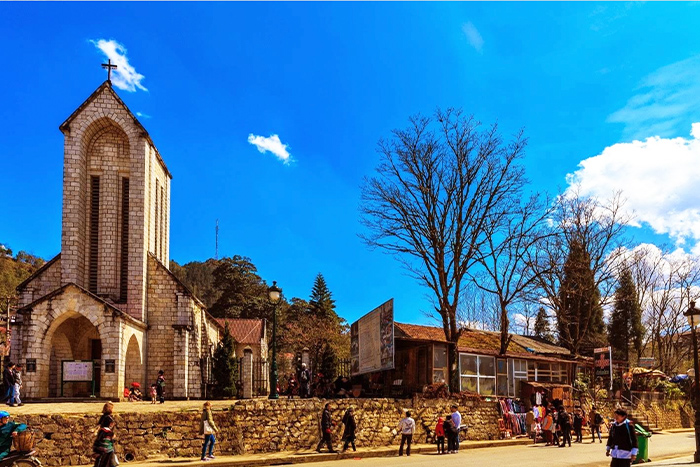
Inside, the peaceful atmosphere, religious statues, and delicate decorative details reflect both spiritual beauty and historical significance. While it continues to serve the local Catholic community, the church has also become one of the most popular attractions for travelers searching for cultural experiences and memorable photography spots in Sapa Vietnam. Visiting this historic landmark offers a quiet moment to appreciate the blend of French heritage and mountain culture that makes Sapa so unique.
Wondering about best things to do in Sapa? Nestled among the majestic mountains of Sapa, Sun World Fansipan Legend offers far more than a typical sightseeing experience - it is a remarkable journey where breathtaking nature, spiritual beauty, and cultural discovery come together above the clouds. Centered around the legendary Fansipan, known as the "Roof of Indochina", this destination has become one of the most unforgettable highlights for travelers in vacation in Vietnam.
What to to in Sapa? One of the most extraordinary experiences at Sun World Fansipan Legend is the world-famous cable car ride, recognized as one of the longest three-rope cable car systems in the world. As the cabin slowly rises above deep valleys, terraced rice fields, and mist-covered mountains, visitors are rewarded with panoramic views that feel both surreal and unforgettable. The journey itself becomes a moment of awe, offering a completely different perspective on the wild beauty of Sapa.
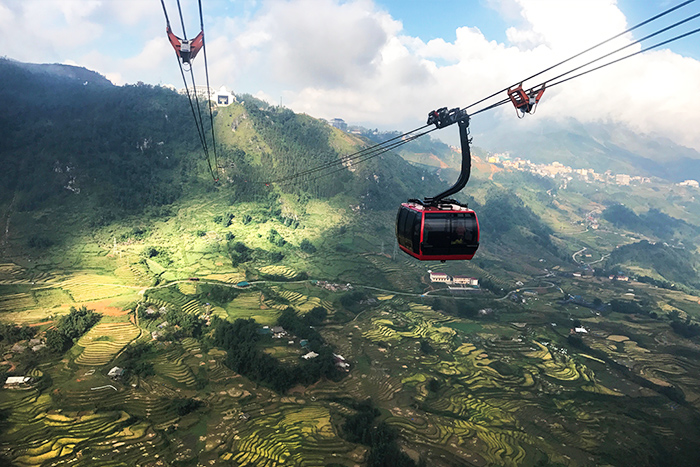
At the summit, the atmosphere transforms into something peaceful and almost spiritual. Sapa what to do? Visitors can stand proudly at the peak of Fansipan, admire endless mountain landscapes stretching beyond the clouds, and capture some of the most spectacular views in Vietnam. Beyond the scenery, the complex also features cultural performances, traditional architecture, and spaces dedicated to the ethnic heritage of the region, allowing travelers to experience the soul of Sapa beyond its landscapes.
Whether you are seeking adventure, cultural immersion, or simply a moment of wonder in nature, Sun World Fansipan Legend delivers an unforgettable experience that perfectly captures the magic and grandeur of Sapa Vietnam.
Have you ever imagined admiring the beauty of Sapa from above, surrounded by clouds, mountains, and endless rice terraces? Beyond trekking and sightseeing, one of the most relaxing things to do in Sapa is to pause at a scenic café and soak in the breathtaking landscapes that make this mountain town so unforgettable. Whether you prefer a quiet corner overlooking misty valleys or a rooftop café with panoramic mountain views, Sapa Vietnam offers countless cozy spots where every sip of coffee comes with spectacular scenery.
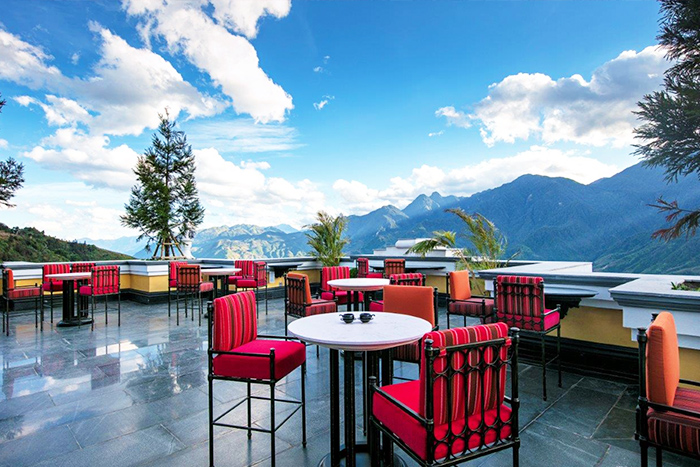
Travel to Sapa, as the cool mountain air drifts through the hills and the peaceful atmosphere slows time down, these cafés become the perfect place to unwind, capture beautiful moments, and truly experience the charm of Sapa Vietnam. Here are some of the best cafés where you can enjoy delicious drinks while taking in the magnificent views of this enchanting destination.
Rising to an altitude of 1,900 meters, Tram Ton Pass is the highest mountain pass in Vietnam and one of the most spectacular scenic routes near Sapa. Stretching nearly 50 kilometers between Sapa and Lai Chau, the pass winds through the majestic Hoang Lien Son mountain range and offers breathtaking panoramic views of misty valleys, endless green peaks, and dramatic mountain landscapes. Often called "Heaven’s Gate", Tram Ton Pass is one of the best things to do in Sapa for travelers seeking unforgettable scenery and adventure.
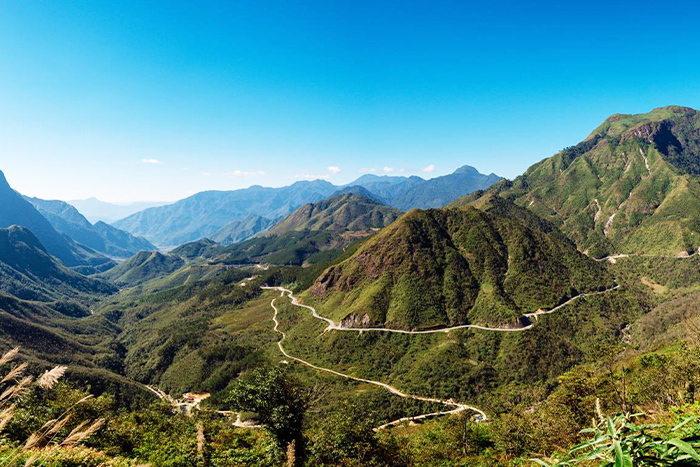
As you journey along the winding mountain road, every turn reveals stunning natural beauty, especially on cloudy days when the mountains seem to float above the sky. Along the route, visitors can also stop at Silver Waterfall, where the refreshing cascade adds even more charm to this extraordinary mountain experience


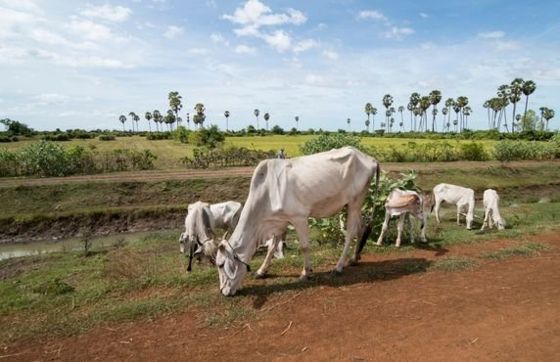
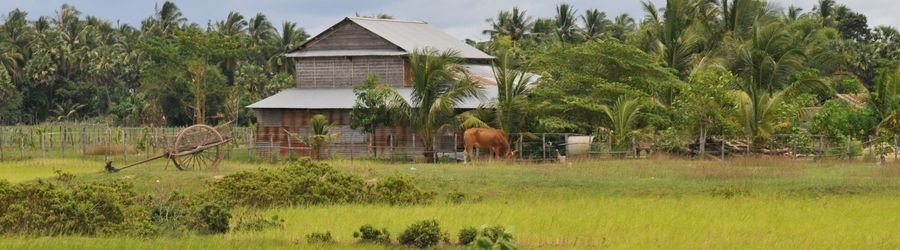
After exploring Angkor’s temples, bustling markets and the streets of Phnom Penh, Cambodia can also be discovered through its countryside. A weekend farm tour in Cambodia offers a chance to slow down and experience a rural way of life that remains closely connected to the land, the seasons and the harvest. Depending on the region, you may take part in farm activities, cook with a local family or follow rural paths between rice fields and orchards. This countryside escape is ideal for couples and families looking to experience Cambodia beyond the usual tourist routes. To make travel easier and choose an experience suited to your needs, a Cambodia travel company can also incorporate this rural immersion into a more comprehensive itinerary.
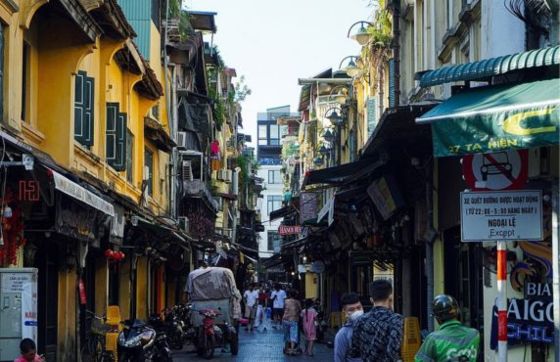
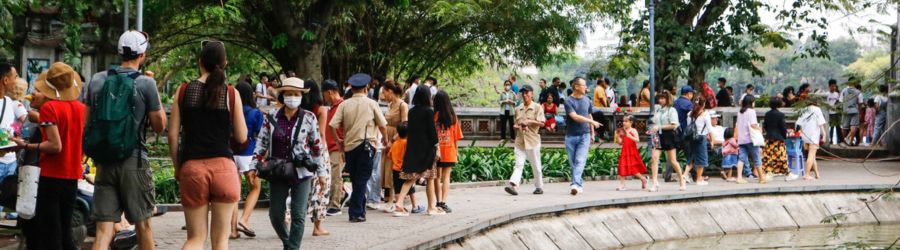
In Hanoi, walking is not just a way of getting around: it is one of the best ways to experience the rhythm of the capital. Between the bustling shopping streets of the Old Quarter, colonial-era façades, shady lakes and street food stalls, each area has its own atmosphere. But which Hanoi walking tour should you choose if you have half a day, a full day or just a few hours? This guide presents five ways to explore the city, from Hoan Kiem Lake to Long Bien Bridge, via Truc Bach and Hanoi’s food districts. Heritage, photography, gastronomy or local life: everyone can find a route that suits them. To plan a more comprehensive trip, the Local travel agency in Hanoi - Autour Asia can also help you incorporate Hanoi into the other stages of your itinerary.
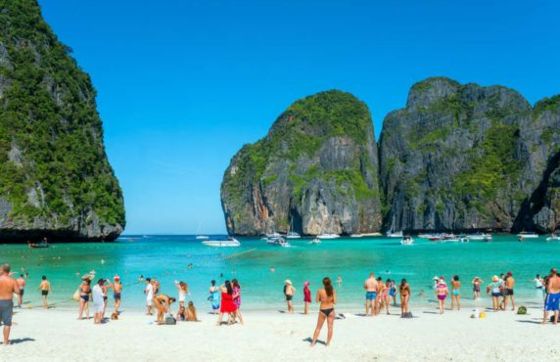
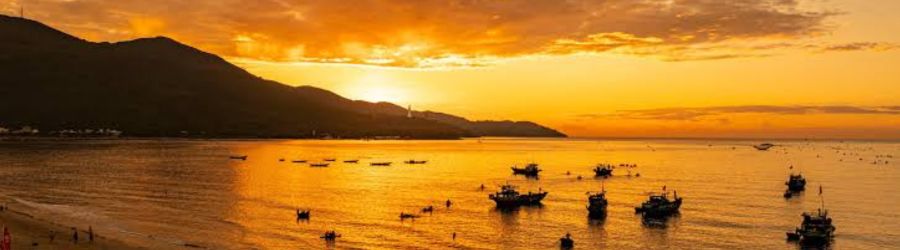
A 3 weeks in Vietnam with beach itinerary allows you to combine cultural discoveries, natural landscapes, and a few days of seaside relaxation, without turning the trip into a succession of transfers. In 21 days, it is possible to start in Hanoi, discover Ha Long Bay or Lan Ha Bay, continue to Hue and Hoi An, then head south before ending with a beach destination suited to the season. But where should you go to the beach in Vietnam? The answer depends mainly on the time of year: Phu Quoc is particularly suitable during the dry months in the South, while Da Nang, Hoi An, or Quy Nhon are good options during part of the year. To build a coherent itinerary, the Vietnam travel agency - Autour Asia can also adapt the stops to each traveler's pace and preferences.
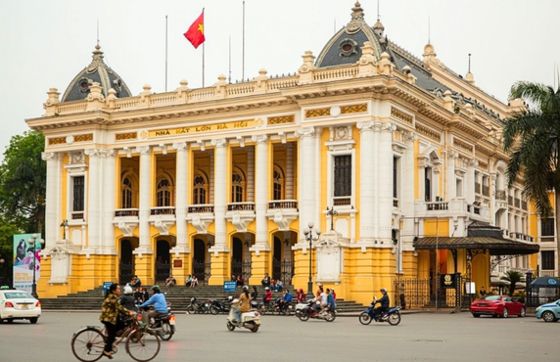
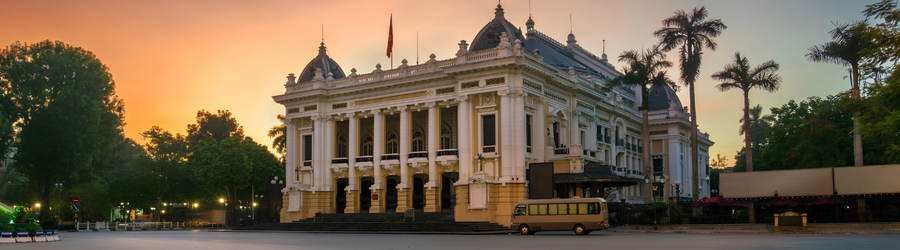
Located in the heart of Vietnam’s capital, the Hanoi Opera House is one of the city’s most iconic cultural and architectural landmarks. Built during the French colonial period, this elegant building has become an essential stop for travelers interested in Hanoi’s history and performing arts. But what can you actually see during a visit? Is visiting Hanoi Opera House possible without attending a show, and is a Hanoi Opera House tour worth adding to your itinerary? In this guide, discover the history, architecture, cultural significance and practical information you need to make the most of your visit to the Hanoi Opera House Vietnam.
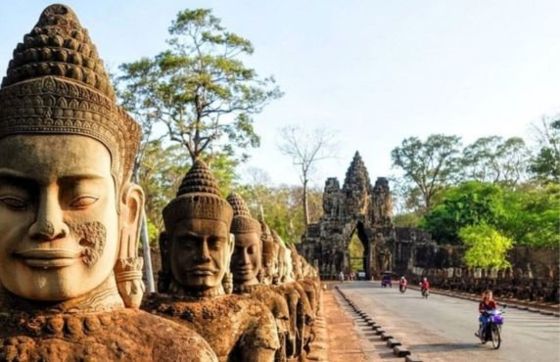

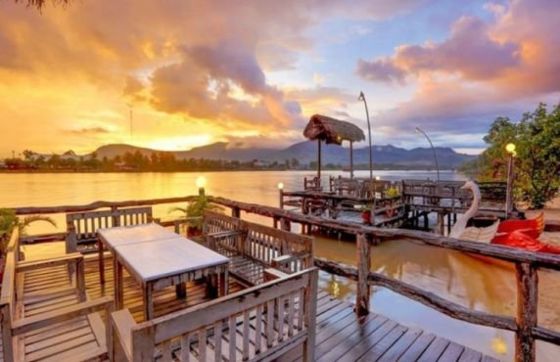

Traveling with children in southern Cambodia makes it easy to enjoy a variety of experiences: peaceful small towns, tropical landscapes, beaches, islands, local markets, and nature discoveries. To know where to visit Southern Cambodia with family, however, it is better not to include too many stops. Kampot, Kep, and the islands of Preah Sihanouk Province offer complementary atmospheres, with family-friendly activities and plenty of opportunities to relax. The choice mainly depends on the children’s age, your preferred pace, and the season. In this guide, we offer a balanced itinerary and practical ideas for organizing your stay, with advice from Cambodia travel company - Autour Asia to help you enjoy southern Cambodia without turning your holiday into a race against the clock.
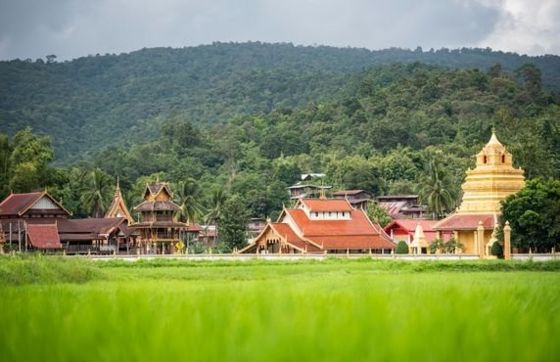
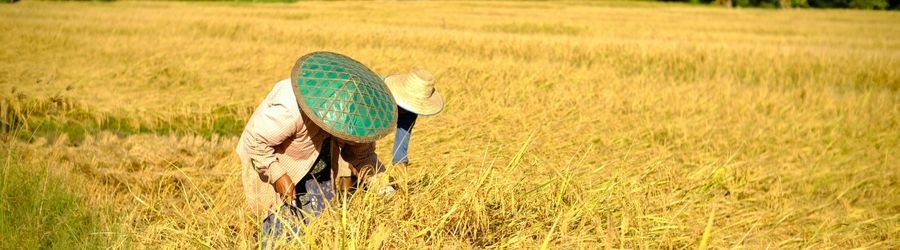
When we think of Thailand, the first images that often come to mind are temples, lively markets, tropical islands, or the beaches of the south. Yet, the country has another, more discreet side that is deeply connected to its identity: its countryside and agricultural heritage. Today, agritourism trends are attracting travelers looking for authentic experiences, closer to nature and local communities. To discover this different side of Thailand, a Thailand travel company can include rural stops in a classic itinerary. It is a great way to slow down, taste local products, and understand the daily life of local communities.
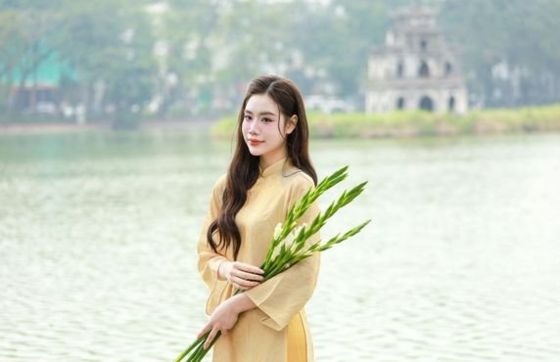
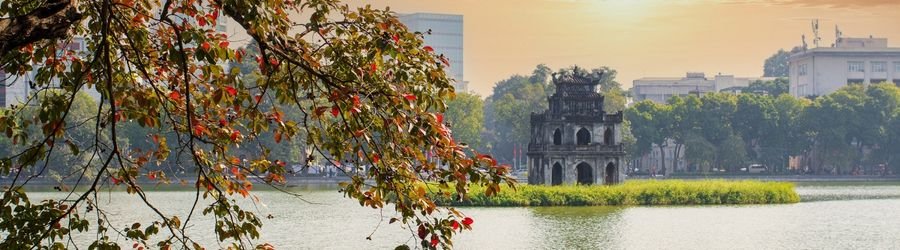
In the heart of Hanoi, some places tell the story and spirit of the Vietnamese capital better than others. Hoan Kiem lake is certainly one of them. Surrounded by trees, historic monuments and lively streets, it is a meeting point between heritage, traditions and daily life. A walk around the lake also allows visitors to experience the unique rhythm of Hanoi, from early-morning tai chi sessions to family walks and the lively atmosphere of the weekend. For travelers who want to discover the capital in a different way, this iconic site deserves a place in any itinerary planned by a Vietnam travel agency. But what is really hidden behind this famous lake?



 FR
FR EN
EN